Choosing Hedge Plants: Finding the Right Option for You

When it comes to enhancing your garden’s aesthetic appeal and functionality, hedge plants play a crucial role. In the UK, garden hedges are a popular choice for defining boundaries and adding a touch of greenery to outdoor spaces.
Selecting the right hedge plants can be a daunting task, given the numerous options available. However, by considering factors such as climate, soil type, and desired level of maintenance, you can make an informed decision that suits your UK gardening needs.
Inhaltsverzeichnis
Key Takeaways
- Consider the climate and soil type when selecting hedge plants.
- Choose hedge plants that suit your desired level of maintenance.
- Garden hedges can enhance the aesthetic appeal of your outdoor space.
- UK gardening requires careful consideration of hedge plant selection.
- Hedge plants can define boundaries and add greenery to your garden.
The Benefits of Hedges in Your Garden
Gardens can greatly benefit from the inclusion of hedges, which provide both practical and aesthetic advantages. By incorporating hedges, you can enhance your garden’s functionality and beauty.
Privacy and Boundary Definition
Hedges offer an effective way to define your garden’s boundaries while maintaining privacy. They act as a natural barrier, shielding your outdoor space from neighboring properties and public view.
Environmental Benefits
Hedges contribute to a healthier environment by providing habitats for wildlife, such as birds and insects. They also help to reduce noise pollution and can act as a windbreak, protecting your garden from harsh weather conditions.
Aesthetic Value
In addition to their practical benefits, hedges can significantly enhance the aesthetic appeal of your garden. With a wide range of plant species to choose from, you can select hedges that complement your garden’s style and color palette.
Some key benefits of hedges include:
- Increased privacy and security
- Environmental advantages, such as wildlife habitats and noise reduction
- Enhanced aesthetic appeal through varied plant species
By understanding the benefits of hedges, you can make informed decisions about incorporating them into your garden design.
Understanding Your Garden’s Conditions
Before selecting hedge plants, it’s crucial to assess your garden’s unique conditions to ensure the chosen plants thrive. Your garden’s environment plays a significant role in determining the success of your hedge.
Soil Type and pH Levels
The type of soil and its pH level are critical factors in choosing the right hedge plants. Different plants have different preferences when it comes to soil type and acidity. For instance, some plants thrive in acidic soils, while others prefer more alkaline conditions.
Soil Type Preferences:
| Soil Type | Suitable Plants |
|---|---|
| Clay | Yew, Holly |
| Sandy | Lavender, Rosemary |
| Loamy | Most hedge plants |
Light Exposure and Shade
Light exposure is another crucial factor. Some hedge plants require full sun to thrive, while others can tolerate shade. Assessing the light conditions in your garden will help you choose plants that will flourish.
Consider the amount of shade and sunlight your garden receives throughout the day.
Space Constraints
The available space in your garden also dictates the type of hedge plants you can choose. Larger gardens can accommodate taller, wider hedges, while smaller gardens require more compact options.
UK Climate Considerations for Hedge Selection
When selecting hedge plants for your UK garden, it’s crucial to consider the country’s diverse climate conditions. The UK’s climate varies significantly from region to region, impacting the types of plants that can thrive in different areas.
Regional Weather Variations
The UK experiences a range of regional weather patterns. For instance, the south-west tends to be milder and wetter, while the east is generally drier. Understanding these variations is key to choosing hedge plants that are adapted to your local conditions.
Frost Hardiness Ratings
Frost hardiness is a critical factor in hedge plant selection. Plants with a high frost hardiness rating can withstand harsh winter conditions. The Royal Horticultural Society (RHS) provides a useful hardiness rating system to help gardeners choose plants suitable for their area.
| RHS Hardiness Rating | Description |
|---|---|
| H1 | Hardy throughout the UK |
| H4 | Hardy in mild or coastal regions |
| H7 | Tender: needs protection in winter |
Wind and Rain Tolerance
Hedge plants must also be able to withstand the UK’s often windy and rainy conditions. Plants with flexible branches and robust root systems tend to perform better in exposed locations. Consider using hedging plants known for their wind and rain tolerance, such as Griselinia or Privet.
By considering these climate factors, you can select hedge plants that will not only survive but thrive in your UK garden.
Determining Your Hedge Requirements
Understanding your hedge requirements is the first step towards creating a functional and aesthetically pleasing garden boundary. To achieve this, you need to consider several factors that will influence the performance and your overall satisfaction with the hedge.
Height and Width Considerations
The height and width of your hedge are critical factors that determine its functionality and impact on your garden. You need to consider what height will provide the desired level of privacy and screening without overshadowing other garden features. The width is also important, as it affects the space available for other plants and garden paths. For instance, a wider hedge may require more frequent trimming to keep it in check.

Growth Rate Preferences
The growth rate of your hedge plants is another crucial consideration. If you want a hedge that quickly provides screening, you may prefer faster-growing species. However, these often require more frequent pruning and maintenance. On the other hand, slower-growing hedges may take longer to establish but can be less demanding in terms of upkeep.
Maintenance Commitment
Your maintenance commitment is a vital factor in choosing the right hedge. Some hedges require regular pruning, feeding, and pest management, while others are more low-maintenance. Consider how much time and effort you are willing to dedicate to hedge maintenance. This will help you select a hedge that fits your lifestyle and gardening experience.
By carefully considering these factors, you can select a hedge that not only meets your needs but also enhances the beauty and functionality of your garden.
Evergreen vs. Deciduous Hedges
Evergreen and deciduous hedges each have their unique advantages, making them suited to different needs and preferences. When deciding between the two, it’s essential to consider the benefits they offer to your garden.
Year-Round Screening with Evergreens
Evergreen hedges provide year-round screening, maintaining their foliage throughout the year. This characteristic makes them ideal for creating a consistent boundary or privacy screen. Evergreen hedges like Yew or Laurel are popular choices due to their dense, persistent foliage. They can also serve as a backdrop for other garden features, providing a constant element amidst changing seasonal displays.

Seasonal Interest with Deciduous Options
Deciduous hedges, on the other hand, offer seasonal interest through their changing foliage. They can provide a dynamic display throughout the year, from the fresh greenery of spring to the vibrant colours of autumn. Deciduous options like Beech or Hawthorn can add variety to your garden, with their leaves and sometimes flowers or berries creating a different aesthetic at different times of the year.
Ultimately, the choice between evergreen and deciduous hedges depends on your specific garden needs and personal preferences. By considering the benefits of each, you can make an informed decision that enhances your garden’s beauty and functionality.
Popular Evergreen Hedge Plants for UK Gardens
When it comes to selecting evergreen hedge plants for your UK garden, several popular options stand out for their durability and aesthetic appeal. Evergreen hedges are a fantastic way to maintain privacy and add structure to your garden throughout the year.
Box (Buxus)
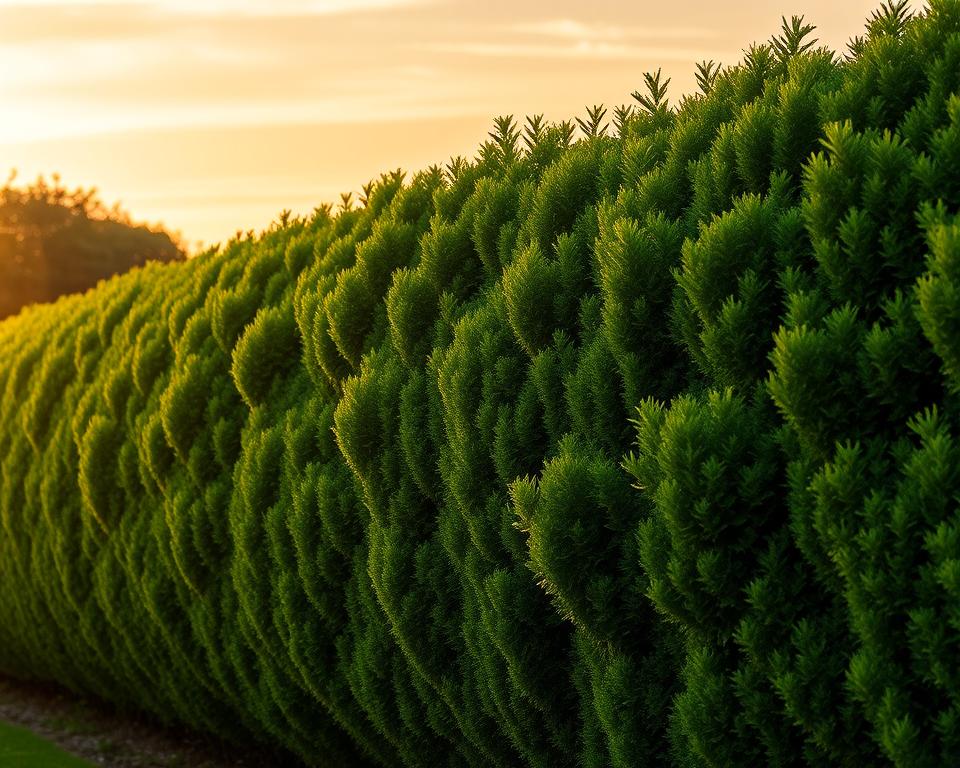
Box hedging is a classic choice for UK gardens, known for its compact growth and ability to be shaped into formal hedges or topiaries. It prefers well-drained soil and partial shade, making it versatile for various garden conditions. Regular pruning is necessary to maintain its dense, evergreen foliage.
Yew (Taxus baccata)
Yew is a highly durable and long-lived evergreen, ideal for creating dense hedges. It is tolerant of a wide range of soils and can thrive in both sunny and shaded conditions. Yew requires regular pruning to maintain its shape and promote healthy growth.
Laurel Varieties
Laurel hedging, including Cherry Laurel and Portugal Laurel, is popular for its large, glossy leaves and robust growth. It is relatively low maintenance and can tolerate a variety of soil types. Laurel hedges can grow quite tall, making them suitable for larger gardens or as a screen.
Holly (Ilex)
Holly is another evergreen option that is not only aesthetically pleasing but also provides a haven for wildlife with its bright berries. It is adaptable to different soil conditions and can be pruned to maintain a neat shape. Holly prefers partial shade but can tolerate full sun.
Leylandii and Alternative Conifers
Leylandii is a fast-growing conifer that has been a popular choice for hedges. However, its rapid growth requires frequent pruning. Alternative conifers like Cupressus and Thuja offer similar evergreen screening with slightly different growth habits and maintenance needs.
Deciduous Hedge Options for Seasonal Interest
Deciduous hedges provide a dynamic element to your garden, changing with the seasons. These hedges offer a variety of benefits, including seasonal interest through their foliage, flowers, and sometimes berries.
Beech (Fagus sylvatica)
Beech is a popular choice for deciduous hedges, known for its copper-coloured new growth and golden hues in autumn. It retains its dead leaves throughout winter, providing a natural screen. Beech is relatively low maintenance and can thrive in a variety of soils.
Hornbeam (Carpinus betulus)
Hornbeam is another excellent deciduous hedge option, closely related to beech. It has a similar appearance but with a more vigorous growth rate. Hornbeam hedges are dense, providing excellent privacy, and their leaves turn a lovely golden colour in autumn.
Hawthorn (Crataegus monogyna)
Hawthorn is a traditional hedging plant in the UK, known for its thorny branches and beautiful spring flowers. It produces red berries in autumn, which attract wildlife. Hawthorn is relatively easy to maintain and can tolerate a range of conditions.
Field Maple (Acer campestre)
Field Maple is a deciduous hedge option that offers a delicate appearance with its palmate leaves. It provides a vibrant display of colour in autumn, ranging from yellow to orange and red. Field Maple is tolerant of a variety of soils and is relatively low maintenance.
When choosing a deciduous hedge, consider factors such as growth rate, soil tolerance, and maintenance requirements. The following table summarises the key characteristics of the deciduous hedge options discussed:
| Hedge Type | Growth Rate | Soil Tolerance | Maintenance |
|---|---|---|---|
| Beech | Slow to Medium | Well-drained | Low |
| Hornbeam | Medium to Fast | Varied | Low to Medium |
| Hawthorn | Fast | Varied | Medium |
| Field Maple | Medium | Varied | Low |
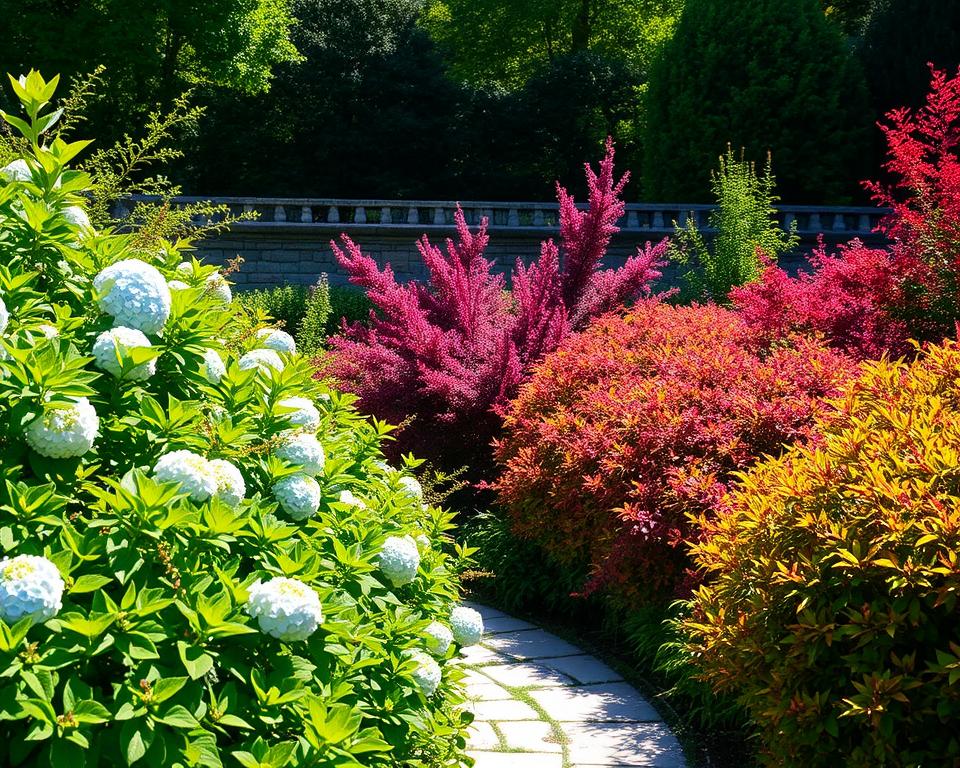
By selecting the right deciduous hedge for your garden, you can enjoy the changing beauty of the seasons while maintaining privacy and structure.
Native and Mixed Hedging for Biodiversity
Native and mixed hedging can significantly boost the biodiversity of your garden, providing a haven for local wildlife. By incorporating a variety of native plants, you can create a hedge that is not only beautiful but also beneficial for the environment.
Traditional British Hedgerow Species
Traditional British hedgerows are composed of a mix of species such as hawthorn, blackthorn, and hazel. These plants have been used for centuries to create boundaries and provide habitat for wildlife. Incorporating these species into your hedge can help to create a sense of continuity with the surrounding landscape.
Creating Mixed Native Hedges
Creating a mixed native hedge involves selecting a variety of plants that are native to your area. This can include species such as field maple, dog rose, and spindle. By mixing different plants, you can create a hedge that is resilient and provides a range of benefits for wildlife.

Benefits for Local Wildlife
Native and mixed hedging provides numerous benefits for local wildlife, including food, shelter, and habitat. A diverse hedge can support a wide range of species, from birds and insects to small mammals. As noted by a study on hedgerow conservation, “hedges can act as corridors for wildlife, allowing species to move through the landscape.”
By choosing native and mixed hedging, you are not only enhancing your garden’s biodiversity but also contributing to the larger ecosystem. This approach to hedging is a simple yet effective way to make a positive impact on the environment.
Flowering Hedges for Colour and Interest
If you’re looking to add some colour and interest to your garden, consider a flowering hedge. Flowering hedges not only provide a beautiful display of flowers but also attract pollinators and add vibrancy to your outdoor space.
These hedges come in a variety of shapes, sizes, and colours, offering something for every garden style. Whether you’re looking for a compact, low-maintenance option or a statement piece, there’s a flowering hedge to suit your needs.
Escallonia Varieties
Escallonia is a popular choice for flowering hedges, known for its glossy leaves and vibrant flowers. These evergreen shrubs are relatively low maintenance and can thrive in coastal areas. Escallonia ‘Apple Blossom’ and Escallonia ‘Langleyensis’ are two popular varieties, offering pink and red flowers respectively.
Potentilla and Spiraea
Potentilla and Spiraea are both excellent options for flowering hedges, providing a profusion of flowers throughout the summer months. Potentilla is known for its bright yellow or orange flowers, while Spiraea offers a range of colours including pink and white. These shrubs are relatively compact and can be pruned to maintain a neat shape.

Lavender for Low Hedging
Lavender is a great choice for a low, flowering hedge. It’s drought-tolerant, fragrant, and attracts bees and butterflies. Lavender hedges are relatively low maintenance and can be pruned after flowering to maintain shape. They’re ideal for cottage-style gardens or for creating a border along paths.
Rose Hedges
Rose hedges are a classic choice for adding colour and romance to your garden. They come in a variety of types, including rambling and climbing roses. While they require more maintenance than some other options, the reward is a beautiful display of flowers throughout the summer. Consider using English Roses or Floribunda Roses for a stunning hedge.
| Flowering Hedge | Height | Maintenance Level | Flower Colour |
|---|---|---|---|
| Escallonia | 1.5-3m | Low-Medium | White, Pink, Red |
| Potentilla | 0.5-1.5m | Low | Yellow, Orange |
| Spiraea | 1-2m | Low-Medium | Pink, White |
| Lavender | 0.5-1m | Low | Purple |
| Rose | 1-2m | Medium-High | Various |
Choosing Hedge Plants: Finding the Right Option for You
When it comes to selecting hedge plants, it’s crucial to match them with your garden’s purpose, whether it’s for privacy, aesthetics, or environmental benefits. The right hedge plants can enhance your garden’s functionality and beauty.
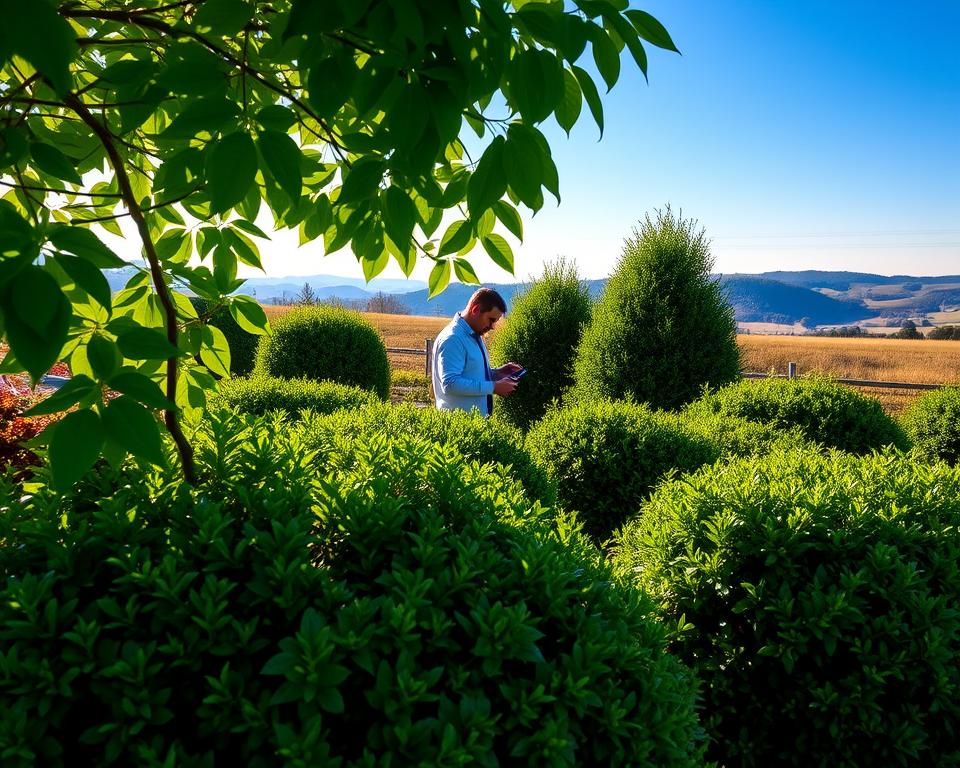
Matching Plants to Purpose
The first step in choosing hedge plants is to determine their purpose. Are you looking for a privacy screen, or do you want to add some colour and texture to your garden? Different plants serve different purposes. For instance, dense evergreen hedges like Yew (Taxus baccata) or Laurel are ideal for privacy, while flowering hedges such as Escallonia or Rose can add vibrant colours and attract pollinators.
Consider the specific needs of your garden. If you have a windy or coastal location, you’ll need plants that are tolerant of harsh conditions, such as Griselinia or Sea Buckthorn. For a more formal look, neatly clipped hedges like Box (Buxus) or Holly (Ilex) might be more suitable.
Considering Long-Term Growth
It’s essential to consider the long-term growth of your hedge plants. Some hedges grow rapidly and require frequent pruning, while others grow more slowly and need less maintenance. For example, Leylandii is known for its fast growth rate, making it a popular choice for quickly establishing a hedge, but it does require regular trimming.
On the other hand, slower-growing hedges like Yew may take longer to establish but are generally easier to maintain over time. Understanding the growth habits of your chosen plants will help you plan for their long-term care.
Budget Considerations
Your budget will also play a significant role in choosing hedge plants. The cost of the plants themselves, along with planting and maintenance, should be considered. While some plants may be cheaper initially, they might require more maintenance or replacement over time, potentially increasing their overall cost.
As gardening expert Adam Frost once said, “A well-planned hedge can be a beautiful and functional addition to any garden, but it requires careful consideration of your budget and long-term commitment to maintenance.”
By carefully considering your garden’s purpose, the long-term growth of your hedge plants, and your budget, you can make an informed decision that will result in a beautiful and functional hedge.
Legal Considerations for Hedge Planting in the UK
Understanding the legal aspects of hedge planting is essential for UK gardeners to ensure compliance with existing regulations. When you’re planning to establish a new hedge, several legal considerations come into play.
Height Restrictions and the High Hedges Act
The UK has specific legislation regarding hedge height, notably the High Hedges Act, which allows local authorities to intervene in disputes related to high hedges. You should be aware that hedges above a certain height can be considered a nuisance and may lead to complaints from neighbours.
- Check local council guidelines on hedge height restrictions.
- Be mindful of the potential for neighbourly disputes.
- Consider regular pruning to maintain a reasonable height.
Boundary Disputes and Neighbourly Considerations
Boundary disputes are common when planting hedges. It’s essential to communicate with your neighbours and ensure you’re not encroaching on their land.
Key considerations include:
- Clearly defining your property boundaries.
- Discussing your hedge planting plans with your neighbours.
- Being aware of any existing boundary agreements.
Protected Species and Conservation
When planting a hedge, you must consider the potential impact on local wildlife and protected species. Certain plants and habitats are protected by law, and it’s your responsibility to ensure your hedge doesn’t harm these.

- Check if your hedge planting area is a habitat for protected species.
- Choose plants that are beneficial to local biodiversity.
- Avoid using invasive non-native species.
Hedges for Challenging Locations
Challenging locations, such as coastal areas or urban environments, demand specific hedge plants that can withstand harsh conditions. Whether you’re dealing with salt-laden winds, dry soils, or waterlogged grounds, there’s a hedge plant that can thrive in your garden.
Coastal and Exposed Sites
Gardens in coastal areas face unique challenges, including salt spray and strong winds. For such exposed sites, hardy hedge plants like Grampian Yew (Taxus baccata ‘Grampian’) or Sea Buckthorn (Hippophae rhamnoides) are ideal. They not only provide a robust barrier against the elements but also add aesthetic value to your garden.
As noted by gardening expert, “For coastal gardens, it’s essential to choose plants that are tolerant of salt and wind. Sea Buckthorn is an excellent choice as it’s not only hardy but also produces vibrant berries.”
“For coastal gardens, it’s essential to choose plants that are tolerant of salt and wind. Sea Buckthorn is an excellent choice as it’s not only hardy but also produces vibrant berries.”
Dry or Waterlogged Soils
Soil conditions play a significant role in the health and survival of hedge plants. For dry soils, drought-tolerant plants like Lavender (Lavandula) or Rosemary (Rosmarinus officinalis) are suitable. On the other hand, waterlogged soils require plants that can tolerate excessive moisture, such as Willow (Salix) or Alders (Alnus).
| Soil Condition | Suitable Hedge Plants |
|---|---|
| Dry Soils | Lavender, Rosemary |
| Waterlogged Soils | Willow, Alders |
Urban Pollution-Tolerant Options
Urban gardens often face challenges related to pollution. Fortunately, several hedge plants are tolerant of urban pollution, including Privet (Ligustrum) and Laurel (Laurus nobilis). These plants not only thrive in polluted environments but also help purify the air.
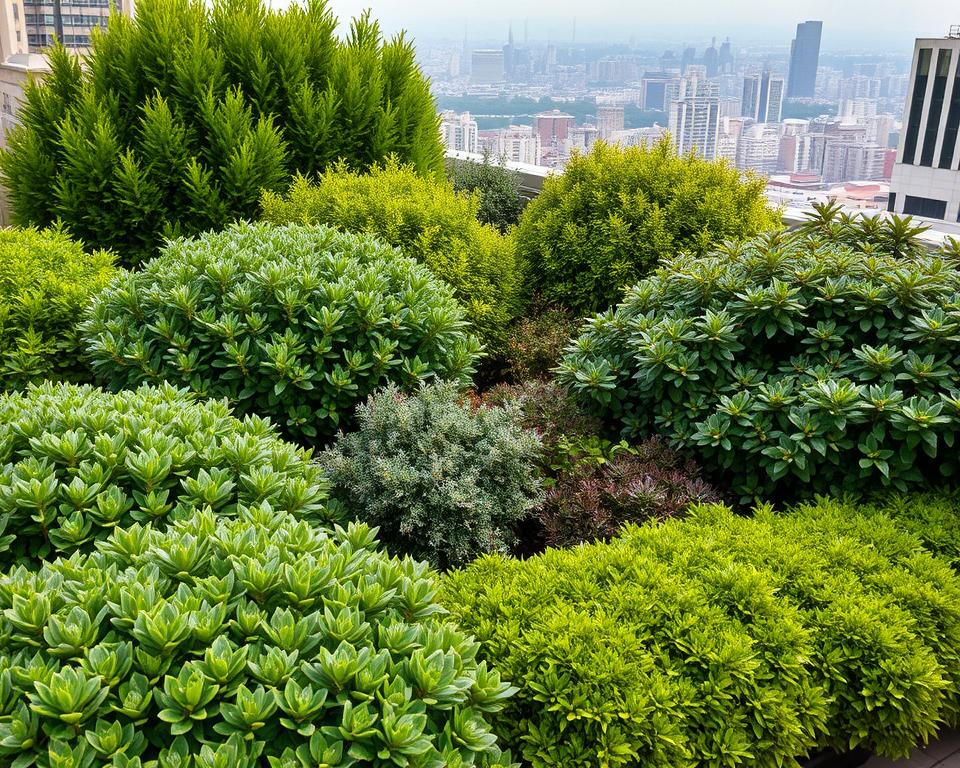
By choosing the right hedge plants for your challenging location, you can create a beautiful and resilient garden that enhances your outdoor space.
Planting Your New Hedge Successfully
To ensure your new hedge thrives, it’s essential to get the planting right from the start. This involves understanding the best practices for hedge planting, including the optimal time, spacing, and techniques.
Best Time of Year to Plant
The ideal time to plant a hedge depends on the type of plants you’re using. For bare-root plants, the dormant season (from late autumn to early spring) is best, as it allows them to establish themselves before the growing season. Container-grown plants, on the other hand, can be planted at any time of the year, provided they are watered adequately.
- For bare-root plants, plant during the dormant season.
- For container-grown plants, avoid extreme weather conditions.
Spacing Guidelines
Proper spacing is crucial for the healthy growth of your hedge. The general rule is to plant hedge plants 30-45cm apart, but this can vary depending on the species and desired density. For example, faster-growing species can be planted further apart, while slower-growing ones may need to be closer together.

Planting Techniques for Establishment
When planting, dig a trench that is twice the width of the root ball and just as deep. Gently spread the roots, and backfill with a mix of soil and organic compost. Water thoroughly, and apply a layer of mulch to retain moisture and suppress weeds.
- Dig a trench twice the width of the root ball.
- Spread the roots and backfill with soil and compost.
- Water thoroughly and apply mulch.
By following these guidelines, you can ensure your new hedge gets off to a strong start, providing beauty and functionality to your garden for years to come.
Hedge Maintenance Through the Seasons
Effective hedge maintenance involves a combination of pruning, feeding, and watering, tailored to the changing seasons. By understanding the needs of your hedge throughout the year, you can keep it healthy and looking its best.
Pruning Schedules and Techniques
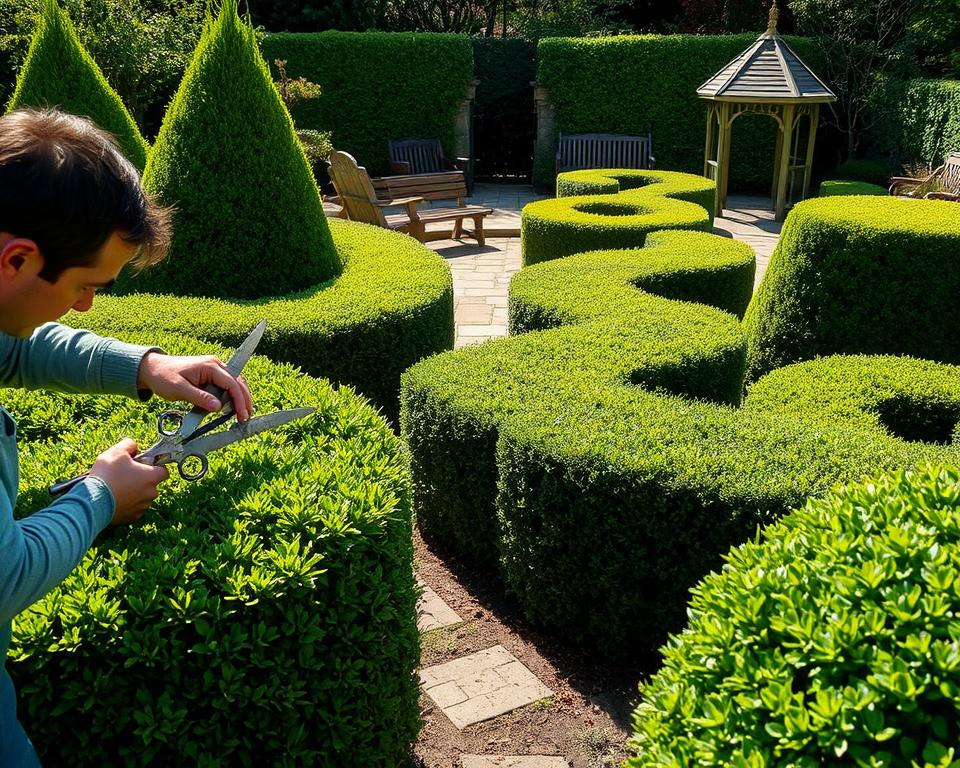
Pruning is a critical aspect of hedge maintenance. The frequency and technique of pruning depend on the type of hedge you have. For example, evergreen hedges typically require pruning in the spring and summer to maintain shape and promote healthy growth. Deciduous hedges, on the other hand, are best pruned during their dormant season to minimize stress. Using the right pruning tools and techniques is essential to avoid damaging the hedge.
Feeding and Watering Regimes
Feeding and watering are vital for the health of your hedge. Most hedges benefit from a balanced fertilizer applied in the spring. Additionally, ensuring your hedge receives adequate water, especially during dry spells, is crucial. However, overwatering can be detrimental, so it’s essential to strike the right balance.
Dealing with Common Problems
Hedges can be susceptible to various problems, including pests, diseases, and environmental stress. Regularly inspecting your hedge can help identify issues early. For instance, signs of pest infestation or disease should be addressed promptly with appropriate treatments. Environmental stress, such as drought or excessive wind, can often be mitigated with proper care and protection measures.
By following these guidelines for pruning, feeding, watering, and dealing with common problems, you can maintain a healthy, attractive hedge throughout the year.
Conclusion
Choosing the right hedge plants is a crucial decision when it comes to enhancing your garden’s functionality and aesthetic appeal. As discussed, garden hedges offer numerous benefits, including privacy, environmental advantages, and visual interest.
By understanding your garden’s conditions, considering the UK climate, and determining your hedge requirements, you can make an informed decision when selecting hedge plants. Whether you opt for evergreen or deciduous hedges, native or flowering varieties, the key is to choose plants that suit your needs and provide long-term satisfaction.
A well-maintained hedge not only adds value to your property but also contributes to the local biodiversity. As you consider your options for garden hedges, remember that the right choice will provide a beautiful and functional boundary for years to come.
FAQ
What are the benefits of having a hedge in my garden?
Hedges provide numerous benefits, including privacy, boundary definition, and environmental advantages such as reducing noise pollution and supporting local wildlife. They also add aesthetic value to your garden, creating a beautiful and tranquil atmosphere.
How do I choose the right hedge plants for my garden’s conditions?
To choose the right hedge plants, you need to consider your garden’s soil type and pH levels, as well as the light exposure and space constraints. Understanding these factors will help you select plants that thrive in your garden’s unique conditions.
What are the most popular evergreen hedge plants for UK gardens?
Some of the most popular evergreen hedge plants for UK gardens include box (Buxus), yew (Taxus baccata), laurel varieties, holly (Ilex), and leylandii and alternative conifers. These plants provide year-round screening and are relatively low maintenance.
Can I plant a hedge on a boundary with my neighbour?
Before planting a hedge on a boundary, it’s essential to consider boundary disputes and neighbourly considerations. You should check with your neighbour and ensure you comply with any local regulations or height restrictions.
How do I maintain my hedge throughout the seasons?
Regular pruning, feeding, and watering are crucial for maintaining a healthy hedge. You should also be aware of common problems such as pests and diseases, and take action to address them promptly.
What are the legal considerations for hedge planting in the UK?
When planting a hedge in the UK, you must consider height restrictions and the High Hedges Act, as well as protected species and conservation regulations. You should also be mindful of boundary disputes and neighbourly considerations.
Can I plant a hedge in a challenging location, such as a coastal or exposed site?
Yes, you can plant a hedge in a challenging location, but you need to choose plants that are tolerant of the specific conditions. For example, coastal and exposed sites require plants that can withstand wind and salt spray, while dry or waterlogged soils require plants that are adapted to these conditions.