Creating a Wellness Space in your Garden | Expert Guide

Transform your outdoor space into a personal sanctuary that nurtures both body and mind. Your garden holds untapped potential to become a therapeutic retreat where stress melts away and inner peace flourishes.
Modern life demands constant attention and energy from us all. Yet, just beyond your back door lies the perfect opportunity to establish a garden wellness sanctuary that serves as your daily escape. This isn’t merely about planting pretty flowers or arranging furniture.
Whether you’re working with a sprawling estate or a modest balcony, the principles remain the same. Thoughtful design combined with purposeful plant selection can create an outdoor wellness area that promotes genuine healing and restoration.
This comprehensive guide reveals practical strategies for selecting optimal locations, incorporating therapeutic elements, and maintaining your sanctuary year-round. You’ll discover how water features, meditation zones, and carefully chosen botanicals work together to support your wellbeing journey.
Inhaltsverzeichnis
Key Takeaways
- Any garden size can accommodate a wellness sanctuary with proper planning and design
- Therapeutic plants and water features significantly enhance mental and physical wellbeing
- Strategic location selection maximises privacy and tranquillity in your outdoor space
- Comfortable seating areas encourage regular use and deeper relaxation experiences
- Year-round maintenance ensures your sanctuary remains a consistent source of peace
- Budget-friendly options make wellness gardens accessible to most homeowners
Planning Your Garden Wellness Sanctuary
Transforming your outdoor space into a wellness sanctuary starts with careful consideration of your unique requirements. Successful wellness landscaping depends on thorough preparation that addresses both practical limitations and creative possibilities. This foundational stage determines whether your project creates lasting satisfaction or becomes a source of frustration.
Assessing Your Available Space
Begin by conducting a comprehensive survey of your garden area. Measure the dimensions accurately and note existing features such as mature trees, slopes, or architectural elements that cannot be moved. Understanding your space’s natural characteristics helps you work with rather than against the environment.
Document sunlight patterns throughout different times of day and seasons. Areas receiving morning sun suit active wellness activities, whilst shaded spots work perfectly for contemplative spaces. Consider drainage patterns and soil conditions, as these factors influence plant selection and structural installations.
Setting Your Wellness Goals
Define what wellness means to you personally. Your peaceful garden retreat might focus on meditation, gentle exercise, sensory stimulation, or social relaxation. Clear goals guide every design decision from plant choices to seating arrangements.
Consider who will use the space and how frequently. A family wellness area requires different elements than a personal meditation corner. Honest self-reflection about your lifestyle ensures the space serves your actual needs rather than idealised aspirations.
Budget Considerations and Cost Planning
Establish a realistic budget that balances aspirations with financial constraints. Wellness landscaping projects can succeed at any investment level, from simple herb gardens with basic seating to elaborate installations featuring custom water features.
Prioritise elements that deliver maximum wellbeing impact within your budget. Remember that gardens evolve over time, allowing you to add enhancements as resources permit. Consider both initial installation costs and ongoing maintenance expenses when planning your investment.
Essential Design Principles for Wellness Gardens
Effective therapeutic garden design relies on three core principles that work together to establish a truly restorative outdoor environment. These fundamental elements create the foundation for a space that nurtures both mental and physical wellbeing. Understanding how to apply these principles will ensure your wellness garden becomes a genuine sanctuary.
The success of your garden depends on balancing aesthetic appeal with therapeutic function. Each design choice should contribute to the overall sense of calm and restoration you’re seeking to achieve.

Creating Visual Balance and Harmony
Visual balance forms the cornerstone of successful mindful gardening spaces. The rule of thirds helps position focal points naturally, whilst repetition of plants and materials creates cohesiveness throughout your area. Combine different heights, textures, and colours thoughtfully to avoid overwhelming busyness.
Harmony emerges when elements complement rather than compete with each other. Soft colour palettes typically work better than bold contrasts in wellness environments. Consider how each element relates to its neighbours and contributes to the overall peaceful atmosphere.
Incorporating Natural Flow Patterns
Natural flow patterns guide visitors through your garden intuitively and peacefully. Curved pathways feel more calming than straight lines, encouraging gentle movement and contemplation. Creating a sense of journey with different areas revealed gradually adds interest and promotes therapeutic garden design benefits.
The flow should feel effortless, drawing people naturally from one area to another. Consider sight lines and how views unfold as someone moves through the space.
Establishing Privacy and Seclusion
Privacy creates the intimate atmosphere essential for true relaxation and mindful gardening practices. Strategic placement of shrubs, screens, or garden levels can create secluded spaces without requiring high fences. This seclusion allows you to fully disconnect from external distractions.
Consider views from multiple vantage points, including from inside your home. The goal is creating a cohesive environment that feels separate from everyday stresses whilst remaining accessible and inviting.
| Design Principle | Key Elements | Therapeutic Benefits | Implementation Tips |
|---|---|---|---|
| Visual Balance | Height variation, colour harmony, texture contrast | Reduces visual stress, promotes calm | Use rule of thirds, repeat materials |
| Natural Flow | Curved paths, gradual reveals, intuitive movement | Encourages mindful walking, exploration | Avoid straight lines, create journey stages |
| Privacy | Strategic planting, screens, level changes | Enables deep relaxation, reduces anxiety | Consider multiple viewpoints, maintain accessibility |
Choosing the Perfect Location Within Your Garden
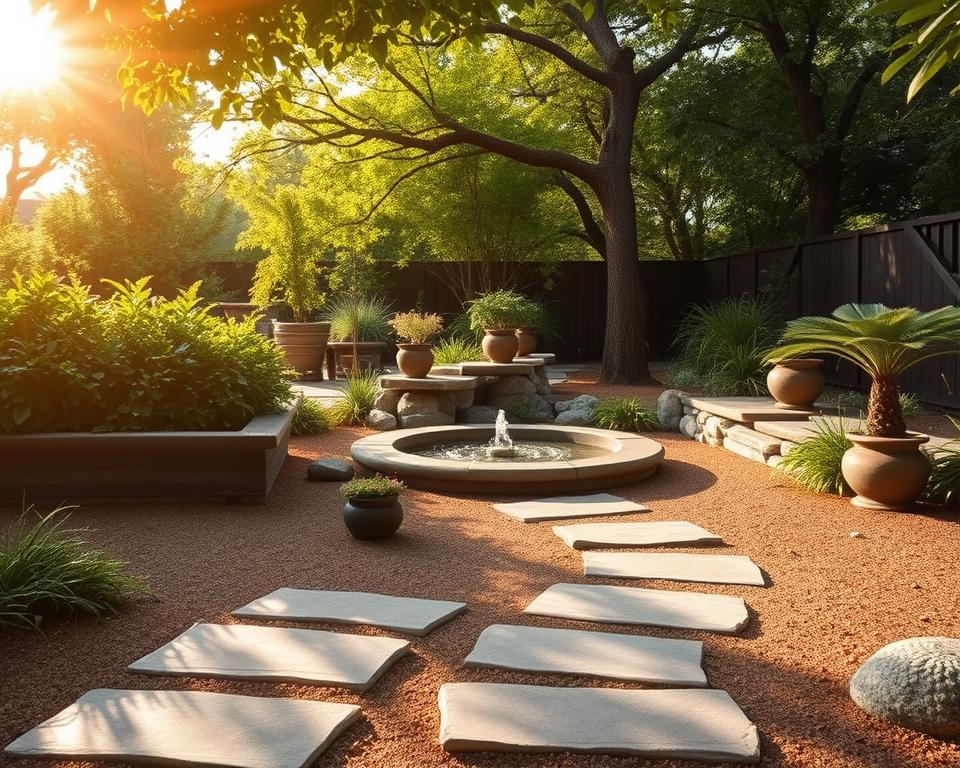
Finding the perfect position for your garden tranquillity space involves evaluating multiple environmental factors. The location you select will determine how often you use your wellness area and how effective it becomes for relaxation. Careful observation over several days helps you understand your garden’s changing conditions throughout different times.
Evaluating Sunlight and Shade Patterns
Monitor how sunlight moves across your garden during different seasons. Morning sun provides energising light for yoga or stretching routines. Afternoon shade offers comfortable conditions for meditation and quiet reflection.
Consider your garden’s orientation and how buildings or mature trees create shadow patterns. Most wellness activities benefit from a mixture of sun and shade throughout the day. Observe these patterns for at least a week before making your final decision.
Considering Noise Levels and Distractions
Position your outdoor meditation space away from busy roads and neighbouring activity areas. Mechanical equipment like air conditioning units can disrupt peaceful moments. Natural sounds enhance tranquillity rather than disturb it.
Listen carefully to your garden at different times. Bird songs, rustling leaves, and flowing water create a calming atmosphere. These pleasant sounds should influence your location choice positively.
Accessibility and Practical Considerations
Choose a location that’s easily accessible from your home. Avoid areas requiring walks through muddy patches or difficult terrain. Convenience encourages regular use of your wellness space.
Consider proximity to water sources for plant maintenance and electrical outlets for lighting. Storage access for cushions and equipment also matters for practical daily use.
Creating a Wellness Space in your Garden: Step-by-Step Implementation
The implementation phase of your garden wellness project marks the exciting transition from concept to reality. This systematic approach ensures your relaxation garden ideas become a lasting sanctuary that provides years of peaceful enjoyment. Following these proven steps will help you avoid common pitfalls whilst creating a professional-looking result.
Success depends on taking each phase methodically. Rushing through the groundwork often leads to problems later. Your patience during implementation will reward you with a space that truly enhances your wellbeing.

Ground Preparation and Layout Marking
Begin by clearing your designated area completely of weeds, debris, and unwanted vegetation. This clean slate approach prevents future maintenance headaches. Test your soil’s pH levels and drainage capacity, as most wellness gardens thrive in well-draining soil with neutral to slightly acidic conditions.
Mark your layout using spray paint or rope to visualise the entire space before making permanent changes. Walk through your planned pathways multiple times throughout the day. Notice how morning and evening light falls across different areas, and don’t hesitate to adjust positioning based on these observations.
Installing Foundational Elements
Install all hardscaping elements first, including pathways, patios, or decking areas. These permanent features form the backbone of your wellness space and prove difficult to modify once plants are established. Complete any electrical work for lighting or water features during this phase.
Ensure all utilities meet building code standards and are properly marked for future reference. Underground cables and plumbing should be installed before any structural work begins. This forward-thinking approach prevents costly disruptions later in the project.
Adding Structural Features and Boundaries
Install pergolas, arbours, or privacy screens to give your space definition and character. Create raised beds or install edging for planted areas, considering the mature size of plants when positioning these elements. Adequate spacing prevents overcrowding as your garden develops.
Choose materials that age gracefully and support effective wellness garden maintenance over time. Remember that implementing your vision in phases allows you to spread costs whilst ensuring each element receives proper attention. This patient approach often produces superior results compared to rushing the entire project.
Selecting Plants for Therapeutic Benefits
Therapeutic plants form the foundation of any successful wellness garden, providing sensory experiences that promote relaxation and mental wellbeing. The species you choose will directly impact the healing atmosphere of your space. Each plant contributes unique qualities through fragrance, texture, colour, and even the gentle sounds they create in the breeze.
Your mindful gardening approach should focus on creating layers of therapeutic benefits throughout the seasons. Consider how different plants will interact with each other and with your senses. The goal is to build a living sanctuary that supports your wellness journey year-round.

Aromatherapy Plants for Sensory Wellness
Lavender stands as the cornerstone of aromatherapy plants in British gardens, offering months of calming fragrance. English lavender thrives in our climate and provides therapeutic benefits long after harvest. Position these scented beauties where you’ll brush against them naturally during garden walks.
Rosemary, thyme, and mint create a culinary aromatherapy trio that serves dual purposes. Evening-scented plants like jasmine and honeysuckle transform sunset meditation sessions into deeply fragrant experiences. Place these strategic aromatherapy additions near seating areas for maximum therapeutic impact.
Low-Maintenance Options for Stress-Free Gardening
Hardy perennials eliminate garden anxiety whilst maintaining therapeutic benefits. Echinacea, sedum, and ornamental grasses require minimal intervention once established. These low-maintenance champions provide structure and interest without demanding constant attention.
Native species offer particular value in mindful gardening practices. They naturally adapt to local conditions and support wildlife, adding ecological depth to your wellness space. Ferns and hostas excel in shaded areas, creating peaceful atmospheres with virtually no maintenance requirements.
Seasonal Interest and Year-Round Appeal
Spring bulbs like crocuses and daffodils provide hopeful early colour after winter’s dormancy. These therapeutic plants signal renewal and fresh beginnings in your wellness journey. Autumn-flowering asters extend the growing season when other plants fade.
Evergreen shrubs maintain structural backbone during winter months. Box, yew, and rhododendrons preserve your garden’s therapeutic framework year-round. Plants with interesting bark or distinctive seed heads add winter appeal when flowers disappear.
| Season | Therapeutic Plants | Primary Benefits | Maintenance Level |
|---|---|---|---|
| Spring | Lavender, Crocuses, Daffodils | Aromatherapy, Visual uplift | Low |
| Summer | Rosemary, Jasmine, Echinacea | Fragrance, Colour therapy | Medium |
| Autumn | Asters, Ornamental grasses | Texture, Movement | Low |
| Winter | Box, Yew, Evergreen shrubs | Structure, Continuity | Very low |
Installing Water Features for Tranquillity
Water features transform any garden space into a sanctuary of calm, offering both visual beauty and therapeutic sounds. The gentle movement and natural rhythm of water create an immediate sense of garden tranquillity that masks unwanted noise whilst promoting deep relaxation. Whether you choose a simple fountain or an elaborate pond, water elements serve as powerful focal points that enhance your outdoor wellness experience.

Fountain Options for Different Budgets
Fountains offer the most accessible entry point into water gardening. Tabletop fountains start from just £30 and work perfectly on garden tables or wall ledges. These compact options provide gentle bubbling sounds ideal for intimate seating areas.
Mid-range solar fountains between £100-£300 eliminate electrical installation costs. They operate sustainably during daylight hours and often include battery backup for evening use. Tiered fountains in this range create impressive focal points without overwhelming smaller spaces.
Premium installations exceeding £500 offer dramatic water displays with multiple tiers and integrated lighting. Consider your space proportions carefully—a modest courtyard benefits from subtle features, whilst larger gardens can accommodate statement pieces.
Pond Installation Basics
Creating a peaceful garden retreat through pond installation requires careful planning but delivers unmatched serenity. Begin by marking your desired area and checking for underground utilities. Excavate to your chosen depth, typically 60cm minimum for wildlife ponds.
Install a quality pond liner with protective underlay. Add appropriate filtration systems if planning to include fish. Safety considerations are paramount, particularly with children accessing the garden. Check local planning regulations for larger installations exceeding certain dimensions.
Maintenance Requirements for Water Elements
Water feature maintenance proves less demanding than many anticipate. Fountains require monthly cleaning to prevent algae buildup and seasonal winterisation in harsh climates. Ponds benefit from regular debris removal and annual plant management.
| Feature Type | Monthly Tasks | Seasonal Requirements | Annual Costs |
|---|---|---|---|
| Small Fountain | Clean pump, refill water | Winter storage, spring setup | £20-40 |
| Solar Fountain | Panel cleaning, water top-up | Battery replacement | £30-60 |
| Wildlife Pond | Debris removal, plant pruning | Deep clean, equipment check | £50-100 |
| Fish Pond | Filter maintenance, feeding | Equipment service, water testing | £100-200 |
Comfortable Seating and Relaxation Areas
Creating inviting seating areas is essential for establishing a garden wellness space that encourages daily use and genuine relaxation. The furniture you choose will determine whether your outdoor wellness area becomes a cherished retreat or simply another garden feature that looks attractive but rarely gets used.
Comfortable seating transforms your space from somewhere you pass through into a destination where you naturally want to linger. The key lies in selecting pieces that combine durability with genuine comfort, ensuring your investment serves you well through all seasons.
Weather-Resistant Materials and Construction
British weather demands furniture that can withstand unpredictable conditions without constant maintenance. Teak and cedar offer natural weather resistance and age beautifully, developing an attractive silver patina over time.
Powder-coated aluminium provides excellent durability whilst remaining lightweight for easy repositioning. Synthetic rattan delivers the natural appearance many gardeners prefer with superior weather resistance compared to traditional wicker.
Stone or concrete benches create permanent seating that requires no seasonal storage. These materials weather naturally and become more attractive with age, though they benefit from cushions for extended comfort sessions.
Designing Multiple Zones for Different Activities
Your outdoor wellness area should accommodate various moods and activities throughout the day. A sunny morning spot might be perfect for meditation, whilst a shaded afternoon corner provides ideal reading conditions.
Consider sight lines between different garden seating areas carefully. Sometimes privacy enhances contemplation, whilst other times you might prefer observing garden wildlife from multiple vantage points.
Varying seating heights and styles adds visual interest and functional diversity. Low loungers encourage relaxation, whilst higher chairs support more active pursuits like journaling or sketching.
Enhancing Comfort with Textiles and Accessories
Quality cushions and soft furnishings bring indoor comfort levels to outdoor spaces. Modern weather-resistant fabrics offer both durability and style, with many options rivalling interior textiles for comfort and appearance.
Plan storage solutions for soft furnishings during harsh weather. Built-in storage benches or nearby garden storage keeps cushions protected whilst remaining easily accessible for spontaneous use.
| Furniture Material | Durability Rating | Maintenance Level | Comfort Factor |
|---|---|---|---|
| Teak Wood | Excellent | Low | High with cushions |
| Synthetic Rattan | Very Good | Very Low | Good |
| Powder-Coated Metal | Excellent | Very Low | Medium |
| Natural Stone | Outstanding | None | Low without cushions |
Incorporating Mindfulness and Meditation Elements
Your garden meditation corner becomes a sacred space where nature’s healing energy meets purposeful design for holistic wellness. These thoughtful additions transform ordinary garden areas into powerful tools for stress reduction and spiritual growth. The key lies in creating elements that support both focused meditation and gentle contemplation throughout your daily routine.
Designing a Dedicated Meditation Corner
A well-planned outdoor meditation space requires careful consideration of location and orientation. Many practitioners prefer facing east to welcome the morning sunrise, though personal preference should guide your final decision. Even a small corner with weatherproof cushions or a simple wooden bench creates an effective meditation area.
Shelter from prevailing winds helps maintain focus during practice sessions. You can achieve this through strategic plant placement or installing a decorative screen. The space should feel separate from everyday garden activities whilst remaining easily accessible from your home.
Privacy and enclosure enhance the meditative experience without requiring expensive installations. Tall grasses, bamboo screens, or climbing plants on trellises provide natural boundaries that foster inner peace.
Adding Focal Points for Contemplation
Contemplative focal points give the mind something meaningful to rest upon during quiet reflection. Consider these effective options:
- A beautiful stone or piece of garden sculpture with personal significance
- Water features that provide both visual and auditory anchors
- Seasonal elements like flowering trees that change throughout the year
- Sundials that connect your practice with natural time cycles
The focal point should enhance rather than distract from your meditation practice. Choose elements that feel personally meaningful and complement your garden’s existing aesthetic.
Creating Sensory Engagement Opportunities
Thoughtful sensory elements enrich your garden meditation corner by providing gentle stimulation that deepens mindful awareness. Incorporate plants with varied textures for tactile exploration, such as lamb’s ear or ornamental grasses.
Consider adding subtle auditory elements like wind chimes or rustling bamboo. Fragrant herbs such as lavender, rosemary, or mint engage the sense of smell naturally. The goal is providing enough sensory richness to maintain interest without creating overwhelming distractions that disturb your peaceful practice.
Lighting Solutions for Evening Wellness Sessions
Proper lighting transforms your garden wellness sanctuary into an enchanting evening retreat. The right illumination extends your outdoor wellness activities well beyond sunset. Thoughtful lighting design creates magical atmospheres perfect for meditation or peaceful contemplation under the stars.
Solar-Powered Options for Eco-Friendly Illumination
Solar lighting has revolutionised garden illumination by eliminating electrical installation needs. Modern solar lights offer impressive brightness and longevity with automatic dusk-to-dawn operation. Solar string lights create enchanting overhead canopies, whilst solar spotlights highlight specific plants or architectural features.
Positioning during installation requires careful consideration. Solar panels need adequate daytime sun exposure to charge effectively. This requirement may influence your placement decisions throughout your wellness space.
Creating Ambient Lighting Effects
Gentle illumination enhances rather than dominates your evening garden experience. Warm white LEDs (2700K-3000K) create cosy, relaxing atmospheres more conducive to wellness activities than harsh alternatives. Uplighting trees adds drama, whilst subtle path lighting provides guidance without overwhelming brightness.
Candles and lanterns offer the ultimate ambient lighting experience. Their flickering, meditative light creates perfect conditions for contemplative evenings and supports your relaxation garden ideas.
Safety Considerations for Pathways
Key areas like steps and pathway edges require clear illumination to prevent accidents. Motion-sensor lights provide security whilst conserving energy. They automatically illuminate when you enter your wellness space, maintaining the balance between safety and peaceful atmosphere.
Weather Protection and Seasonal Adaptations
Weather protection transforms your garden wellness sanctuary from a seasonal retreat into a year-round haven of tranquillity. Britain’s changeable climate demands thoughtful planning to ensure your outdoor space remains accessible and comfortable regardless of conditions. Strategic weather protection extends your garden’s usability by up to 200 days annually, making every investment in shelter and comfort worthwhile.
Installing Pergolas and Canopies
Pergolas create the perfect balance between shelter and openness in your therapeutic garden design. These structures provide essential shade during scorching summer days whilst allowing gentle breezes to flow through. Timber pergolas develop character over time, supporting climbing roses or jasmine that enhance both privacy and aromatherapy benefits.
Retractable canopies offer maximum flexibility for changing conditions. Modern motorised versions respond to wind sensors automatically, protecting your space during sudden downpours. Quality canopies withstand winds up to 25mph, ensuring reliable protection when you need it most.
Creating All-Weather Comfort Solutions
Strategic windbreaks transform exposed gardens into comfortable retreats. Dense hedging or decorative screens filter harsh winds whilst maintaining airflow. Position these barriers to protect your main seating areas without blocking attractive views.
Outdoor heating extends your garden’s season significantly. Gas patio heaters provide instant warmth, whilst fire pits create atmospheric focal points for evening meditation. Consider infrared heaters for targeted warmth that doesn’t rely on air circulation.
Seasonal Decoration and Enhancement Ideas
Seasonal adaptations keep your garden wellness sanctuary engaging throughout the year’s natural cycles. Spring bulbs like crocuses and daffodils herald renewal and hope. Summer brings lavender and herbs that release therapeutic scents when brushed against.
Autumn transforms your space with warm colours and textures. Ornamental grasses sway gracefully in autumn breezes, whilst chrysanthemums provide vibrant focal points. Winter decorations might include evergreen wreaths, outdoor fairy lights, or frosted branches that catch morning sunlight beautifully.
Maintaining Your Garden Wellness Space
Keeping your wellness sanctuary healthy doesn’t have to become another source of stress. Effective wellness garden maintenance focuses on creating sustainable routines rather than overwhelming tasks. The key lies in viewing garden care as an extension of your wellness practice, where each activity contributes to both the space’s beauty and your own sense of calm.
Establishing Regular Upkeep Schedules
Creating consistent maintenance routines prevents small issues from becoming major problems. Weekly tasks should include light weeding, deadheading spent flowers, and checking water features for proper function.
Monthly activities involve deeper cleaning of furniture and assessing overall plant health. The secret is consistency rather than intensity—little and often keeps your sanctuary thriving without becoming burdensome.
Seasonal Maintenance Tasks
Spring preparation includes pruning, mulching, and introducing new plantings. Summer focuses on watering schedules and pest management whilst you enjoy the space’s benefits.
Autumn involves preparing plants for winter and storing seasonal furniture. Winter maintenance remains minimal but includes protecting tender plants and maintaining safe pathway access.
Troubleshooting Common Issues
Approaching problems with a mindful gardening perspective transforms challenges into learning opportunities. Pest issues, plant diseases, and weather damage are natural parts of garden life rather than design failures.
View maintenance as meditation in action, connecting you more deeply with your wellness space whilst keeping it healthy and beautiful.
Conclusion
Creating a wellness space in your garden offers remarkable benefits that extend far beyond simple landscaping. Your peaceful garden retreat becomes a daily refuge where stress melts away and mental clarity flourishes.
The journey from concept to completion requires patience, but each step brings you closer to your personal sanctuary. Whether you begin with aromatic lavender beds or a simple wooden bench, every element contributes to your wellbeing transformation.
Your wellness garden will mature alongside your understanding of its therapeutic potential. Plants will grow fuller, water features will develop natural patinas, and seating areas will become perfectly weathered. This evolution creates deeper connections between you and your outdoor sanctuary.
Small gardens can achieve the same tranquil atmosphere as expansive landscapes. A corner herb garden or compact water feature delivers substantial wellness benefits without requiring extensive space or investment.
Begin your wellness garden journey today with one meaningful element. Choose something that speaks to your senses – perhaps wind chimes for auditory pleasure or fragrant roses for aromatherapy benefits. Your peaceful garden retreat awaits, ready to provide years of restorative experiences and natural healing right outside your door.
FAQ
How much space do I need to create a wellness space in my garden?
You can create a meaningful wellness garden in virtually any space, from a small corner measuring just 2×2 metres to expansive areas spanning several hundred square metres. Even compact courtyards or balconies can accommodate essential elements like aromatherapy plants, comfortable seating, and small water features. The key is maximising your available space through thoughtful design principles and selecting appropriately scaled elements for your outdoor meditation space.
What’s the typical budget range for creating a garden wellness sanctuary?
Garden wellness sanctuary costs vary dramatically based on scope and materials chosen. A basic setup with seating, some therapeutic plants, and simple lighting might cost £200-500, whilst more elaborate designs featuring custom water features, professional landscaping, and high-end furniture could reach £5,000-15,000. Most homeowners find that £1,000-3,000 creates a comprehensive wellness garden with lasting impact.
Which plants provide the best therapeutic benefits for relaxation?
Aromatherapy plants like English lavender, rosemary, and jasmine offer excellent therapeutic benefits through their calming fragrances. Low-maintenance options such as echinacea, ornamental grasses, and native ferns provide year-round structure whilst supporting mindful gardening practices. Consider seasonal interest plants like spring bulbs and autumn-flowering asters to maintain engagement with your therapeutic garden design throughout the year.
How do I choose the best location within my garden for wellness activities?
Evaluate sunlight and shade patterns throughout the day, as most wellness activities benefit from morning sun and afternoon shade. Position your peaceful garden retreat away from noise sources like busy roads or mechanical equipment, whilst ensuring easy accessibility from your home. Consider proximity to utilities like water sources and electrical outlets for practical wellness garden maintenance.
What water features work best for creating tranquillity in smaller gardens?
Solar-powered fountains and small tabletop water features are perfect for compact spaces, providing the therapeutic sound of moving water without overwhelming the area. Wall-mounted fountains save ground space whilst creating focal points, and simple bird baths attract wildlife whilst adding garden tranquillity. Even container water gardens can provide meditative qualities in the smallest outdoor wellness area.
How can I create privacy in my wellness space without expensive fencing?
Strategic planting with shrubs like bamboo, laurel, or fast-growing climbers creates natural privacy screens. Positioning garden screens, pergolas, or even large planters can establish intimate spaces within larger gardens. Clever use of garden levels and curved pathways also creates seclusion whilst maintaining the open feeling essential for effective relaxation garden ideas.
What seating options work best for outdoor meditation and relaxation?
Weather-resistant materials like teak, cedar, or powder-coated aluminium provide durability for year-round use in garden seating areas. Consider multiple seating zones with different orientations for various activities—sunny spots for morning meditation and shaded areas for afternoon relaxation. Built-in storage benches offer practical solutions for cushion storage whilst maintaining clean lines in your design.
How do I maintain my wellness garden without it becoming stressful?
Establish regular but manageable upkeep schedules focusing on weekly light tasks like deadheading and monthly deeper maintenance. Choose low-maintenance plants suited to your local conditions, and view wellness garden maintenance as meditation in action rather than a chore. Little and often prevents small issues from becoming overwhelming problems whilst maintaining the therapeutic benefits of mindful gardening.
Can I create a wellness garden that’s usable year-round in the UK climate?
Absolutely! Install weather protection like pergolas or canopies for shelter, and consider outdoor heating options for extending evening use. Choose evergreen plants for winter structure, plan seasonal decorations to maintain interest, and ensure proper drainage around seating areas. Strategic lighting and all-weather furniture make your therapeutic garden design accessible regardless of seasonal challenges.
What’s the best way to incorporate meditation elements into my garden design?
Create a dedicated garden meditation corner with consistent seating and shelter from wind, ideally facing east for morning practice. Add focal points like beautiful stones, water features, or meaningful sculptures for contemplation. Include sensory engagement opportunities through textured plants, wind chimes, and fragrant herbs to support mindful awareness in your outdoor meditation space.
How do I ensure my garden wellness space promotes mental wellbeing?
Focus on creating visual balance through thoughtful plant placement and avoiding overwhelming busy-ness that creates stress. Incorporate natural flow patterns with curved pathways and gradual area reveals. Ensure adequate privacy for true relaxation, and include elements that engage multiple senses whilst maintaining the peaceful atmosphere essential for your peaceful garden retreat.
What lighting options work best for evening wellness sessions?
Solar-powered options provide eco-friendly illumination without electrical installation requirements. Use warm white LEDs (2700K-3000K) for cosy, relaxing atmospheres, and consider string lights for enchanting overhead effects. Ensure pathway safety with adequate lighting whilst maintaining the gentle ambiance necessary for evening meditation and contemplation in your wellness sanctuary.