Garden House Foundations: Types Explained
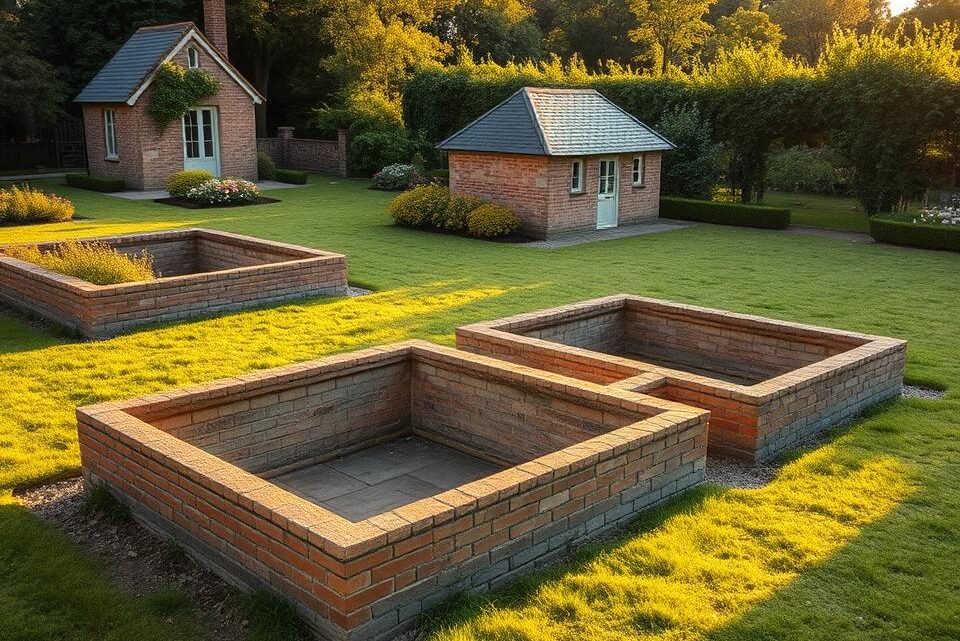
This article explains garden house foundations and the types of foundations for garden houses available across the United Kingdom. It is written for homeowners, landscapers, builders and self-builders planning a garden room, home office, summerhouse, shed or studio. The aim is to help you make informed choices that deliver structural stability, longevity and compliance with UK planning and building standards.
The guide covers why a sound foundation matters, how soil, drainage and local climate influence performance, and the regulatory considerations relevant to garden building foundations. It then describes common foundation options for garden rooms, including concrete slab, strip and pad, post and beam (pier), concrete block and brick, decking and timber sleeper bases, and portable or reversible solutions.
The content draws on UK trade best practice and recognised suppliers such as Travis Perkins, Jewson and Screwfix, and outlines practical installation advice, cost expectations and maintenance for different garden shed foundation types. Use this as a practical reference when comparing foundation options for garden rooms and planning your next garden building project.
Inhaltsverzeichnis
Key Takeaways
- Garden house foundations determine the durability and safety of garden buildings.
- Soil type, drainage and climate are critical when choosing foundation types for garden houses.
- Concrete slab, strip and pad, post and beam, block/brick and timber bases each suit different sizes and uses.
- Follow UK guidance and suppliers’ best practice to meet regulations and avoid common pitfalls.
- Consider long-term maintenance and cost when selecting garden shed foundation types.
Understanding the importance of a solid garden house foundation
A reliable base sets the tone for any garden building. Good foundations prevent settlement, warping and damp ingress. They protect the fabric of the structure and underpin the longevity of garden structures.
The right foundation choice matters for safety and use. Even small sheds or workshops can twist or sag if support is poor. A stable base reduces maintenance, keeps doors and windows square, and preserves insulation performance in heated garden rooms used as offices or studios.
Soil and drainage influence how a foundation performs over time. Clay soils shrink and swell with the seasons, peat and made ground can compress, and sandy soils drain quickly but may not hold well. Frost heave risk rises in colder spots, so heavier builds often need bases set below local frost depth or other precautions to avoid movement.
Good site drainage prevents undermining of base materials. High water tables, poor surface runoff or blocked drains can lead to saturated sub‑bases. Common mitigations include crushed stone sub‑bases, perimeter drainage and attenuation measures. A simple hand‑dug trial pit or professional site inspection reveals bearing layers and water presence before work begins.
Building works in the garden must follow planning and safety rules. Permitted Development covers many outbuildings but size, height and position matter. For larger or habitable garden rooms, planning permission garden buildings may be required, particularly where sleeping accommodation, plumbing or fixed electrics are involved.
Not every outbuilding needs formal sign‑off, yet building regulations UK apply to structural safety, thermal performance and services in certain cases. Foundations for permanent or heavy garden buildings may need checks by building control or a structural engineer. Consulting the local planning authority and using accredited installers lowers the risk of non‑compliance and protects occupants.
Different types of foundations for garden houses
Choosing the right base sets the tone for any garden building. This garden room foundation guide outlines the main foundation categories used across the UK and gives practical pointers for choosing foundation type based on size, use and ground conditions.
Overview of common foundation categories
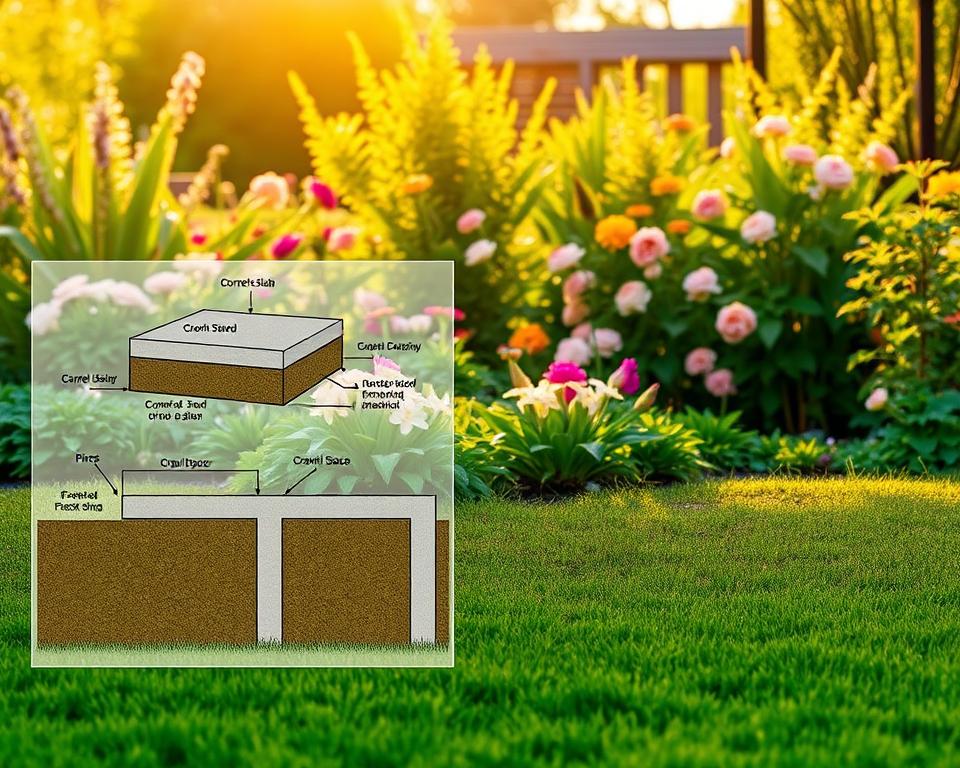
The primary foundation categories include concrete slab, strip and pad (shallow strip with isolated pads), post and beam or pier systems, concrete block and brick plinths, timber decking and sleeper bases, and portable or reversible solutions such as concrete pier pads, adjustable supports and screw piles.
Hybrid options exist. Examples include a slab with insulated screed or a blockwork plinth built on strip foundations. Specialist techniques like helical screw piles help where standard methods fail because of poor bearing capacity.
When to choose each type based on building size and use
For small, light or temporary sheds, portable options such as concrete pier pads, adjustable supports or timber sleepers are often sufficient and quick to install.
Medium-sized garden rooms used occasionally benefit from a compact concrete slab or a well-prepared timber decking base that offers reasonable thermal and load performance.
Large or habitable structures need a more robust approach. Reinforced concrete slabs, strip and pad foundations or masonry plinths provide the required load-bearing capacity and meet regulatory expectations for permanent rooms.
Sites with slope or flood risk suit post and beam or pier foundations because they raise the structure above ground level. Where ground is weak, screw piles or specialist piled solutions are the safer route.
Pros and cons comparison for quick decision-making
The pros and cons foundations comparison focuses on durability, cost, installation effort, site disturbance and thermal performance.
| Foundation type | Key benefits | Main drawbacks | Best for |
|---|---|---|---|
| Concrete slab | High durability; good thermal mass; low movement risk | Higher cost; significant site prep and disruption | Permanent, habitable garden rooms |
| Strip and pad | Strong for heavy loads; adaptable for block plinths | Requires excavation and reinforcement; slower | Larger workshops and brick-built structures |
| Post and beam / piers | Works on uneven ground; floods avoided by elevation | Less thermal mass; requires anti-rot measures | Sites with slope or seasonal waterlogging |
| Block and brick plinth | Traditional finish; good load distribution | Needs damp-proofing and ventilation; slower build | Traditional garden rooms and conservatory bases |
| Timber decking / sleeper base | Low cost; fast and reversible; minimal disturbance | Shorter lifespan; higher maintenance | Lightweight summerhouses and studio cabins |
| Portable / screw piles | Quick install; suitable for difficult ground; reversible | Specialist equipment may be needed; variable cost | Temporary buildings and sites with poor soils |
A quick trade-off helps when choosing foundation type. Concrete slab offers longevity and thermal benefit but costs more and disrupts the site. Timber decking keeps costs down and is reversible, yet demands upkeep and lacks the permanence of masonry or concrete.
Use the garden room foundation guide to weigh pros and cons foundations against intended use, budget and site constraints. For permanent or habitable builds, seek professional advice to confirm ground bearing capacity and compliance with local regulations.
Concrete slab foundations for garden buildings
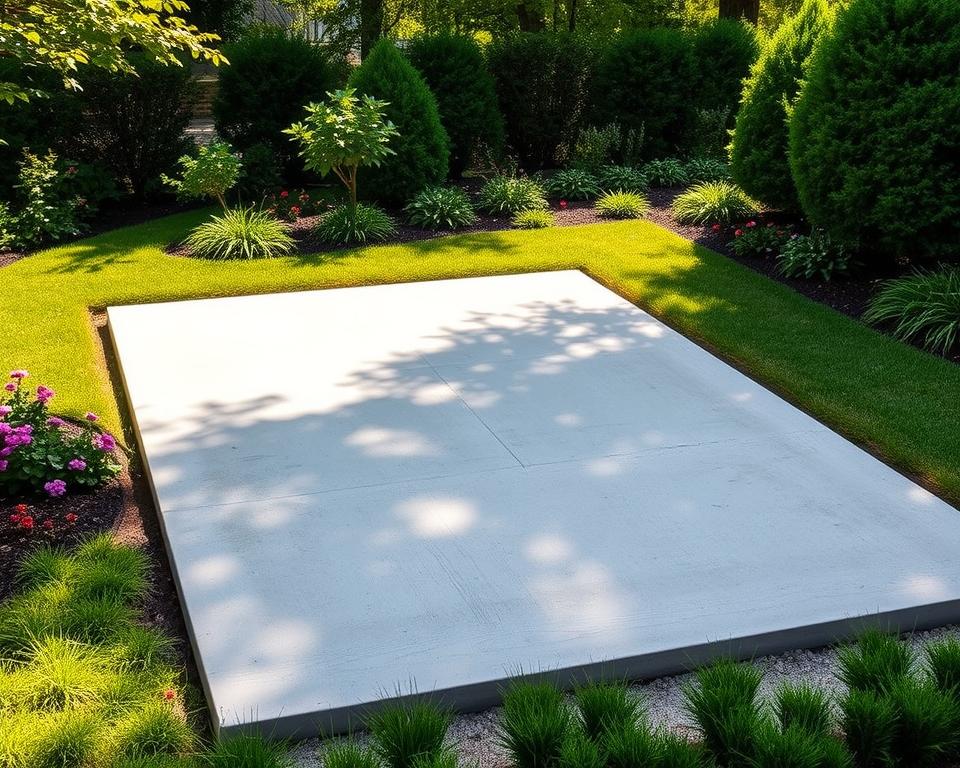
A concrete slab foundation offers a stable, low-maintenance base for sheds, garden rooms and workshops. A typical reinforced concrete slab sits on an excavated, compacted sub-base of crushed stone. Light domestic garden buildings often use a slab thickness of 100–150mm, with thicker concrete and edge beams where heavier loads or services run through the base.
What a reinforced slab involves
Start with a compacted Type 1 or MOT stone sub-base and a sand blinding layer to create a uniform surface. Place a damp-proof membrane under the slab when moisture control is required. Reinforcement normally comprises steel mesh or rebar set on chairs so the reinforcement sits in the correct position within the pour.
Edge strip beams or continuous perimeter foundations give extra support and provide solid fixing for timber frames or masonry walls. Use a concrete grade such as C25/30 for most small garden bases. Where services, heavy equipment or point loads are expected, increase slab thickness and add local reinforcement.
Preparation, pouring and curing best practice
Clear the site and set out accurate levels with an adequate fall for surface water to avoid ponding. Compact the sub-base in layers and check levels before placing formwork. Formwork must be rigid and true to line to keep edges straight during the slab installation.
Place reinforcement on chairs and keep it clean from soil contamination. Order the correct concrete volume and sequence pours to avoid cold joints. Useful slab pour tips include consolidating concrete with a poker vibrator and screeding to the correct level without overworking the mix.
Protect fresh concrete from rapid drying and frost. Keep the slab moist for at least seven days where possible to allow the mix to gain strength. Avoid concentrated traffic or heavy point loading until the slab has cured sufficiently.
Cost, durability and insulation considerations
Slab cost depends on access, excavation depth, concrete volume, reinforcement, labour and spoil removal. A concrete slab foundation tends to cost more than simple pier or decking solutions but gives decades of low-maintenance performance when correctly installed.
Concrete is thermally massive and will feel cold unless insulated. An insulated concrete slab uses XPS or PIR beneath the slab or an insulated screed to improve comfort and cut energy loss. Pay attention to edge insulation to reduce thermal bridging at perimeter beams.
With correct site preparation and drainage, a concrete slab will provide a durable base for garden buildings for many decades. Regular checks of drainage and perimeter seals keep maintenance needs to a minimum.
Strip and pad foundations for heavier garden structures
A sound foundation choice keeps a garden building level and durable. For heavier timber or masonry garden rooms, builders commonly select either strip foundations or pad foundations depending on how the load is carried and ground conditions.

Difference between strip and pad foundations
Strip foundations are continuous shallow concrete footings that run beneath load-bearing walls. They suit situations where wall loads are spread along a line and provide stable support for continuous masonry or block walls.
Pad foundations are isolated concrete pads that support discrete load points such as columns, piers or posts. They work best for point loads and can be tied together with ground beams when necessary.
Typical small garden building dimensions might use a 300–450mm wide strip at 150–300mm depth for light loads. Pad sizes vary more with soil bearing capacity and column loads, often from 400mm square upwards and deeper where soils are weak.
When to specify reinforced concrete strips or pads
Reinforced strips are chosen when wall loads or concentrated loads produce bending or tension that plain concrete cannot resist. Steel reinforcement reduces cracking and spreads loads over weak patches of ground.
Reinforced pad foundations are specified under heavy point loads from corner supports, posts or columns. Reinforcement helps control settlement and prevents punching shear where loads are intense. For larger or habitable garden rooms, ground conditions can force larger or deeper strips and pads and may require a structural engineer’s input.
Common installation pitfalls to avoid
One frequent mistake is failing to excavate to competent strata or to compact the sub-base adequately. Poor compaction raises the risk of settlement and uneven floors.
Incorrect concrete mix, insufficient reinforcement or inadequate cover can lead to cracking and reduced durability. Not providing frost depth or omitting damp-proof courses where masonry will sit on top invites frost heave and rising damp.
Alignment and level errors on foundations cause framing issues during build. Neglecting drainage and service runs under or beside foundations creates costly alterations later.
Quality control reduces these foundation pitfalls. Use NVQ-qualified operatives or reputable contractors, keep photographic records and seek engineer sign-off where loads or ground conditions demand it.
Post and beam (pier) foundations for elevated garden houses
Post and beam foundations give a flexible alternative to solid bases for elevated garden houses. They suit sloping plots and sites where minimal excavation matters. This approach keeps the building above ground, helps airflow beneath the floor and makes it easier to run services under the structure.

Design and material options for posts and piers
Common choices include timber posts set in concrete-filled holes, concrete piers, precast concrete pier pads, steel stanchions on plate anchors and helical piles. Timber posts are economical but need careful anti-rot measures and correct embedment. Concrete piers are lower cost yet labour intensive to form and pour. Precast pier pads speed installation and reduce wet works on site. Steel stanchions on plate anchors give high capacity with neat connections for joists. Helical piles offer fast installation with minimal excavation and are useful where machinery access is limited.
Benefits for uneven terrain and flood-prone areas
Raised foundations provide a level platform on sloping sites without major cut-and-fill. That keeps topsoil and landscaping intact and reduces ground disturbance. For flood-prone plots, elevating floor levels keeps the structure and contents clear of water and may meet local planning requirements for resilience.
Airflow beneath an elevated garden house cuts damp risk. The void permits easier routing of pipes and cables. Builders often prefer post and beam solutions where preserving vegetation or reducing drive-on machinery is a priority.
Ensuring stability: depth, anchoring and anti-rot measures
Always set posts to reach competent ground and to a depth that accounts for local frost action. Embedment varies by material and load, so follow manufacturer guidance or an engineer’s specification for heavy structures.
Use galvanised metal post anchors and stainless or galvanised fixings for durable connections. Timber posts should be treated to BS EN 350 or a recognised preservative class such as H5 for ground contact. Sacrificial collars or concrete pads help avoid direct timber–soil contact and improve longevity.
Lateral stability comes from diagonal bracing, continuous ground beams or tying joists into multiple piers. For sites exposed to high winds or for tall, heavy garden rooms, seek a structural engineer’s input. Regular inspection of fixings and periodic re-application of preservative treatment will keep the foundation performing well.
Concrete block and brick foundations for traditional builds
Traditional masonry bases remain popular for garden houses that seek a sturdy, long-lasting appearance. The typical sequence starts with a prepared concrete strip foundation to the required depth and width. A continuous damp-proof course is laid in the base. Blockwork foundations or brick plinth foundations are then built up to the required plinth height, kept level and plumb throughout.
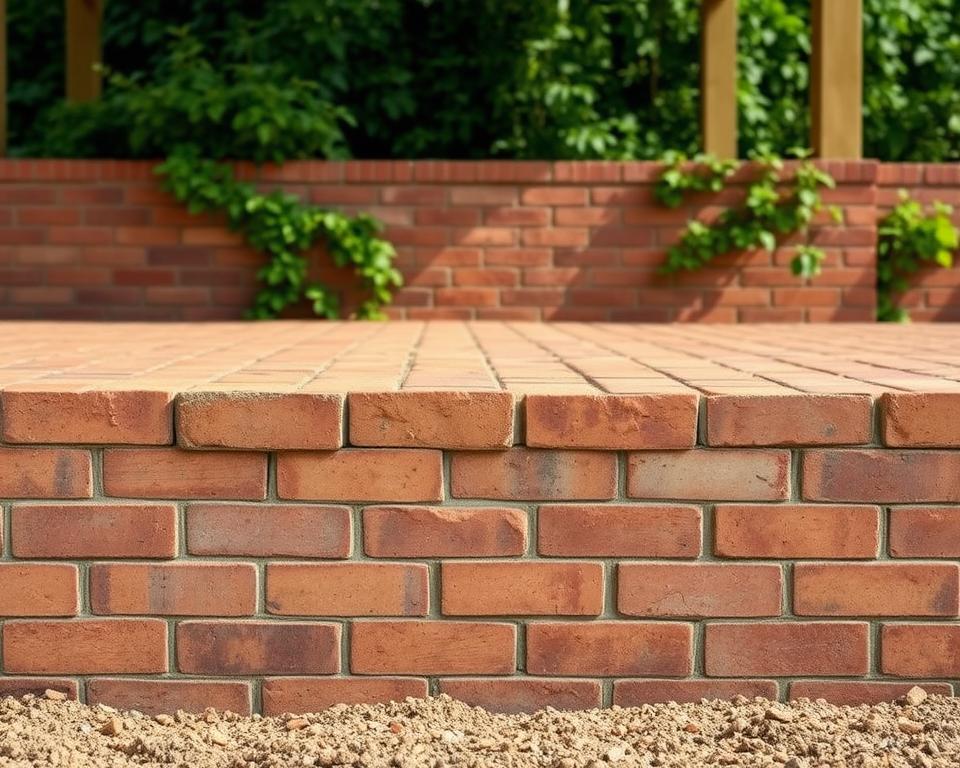
Choose dense concrete blocks for structural strength. Use engineering bricks where extra moisture resistance is needed. Cavity options allow for insulation or service runs. Plate fixings tie timber framing to the masonry plinth, with a horizontal damp-proof course and suitable anchors to secure the structure.
Moisture barriers, damp-proof courses and ventilation
A continuous damp-proof course between the masonry base and any timber prevents rising damp. Bituminous or polyethylene DPCs should meet current British Standards. Where groundwater is a risk, install cavity drainage or a membrane and ensure external ground levels fall away from the wall line.
Base ventilation is essential for enclosed sub-floor spaces. Fit air bricks or vents to meet Building Regulations when the area is enclosed or used for storage. Good airflow reduces condensation and protects timbers and finishes.
Temperature control and masonry base finishing
Thermal bridging can occur at masonry plinths. External insulation or insulated damp-proof membranes reduce heat loss. Select frost-resistant bricks and blocks to withstand freeze–thaw cycles.
Finishing options include render, brick facing or cladding, chosen for appearance and maintenance. Use breathable renders where appropriate to avoid trapped moisture. Regular inspection and maintenance of mortar joints preserve long-term performance.
Decking and timber sleeper bases for lightweight garden rooms
Timber decking and sleeper bases offer a fast, adaptable solution for lightweight garden rooms. They suit summerhouses, single-storey offices, small studios and greenhouses where low concentrated loads and quick installation are priorities.
Choose a decking foundation when minimal ground disturbance and reversibility matter. A sleeper base can be placed on compacted hardcore or adjustable pedestals for sites with uneven ground. These options reduce excavation and make future removal straightforward.
Ground preparation, sleeper placement and levelling
Clear vegetation and remove topsoil until you reach firm sub-grade. Compact a crushed stone layer to aid drainage and support the timber foundation.
Lay pressure-treated sleepers or joists on compacted hardcore or plastic pedestals. Keep joist centres regular and orient joists to match load direction. Secure the frame to prevent racking and allow airflow beneath to limit moisture build-up.
Accurate levelling timber base work matters for finishing and longevity. Use spirit levels and adjustable supports to achieve a true plane. Check local building regulations for spacing and edge distances before fixing the deck down.
Maintenance, treatment and lifespan expectations
Use H5 preservative-treated timber for ground contact or select naturally durable species. Fit galvanised or stainless-steel fixings to avoid corrosion and stick to manufacturer guidance for connector hardware.
Timber foundation maintenance includes periodic re-staining, clearing debris under the frame and replacing any failed fixings. Inspect annually for rot or insect attack and address drainage issues promptly to extend service life.
| Aspect | Decking foundation | Sleeper base |
|---|---|---|
| Best for | Lightweight garden rooms with even ground | Uneven sites or where pedestals are preferred |
| Installation time | Quick; modular decking boards | Moderate; requires careful sleeper placement |
| Ground work | Clear, compact and level sub-base | Compacted hardcore or adjustable pedestals |
| Durability | 15–30 years with timber foundation maintenance | 15–30 years if treated and well drained |
| Movement tolerance | Low; needs good levelling timber base | Higher; pedestals allow adjustments |
| Reversibility | High; easy removal | High; sleepers can be lifted |
Portable and reversible foundation solutions
Portable foundations offer a fast, low-impact way to support garden buildings without permanent excavation. This paragraph introduces key options such as lightweight concrete pier pads, adjustable supports and screw piles. Each choice suits different soils, loads and plans for removal or relocation.
The following sections describe practical systems and installation notes for small garden buildings and mobile rooms. Guidance covers load capacities, site disturbance and how to manage removal with minimum effort.
Concrete pier pads, adjustable supports and screw piles
Precast concrete pier pads act as stable points beneath timber frames. They sit on a compacted sub-base and need minimal digging. Adjustable supports use plastic or steel pedestals to fine-level a base and remove the need for traditional mortar levelling.
Screw piles are helical steel anchors driven into the ground with hydraulic drivers. They remove little spoil and deliver rapid, reliable load-bearing support, even in poor ground. Installers such as Groundforce and Helifix offer systems rated for substantial loads, making them suitable for heavier small buildings.
Advantages for temporary or mobile garden houses
These systems reduce site disturbance and shorten installation time when compared with cast-in-place concrete. They often avoid on-site concrete pours, cut spoil removal and lower labour costs if relocation becomes necessary.
Portable foundations preserve topsoil and garden planting. Reversible foundations let landlords and homeowners restore the site quickly, making them ideal for rented plots or gardens where future use may change.
Environmental impact and removal considerations
Screw piles and adjustable supports can reduce embodied concrete in a project, lowering some environmental impacts. Steel production carries its own footprint, so weigh reuse and lifecycle factors when choosing materials.
Precast pads require sensible disposal or reuse when a building is removed. Check local rules on leaving small driven piles in place versus extracting them. Reinstatement should include re-leveling, replacing topsoil and restoring drainage to prevent future settlement.
Always consult the local planning authority if reversible foundations might affect planning status. Use licensed waste carriers to dispose of removed materials safely and lawfully.
| Foundation type | Typical install time | Site disturbance | Suitability | Reversibility |
|---|---|---|---|---|
| Precast concrete pier pads | 1–2 days | Low (requires sub-base prep) | Timber frames, lightweight garden rooms | Moderate; pads must be removed or left and recorded |
| Adjustable supports (pedestals) | Hours to 1 day | Minimal (no deep excavation) | Decking, lightweight sheds, temporary garden house base | High; easy to lift and reuse |
| Screw piles | Hours to 1 day | Minimal spoil; small access required | Poor ground, larger mobile buildings; strong load capacity | Variable; can be extracted or left per guidance |
Conclusion
Choosing foundation for garden house hinges on intended use, site conditions, budget and longevity. For a heated, habitable garden room the best foundation garden room is often a concrete slab for thermal performance and permanence. Storage sheds or temporary builds may suit timber decking, sleeper bases or portable screw piles, which are reversible and quicker to install.
Soil type, drainage and slope dictate the practical option: strip and pad foundations support heavy masonry, post and beam foundations work on uneven or flood‑prone ground, and blockwork plinths deliver a traditional finish. Regulatory requirements in the United Kingdom matter too — check building control if the structure is large or intended for habitation.
As a next step, commission a site survey or trial pit where ground conditions are uncertain and seek quotes from reputable suppliers and contractors such as Travis Perkins, Jewson or Screwfix. For larger or loaded structures, involve a structural engineer. This foundation summary underlines that a correctly specified and well‑executed base is the most cost‑effective way to ensure safety and long life for a garden house.
FAQ
What types of foundations are commonly used for garden houses in the UK?
Common options include reinforced concrete slabs, strip and pad foundations, post-and-beam or pier systems (timber posts, concrete piers or helical screw piles), concrete block or brick plinths, timber decking and sleeper bases, and portable/reversible solutions such as precast pier pads and adjustable supports. Hybrid approaches (for example a slab with insulated screed or a blockwork plinth on strip foundations) are also used depending on site and building use.
How do I choose the right foundation for my garden room or summerhouse?
Base the decision on building size and use, ground conditions, budget and permanence. Lightweight, temporary sheds suit pier pads, adjustable supports or timber sleeper bases. Medium insulated garden rooms often use compact slabs or well-prepared decking. Larger or habitable garden houses usually require reinforced slabs, strip and pad foundations or block plinths. For poor or uneven ground, consider screw piles or post-and-beam systems. Always check planning rules and consult a structural engineer for heavier or permanent buildings.
Do small garden buildings need building regulations approval?
Many small outbuildings fall under Permitted Development and do not need full building regulation approval, but exceptions apply. Buildings with sleeping accommodation, substantial plumbing or significant electrical installations, or larger permanent garden rooms may require building control checks. Foundations for habitable structures can be subject to structural scrutiny. Contact your local planning authority and building control to confirm requirements before work begins.
How does soil type affect foundation choice and installation?
UK soils vary: clay is prone to seasonal shrink–swell, peat and made ground can compress, sandy soils drain well but lack cohesion, and chalk can be brittle. Clay may need deeper or more robust foundations to avoid differential settlement. Poor or compressible ground often merits screw piles or specialist piled solutions. A simple hand-dug trial pit or a site inspection helps assess bearing strata and groundwater risk before choosing the foundation.
What depth is needed to avoid frost heave for garden foundations?
Frost depth varies across the UK and is generally shallow compared with full domestic foundations. For small garden structures, best practice is to follow manufacturer or engineer guidance: ensure foundations reach competent subgrade, use adequate sub-base (crushed stone) and insulation or protective detailing where necessary. Where frost risk is higher or for heavy builds, deeper footing or specialist advice may be required to avoid frost heave.
What are the key steps when installing a concrete slab for a garden building?
Key steps include clearing the site and setting out, excavating to suitable depth, compacting a crushed-stone sub-base (Type 1/MOT), laying a blinding layer, installing a DPM and reinforcement (mesh or rebar) on chairs, constructing formwork, pouring a correctly specified concrete mix (commonly C25/30 for small slabs) and curing the slab (keeping it moist for several days). Provide edge beams where needed, include service conduits and falls for drainage, and protect the concrete from rapid drying during curing.
Are insulated slabs necessary for heated garden rooms used as offices or studios?
Yes. Concrete has high thermal mass but poor insulation. For heated, habitable garden rooms, include rigid insulation (XPS or PIR) below the slab or an insulated screed layer to reduce heat loss and avoid cold bridges at edges. Properly insulated slabs improve comfort and reduce running costs, and they help meet expectations for energy performance in a permanent, heated space.
What are strip and pad foundations, and when should I use them?
Strip foundations are continuous shallow concrete footings supporting load-bearing walls; pad foundations are isolated concrete pads supporting discrete load points like columns or posts. Use strips for masonry walls or continuous wall loads and pads for point loads beneath posts or piers. Reinforcement is often included to control cracking and distribute loads. Larger or heavier garden buildings on uncertain ground will often need reinforced strips or pads and structural input.
How do post-and-beam (pier) foundations perform on sloping or flood-prone sites?
Post-and-beam or pier systems are ideal for sloping ground and flood-prone areas because they raise and level the building with minimal cut-and-fill. They allow airflow beneath the structure, help avoid damp, and keep floor levels above potential floodwater. Options include concrete-filled holes with timber posts, precast piers, steel stanchions or helical screw piles. Ensure posts reach competent ground, use appropriate anti-rot treatments (H5 or galvanised fixings) and provide lateral bracing for stability.
When are helical screw piles a better option than concrete footings?
Helical screw piles suit sites with poor bearing capacity, restricted access, high groundwater or where minimal excavation is desired. They install quickly with hydraulic drivers, remove little spoil and can carry substantial loads. They are often preferred where rapid installation, reduced site disturbance and the potential for future removal are priorities. A geotechnical review or engineer recommendation will confirm suitability and load requirements.
How should blockwork or brick plinths be constructed to protect against moisture?
Build block or brick plinths on a properly formed strip foundation, include a continuous damp-proof course (DPC) between masonry and the timber superstructure, and ensure external ground levels fall away from the plinth. Use dense concrete blocks or engineering bricks where moisture resistance is required. Provide ventilation to enclosed sub-floor cavities where necessary, install cavity drainage or membranes if groundwater is a concern, and select frost-resistant units and robust mortar detailing.
What ground preparation is required for a timber decking or sleeper base?
Remove vegetation and topsoil to reach firm subgrade, compact a crushed stone sub-base to aid drainage, and use pressure-treated sleepers or joists laid on compacted hardcore or adjustable pedestals. Achieve accurate levelling, correct joist spacing and secure fixing to prevent racking. Provide ventilation underneath to prevent condensation and use H5-treated timber or naturally durable species where timber contacts the ground.
What maintenance do timber bases and decking foundations need?
Regular maintenance includes re-staining or oiling, checking and replacing failed fixings, clearing debris beneath the deck to allow airflow, and inspecting for rot or insect attack. Timber in ground contact should be preservative-treated to H5 standard and galvanised fixings used. With good maintenance and drainage, treated bases can last 15–30 years; untreated or poorly drained installations will deteriorate much sooner.
Are precast concrete pier pads and adjustable supports truly reversible?
Generally yes. Precast pier pads and adjustable pedestal systems cause minimal permanent ground disturbance and can be removed if the building is moved. Screw piles may remain in place or be extracted depending on size and local guidance. Reversibility reduces reinstatement costs and helps preserve topsoil and landscaping, but removal still requires careful reinstatement and appropriate disposal or recycling of materials.
How do foundation costs compare across different types?
Costs vary with site access, ground conditions, excavation, materials and labour. Timber decking and adjustable supports are usually the least expensive and quickest to install but have higher maintenance and shorter lifespans. Concrete slabs and reinforced strip foundations are more costly and disruptive but offer durability, stability and superior thermal performance. Screw piles can be cost-effective on difficult ground due to reduced excavation. Obtain multiple quotes from reputable suppliers (for example Travis Perkins, Jewson, Screwfix) and consider lifecycle costs, not just initial outlay.
When should I involve a structural engineer or qualified contractor?
Involve an engineer when the garden house is habitable, large, heavy, sited on poor or variable ground, or when unusual loads or heights are present. Also consult professionals for elevated or piled solutions where lateral stability and anchorage are critical. Use NVQ-qualified operatives or reputable contractors for installation, and obtain building control sign-off where required to ensure compliance and long-term performance.
What environmental considerations should I bear in mind when choosing foundations?
Consider embodied carbon in concrete and steel, spoil disposal, and impact on topsoil and drainage. Reversible systems like screw piles and adjustable supports often reduce concrete use and preserve landscaping. Precast pads and recycled materials can reduce waste. Plan for responsible removal and recycling of materials at the end of the building’s life and choose durable options that minimise maintenance and replacement over time.