Discover the benefits of a green roof on a wooden summerhouse
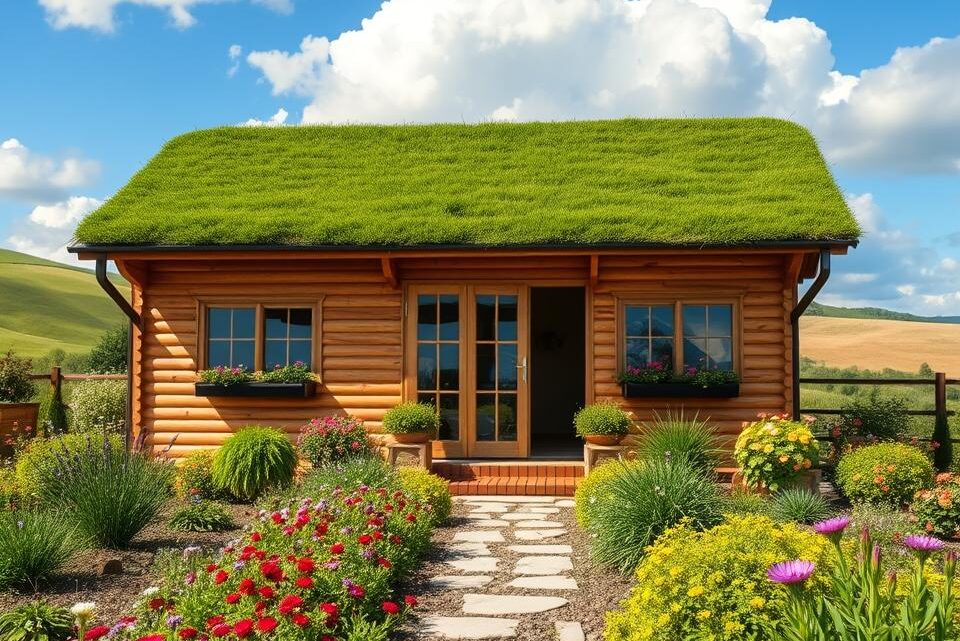
Imagine transforming your ordinary wooden summerhouse into an extraordinary eco-friendly garden building that breathes life into your outdoor space. Green roof technology offers a sustainable summerhouse solution that goes beyond traditional roofing, creating a living ecosystem right above your cherished garden retreat.
Your wooden summerhouse can become a remarkable testament to innovative design and environmental stewardship. Living roof advantages extend far beyond simple aesthetics, providing a dynamic approach to garden architecture that connects you directly with nature’s remarkable potential.
This revolutionary green roof concept turns an everyday garden structure into a vibrant, functional space that supports local wildlife, reduces environmental impact, and enhances your property’s overall appeal. By embracing this sustainable approach, you’re not just installing a roof – you’re creating a living, breathing extension of your garden landscape.
Inhaltsverzeichnis
Key Takeaways
- Transform your wooden summerhouse into an eco-friendly garden building
- Create a sustainable habitat that supports local biodiversity
- Improve thermal regulation and energy efficiency
- Enhance aesthetic appeal of your garden space
- Contribute to environmental conservation efforts
Transforming Your Garden Retreat with Living Architecture
Imagine stepping into a garden retreat that breathes with life, where sustainable garden structures blur the lines between architecture and nature. Living architecture offers you a revolutionary approach to reimagining your outdoor space, turning an ordinary wooden summerhouse into an extraordinary green sanctuary.
Your garden transformation begins with embracing green building design that integrates seamlessly with the surrounding landscape. A living roof isn’t just a structural element—it’s a dynamic canvas that evolves with the seasons, creating a vibrant ecosystem right above your relaxation space.
“Architecture should speak of its time and place, but yearn for timelessness.” – Frank Gehry
- Create a natural roofing solution that transforms your garden retreat
- Develop a living structure that changes throughout the year
- Integrate vegetation directly into your architectural design
The beauty of living architecture lies in its ability to connect you directly with nature. Your summerhouse becomes more than just a structure—it becomes a living, breathing extension of your garden. The vegetation acts as a natural insulator, temperature regulator, and wildlife habitat, bringing multiple layers of functionality to your outdoor space.
By choosing a green roof, you’re not just making an aesthetic choice—you’re creating a sustainable ecosystem that enhances both your property’s visual appeal and environmental impact. Your garden retreat will stand as a testament to innovative design that respects and celebrates the natural world.
Discover the Benefits of a Green Roof on a Wooden Summerhouse
Transforming your wooden summerhouse with a green roof offers an extraordinary blend of environmental, economic, and aesthetic advantages. This innovative approach to garden design goes beyond simple decoration, creating a sustainable solution that enhances your outdoor space dramatically.
Environmental Advantages for Your Garden Space
Green roofs provide remarkable environmental benefits that extend far beyond your garden. They excel in carbon sequestration, actively capturing and storing carbon dioxide from the atmosphere. Your summerhouse becomes an ecological powerhouse, improving air quality and reducing urban heat island effects.
- Filters atmospheric pollutants
- Supports local biodiversity
- Reduces carbon footprint
- Mitigates climate change impacts
Economic Benefits and Long-Term Savings
Investing in a green roof translates into significant cost savings. The vegetation layer provides natural energy efficiency, protecting your summerhouse’s roof membrane and reducing heating and cooling expenses.
| Benefit | Potential Savings |
|---|---|
| Roof Membrane Protection | Up to 50% Extended Lifespan |
| Energy Efficiency | 15-25% Reduction in Energy Costs |
| Maintenance Requirements | Minimal Annual Investment |
Aesthetic Appeal and Property Value Enhancement
A green roof transforms your summerhouse into a stunning garden feature. It dramatically increases curb appeal, creating a living architectural element that elevates your property’s visual charm and market value.
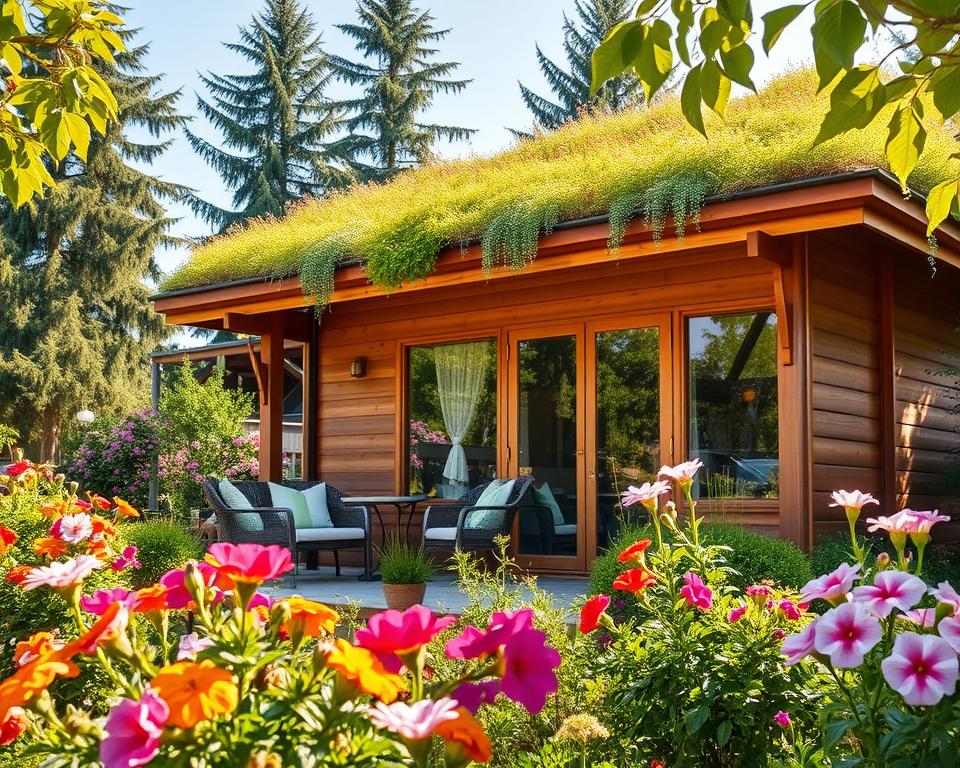
By integrating a green roof, you’re not just enhancing a structure—you’re making a sophisticated environmental statement that benefits both your immediate surroundings and the broader ecosystem.
Understanding Green Roof Systems for Wooden Structures

Exploring green roof systems can transform your wooden summerhouse into an ecological masterpiece. Different types of green roof systems offer unique advantages for your garden retreat, with two primary approaches standing out: extensive and intensive green roof designs.
Extensive green roof systems provide a lightweight solution perfect for wooden structures. These systems typically feature:
- Thin growing medium (50-150mm depth)
- Low-maintenance sedum roof plantings
- Minimal structural load requirements
- Excellent waterproofing capabilities
Structural considerations are crucial when implementing modular green roof systems. Your wooden summerhouse must have adequate weight load capacity to support the additional vegetation layer. Professional assessment helps determine the most suitable green roof approach for your specific building.
*”A well-designed green roof transforms a simple structure into a living, breathing architectural element”* – Green Architecture Expert
Intensive green roof systems offer more complex vegetation options but require stronger structural support. These systems typically include deeper soil layers and can support diverse plant life, creating a more elaborate rooftop garden experience.
Key components of successful green roof systems include:
- Waterproof membrane protection
- Root barrier installation
- Drainage layer management
- Filter fabric implementation
- Specialised growing medium
- Carefully selected vegetation
Understanding these intricate green roof systems empowers you to make informed decisions about transforming your wooden summerhouse into an environmentally friendly, visually stunning structure.
How Green Roofs Regulate Temperature in Your Summerhouse
Creating a comfortable environment in your wooden summerhouse goes beyond simple shelter. Green roofs offer an innovative solution for temperature regulation that transforms your garden retreat into a year-round sanctuary of seasonal comfort.
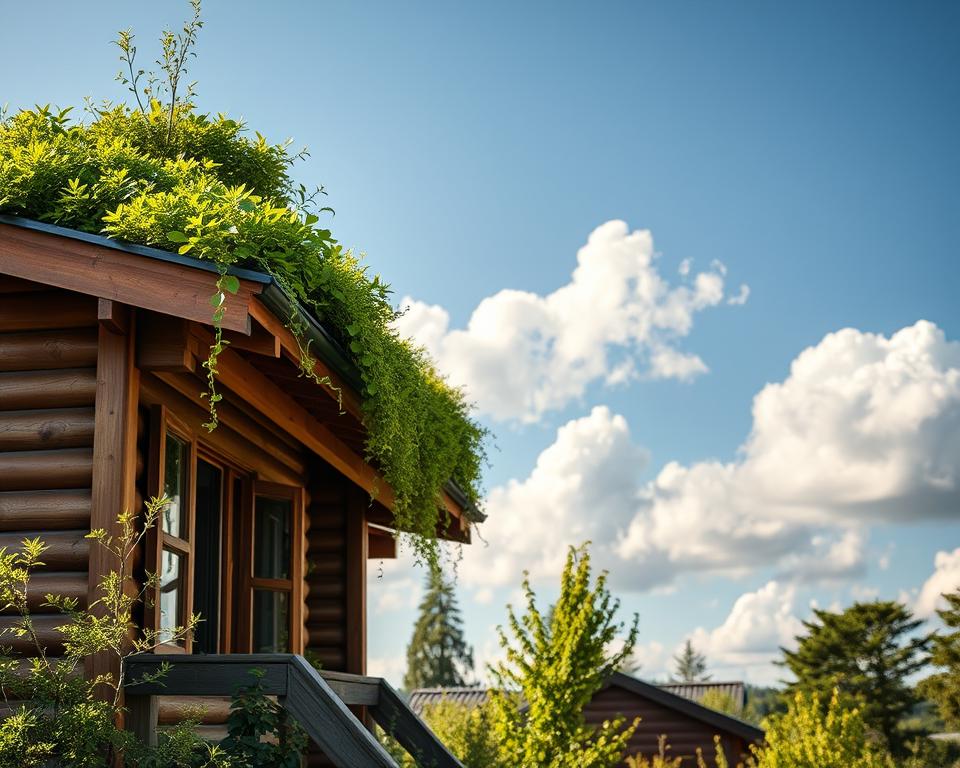
Your summerhouse becomes a masterpiece of natural climate control through the ingenious design of a living roof. The vegetation and growing medium work together to provide exceptional thermal insulation that adapts to changing weather conditions.
Natural Insulation Properties Throughout the Seasons
Green roofs create a dynamic thermal barrier that offers remarkable benefits:
- Absorbs solar radiation during summer months
- Creates air pockets that slow heat transfer
- Provides additional heat retention during winter
- Moderates internal temperature through natural cooling mechanisms
Reducing Energy Costs with Living Vegetation
The energy efficiency of a green roof extends far beyond aesthetic appeal. By implementing this natural solution, you can significantly reduce your summerhouse’s heating and cooling requirements.
| Season | Temperature Regulation Benefit | Energy Saving Potential |
|---|---|---|
| Summer | Cooling through evapotranspiration | Up to 25% reduction in cooling costs |
| Winter | Additional thermal insulation layer | Up to 20% reduction in heating expenses |
Your green roof transforms from a simple covering to an intelligent climate management system, ensuring your summerhouse remains comfortable throughout the year while minimising energy consumption.
Biodiversity and Wildlife Habitat Creation
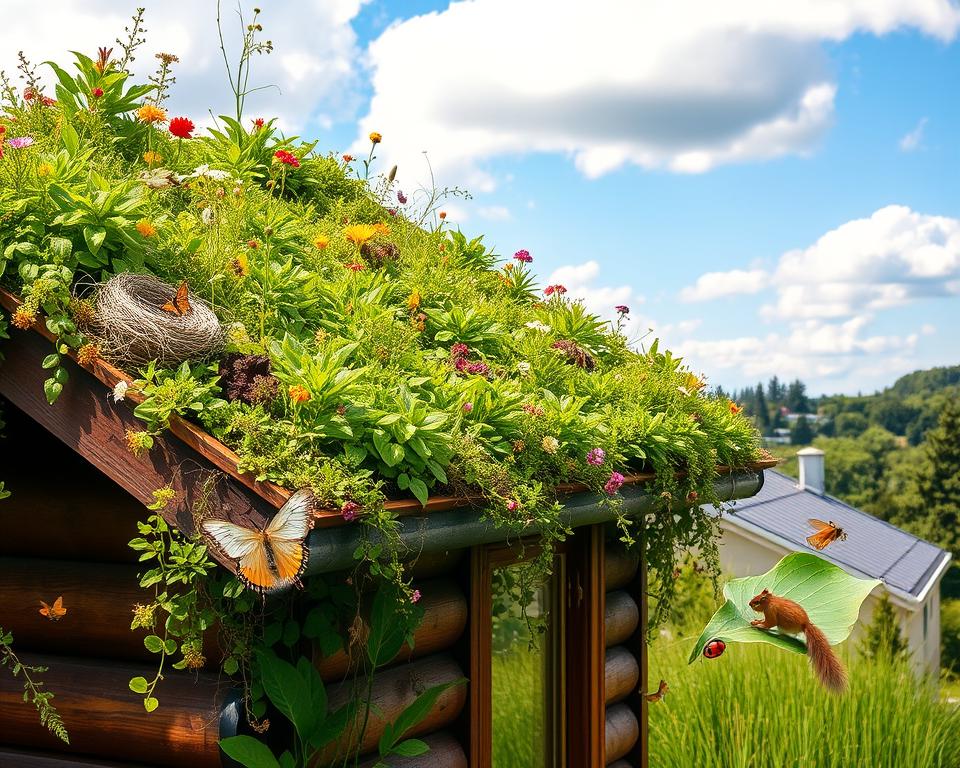
Your wooden summerhouse green roof transforms into a vibrant wildlife habitat that supports local biodiversity. These living roofs create essential ecological corridors in urban and suburban landscapes, providing crucial support for native species and urban wildlife.
Green roofs offer remarkable opportunities for pollinator support. They become bee-friendly spaces that attract and nurture critical insect populations. Your roof can develop into a miniature butterfly garden, supporting local ecosystems in surprising ways.
- Attracts native pollinators like bees and butterflies
- Creates micro-habitats for insects and small creatures
- Connects fragmented wildlife environments
- Supports local ecological networks
By selecting indigenous plant species, you enhance the potential for wildlife interaction. These native plants provide food, shelter, and breeding grounds for various creatures. Your summerhouse roof becomes more than just a structure – it’s a living, breathing ecosystem contributing to local environmental conservation.
Every square metre of green roof represents a small but significant step towards urban biodiversity preservation.
Imagine watching bees collect nectar, butterflies dancing between blooms, and perhaps even ground-nesting solitary bees finding sanctuary in your carefully cultivated green space. Your modest roof becomes a critical link in supporting wildlife habitats across your local landscape.
Protecting Your Wooden Summerhouse with Natural Waterproofing
Green roofs offer an innovative approach to roof protection that goes beyond traditional waterproofing methods. Your wooden summerhouse can benefit from a natural defence system that shields against environmental challenges while enhancing its overall longevity.
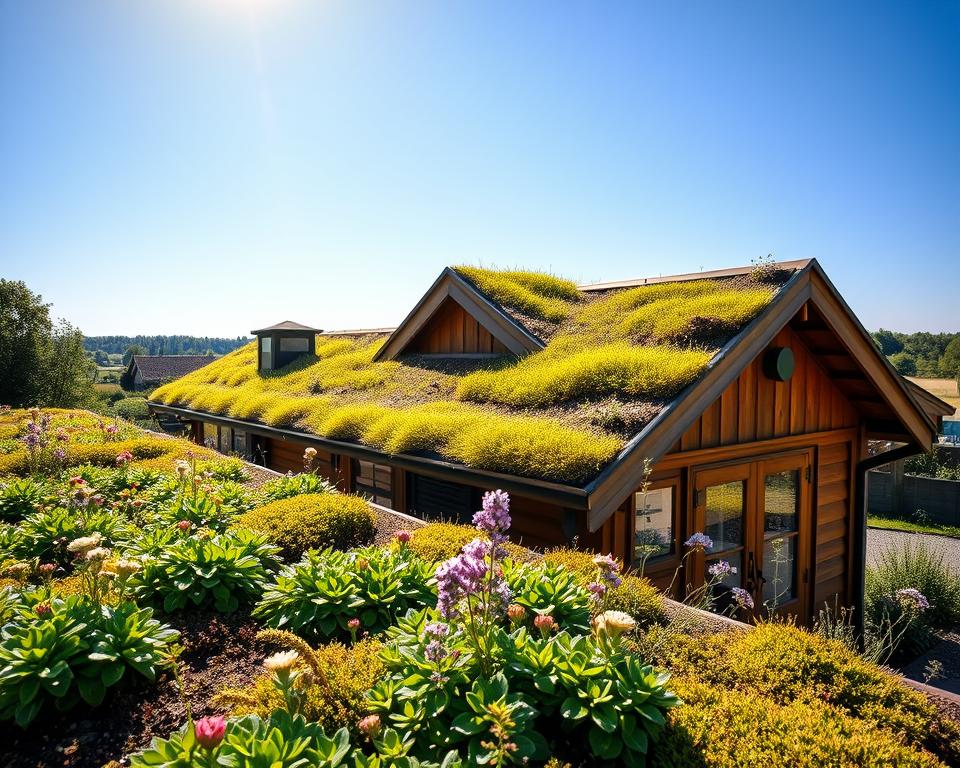
Natural waterproofing through green roof systems provides multiple layers of weather protection for your wooden structure. The living vegetation acts as a protective membrane, creating a robust defence against various environmental stressors.
Extended Roof Lifespan Through Green Coverage
Green roofs dramatically extend roof longevity by protecting the underlying waterproof membrane from damaging elements. The vegetative layer offers several critical protective benefits:
- UV protection that prevents direct sun damage
- Temperature regulation minimising thermal stress
- Physical protection from hail and debris
- Reduced thermal expansion and contraction
Managing Rainwater Runoff Effectively
Your green roof becomes a sophisticated rainwater management system. Stormwater retention capabilities can reduce runoff by up to 70%, creating significant drainage solutions for your property.
| Roof Feature | Performance Benefit |
|---|---|
| Vegetation Layer | Absorbs 50-80% rainfall |
| Root System | Creates natural drainage channels |
| Substrate Depth | Increases water retention capacity |
“A green roof is not just a covering, but a living, breathing protective system for your wooden summerhouse.”
By implementing a green roof, you’re investing in a comprehensive approach to roof protection that offers aesthetic beauty, environmental benefits, and long-term structural preservation.
Installation Considerations for Your Wooden Garden Building
Transforming your wooden summerhouse with a green roof requires careful planning and strategic approach. Structural assessment forms the critical first step in green roof installation, ensuring your garden building can safely support the additional weight.

Before embarking on your green roof project, consider these essential factors:
- Conduct a thorough structural assessment to verify load-bearing capacity
- Check roof pitch requirements (ideally between 2-20 degrees)
- Understand local building regulations
- Evaluate waterproofing and drainage needs
Professional installation offers significant advantages for your DIY green roof project. Experts can precisely manage weight distribution and ensure proper system integration. While DIY approaches are possible for experienced individuals, professional teams provide critical expertise in waterproofing and long-term structural integrity.
Planning permission typically isn’t required for summerhouse green roofs. Nevertheless, consult your local authority to confirm specific regulations in your area. Some councils might have unique stipulations regarding garden structures and roof modifications.
A well-planned green roof transforms your wooden summerhouse from a simple garden structure into a living, breathing architectural feature.
Your green roof installation journey begins with informed decision-making. Whether you choose professional installation or a carefully planned DIY approach, understanding structural requirements will ensure a successful, sustainable project.
Maintenance Requirements and Seasonal Care Tips
Creating a green roof on your wooden summerhouse doesn’t mean signing up for endless garden maintenance. In fact, green roof maintenance is surprisingly straightforward, offering a low-maintenance roofing solution that keeps your garden retreat looking stunning throughout the year.
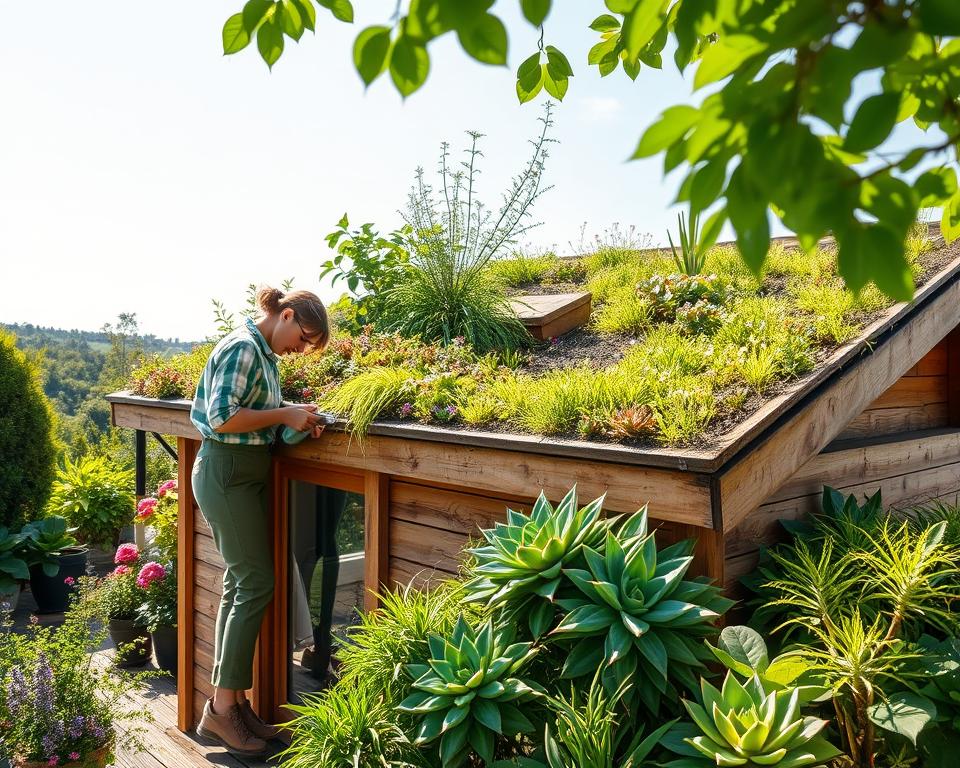
Your seasonal care strategy for a green roof involves simple yet crucial steps to ensure year-round beauty and health. The key is understanding the unique needs of your living roof and developing an efficient inspection schedule.
Essential Maintenance Practices
- Quarterly inspections to check drainage systems
- Annual weeding to remove invasive plant species
- Occasional fertilisation with organic slow-release nutrients
- Minimal irrigation after the establishment period
Seasonal Maintenance Breakdown
| Season | Maintenance Tasks |
|---|---|
| Spring | Inspect roof after winter, remove debris, check plant health |
| Summer | Monitor during dry periods, minimal watering if needed |
| Autumn | Clear fallen leaves, prepare for winter conditions |
| Winter | Post-storm inspection, ensure drainage remains clear |
With these simple care tips, your green roof will remain a vibrant, low-maintenance feature that enhances both the environmental and aesthetic value of your wooden summerhouse.
Choosing the Right Plants for Your Summerhouse Green Roof
Creating a thriving green roof requires careful plant selection that suits the unique environment of your wooden summerhouse. Sedum varieties emerge as the ultimate champions for roof planting in the UK climate, offering remarkable resilience and aesthetic appeal.
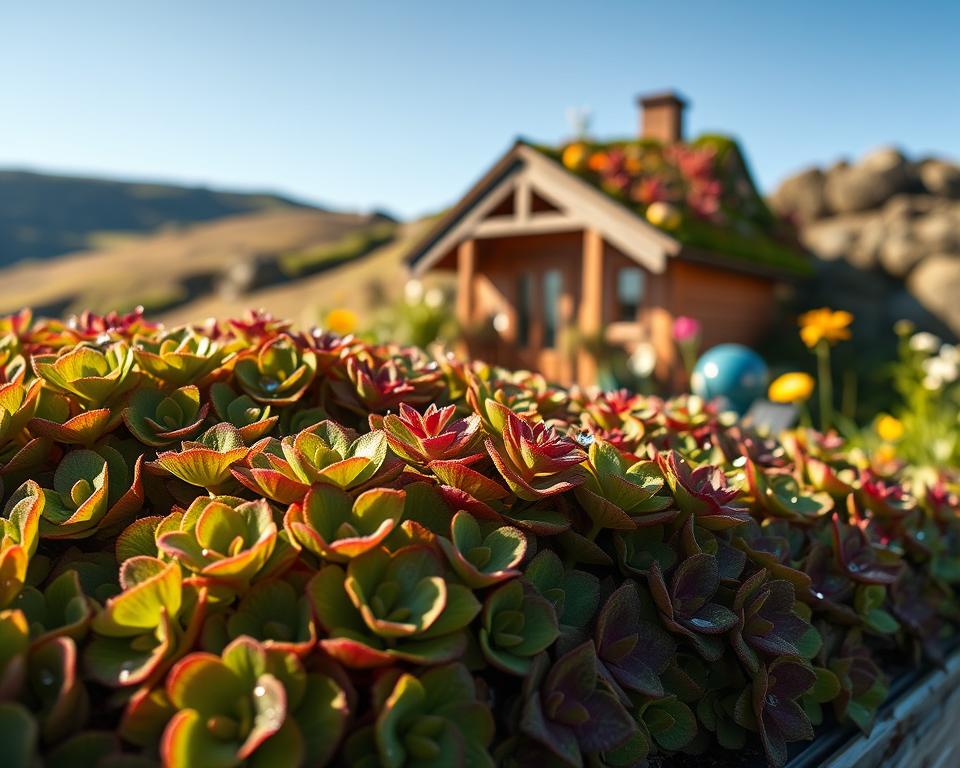
When considering drought-tolerant plants for your roof, focus on these top choices:
- Sedum acre (golden carpet): A low-growing species with vibrant yellow flowers
- Sedum album (white stonecrop): Provides elegant white blooms and compact growth
- Sedum spurium (red stonecrop): Adds stunning reddish-pink colours to your roof garden
Native wildflowers can transform your green roof into a biodiverse haven. Consider incorporating hardy perennials like:
- Bird’s-foot trefoil
- Wild thyme
- Sheep’s fescue
The key to successful roof planting is selecting plants that can withstand challenging conditions while creating a beautiful, living landscape.
Your plant selection should prioritise species with shallow root systems and exceptional wind resistance. UK climate plants that can survive in thin growing mediums will ensure your green roof remains vibrant and resilient throughout the seasons.
Remember that different roof systems – extensive or intensive – will influence your plant choices. Mix various species to create visual interest and support local ecosystem health.
Conclusion
Your green roof investment represents far more than a simple renovation project. It’s a transformative approach to sustainable garden design that reimagines your wooden summerhouse as a living, breathing ecosystem. By embracing this eco-friendly choice, you’re creating a multifunctional space that delivers aesthetic beauty and practical environmental benefits.
The summerhouse transformation goes beyond traditional architectural solutions. Each green roof installation contributes to urban biodiversity, reduces energy consumption, and provides a unique microhabitat for local wildlife. Your decision supports broader environmental goals while simultaneously enhancing your personal outdoor living experience.
The long-term benefits of your green roof extend well beyond initial expectations. You’ll discover increased property value, reduced maintenance costs, improved thermal regulation, and a stunning visual feature that evolves with the seasons. This innovative approach proves that sustainable design can be both pragmatic and visually compelling.
As you contemplate your next steps, remember that green roof technology offers an accessible and rewarding pathway to creating a more sustainable garden environment. Whether you’re a seasoned gardener or a first-time homeowner, this eco-conscious choice represents an investment in both your property and the planet’s future.
FAQ
What are the primary benefits of installing a green roof on a wooden summerhouse?
A green roof offers multiple transformative benefits for your wooden summerhouse, including enhanced environmental sustainability, improved thermal insulation, increased biodiversity, extended roof membrane protection, and significant aesthetic appeal. You’ll create a living architectural feature that not only looks stunning but actively contributes to local ecosystems and reduces your property’s carbon footprint.
How much additional weight will a green roof add to my wooden summerhouse?
Depending on the type of green roof system, you can expect an additional weight of 60-150 kg per square metre when fully saturated. Extensive green roof systems are typically lighter, making them ideal for most wooden summerhouses. However, it’s crucial to have a professional assess your structure’s load-bearing capacity before installation to ensure proper structural integrity.
Will a green roof require extensive maintenance?
Contrary to popular belief, green roofs are relatively low-maintenance. Extensive systems, particularly those using sedums and native wildflowers, require minimal care. You’ll typically need quarterly inspections, annual weeding, and occasional fertilisation. Most established green roofs need less maintenance than a traditional garden, making them an attractive, hassle-free option for your summerhouse.
Can a green roof help reduce my energy costs?
Absolutely! Your green roof acts as a natural insulation system that helps regulate temperatures throughout the year. During summer, it absorbs solar radiation and provides cooling through evapotranspiration. In winter, the vegetation and growing medium create additional insulation, potentially reducing your heating and cooling expenses by up to 25%.
Which plants are best suited for a green roof in the UK?
Sedums are the most popular choice for UK green roofs, with varieties like Sedum acre and Sedum album thriving in our climate. Native wildflowers such as bird’s-foot trefoil, wild thyme, and low-growing herbs like oregano also perform exceptionally well. These plants are drought-tolerant, support local wildlife, and create a beautiful, resilient living roof.
Do I need planning permission to install a green roof on my summerhouse?
In most cases, you won’t require planning permission for a green roof on a summerhouse, especially if it’s within permitted development rights. However, it’s always recommended to check with your local planning authority to confirm specific regulations for your area, particularly if you live in a conservation area or have specific local restrictions.
How long will a green roof extend the life of my wooden summerhouse?
A properly installed green roof can double or triple the lifespan of your roof membrane, potentially extending protection from 20-25 years to 40-50 years. The vegetation and growing medium protect the underlying structure from UV radiation, temperature extremes, and physical damage, providing superior long-term protection for your wooden summerhouse.
Can a green roof support wildlife in my garden?
Yes! Your green roof can become a thriving micro-habitat that supports local biodiversity. It provides crucial resources for pollinators like bees and butterflies, offers foraging opportunities for birds, and creates important ecological corridors, especially in urban and suburban environments. By choosing native plant species, you’ll maximise the wildlife benefits of your living roof.