Dog-Proof Your Garden With These Top Ten Tricks
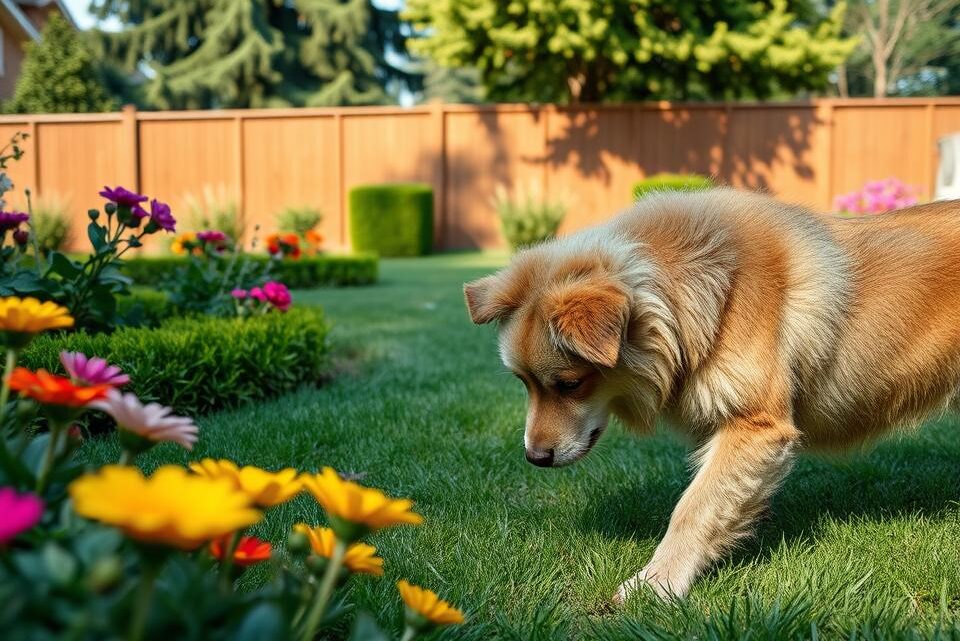
Creating a safe and enjoyable environment for dogs in the garden is a challenge many pet owners face. While gardens are ideal spaces for dogs to play, exercise, and socialise, certain plants, chemicals, and sharp objects can pose significant risks to their wellbeing.
A beautiful and safe garden requires careful planning and implementation of protective measures. Dogs naturally explore their surroundings through digging, chewing, and marking territory, which can damage plants and garden structures. By understanding the balance between aesthetics and safety, pet owners can maintain an attractive garden while ensuring their dog’s wellbeing.
Inhaltsverzeichnis
Key Takeaways
- Creating a dog-friendly garden requires careful planning and implementation of protective measures.
- A safe garden for dogs involves selecting the right plants and managing potential health risks.
- Boundary security and designated areas for dogs are crucial for a harmonious outdoor space.
- Implementing dog-proofing techniques can prevent garden damage and reduce the risk of injury or illness.
- Proper planning, training, and maintenance are essential for a stunning and safe garden.
Creating a Dog-Friendly Garden: Balancing Beauty and Safety
For dog owners, having a garden that is both visually appealing and safe for their pets is a goal that can be achieved through thoughtful design and planning. Balancing an attractive, presentable garden with the presence of your pets is tricky, but with the right strategies, it’s entirely achievable.
Understanding the Challenges of Garden Ownership with Dogs
Garden ownership with dogs presents several challenges, including ensuring the safety of your pets from toxic plants, chemicals, and physical hazards. Dogs, by nature, love to explore and play, which can often lead to garden damage. A well-designed garden must balance the needs of both the dog and the owner.
Benefits of a Well-Planned Dog-Proof Garden
A dog-proof garden offers numerous benefits, including a safe environment for your pet to exercise and play. Some key advantages include:
- Reduced risk of toxic plant ingestion and chemical exposure
- Prevention of physical injuries from thorny plants or unstable structures
- Designated play areas that satisfy your dog’s need for exploration
- Enhanced bond between you and your pet through shared outdoor spaces
- Reduced maintenance time by preventing common dog-related damage
By implementing these measures, you can create a garden that is both beautiful and safe for your dog. The table below highlights some key considerations for dog-friendly gardens.
| Feature | Benefit |
|---|---|
| Designated Digging Zones | Reduces damage to other areas of the garden |
| Dog-Friendly Plants | Safe for pets to be around |
| Secure Fencing | Prevents escape and reduces risk of injury |
By understanding the challenges and benefits, you can create a dog-friendly space that is enjoyable for both you and your pet. Effective planning and design are key to achieving this balance.
1. Secure Your Garden Boundaries with Proper Fencing
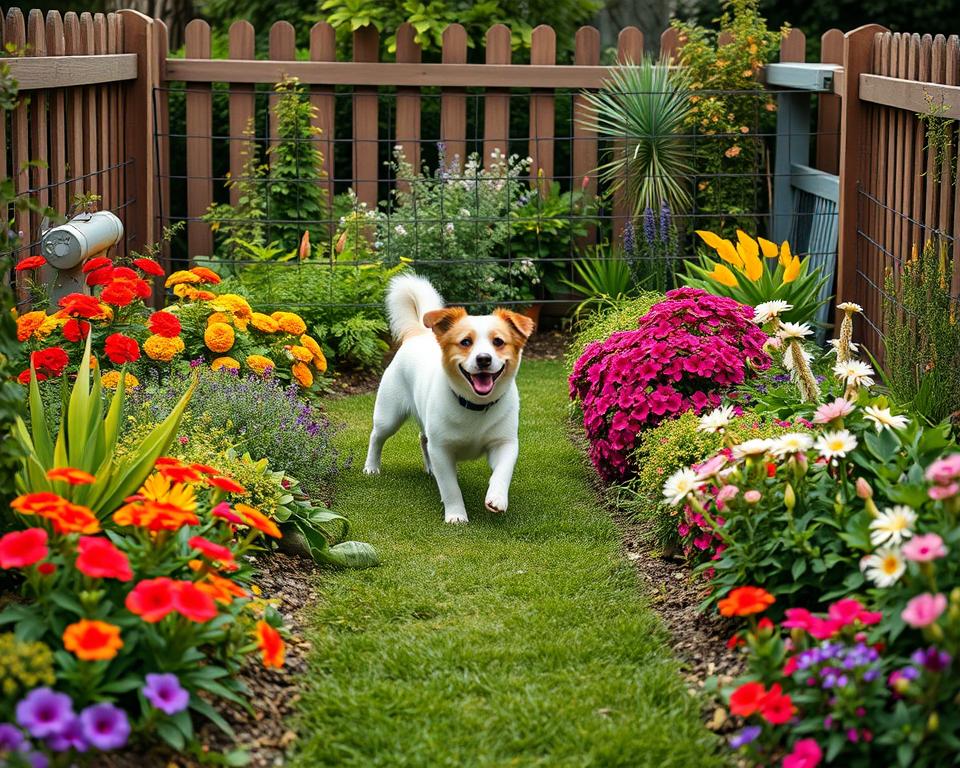
To keep your dog safe and prevent escape attempts, it’s vital to install proper fencing around your garden. A sturdy fence not only keeps your dog within the garden boundaries but also protects your garden areas from curious pets. For leash-free roaming, ensure your fence is both high and secure.
Recommended Fence Heights for Different Dog Breeds
The height of your fence will depend on the breed and jumping ability of your dog. A minimum height of 6 feet is recommended, as many dogs are capable jumpers. For smaller breeds, a fence height of at least 4-5 feet may be sufficient, but this can vary depending on the individual dog’s agility.
Preventing Digging Under Fences and Gates
Digging under fences is a common escape method for dogs. To prevent this, several measures can be taken:
- Install L-shaped footer barriers extending horizontally into the garden at least 12 inches from the fence base to discourage digging.
- Bury chicken wire or hardware cloth 6-12 inches deep along fence lines, bending the bottom portion outward away from the fence.
- Place large rocks or pavers along fence boundaries to create a physical barrier that discourages digging attempts.
- Pour a narrow concrete footer beneath fence lines in areas where persistent digging occurs.
- For gates, ensure the gap between the gate bottom and ground is minimal—no more than 2-3 inches for small breeds.
- Install self-closing mechanisms on gates to prevent accidental escapes when family members forget to secure them.
- Regularly inspect fence lines and gates for signs of digging or damage that could create escape opportunities.
- Consider installing commercial dig-proof barriers specifically designed for pet containment along vulnerable fence sections.
By implementing these measures, you can significantly reduce the risk of your dog escaping from your garden. Regular maintenance and inspections are crucial to ensuring the continued effectiveness of your fencing.
2. Manage Exposed Soil to Discourage Digging Behaviour
One of the most effective ways to discourage digging is by managing the soil in your garden. Dogs often dig when they find large, exposed patches of soil, which can lead to a messy garden. To prevent this, consider covering bare soil with low-growing, dog-friendly ground covers or using decorative mulch. These alternatives can deter digging and add aesthetic appeal to your garden.
Creating a Designated Digging Zone for Your Dog
Another strategy is to allocate a specific area for your dog to dig. This designated ‘dig zone’ can be filled with soft soil or sand, helping to satisfy their natural instinct in a controlled environment. By providing a specific area for digging, you can redirect your dog‘s behaviour away from other parts of the garden.
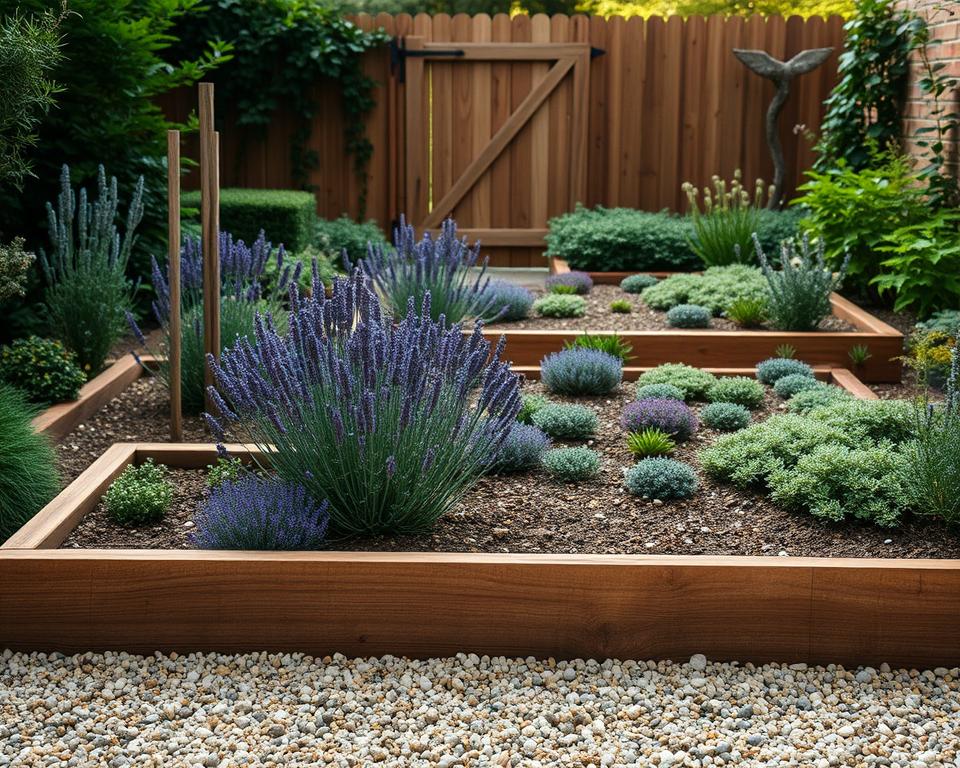
Effective Ground Covers to Protect Garden Soil
There are several effective ground covers and mulch options that can protect your garden soil. Some of these include:
- Dense, low-growing ground covers like creeping thyme, clover, or ajuga create a living barrier that discourages digging while adding texture and colour.
- Ornamental grasses with extensive root systems help stabilize soil and create a physical deterrent to digging behaviour.
- Decorative stone mulch or river rock provides an effective barrier that most dogs find unappealing for digging purposes.
- Pine straw or bark mulch can protect soil while being less appealing to dig in than bare earth (avoid cocoa mulch, which is toxic to dogs).
- Install permeable landscape fabric beneath mulch or ground covers for an additional protective layer against determined diggers.
- Interlocking garden pavers with ground cover planted between them create an attractive yet dig-resistant surface for vulnerable areas.
By implementing these strategies, you can effectively manage exposed soil and discourage digging behaviour in your garden, creating a more enjoyable and safe space for both you and your dog.
3. Install Protective Borders Around Plant Beds
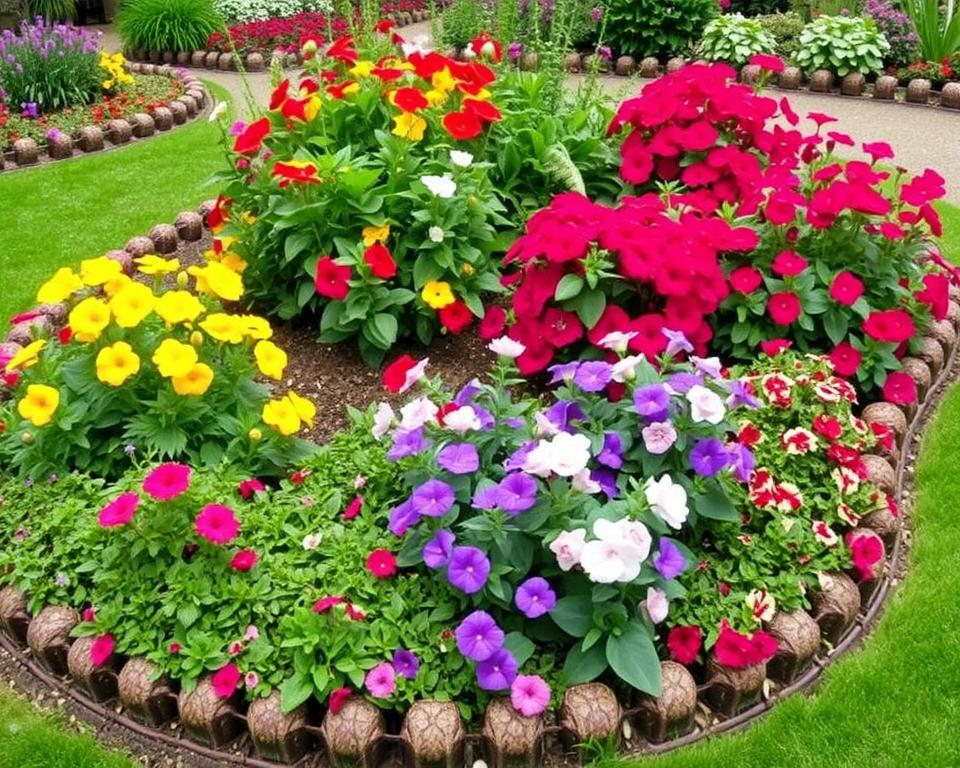
One effective way to dog-proof your garden is by installing low borders around your plant beds. This simple yet effective measure helps prevent your dog from trampling or urinating on your plants, thus preserving the beauty and health of your garden.
Materials for Effective Plant Bed Protection
Choosing the right materials for your garden borders is crucial. Decorative stones, bricks, or low fencing are excellent options as they not only protect your plants but also add an aesthetic appeal to your garden. These materials are durable and can withstand various weather conditions, making them ideal for outdoor use.
Training Your Dog to Respect Garden Boundaries
Training your dog to respect garden boundaries is as important as installing physical barriers. Begin by walking your dog on a lead around the perimeter of the forbidden areas, using consistent verbal cues like “no” or “leave it.” Positive reinforcement is key; reward your dog with treats and praise when they respect the boundaries.
- Use visual markers like small flags or stakes to help your dog identify off-limit areas.
- Implement a consistent correction technique when boundaries are crossed.
- Gradually increase off-lead time in the garden while maintaining supervision.
- Consider using pet deterrent sprays along borders during training.
Be patient and consistent, as most dogs require several weeks of regular training sessions before they reliably respect garden boundaries.
4. Utilise Raised Beds to Keep Plants Out of Reach

Raised garden beds provide an excellent means of keeping plants safe from canine interference. By elevating the plants, dog owners can significantly reduce the risk of damage or trampling.
Benefits of Raised Beds in Dog-Friendly Gardens
Raised beds offer several benefits for dog owners. They improve soil drainage, keep the garden organised, and allow for easier maintenance. Additionally, raised beds can be designed to be aesthetically pleasing, complementing the home’s architectural style.
Design Ideas for Dog-Resistant Raised Beds
There are several design ideas to consider when creating dog-resistant raised beds. Incorporating built-in seating along the edges can create multi-functional structures. Designing L-shaped or U-shaped configurations can maximise growing space while protecting inner planting zones. Adding decorative fencing or hoops around the perimeter can provide additional protection. Consider using naturally rot-resistant woods like cedar or redwood for longevity.
Other ideas include constructing raised beds with smooth, rounded edges to prevent injury and incorporating removable protective covers for seedlings. Tiered raised bed designs can also be effective, with the most vulnerable plants positioned on the highest level.
5. Choose Dog-Friendly Plants Without Thorns
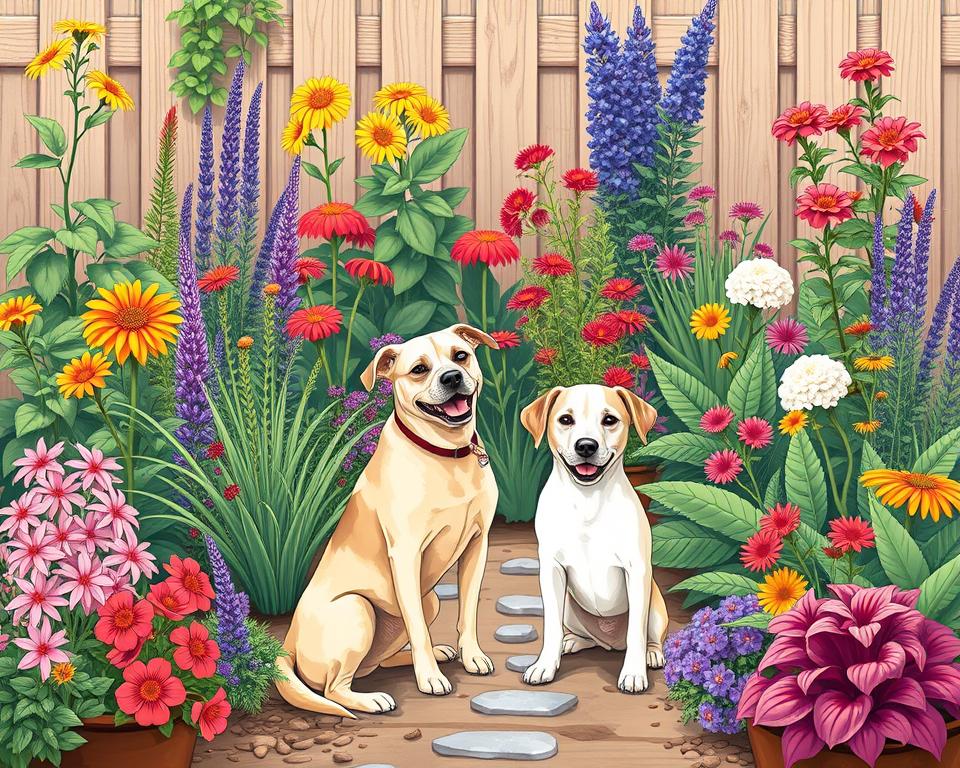
A pet-safe garden doesn’t have to lack in beauty or variety, thanks to the range of dog-friendly plants available. When designing a garden where dogs will be present, it’s crucial to select plants that are not only aesthetically pleasing but also safe for your pets.
Safe Ornamental Plants for Gardens with Dogs
There are numerous dog-friendly plants that can add colour and texture to your garden without posing a risk to your pets. Consider incorporating plants like ferns, hostas, or marigolds into your garden design. These plants are not only attractive but also safe for dogs to be around.
Some other safe options include dense evergreen shrubs like Boxwood (Buxus), which can create effective boundaries. Bamboo varieties, such as non-invasive clumping types, form natural screens that are both dog-friendly and fast-growing.
Alternatives to Thorny Barrier Plants
For gardeners looking to create boundaries or barriers, there are several dog-friendly alternatives to thorny plants. Ornamental grasses like Miscanthus or Pennisetum can create soft yet effective barriers. Holly-like shrubs without thorns, such as Japanese Skimmia, provide a similar aesthetic appeal without the risk.
Other options include Laurel varieties like Portuguese Laurel (Prunus lusitanica) or Cherry Laurel (Prunus laurocerasus), which form dense hedges without thorns. For seasonal barriers, consider annual climbers like Morning Glory or Nasturtium on trellises as an alternative to thorny climbing roses.
6. Dog-Proof Your Garden With These Top Ten Tricks: Avoiding Toxic Plants
To dog-proof your garden, you must be mindful of the plants that are toxic to dogs. Many common garden plants can be hazardous if ingested, posing a significant risk to your canine companion’s health.
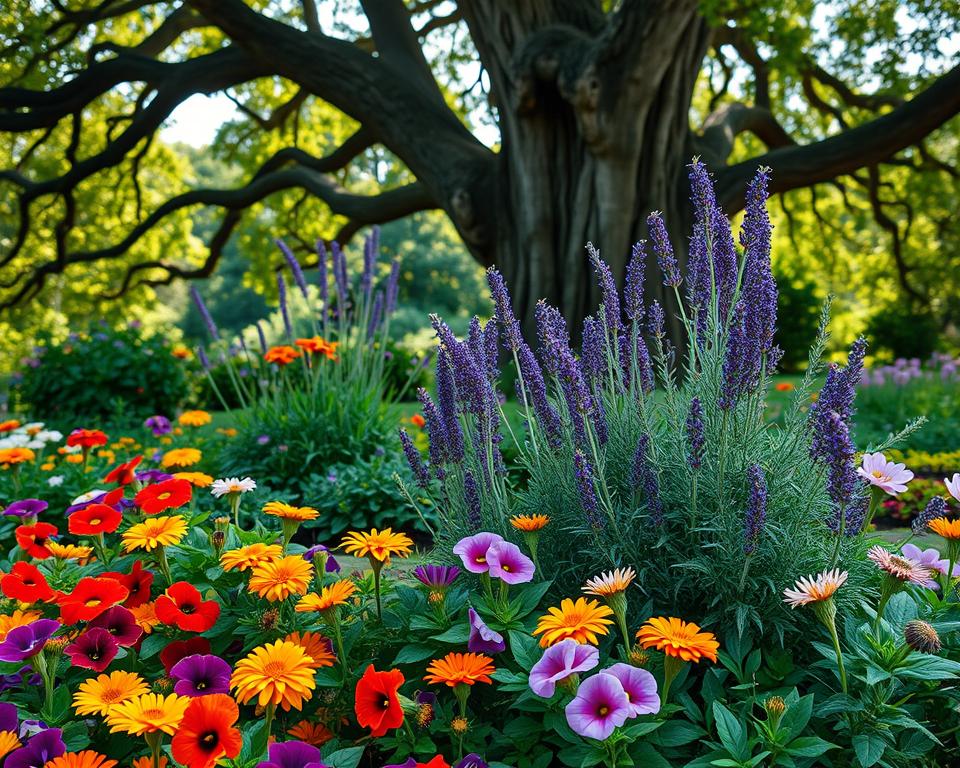
Common Garden Plants Toxic to Dogs in the UK
Several plants commonly found in UK gardens are toxic to dogs. These include onions, garlic, chives, foxglove, and crocus, which can be poisonous if ingested. Other plants that are particularly hazardous to dogs are chrysanthemum, hyacinth, daisy, morning glory, daffodil, iris, azalea, lily of the valley, hydrangea, carnation, tomato plants, geranium, begonia, aloe vera, and certain herbs like English pennyroyal mint and parsley.
It’s crucial for dog owners to be aware of these toxic plants to prevent accidental poisoning. Ensuring that your garden is free from these hazards is a key step in creating a dog-friendly outdoor space.
Safe Alternatives for a Beautiful, Dog-Safe Garden
Fortunately, there are many safe alternatives to toxic plants that can provide a beautiful and dog-friendly garden. For example, instead of planting toxic spring bulbs like daffodils, you can opt for dog-safe alternatives such as Camassias, Alliums (ornamental onions), and Leucojum (Snowflakes).
- Replace foxgloves with dog-friendly Penstemons or Salvias for vertical interest and to attract pollinators.
- Substitute lily of the valley with safe alternatives like Lily Turf (Liriope) or Solomon’s Seal (Polygonatum) for shaded areas.
- Instead of toxic autumn crocus, plant safe autumn-flowering Cyclamen hederifolium or Colchicum ‘Waterlily’.
- Use Box (Buxus), Privet (Ligustrum), or Portuguese Laurel (Prunus lusitanica) for formal garden structure instead of yew hedging.
By choosing these dog-friendly plants, you can create a beautiful and safe garden for your dog to enjoy.
7. Select Durable, Self-Repairing Grass Varieties
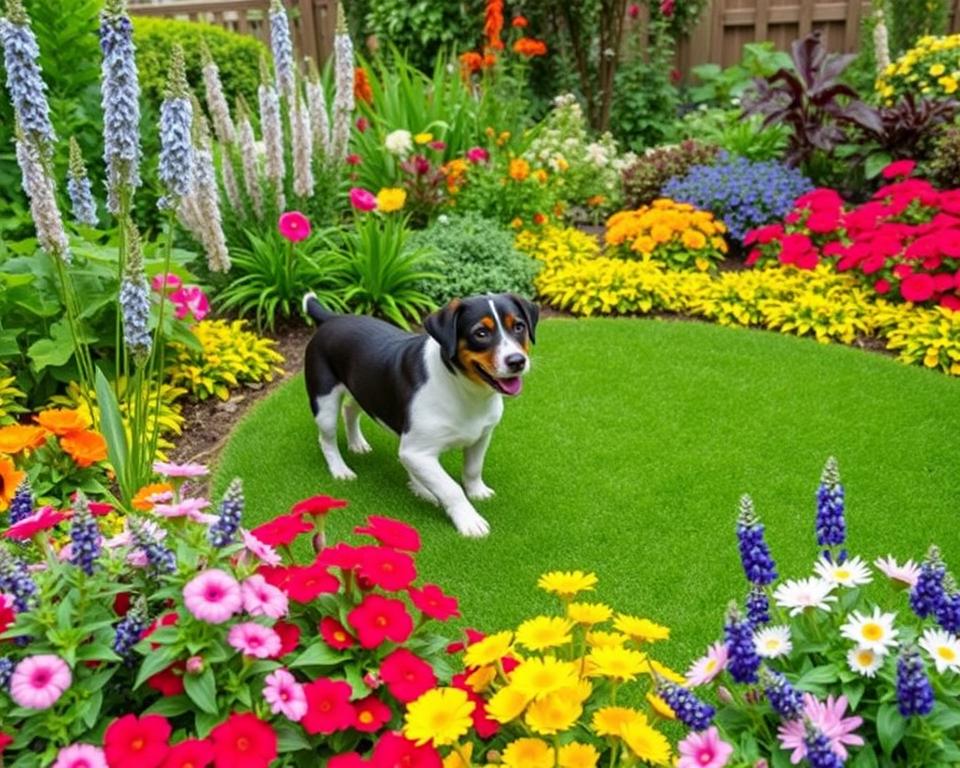
For gardens with dogs, choosing the right grass is crucial for maintaining a lush, resilient lawn. Dog activities such as digging and relieving themselves can damage grass, leading to patches and root deterioration.
Best Grass Types for Gardens with Active Dogs
Grass types like Buffalo and Kikuyu are known for their durability and ability to recover quickly from wear and tear, making them ideal for pet owners. These varieties can withstand dog traffic and are suitable for gardens where dogs play.
Maintenance Tips for Dog-Damaged Lawns
To maintain a healthy lawn, several strategies can be employed. Aerating the lawn twice yearly alleviates soil compaction, while overseeding damaged areas with hardy grass varieties helps maintain lawn density. Watering deeply but infrequently encourages deep root growth, making grass more resilient to surface damage.
- Aerate your lawn twice yearly to alleviate soil compaction caused by dog traffic.
- Overseed damaged areas with hardy grass varieties in spring and autumn.
- Water deeply but infrequently to encourage deep root growth.
- Immediately rinse areas where your dog urinates with water to dilute nitrogen concentrations.
- Apply gypsum to areas frequently affected by dog urine to help neutralise soil.
8. Create a Dedicated Dog Play Area

Dog owners can protect their gardens by designating a specific play area for their pets. If dogs are allowed to roam freely around plant beds, they are more likely to disturb or damage crops. Creating an inviting play zone with favourite toys and treats in an open, safe space encourages dogs to focus their energy there, thus protecting the rest of the garden.
Essential Features for a Dog-Friendly Play Zone
A dog-friendly play zone should include features that cater to a dog’s natural behaviours and needs. Incorporating elements like a sandbox for digging or agility equipment for exercise can keep dogs engaged and active. Sturdy fencing is also crucial to ensure the play area remains secure and safe for the dog.
Some key features to consider include:
- Install decorative but sturdy fencing between play zones and garden areas, choosing heights appropriate for your dog’s size and jumping ability.
- Use landscape design principles to create natural divisions with changes in elevation, different surface materials, or strategic plantings.
- Establish clear visual boundaries with decorative edging, low hedges, or ornamental grasses that signal the transition between play space and plant areas.
Separating Play Areas from Prized Plants
To effectively separate play areas from prized plants, garden owners can employ several strategies. Creating buffer zones of dog-resistant plants between play areas and more delicate garden sections provides a graduated boundary. Positioning play areas downwind from prized plantings minimises scent attraction that might draw dogs toward special plants.
Additional strategies include:
- Using strategic hardscaping like paths, patios, or retaining walls to create natural divisions between different garden zones.
- Installing temporary barriers like decorative garden screens during establishment periods for new plantings or seasonal displays.
- Considering different mulch materials to visually distinguish play areas from planting beds, helping dogs learn boundaries.
9. Safely Store Garden Chemicals and Tools
Protecting your dog from the dangers lurking in garden sheds and storage areas requires careful planning and safe storage of chemicals and tools. Garden chemicals, in particular, pose a significant risk to pets if not stored properly.
Hidden Dangers in Garden Sheds and Storage Areas
Garden sheds and storage areas often contain hazardous materials such as chemicals and sharp tools. According to research by Direct Line Pet Insurance, household chemicals, including garden products, are among the common causes of poisoning in pets, surpassed only by chocolate, grapes, and medications. It is crucial to recognize these hidden dangers to take appropriate measures.
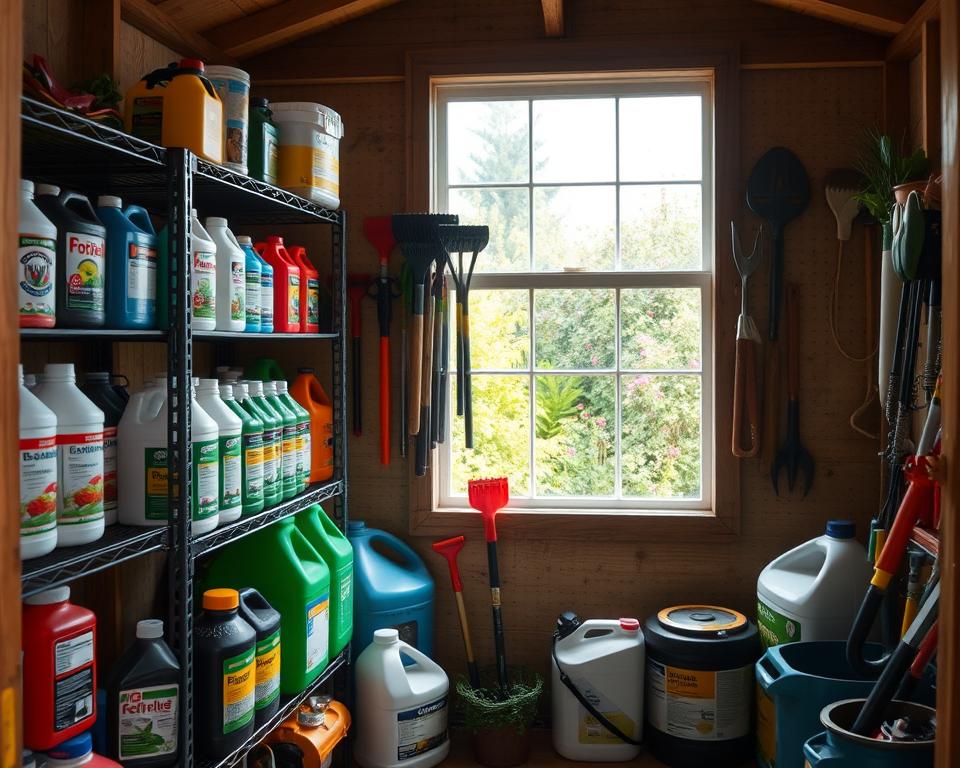
Pet-Safe Alternatives to Common Garden Chemicals
Fortunately, there are pet-safe alternatives to common garden chemicals. For instance, you can replace chemical fertilisers with well-composted organic matter. Using nematodes as a biological control for slugs and snails is another effective and safe method. Vinegar-based weed killers can substitute for chemical herbicides. Implementing companion planting and physical barriers like row covers can control garden pests naturally. Additionally, steam weeding or manual removal can replace chemical weed control on paths and hard surfaces.
| Chemical | Pet-Safe Alternative |
|---|---|
| Chemical Fertilisers | Well-composted Organic Matter |
| Metaldehyde Pellets | Nematodes |
| Chemical Herbicides | Vinegar-based Weed Killers |
| Insecticides | Companion Planting and Row Covers |
To further safeguard your garden, store all necessary garden tools in locked cabinets or on high shelves that cannot be accessed by curious pets. Label all garden products clearly and keep them in their original containers to avoid confusion. Consider installing a separate, secure garden storage area with childproof locks for any potentially harmful products.
10. Maintain Secure Gates and Access Points
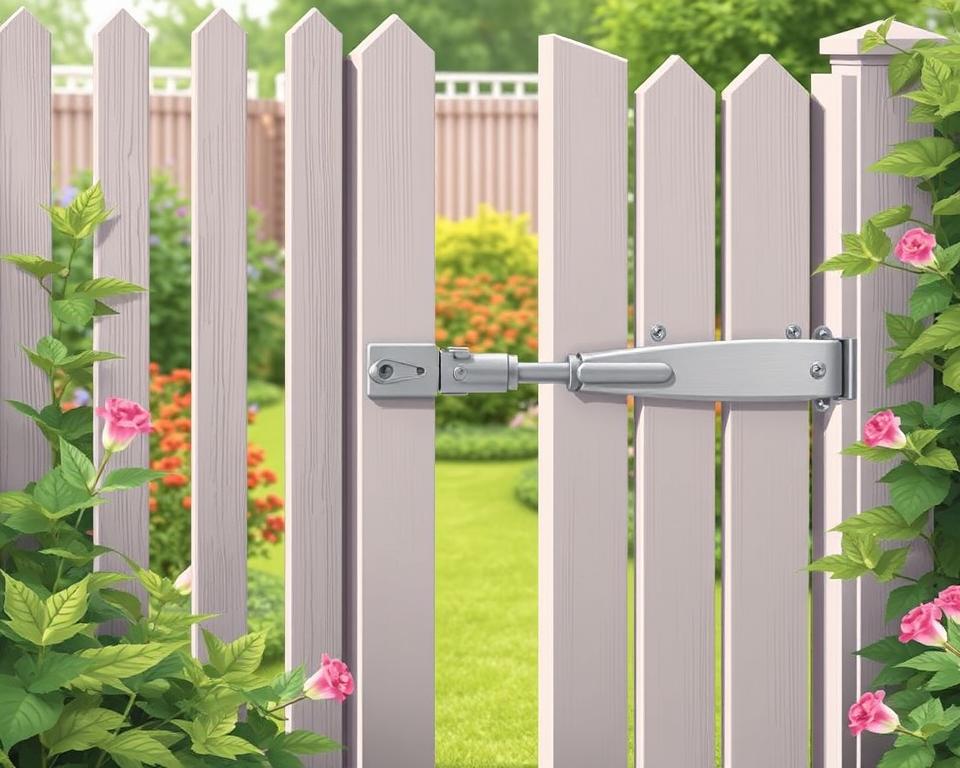
To keep your dog safe, it’s crucial to maintain secure gates and access points. Ensuring that your garden gates are securely closed is a simple yet effective way to prevent your dog from straying outside unsupervised. It also stops other animals from entering your garden. Consider installing self-closing mechanisms or alarms on gates as an additional safety measure.
Self-Closing Gate Mechanisms for Added Security
Installing self-closing gate mechanisms can provide an extra layer of security for your garden. These mechanisms ensure that your garden gate always closes behind you, reducing the risk of it being left open. When choosing a self-closing gate mechanism, consider the size and weight of your gate to ensure you select a suitable product.
Regular Maintenance Checks for Garden Boundaries
Regularly inspecting your garden boundaries is essential for maintaining a secure environment for your dog. Establish a monthly boundary inspection routine to check for any signs of damage or weakness. This includes examining fence posts for stability, inspecting fence panels for damage, and checking gate hinges and latches for proper alignment.
- Establish a monthly boundary inspection routine, checking fence posts for stability and signs of rot, especially after severe weather events.
- Examine fence panels and boards for loose fixings, warping, or damage that could create escape routes for determined dogs.
- Inspect the ground along fence lines for signs of digging, addressing any attempts promptly by reinforcing vulnerable areas.
- Check gate hinges and latches for proper alignment and lubrication, ensuring they close and lock securely without excessive force.
- Assess boundary hedges for gaps or thin spots that might allow a dog to push through, reinforcing with temporary fencing if necessary.
- Look for overhanging tree limbs that could provide escape routes over fences for agile climbers or jumpers.
- Verify that all garden boundary walls maintain their structural integrity, watching for crumbling mortar or loose bricks.
- After gardeners, contractors, or delivery personnel visit, perform an immediate boundary check as gates may have been left unsecured.
Conclusion: Enjoying Your Garden with Your Canine Companion
As you strive to balance garden beauty with pet safety, several key strategies come into play. Creating a dog-proof garden is an ongoing process that evolves as you observe your dog’s behaviour. The right fencing and plant selection reduce damage and veterinary bills. A well-designed garden enhances the quality of life for both you and your pet, providing a safe space. Regular maintenance ensures long-term success, making the time invested worthwhile in the end.
FAQ
What are the most effective ways to prevent dogs from digging under fences?
To prevent dogs from digging under fences, pet owners can install a barrier, such as chicken wire or metal mesh, along the fence line, extending it at least 12 inches below ground level. Alternatively, they can use rock or gravel as a ground cover, which is difficult for dogs to dig through.
How can I make my garden safe for my dog to play in?
To create a dog-friendly garden, it’s essential to remove or secure any toxic plants, chemicals, and sharp objects. Providing a designated play area with durable grass or a safe surface, such as artificial turf, can also help. Additionally, ensuring the garden is well-fenced and secure can prevent escape or unwanted visitors.
What type of fencing is best for containing dogs?
The most suitable fencing for containing dogs depends on the breed and size of the dog. Generally, a fence that is at least 1.8 metres high is recommended, with some breeds requiring taller fences. The material used should be sturdy, such as wood or metal, and extend at least 12 inches below ground level to prevent digging.
Are there any plants that are safe for gardens with dogs?
Yes, there are many dog-friendly plants that are safe for gardens with dogs. Some examples include catmint, lavender, and sunflowers. It’s essential to research any plant before introducing it to the garden to ensure it’s non-toxic to dogs.
How can I train my dog to respect garden boundaries?
Training a dog to respect garden boundaries requires consistency, patience, and positive reinforcement. By establishing clear boundaries and rewarding good behaviour, dog owners can teach their pets to stay out of certain areas. Using physical barriers, such as fencing or plant covers, can also help.
What are some alternatives to thorny barrier plants?
For pet owners who want to avoid using thorny plants, there are several alternatives, including dense shrubs or plants with tough foliage, such as boxwood or holly. These plants can provide a natural barrier without the risk of injury to dogs.
How can I maintain a healthy lawn with an active dog?
To maintain a healthy lawn with an active dog, it’s crucial to choose a durable grass variety, such as perennial ryegrass or tall fescue. Regular maintenance, including mowing, watering, and fertilising, can also help. Additionally, providing a designated play area can help reduce wear and tear on the lawn.