
Garden Bed Edging Using Natural Stone, Wood, and Plants
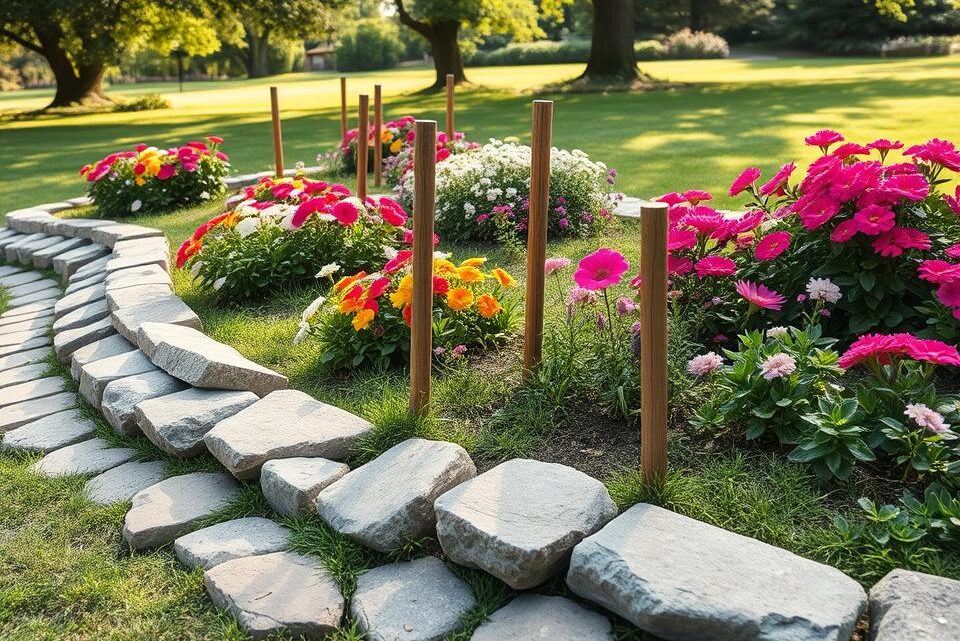
Creating beautiful garden borders transforms your outdoor space into a captivating landscape. Natural garden borders offer UK gardeners versatile landscaping materials that blend aesthetic appeal with environmental responsibility. Your garden edging ideas can revolutionise the visual structure and design of your outdoor environment.
Selecting the right natural materials for garden edging requires understanding the unique characteristics of stone, wood, and living plants. Each material brings distinct advantages, allowing you to craft borders that reflect your personal style while enhancing your garden’s overall composition.
In this comprehensive guide, we’ll explore how to implement stunning natural garden borders that not only define your garden spaces but also contribute to sustainable landscaping practices in the United Kingdom.
Inhaltsverzeichnis
Key Takeaways
- Discover innovative garden edging ideas for UK landscapes
- Understand the benefits of natural landscaping materials
- Learn how to select appropriate border materials
- Explore environmentally friendly garden design techniques
- Create visually appealing and functional garden boundaries
Why Garden Bed Edging Transforms Your Outdoor Space
Garden bed edging represents a critical element in landscape structure that elevates your outdoor space from ordinary to extraordinary. By establishing clear border definition, you create visual boundaries that transform the entire aesthetic of your garden design.
The benefits of professional garden edging extend far beyond mere appearance. Your outdoor space gains multiple advantages through strategic border implementation:
- Prevents soil erosion and contains garden materials
- Reduces maintenance time by creating clean mowing lines
- Enhances drainage and moisture management
- Provides a polished, intentional landscape appearance
Sophisticated garden design benefits emerge when you invest in quality edging. Defined borders create psychological order, making your garden feel more structured and purposeful. They separate lawn areas from planting beds with precision, stopping grass from encroaching and maintaining crisp visual lines.
Professional landscapers understand that well-designed borders contribute significantly to property value. Your garden becomes a statement of care, design consideration, and aesthetic intelligence.
A garden without proper edging is like a painting without a frame—incomplete and lacking definition.
By implementing strategic garden bed edging, you’re not just decorating an outdoor space—you’re crafting an environment that reflects your personal style and commitment to landscape excellence.
Understanding the Benefits of Natural Edging Materials
Eco-friendly landscaping transforms garden design by embracing sustainable garden materials that offer remarkable advantages. Natural border benefits extend far beyond simple aesthetic appeal, providing gardeners with innovative solutions that harmonise with the environment.
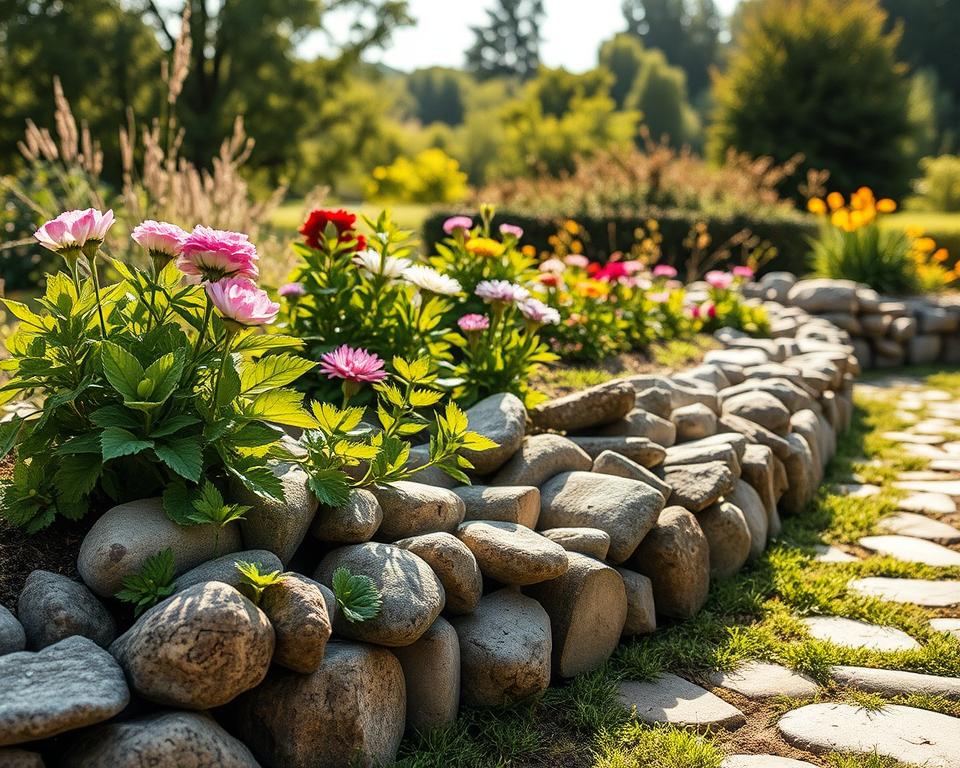
When considering garden border design, natural materials present a compelling alternative to synthetic options. These organic solutions deliver multiple advantages that enhance both your garden’s ecology and visual character.
Environmental Advantages of Organic Borders
Sustainable garden materials contribute significantly to garden ecosystems. Natural edging supports local biodiversity by:
- Creating habitat spaces for beneficial insects
- Preventing soil erosion naturally
- Reducing chemical introduction into garden environments
- Supporting microorganism populations in soil
Cost-Effectiveness and Longevity Considerations
Natural border benefits include impressive long-term value. While initial investments might seem higher, these materials often outlast synthetic alternatives. Stone edging, for instance, can last decades with minimal maintenance.
Aesthetic Appeal and Design Flexibility
Eco-friendly landscaping allows incredible design versatility. Natural materials offer unique textures, colours, and forms that synthetic borders cannot replicate. Your garden can reflect personal style while maintaining an authentic, organic connection to the landscape.
Natural materials aren’t just a design choice—they’re an ecological statement.
Natural Stone Edging: Timeless Elegance for Your Garden
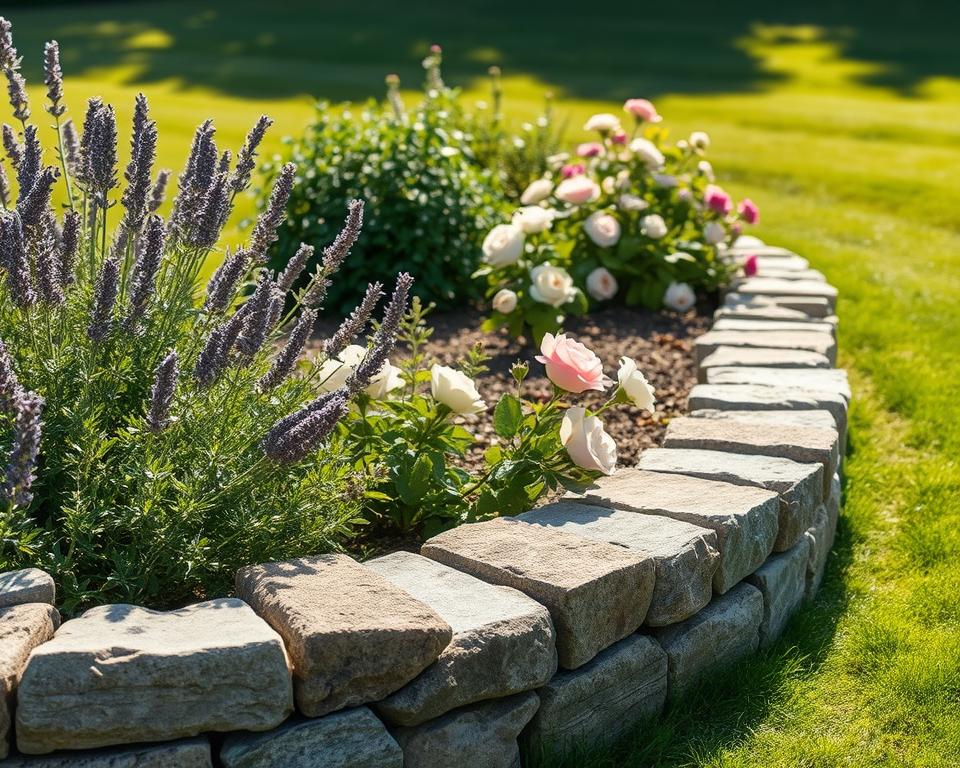
Stone garden borders represent the pinnacle of permanent edging solutions in traditional landscaping UK. These natural barriers transform your outdoor space with unparalleled durability and aesthetic appeal. Selecting the right stone can elevate your garden from ordinary to extraordinary.
The beauty of stone edging lies in its remarkable versatility. Whether you’re designing a compact urban garden or a sprawling rural landscape, stone provides a sophisticated solution that adapts to your unique space. Granite, limestone, and slate offer distinctive textures and colours that complement various garden styles.
- Exceptional durability against weather conditions
- Minimal maintenance requirements
- Natural thermal properties that benefit surrounding plants
- Increases property value and visual appeal
When installing stone garden borders, consider these key factors:
- Choose locally sourced stones for authentic character
- Ensure proper foundation preparation
- Select stones with complementary landscape design
- Consider professional installation for complex layouts
Traditional UK landscaping techniques demonstrate that stone edging is not just a functional element, but an artful design statement that grows more beautiful with age. As moss and lichens develop, your stone borders will develop a unique patina that tells the story of your garden’s evolution.
Stone edging transforms gardens from mere outdoor spaces into living works of art.
Selecting the Right Stone Types for Your Border
Choosing the perfect stone for your garden border requires careful consideration of various factors. Natural stone selection in the UK offers a diverse range of options to enhance your outdoor space. Understanding the characteristics of different stone types will help you create a stunning and functional garden edge.
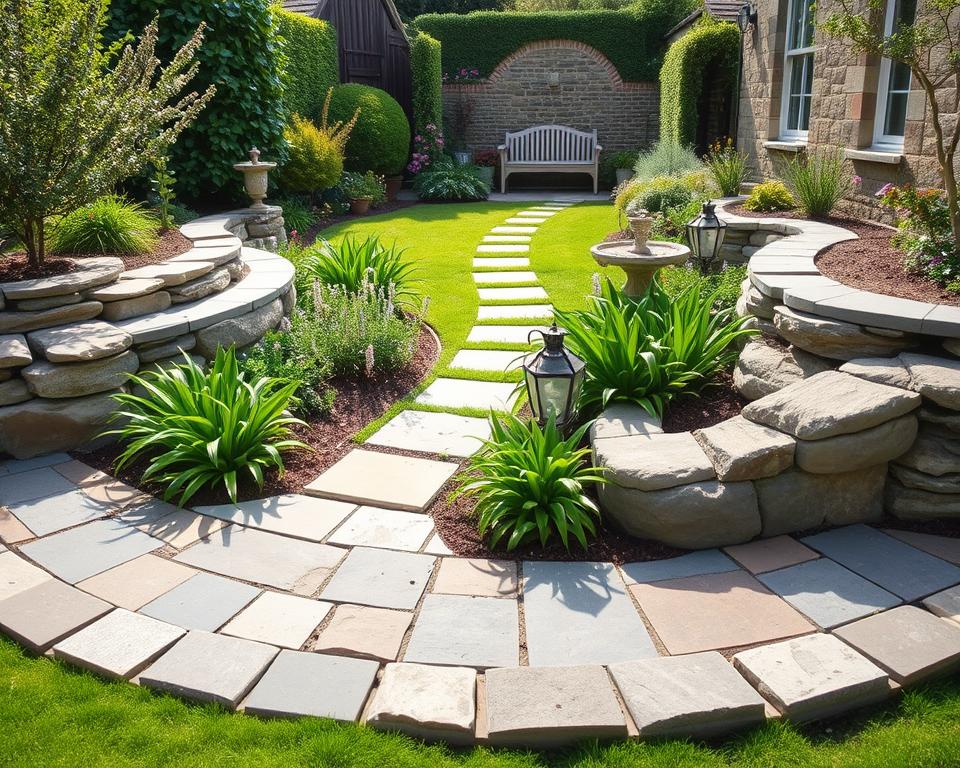
Limestone and Sandstone Characteristics
Limestone edging provides a classic look for traditional British gardens. These sedimentary stones offer warm colour palettes ranging from honey tones to soft greys. Key features of limestone include:
- Moderate porosity allowing gentle weathering
- Excellent compatibility with traditional architectural styles
- Natural variations in colour and texture
Slate and Granite for Contemporary Gardens
Slate garden borders bring a sleek, modern aesthetic to your outdoor space. These harder stone types UK provide distinct advantages for contemporary landscapes:
| Stone Type | Colour Range | Best Suited For |
|---|---|---|
| Slate | Charcoal to blue-grey | Modern, minimalist designs |
| Granite | Dark greys, blacks | High-traffic garden areas |
Pebbles and River Rocks for Informal Designs
For a more relaxed garden border approach, pebbles and river rocks create soft, naturalistic edges. These versatile stones work brilliantly in informal garden settings, offering unique textures and organic shapes. When using these stones, consider:
- Using edging restraints to prevent stone migration
- Mixing different sizes for visual interest
- Sourcing locally to reduce environmental impact
Your natural stone selection should ultimately reflect your garden’s style, local environment, and personal aesthetic preferences.
Wooden Garden Edging: Warmth and Natural Charm
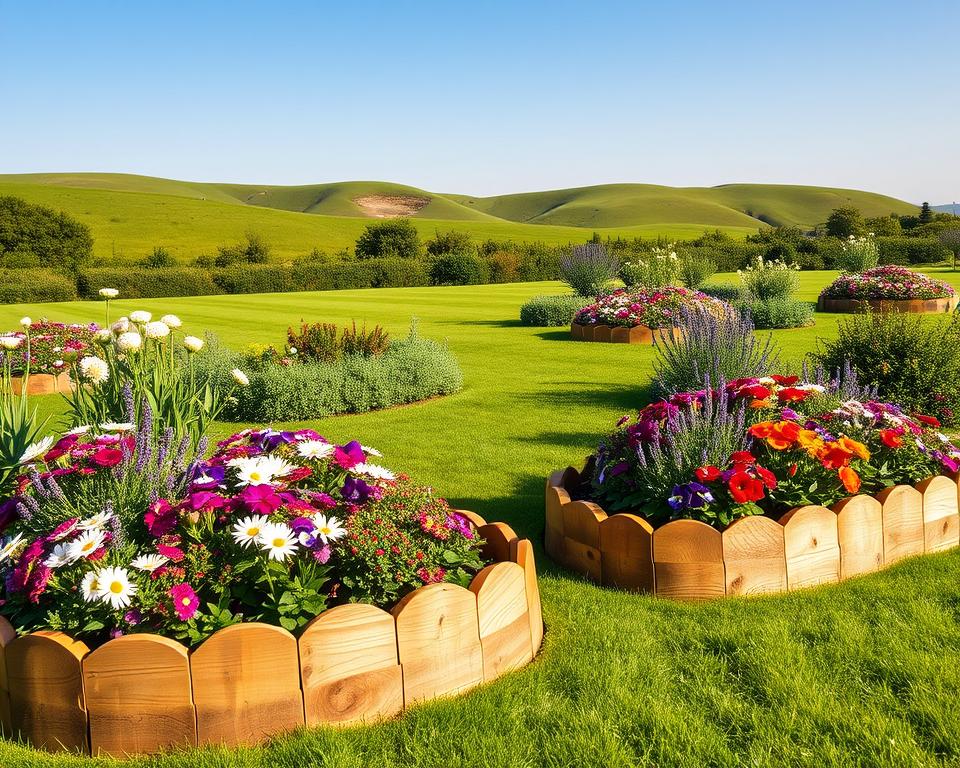
Wooden garden borders offer a quintessential British landscape solution that brings warmth and character to your outdoor spaces. Natural wood landscaping provides an organic touch that transforms gardens with elegant simplicity. Timber edging UK gardeners prefer combines rustic charm with practical functionality.
When selecting wooden garden borders, consider these key advantages:
- Versatile design options for curved and irregular spaces
- Cost-effective compared to permanent stone installations
- Easy DIY installation with minimal specialised tools
- Natural aesthetic that complements traditional British gardens
Different wood types provide varying durability and aesthetic qualities. Hardwoods like oak and cedar offer extended lifespan, while softwoods require more frequent replacement but remain budget-friendly.
| Wood Type | Estimated Lifespan | Maintenance Level |
|---|---|---|
| Oak | 15-20 years | Low |
| Cedar | 10-15 years | Medium |
| Pine | 3-5 years | High |
Sustainable sourcing remains crucial when choosing timber edging. Look for wood certified by responsible forestry programmes to ensure environmental credentials. Your wooden garden borders can become a beautiful, eco-friendly landscaping element that evolves beautifully with your garden’s changing character.
Garden Bed Edging Using Natural Stone, Wood, and Plants
Creating stunning garden borders requires strategic thinking about mixed material borders. Your garden design strategies can transform ordinary landscapes into extraordinary outdoor spaces through clever combination edging techniques.

Designing garden borders with multiple materials allows you to leverage the unique strengths of different elements. The key is understanding how to blend textures, colours, and structural components harmoniously.
Combining Materials for Maximum Visual Impact
Successful combination edging involves thoughtful material selection. Consider these design approaches:
- Use stone as a foundational element with wooden raised sections
- Integrate low-growing plants to soften hard stone edges
- Coordinate colours and textures between materials
Balancing Durability with Aesthetic Goals
Your garden design strategies should prioritise both visual appeal and long-term performance. Practical implementation might include:
- Investing in durable stone for high-visibility areas
- Using renewable wooden elements in less prominent spaces
- Creating flexible border designs that can evolve over time
By carefully selecting and combining natural materials, you can create garden borders that are both functional and visually captivating.
Choosing Sustainable Timber Options for Longevity
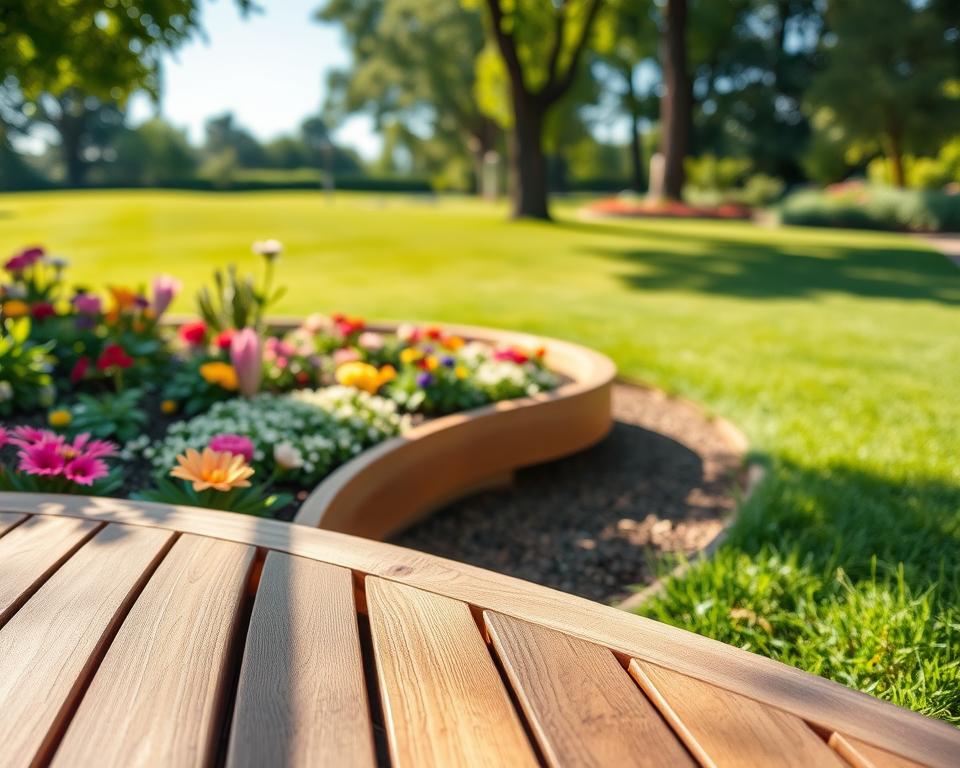
Selecting the right sustainable timber for your garden edging is crucial for creating long-lasting, environmentally responsible borders. UK gardeners increasingly prioritise durable hardwoods UK that offer both aesthetic appeal and ecological integrity.
When exploring rot-resistant timber options, consider these key characteristics:
- FSC certified wood ensures responsible forest management
- Native UK hardwoods provide superior natural durability
- Timber with high tannin content resists decay naturally
Oak, sweet chestnut, and larch stand out as excellent sustainable timber choices. These woods possess inherent durability that minimises the need for chemical treatments. Their dense grain structure naturally protects against moisture and insect damage, making them ideal for garden borders.
Modern timber selection goes beyond simple aesthetics. By choosing locally sourced, FSC certified wood, you reduce transportation emissions while supporting responsible forestry practices. Thermally modified timber represents an innovative approach, using heat treatment to enhance wood durability without harmful chemicals.
Your garden edging investment should balance initial cost with long-term performance. Investing in high-quality, rot-resistant timber might seem expensive initially, but these materials can last 10-20 years with proper maintenance, ultimately providing better value than cheaper alternatives.
Living Plant Borders: Creating Dynamic Green Edges
Transform your garden with living borders, a vibrant and eco-friendly approach to plant edging that breathes life into your outdoor spaces. Living borders offer a dynamic alternative to traditional hardscape solutions, providing soft transitions between garden areas while supporting local wildlife and adding seasonal interest.
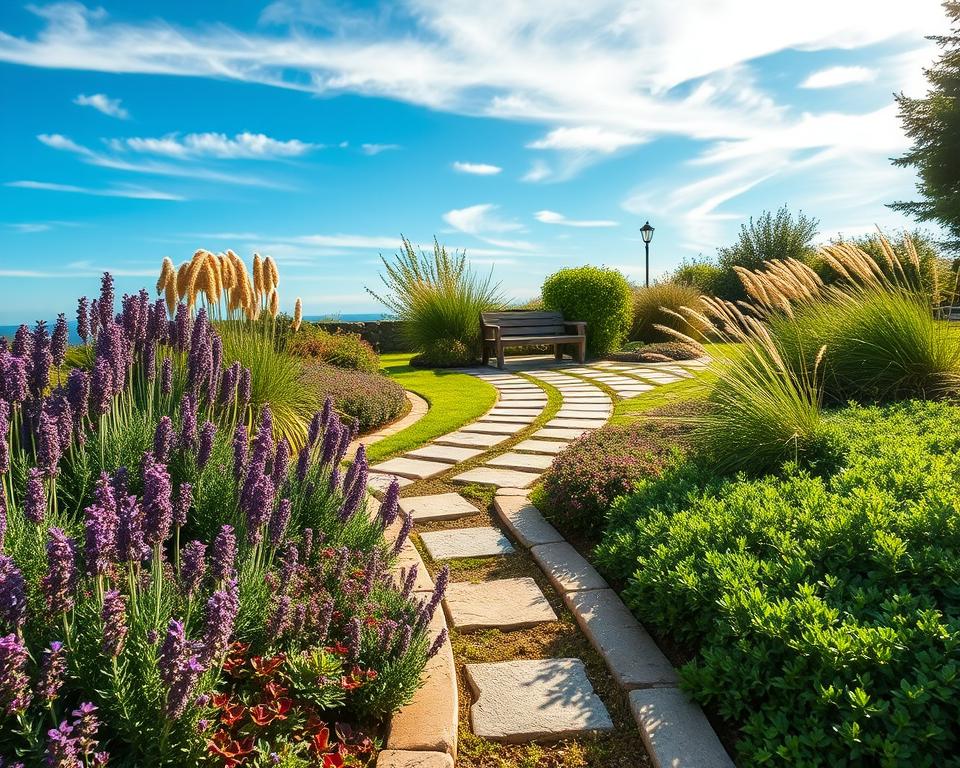
Selecting the right low-growing perennials for UK gardens requires careful consideration of your specific landscape conditions. These living borders not only define garden spaces but also create a harmonious ecosystem that evolves throughout the seasons.
Best Low-Growing Plants for Edging
- Lavandula angustifolia (Lavender): Aromatic hedge edging with purple blooms
- Nepeta × faassenii (Catmint): Soft blue flowers perfect for cottage-style gardens
- Thymus serpyllum (Creeping Thyme): Dense ground cover with delicate flowers
- Armeria maritima (Sea Thrift): Native UK plant with pink pompom flowers
Maintenance Requirements for Living Borders
Successful living borders demand strategic care and understanding of each plant’s unique requirements. Your approach to maintenance will directly impact the health and appearance of your hedge edging.
| Plant Type | Pruning Frequency | Water Needs | Soil Preference |
|---|---|---|---|
| Lavender | Annually | Low | Well-drained, alkaline |
| Catmint | Twice yearly | Moderate | Sandy, fertile |
| Creeping Thyme | Minimal | Low | Dry, rocky |
| Sea Thrift | After flowering | Low | Sandy, coastal |
“A well-designed living border is not just an edge, but a living, breathing ecosystem that connects your garden to the wider landscape.” – Garden Design Expert
By understanding the specific needs of low-growing perennials, you can create stunning, sustainable plant edging that requires minimal intervention while maximising ecological benefits.
Installation Techniques for Each Edging Material
Mastering DIY garden edging requires careful planning and precise execution. Whether you’re a weekend gardener or pursuing professional landscaping, understanding border installation techniques is crucial for creating stunning garden borders in the UK.

Different edging materials demand unique installation approaches. Your success depends on proper preparation and technique selection.
- Stone Edging Techniques:
- Mark clear boundary lines
- Excavate level ground
- Choose between dry-stacking or mortar setting
- Wooden Border Installation:
- Prepare ground with landscape fabric
- Select appropriate timber treatments
- Use stakes for rustic designs
Professional landscaping experts recommend calculating material quantities carefully. Purchasing materials in single batches prevents colour variations and ensures a cohesive garden edging design.
| Edging Material | Preparation Complexity | Recommended Tools |
|---|---|---|
| Natural Stone | Medium | Spirit level, rubber mallet |
| Wooden Borders | Low | Saw, drill, landscape fabric |
| Living Plant Borders | High | Spade, measuring tape |
Selecting between DIY garden edging and professional installation depends on your skill level, available time, and project complexity. UK gardeners should assess their capabilities and budget before commencing any border installation project.
Maintaining Your Natural Garden Borders Throughout the Seasons
Effective garden maintenance is crucial for preserving the beauty and integrity of your garden borders. Your seasonal garden tasks will help protect and enhance the edges that define your outdoor space, ensuring longevity and visual appeal.
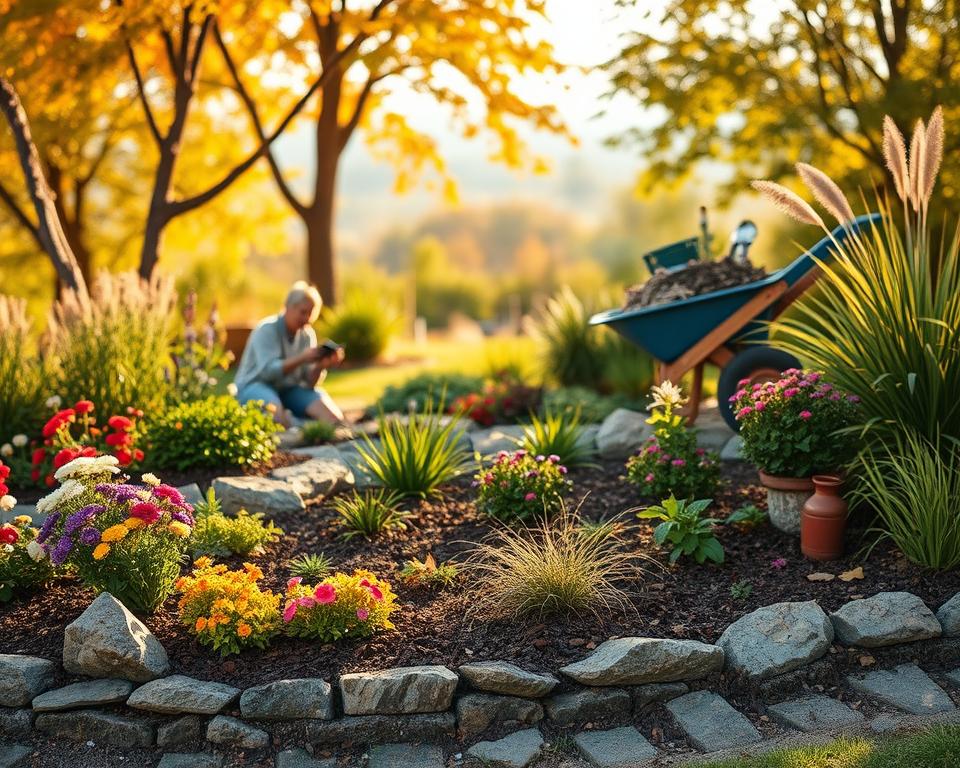
Successful border preservation requires a strategic approach to caring for different edging materials. Each type of garden border demands specific attention to maintain its structure and aesthetic value.
Seasonal Care for Stone Edging
Stone edging requires minimal but targeted garden maintenance throughout the year. Key tasks include:
- Autumn leaf removal to prevent moisture trapped between stones
- Periodic cleaning to eliminate algae in shaded areas
- Checking for stone alignment after winter freeze-thaw cycles
Preserving Wooden Borders Against Weather Damage
Wooden garden edges need proactive edging care to extend their lifespan. Your seasonal approach should focus on:
- Annual inspections for signs of rot
- Applying appropriate timber preservatives
- Replacing deteriorated sections promptly
Pruning and Feeding Plant-Based Edges
Living plant borders demand consistent seasonal garden tasks to maintain their health and appearance:
- Spring: Feed plants to encourage robust growth
- Summer: Regular deadheading to prolong flowering
- Autumn: Strategic pruning to maintain shape
By implementing these border preservation techniques, you’ll ensure your garden edges remain beautiful and functional throughout the changing seasons.
Conclusion
Your garden edging decision represents a pivotal moment in UK garden design, where aesthetic vision meets practical functionality. Each material offers unique advantages: stone provides structural integrity, wood delivers warmth, and living plants introduce ecological dynamism to your landscape.
Natural border selection isn’t about finding a universal solution but discovering the perfect match for your specific garden context. Consider your budget, maintenance capacity, and design preferences when evaluating stone, timber, or plant-based edges. Hybrid approaches can brilliantly combine materials, maximising visual appeal and practical performance.
Professional landscapers understand that garden design is an evolutionary process. Your initial edging choices need not be permanent; they can adapt as your garden matures and your design sensibilities develop. By thoughtfully selecting and maintaining natural garden borders, you transform outdoor spaces from mere plant collections into cohesive, intentional environments.
Embrace the opportunity to create a garden border that reflects your personal style while enhancing your property’s aesthetic and functional value. With careful consideration and strategic implementation, your garden bed edging will become a testament to your design sensibility and horticultural passion.
FAQ
What are the most sustainable timber options for garden bed edging?
The most sustainable timber options include FSC-certified UK-grown species like oak, sweet chestnut, and larch. These naturally durable woods resist rot without chemical treatments and offer lifespans of 10-20 years. Look for locally sourced timber to reduce transportation emissions and support local forestry practices.
How do I choose between stone, wood, and plant borders for garden edging?
Your choice depends on several factors, including your garden’s style, maintenance capacity, and budget. Stone offers permanence and structure, wood provides warmth and flexibility, and living plant borders create dynamic, ecological edges. Consider combining materials to maximise visual impact and functional benefits.
What maintenance do living plant borders require?
Living plant borders need seasonal care, including spring feeding, summer deadheading, and autumn pruning. Native options like lavender, thrift, and catmint typically require minimal intervention. Expect to spend time establishing the border initially, with reduced maintenance once plants are established.
How can I prevent wood edging from rotting?
To prevent wood rot, use naturally durable hardwoods or treat timber with environmentally responsible preservatives. Install a landscape fabric barrier between the wood and soil, ensure proper drainage, and conduct annual inspections. Consider using thermally modified timber for improved durability without chemical treatments.
What are the best low-growing plants for garden borders?
Excellent low-growing border plants for UK gardens include box for formal structure, lavender for aromatic edges, thrift for native ecological value, creeping thyme for ground cover, and catmint for cottage garden charm. Choose plants based on your specific light and soil conditions.
How much does garden bed edging typically cost?
Costs vary widely: stone edging is the most expensive upfront (£30-£100 per linear metre), wooden edging ranges from £10-£50 per metre, and plant borders can cost £5-£30 per metre for initial planting. Remember to factor in long-term maintenance and potential replacement costs when budgeting.
Can I install garden bed edging myself?
Many garden bed edging options are DIY-friendly. Stone and wood edging require basic landscaping skills, while plant borders need careful plant selection and initial establishment. Your success depends on proper ground preparation, material selection, and following specific installation techniques for each material type.
How do I create curved garden bed edges?
Wooden and plant borders offer the most flexibility for creating curved edges. For stone, choose smaller, more manageable pieces that can be arranged to follow gentle curves. Use a garden hose or rope to plan your desired border shape before beginning installation.
What are the environmental benefits of natural garden edging?
Natural edging materials provide significant environmental advantages, including supporting local biodiversity, creating habitats for beneficial insects, reducing microplastic pollution, and avoiding chemical leaching. Plant borders especially contribute to ecosystem health by providing nectar sources and supporting local wildlife.
How long do different edging materials typically last?
Durability varies significantly: stone can last indefinitely with minimal maintenance, hardwood timber can last 15-20 years, softwood typically lasts 3-5 years, and living plant borders can be maintained indefinitely with proper care. Your local climate and maintenance efforts significantly impact longevity.
