How to Create a Zen Garden Space
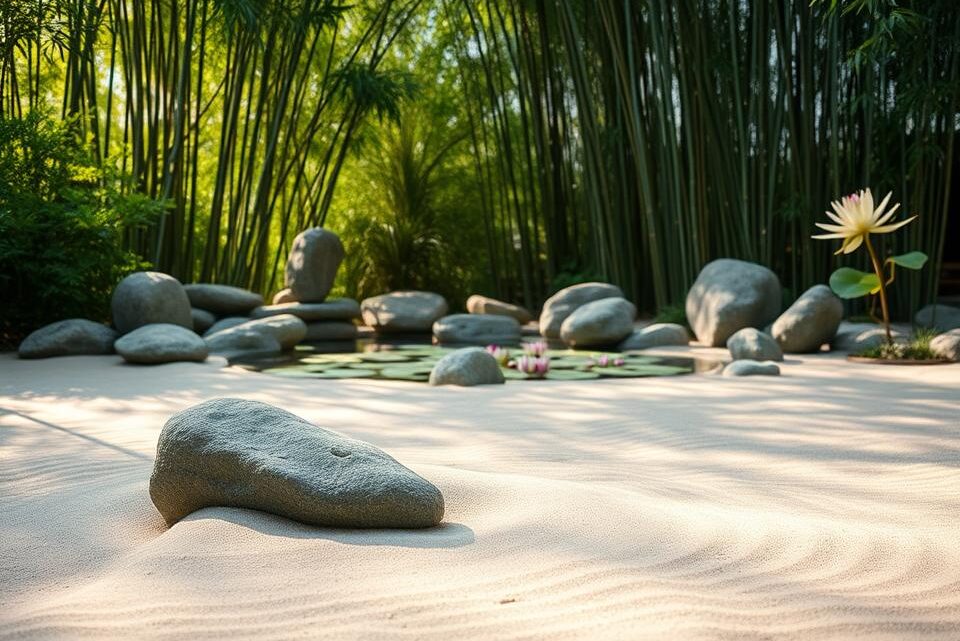
Transforming your outdoor area into a peaceful sanctuary doesn’t require vast grounds or expensive materials. A well-planned zen garden design can turn even the smallest courtyard into a tranquil retreat. These meditative spaces offer a perfect escape from Britain’s bustling lifestyle.
Traditional Japanese gardens emphasise simplicity and harmony through carefully arranged elements. Raked sand patterns, strategically placed stones, and gentle water features work together magnificently. Each component serves a specific purpose in promoting mindfulness and inner peace.
Whether you’re working with a small patio or larger garden area, the principles remain consistent. Successful zen garden design focuses on balance rather than complexity. The gentle sounds of trickling water and the meditative act of raking sand patterns help reduce daily stress.
This comprehensive guide will walk you through every essential step. From understanding ancient philosophical concepts to practical implementation, you’ll discover techniques that respect traditional aesthetics whilst suiting modern British homes.
Inhaltsverzeichnis
Key Takeaways
- Zen gardens can be successfully created in small British courtyards and larger outdoor spaces alike
- Essential elements include strategically placed rocks, raked sand patterns, and optional water features
- Traditional Japanese design principles emphasise simplicity, balance, and harmony over complexity
- Regular maintenance through sand raking becomes a meditative practice that reduces stress
- Successful designs focus on creating peaceful sanctuaries that promote mindfulness and tranquility
- Modern adaptations can respect traditional aesthetics whilst suiting contemporary British gardens
Understanding the Philosophy Behind Zen Gardens
Exploring the ancient wisdom embedded in zen garden design reveals why these spaces possess such profound calming power. Before you begin selecting stones or raking sand, grasping these fundamental principles will guide every decision in your garden creation process. This understanding transforms a simple outdoor project into a meaningful journey towards inner peace.
Origins and Traditional Principles
Zen gardens, known as karesansui in Japanese, emerged during the medieval period as contemplative spaces for Buddhist monks. These sacred environments were designed to facilitate deep meditation through the careful arrangement of natural elements. The monks understood that simplicity and symbolism could create powerful spiritual experiences.
Traditional principles centre around three core concepts that remain relevant today. Minimalism eliminates distractions, allowing the mind to focus on essential elements. Asymmetry reflects nature’s organic patterns, creating visual harmony without rigid balance. Symbolism transforms simple materials into representations of vast landscapes.
- Rocks symbolise mountains and islands
- Raked sand represents flowing water or clouds
- Empty spaces encourage contemplation
- Natural textures connect visitors to the earth
These elements work together to create what the Japanese call wabi-sabi – finding beauty in imperfection and impermanence.
Modern Adaptations for Home Gardens
Contemporary homeowners can embrace these timeless concepts whilst adapting them to modern lifestyles and British gardens. Today’s zen spaces blend traditional wisdom with practical considerations like climate, maintenance, and available space. Flexibility becomes key to successful modern interpretations.
Modern adaptations might include weatherproof materials suited to Britain’s climate. Composite decking can replace traditional wooden elements. Drought-resistant plants substitute for species that struggle in our variable weather patterns.
Technology integration offers new possibilities without compromising the peaceful essence. Solar-powered water features provide gentle sounds without electrical complications. LED lighting extends evening enjoyment whilst maintaining the garden’s serene atmosphere.
Benefits of Having a Zen Garden Space
Creating a dedicated meditation garden space delivers measurable improvements to mental and physical wellbeing. Stress reduction occurs naturally as you engage with the garden’s peaceful environment. Regular interaction with these spaces promotes mindfulness and present-moment awareness.
Scientific research supports the therapeutic benefits of zen garden environments. Studies show that spending time in contemplative outdoor spaces reduces cortisol levels and blood pressure. The act of maintaining these gardens provides gentle physical exercise combined with meditative focus.
Personal benefits extend beyond individual wellbeing to enhance family life and social connections. These spaces become gathering points for quiet conversation and shared reflection. Children particularly benefit from having access to calm environments that encourage patience and observation skills.
The investment in creating your zen garden pays dividends through improved sleep quality, enhanced creativity, and greater emotional resilience. These meditation garden benefits compound over time, making your outdoor sanctuary an invaluable addition to your home.
Planning Your Zen Garden Layout
A well-planned zen garden begins with understanding your space and defining your vision. Thoughtful preparation ensures your Japanese garden achieves both aesthetic beauty and practical functionality. This planning phase prevents costly mistakes and helps create a harmonious space that serves your needs perfectly.
The layout process involves three essential steps that work together seamlessly. Each step builds upon the previous one, creating a comprehensive foundation for your project.
Assessing Your Available Space
Start by carefully measuring your available area and noting its unique characteristics. Every garden space has its own personality, and understanding these traits helps you work with nature rather than against it.
- Measure length, width, and any irregular boundaries accurately
- Identify existing features like trees, slopes, or drainage areas
- Note potential obstacles such as utility lines or overhead branches
- Consider how much space you can realistically dedicate to your Japanese garden
Document sun and shade patterns throughout different times of day. This information proves invaluable when positioning elements and selecting plants later.
Consider your garden’s relationship to surrounding areas. Integration with existing landscaping creates a more cohesive outdoor environment.
Determining the Garden’s Primary Purpose
Clarity about your garden’s main function guides every design decision you’ll make. Different purposes require different approaches to layout and element selection.
Consider these common Japanese garden purposes:
- Meditation space – Requires quiet corners and comfortable seating areas
- Visual enjoyment – Focuses on views from windows and indoor spaces
- Contemplative walking – Emphasises pathways and journey through the space
- Social gathering – Incorporates larger seating areas and open spaces
Your chosen purpose influences pathway placement, seating arrangements, and focal point positioning. A meditation garden needs different elements than one designed for entertaining guests.
Think about how you’ll use the space throughout different seasons. This consideration helps ensure year-round satisfaction with your Japanese garden design.
Creating a Basic Design Sketch
Transform your ideas into a visual plan that guides your construction process. Sketching allows experimentation without physical commitment or expense.
Start with a simple overhead view showing your space’s boundaries. Add existing features you’ll keep, then begin placing new elements.
Include these essential details in your sketch:
- Accurate measurements and scale references
- Major elements like rocks, water features, and pathways
- Viewing angles from different positions
- Sun and shade patterns marked for different times
Create multiple sketch versions to compare different arrangements. This process helps you visualise how elements work together harmoniously.
Consider the view from various angles, including indoor viewing points. Your Japanese garden should look beautiful from every perspective that matters to you.
Keep your sketches simple but detailed enough to guide future decisions. These drawings become your roadmap throughout the entire creation process.
Selecting the Perfect Location
The location you choose for your zen garden will determine whether it becomes a truly tranquil space or simply another outdoor feature. This decision requires careful observation and planning, as the right spot will enhance your garden’s meditative qualities whilst ensuring long-term sustainability.
Before settling on any location, spend time observing different areas of your property throughout various times of day and seasons. Notice how light moves across potential spaces and where natural shelter occurs.

Evaluating Natural Light and Shade Patterns
Understanding your garden’s light conditions helps you create optimal growing environments for different elements. Morning sunlight provides gentle illumination perfect for meditation areas, whilst dappled afternoon shade protects delicate plants from harsh heat.
Track sunlight patterns across seasons, as trees lose leaves in winter and sun angles change dramatically. Areas that seem shaded in summer might receive intense light during colder months.
Consider how different garden elements respond to light. Moss thrives in consistently shaded spots, whilst stone features benefit from varied lighting that creates interesting shadows throughout the day.
Considering Privacy and Noise Levels
A successful zen garden requires separation from household bustle and external distractions. Privacy screening doesn’t necessarily mean high fences – strategic planting or clever positioning can create intimate spaces.
Evaluate noise sources at different times, including traffic, neighbours’ activities, and indoor sounds. Early morning and evening assessments often reveal the quietest periods for your tranquil space.
Natural sound barriers like dense shrubs or water features can mask unwanted noise whilst adding to your garden’s peaceful atmosphere.
Accessibility and Maintenance Requirements
Your zen garden should be easily accessible for both enjoyment and upkeep. Consider pathway routes from your house and how you’ll transport tools and materials.
Think about maintenance access – you’ll need to rake sand patterns, prune plants, and clean water features without disrupting the garden’s serene layout.
| Location Factor | Morning Assessment | Afternoon Assessment | Evening Assessment |
|---|---|---|---|
| Light Quality | Gentle, indirect | Strong, direct | Soft, filtered |
| Noise Levels | Traffic, birds | Neighbourhood activity | Minimal disturbance |
| Privacy Conditions | Good natural screening | Potential visibility issues | Enhanced seclusion |
| Maintenance Access | Clear pathways | Adequate working space | Safe navigation |
Remember that the perfect location balances all these factors rather than excelling in just one area. A slightly less private spot with excellent drainage might serve better than a secluded area prone to waterlogging.
Essential Elements for Your Zen Garden
Every tranquil Zen garden space depends on the careful balance of natural materials and mindful design choices. These fundamental components work together to create an environment that promotes peace and contemplation. Understanding how each element contributes to the overall harmony is crucial for effective garden planning.
The success of your Zen garden relies on selecting quality materials over quantity. Each component should serve both aesthetic and spiritual purposes. This thoughtful approach ensures your space achieves authentic tranquillity.
Rocks and Stones as Focal Points
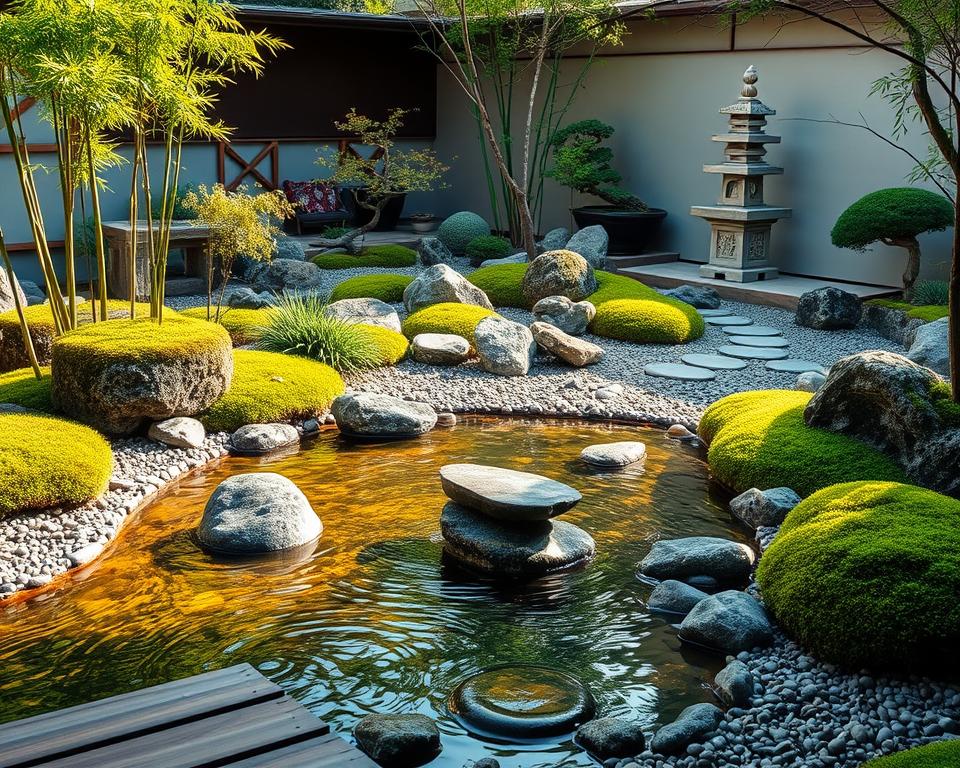
Rocks serve as the backbone of your Zen garden, representing mountains, islands, or abstract spiritual concepts. Choose weathered stones with natural patina rather than artificially cut pieces. The texture and character of each stone tells a story that enhances the garden’s meditative quality.
Positioning is everything when it comes to stone placement. Asymmetrical arrangements create visual interest whilst maintaining balance. Consider the viewing angles from different positions within your garden during the garden planning phase.
Size variation adds depth and perspective to your design. Combine larger statement pieces with smaller supporting stones. This creates a natural hierarchy that guides the eye through the space.
Sand and Gravel for Texture
Sand and gravel provide the canvas for your meditative practice. Fine sand allows for detailed raking patterns that represent flowing water or wind movements. These patterns change with each raking session, symbolising the impermanence of all things.
Different grades create varying visual effects throughout your space. Coarse gravel works well for broader areas, whilst fine sand suits intricate pattern work. Neutral colours maintain the garden’s peaceful atmosphere without competing for attention.
The rake marks in sand are not permanent decorations but temporary expressions of the present moment.
Water Features and Their Significance
Water elements bring life and movement to your Zen garden. Even small fountains or shallow reflecting pools can transform the atmosphere significantly. The gentle sound of flowing water masks unwanted noise whilst creating natural focal points.
Consider maintenance requirements during your garden planning process. Simple water features often prove more sustainable than complex installations. Reflective pools offer visual depth and mirror the sky, connecting your garden to the broader natural world.
Minimalist Plant Selection
Plant choices should emphasise quality over quantity in true Zen fashion. Select species that maintain year-round interest through evergreen foliage or subtle seasonal changes. Each plant should contribute to overall harmony rather than demanding individual attention.
Focus on plants with interesting bark textures or architectural forms. Bamboo adds gentle movement and sound, whilst moss provides soft ground coverage. Restraint in plant selection prevents visual chaos and maintains the garden’s contemplative purpose.
Consider growth patterns and mature sizes during garden planning. Plants that require frequent pruning or produce excessive debris can disrupt the garden’s peaceful maintenance routine.
How to Create a Zen Garden Space: Step-by-Step Process
Creating your zen garden space demands methodical preparation steps that guarantee successful stone arrangement and overall harmony. The foundation work you complete during this phase determines whether your garden thrives for decades or requires costly repairs within a few years. Proper preparation prevents 90% of common zen garden problems that homeowners face later.
This systematic approach ensures every element integrates seamlessly. Your careful groundwork creates the stable base needed for heavy stones, water features, and delicate plantings alike.

Preparing the Ground and Base
Ground preparation begins with completely clearing your designated area of all existing vegetation. Remove grass, weeds, and any unwanted plants down to their roots. Thorough vegetation removal prevents future maintenance headaches and ensures clean garden boundaries.
Level any uneven areas using a rake and spirit level. Fill low spots with quality topsoil and compact gently. Create defined edges around your garden perimeter using a sharp spade or edging tool.
Mark out pathways, seating areas, and major feature locations with spray paint or stakes. This visual guide helps you maintain proper proportions as you work. Accurate marking saves time and materials during construction.
“The secret to a beautiful garden lies not in what you add, but in how well you prepare the foundation beneath.”
Installing Drainage Systems
Effective drainage protects your investment from water damage and plant disease. Even simple drainage solutions make enormous differences in garden health and longevity.
Dig shallow channels where water naturally flows during heavy rainfall. Line these channels with landscape fabric and fill with coarse gravel. French drains work excellently for most UK gardens and require minimal maintenance.
Install drainage around areas where you plan water features or seating. Poor drainage causes stone shifting, plant root rot, and unstable foundations. Test your drainage by flooding the area with a hosepipe and observing water movement patterns.
| Drainage Method | Best For | Installation Time | Maintenance Level |
|---|---|---|---|
| French Drain | Sloped gardens with natural water flow | 1-2 days | Low |
| Gravel Channels | Flat areas with standing water issues | 4-6 hours | Medium |
| Perforated Pipes | Large gardens with complex drainage needs | 2-3 days | Low |
| Surface Grading | Minor water pooling problems | 2-4 hours | High |
Laying Foundation Materials
Foundation materials create stable bases for all garden elements whilst providing effective weed suppression. Quality landscape fabric forms the cornerstone of successful zen gardens.
Roll out heavy-duty landscape fabric across your entire garden area. Overlap edges by at least 15 centimetres and secure with landscape pins every metre. Cut precise holes for permanent plantings and major stone placements.
Apply a base layer of sharp sand or decomposed granite over the fabric. This layer should be 5-7 centimetres deep and raked smooth. Sharp sand compacts better than builders’ sand and provides superior stability.
Create separate foundation areas for different garden zones. Pathways need firmer bases than decorative sand areas. Water features require reinforced foundations with additional drainage considerations.
Positioning Major Elements
Strategic positioning of major elements establishes your garden’s fundamental structure and visual flow. This stage requires careful consideration of stone arrangement, accessibility, and long-term growth patterns.
Place your largest stones first, as these anchor the entire design. Position them where they create natural focal points without blocking pathways or maintenance access. Large stones should appear naturally placed rather than obviously positioned.
Consider sight lines from your house and seating areas when positioning water features and specimen plants. These elements should enhance views rather than obstruct them. Leave adequate space around major features for future maintenance and plant growth.
Test different arrangements before final placement. Use temporary markers or smaller stones to experiment with layouts. Walk through your garden from multiple angles to ensure the composition feels balanced and harmonious.
Mark utility lines and irrigation points before final positioning. You’ll need access to water sources for features and occasional plant watering. Planning utility access now prevents costly modifications later.
Choosing and Arranging Rocks and Stones
In zen garden design, the artful placement of carefully chosen rocks and stones transforms ordinary spaces into tranquil sanctuaries. These natural elements serve as the foundation of your garden’s visual composition, creating focal points that guide the eye and establish a sense of permanence. The stones you select will work harmoniously with water features and other garden elements to create a cohesive, peaceful environment.

Types of Stones Suitable for Zen Gardens
Weathered granite stands as one of the most popular choices for zen gardens due to its exceptional durability and natural patina. This stone develops beautiful colour variations over time, creating an aged appearance that enhances the garden’s authentic character. Its robust nature means it will withstand British weather conditions whilst maintaining its structural integrity.
Sandstone offers warm, earthy tones that complement the natural landscape beautifully. The stone’s interesting textures and varied colours create visual depth, making it particularly effective for larger feature stones. Its softer composition allows for natural weathering that adds character over the years.
Slate provides clean lines and excellent light-reflecting properties that work wonderfully alongside water features. Its flat surfaces create striking geometric contrasts, whilst its natural layering adds subtle texture to the overall composition. Local stone varieties often prove most successful, as they naturally harmonise with the surrounding environment and support sustainable gardening practices.
Placement Techniques for Visual Balance
Traditional zen garden design follows the principle of asymmetrical balance through odd-numbered groupings. Arrange your stones in groups of three, five, or seven rather than even numbers to create more dynamic visual interest. This approach mirrors natural rock formations found in mountainous landscapes.
Varying heights and orientations creates essential visual rhythm throughout your garden space. Position taller stones as primary focal points, with smaller stones providing supporting elements that guide the eye naturally around the composition.
Consider multiple viewing angles when positioning your stones. The arrangement should look appealing from your main seating area, garden pathways, and any windows that overlook the space. Sight lines play a crucial role in ensuring your stone placement creates the desired meditative atmosphere from every vantage point.
Creating Natural-Looking Arrangements
Achieving natural-looking stone arrangements requires patience and careful observation of how rocks appear in nature. Your stones should seem as though geological forces placed them naturally, rather than appearing obviously positioned by human hands. This organic appearance is fundamental to authentic zen garden design.
Harmonious relationships between stones depend on thoughtful consideration of size, colour, and texture combinations. Group stones with complementary characteristics whilst ensuring enough variation to maintain visual interest. Avoid creating perfectly uniform arrangements that lack the subtle irregularities found in nature.
The relationship between your stone arrangements and water features should feel effortless and natural. Position rocks to complement flowing water or still pools, creating the impression that water has naturally carved its path around these ancient formations over countless years.
Experimentation remains key to successful stone placement. Try different configurations before making final decisions, stepping back frequently to assess the overall composition. The most effective arrangements often emerge through this iterative process of adjustment and refinement.
Incorporating Water Features
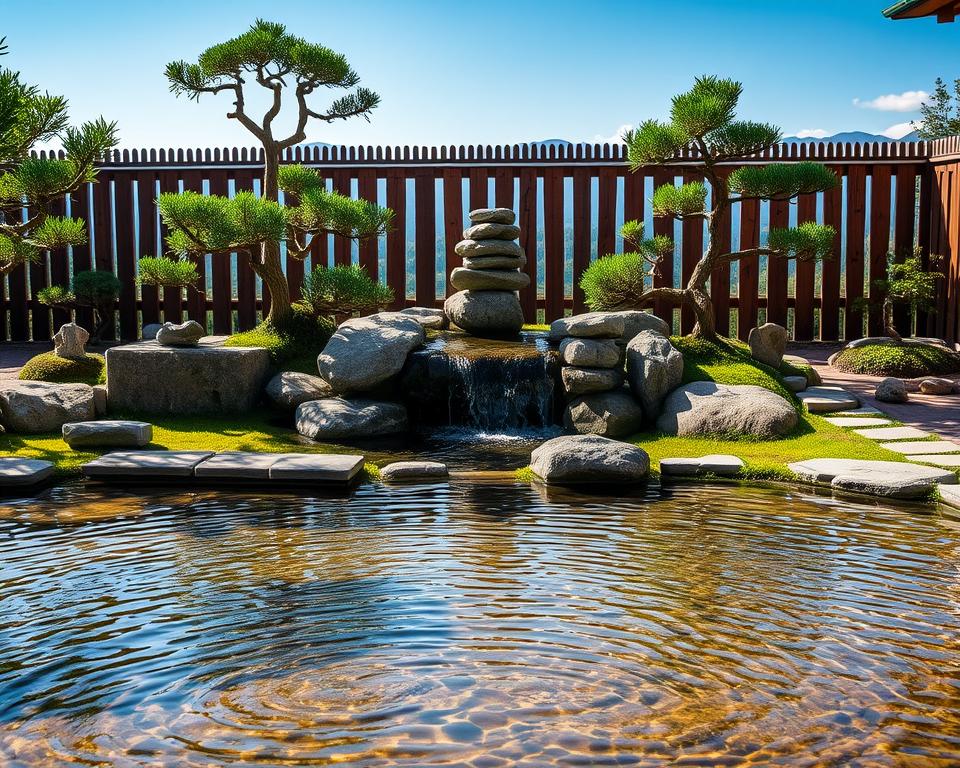
Incorporating water features into your zen garden introduces essential sensory dimensions that deepen the meditative experience. The gentle sounds of flowing water mask urban noise whilst creating natural focal points that draw the eye and calm the mind. These elements require thoughtful planning to ensure they enhance rather than overwhelm your peaceful sanctuary.
Water features serve multiple purposes in zen design. They provide soothing background sounds that promote relaxation. The reflective surfaces create visual depth and mirror surrounding elements beautifully.
Simple Fountain Options
Bamboo water spouts offer an authentic touch that complements traditional zen aesthetics. These features create distinctive hollow sounds as water fills and tips the bamboo sections. Solar-powered options eliminate complex electrical installations whilst providing environmentally conscious operation.
Small recirculating fountains with natural stone basins work excellently in compact spaces. Choose models with adjustable flow rates to customise sound levels. This flexibility allows you to match the water’s voice to your mood and surrounding conditions.
Minimalist water walls create gentle trickling sounds without dominating the space. These vertical features work particularly well against boundary walls or as room dividers in larger gardens. The key lies in selecting fountains that whisper rather than shout.
Creating Reflective Pools
Shallow pools excel at reflecting sky and surrounding plantings throughout the day. Position these features where they’ll catch optimal light whilst remaining visible from your primary viewing areas. Consider how reflections change with seasons and sun angles.
Deeper pools accommodate simple aquatic plants like water lilies without compromising the minimalist aesthetic. These living elements add subtle colour and movement whilst maintaining the garden’s serene character.
The placement of reflective pools requires careful consideration of viewing angles. Position them where morning light creates the most striking reflections. Evening positioning can capture sunset colours beautifully.
Maintenance Considerations for Water Elements
Regular garden maintenance prevents algae buildup that can cloud reflective surfaces and clog pump systems. Weekly cleaning keeps water features functioning optimally whilst preserving their visual appeal.
Winterisation procedures protect water elements from freezing damage in colder climates. Drain systems completely or use appropriate heaters to prevent ice formation. Plan for easy access to electrical connections and filtration systems during routine garden maintenance tasks.
Choose materials that age gracefully and resist weathering to minimise long-term upkeep requirements. Natural stone and quality metals develop attractive patinas over time. This thoughtful selection reduces ongoing garden maintenance whilst preserving your zen space’s tranquil atmosphere for years to come.
Selecting Plants for Tranquillity
Creating a peaceful garden atmosphere depends heavily on selecting plants that promote serenity whilst thriving in British conditions. The right vegetation choices will establish a calming foundation that requires minimal intervention throughout the seasons. Thoughtful plant selection ensures your zen space maintains its meditative qualities year-round.
Your plant choices should complement rather than compete with the garden’s architectural elements. Each species must contribute to the overall sense of harmony whilst adapting well to Britain’s unpredictable weather patterns.
Hardy Species for British Weather
British climate zen gardens benefit from resilient plants that withstand temperature fluctuations without losing their contemplative appeal. Japanese maples provide elegant form with their graceful branching structure and subtle seasonal colour changes. These trees create gentle focal points that never overwhelm the space.
Hostas offer architectural foliage that brings structure to shadier areas. Their broad leaves create interesting textures whilst requiring minimal care. Ferns add delicate, feathery textures that soften harsh edges and thrive in Britain’s naturally damp conditions.
Hardy geraniums and astilbe provide subtle colour without creating jarring displays. These perennials return reliably each year, maintaining the garden’s established character whilst offering gentle seasonal interest.
Year-Round Structure with Evergreens
Evergreen plants form the backbone of contemplative garden spaces, providing consistent visual anchors during winter months. Box hedging creates clean lines and geometric shapes that maintain the garden’s formal structure throughout the year.
Yew trees offer deep green foliage and naturally sculptural forms. These slow-growing evergreens require minimal pruning to preserve their organic shapes. Pine varieties, particularly dwarf cultivars, bring textural interest with their needle-like foliage and distinctive branching patterns.
Evergreen azaleas contribute year-round colour whilst producing subtle spring blooms. Their compact growth habit makes them ideal for smaller zen spaces where every plant must earn its position.
Movement and Sound Through Grasses
Bamboo and ornamental grasses introduce dynamic elements that respond to every breeze. Clumping bamboo varieties prevent invasive spreading whilst creating gentle rustling sounds that enhance the meditative atmosphere.
Fountain grass and feather reed grass provide vertical interest without overwhelming neighbouring plants. These grasses sway gracefully, creating ever-changing patterns of light and shadow throughout the day.
Miscanthus varieties offer seasonal seed heads that catch morning light beautifully. Their winter structure provides continued interest when other plants have retreated into dormancy.
Living Carpets and Soft Transitions
Moss creates natural carpets that soften hard surfaces and provide seamless transitions between different garden areas. These living groundcovers thrive in Britain’s naturally humid conditions whilst requiring virtually no maintenance once established.
Ajuga and wild ginger serve as excellent alternatives where traditional moss struggles. These low-growing plants spread gradually, creating unified groundcover that suppresses weeds naturally.
Creeping thyme releases subtle fragrance when walked upon, adding sensory depth to pathway edges. Its drought tolerance makes it particularly suitable for areas between stepping stones where foot traffic occurs occasionally.
Creating Pathways and Seating Areas
Transforming your zen garden into a truly functional outdoor sanctuary requires careful attention to movement and rest areas. The pathways you create should guide visitors through a journey of discovery. Meanwhile, strategically placed seating areas provide perfect spots for contemplation and meditation.
Your garden’s circulation system connects different zones whilst encouraging mindful movement. Thoughtful design ensures that each step becomes part of the meditative experience. The goal is to create spaces that feel naturally integrated rather than artificially imposed.
Natural Stone Pathway Design
Natural stone pathways offer the most authentic approach to zen garden design. Choose locally sourced materials like flagstone, slate, or granite for the best results. These materials weather beautifully and provide excellent grip in wet conditions.
Irregular shapes work better than perfectly cut stones for creating organic movement patterns. Space your stones to encourage slow, deliberate steps rather than hurried walking. This spacing naturally promotes the mindful pace essential to your outdoor sanctuary experience.
Consider these key elements when designing stone pathways:
- Varied stone sizes create visual interest and natural rhythm
- Organic edges maintain the garden’s peaceful aesthetic
- Stable placement ensures safety in all weather conditions
- Strategic positioning reveals new garden perspectives
The pathway should connect major focal points whilst creating opportunities for pause and reflection. Each turn or change in direction offers a chance to appreciate different garden views.
Wooden Walkway Construction
Wooden walkways bring warmth and texture that complements softer garden elements beautifully. Oak and cedar provide excellent weather resistance for British climates. These materials age gracefully, developing attractive patinas over time.
Design elevated walkways that appear to float above ground level. This approach minimises impact on surrounding plantings whilst creating interesting sight lines. The elevated position also provides better views of water features and plant arrangements.
Your wooden walkway construction should prioritise these aspects:
- Weather-resistant timber selection for longevity
- Proper drainage underneath to prevent rot
- Minimal ground disturbance during installation
- Integration with existing garden features
Wooden pathways work particularly well near water features or in areas with delicate plantings. They create a softer transition between different garden zones within your outdoor sanctuary.
Positioning Meditation Spots
The perfect meditation spot requires careful consideration of comfort, privacy, and views. Position seating areas to take advantage of your garden’s best features. Consider how the sun moves across the space throughout the day.
Simple wooden benches offer classic appeal and blend naturally with most garden styles. Natural stone seats provide a more permanent solution that weathers beautifully. Even carefully positioned boulders can serve as effective meditation spots.
Protection from prevailing winds enhances comfort during extended meditation sessions. Partial shade prevents overheating whilst maintaining connection to the natural environment. The seating should feel like an integral part of the garden rather than an afterthought.
Strategic placement considerations include:
- Privacy screening from neighbouring properties
- Optimal viewing angles of garden features
- Comfortable distance from water sounds
- Easy access for daily use
Remember that meditation spots don’t always require formal seating. Sometimes a flat stone or raised planting bed edge provides the perfect perch for quiet contemplation in your personal outdoor sanctuary.
Maintaining Your Zen Garden Throughout the Seasons
The ongoing care of your mindfulness garden transforms routine tasks into moments of mindful connection with nature. Rather than viewing maintenance as a chore, these activities become integral parts of your contemplative practice. Each sweep of the rake and gentle pruning cut offers opportunities for present-moment awareness.
Your mindfulness garden thrives when tended with the same intention and care that inspired its creation. The rhythmic nature of garden maintenance naturally aligns with meditative principles, creating a harmonious cycle of care and reflection.
Daily and Weekly Maintenance Tasks
Simple daily rituals keep your mindfulness garden in pristine condition whilst providing regular opportunities for peaceful reflection. Morning routines might include a gentle sweep of pathways and a mindful observation of plant changes.
Weekly tasks form the backbone of your garden’s upkeep:
- Raking sand patterns – Create fresh designs whilst practising mindful movement
- Removing fallen leaves – Maintain the clean, uncluttered aesthetic essential to zen spaces
- Checking water features – Ensure pumps function properly and water levels remain adequate
- Gentle plant inspection – Monitor growth and identify any issues early
- Stone arrangement review – Adjust positioning if weather has shifted elements
These activities should feel restorative rather than burdensome. The key lies in approaching each task with mindful attention, allowing the work itself to become a form of moving meditation.
Seasonal Care Requirements
Britain’s changing seasons demand different approaches to mindfulness garden maintenance, each offering unique opportunities for seasonal mindfulness practice. Spring preparation focuses on renewal and fresh beginnings.
Spring tasks include pruning winter-damaged growth, preparing soil around planted areas, and checking drainage systems after winter weather. This season embodies hope and new growth in your mindfulness garden.
Summer maintenance emphasises water management and plant health. Regular watering becomes essential, particularly during dry spells, whilst pest monitoring ensures your peaceful space remains undisturbed.
Autumn brings leaf management and preparation for colder months. This season requires:
- Regular leaf removal to prevent pathway slippage
- Plant protection for tender species
- Water feature winterisation preparations
- Tool cleaning and storage organisation
Winter focuses on structural maintenance and equipment care. Though growth slows, your mindfulness garden continues offering tranquil moments through frost-touched beauty and stark, contemplative landscapes.
Dealing with Weather-Related Challenges
British weather presents various challenges that require proactive planning and flexible responses. Heavy rainfall can disrupt carefully raked sand patterns and overwhelm drainage systems, whilst prolonged dry periods stress plants and water features.
During harsh winter conditions, protect delicate plants with appropriate coverings whilst maintaining your garden’s essential character. Flexibility becomes crucial – adapt your maintenance schedule to work with nature rather than against it.
The wise gardener learns to dance with the weather, finding beauty in each season’s unique challenges and gifts.
Storm damage requires patient restoration work that can become deeply meditative. Rebuilding disturbed stone arrangements or replanting displaced elements offers opportunities for renewed creativity and mindful problem-solving.
Drought management involves adjusting watering schedules and selecting drought-resistant plants for future plantings. Your mindfulness garden’s resilience grows through thoughtful adaptation to changing conditions.
Remember that weather-related challenges often reveal new aspects of your garden’s beauty. Frost transforms ordinary elements into crystalline art, whilst rain creates soothing sounds and fresh, clean scents that enhance the meditative atmosphere.
Conclusion
Your zen garden represents more than just an outdoor space. It becomes a living meditation that grows with you over time. The garden elements you’ve carefully selected will weather naturally, developing character that enhances their beauty.
Each stone will settle into its perfect position. Plants will mature and spread. Water features will develop their own rhythm. This natural evolution is part of the zen garden’s magic. Your space will become more meaningful as seasons pass.
The daily care of your garden becomes a mindfulness practice itself. Raking sand patterns, trimming plants, and cleaning water features offer moments of peaceful reflection. These simple tasks connect you with nature’s cycles.
Start small if space or budget limits your initial plans. A single corner with carefully chosen garden elements can provide the same sense of tranquillity as a larger installation. You can always expand your zen garden as your understanding deepens.
Remember that perfection isn’t the goal. Zen gardens teach us to find beauty in simplicity and imperfection. Your garden will reflect your personality whilst honouring ancient principles of balance and harmony.
Take time to sit quietly in your completed space. Listen to water flowing, feel the texture of stones, and watch light play across different surfaces. This is where the true value of your zen garden reveals itself.
FAQ
How much space do I need to create a zen garden?
You can create a zen garden in virtually any space, from a small courtyard corner of just 2-3 square metres to larger garden areas. Even a tiny balcony can accommodate a miniature zen garden with carefully chosen elements. The key is to work with your available space rather than against it, focusing on creating harmony and balance regardless of size. Small spaces often benefit from fewer, more carefully selected elements, whilst larger areas can accommodate multiple focal points and pathways.
What’s the best location in my garden for a zen space?
Choose a location that offers some privacy and protection from noise, ideally with a mix of morning sunlight and afternoon shade. Avoid areas directly adjacent to busy pathways or entertainment spaces. Consider how you’ll view the garden from indoor windows, as zen gardens provide year-round visual interest. The spot should feel naturally secluded whilst remaining accessible for daily maintenance and meditation practice.
How much does it typically cost to create a zen garden?
Costs vary significantly depending on size and materials, but you can create a basic zen garden for £200-500 for a small space, or £1,000-3,000 for a larger, more elaborate design. The most expensive elements are typically large stones and water features, whilst sand, gravel, and basic plants are relatively affordable. Many elements can be sourced locally or created gradually over time to spread costs.
What types of stones work best for British zen gardens?
Local weathered granite, sandstone, and slate work excellently in British climates and harmonise naturally with the landscape. Look for stones with interesting textures, natural patina, and irregular shapes rather than artificially cut pieces. Yorkshire stone, Cotswold limestone, and Welsh slate are particularly suitable. Avoid overly uniform stones that lack character, and choose pieces that will age gracefully in Britain’s wet climate.
Do I need planning permission for a zen garden?
Most zen gardens don’t require planning permission as they’re considered garden landscaping. However, you may need permission for significant water features with pumps, large structures, or if your property is listed or in a conservation area. Check with your local council if you’re unsure, particularly for any electrical installations or major earthworks. Simple rock arrangements, pathways, and plantings typically don’t require permits.
How do I maintain the raked sand patterns?
Rake sand patterns weekly or as needed, using a wooden rake with closely spaced tines. The raking process itself becomes a meditative practice – work slowly and mindfully, creating flowing patterns that represent water or wind. After heavy rain or wind, simply re-rake the patterns as part of your garden maintenance routine. Keep the sand clean by removing fallen leaves and debris regularly.
What plants are best for a low-maintenance zen garden?
Choose hardy evergreens like box hedging, yew, pine varieties, and evergreen azaleas for year-round structure. Japanese maples, hostas, and ferns add seasonal interest without demanding constant attention. Clumping bamboo varieties and ornamental grasses provide movement and sound. Moss and low-growing ground covers work well in shadier areas. Focus on plants that maintain their essential character with minimal pruning and intervention.
Can I create a zen garden if I’m renting my property?
Yes, focus on portable elements and temporary installations that won’t permanently alter the landscape. Use containers for plants, moveable stones, and temporary pathway materials like wooden decking tiles. Small tabletop zen gardens or raised bed installations work well for renters. Always check your tenancy agreement and discuss plans with your landlord, particularly for any water features or significant changes.
How do I deal with weeds in my zen garden?
Prevention is key – use landscape fabric beneath sand and gravel areas, and maintain thick mulch around plantings. Hand-pull weeds when they’re small rather than using chemicals that disrupt the garden’s natural balance. Regular maintenance makes weed control easier, and the meditative nature of careful weeding can become part of your garden practice. Choose densely planted ground covers to naturally suppress weed growth.
What’s the significance of water features in zen gardens?
Water represents life, purity, and the flow of time in zen philosophy. The sound of moving water masks unwanted noise whilst creating a focal point for meditation. Even small water features like bamboo fountains or shallow reflecting pools can transform your garden’s atmosphere. Water also attracts wildlife and creates reflective surfaces that change throughout the day, adding dynamic elements to the peaceful space.
How long does it take to establish a zen garden?
The basic structure can be installed in a weekend to a week, depending on size and complexity. However, zen gardens truly develop their character over months and years as plants mature, stones weather naturally, and you develop familiarity with the space. Many people create their gardens in phases, starting with essential elements and adding features gradually. The process of creation and evolution is as important as the finished result.
Should I hire professionals or create the garden myself?
Many aspects of zen garden creation are suitable for DIY enthusiasts, particularly planning, plant selection, and ongoing maintenance. However, consider professionals for complex water features, electrical installations, heavy stone placement, or if you lack the time for proper planning and execution. The personal connection developed through hands-on creation often enhances the garden’s meaning and your relationship with the space.