How to Keep your Shed Cool: Essential Tips & Tricks
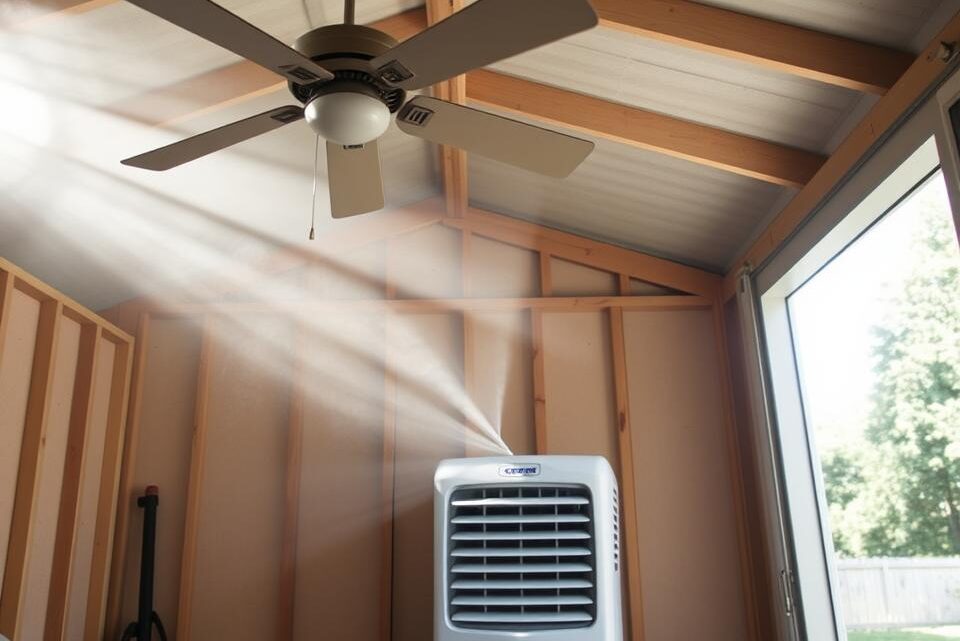
British summers can transform your garden shed into a sweltering hotbox that damages valuable tools and makes working conditions unbearable. Even modest temperature rises during warmer months create problematic environments for stored equipment, paint, and workshop materials.
Effective shed cooling isn’t just about comfort—it’s essential for protecting your investments. High temperatures can warp wooden handles, spoil chemicals, and create condensation that leads to rust and mould. Without proper summer heat protection, your storage space becomes a liability rather than an asset.
This comprehensive guide explores practical solutions for every budget and skill level. From simple ventilation improvements that cost nothing to advanced cooling systems, you’ll discover proven methods that work in British conditions.
Whether you’re a weekend gardener or serious craftsperson, maintaining optimal shed temperatures protects your belongings whilst creating comfortable working environments throughout the year.
Inhaltsverzeichnis
Key Takeaways
- High shed temperatures damage tools, equipment, and stored materials through warping, rust, and chemical degradation
- Natural ventilation improvements offer cost-effective cooling solutions for most UK garden sheds
- Proper insulation and reflective materials significantly reduce internal temperature fluctuations
- Strategic positioning of vents creates effective cross-ventilation without compromising security
- Simple modifications can reduce shed temperatures by 10-15°C during peak summer conditions
- Regular temperature monitoring helps identify problem areas before damage occurs
Understanding Why Sheds Overheat in Summer
Your shed becomes uncomfortably hot during summer months due to several interconnected factors that work together to trap and amplify heat. Recognising these heat-building mechanisms is essential for developing an effective temperature control strategy. Once you understand the root causes of overheating, you can make informed decisions about which cooling methods will work best for your specific situation.
The physics of heat transfer plays a crucial role in how your shed accumulates warmth throughout the day. Heat enters through multiple pathways and becomes trapped inside, creating an environment that can reach dangerous temperatures for both stored items and anyone working inside.
Heat Sources and Building Materials
Direct sunlight represents the primary external heat source affecting your shed. Metal roofing absorbs solar radiation efficiently, transferring this energy directly into the interior space. Dark-coloured materials are particularly problematic, as they absorb more heat than lighter alternatives.
Timber cladding and wooden structures also contribute to heat retention. Wood acts as a thermal mass, slowly absorbing heat during the day and releasing it well into the evening hours. This delayed heat release extends the period when your shed remains uncomfortably warm.
Concrete floors create additional thermal challenges. These surfaces absorb heat from both direct sunlight and warm air, then radiate this stored energy back into the shed space. Poor ventilation compounds these issues by preventing hot air from escaping naturally.
Reflected heat from surrounding surfaces amplifies the problem significantly. Paved areas, nearby buildings, and even light-coloured gravel can bounce additional solar radiation onto your shed walls and roof. This secondary heat source often catches shed owners by surprise.
Impact on Stored Items and Equipment
Excessive heat creates serious problems for commonly stored items. Metal tools and machinery suffer from thermal expansion, which can affect precision instruments and cause moving parts to bind or malfunction. Thermal regulation becomes critical when storing expensive equipment.
Garden chemicals face particular risks in overheated storage spaces. Fertilisers, pesticides, and other compounds can become unstable at high temperatures, potentially creating safety hazards or losing their effectiveness entirely.
Wooden items stored in your shed are vulnerable to warping, cracking, and splitting when exposed to extreme temperature fluctuations. Furniture, garden tools with wooden handles, and sporting equipment can suffer permanent damage without proper climate control.
Paint, adhesives, and similar products deteriorate rapidly in excessive heat. These materials may separate, thicken beyond use, or develop chemical changes that render them ineffective. Electronics and batteries are equally susceptible to heat damage, with shortened lifespans and potential failure being common consequences.
Assessing Your Shed’s Current Cooling Needs
A systematic evaluation of your shed’s thermal conditions will reveal the most efficient cooling approaches for your specific situation. This assessment forms the foundation for any successful heat reduction strategy. Without proper evaluation, you might invest in solutions that don’t address your shed’s primary cooling challenges.
The assessment process involves three key areas that work together to create your shed’s thermal profile. Each component provides crucial data for developing targeted cooling solutions.
Measuring Temperature and Humidity Levels
Accurate measurement is essential for effective humidity management and temperature control. Digital thermometers and hygrometers provide reliable baseline data for your cooling strategy. These affordable devices should be placed at different heights and locations within your shed.
Record measurements at various times throughout the day to understand temperature fluctuations. Early morning readings typically show the coolest temperatures. Afternoon measurements reveal peak heat conditions when your shed faces maximum thermal stress.
Document humidity levels alongside temperature readings for comprehensive data. High humidity can make moderate temperatures feel uncomfortable and damage stored items. Ideal humidity levels for most sheds range between 30-50% to prevent condensation and protect equipment.
- Place measuring devices 3-4 feet above floor level for accurate readings
- Record data for at least one week during hot weather
- Note correlations between outdoor conditions and internal temperatures
- Monitor both sunny and cloudy days for complete thermal patterns
Identifying Problem Areas and Heat Traps
Heat traps are specific zones where temperatures consistently exceed comfortable levels. These areas often result from poor air circulation, direct sunlight exposure, or heat-generating equipment. Identifying these zones helps prioritise your cooling efforts for maximum effectiveness.
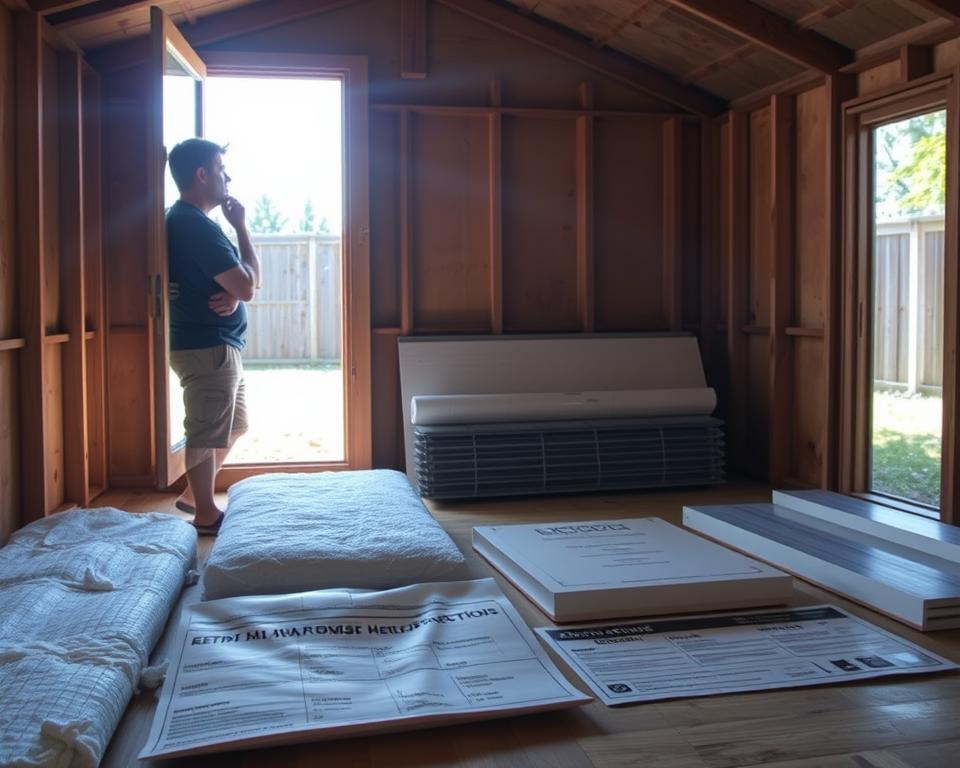
Walk through your shed during peak afternoon heat to locate problem areas. Use your hand to feel for temperature differences between locations. Areas near windows, metal surfaces, and equipment often register higher temperatures than other zones.
Check for stagnant air pockets where ventilation fails to reach. These areas typically occur in corners, behind large objects, or under low roof sections. Poor air movement prevents natural cooling and creates uncomfortable microclimates within your shed.
Equipment placement significantly affects heat distribution throughout your space. Generators, compressors, and power tools generate substantial heat during operation. These items create localised hot spots that can affect surrounding storage areas.
Evaluating Your Shed’s Orientation and Surroundings
Your shed’s position relative to the sun’s path dramatically influences its thermal performance. South-facing walls receive maximum solar exposure throughout the day. East and west-facing surfaces experience intense morning and evening heat respectively.
Examine surrounding structures and landscape features that affect your shed’s cooling potential. Nearby buildings can block beneficial breezes or reflect additional heat onto your shed. Trees provide valuable shade but may also restrict air movement if positioned too closely.
Consider seasonal variations in sun angles and prevailing wind patterns. Summer sun sits higher in the sky, potentially reducing shade from roof overhangs. Winter positioning may reveal opportunities for passive solar heating during colder months.
Ground surfaces around your shed contribute to overall thermal conditions. Concrete, asphalt, or bare soil can reflect heat and raise ambient temperatures. Grass, mulch, or gravel surfaces typically remain cooler and reduce heat reflection.
- Map sun exposure patterns throughout a typical day
- Note prevailing wind directions and potential obstructions
- Identify natural shade sources and their seasonal effectiveness
- Assess ground surface materials for heat reflection potential
This comprehensive assessment provides the data needed to select appropriate cooling solutions. Understanding your shed’s specific thermal challenges ensures targeted interventions that deliver meaningful heat reduction results. The information gathered during this evaluation phase directly informs all subsequent cooling improvement decisions.
Improving Natural Ventilation Systems
Harnessing the power of natural air movement provides an energy-efficient approach to shed cooling that costs nothing to operate. Unlike mechanical cooling systems, natural ventilation systems work with physics rather than against it, using temperature differences and wind patterns to create continuous air circulation. This approach proves particularly effective in the UK climate, where moderate temperatures and regular breezes provide ideal conditions for natural cooling.
The key to successful natural ventilation lies in understanding how hot air rises whilst cooler air settles lower. By strategically positioning intake and exhaust points, you can create a natural flow that removes stale, heated air and replaces it with fresh, cooler air from outside.
Installing Ridge Vents and Soffit Vents
Ridge vents represent the most effective exhaust points for natural ventilation systems. Positioned at the highest point of your shed’s roof, these vents allow hot air to escape naturally through convection. The installation process requires careful cutting along the ridge line, ensuring weatherproof sealing to prevent rain ingress.
Soffit vents work in partnership with ridge vents to create the intake portion of your air circulation system. These vents should be installed under the eaves, allowing cooler air to enter the shed at ground level. The combined effect creates a natural chimney effect that continuously moves air through your space.
For optimal results, follow this sizing guideline:
- Small sheds (up to 6m²): 300mm ridge vent with two 150mm soffit vents
- Medium sheds (6-12m²): 600mm ridge vent with four 150mm soffit vents
- Large sheds (over 12m²): Multiple ridge vents totalling 900mm with six or more soffit vents
Adding Louvre Vents and Window Openings
Louvre vents offer excellent flexibility for controlling air circulation throughout different seasons. These adjustable vents can be opened fully during summer months and partially closed during cooler periods. Position them on opposite walls to maximise cross-ventilation effectiveness.
Window openings provide both natural light and ventilation opportunities. Consider installing windows with opening sections on at least two walls. Casement windows work particularly well as they can be angled to catch prevailing breezes and direct airflow into the shed.
Natural ventilation can reduce internal temperatures by 10-15°C compared to sealed structures, making it one of the most effective cooling strategies available.
For security-conscious shed owners, consider these window solutions:
- Lockable casement windows with security stays
- Louvre windows with individual blade locks
- Fixed glazing with separate ventilation grilles
- Removable panels that can be stored when the shed is unoccupied
Creating Cross-Ventilation Pathways
Cross-ventilation represents the gold standard for natural air circulation. This technique requires strategic placement of intake and exhaust points to ensure air moves efficiently through the entire shed space. The goal is eliminating dead zones where hot air can accumulate and stagnate.
Start by identifying your prevailing wind direction using local weather data or simple observation. Position your primary intake vents to face this direction, whilst exhaust vents should be located on the opposite or adjacent walls. This arrangement harnesses natural wind patterns to drive air movement.
Consider these placement strategies for optimal cross-ventilation:
- High-level exhaust vents on the leeward side
- Low-level intake vents on the windward side
- Diagonal airflow paths to maximise coverage
- Multiple smaller vents rather than single large openings
Internal obstructions can significantly impact ventilation systems effectiveness. Ensure storage arrangements don’t block airflow paths between intake and exhaust points. Leave clear corridors for air movement, particularly around heat-generating equipment or areas where warm air naturally accumulates.
Regular maintenance keeps natural ventilation systems operating at peak efficiency. Clean vent screens monthly during summer, check for blockages from leaves or debris, and ensure all moving parts operate smoothly. Well-maintained natural ventilation can provide decades of reliable cooling without ongoing energy costs.
How to Keep your Shed Cool with Proper Insulation
Your shed’s insulation system acts as the foundation of effective climate control, preventing unwanted heat transfer through walls and roof. Unlike heating applications, cooling-focused insulation creates a barrier that stops external heat from penetrating your structure. This approach reduces the workload on ventilation systems whilst maintaining comfortable internal temperatures throughout the summer months.
Quality insulation works by trapping air within its structure, creating resistance to heat flow. During hot weather, this barrier prevents solar heat from warming your shed’s interior. The result is a more stable internal environment that protects stored equipment and reduces energy costs for active cooling systems.
Choosing the Right Insulation Materials
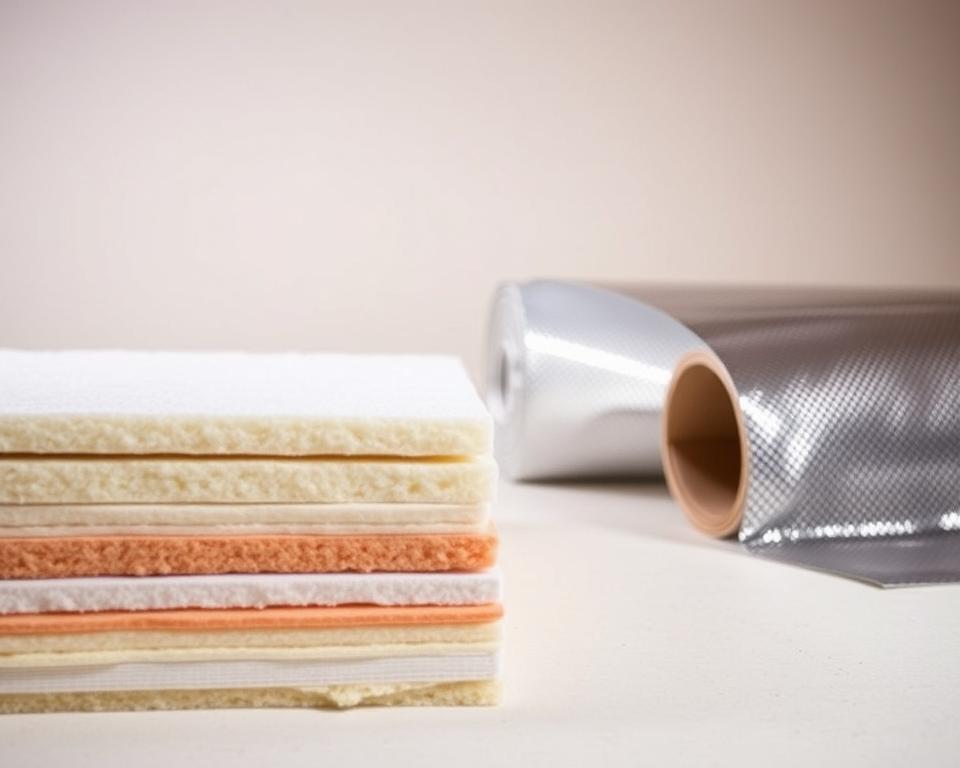
Selecting appropriate insulation materials depends on your shed’s construction, budget, and specific cooling requirements. Traditional mineral wool offers excellent thermal performance and fire resistance. This material handles moisture well, making it suitable for typical UK shed environments where humidity can be challenging.
Reflective foil insulation provides a modern alternative that’s particularly effective against radiant heat. The reflective surface bounces solar energy away from your shed’s interior. This type works exceptionally well in roof applications where direct sunlight creates the most significant heat gain.
Rigid foam boards deliver superior insulation values in thinner profiles. These boards resist moisture penetration and maintain their thermal properties over time. However, they require careful installation to avoid gaps that compromise performance.
Natural materials like sheep’s wool offer eco-friendly options with good thermal properties. These materials regulate humidity naturally whilst providing effective heat resistance. The initial cost may be higher, but the environmental benefits appeal to many shed owners.
Installing Roof and Wall Insulation
Roof insulation delivers the greatest cooling benefits since heat rises and solar gain is most intense on horizontal surfaces. Install insulation between roof rafters, ensuring complete coverage without compression. Compressed insulation loses effectiveness, so maintain the manufacturer’s recommended thickness throughout the installation.
Wall insulation requires different techniques depending on your shed’s construction. Timber-framed sheds allow insulation placement between studs, similar to house construction. Metal sheds need continuous insulation layers to prevent heat transfer through the structure.
Create an air gap between insulation and exterior cladding when possible. This ventilated cavity allows air movement that removes heat buildup. The gap should be at least 25mm to ensure adequate airflow whilst maintaining insulation effectiveness.
Vapour barriers deserve careful consideration in shed applications. In cooling-focused installations, place barriers on the warm side (exterior) to prevent moisture from entering the insulation. This placement differs from heating applications and requires proper understanding of moisture movement.
Addressing Thermal Bridging Issues
Thermal bridging occurs when conductive materials create pathways for heat transfer, bypassing your insulation system. Metal fixings, structural elements, and continuous materials can significantly reduce cooling effectiveness. Identifying these bridges requires systematic inspection of your shed’s construction.
Common thermal bridges include metal roof sheets connecting directly to internal structures, steel fixings penetrating insulation layers, and continuous timber elements spanning from exterior to interior. These pathways can transfer substantial amounts of heat, undermining your insulation investment.
Breaking thermal bridges requires strategic intervention techniques. Install thermal breaks using non-conductive materials between metal components. Plastic washers, rubber gaskets, and specialised tapes can interrupt heat flow whilst maintaining structural integrity.
Continuous insulation strategies involve wrapping the entire shed structure with an unbroken insulation layer. This approach eliminates most thermal bridging but requires careful detailing around openings, fixings, and structural elements. The extra effort delivers superior thermal performance and more consistent internal temperatures.
Regular thermal imaging can identify thermal bridges after installation. This technology reveals heat patterns that indicate where improvements are needed. Many professional installers offer thermal surveys that highlight problem areas requiring attention for optimal climate control performance.
External Shading Solutions and Techniques
External shade solutions offer a proactive approach to keeping your shed cool by blocking solar heat at its source. Rather than trying to remove heat once it’s already inside your building, these techniques prevent excessive temperatures from developing in the first place. This method proves highly effective because it stops solar radiation before it can penetrate your shed’s walls and roof.
The beauty of external shading lies in its versatility and seasonal adaptability. You can adjust most systems throughout the year to maximise cooling benefits during summer whilst allowing beneficial solar gain during winter months. This flexibility makes external heat protection particularly valuable for UK climates.
Installing Awnings and Shade Sails
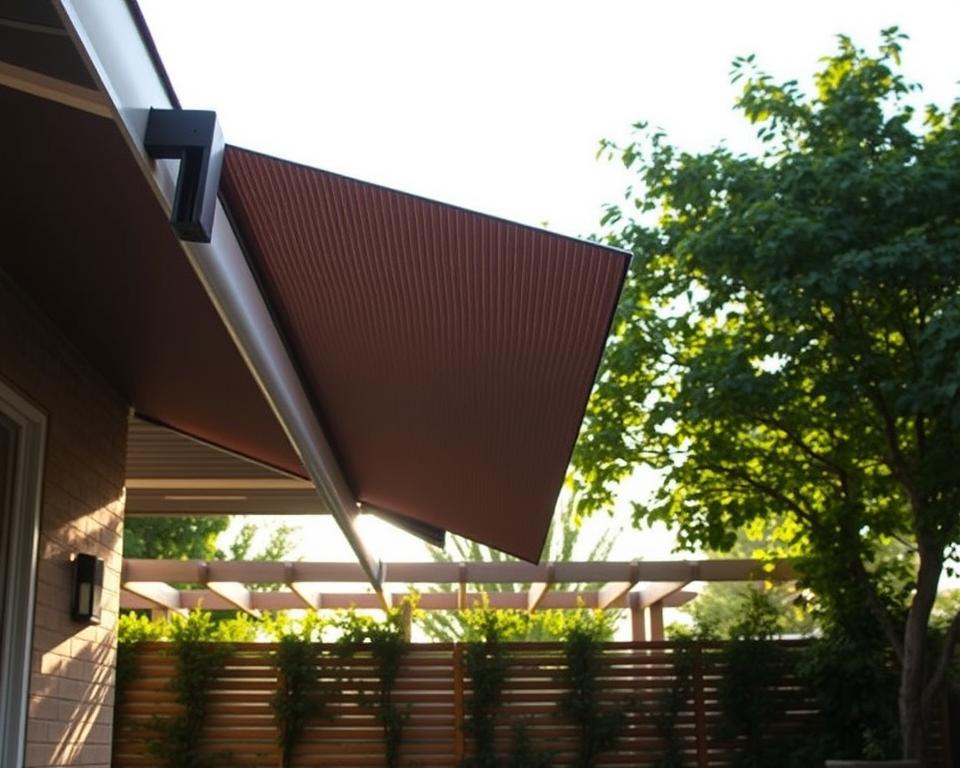
Retractable awnings provide excellent flexible shade solutions for your shed’s most exposed sides. These manufactured systems extend during the hottest parts of the day and retract when you need full access or during adverse weather conditions. Modern awnings come in various materials, from lightweight polyester to heavy-duty canvas options.
Shade sails offer a more contemporary alternative with striking visual appeal. These triangular or rectangular fabric panels stretch between anchor points to create effective overhead protection. Installation requires careful planning to ensure proper tension and drainage, but the results provide excellent cooling performance.
Both systems work best when positioned to block the afternoon sun, which typically generates the most intense heat. Consider the sun’s path throughout your property during peak summer months when planning installation locations.
Strategic Tree Planting and Landscaping
Natural landscaping creates long-term shade solutions whilst enhancing your garden’s overall appeal. Deciduous trees planted on the south and west sides of your shed provide summer cooling through their leaf canopy. During winter, these same trees allow warming sunlight through their bare branches.
Fast-growing options include silver birch, rowan, and ornamental cherry trees, which establish effective canopies within five to seven years. For immediate results, consider installing climbing plants on trellises or pergolas adjacent to your shed.
Strategic shrub placement can also contribute to cooling by creating air circulation patterns around your building. Dense plantings help deflect hot air currents whilst allowing cooling breezes to flow naturally.
Reflective Roof Coatings and Materials
Reflective treatments transform your shed’s roof into a heat protection barrier rather than a heat absorber. Specialised reflective paints contain ceramic microspheres or metallic particles that bounce solar radiation back into the atmosphere. These coatings can reduce roof surface temperatures by up to 20°C during peak summer conditions.
Membrane systems offer more comprehensive protection but require professional installation. These products combine reflective surfaces with insulating properties for dual cooling benefits. Application timing matters significantly – apply these treatments during dry, mild weather for optimal adhesion and curing.
Regular maintenance ensures continued effectiveness. Clean reflective surfaces annually and reapply coatings according to manufacturer recommendations, typically every three to five years depending on your local weather conditions.
Active Cooling Methods and Equipment
Powered cooling solutions become essential when your shed’s heat load exceeds what natural airflow can effectively manage. These active cooling systems use electricity to move air, reduce temperatures, or remove humidity from your space.
Unlike passive methods, mechanical systems provide consistent performance regardless of weather conditions. They’re particularly valuable for workshops, storage areas with sensitive equipment, or sheds used during the hottest summer months.
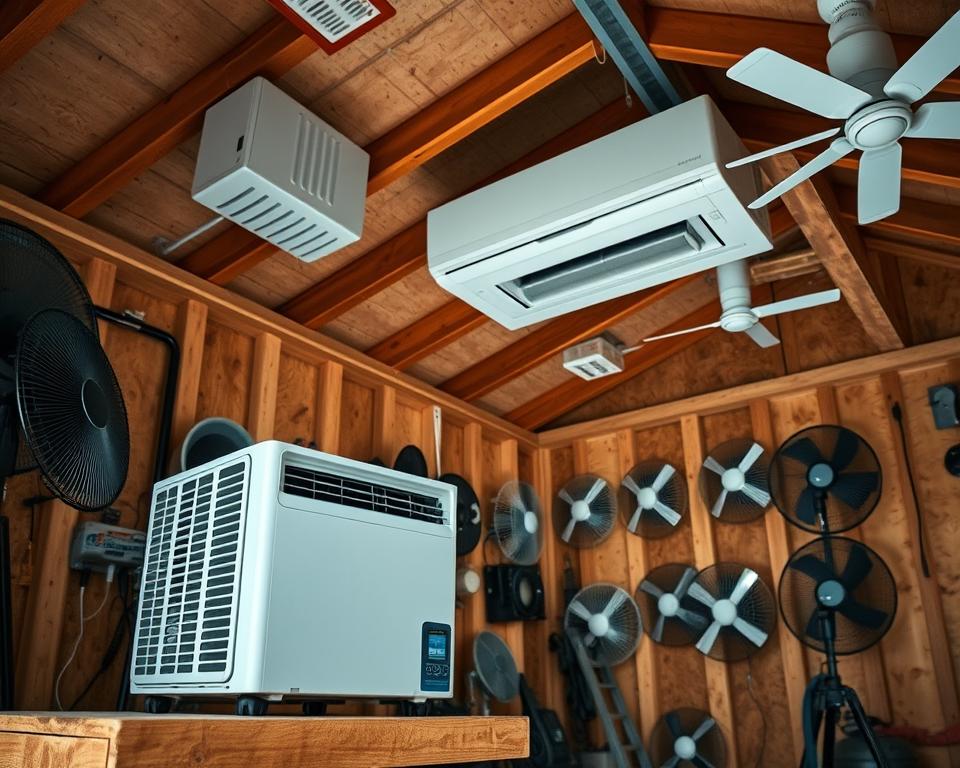
Each type of cooling equipment offers distinct advantages depending on your specific requirements, budget, and local climate conditions. Let’s explore the most effective options available to UK shed owners.
Solar-Powered Exhaust Fans
Solar exhaust fans represent an environmentally friendly approach to active cooling that operates most effectively during peak heat periods. These units harness sunlight to power ventilation fans, creating a self-regulating system that works hardest when cooling is most needed.
Installation requires positioning the solar panel where it receives maximum sunlight exposure throughout the day. Most units feature adjustable panels that can be angled for optimal energy collection.
The fans typically mount in roof peaks, gable ends, or high wall positions to extract hot air efficiently. Proper placement ensures maximum airflow while preventing weather infiltration during storms.
Performance varies significantly with shed size and solar panel capacity. A 10-watt solar fan suits sheds up to 8×10 feet, whilst larger structures may require 20-watt or dual-fan systems for adequate air movement.
Evaporative Cooling Systems
Evaporative coolers work by drawing warm air through water-saturated pads, where evaporation naturally reduces air temperature. These systems prove most effective in drier climates where humidity levels remain relatively low.
The cooling equipment requires a continuous water supply, either through direct plumbing connections or refillable reservoirs. Regular maintenance includes cleaning pads and checking water levels to prevent system failure.
In the UK’s variable climate, evaporative cooling performs best during hot, dry spells typical of southeastern regions. Areas with higher humidity may find limited temperature reduction, as saturated air cannot absorb additional moisture effectively.
Energy consumption remains relatively low compared to traditional air conditioning, making these units cost-effective for extended operation. However, they do increase indoor humidity, which may not suit all storage applications.
Portable Air Conditioning Units
Portable air conditioners provide the most powerful cooling solution for sheds requiring precise temperature control. These self-contained units offer reliable performance regardless of outdoor humidity or weather conditions.
Sizing calculations prove critical for efficient operation. A unit producing 5,000-7,000 BTUs typically suits sheds up to 150 square feet, whilst larger spaces may require 10,000+ BTU capacity for adequate cooling.
Electrical requirements often necessitate dedicated circuits, particularly for higher-capacity units drawing 15+ amps. Professional electrical assessment ensures safe installation and prevents circuit overloading.
| Cooling Method | Power Requirements | Suitable Shed Size | Operating Cost | Climate Suitability |
|---|---|---|---|---|
| Solar Exhaust Fan | 10-20 watts solar | Up to 100 sq ft | Very Low | All climates |
| Evaporative Cooler | 100-300 watts electrical | Up to 200 sq ft | Low | Dry climates |
| Portable AC Unit | 800-1500 watts electrical | Up to 300 sq ft | High | All climates |
| Window AC Unit | 500-1200 watts electrical | Up to 250 sq ft | Medium | All climates |
Exhaust hose placement requires careful consideration to prevent hot air recirculation. The hose must vent outside through windows, wall penetrations, or temporary door seals to maintain cooling efficiency.
Running costs vary considerably based on unit efficiency, local electricity rates, and usage patterns. Energy-efficient models with programmable thermostats help minimise operating expenses whilst maintaining comfortable conditions.
These cooling equipment options provide solutions for virtually any shed cooling challenge, from basic ventilation enhancement to precision climate control for sensitive applications.
Optimising Shed Layout and Storage
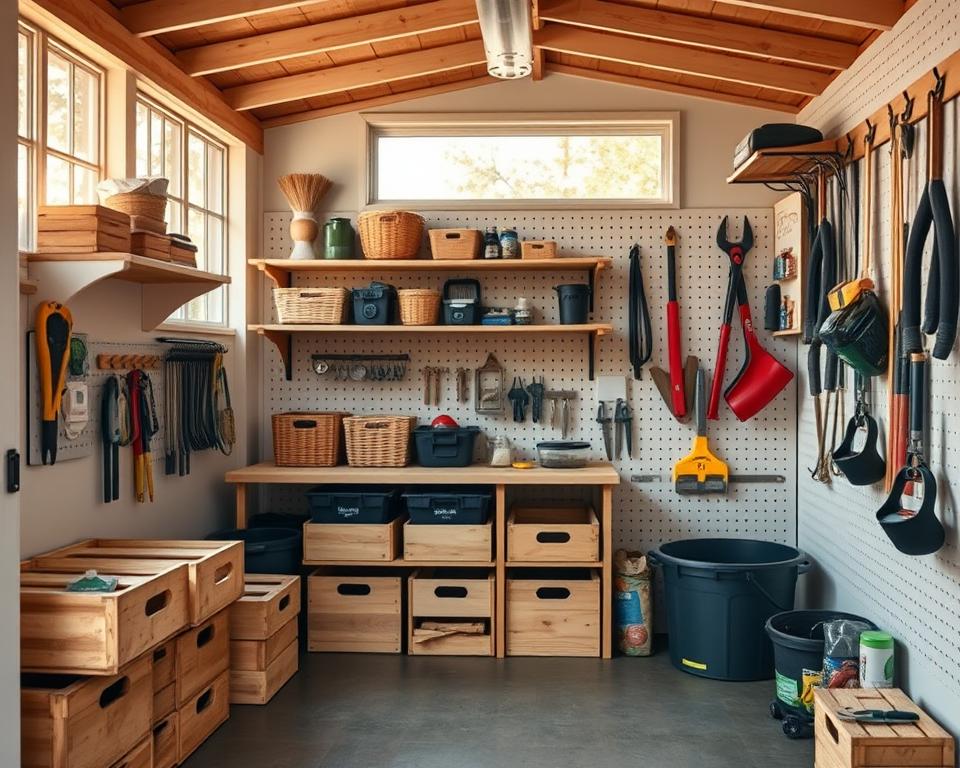
The way you arrange equipment and storage within your shed directly impacts its cooling efficiency and thermal performance. Smart storage optimisation strategies can reduce internal temperatures by several degrees whilst improving overall air circulation. Your shed’s interior layout determines how effectively cool air flows throughout the space and how quickly hot air escapes.
Effective thermal management begins with understanding how different items contribute to heat buildup. Metal tools absorb and radiate heat during sunny days. Fuel containers and chemical storage can generate additional warmth. Even dense materials like bags of compost or fertiliser can trap heat and create warm pockets within your shed.
Heat-Generating Equipment Placement
Position heat-producing equipment strategically to minimise their impact on your shed’s overall temperature. Battery chargers, compressors, and power tools generate significant heat during operation. Place these items near exhaust vents or windows where hot air can escape quickly.
Create a dedicated equipment zone in the area with the best natural airflow. This typically sits near your shed’s main ventilation points. Keep heat-generating items at least 30cm away from walls to allow air circulation around them.
Consider the timing of equipment use as well. Run compressors and charge batteries during cooler morning or evening hours when possible. This reduces the cumulative heat load during the hottest part of the day.
| Equipment Type | Heat Output Level | Recommended Placement | Clearance Required |
|---|---|---|---|
| Battery Chargers | Medium | Near exhaust vents | 15cm all sides |
| Air Compressors | High | External wall with ventilation | 30cm all sides |
| Power Tools | Low-Medium | Central storage with airflow | 10cm from walls |
| Welding Equipment | Very High | Dedicated ventilated area | 50cm minimum clearance |
Air Circulation-Friendly Storage Solutions
Choose shelving and storage systems that promote rather than hinder air movement throughout your shed. Open wire shelving allows air to flow freely around stored items. Avoid solid shelving units that create barriers to natural ventilation.
Maintain clear pathways between storage areas to encourage cross-ventilation. Leave at least 15cm between the back of shelves and shed walls. This gap prevents the formation of stagnant air pockets where heat accumulates.
Store lightweight items on upper shelves and heavier materials closer to the ground. Hot air rises naturally, so keeping the upper areas less cluttered helps maintain better air circulation. Position frequently used items in easily accessible locations to minimise time spent in the shed during peak heat hours.
Group similar items together but avoid overcrowding any single area. Dense storage creates heat traps and reduces airflow efficiency. Regular reorganisation ensures your storage optimisation remains effective as your needs change throughout the seasons.
Cost-Effective DIY Cooling Solutions
Transform your overheated shed into a comfortable space using affordable materials and basic DIY skills. Many effective DIY cooling methods require nothing more than creativity, patience, and items you might already have at home. These budget solutions prove that keeping your shed cool doesn’t demand expensive equipment or professional installation.
The beauty of homemade cooling approaches lies in their flexibility and cost-effectiveness. You can start with simple projects and gradually build upon your successes. Most materials needed for these solutions cost a fraction of commercial alternatives whilst delivering impressive results.
Homemade Ventilation Improvements
Creating effective ventilation systems using basic tools and materials forms the foundation of successful DIY cooling. Start by identifying the best locations for intake and exhaust vents based on your shed’s orientation and prevailing wind patterns.
Simple intake vents can be constructed using basic carpentry skills. Cut rectangular openings near ground level on the windward side of your shed. Cover these openings with hardware cloth or mesh to prevent pest entry. Create angled wooden louvers using scrap timber to direct airflow whilst keeping rain out.
For exhaust ventilation, position openings near the roof peak on the opposite side from your intake vents. This creates natural convection currents that draw hot air upwards and out. Use salvaged materials like old computer fans powered by small solar panels for enhanced air movement.
Consider these effective homemade ventilation projects:
- Wind-driven turbine vents made from plastic bottles and ball bearings
- Repurposed bathroom fans mounted in weatherproof housings
- Passive stack ventilators constructed from PVC pipes and fittings
- Cross-ventilation channels created with strategically placed openings
Budget-Friendly Insulation Options
Budget solutions for insulation often involve creative use of recycled materials and bulk purchasing strategies. Many household items provide excellent thermal barriers when properly installed and maintained.
Reflective emergency blankets, available cheaply in bulk, create effective radiant barriers when stapled to roof rafters. The reflective surface bounces heat away whilst the lightweight material won’t stress your shed’s structure. Space blankets work particularly well for temporary summer installations that can be removed and stored during cooler months.
Cardboard provides surprising insulation value when used correctly. Double-wall corrugated cardboard creates air pockets that resist heat transfer. Layer multiple sheets with small air gaps between them for enhanced performance. Seal edges with aluminium tape to prevent moisture infiltration.
Consider these affordable insulation materials:
- Recycled denim insulation – Often available at reduced prices from building material surplus stores
- Bulk fibreglass batts – Purchase contractor packs for significant savings per square foot
- Reflective bubble wrap – Greenhouse suppliers offer this at competitive prices
- Sheep’s wool insulation – Local farms sometimes sell raw wool suitable for insulation projects
Old blankets and sleeping bags past their prime make excellent temporary insulation. Hang them from hooks during hot periods and remove them when temperatures drop. This flexibility allows you to adapt your insulation strategy seasonally.
Repurposing Materials for Shade
External shading represents one of the most cost-effective DIY cooling approaches available. Common household items and discarded materials often provide excellent shade solutions with minimal investment required.
Old bed sheets and shower curtains create instant shade structures when stretched between posts or trees. Light-coloured fabrics work best as they reflect rather than absorb solar radiation. Secure fabric with bungee cords or rope, ensuring adequate tension to prevent sagging and wind damage.
Tarpaulins and drop cloths offer more durable shading options. Position them at angles that block the most intense afternoon sun whilst maintaining airflow underneath. Create simple frame structures using scrap timber or PVC pipes to support larger covers.
Living shade solutions provide long-term budget solutions that improve over time. Fast-growing annual plants like sunflowers or runner beans create natural screens within a single growing season. Plant them in large containers if permanent planting isn’t possible.
Effective repurposed shading materials include:
- Vehicle sunshades attached to shed walls or nearby structures
- Advertising banners obtained free from local businesses
- Greenhouse shade cloth purchased at end-of-season sales
- Bamboo screening panels from garden centres’ clearance sections
Construct simple awning frames using reclaimed timber and hinges for adjustable shade that can be folded away when not needed. This approach maximises flexibility whilst minimising material costs and storage requirements.
Seasonal Maintenance and Monitoring
Proper maintenance schedules ensure your shed’s cooling systems operate at peak efficiency throughout the year. Without regular upkeep, even the best-designed cooling solutions can fail when you need them most. Consistent maintenance prevents costly repairs and extends the lifespan of your equipment significantly.
Effective system monitoring involves more than occasional temperature checks. It requires a systematic approach that tracks performance trends and identifies potential issues before they become major problems. Prevention is always better than cure when it comes to shed cooling systems.
Creating detailed maintenance schedules tailored to your specific cooling setup ensures nothing gets overlooked. Different seasons bring unique challenges that require targeted attention and care.
Regular Ventilation System Checks
Your ventilation system forms the backbone of natural shed cooling. Monthly inspections during peak summer months help maintain optimal airflow and prevent blockages that compromise performance.
Start by examining all external vents for debris accumulation. Leaves, spider webs, and bird nests commonly obstruct airflow pathways. Use a soft brush to clear blockages gently, avoiding damage to delicate vent mechanisms.
Check adjustable louvers and shutters for smooth operation. These components should move freely without binding or sticking. Apply light machine oil to pivot points if movement becomes stiff or noisy.
Inspect internal air pathways for obstructions. Storage items placed too close to vents can severely reduce airflow effectiveness. Maintain clear zones around all ventilation points to ensure unrestricted air movement.
A well-ventilated shed is a cool shed. Regular maintenance of your ventilation system is the most cost-effective way to maintain comfortable temperatures year-round.
Document any issues discovered during inspections. This record-keeping helps identify recurring problems and plan preventive measures. Note dates, weather conditions, and specific maintenance actions taken.
Seasonal checks should intensify before summer arrives. Spring preparation involves thorough cleaning and testing of all ventilation components. Autumn maintenance focuses on protecting systems from winter weather damage.
Cleaning and Maintaining Cooling Equipment
Active cooling equipment requires more intensive maintenance than passive ventilation systems. Regular cleaning schedules prevent efficiency losses and extend equipment lifespan considerably.
Solar-powered fans need monthly cleaning during dusty conditions. Remove accumulated dirt from solar panels using a damp cloth and mild detergent. Clean panels generate more power and run fans more effectively.
Evaporative cooling systems demand weekly attention during operation periods. Replace cooling pads when they become clogged with mineral deposits or algae growth. Fresh pads dramatically improve cooling performance and reduce energy consumption.
Check all electrical connections quarterly for signs of corrosion or loosening. Tighten connections as needed and apply dielectric grease to prevent future corrosion. Loose connections create heat and reduce system efficiency.
Lubricate fan bearings according to manufacturer specifications. Most quality fans require annual lubrication using appropriate bearing grease. Over-lubrication can attract dirt and cause premature bearing failure.
System monitoring involves tracking performance metrics over time. Record temperature readings, humidity levels, and energy consumption patterns. This data helps identify gradual efficiency declines that indicate maintenance needs.
- Monitor daily peak temperatures inside your shed
- Track humidity levels during different weather conditions
- Record energy consumption for powered cooling equipment
- Note any unusual noises or vibrations from fans
- Document maintenance activities with dates and details
Create maintenance logs for each piece of cooling equipment. Include purchase dates, warranty information, and service history. This documentation proves invaluable for warranty claims and helps plan replacement timing.
Professional servicing may be required annually for complex systems like air conditioning units. Schedule these services before peak summer demand to ensure availability and competitive pricing.
Winter storage preparation protects equipment from cold-weather damage. Drain water lines, remove batteries from solar equipment, and cover outdoor components with weatherproof materials. Proper winter care ensures reliable operation when cooling season returns.
Troubleshooting Common Cooling Problems
When your shed’s cooling system isn’t performing as expected, identifying the root cause becomes essential for effective problem solving. Even well-designed cooling systems can develop issues over time that compromise their effectiveness. Understanding how to diagnose and resolve these problems will help you maintain optimal temperatures throughout the year.
Most cooling problems fall into three main categories that require different approaches. Each type of issue has specific symptoms and solutions that experienced shed owners learn to recognise quickly.
Addressing Persistent Hot Spots
Hot spots indicate problems with air circulation patterns or localised heat sources that weren’t properly addressed. These areas consistently remain warmer than the rest of your shed despite adequate overall ventilation.
Start your troubleshooting by mapping temperature variations throughout your shed. Use a digital thermometer to record temperatures at different heights and locations during the hottest part of the day. Focus on corners, areas behind stored items, and spaces near equipment.
Common causes of hot spots include blocked ventilation pathways and poor air circulation design. Check that stored items aren’t obstructing vents or creating dead zones where air cannot flow freely. Rearranging storage often provides immediate improvement without additional equipment.
Heat-generating equipment placement frequently creates localised warming issues. Move power tools, battery chargers, and electrical equipment away from storage areas and closer to exhaust vents. This simple relocation can eliminate many persistent hot spots.
Additional ventilation may be necessary for stubborn problem areas. Install targeted exhaust fans or louvre vents in locations where hot spots consistently develop. Position these additions to create airflow directly through the affected zones.
Dealing with Humidity and Condensation
Humidity problems often worsen when cooling methods create temperature differentials that promote condensation. This moisture encourages rust formation, mould growth, and material degradation that can damage stored items.
Monitor both temperature and humidity levels simultaneously to understand their relationship in your shed. Relative humidity above 60% combined with temperature fluctuations creates ideal conditions for condensation problems.
Identify moisture sources that contribute to humidity buildup. Common culprits include wet equipment brought in from outside, damp storage containers, and inadequate ground moisture barriers. Address these sources before implementing mechanical solutions.
| Humidity Level | Risk Assessment | Recommended Action | Timeline |
|---|---|---|---|
| Below 40% | Low risk | Monitor regularly | Monthly checks |
| 40-60% | Moderate risk | Improve ventilation | Within 2 weeks |
| 60-70% | High risk | Add dehumidification | Within 1 week |
| Above 70% | Critical risk | Immediate intervention | Within 24 hours |
Improve natural moisture removal by enhancing cross-ventilation between low and high vents. Warm, humid air rises and should exit through roof vents while drier air enters through lower openings. This natural process reduces humidity without additional equipment.
Consider mechanical dehumidification for persistent moisture problems. Small electric dehumidifiers work effectively in enclosed sheds, whilst passive moisture absorbers provide chemical-free alternatives for moderate humidity issues.
Fixing Inadequate Airflow Issues
Poor airflow stems from undersized ventilation systems, blocked pathways, or design flaws that create circulation dead zones. These problems prevent effective heat removal and reduce overall cooling system performance.
Assess current airflow patterns using simple smoke tests or lightweight ribbons attached near vents. Problem solving becomes easier when you can visualise how air moves through your shed space.
Calculate whether your ventilation capacity matches your shed’s volume requirements. A general rule suggests one square foot of vent area for every 150 square feet of floor space. Insufficient vent sizing creates bottlenecks that limit airflow regardless of fan power.
Examine vent placement for optimal air movement patterns. Intake vents should be positioned low on walls facing prevailing winds, whilst exhaust vents belong high on opposite walls or the roof. This arrangement promotes natural convection currents that enhance mechanical ventilation.
Clear obstructions that impede airflow both inside and outside your shed. Trim vegetation around external vents and relocate stored items that block internal air pathways. Regular maintenance of these clearances prevents gradual airflow reduction.
Upgrade ventilation components when troubleshooting reveals system inadequacies. Replace small vents with larger units, add supplementary exhaust fans, or install motorised louvres that adjust automatically based on temperature conditions.
Monitor airflow improvements by measuring temperature differences before and after modifications. Successful problem solving should result in more uniform temperatures throughout your shed and reduced overall heat buildup during warm weather.
Conclusion
Effective shed cooling requires a tailored approach that combines multiple strategies rather than relying on single solutions. This comprehensive shed cooling summary demonstrates how natural ventilation, proper insulation, external shading, and active cooling methods work together to create optimal conditions.
Your implementation guide should begin with the most cost-effective improvements. Start by enhancing natural ventilation through ridge vents and cross-ventilation pathways. These foundational changes often provide immediate temperature reductions with minimal investment.
Gradual implementation allows you to assess each improvement’s effectiveness before investing in additional measures. Monitor temperature changes after installing basic ventilation, then consider insulation upgrades or external shading solutions based on your specific needs.
The long-term benefits extend beyond temperature control. Proper cooling protects stored equipment, creates comfortable working conditions, and reduces reliance on energy-intensive cooling systems. Your shed’s orientation, local climate, and intended use will influence which combination of strategies delivers the best results.
View shed cooling as an ongoing process that evolves with changing needs and advancing technologies. Regular maintenance of ventilation systems and periodic assessment of cooling effectiveness ensure your investment continues providing value throughout your shed’s service life. Small adjustments and incremental improvements often yield significant comfort gains whilst maintaining budget-friendly operation.
FAQ
What’s the most cost-effective way to cool my shed during summer?
Natural ventilation is typically the most budget-friendly solution. Installing ridge vents at the roof peak and soffit vents near the eaves creates effective airflow that removes hot air naturally. This approach costs considerably less than active cooling systems whilst providing excellent results for most UK shed applications.
How do I know if my shed temperature is too high for stored items?
Use a digital thermometer to monitor temperatures regularly. Most tools and garden equipment perform best below 25°C, whilst chemicals and fertilisers may become unstable above 30°C. If you notice condensation, warping of wooden items, or unusual odours from stored chemicals, your shed is likely overheating.
Can insulation really help keep my shed cooler in summer?
Absolutely! Reflective foil insulation and mineral wool prevent external heat from penetrating your shed’s structure. Roof insulation is particularly effective since roofs absorb the most solar heat. Proper insulation can reduce internal temperatures by 5-10°C during peak summer conditions.
What’s the best orientation for a new shed to minimise overheating?
Position your shed with the longest walls facing north and south, and the roof ridge running east-west. This reduces the surface area exposed to intense midday sun. If possible, locate it where it receives natural shade during the hottest part of the day (11am-4pm).
Are solar-powered exhaust fans worth the investment?
Solar fans are excellent for sheds without mains electricity. They operate most effectively during hot, sunny periods when cooling is needed most. Expect to pay £50-150 for a quality unit, which can reduce shed temperatures by 8-15°C when properly installed with adequate intake ventilation.
How can I create effective cross-ventilation in my shed?
Install intake vents low on the cooler side (typically north-facing) and exhaust vents high on the opposite side. Ensure vents are positioned to avoid dead air zones behind large stored items. The intake area should be slightly larger than the exhaust area for optimal airflow.
What DIY materials can I use for temporary shed shading?
Shade cloth, old bedsheets, or tarpaulins can provide effective temporary shading. Create simple frames using garden canes or timber offcuts. Even cardboard can work for short-term solutions. Position shading 30cm away from walls to allow air circulation underneath.
How often should I clean and maintain my shed’s ventilation system?
Check vents monthly during summer for debris, spider webs, or vegetation blocking airflow. Perform thorough cleaning twice yearly – once in spring before hot weather begins, and again in autumn. Lubricate moving parts annually and replace damaged vent covers promptly.
Can I use a portable air conditioning unit in my shed?
Yes, but ensure adequate electrical supply and proper drainage for condensation. Portable AC units work best in well-insulated sheds and typically require 13-amp power supply. Consider running costs – expect £2-5 daily electricity costs during peak summer usage.
What’s causing persistent hot spots in my shed despite good ventilation?
Hot spots often indicate blocked air pathways, heat-generating equipment placement issues, or thermal bridging through metal components. Check for stored items blocking vents, relocate battery chargers and compressors near exhaust points, and consider additional localised ventilation.
How do I prevent condensation problems when cooling my shed?
Maintain consistent airflow to prevent humidity buildup. Avoid rapid temperature changes and ensure adequate ventilation during cooler evenings. Consider using moisture-absorbing crystals in problem areas and avoid storing wet items until completely dry.
What’s the ideal temperature range for a garden shed in summer?
Aim to keep shed temperatures within 5°C of outside air temperature. For UK conditions, this typically means maintaining 20-25°C during summer months. This range protects most stored items whilst remaining achievable with natural cooling methods.