How to Paint a Summerhouse
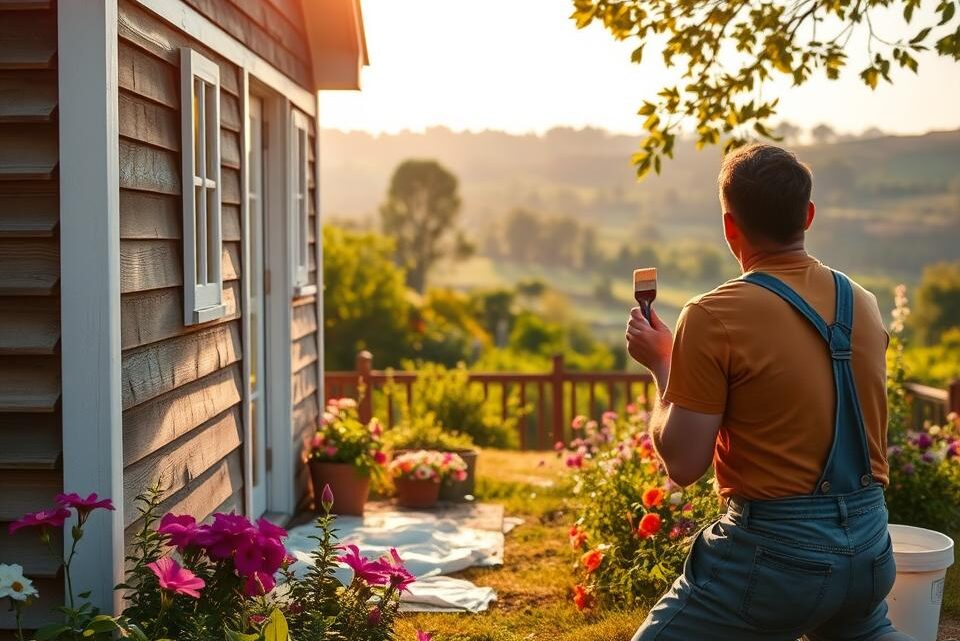
A well-maintained summerhouse can be a beautiful addition to any garden, providing a tranquil retreat during the summer months. However, exposure to the elements can cause the wood to deteriorate over time.
Painting your summerhouse is not just about giving it a fresh look; it’s also a crucial step in protecting the timber from moisture damage, UV rays, and rot or mould. A properly painted shed can last for years, maintaining its integrity and aesthetic appeal.
This comprehensive guide will walk you through the process of painting your summerhouse, from preparation to finishing touches, ensuring a long-lasting and weather-resistant finish.
Inhaltsverzeichnis
Key Takeaways
- Understand the importance of painting your summerhouse for both aesthetics and protection.
- Learn how to select the right paint for your garden building.
- Discover professional techniques for preparing the surface and applying paint.
- Find out how to achieve a long-lasting, weather-resistant finish.
- Avoid common mistakes when painting outdoor wooden structures.
Why Painting Your Summerhouse Is Essential for Protection and Aesthetics
Painting your summerhouse is a crucial step in maintaining its integrity and visual appeal. A good paint job not only enhances the appearance of your summerhouse but also provides a protective layer against various environmental factors.
Weather Protection Benefits
A quality paint job creates a protective barrier against rain, snow, and UV rays, which can cause wood to deteriorate over time. By shielding your timber from these elements, you can prevent moisture penetration, reducing the risk of rot, mould, and structural weakening.
Extending Your Summerhouse’s Lifespan
Painting your summerhouse helps extend its lifespan by protecting the timber from seasonal expansion and contraction, which can cause cracking and warping. This protection ensures that your summerhouse remains sturdy and secure for years to come.
Aesthetic Transformation
A fresh coat of paint can completely transform the appearance of a tired summerhouse, making it a focal point in the garden rather than an eyesore. You can also coordinate your summerhouse with other garden features or your home’s exterior for a cohesive look.
Key benefits of painting your summerhouse include:
- Creating a protective barrier against weather elements
- Preventing moisture penetration and related damage
- Extending the lifespan of your summerhouse
- Enhancing the aesthetic appeal of your garden
- Making future maintenance simpler and less frequent
By painting your summerhouse, you not only improve its appearance but also protect your investment, ensuring it remains a beautiful and functional part of your garden for years to come.
Essential Tools and Materials You’ll Need
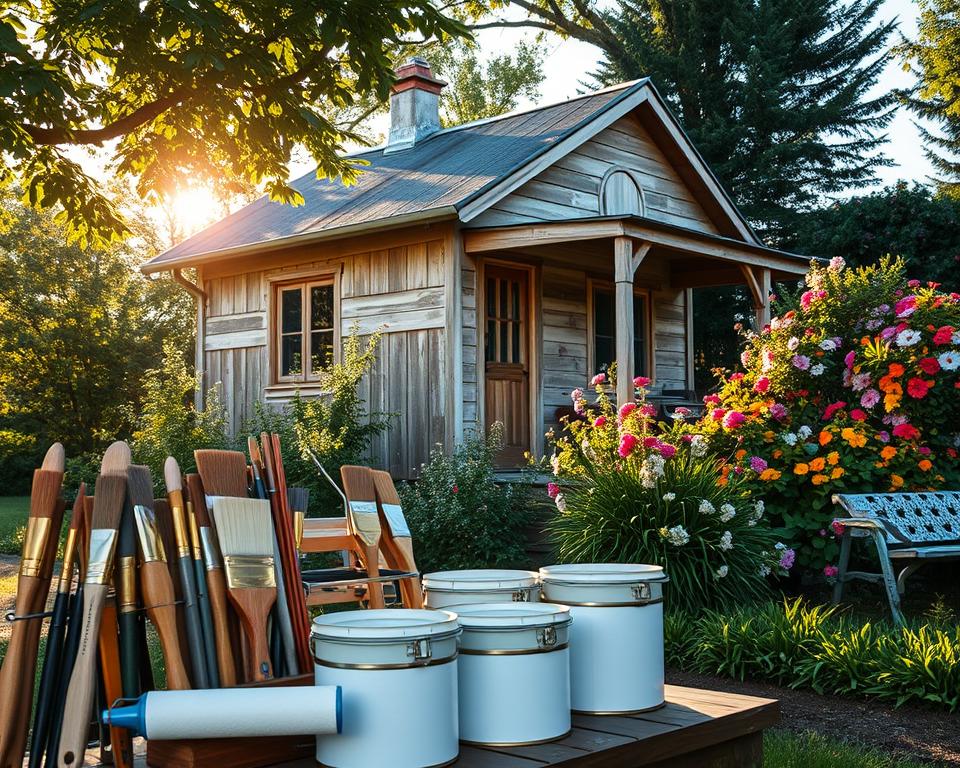
Gathering the essential tools and materials is the first step towards giving your summerhouse a fresh new look. To ensure a professional finish, it’s vital to have the right equipment on hand.

Paint and Primers
Choosing the right exterior wood paint or wood stain is crucial for a durable finish. Consider whether you need a water-based or oil-based paint, and don’t forget a primer if you’re dealing with bare wood or a previously unpainted surface.
Brushes, Rollers and Applicators
Having the right brushes and rollers is essential for applying paint evenly. Different sizes and types of brushes are suited for detailed work and cutting in, while rollers are ideal for larger surfaces.
Preparation and Protection Materials
Before painting, you’ll need to prepare the surface. This involves using sandpaper or a sanding block to smooth out the wood, and wood filler to fill any cracks or holes. Protect your surroundings with dust sheets or ground cover, and use masking tape to protect windows and trim.
Choosing the Right Paint for Your Summerhouse

To achieve a beautifully painted summerhouse that lasts, choosing the correct exterior paint is essential. The right paint not only enhances the appearance of your summerhouse but also protects it from the elements.
Water-Based vs. Oil-Based Exterior Paints
Exterior wood paint is the top choice for long-lasting protection. Water-based paint is a friendly option for beginners as it dries quickly and cleans up easily with water. On the other hand, oil-based paint is more durable but takes longer to dry and is slightly more challenging to work with. For a summerhouse, a microporous paint that allows the wood to breathe is recommended.
Understanding Sheen Levels: Matte, Satin and Gloss
The sheen level of your paint can significantly affect the appearance and maintenance of your summerhouse. A matte finish gives a rustic look but can be harder to clean. Satin offers a smooth, modern appearance and is easier to maintain. Gloss is bold and bright but can be unforgiving.
Colour Selection Tips for Garden Buildings
When selecting colours for your summerhouse, consider how they will blend with the garden environment. Lighter colours can make the structure appear larger, while darker shades can create a cozy feel. It’s also worth considering current trends in garden building colours to ensure your summerhouse looks contemporary.
By considering the type of paint, sheen level, and colour, you can ensure your summerhouse is both protected and visually appealing.
Preparing Your Summerhouse for Painting
Before applying paint to your summerhouse, it’s crucial to prepare the structure properly. This involves several steps to ensure the wood is in good condition and ready for painting.
Assessing the Structure’s Condition
Begin by assessing the overall condition of your summerhouse. Check the wood for any signs of damage, rot, or warping. Make sure to inspect all parts, including the roof, walls, and floor. If you find any rotten or damaged timber, it’s essential to replace it before proceeding with the painting process.
Cleaning and Removing Dirt, Mould and Algae
Next, clean the entire surface of your summerhouse to remove dirt, cobwebs, mould, and algae. Use a wire brush or an outdoor cleaner suitable for wood surfaces. This step is crucial for ensuring a smooth and even paint application.
Sanding Techniques for a Smooth Finish
After cleaning, use sanding techniques to smooth out the wood surface. Start with a coarse-grit sandpaper to remove any rough spots or old flaking paint, then switch to a finer grit for a smooth finish. This process helps the paint adhere better to the surface.
Filling Cracks and Repairing Damaged Wood
Inspect your summerhouse for any cracks or damaged areas. Fill these gaps with a suitable wood filler and allow it to dry completely. For more significant damage, you may need to replace the affected timber. Ensuring that the surface is even and free from damage is vital for a successful paint job.
By following these steps, you’ll be able to prepare your summerhouse effectively for painting, ensuring a durable and attractive finish.
How to Paint a Summerhouse: Step-by-Step Guide
To achieve a professional finish when painting your summerhouse, follow this step-by-step guide. Painting your summerhouse can be a rewarding DIY project if done correctly. It not only enhances the appearance but also protects the wood from the elements.
Ideal Weather Conditions for Painting
Choosing the right weather is crucial for a successful painting project. You don’t need blazing sunshine, but a dry spell is essential. Aim for a mild day with no rain expected for at least 24-48 hours.
Masking and Protecting Windows, Hardware and Surroundings
Use masking tape and newspaper to protect windows, hinges, handles, and any other parts you don’t want painted. Lay down dust sheets to shield nearby plants or flooring from paint splatters.

Priming Bare or Repaired Wood
If you’re dealing with bare or repaired wood, apply a primer first. This ensures better adhesion of the topcoat and a more even finish. Allow the primer to dry thoroughly before applying paint.
Proper Painting Technique and Direction
Start by painting the trims and edges with a brush, then move on to the larger panels using a roller or wide brush. Always follow the direction of the wood grain to achieve a smooth finish. Apply at least two coats of paint, allowing each coat to dry thoroughly before applying the next. Maintain a “wet edge” to avoid visible lap marks, and be mindful of paint application thickness to prevent drips or extended drying times.
Applying the Second Coat and Finishing Touches
Once the initial coat of paint is dry, applying a second coat will enhance the overall appearance and protection of your summerhouse. This step is crucial for achieving a durable and long-lasting finish.
Timing Between Coats
It’s essential to allow the first coat to dry thoroughly before applying the second coat. Typically, this takes around four hours, depending on the paint type and weather conditions. Ensuring the paint is dry to the touch is vital before proceeding.
Achieving Even Coverage and Smooth Finish
When applying the second coat, use a consistent painting technique to achieve even coverage. Inspect the surface after the first coat has dried to identify any areas that may require additional attention. This ensures a smooth finish and optimal protection for your summerhouse.

Removing Masking Tape and Final Clean-up
After the final coat has dried completely, remove all masking tape, coverings, and dust sheets. Clean your tools thoroughly if you plan to reuse them. As soon as the paint feels dry but still slightly tacky, peel off the masking tape to avoid damaging the fresh paint job.
Finally, inspect the summerhouse for any missed spots, drips, or imperfections before the paint fully cures. Allow adequate curing time before subjecting the summerhouse to normal use, understanding the difference between “dry to touch” and “fully cured.”
Alternative Finishes: Stains, Varnishes and Preservatives

For those who prefer the appearance of raw timber, there are several alternatives to traditional paint that can enhance the natural beauty of the wood. While paint provides a solid colour and protection, stains, varnishes, and preservatives offer varying levels of protection and aesthetic appeal.
When to Choose Alternatives to Paint
Alternatives to paint are ideal when you want to maintain the natural look of the wood or highlight its grain. Stains and varnishes are particularly suitable for summerhouses with attractive timber features.
Application Differences for Alternative Finishes
The application of alternative finishes differs from paint in terms of preparation and technique. For instance, varnishes and stains typically require a clean, dry surface, while preservatives may need to be applied to bare wood.
When choosing an alternative finish, consider factors such as moisture protection, durability, and maintenance requirements. Clear wood preservatives, for example, help resist rot, mould, and insects, while exterior varnishes add a subtle sheen and shield against moisture.
Common Mistakes to Avoid When Painting Your Summerhouse
A well-painted summerhouse requires more than just a fresh coat of paint; it demands careful planning and execution to avoid common pitfalls. Homeowners often encounter issues that can be easily prevented with the right knowledge and preparation.
Painting in Poor Weather Conditions
Painting in rain, excessive humidity, or extreme temperatures can lead to a poor finish and reduced durability. Always check the weather forecast before starting your project to ensure optimal conditions for painting your summerhouse.
Inadequate Surface Preparation
Inadequate surface preparation is a common cause of paint failure. Make sure to clean, sand, and repair the wood surface before applying paint to ensure a smooth and lasting finish.
Using the Wrong Type of Paint
Using the wrong type of paint can trap moisture and cause damage to the wood. Choose a breathable, exterior-grade paint suitable for your summerhouse’s timber to prevent such issues.
Rushing the Process
Rushing the painting process can result in poor coverage and inadequate drying time between coats. Allow sufficient time for each coat to dry and plan your project accordingly to achieve a professional finish.
| Common Mistake | Consequence | Prevention |
|---|---|---|
| Painting in poor weather | Poor finish, reduced durability | Check weather forecast, choose optimal conditions |
| Inadequate surface preparation | Paint failure | Clean, sand, and repair wood surface |
| Using wrong paint type | Trapped moisture, wood damage | Choose breathable, exterior-grade paint |
| Rushing the process | Poor coverage, inadequate drying | Allow sufficient time between coats |
Conclusion: Enjoying and Maintaining Your Newly Painted Summerhouse
Now that you’ve completed painting your summerhouse, you can look forward to years of enjoyment in your newly refreshed outdoor space. To recap, the process involved checking your shed’s condition, gathering essential tools and safety gear, preparing the surface, and painting carefully following the wood grain.
Maintaining your summerhouse is crucial for its longevity. Regularly clean the exterior, inspect for damage, and touch up as needed. Always check for moisture issues that could affect the wood. When decorating the interior, consider the style and colour scheme of your garden and home to create a cohesive look.
To protect your paint job, ensure good drainage around the summerhouse and trim back any foliage that could cause damage. During winter, inspect the paint for any signs of wear and address these areas promptly. A well-maintained summerhouse not only enhances your garden but also contributes to a more sustainable home by reducing the need for frequent replacements.
By following these tips, you’ll be able to enjoy your summerhouse for years to come, making the most of your outdoor space in a beautiful and sustainable way.
FAQ
What type of paint is best suited for a timber summerhouse?
For a timber summerhouse, it’s recommended to use a high-quality, water-based or oil-based wood paint that is specifically designed for exterior use. This type of paint provides protection against the elements and is available in various colours and sheen levels.
How often should I repaint my summerhouse?
The frequency of repainting depends on various factors, including the quality of the paint used, exposure to weather conditions, and the level of maintenance. Generally, a well-maintained summerhouse may need repainting every 5-7 years.
Can I paint my summerhouse in direct sunlight?
It’s not recommended to paint in direct sun rays, as this can cause the paint to dry too quickly, leading to uneven coverage and a poor finish. Instead, choose a cloudy day or paint in the shade to achieve a smooth finish.
Do I need to prime my summerhouse before painting?
If the summerhouse has bare or repaired wood, it’s essential to apply a primer first. This ensures a strong bond between the wood and the paint, providing a durable and long-lasting finish.
What is the best way to clean my summerhouse before painting?
Before painting, clean the summerhouse thoroughly using a mild detergent and water to remove dirt, mould, and algae. Use a soft-bristled brush to scrub away any stubborn stains, and rinse with clean water.
Can I use a roller to paint my summerhouse?
While a roller can be used for large, flat areas, it’s not suitable for intricate or detailed work. Use a brush to paint around windows, doors, and other trim work, and a roller for the main surfaces.
How long should I wait between coats of paint?
The waiting time between coats depends on the type of paint used and the weather conditions. Always follow the manufacturer’s instructions for the recommended drying time, usually between 2-4 hours.