Insurance for Summerhouses in the UK

You’ve invested in a beautiful summerhouse or garden building, and now you’re wondering how to protect it. As a valuable addition to your property, it’s essential to consider outdoor structure insurance to safeguard against unforeseen events.
Your summerhouse is not just a structure; it’s a place where memories are made. However, it’s exposed to various risks such as vandalism, theft, or damage from extreme weather conditions. Having the right summerhouse insurance UK in place can provide financial protection and peace of mind.
Inhaltsverzeichnis
Key Takeaways
- Protect your summerhouse with the right insurance cover.
- Understand the risks associated with garden buildings.
- Explore the benefits of outdoor structure insurance.
- Discover how to safeguard your investment.
- Learn about the importance of summerhouse insurance in the UK.
Why Your Summerhouse Needs Dedicated Insurance
As a valuable outdoor structure, your summerhouse requires dedicated insurance to mitigate potential risks and financial losses. Your summerhouse is not just a garden building; it’s an investment that adds value to your property and enhances your outdoor living experience.
Risks Specific to Garden Buildings
Garden buildings like summerhouses are exposed to various risks that can result in significant financial losses if not properly insured. These risks include:
Weather Damage and Natural Disasters
Summerhouses are vulnerable to weather-related damages such as storms, floods, and extreme temperatures. Weather damage can lead to costly repairs or even total loss if the structure is not adequately protected.
Theft and Vandalism Concerns
Theft and vandalism are other significant risks to consider. Valuables stored inside the summerhouse can be stolen, or the structure itself can be vandalized, leading to financial loss.
Financial Protection for Your Outdoor Investment
Dedicated summerhouse insurance provides financial protection against these risks, ensuring that you can recover quickly in the event of damage or loss. With the right insurance coverage, you can enjoy your summerhouse without worrying about the potential financial implications of unforeseen events.
By understanding the risks associated with garden buildings and securing appropriate insurance, you can safeguard your outdoor investment and continue to enjoy your summerhouse for years to come.
Understanding Insurance for Summerhouses in the UK
As a summerhouse owner in the UK, it’s essential to grasp what defines your structure for insurance purposes. Understanding the nuances of summerhouse insurance can help you make informed decisions about your garden building’s protection.
What Defines a Summerhouse for Insurance Purposes
For insurance purposes, a summerhouse is typically considered a garden building used for recreational or leisure activities. However, the definition can vary between insurance providers.
Size and Construction Considerations
The size and construction of your summerhouse play a significant role in determining its insurance classification. Larger structures or those built with more expensive materials may require more comprehensive coverage.
Insurers often consider the construction materials, such as wood, metal, or composite materials, when assessing the risk associated with your summerhouse.
Permanent vs Temporary Structures
The permanence of your summerhouse is another critical factor. Permanent structures are typically considered part of your property and may be covered under a different policy than temporary or portable summerhouses.
How Summerhouse Insurance Differs from Standard Home Insurance
Summerhouse insurance differs from standard home insurance in several key ways. Primarily, it is designed to address the unique risks associated with garden buildings, such as vandalism, theft, and weather-related damage.
While your main dwelling’s insurance policy may cover some risks, a dedicated summerhouse insurance policy can provide more tailored protection for your garden building and its contents.
Types of Summerhouse Insurance Policies Available
When considering insurance for your summerhouse, it’s essential to understand the various policy types available to protect your investment. The right coverage can safeguard against unforeseen damages and financial losses.
Buildings Insurance Coverage
Buildings insurance is a fundamental aspect of summerhouse insurance, covering the structure against various risks.
Structural Protection Elements
This includes coverage for the walls, roof, and foundations of your summerhouse, protecting against damage from storms, fires, or vandalism.
Fixtures and Fittings Coverage
Fixtures and fittings, such as built-in appliances and electrical installations, are also covered under buildings insurance, ensuring that your summerhouse remains functional after a claim.
Contents Insurance Options
Contents insurance is designed to protect the items within your summerhouse, such as furniture, decorations, and equipment. This type of insurance is particularly important if you store valuable items in your summerhouse.
Combined Policies and Their Benefits
Some insurers offer combined policies that cover both buildings and contents. This can be a convenient and cost-effective option, simplifying your insurance needs into a single policy.
| Policy Type | Coverage | Benefits |
|---|---|---|
| Buildings Insurance | Structure, fixtures, and fittings | Protects against structural damage and loss |
| Contents Insurance | Items within the summerhouse | Covers loss or damage to contents |
| Combined Policy | Both buildings and contents | Convenient and potentially cost-effective |
Understanding the different types of summerhouse insurance policies available can help you make an informed decision about your coverage needs. Whether you opt for buildings insurance, contents insurance, or a combined policy, ensure that your chosen policy provides adequate protection for your summerhouse.
What Your Summerhouse Insurance Policy Should Cover
Your summerhouse insurance policy should provide adequate coverage for potential damages and losses. A well-structured policy will help protect your investment against various risks associated with your summerhouse.
Essential Coverage Elements
There are several key elements that your summerhouse insurance policy should cover. These include protection against natural disasters and theft.
Fire, Flood, and Storm Damage
Damage caused by fire, flood, or storms can be devastating. Ensure your policy covers repairs or rebuilding costs following such events.
Theft and Malicious Damage
Theft and malicious damage can also impact your summerhouse. Your policy should cover the cost of replacing stolen items and repairing any damage caused by vandals.
| Coverage Element | Description | Importance |
|---|---|---|
| Fire Damage | Covers repairs or rebuilding after a fire | High |
| Flood Damage | Covers repairs or rebuilding after a flood | High |
| Theft | Covers replacement of stolen items | Medium |
Optional Extras Worth Considering
In addition to essential coverage elements, there are optional extras that can enhance your policy.
Accidental Damage Cover
Accidental damage cover can protect against unforeseen incidents that may not be included in standard policies.
Legal Expenses Coverage
Legal expenses coverage can help with costs associated with legal disputes related to your summerhouse.
By understanding what your summerhouse insurance policy should cover, you can make informed decisions to protect your investment.
Factors Affecting Your Summerhouse Insurance Premium
The premium for your summerhouse insurance is influenced by a range of factors. Understanding these can help you manage costs and ensure you’re adequately covered.
Construction Materials and Build Quality
The materials used to construct your summerhouse and its overall build quality play a significant role in determining your insurance premium. For instance, a summerhouse built with durable, high-quality materials like brick or stone may attract lower premiums compared to one made from less robust materials.
Security Measures and Their Impact
Implementing robust security measures can significantly impact your insurance premium. This includes installing secure locks, alarm systems, and CCTV cameras. Insurers view these measures as reducing the risk of theft or damage, potentially lowering your premium.
Location and Environmental Considerations
Where your summerhouse is located can also affect your insurance premium. Factors such as proximity to flood risk areas or regions with high crime rates are taken into account by insurers.
Flood Risk Areas
If your summerhouse is situated in an area prone to flooding, your insurance premium may be higher. Insurers assess the flood risk based on historical data and the summerhouse’s specific location.

Similarly, if your summerhouse is in an area with high crime rates, you may face higher premiums. Insurers consider local crime statistics to assess the risk of theft or vandalism.
By understanding these factors, you can take steps to mitigate risks and potentially reduce your summerhouse insurance premium.
Security Requirements for Insuring Your Summerhouse
To secure the right insurance for your summerhouse, understanding the security requirements is essential. Insurance providers often have specific criteria that must be met to minimize risks and ensure that your summerhouse is adequately protected.
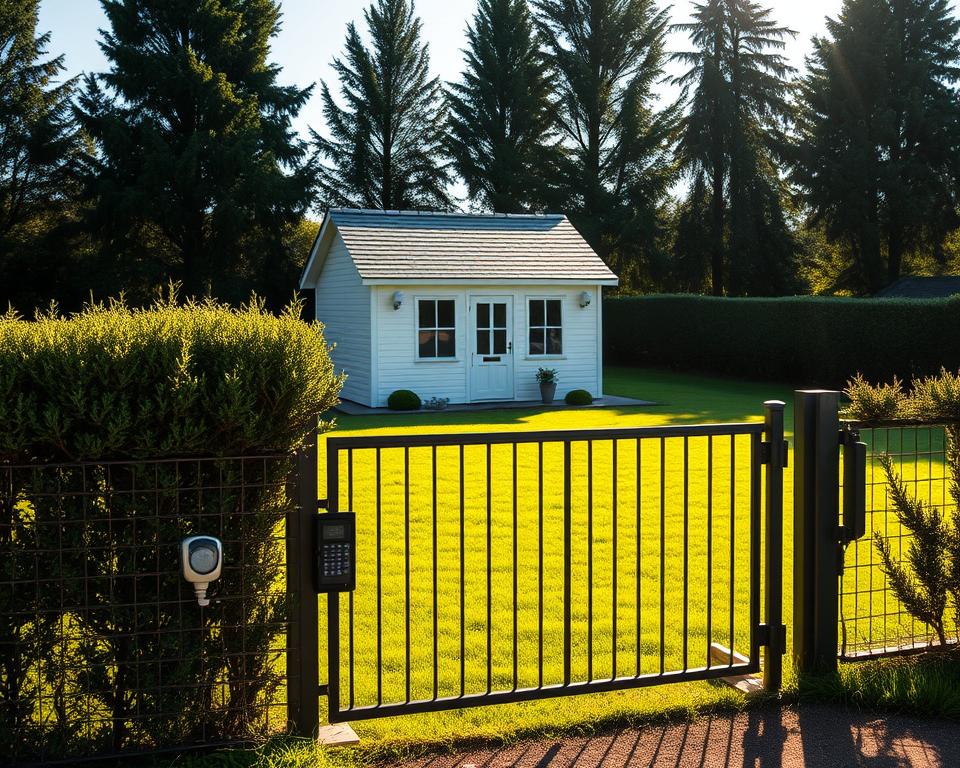
Locks and Physical Security Features
One of the primary security measures for summerhouses is the installation of robust locks and physical security features. This includes:
- High-quality locks on doors and windows
- Secure locking mechanisms that meet British Standards
Window and Door Security Standards
Windows and doors are the most vulnerable points of entry for any building, including summerhouses. Ensuring they meet security standards is crucial.
- Windows should be fitted with secure locks, preferably those that conform to British Standards.
- Doors should be solid and equipped with approved lock types, such as mortice locks or deadlocks.
Approved Lock Types
Insurance providers often specify the types of locks that are acceptable. Typically, these include:
- Mortice locks
- Deadlocks
- Other locks that meet the insurer’s security standards
Alarm Systems and Monitoring Options
An effective alarm system can significantly enhance the security of your summerhouse. Many insurers recommend or require:
- Intruder alarm systems that are monitored
- Systems that alert you and/or the authorities in case of a breach
Documentation Needed for Security Compliance
To comply with security requirements, you’ll need to provide documentation to your insurer. This may include:
- Proof of lock installation
- Alarm system certification
- Regular maintenance records for security equipment
By understanding and implementing these security measures, you can ensure that your summerhouse is well-protected and meets the necessary insurance requirements.
Seasonal Considerations for Summerhouse Insurance
Seasonal variations can significantly impact your summerhouse, affecting your insurance requirements. As a summerhouse owner, it’s essential to understand how different seasons can influence your insurance needs.
Winter Protection Requirements
During winter, your summerhouse is exposed to harsh weather conditions, including snow, ice, and strong winds. To protect your structure, consider the following:
- Weatherproofing measures to prevent water ingress and damage
- Heating and insulation implications to maintain a stable internal environment
Weatherproofing Measures
Ensuring your summerhouse is weatherproof involves checking for any gaps or weaknesses in the structure. Seal any cracks and consider applying a protective coating to the exterior.
Heating and Insulation Implications
Installing appropriate heating and ensuring adequate insulation can help prevent damage from freezing temperatures. This not only protects your summerhouse but can also impact your insurance premiums.
Summer Usage Implications
In the summer, your summerhouse is likely to be used more frequently, potentially increasing the value of contents and valuables stored within.
Increased Contents and Valuables
With more frequent use, you’ll need to consider whether your current contents insurance is sufficient. Make an inventory of your belongings and adjust your policy as necessary.
How to Choose the Right Summerhouse Insurance Provider
To ensure your summerhouse is adequately protected, it’s essential to choose an insurance provider that meets your specific needs. With numerous options available in the UK, comparing different insurers is a vital step.
Comparing UK Insurance Companies
When comparing insurance companies, it’s crucial to evaluate their offerings based on your summerhouse’s specific requirements. You should consider factors such as the type of coverage offered, policy limits, and any additional features that may be included.
Specialist vs General Insurers
Specialist insurers often have a deeper understanding of the unique risks associated with summerhouses. They may offer more tailored policies that better suit your needs. On the other hand, general insurers might provide more competitive pricing, but their policies may lack the specificity required for comprehensive summerhouse coverage.
Customer Reviews and Ratings
Customer reviews can provide valuable insights into an insurer’s reputation and service quality. Look for reviews that discuss the claims process, customer support, and overall satisfaction. This information can help you make a more informed decision when choosing an insurance provider.
Reading the Fine Print
It’s vital to read the policy documents carefully to understand what is covered and what is not. Pay particular attention to any exclusions, limitations, and conditions that may affect your coverage.
“Understanding the fine print of your insurance policy is crucial to avoiding unexpected surprises when making a claim.”
Customer Service Considerations
Good customer service can make a significant difference when dealing with insurance claims or queries. Look for insurers that offer multiple contact channels, such as phone, email, and online chat, and check their response times and availability.
By carefully evaluating these factors, you can select a summerhouse insurance provider that not only meets your coverage needs but also provides excellent customer service.
Common Exclusions in Summerhouse Insurance Policies
Understanding the common exclusions in summerhouse insurance is vital for ensuring you’re adequately covered. Summerhouse insurance policies, like any other insurance, come with specific terms and conditions that outline what is covered and, just as importantly, what is not.
Standard Policy Limitations
Most summerhouse insurance policies have standard limitations that you should be aware of. These can include:
- Gradual Deterioration: Damage that occurs over time due to wear and tear is typically not covered.
- Pest Damage: Infestations or damage caused by pests are often excluded from standard policies.
Gradual Deterioration and Wear and Tear
Gradual deterioration refers to the natural aging process of your summerhouse, including rot, decay, or damage from weather conditions over time. Insurers usually expect homeowners to maintain their properties to prevent such issues.
Pest Damage Exclusions
Pest damage, such as that caused by rodents, insects, or other animals, is commonly excluded. This highlights the importance of regular maintenance and pest control measures.
Activities That May Void Your Coverage
Certain activities or changes in the use of your summerhouse can void your insurance coverage. It’s crucial to understand these to avoid being caught out.
Unoccupied Property Clauses
Leaving your summerhouse unoccupied for extended periods can affect your insurance. Many policies have clauses that require you to notify the insurer if the property is going to be unoccupied for a certain period, typically 30 or 60 days. Failure to comply can result in your policy being invalidated or claims being rejected.

It’s essential to review your policy documents carefully and discuss any concerns with your insurer. By understanding what’s excluded from your summerhouse insurance, you can take steps to mitigate these risks, whether through maintenance, additional coverage options, or adjusting your policy terms.
Making a Claim on Your Summerhouse Insurance
Making a claim on your summerhouse insurance can seem daunting, but with the right information, it’s a straightforward process. When you need to make a claim, having the necessary documentation ready is crucial.
Documentation Required
To initiate the claims process, you’ll need to provide specific documents to your insurer. This includes:
- Photographic Evidence: Take clear photos of the damage or issue.
- Receipts and Valuations: Keep receipts for any repairs or replacements, and valuations for high-value items.
Photographic Evidence
Ensure that the photos are dated and show the extent of the damage from multiple angles.
Receipts and Valuations
Receipts should be detailed, showing the cost of repairs or replacements. Valuations should be from reputable sources.
The Claims Process Explained
Once you’ve gathered the necessary documentation, contact your insurance provider to start the claims process. They will guide you through their specific requirements and procedures.
It’s essential to be thorough and provide all requested information to avoid delays.
Dispute Resolution Options
If your claim is disputed or rejected, you have several options for resolving the issue. You can appeal the decision through the insurer’s internal complaints process or seek external mediation through the Financial Ombudsman Service.
Understanding the claims process and having the right documentation can significantly reduce stress and help you resolve issues with your summerhouse insurance more efficiently.
Cost-Effective Maintenance to Reduce Insurance Premiums
Effective maintenance strategies can significantly lower your summerhouse insurance premiums. By taking proactive steps to maintain your summerhouse, you not only enhance its longevity but also reduce the risk of costly claims, which insurers view favourably.
Preventative Measures That Insurers Value
Insurers appreciate policyholders who take preventative measures to protect their properties. Two key areas of focus are regular structural inspections and damp prevention techniques.
Regular Structural Inspections
Conducting regular inspections helps identify potential issues before they become major problems. Check for signs of wear and tear, such as cracks in walls, rotting wood, or damaged roofing tiles. Addressing these issues promptly can prevent more extensive damage.
Damp Prevention Techniques
Dampness can lead to significant damage and costly repairs. To prevent this, ensure your summerhouse has adequate ventilation, and consider applying a damp-proofing treatment if necessary. Regularly inspect areas prone to damp, such as under flooring and around windows.

Seasonal Maintenance Schedule
Adopting a seasonal maintenance schedule can help keep your summerhouse in good condition throughout the year. Focus on different tasks during spring and autumn to prepare your summerhouse for the changing seasons.
Spring and Autumn Checklists
In the spring, inspect your summerhouse for damage caused by winter weather, clear away debris, and perform any necessary repairs. In the autumn, clean gutters, check roofing for damaged or missing tiles, and ensure that the structure is secure before the onset of winter.
By following these maintenance tips and adopting a proactive approach, you can not only reduce your insurance premiums but also enjoy a safe and secure summerhouse for years to come.
Using Your Summerhouse Commercially: Insurance Implications
If you’re considering using your summerhouse for commercial purposes, it’s essential to understand the insurance implications. Using your summerhouse for business can expose you to different risks and potentially void your standard insurance policy if not disclosed.
Business Use vs Personal Use
The distinction between business and personal use is crucial. When you use your summerhouse for commercial activities, such as running a home office or renting it out, your insurance needs change significantly.
Home Office Considerations
Operating a home office from your summerhouse may require additional coverage for business equipment and liability. You should check with your insurer to see if your current policy covers business-related activities.
Rental and Guest Accommodation
If you’re renting out your summerhouse, you’ll need to consider insurance that covers guest-related risks. This might include public liability insurance to protect against accidents or injuries to guests.
Additional Coverage Requirements
Commercial use of your summerhouse often necessitates additional insurance coverage. Public Liability Insurance is particularly important if you’re hosting guests or clients, as it protects you against claims for damages or injuries.
Public Liability Insurance
Public liability insurance can provide financial protection if a visitor is injured or their property is damaged while on your premises. It’s a critical consideration for any commercial use of your summerhouse.

Legal Requirements and Building Regulations for Insured Summerhouses
To ensure your summerhouse is properly insured, you need to be aware of the legal and building regulations in the UK. These regulations can significantly impact your insurance coverage and premiums.
Planning Permission Considerations
Before constructing or insuring a summerhouse, it’s essential to understand the planning permission requirements. These can vary based on the size, location, and intended use of your summerhouse.
Size and Height Restrictions
The size and height of your summerhouse can affect whether you need planning permission. Generally, summerhouses under a certain size (typically less than 15 square meters) and height (usually not exceeding 2.5 meters) are exempt from needing permission, but this can vary depending on local regulations.
Conservation Area Rules
If your property is located in a conservation area, there may be stricter regulations regarding the construction and alteration of buildings, including summerhouses. These rules are in place to preserve the character of the area.
Building Standards That Affect Insurance
Adhering to building standards is not only crucial for safety but also for insurance purposes. Certain standards can reduce the risk associated with your summerhouse, potentially lowering your insurance premiums.
Electrical Safety Certificates
If your summerhouse has electrical installations, obtaining an Electrical Safety Certificate can be a requirement for insurance. This certificate ensures that the electrical systems are safe and compliant with UK standards.
Fire Safety Compliance
For summerhouses used commercially or as habitable dwellings, fire safety compliance is critical. This may involve installing smoke alarms, having appropriate fire extinguishers, and ensuring that escape routes are clear.
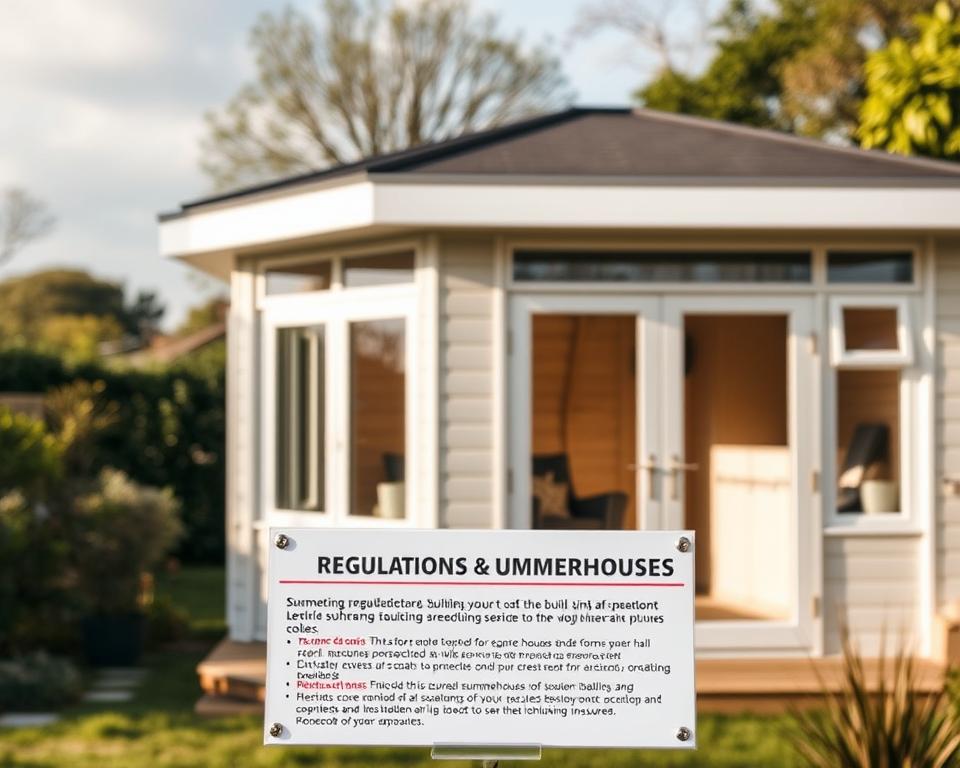
Understanding and complying with these legal requirements and building regulations is vital for ensuring your summerhouse is properly insured. Non-compliance can lead to invalidated insurance or increased premiums.
Conclusion: Securing the Right Insurance for Your Summerhouse
Securing the right insurance for your summerhouse is crucial to protect your investment against various risks. As discussed, summerhouse insurance differs significantly from standard home insurance, and understanding these differences is key to making informed decisions.
When considering summerhouse insurance, you must assess the type of policy that best suits your needs, whether it’s buildings insurance, contents insurance, or a combined policy. Factors such as construction materials, security measures, and location play a significant role in determining your insurance premium.
By carefully evaluating these factors and choosing a reputable insurance provider, you can ensure that your summerhouse is adequately protected. This not only provides financial security but also gives you peace of mind, allowing you to enjoy your summerhouse without undue worry.
Ultimately, securing insurance for your summerhouse is a vital step in safeguarding your property. Take the time to review your options, consider your needs, and select the right insurance coverage to protect your valuable investment.
FAQ
What is the purpose of summerhouse insurance?
Summerhouse insurance is designed to protect your garden building against various risks, including weather damage, theft, and vandalism, providing financial protection for your outdoor investment.
How does summerhouse insurance differ from standard home insurance?
Summerhouse insurance differs from standard home insurance as it is specifically tailored to cover the unique risks associated with garden buildings, such as weather-related damage and theft of fixtures and fittings.
What factors affect the cost of summerhouse insurance premiums?
The cost of summerhouse insurance premiums can be affected by various factors, including the construction materials used, security measures in place, and the location of the summerhouse, including flood risk and local crime statistics.
What security features are typically required by insurers for summerhouses?
Insurers may require certain security features, such as approved locks and alarm systems, to be installed in the summerhouse to minimise the risk of theft and vandalism.
How can I reduce my summerhouse insurance premiums?
You can reduce your summerhouse insurance premiums by implementing cost-effective maintenance strategies, such as regular structural inspections and damp prevention, and by installing security features that meet the insurer’s requirements.
What are the implications of using my summerhouse commercially?
Using your summerhouse commercially, such as renting it out or running a home office, may require additional insurance coverage, including public liability insurance, to protect against potential risks and liabilities.
Are there any specific building regulations or legal requirements that affect summerhouse insurance?
Yes, there are specific building regulations and legal requirements, such as planning permission and electrical safety certificates, that can impact summerhouse insurance, and it is essential to comply with these regulations to ensure valid insurance coverage.
How do I make a claim on my summerhouse insurance policy?
To make a claim on your summerhouse insurance policy, you will typically need to provide documentation, including photographic evidence and receipts, and follow the insurer’s claims process, which may involve dispute resolution options.
Can I insure my summerhouse against accidental damage?
Yes, you can insure your summerhouse against accidental damage by opting for additional coverage, which may be available as an optional extra with your insurance policy.
How often should I maintain my summerhouse to reduce insurance premiums?
Regular maintenance, including seasonal checks, can help reduce insurance premiums by minimising the risk of damage or deterioration, and it is recommended to follow a maintenance schedule, including spring and autumn checklists.