Tips on how To prevent your summerhouse from rotting
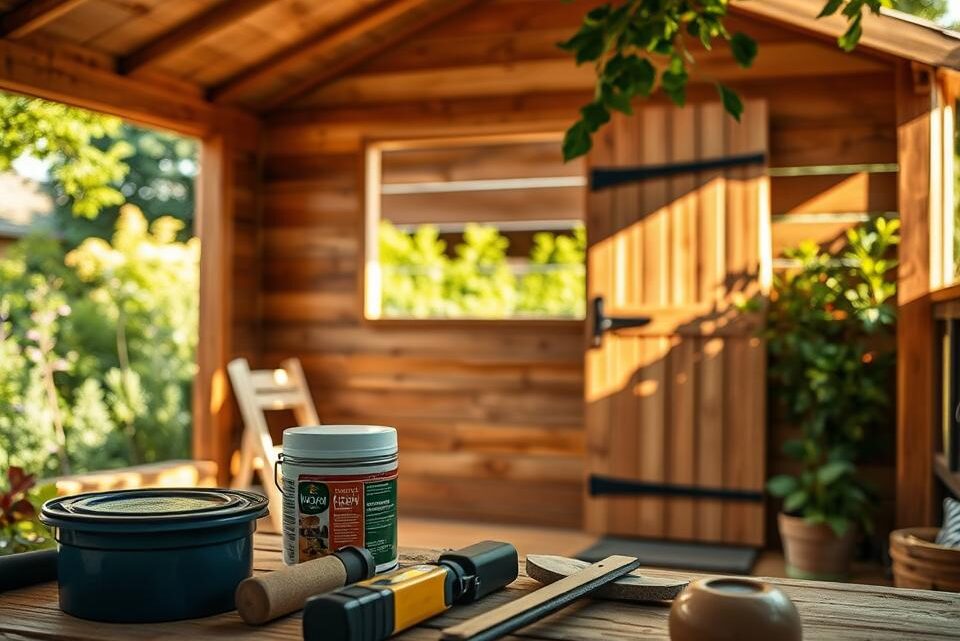
A summerhouse can be a wonderful addition to any garden, providing a tranquil retreat for relaxation and entertainment. However, wooden structures are susceptible to rot and decay, particularly in the UK climate, where moisture levels can be high.
Rot is the decomposition of organic matter caused by fungi that feed on water and timber, gradually breaking down the wood. Signs of rot include a soft and flaky surface. If left untreated, rot can significantly damage the structure, potentially leading to costly repairs or even complete replacement.
Proper maintenance is crucial to guarantee the longevity of your summerhouse. By taking preventative measures, you can extend the lifespan of your wooden structure by many years. This comprehensive guide will cover everything from understanding rot to implementing effective prevention strategies, helping you protect your investment and maintain your summerhouse’s functionality and aesthetic appeal.
Inhaltsverzeichnis
Key Takeaways
- Regular maintenance is essential to prevent rot and decay in wooden summerhouses.
- Moisture is a primary factor contributing to rot, so managing moisture levels is crucial.
- Inspecting your summerhouse regularly can help identify signs of rot early on.
- Using protective treatments can enhance the durability of the wood.
- Proper installation and construction techniques can also contribute to the longevity of your summerhouse.
Understanding Rot and Its Impact on Summerhouses
Rot is a significant threat to the longevity of wooden summerhouses, causing irreversible damage if left unchecked. It is essential to comprehend the nature of rot and its effects on wooden structures to take preventive measures.
What Is Rot and How Does It Develop?
Rot is the decomposition of organic matter, specifically wood, caused by fungi that feed on both water and timber. This process breaks down wood fibers over time, weakening the structure of the shed. The presence of moisture is crucial for rot to develop, as it enables fungi to thrive.
Identifying Different Types of Rot
There are primarily two types of rot: dry rot (also known as brown rot) and wet rot. Dry rot appears dry but develops in moist conditions, causing the wood to darken and become brittle. Wet rot, on the other hand, occurs in consistently damp environments, leading to a soft and flaky surface. Understanding these types is crucial for identifying and addressing rot effectively.
The Perfect Conditions for Rot Development
Understanding the ideal conditions for rot development is crucial for preventing damage to garden structures. Rot needs very specific conditions to occur, and unfortunately, the UK weather provides the perfect storm for rot to culture.
The Role of Moisture and Humidity
Moisture plays a critical role in rot formation. Water infiltrates wood, distorting its natural form and creating an ideal environment for fungal growth. Humidity levels over 20% promote fungal growth, and in the UK, ambient humidity is typically between 40% and 60%, making it a significant challenge.
Temperature Factors
Fungi thrive in temperatures between 3°C and 30°C. The UK’s temperate climate provides these conditions for much of the year, making it an ideal environment for rot development. If it’s too chilly, fungi become dormant, and temperatures above 40°C kill them altogether.
The UK Climate Challenge
The combination of rainfall, humidity, and temperature in the UK creates “the perfect storm” for rot development. Winter rainfall and condensation create persistent moisture problems for summerhouses. The changing weather patterns throughout the year affect the risk levels for rot formation, making year-round prevention essential.
- High rainfall and consistent moisture levels contribute to rot development.
- Ambient humidity in the UK is typically between 40% and 60%, promoting fungal growth.
- The UK’s temperate climate enables fungi to thrive for much of the year.
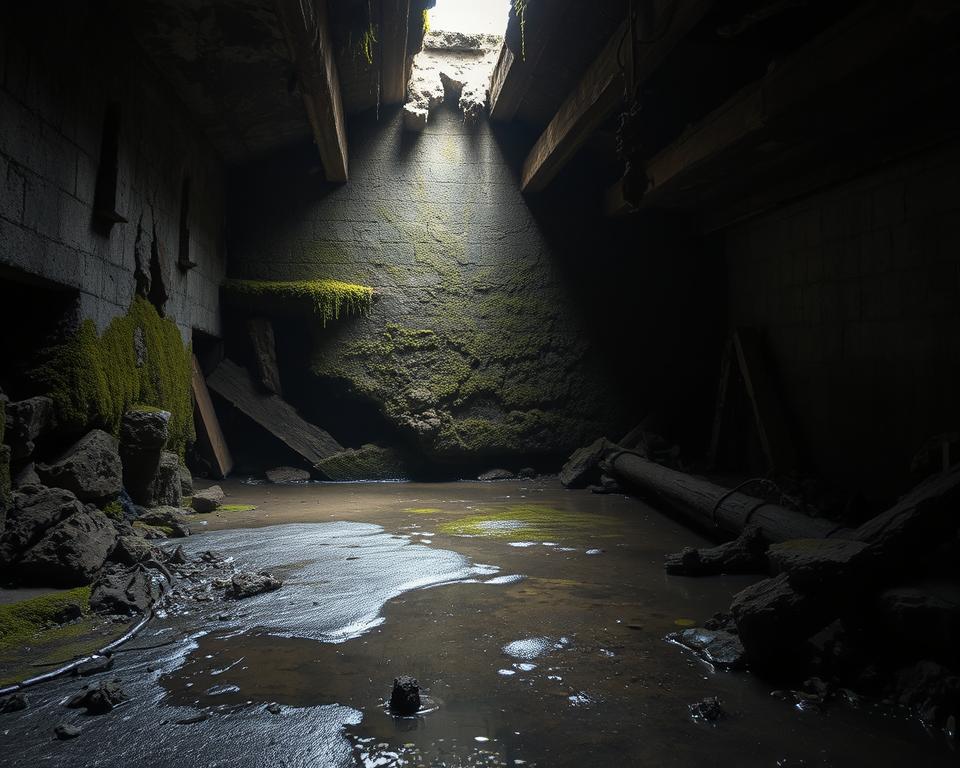
Essential Tips on How To Prevent Your Summerhouse from Rotting
Ensuring your summerhouse remains rot-free involves a combination of good location choices, proper installation, and regular upkeep. By following these essential tips, you can significantly extend the lifespan of your summerhouse.
Choosing the Right Location
Position your shed where sunlight can reach most of its walls easily. Sunlight helps dry out the structure after rainfall and kills surface bacteria. Avoid positioning your shed at the bottom of a slope to prevent water from running down towards it and seeping into the natural wood.
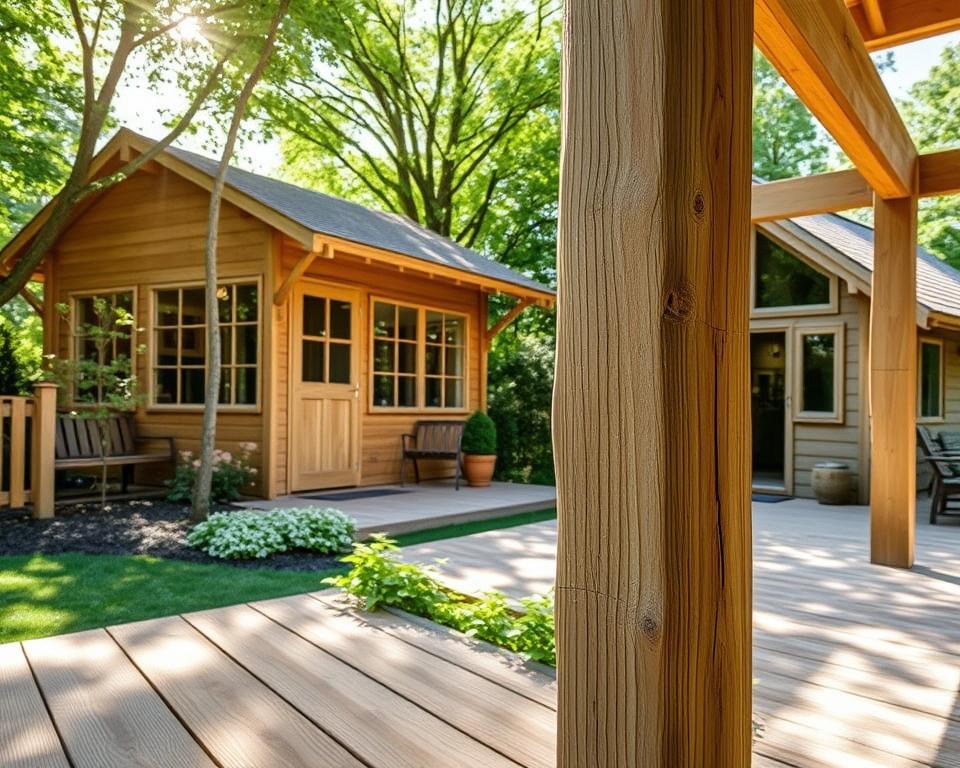
Proper Installation Techniques
Choosing a durable flooring material, such as pressure-treated plywood, and installing a proper foundation are crucial. Redirecting water away from the shed and maintaining proper ventilation are also essential steps to prevent rot.
Regular Maintenance Practices
Regularly inspect your summerhouse for early signs of moisture problems or rot formation. Keep the floor dry and avoid moisture-producing activities. Implementing a maintenance schedule ensures consistent care of the wooden structure throughout the year, making it more cost-effective than dealing with rot after it has developed.
Creating a Solid Foundation
To prevent rot and damage, a well-constructed foundation is essential. A good foundation ensures that your summerhouse remains sturdy and secure, protecting it from the elements and prolonging its lifespan.
Raising Your Summerhouse Off the Ground
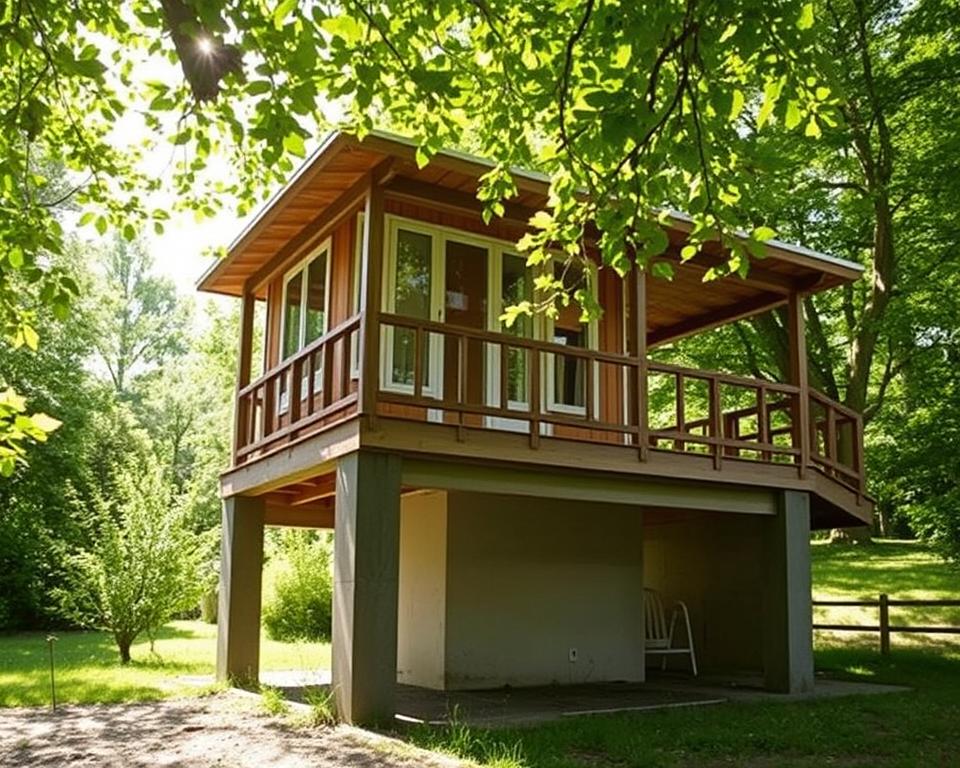
Raising your summerhouse off the ground is crucial to prevent rot. By creating a barrier between the wood and the ground moisture, you significantly reduce the risk of rot developing. This simple step can make a substantial difference in the longevity of your shed.
Foundation Material Options
Choosing the right foundation material is vital. Options include concrete, treated wooden bases like the Eze Breeze base, and plastic bases such as the EcoBase FastFit. For older sheds, keeping the perimeter clear can help prevent rot, while new sheds can benefit from paving slabs on compacted sand or gravel. A gravel foundation allows water to seep into the ground, reducing the risk of rot.
Effective Wood Treatment Strategies
To prevent rot and damage, it’s essential to implement effective wood treatment strategies for your shed. Wood treatment is a critical process that helps maintain the integrity of your summerhouse. There are several methods to achieve this, including pressure treatment and DIY treatment methods.
Pressure Treatment Benefits
Pressure treatment involves permeating wood within a vacuum-sealed tank, thwarting fungus and mould at the timber’s core. This process provides long-lasting protection against rot and decay. By choosing pressure-treated timber for your summerhouse construction, you can ensure a worthwhile investment.
DIY Treatment Methods
For existing structures, annual at-home shed wood treatment is advisable. Use a water-repellent sealant and apply it at least every 1-2 years. You can choose between a powerful solvent preservative or a water-based preservative for an eco-friendly finish.
Recommended Treatment Schedule
The frequency of wood treatment depends on exposure levels, climate conditions, and the age of the summerhouse. As a general rule, apply a high-quality shed treatment or wood preservative yearly to maintain the protective coating.
Optimising Ventilation and Moisture Control
To prevent rot, it’s essential to optimise ventilation and control moisture within your summerhouse. Proper ventilation helps to reduce the risk of moisture buildup, which can lead to rot and mold.
Installing Proper Ventilation Systems
Installing vents in the roof or walls of your shed can significantly improve airflow, allowing damp air to escape and preventing moisture buildup. This can be achieved by fitting roof vents, wall vents, or soffit vents.
Managing Internal Humidity
Managing internal humidity levels is crucial for preventing condensation on wooden surfaces. Using a dehumidifier can help to rid your shed of damp air quickly, especially during periods of high humidity.
Storage Practices to Prevent Moisture Buildup
Storing items on shelves or pallets can help to keep them off the floor and reduce the risk of moisture buildup. It’s also advisable to avoid activities that produce moisture inside your shed, such as washing or cleaning.
| Ventilation Method | Benefits |
|---|---|
| Roof Vents | Allow hot air to escape, reducing moisture buildup |
| Wall Vents | Improve airflow, reducing the risk of rot and mold |
| Soffit Vents | Enhance airflow under the roof, preventing moisture accumulation |

Conclusion: Protecting Your Investment
To enjoy your summerhouse for years to come, it’s essential to prevent rot. A comprehensive approach, including proper foundation, treatment, ventilation, and maintenance, is crucial. By implementing these measures, you can significantly extend the lifespan of your wooden garden structure.
Regular inspections of all parts, including the roof, windows, and vents, will help identify potential issues early. Even small preventative measures can make a significant difference, saving you from costly repairs or replacements down the line.
By following the advice in this guide, you can protect your investment and enjoy a rot-free summerhouse space for many years. Make sure to develop a personalised maintenance schedule based on your garden’s specific conditions to keep your summerhouse in optimal condition.
FAQ
What are the most common causes of rot in summerhouses?
The most common causes of rot in summerhouses are excessive moisture, poor ventilation, and inadequate maintenance. High humidity and rainfall can contribute to the development of rot, particularly if the summerhouse is not properly treated or maintained.
How often should I inspect my summerhouse for signs of rot?
It is recommended to inspect your summerhouse at least twice a year, in the spring and autumn, to check for signs of rot, damp, or damage. Regular inspections can help identify issues early, reducing the risk of costly repairs.
What are the benefits of using a preservative-treated wood for my summerhouse?
Using preservative-treated wood can significantly extend the lifespan of your summerhouse by protecting it against rot, insect damage, and other forms of decay. Preservative treatment can help prevent the growth of mould and mildew, reducing the risk of health issues.
Can I use a summerhouse with a damaged or rotten roof?
It is not recommended to use a summerhouse with a damaged or rotten roof, as it can pose a safety risk and allow water to enter the structure, causing further damage. Repairs should be carried out promptly to prevent additional issues.
How can I improve ventilation in my summerhouse?
Improving ventilation in your summerhouse can be achieved by installing vents or windows that allow air to circulate. Ensuring that the summerhouse is not overcrowded and that items are stored in a way that allows air to circulate around them can also help to reduce moisture buildup.
What is the best way to clean and maintain my summerhouse?
Regular cleaning and maintenance are essential to extend the lifespan of your summerhouse. Use a soft brush to remove debris, and avoid using harsh chemicals that can damage the wood or other materials. Regularly inspect the summerhouse for signs of damage or wear, and carry out repairs promptly.
Can I build a summerhouse on a damp or uneven site?
It is not recommended to build a summerhouse on a damp or uneven site, as it can increase the risk of rot and other forms of damage. Ensuring that the site is level and well-drained can help to prevent issues and extend the lifespan of the summerhouse.