
Why Gardening Is Good for You: Benefits for Mind and Body
Cultivating a garden offers a surprisingly powerful path to better health. This activity engages both body and mind, providing a holistic approach to personal wellbeing. For decades, organisations like the Thrive charity have championed its therapeutic value.
Research consistently shows that time spent gardening brings diverse advantages. A Thrive survey of 317 people in table-top sessions found a significant result. 80% reported an improvement in their mental health.
Many individuals find a unique sense of calm and satisfaction in their garden. Testimonials frequently highlight an unprecedented feeling of contentment. The benefits are not one-size-fits-all; each person experiences them differently.
This exploration will detail five key areas where gardening makes a positive impact. These include physical fitness, psychological wellbeing, social connections, continuous learning, and immersion in nature. Supported by evidence, it reveals an accessible wellness practice.
Inhaltsverzeichnis
Key Takeaways
- Gardening is a multifaceted activity that promotes both physical and mental wellness.
- Decades of research, including work by Thrive, supports its health advantages.
- A significant majority of participants in gardening programmes report improved mental health.
- Many gardeners experience a profound sense of calm and improved wellbeing.
- The benefits are personal and can vary from one individual to another.
- This article explores five core categories of gardening’s positive effects.
Exploring the Benefits of Gardening for Mind and Body
Engaging with soil and plants provides measurable advantages for human wellness. This activity offers comprehensive health benefits that span multiple dimensions of personal wellbeing.
Understanding the Overall Impact on Wellbeing
The Royal College of Physicians collated significant research demonstrating how regular gardening could reduce pressure on NHS services. This highlights the substantial public health implications of promoting horticultural activities.
A substantial body of evidence confirms that time in green environments reduces stress and enhances wellness. The 2016 proposal advocating for garden integration into NHS England’s programmes illustrates growing medical recognition.
Scientific Research and Expert Insights
University College London research revealed that every minute of light gardening activity helps cut early death risk. Thirty minutes daily reduces this risk by 17%.
Expert insights from neuroscientists and healthcare professionals converge in supporting gardening as a multifaceted wellness intervention. These benefits extend beyond individual health to impact broader community wellbeing.
This scientific foundation validates how people experience measurable improvements through regular participation. The evidence supports gardening as a legitimate health-promoting activity with far-reaching implications.
Why Gardening Is Good for You: A Closer Look at Physical Health
The physical dimension of cultivating green spaces contributes substantially to personal fitness. Regular horticultural work provides comprehensive exercise benefits that support overall health.
Exercise and Calorie-Burning Activities
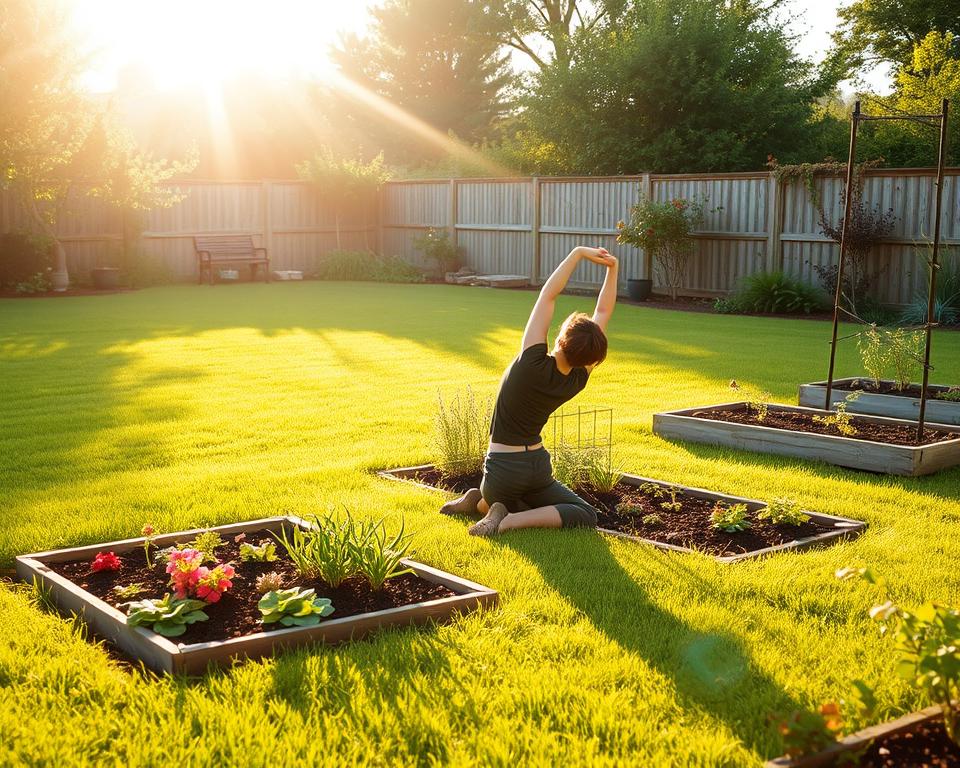
Tasks like digging, raking, and mowing serve as effective calorie-burning activity. These movements help meet the Department for Health’s recommendation of 150 minutes of light aerobic exercise each week.
Intensive gardening can burn approximately 300-400 calories per hour. This makes it an accessible way to maintain physical activity levels throughout the week.
| Gardening Activity | Calories Burned per Hour | Muscle Groups Engaged |
|---|---|---|
| Digging | 400 calories | Arms, back, legs |
| Mowing | 350 calories | Core, shoulders, legs |
| Raking | 300 calories | Back, arms, core |
| Weeding | 250 calories | Hands, wrists, back |
Enhancing Flexibility and Strength
Different gardening tasks improve flexibility and build muscle strength. Bending, stretching, and lifting engage multiple muscle groups.
Research shows that regular gardeners have better balance than non-gardeners. They experience 30% fewer falls according to American studies.
Outdoor time in the garden also increases vitamin D levels. This supports calcium absorption for stronger bones.
Mental Wellbeing: Gardening as a Stress Buster
Numerous studies reveal that time spent among greenery significantly impacts cognitive and emotional health. This natural approach to mental wellbeing offers accessible benefits for people of all ages.
Reducing Stress and Promoting Relaxation
Scientific research demonstrates concrete stress reduction through horticultural activities. A Dutch study compared gardening with reading, finding both lowered cortisol levels. However, the decrease was substantially greater among those working with plants.

Japanese research from 1990 showed that simply viewing plants reduces multiple stress indicators. These include fear, anger, sadness, blood pressure, and muscle tension. The charity MIND confirms that short walks in garden spaces can improve mental health.
The Role of Green Spaces on Brain Health
Neurological research reveals how green spaces influence brain function. Dr John Butcher’s work shows participation in gardening changes brain activity patterns and lowers blood pressure.
Biodiverse habitats associate with lower depression, anxiety, and stress levels. The Contemplative Landscape Model identifies specific features that increase frontal alpha and theta brain wave activity. This indicates heightened mindfulness and relaxation.
| Garden Activity | Mental Health Benefit | Research Evidence |
|---|---|---|
| Viewing Plants | Reduces stress indicators | Japanese study (1990) |
| Active Gardening | Lowers cortisol significantly | Dutch research |
| Garden Walks | Improves overall mood | MIND charity findings |
| Passive Viewing | Changes brain activity | Olszewska-Guizzo et al. (2022) |
These activities support mental wellbeing through multiple pathways. They build confidence, boost mood, and create calm. Even brief exposure to nature provides measurable benefits for mental health.
Community Connection Through Gardening
Horticultural activities often create strong social networks. These networks transform a personal hobby into a shared experience. The community aspect is a powerful element of this practice.

Charity Thrive observes how gardening together helps people feel connected. Participants in their Social and Therapeutic Horticulture programmes report increased confidence. They also experience reduced feelings of loneliness.
Building Social Bonds and Sharing Knowledge
Nick, a client gardener at Thrive, shares his experience. “There is a huge community here… I’ve made very good friends here.” His story highlights the personal connections formed.
Looking after a garden can be a solo activity. Yet there are many ways to connect with others. Swapping plants and advice with neighbours is a common part of the culture.
Teaming up on bigger tasks or joining local clubs also fosters friendships. The RHS maintains a directory of gardening groups across the UK. This provides easy access to organised activities.
Community gardens and allotments offer access for those without private space. They ensure these social benefits reach more people. This inclusivity strengthens neighbourhood ties.
| Activity | Social Benefit | Evidence |
|---|---|---|
| Community Gardening | Improved nutrition | 2008 US Study |
| Plant Swapping | Neighbour bonding | Common Practice |
| Club Participation | Wider social circle | RHS Directory |
| Therapeutic Programmes | Reduced loneliness | Thrive Reports |
Dr John Butcher notes that people are happy in gardens. They love to talk about gardening and share knowledge. This social aspect is a fundamental part of overall wellbeing.
These connections show how horticulture builds a strong community. It brings people together in a positive way. Making friends through a shared interest is gardening good for everyone.
Lifelong Learning and Personal Growth in the Garden
Horticulture offers a unique pathway to continuous personal development through hands-on learning. This aligns with the Five Ways to Wellbeing framework, where ongoing education represents a core component for mental wellness.

Acquiring New Skills and Techniques
Gardening blogger Nikki describes her transformative experience. “Turning an area of the garden into a mini allotment… turned out to be the best thing I ever did. It gave me confidence and helped me learn about plants.”
The activity serves as a constant voyage of discovery. Individuals develop practical skills in plant care, propagation methods, and ecological relationships. Each season brings new learning opportunities.
Research shows significant cognitive benefits gardening provides. Senior individuals who garden have higher levels of brain growth factors linked to memory function. This demonstrates the neuroprotective value of horticultural activities.
Growing food at home teaches valuable skills while improving dietary habits. Evidence indicates better eating patterns and reduced diabetes risk among those cultivating their own produce.
Even small spaces like balconies support meaningful learning experiences. They accommodate diverse plants and attract wildlife for observation. The natural rhythm of seasons creates a sense of purpose and contentment throughout life.
Conclusion
The healing power of garden environments has been recognized throughout history, with modern research now validating these ancient understandings. Colonel Harry Clive’s creation of the Dorothy Clive Garden in 1940 for his wife’s Parkinson’s symptoms demonstrated early awareness of gardening‘s therapeutic effects.
Contemporary study evidence reveals how this activity supports health across conditions. Research shows it can delay dementia symptoms in patients and improve cognition in those with Alzheimer’s. Neuroscientific research finds older adults who garden regularly maintain more white matter in their brains.
Dr John Butcher, a neuroscience expert, advocates making gardens part of NHS programmes based on substantial evidence. The benefits are accessible to all people, whether through private spaces, community gardens, or small home plots.
This convergence of historical wisdom, clinical findings, and expert opinion makes a compelling case for incorporating time in the garden into regular wellness routines. Even modest engagement offers meaningful advantages for both physical and mental wellbeing.
FAQ
How can gardening improve a person’s mental health?
Gardening offers a powerful way to reduce stress and anxiety. The activity provides a calming focus, pulling attention away from daily pressures. Studies show that time spent amongst plants can lower cortisol levels, a key stress hormone. This contributes significantly to improved mental wellbeing.
What are the main physical health benefits of this activity?
The physical advantages are substantial. Gardening involves various forms of exercise, from digging to weeding, which can burn calories and improve cardiovascular health. It also enhances flexibility and builds strength, particularly in the hands and core muscles.
Can gardening really help people with conditions like depression or dementia?
Research indicates that gardening can have positive effects for patients managing depression or dementia. The combination of gentle physical activity, sensory stimulation, and a connection to nature can improve mood and provide a sense of purpose. For those with dementia, it can help maintain cognitive skills and reduce agitation.
How does access to green spaces benefit brain function?
Being in natural environments, like gardens, has a restorative effect on the brain. It can help reduce mental fatigue and improve concentration. This interaction with nature is a key part of why the activity supports overall brain health and cognitive function.
In what ways does gardening foster community connections?
Gardening often brings people together. Community gardens, in particular, create shared spaces where individuals can bond over a common interest. This social aspect allows for sharing knowledge, growing food, and building friendships, which enriches life and combats loneliness.
What new skills can one learn from spending time in the garden?
The garden is a place for lifelong learning. Individuals can acquire practical skills like plant propagation, composting, and organic pest control. It also teaches patience, planning, and an understanding of the natural environment, promoting continuous personal growth.

