Build your own pergola
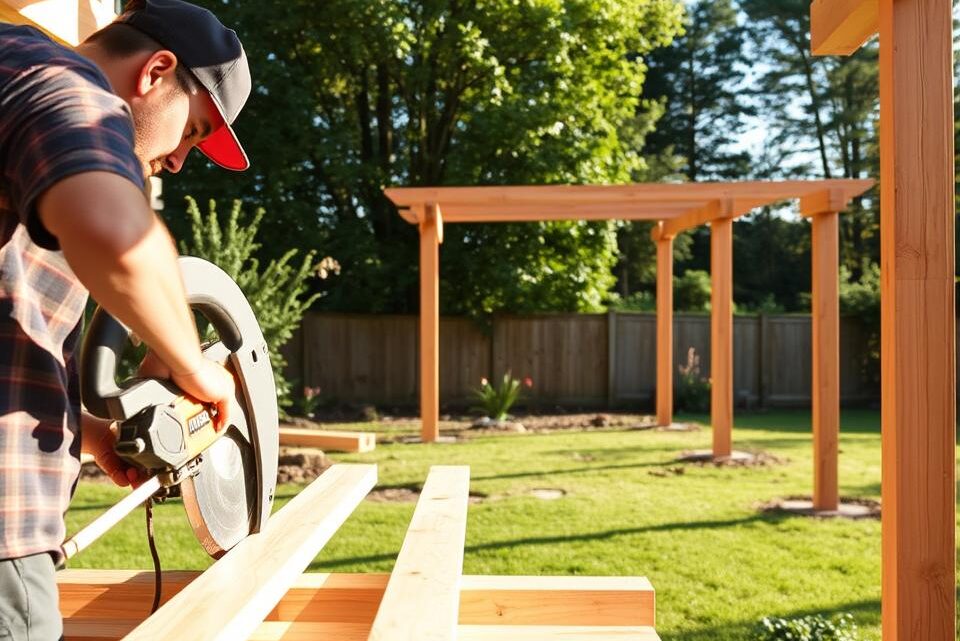
Transforming your outdoor area into a beautiful outdoor living space can be a rewarding DIY project. A pergola adds a touch of elegance and creates a perfect spot for relaxation or entertainment.
By following a step-by-step guide on DIY pergola construction, you can create a stunning structure that enhances your garden or backyard. This guide will walk you through the process, providing you with the necessary skills and confidence to complete the project.
Inhaltsverzeichnis
Key Takeaways
- Enhance your outdoor area with a DIY pergola
- Follow a step-by-step guide for successful construction
- Create a beautiful outdoor living space for relaxation or entertainment
- Develop your DIY skills with pergola construction
- Transform your garden or backyard into an oasis
Understanding Pergolas: What They Are and Why You Might Want One
Pergolas have been a popular garden feature for centuries, offering a unique blend of functionality and aesthetics. A pergola is essentially a garden structure consisting of columns or posts that support a roof or a framework of beams, often used to create a shaded walkway or a focal point in a garden.
Definition and History of Pergolas
The term ‘pergola’ originates from the Latin word ‘pergula,’ meaning ‘projecting eave.’ Historically, pergolas were used in ancient Roman and Italian Renaissance gardens as a support for climbing plants. Over time, they have evolved to become a staple in garden design worldwide, appreciated for their versatility and beauty.
Benefits of Adding a Pergola to Your Garden
Adding a pergola to your garden can have numerous benefits. Not only do they enhance the aesthetic appeal of your outdoor space, but they also provide functional advantages.
Increased Outdoor Living Space
A pergola can effectively extend your living area into the garden, creating a shaded area perfect for relaxation or entertainment. By incorporating climbing plants or a retractable canopy, you can further enhance the usability of the space.
Enhanced Property Value
A well-designed pergola can significantly increase your property’s value. Potential buyers often view garden structures like pergolas as desirable features, making your property more attractive in the real estate market.
In summary, pergolas are not just beautiful garden structures; they also offer practical benefits that can enhance your outdoor living experience and property value.
Planning Your Pergola Project
Before you start constructing your pergola, you need to plan it meticulously. A well-planned pergola not only enhances the aesthetic appeal of your garden but also ensures that the structure is functional and durable.
Determining the Perfect Location
Choosing the right location for your pergola is crucial. You should consider the purpose of the pergola – whether it’s to create a shaded area, define a garden path, or simply add visual interest. Consider the existing landscape and how the pergola will interact with other garden features.
Deciding on Size and Dimensions
The size and dimensions of your pergola will depend on the available space and its intended use. Measure your garden area carefully and decide on the scale of your pergola. Ensure that it is proportionate to the surrounding landscape.
Considering Sun Orientation and Shade Requirements
Understanding the sun’s orientation and the shade requirements in your garden is vital. This knowledge will help you decide on the pergola’s design and placement.
Tracking Sun Patterns in Your Garden
Observe the sun patterns in your garden throughout the day. Note the areas that receive full sun, partial shade, or full shade. This information will guide you in designing a pergola that complements the existing sunlight conditions. Consider using a sun chart or consulting with a garden expert if needed.
Design Options for Your Pergola
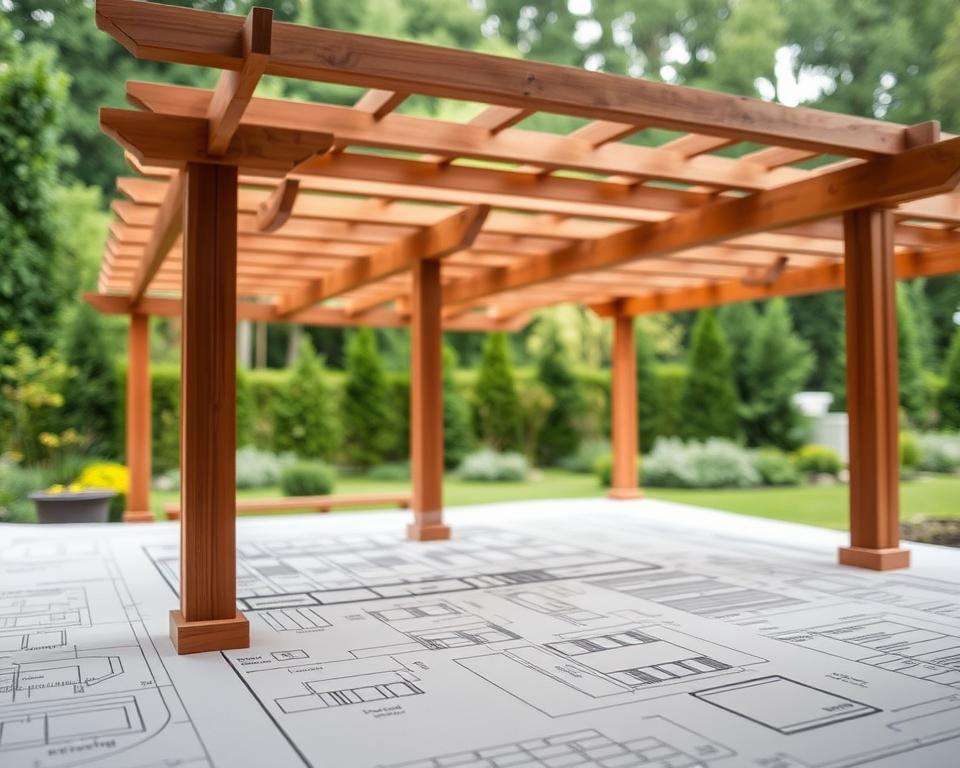
As you plan your pergola, you’ll need to decide on a design that complements your existing outdoor decor. “A well-designed pergola can transform your garden into a beautiful outdoor living space,” says gardening expert, Penelope Hobhouse. Your choices will significantly impact the overall aesthetic and functionality of your outdoor area.
Traditional vs Contemporary Styles
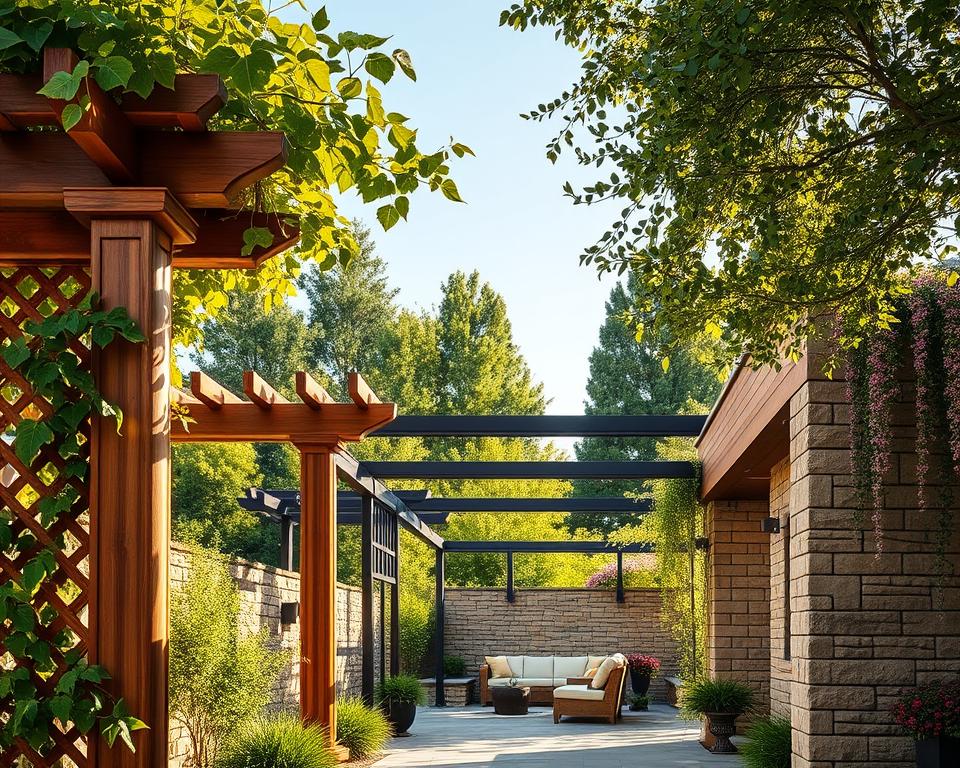
The style of your pergola is a crucial design decision. Traditional pergolas often feature classic designs with ornate details, while contemporary styles tend to be more minimalist and sleek. Consider your home’s architectural style and your personal preferences when making this decision.
Attached vs Freestanding Structures
You’ll also need to decide whether your pergola will be attached to your house or freestanding. Attached pergolas can provide a seamless transition between indoors and outdoors, while freestanding structures offer more flexibility in terms of placement. Consider factors like sunlight, wind direction, and views when making your decision.
Roofing and Coverage Options
The roofing and coverage options for your pergola are vital for both functionality and aesthetics. You can choose from a variety of materials and designs, including:
- Open-roof designs for partial shade
- Solid roofs for full coverage
- Retractable canopies for flexibility
Retractable Canopies and Shade Solutions
Retractable canopies offer a versatile solution for managing sunlight and shade. These can be adjusted according to the time of day and weather conditions, providing optimal comfort in your outdoor space. As landscape designer, Thaddeus Fischer, notes, “Retractable canopies are an excellent choice for pergolas, offering flexibility and protection from the elements.”
Obtaining Necessary Permissions
Understanding the permissions required for your pergola is crucial before you begin construction. In the UK, the rules regarding planning permission and building regulations can be complex.
UK Planning Permission Requirements
Generally, a pergola is considered a permitted development, but this can depend on its size and location. You should check with your local planning authority to confirm.
Building Regulations to Consider
While planning permission might not be required, building regulations may still apply, especially if your pergola is attached to your house or has electrical components.
Height and Boundary Restrictions
Ensure your pergola complies with height and boundary restrictions. The table below outlines key considerations:
| Restriction | Description | Typical Limit |
|---|---|---|
| Height | Maximum height of the pergola | 3-4 meters |
| Boundary | Distance from the boundary of your property | At least 1 meter |

Always verify the specific regulations with your local authority to avoid potential issues.
Selecting the Right Materials
When building a pergola, the choice of materials is crucial for both aesthetics and durability. You need to consider various factors including the climate in your area, the style of your garden, and the level of maintenance you’re willing to undertake.
Timber Options and Their Properties
Timber is a popular choice for pergolas due to its natural beauty and versatility. There are several types of timber to consider:
Pressure-Treated Softwoods
Pressure-treated softwoods are a cost-effective option. They are treated with preservatives to enhance their durability and resistance to rot and insect damage. It’s essential to choose timber that has been properly treated to ensure longevity.
Hardwood Alternatives
Hardwoods like oak and teak are renowned for their durability and attractive appearance. They are more expensive than softwoods but offer a longer lifespan with less maintenance.
Metal and Alternative Materials
Metal pergolas, often made from aluminium or steel, offer a modern alternative to timber. They are durable and require less maintenance. Other materials like vinyl and recycled plastic are also gaining popularity due to their low maintenance requirements and eco-friendly properties.
Durability and Weather Resistance Considerations
When selecting materials, it’s crucial to consider their durability and weather resistance. Look for materials that can withstand the local climate conditions. For instance, if you live in an area with high rainfall, materials that are resistant to rot and moisture damage are preferable.
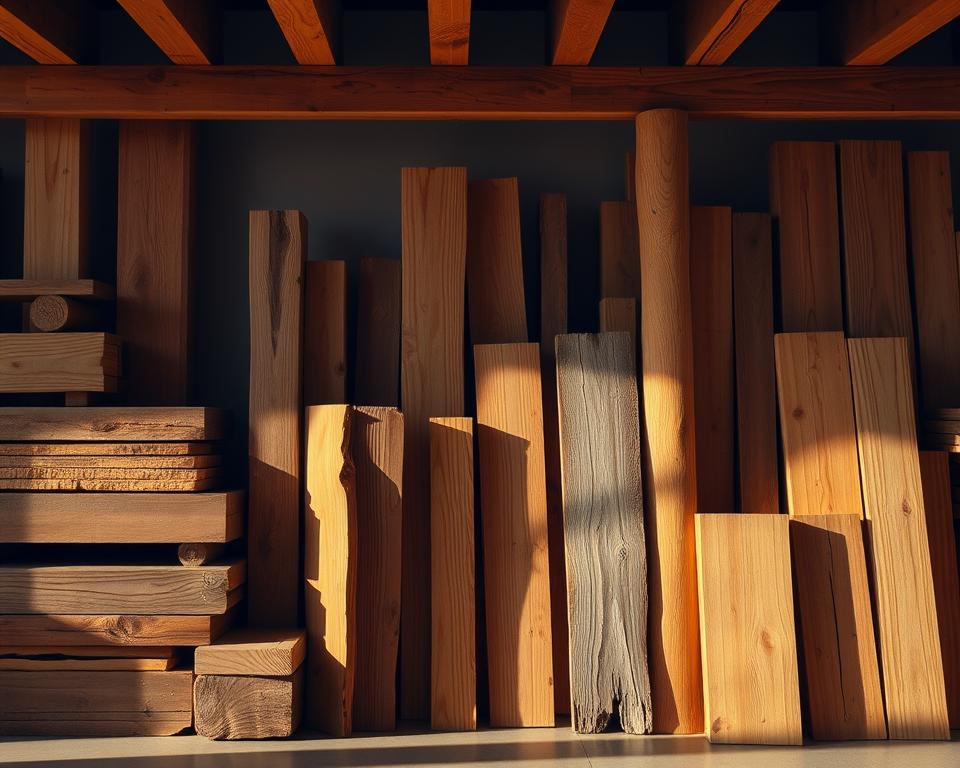
In conclusion, the choice of materials for your pergola should be guided by both aesthetic preferences and practical considerations like durability and weather resistance.
Essential Tools for Pergola Construction
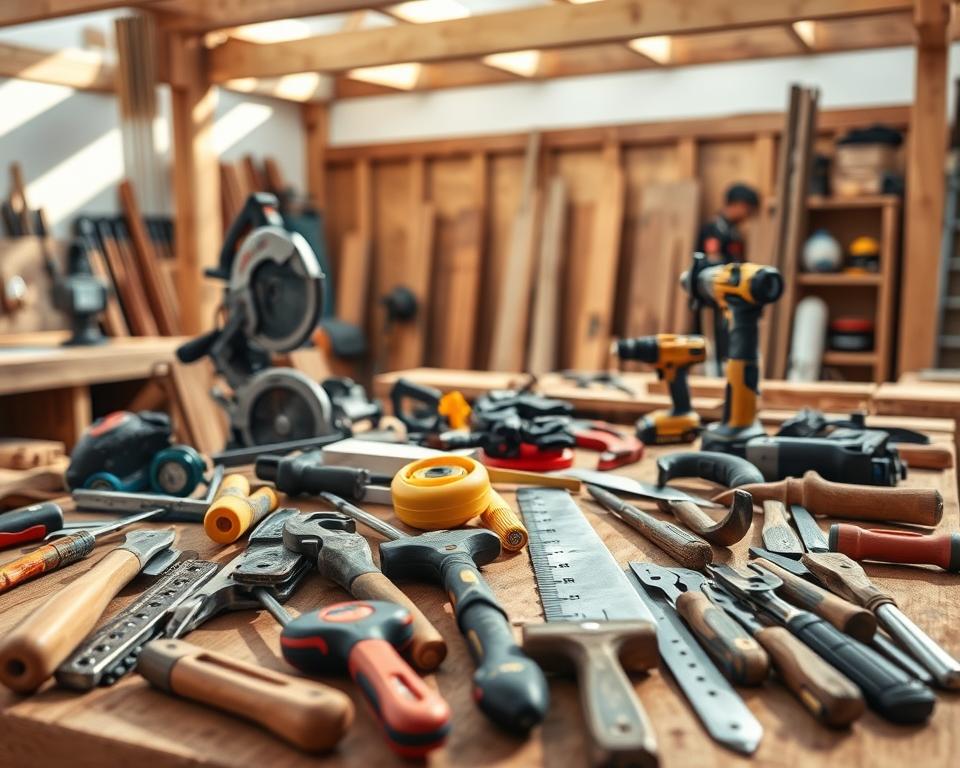
To build a pergola, you’ll need to assemble a toolkit that includes a mix of hand tools, power tools, and safety equipment. Having the right tools on hand will make the construction process more efficient and help ensure a high-quality finish.
Hand Tools You’ll Need
Hand tools are essential for various tasks during pergola construction. You’ll need a tape measure, square, and level to ensure accuracy. A hammer, chisel set, and hand saw are necessary for cutting and shaping wood. Additionally, a set of clamps will help hold pieces in place while gluing.
Power Tools That Will Make the Job Easier
Power tools significantly speed up the construction process. A circular saw is ideal for making straight cuts in lumber, while a drill press is perfect for precise drilling. A jigsaw or bandsaw can be used for curved cuts, and a router can add decorative edges to your pergola’s beams.
Safety Equipment Requirements
Safety should be a top priority when working with power tools and building a pergola. Safety glasses and ear protection are must-haves. You’ll also need a dust mask when working with power tools that generate sawdust.
Personal Protective Gear
Personal protective gear includes gloves to protect your hands from splinters and abrasions, and a hard hat to safeguard against falling objects. Ensure that your safety equipment fits properly and is worn consistently during construction.
| Tool Category | Essential Tools |
|---|---|
| Hand Tools | Tape measure, square, level, hammer, chisel set, hand saw, clamps |
| Power Tools | Circular saw, drill press, jigsaw, bandsaw, router |
| Safety Equipment | Safety glasses, ear protection, dust mask, gloves, hard hat |
Calculating Materials and Costs
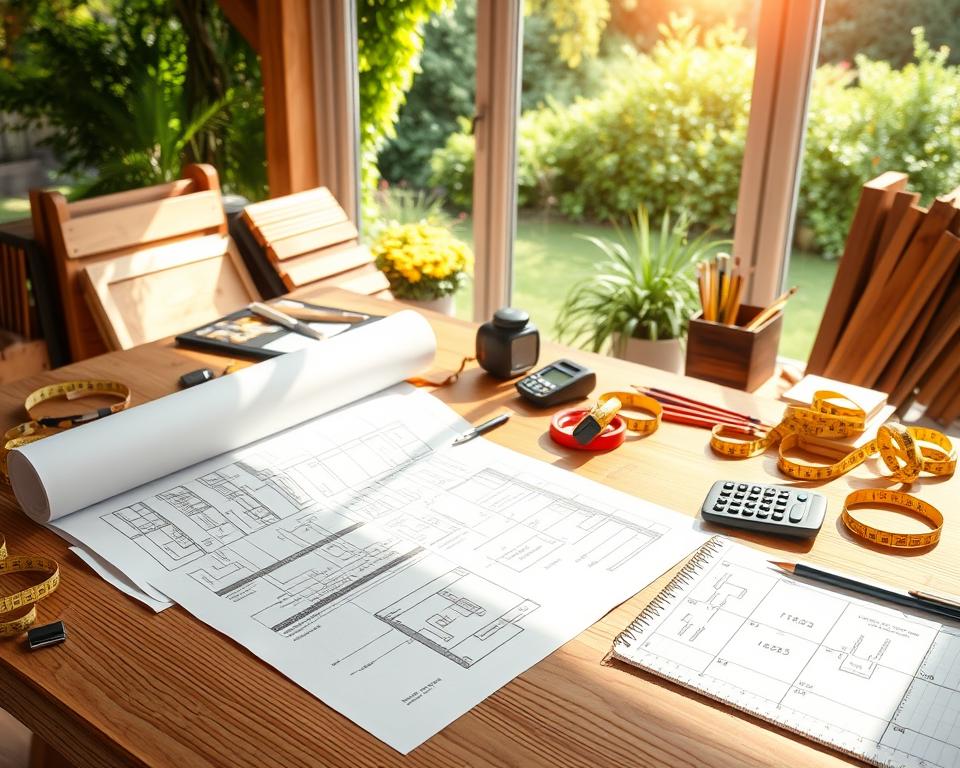
When building a pergola, accurately calculating materials and costs is crucial for a successful project. This involves several key steps to ensure you have everything you need without overspending.
Estimating Timber Quantities
To estimate the timber required, you need to consider the size and design of your pergola. Measure the length, width, and height of the structure, and calculate the total amount of timber needed for the posts, beams, and rafters. It’s advisable to add 10% to your total to account for any cuts or mistakes.
Hardware and Fixings Requirements
In addition to timber, you’ll need various hardware and fixings such as screws, nails, and post anchors. The quantity of these items depends on the design and size of your pergola. Make a list of all the hardware you’ll need and check it against your timber calculations.
Creating a Realistic Budget
To create a realistic budget, research the current prices of the materials you’ve listed. Consider visiting multiple suppliers to compare prices. Don’t forget to include the cost of any necessary tools or equipment.
Potential Hidden Costs to Consider
Be aware of potential hidden costs such as site preparation, drainage solutions, or additional foundations. These can significantly impact your overall budget.
| Material | Estimated Cost | Actual Cost |
|---|---|---|
| Timber | £500 | £550 |
| Hardware & Fixings | £100 | £120 |
| Tools & Equipment | £50 | £75 |
Preparing the Site
Before you start building your pergola, it’s essential to prepare the site properly. This step is crucial for ensuring the stability and longevity of your structure.
Clearing and Levelling the Area
The first task is to clear the area where you plan to build your pergola. Remove any debris, vegetation, or obstructions. Once cleared, you need to level the ground to ensure it’s even. This is important because an uneven surface can lead to structural issues with your pergola.

Marking Out the Pergola Footprint
After clearing and levelling, mark out the area where your pergola will stand. Use stakes and string to outline the perimeter. This will give you a clear visual of the space and help you check that the area is level and correctly positioned.
Setting Up a Stable Work Area
Setting up a stable work area is vital for safe and efficient construction. Ensure the ground is firm and consider laying down a temporary working surface if necessary.
Utility Line Considerations
When preparing the site, it’s crucial to be aware of any underground utility lines. Check with your local utility companies to identify any cables or pipes in the area. Mark these out clearly to avoid damaging them during construction.
| Task | Importance | Notes |
|---|---|---|
| Clearing the area | High | Remove debris and vegetation |
| Levelling the ground | High | Ensure the surface is even |
| Marking out the footprint | Medium | Use stakes and string |
| Checking for utility lines | High | Contact local utility companies |
Creating Solid Foundations
Creating a robust foundation is a critical step in constructing a pergola that will last. A well-designed foundation ensures the stability and longevity of your outdoor structure.
Foundation Options for Different Ground Types
The type of foundation you need depends on the ground conditions. For firm ground, a simple concrete slab may suffice. However, for softer ground, you might need to use deeper footings or specialized foundation systems.
| Ground Type | Recommended Foundation |
|---|---|
| Firm Ground | Concrete Slab |
| Soft Ground | Deep Footings or Specialized Systems |
Installing Concrete Footings
Concrete footings provide a solid base for your pergola. They help distribute the weight evenly and prevent settling issues.
Mixing and Pouring Concrete Properly
When mixing concrete, ensure you follow the manufacturer’s instructions for the correct water-to-cement ratio. Pour the concrete into the footing holes, making sure to fill them completely.
“The quality of the concrete used for footings is crucial for the overall stability of the structure.” –
Using Post Anchors and Supports
Post anchors and supports are vital for securing the pergola posts to the foundation. They help prevent the posts from shifting or toppling.
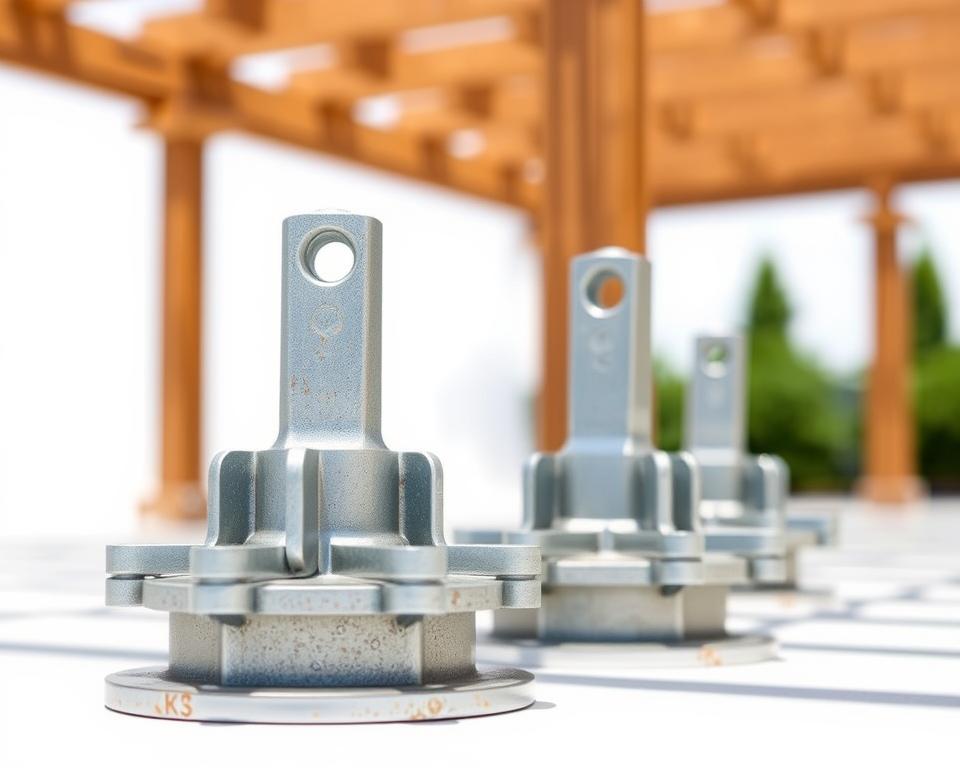
By choosing the right foundation options, installing concrete footings correctly, and using post anchors and supports, you can ensure your pergola remains sturdy and secure for years to come.
Build Your Own Pergola: Step-by-Step Construction Guide
To construct a sturdy pergola, you must first install the support posts, ensuring they are perfectly plumb and level. This step is crucial as it forms the foundation of your entire structure. The support posts will bear the weight of the beams, rafters, and any additional features you decide to include.
Installing the Support Posts
When installing the support posts, it’s essential to ensure they are positioned correctly according to your design plan. The spacing between posts will depend on the size of your pergola and the load it is expected to bear.
Ensuring Posts Are Plumb and Level
To ensure the posts are plumb and level, use a spirit level and a string line. Check that each post is vertically aligned and adjust as necessary. For added stability, consider using post anchors or concrete footings.
| Post Installation Method | Advantages | Disadvantages |
|---|---|---|
| Direct Burial | Quick and straightforward | Limited stability, potential for rot |
| Concrete Footings | High stability, durable | More labour-intensive, higher cost |
| Post Anchors | Easy to adjust, good stability | Dependent on anchor quality |
Attaching the Beams and Rafters
Once the support posts are securely in place, you can proceed to attach the beams and rafters. This step requires careful measurement and precise joinery techniques to ensure a sturdy and visually appealing structure.
Proper Joinery Techniques
Using proper joinery techniques is vital for the structural integrity of your pergola. Techniques such as mortise and tenon, or using post-to-beam connectors, can provide strong and durable joints.

Adding Cross Beams and Decorative Elements
After the main beams and rafters are in place, you can add cross beams and any decorative elements. This not only enhances the aesthetic appeal of your pergola but can also provide additional structural support.
Measuring and Cutting Techniques
Accurate measuring and cutting are crucial when adding cross beams and decorative elements. Use a tape measure and a miter saw to ensure precise cuts.
Securing Joints Properly
When securing joints, use appropriate fixings such as screws or nails. Ensure that all joints are tight and well-secured to prevent any movement or instability in the structure.
By following these steps and paying attention to detail, you can build a beautiful and sturdy pergola that will enhance your outdoor space for years to come.
Weatherproofing and Treating Your Pergola
To ensure your pergola withstands the elements, proper weatherproofing is key. This process not only protects your structure from damage but also enhances its durability and appearance over time.
Selecting the Right Wood Preservatives
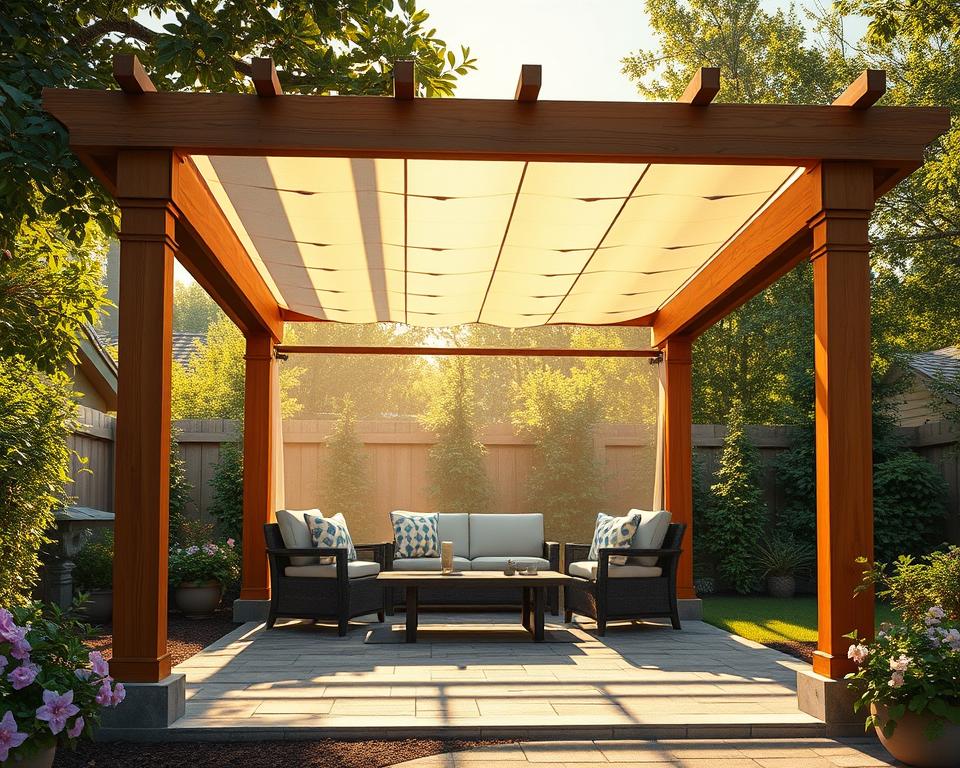
Choosing the appropriate wood preservatives is crucial for the longevity of your pergola. You should consider the type of wood used and the local climate. For instance, if you live in an area with high rainfall, you’ll want preservatives that offer high water resistance.
Application Techniques for Long-Lasting Protection
The method of applying wood preservatives can significantly impact their effectiveness. Ensure you follow the manufacturer’s instructions for application and reapplication. Typically, a thorough coat on all surfaces, especially cut ends and joints, is recommended.
Maintenance Schedule for Different Materials
A regular maintenance schedule is vital to extend the life of your pergola. The frequency of maintenance depends on the material used. For example, wooden pergolas may require annual treatment with wood preservatives, while metal structures might need less frequent checks for rust.
Seasonal Care Requirements
Different seasons bring different challenges for your pergola. In the UK, for instance, winter months can be particularly harsh. Regularly inspect your pergola for signs of wear and tear, and address any issues promptly to prevent minor problems from becoming major repairs.
By following these guidelines and maintaining a proactive approach to weatherproofing, you can enjoy your pergola for years to come.
Adding Finishing Touches
As you complete your pergola, consider the finishing touches that will elevate its design and integrate it with your garden. The final stages of your project involve adding decorative elements, protecting the structure, and potentially incorporating climbing plants to enhance its beauty.
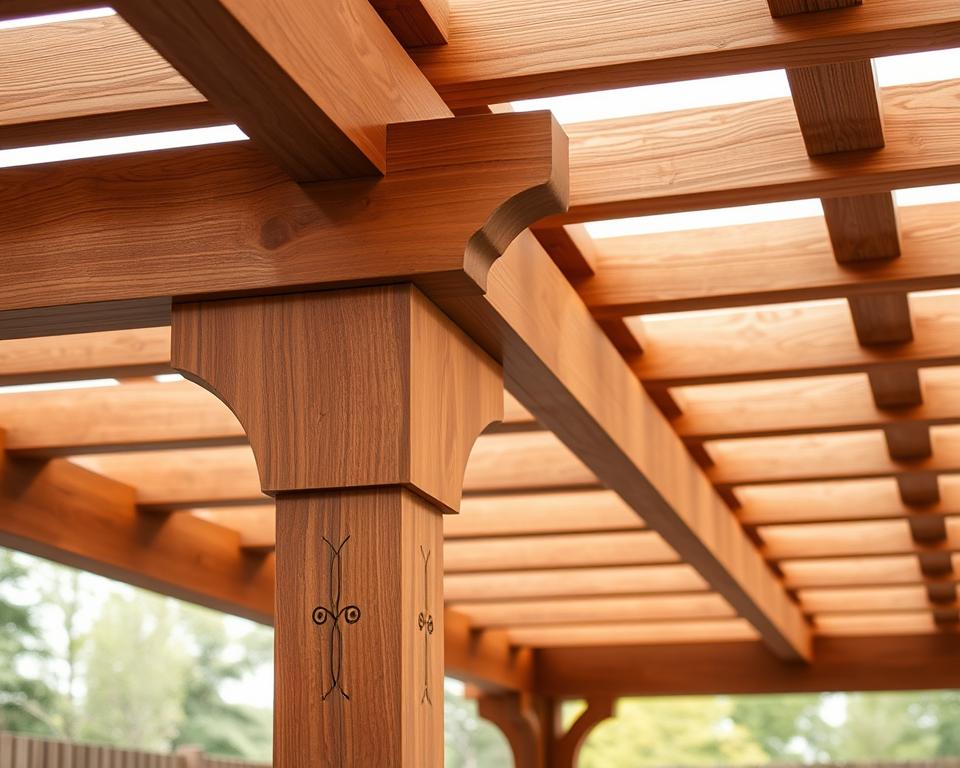
Decorative End Cuts and Details
Decorative end cuts can significantly enhance the visual appeal of your pergola. Consider using templates to achieve intricate designs or simply angling the ends for a cleaner look.
Templates for Decorative Cuts
Using templates can help you achieve consistent and complex designs. You can create your own templates or find them online. For instance, a template with a floral motif can add a touch of elegance to your pergola’s beams.
Painting and Staining Options
Protecting your pergola from the elements is crucial. You have the option to paint or stain your structure. When choosing between painting and staining, consider the type of wood and the desired finish. Staining is often preferred as it allows the natural grain of the wood to show through while still providing protection.
Installing Climbing Plant Supports
To further integrate your pergola into your garden, consider installing supports for climbing plants. This not only adds beauty but can also provide additional shade. When selecting climbing plants, choose varieties that are suitable for your climate and the amount of sunlight your pergola receives.
By carefully considering these finishing touches, you can ensure your pergola is not only structurally sound but also a beautiful addition to your outdoor space.
Enhancing Your Pergola
Your pergola is more than just a garden feature; it can be a beautiful and functional part of your outdoor living area. Enhancing it can make a significant difference in how you enjoy your outdoor space.
Lighting Installation Ideas
Lighting can dramatically change the ambiance of your pergola, making it a welcoming spot even after sunset. There are various lighting options to consider, from string lights to more sophisticated LED installations.
Solar vs Wired Lighting Options
When deciding on lighting, you have the option of solar-powered lights or wired lighting systems. Solar lights are eco-friendly and easier to install, while wired systems can provide more consistent lighting.
| Lighting Type | Installation Ease | Energy Efficiency |
|---|---|---|
| Solar Lights | Easy | High |
| Wired Lighting | Moderate | Moderate |
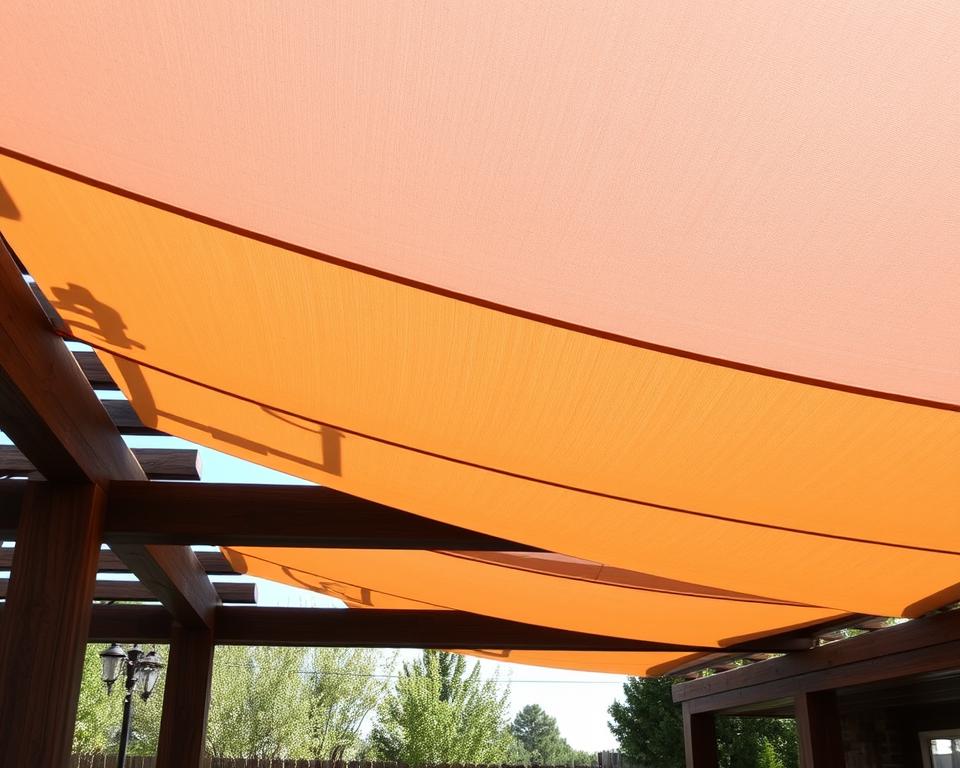
Adding Shade Sails or Canopies
In addition to lighting, adding shade sails or canopies can enhance your pergola’s functionality by providing shade and protection from the elements.
Shade sails are a modern and stylish option, while canopies can offer a more traditional look. Both can be effective in creating a comfortable outdoor space.
Incorporating Climbing Plants and Greenery
Climbing plants can add beauty and shade to your pergola. They come in a variety of types, each with its own benefits and maintenance requirements.
Best Climbing Plants for UK Climate
For the UK climate, some of the best climbing plants include clematis, roses, and wisteria. These plants are not only beautiful but also relatively hardy.
Training and Maintenance Tips
To get the most out of your climbing plants, regular training and maintenance are essential. This includes pruning, tying, and ensuring they have the right conditions to thrive.
By incorporating these enhancements, you can transform your pergola into a vibrant and inviting outdoor space that you’ll enjoy for years to come.
Troubleshooting Common Pergola Problems
Common problems can arise when constructing a pergola, but knowing how to troubleshoot them can save time and effort. Issues such as warping and splitting, unstable structures, and water drainage problems can be mitigated with the right knowledge and techniques.
Dealing with Warping and Splitting
Warping and splitting are common issues that can occur due to changes in weather or improper seasoning of the timber. To address this, ensure that your timber is properly seasoned before construction. Applying a wood preservative can also help to prevent warping and splitting by protecting the wood from moisture.
Fixing Unstable Structures
An unstable pergola can be dangerous and may require immediate attention. Check that the foundation is level and secure, and that all joints are tightly fastened. If the structure continues to be unstable, consider consulting a professional to assess and rectify the issue.
Addressing Water Drainage Issues
Poor water drainage can lead to water accumulation, which may cause damage to the pergola. Ensure that the structure is designed with adequate slope to allow water to run off. Regularly inspect and clear any debris from the roof or surrounding areas to prevent clogging.
Preventing Rot and Fungal Growth
Rot and fungal growth can significantly reduce the lifespan of your pergola. Regularly inspect the structure for signs of rot or fungal growth, and treat any affected areas promptly. Using treated timber and applying a wood preservative can help prevent these issues.
Conclusion: Enjoying Your New Outdoor Space
With your pergola now complete, you can start enjoying your new outdoor space. A well-designed pergola not only enhances the aesthetic appeal of your garden but also provides a functional area for relaxation and entertainment.
As you sit under the shade of your new structure, surrounded by climbing plants and greenery, you’ll appreciate the effort you put into its construction. Whether you’re hosting gatherings or simply enjoying a quiet moment, your pergola is sure to become a favourite spot.
The completion of your pergola project marks the beginning of a new chapter in enjoying your outdoor space. With proper maintenance, your pergola will continue to be a beautiful and functional part of your garden for years to come, allowing you to fully appreciate the outdoors.
FAQ
What is a pergola and what is its purpose?
A pergola is an outdoor structure consisting of columns or posts that support a roof or a framework of beams, often used to create a shaded area or define an outdoor living space.
Do I need planning permission to build a pergola in the UK?
In most cases, you do not need planning permission to build a pergola in the UK, but it is essential to check with your local authority as certain conditions, such as the size and location of the pergola, may require permission.
What materials are best suited for building a pergola?
The choice of material for your pergola depends on your desired aesthetic, budget, and durability requirements. Popular options include pressure-treated softwoods, hardwoods, and metal.
How do I ensure my pergola is weather-resistant?
To weatherproof your pergola, you can apply a wood preservative or sealant, and regularly inspect and maintain the structure to prevent damage from the elements.
Can I build a pergola on my own, or do I need professional help?
While it is possible to build a pergola on your own, it is recommended to seek professional help if you are unsure about any aspect of the construction process, such as foundation laying or complex design features.
How do I choose the right size and location for my pergola?
When choosing the size and location for your pergola, consider factors such as the available space, sun orientation, and the purpose of the structure, as well as any local building regulations or restrictions.
What are the benefits of adding a pergola to my garden?
Adding a pergola to your garden can increase outdoor living space, enhance property value, and provide a unique feature for relaxation or entertainment.
How do I maintain my pergola to ensure its longevity?
Regular maintenance, such as inspecting the structure, applying wood preservatives, and repairing any damage, can help extend the lifespan of your pergola.
Can I install lighting or other features on my pergola?
Yes, you can enhance your pergola with features such as lighting, shade sails, or climbing plants, which can improve its functionality and aesthetic appeal.
What are some common problems associated with pergolas, and how can I troubleshoot them?
Common issues with pergolas include warping, splitting, and water drainage problems. Regular inspections and maintenance can help prevent or address these issues.