Essential Summerhouse Buying Checklist Guide
This summerhouse guide opens with a clear purpose: to help UK homeowners make a benefit-driven purchase that delivers long-term value. It outlines practical steps from initial planning through installation and aftercare, so you can choose, install and maintain a garden summerhouse that suits leisure and functional needs while complying with UK regulations.
The guide is aimed at homeowners, gardeners, remote workers and anyone needing extra living space — whether an office, studio or guest room. We reference respected suppliers such as Jacksons Fencing, Forest Garden and BillyOh to help you research reliable options and compare quality, warranty and service.
Use this summerhouse checklist UK as a roadmap. We cover assessing need and space, material choices, foundations, legal requirements, installation options, services like electrical and heating, security, costs, warranties and sustainability. Take measurements, consult your local council planning pages and bring this checklist to site visits and quote comparisons.
Inhaltsverzeichnis
Key Takeaways
- Use this summerhouse buying checklist to plan a practical, compliant build.
- Measure access and siting before contacting suppliers such as BillyOh or Forest Garden.
- Check planning rules on your local council pages early in the process.
- Compare materials, bases and warranties to assess long-term value.
- Bring the checklist on site visits to compare features and supplier quotes.
Why a Summerhouse is a Valuable Addition to Your Garden
A well-planned summerhouse extends your living space and adds purpose to outdoor time. It creates a calm retreat for reading, hobbies and small gatherings. Many people find that having a dedicated spot for relaxation improves mental wellbeing and encourages more time spent outdoors throughout spring to autumn.
Benefits for leisure and relaxation
Creating a quiet nook for garden leisure makes it easier to unwind without leaving home. A summerhouse shields you from wind and light rain, so you can read, craft or socialise with friends in comfort. Evidence from leisure studies links private outdoor spaces with lower stress and better mood, which supports the case for investing in a purpose-built retreat.
Boosting property appeal and resale value
A sturdy, insulated outbuilding can enhance kerb appeal and help increase property value when it is finished to a high standard. Estate agents at Savills and Knight Frank note that functional outbuildings used as an office or studio often attract buyers seeking extra usable space. Buyers look for legal compliance and good insulation, so planning permission or building regulation approval can be decisive at sale time.
Versatile uses: office, studio, guest space
Practical uses for a summerhouse include a home office garden building for remote work, an art or music studio, a guest room or a small gym. Fit-out choices such as insulation, mains electrics and heating determine whether the space is suitable year-round. Where permitted by local rules, a well-equipped outbuilding can even support rental or commercial use.
| Use | Key fit-out items | Typical benefit |
|---|---|---|
| Home office garden building | Insulation, ethernet or Wi-Fi, sockets, desk space | Quiet workspace; improved productivity and work–life balance |
| Art or music studio | Good lighting, soundproofing, durable flooring | Creative freedom and reduced disturbance to the main house |
| Guest accommodation | Heating, compact bathroom or nearby facilities, ventilation | Extra sleeping space for visitors; enhances market appeal |
| Gym or playroom | Hard-wearing flooring, ventilation, storage | Year-round exercise or play area separate from living rooms |
Summerhouse Buying Checklist
Choosing the right summerhouse starts with a clear, practical checklist. Use this short introduction to guide your site visits and supplier comparisons. The buying checklist below focuses on measurements, build quality and real-world fit so you avoid costly surprises.
Key items to tick off before purchase
Before committing, measure the plot and access routes precisely. Note width, length and headroom so delivery and siting pose no problems.
Check base and foundation needs. Decide between concrete, timber or paved bases and confirm ground preparation and drainage requirements.
Record material choices: timber grade, roof covering and glazing type. Add insulation, ventilation and any electrical, heating or plumbing needs to the buying checklist.
Confirm security features, lock quality and warranty periods. Ask for lead times and factor planning permission and total budget, including installation and maintenance.
Comparing must-have features across models
Use a simple garden building comparison to weigh structural points. Note wall thickness and timber grade; slow-grown Scandinavian pine gives tighter grain and greater stability.
Compare glazing options: double glazing improves thermal performance over single glazing. Check roof coverings: felt, EPDM and shingles differ in lifespan and cost.
Review floor joist construction, mouldings and drainage details. Prioritise structural integrity, weatherproofing and clear guarantees when making a final choice.
How to use the checklist during site visits
Take a printed checklist, measuring tape, camera and torch to every appointment. Photograph joints, flooring and roof structure for later comparison.
Inspect display models for damp, rot or poor joins. Ask suppliers how they treat timber, what installation method they use and details of warranty terms.
Confirm delivery route and whether a crane or specialist access is needed. Request references or on-site examples to verify workmanship and aftercare before you sign.
Determining the Right Size and Layout for Your Needs
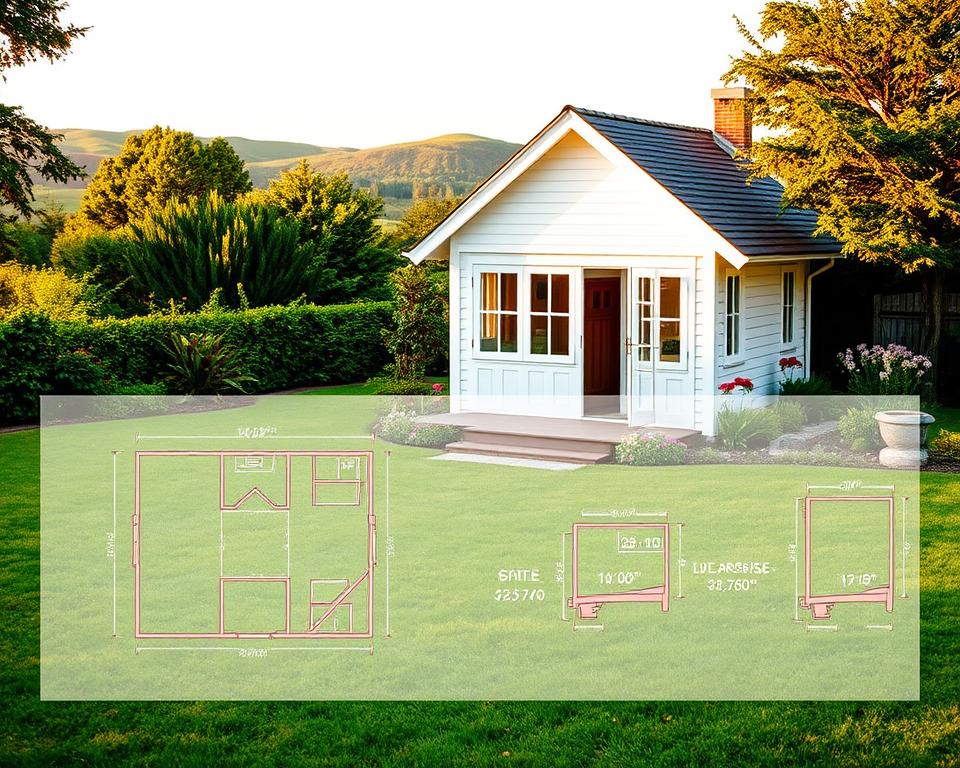
Choosing the correct footprint and internal arrangement is essential when planning a garden building. This short guide explains practical steps for measuring, planning a summerhouse layout and leaving scope for future changes. Use these points to match your goals with realistic dimensions and access needs.
Measuring your garden space and access routes
Begin by measuring the available footprint with a tape and spirit level. Note gate widths, side access, overhead branches and any slopes. Allow extra room for a base, drainage runs and a small working margin around the hut.
Check the delivery vehicle dimensions for your supplier and whether a crane-lift will be needed. Measure any narrow paths and turns that a pallet or assembled wall might have to negotiate. Mark highest and lowest points to calculate slope and plan for either levelling or adjustable foundations.
Choosing internal layout for function
Map internal zones before choosing a size. For a potting or reading hut a small 6–8ft range suits one person and storage. A medium summerhouse around 8×8 to 10×10ft works well as a home office with desk, shelving and sockets. Larger formats, such as 12×8ft and above, allow multi-use layouts with seating, a small bed and utility area.
Plan sockets, lighting and any heating positions now to avoid later rewiring. Leave clear circulation paths around furniture; a 60–75cm route helps movement. Consider fixed storage to free floor space and keep the room adaptable.
Considerations for future adaptability
Design with conversion in mind so the building can adapt to changing needs. Fit wall plates for extra windows and run conduit for future electrical upgrades. Upgrading insulation later is easier if internal linings are removable or accessible.
Choose modular furniture and built-in storage to change function without structural work. Selecting adaptable garden buildings with standardised panel sizes helps if you later add extensions or swap elevations.
For quick comparison, use this table to match common needs to recommended minimum sizes and access notes.
| Use | Recommended minimum size | Access considerations |
|---|---|---|
| Potting / reading hut | 6–8ft (approx. 1.8–2.4m) | Fits through standard 76cm gate; allow base clearance |
| Home office / studio | 8×8 to 10×10ft (2.4–3.0m square) | Check delivery vehicle width; plan power position |
| Multi-use / guest room | 12×8ft+ (3.6m×2.4m+) | May need crane or modular delivery; consider foundation strength |
Material Choices and Their Durability
Choosing the right materials shapes how long a summerhouse lasts and how much care it needs. This short guide compares common options so you can weigh longevity, upkeep and cost. Read on to find practical advice on summerhouse materials and what to expect from each choice.
Timber types and treatments
Pressure-treated softwoods such as pine and spruce are widely used for affordability and ease of build. These timbers are often treated with TANALITH preservative systems to resist rot and insect attack. Slow-grown Scandinavian redwood and Western Red Cedar offer greater natural durability and a finer finish.
Kiln-dried timber is important for stability and reduced shrinkage. Choose planed timber for a neat exterior or rough-sawn for rustic character. Dip treatments add surface protection, while pressure treatment penetrates deeper. Look for FSC-certified suppliers to ensure sustainable sourcing.
Composite and metal alternatives
Composite garden buildings use wood-plastic composites for cladding and trims. These products resist rot and need less painting than traditional timber. Brands such as Kebony provide modified timber options, while Trespa and specialist composite panels offer durable, low-maintenance cladding choices.
Aluminium-framed buildings and galvanised steel structures give superb longevity and quick installation. Metal frames reduce maintenance but raise concerns about thermal conductivity and initial cost. Composite garden buildings tend to be easier to maintain than unprotected timber, but they can be pricier to buy.
Weather resistance and maintenance requirements
Untreated timber generally needs repainting or restaining every 2–5 years to preserve appearance and prevent decay. Quality preservatives and regular maintenance can extend life considerably. Use Cuprinol or Sadolin products commonly found in the UK for routine care.
Roof coverings affect lifespan. Felt needs regular inspection and patching. Shingles offer a longer service life. EPDM rubber roofs provide excellent waterproofing and low upkeep. Keep glazing seals checked and replace worn gasketing to avoid drafts and leaks.
Inspect the base and ground clearance annually to prevent rising damp and rot. A simple maintenance schedule helps: yearly roof and seal checks, repaint or restain every 3–5 years, and immediate repair of any water ingress. These steps will protect durable summerhouse materials and preserve value.
Roof Styles and Insulation Options
Choosing the right roof and insulation shapes how your summerhouse feels and performs. Decisions about summerhouse roofs, insulation materials and ventilation affect comfort, longevity and the building’s suitability as an office or guest space.

Different roof types and aesthetic impact
Apex (gable) roofs give height and usable loft space. That extra volume makes a room feel larger and allows for storage or roof lights. Pent roofs suit modern designs and work well where headroom is limited. Hipped roofs wrap over all sides and shed wind and rain more effectively, which helps with weather resistance.
Coverings range from traditional roofing felt to mineral shingles and slate-effect tiles. Single-ply membranes such as EPDM offer long-lasting, low-maintenance protection on flatter profiles. Pairing the right covering with the chosen form keeps the visual balance of your garden building.
Insulation choices for year-round use
Insulation determines whether a summerhouse becomes seasonal or all-year accommodation. Common materials include mineral wool, PIR rigid boards, XPS and natural options like sheep’s wool. PIR and XPS boards give high thermal performance in thin layers, useful where internal space is tight.
Target U-values help set performance goals. For comfortable year-round use aim for roof U-values around 0.15–0.18 W/m²K when possible. Fully insulated shells for walls, floors and roofs turn a summer garden room into a viable office or living space.
Vapour barriers and correct layering prevent condensation. Fit insulation between rafters, add a breathable membrane and finish with an internal vapour control layer where needed to manage moisture safely.
Ventilation considerations
Good summerhouse ventilation prevents damp and keeps air fresh. Controlled options include trickle vents in frames and opening windows positioned for cross-flow without creating cold draughts. For a well insulated summerhouse, consider positive input ventilation units or mechanical extract fans where bathrooms or kitchens are present.
Place vents high in the roof and low in walls to encourage natural circulation. That arrangement moves moist air out and draws drier air in. Thoughtful summerhouse ventilation maintains comfort while protecting finishes and insulation from condensation damage.
Foundations and Base Requirements
Getting the base right is the first step to a long-lasting summerhouse. A stable, level foundation protects timber, prevents uneven settlement and supports any load from furniture, glazing or a heavy roof. Consider soil type, access and intended use before choosing a method.
Types of bases: concrete, timber, paving
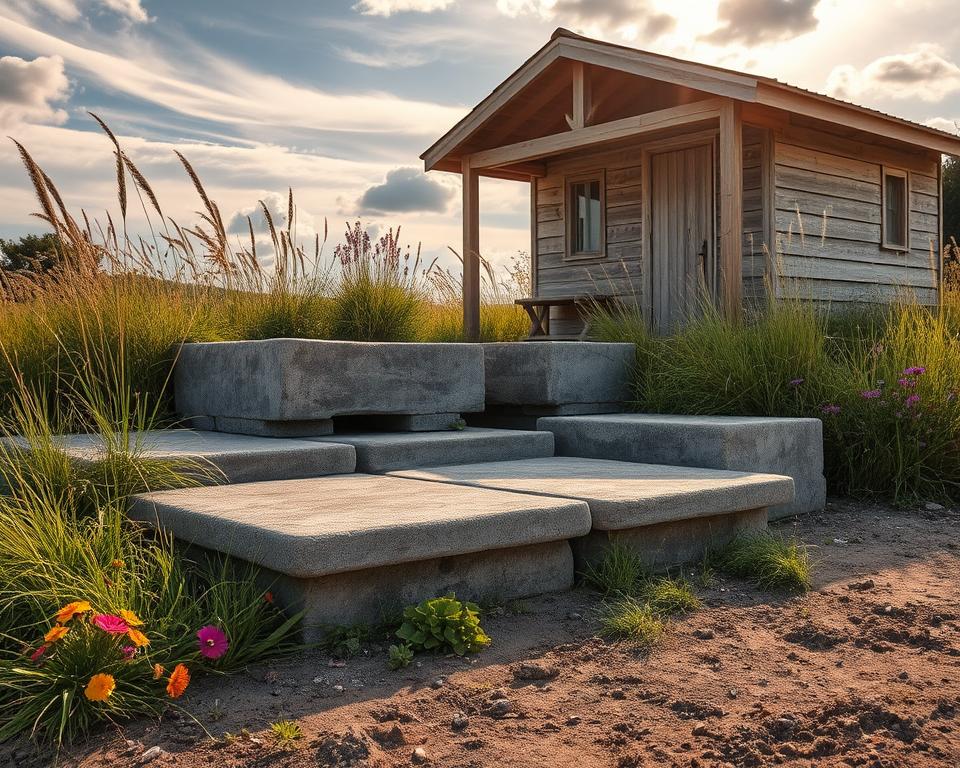
Reinforced concrete slab offers permanence and the best support for larger or heavy-roofed units. Typical slabs are 100–150mm thick with A142 mesh or similar reinforcement. Use a compacted hardcore sub-base of at least 150mm beneath the slab for stability.
Timber frame bases sit on a concrete strip or adjustable pad foundations to provide levelling and keep joists clear of ground moisture. Suggested joist spacing for a timber floor is 400mm–600mm centres, depending on joist size and load.
Paving slabs on compacted hardcore suit lighter summerhouses and shed-style units. Ensure a firm, level bed and use a weed membrane. Paving risks frost heave on poor soils, so check local ground conditions before choosing this option.
Preparing ground and drainage
Excavate to the required depth and remove topsoil, roots and organic matter. Compact a hardcore layer, then lay a damp-proof membrane above it. Provide a gentle fall away from the building to encourage surface run-off.
Where the site is prone to waterlogging, install perimeter drainage or a French drain to protect the base. For timber floors, add a damp-proof course between base and timber to stop rising damp. Always check for tree roots and subterranean utilities before digging.
Building regulations and structural safety
Most small summerhouses remain within permitted development rights in the UK if they meet size and use conditions and are not a separate dwelling. Permanent bases supporting heavy structures or plumbing may require local building control input.
Consult building control when installing a concrete base for garden building that will carry heavy loads or form part of a connected service. A qualified structural engineer or local authority can confirm slab specifications, reinforcement and any need for further measures to meet safety standards.
| Base Type | Typical Specs | Best For | Key Considerations |
|---|---|---|---|
| Reinforced concrete slab | 100–150mm slab, A142 mesh, 150mm compacted hardcore | Large summerhouses, heavy roofs, permanent installations | Permanent, excellent support, may need building control if structural |
| Timber frame on pads/strip | Concrete pads or strips, joist centres 400–600mm, DPC between base and timber | Medium units, raised floors, adjustable levelling | Good damp protection, easier to replace joists, needs regular inspection |
| Paving slabs on hardcore | 40–50mm slabs on 150mm compacted hardcore, weed membrane | Light units, temporary or budget builds | Cost-effective, may suffer frost heave, not ideal for heavy loads |
| Perimeter drainage | Gravel trench with perforated pipe, fall to outlet | Waterlogged sites, sloping gardens | Protects base for summerhouse drainage, requires correct fall and outlet |
Planning Permission, Building Regulations and Legalities
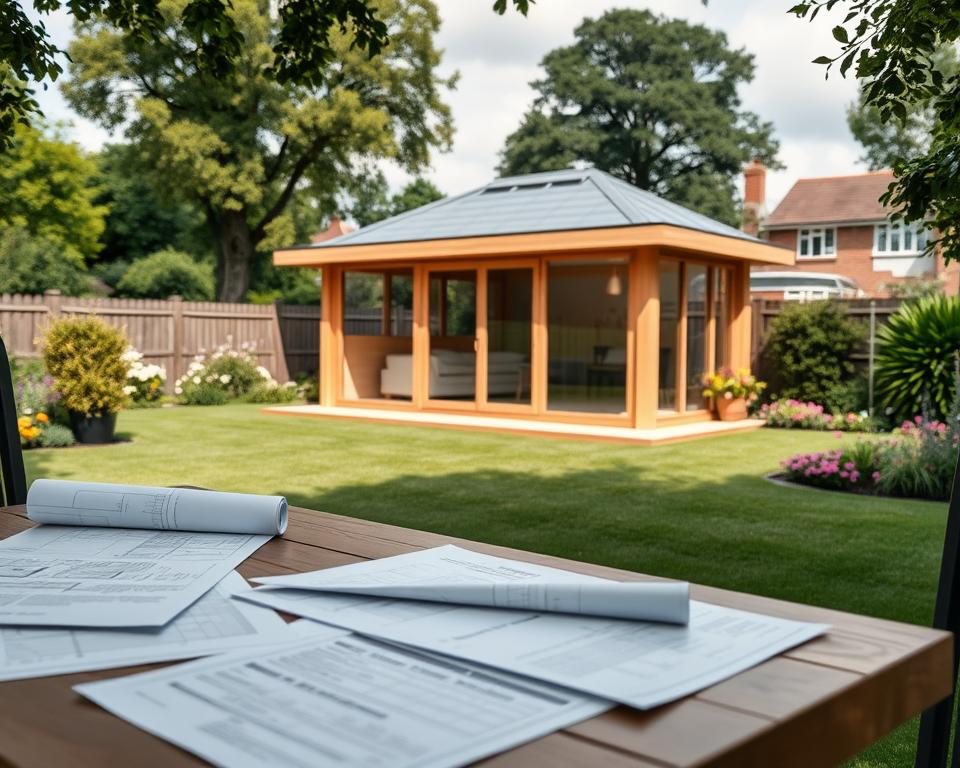
Getting the legal side right saves time and expense. Many garden buildings sit inside permitted development rights, but rules vary with location, size and use. Check the details before you buy or build to avoid retroactive enforcement or costly redesign.
Permitted development rights in the UK
Permitted development rights allow certain outbuildings without a full planning application. Typical outbuilding rules cover single-storey structures, maximum height limits and distance from boundaries. For example, a building within 2 metres of a boundary usually must keep eaves below 2.5 metres. Detached garden buildings beyond that boundary may have higher permitted heights, provided total floor area and position meet the limits.
These rights do not apply uniformly. Listed buildings, flats and properties in conservation areas often face tighter controls. Always confirm the current guidance on official government pages because regulations change.
When planning permission is required
You will need planning permission if the summerhouse becomes a separate dwelling or if it exceeds the standard height, area or siting limits. Placing a structure in front of the main elevation facing the road typically requires consent. Major enlargements or changes of use, such as running a commercial activity from the building, can also trigger applications.
Installation of mains services can alter classification. Connecting gas or adding a full bathroom might change the building’s status, which could require both planning approval and compliance with building regs for garden buildings.
Neighbour considerations and boundary rules
Talk to neighbours before work starts to reduce the risk of disputes. Issues such as overshadowing, overlooking and access often cause complaints. Clear discussions supported by scaled drawings can smooth the process and build goodwill.
Confirm boundary ownership and check whether the Party Wall Act applies. If excavation, foundations or work close to a shared wall are planned, serve the correct notices and obtain agreements to avoid legal challenges.
Security Features and Practical Fixtures
A secure, well-equipped summerhouse protects belongings and makes the space more useful. Focus on robust locks, effective lighting and clever internal fittings. Simple upgrades deliver strong gains in summerhouse security and everyday convenience.
Door and window locks
Fit multi-point locks on external doors for greater resistance to forced entry. Choose British Standard locks where possible to meet recognised quality levels. For outward-opening doors add hinge bolts and a deadbolt to stop levering.
Use laminated glazing or toughened glass in windows to slow break-ins. For garden sheds and ancillary buildings, hasps and staples provide a low-cost extra barrier. Combine keyed window locks with chamfered frames to reduce gaps that burglars exploit.
Lighting, alarms and external security
Install motion-sensor floodlights for high-risk approaches and dusk-to-dawn lamps around access points. Timers for summerhouse lighting mimic occupancy and deter intruders when you are away.
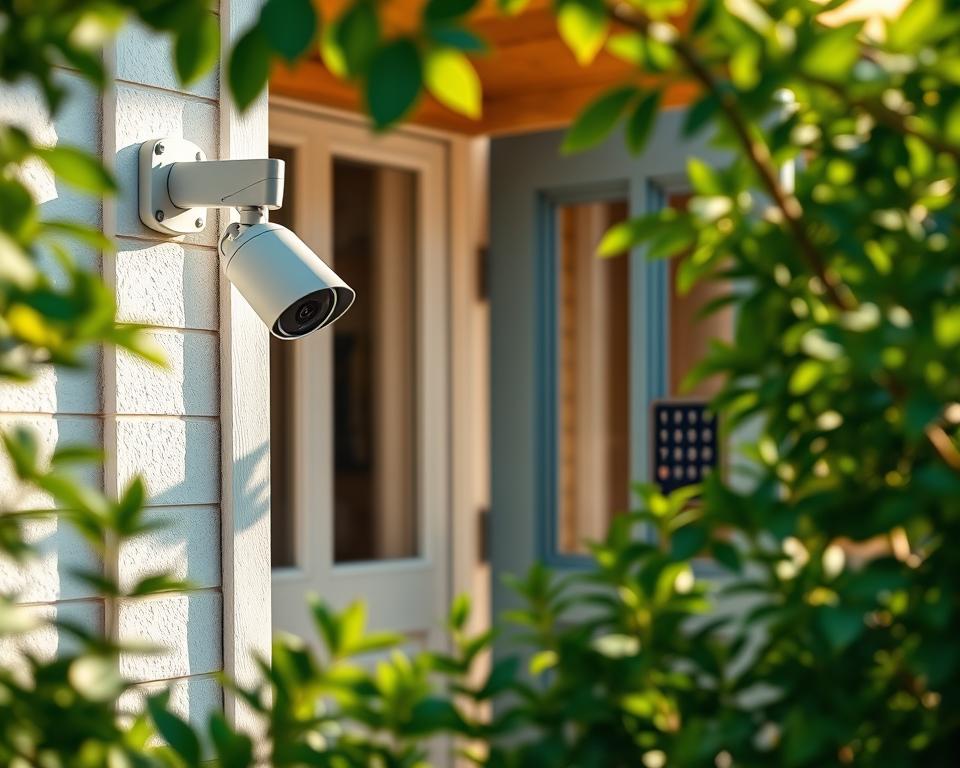
Consider wireless alarm systems from reputable brands such as Yale or Ring for easier installation and smartphone alerts. Outdoor security cameras paired with smart locks give a layered defence. Mains-powered systems may require a certified electrician to ensure safe, compliant wiring.
Internal fixtures: shelving and storage
Plan built-in shelving and wall-mounted cupboards to free floor space. Fold-down desks and concealed storage benches add function without clutter. Use moisture-resistant fittings in areas prone to condensation to prevent damage.
Modular systems from IKEA or Howdens make it simpler to tailor interiors as needs change. Good storage solutions for summerhouses keep tools and valuables organised while reducing trip hazards and improving overall safety.
| Element | Practical option | Benefit |
|---|---|---|
| External door | Multipoint British Standard lock + deadbolt | High resistance to forced entry; meets quality standards |
| Windows | Toughened or laminated glass + keyed locks | Slows break-ins; maintains visibility and ventilation |
| Lighting | Motion-sensor floodlights + dusk-to-dawn lamps | Deters intruders; improves safe access at night |
| Alarm & camera | Wireless kit from Yale or Ring; outdoor camera | Remote alerts; visual monitoring and evidence capture |
| Internal fittings | Built-in shelving, fold-down desk, storage bench | Maximises space; protects belongings; reduces clutter |
| Moisture protection | Water-resistant boards and finishes | Extends life of fittings; keeps stored items dry |
Electrical, Heating and Plumbing Considerations
Planning electrics, heating and plumbing for a garden building brings practical choices and safety obligations. Early decisions affect cost, comfort and how you will use the space across seasons. Use certified trades where required and factor in long-term running costs.
Bringing electricity to your summerhouse safely
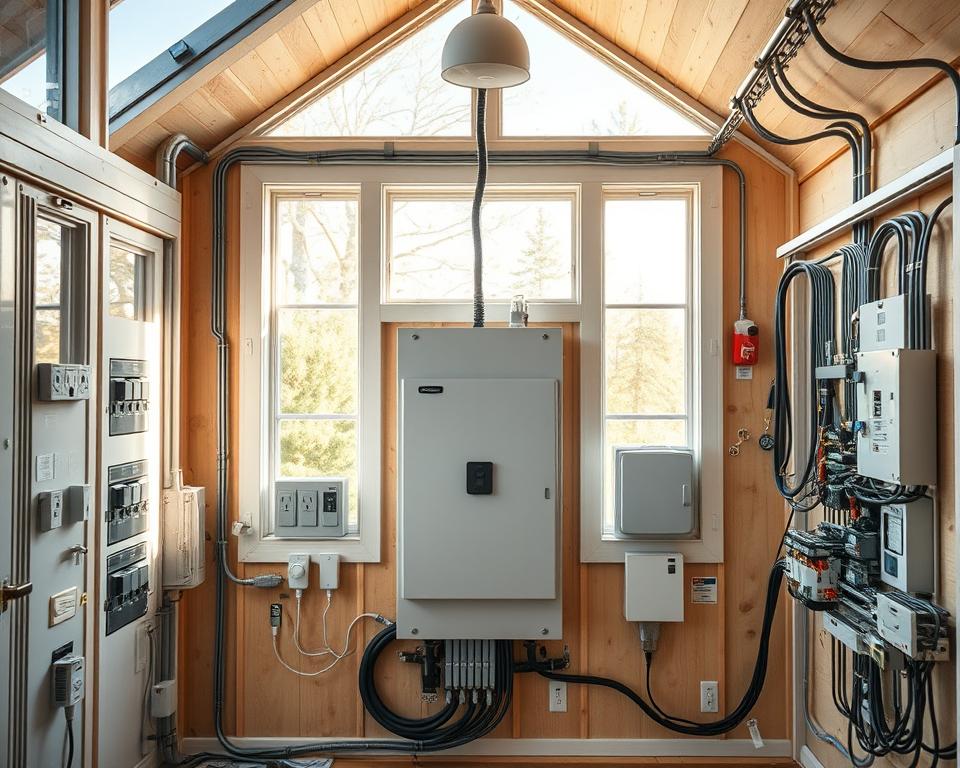
To run electricity to summerhouse UK properties most commonly use buried armoured cable (SWA) from the main property consumer unit. This method keeps the supply protected underground and meets typical installer expectations.
Extend the consumer unit with a dedicated circuit protected by an RCD and appropriate MCBs. Have an NICEIC or NAPIT-registered electrician carry out the work and provide certification. Position external isolation switches near the main house and fit internal consumer protection in the building.
Plan socket positioning and separate lighting circuits to avoid overloads. Fit weatherproof external sockets for garden use and consider a timer or smart controls for lighting to save energy.
Heating options for winter use
Electric panel heaters offer low installation fuss and rapid heat. They suit small rooms and work well with a thermostat for control.
Oil-filled radiators are portable and store heat after being switched off. They are simple to use but can be slower to warm a cold summerhouse.
Infrared heaters warm people and objects directly, which can be efficient for focused use. They reduce heat loss from poor insulation.
Extending wet central heating gives consistent warmth and pairs with thermostatic radiator valves for efficiency. Installation is more complex and will raise initial costs.
Balance running cost versus convenience. Fit programmable thermostats to manage temperature and reduce wasted energy when the building is unoccupied.
Plumbing possibilities and waste management
For basic taps, a cold-water supply from the mains using frost-protected pipework is effective. Insulate external runs and consider trace heating where freezing risks exist.
A simple hand-wash basin can be fitted with a pumped waste to an existing soil pipe or drain. Pumps such as those from Grundfos handle low-level drainage where gravity fall is not available.
Adding a toilet usually requires a proper sewage connection and may trigger planning or building control checks. Composting toilets provide an off-grid alternative with lower drainage needs.
Plan soakaways and drainage to deal with roof and surface water. Poor drainage can damage foundations and create damp issues within the summerhouse plumbing system.
Comfort and Interior Finishes
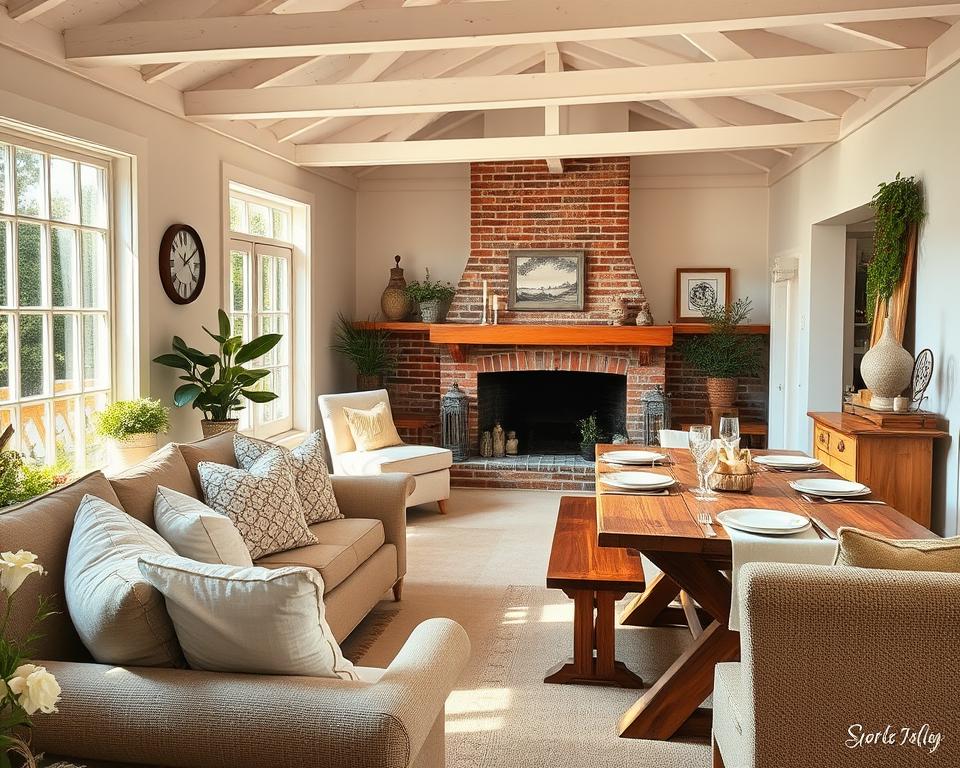
Creating cosy, practical summerhouse interiors starts with a clear plan for floors, walls and furniture. Good choices make the space usable year round and set the tone for summerhouse decor ideas that suit work, rest or creativity.
Flooring choices and insulation layers
Start with a ventilated subfloor to prevent damp and timber rot. Fit a damp-proof membrane where soil moisture is an issue. For the top layer consider insulated floorboards or screwed OSB topped with laminate or engineered timber for a smart finish and easy cleaning.
Underfloor insulation can be rigid PIR boards or mineral wool between joists. Choose finishes rated for high traffic and wet shoes if the summerhouse will see outdoor use. Durable options such as laminate from Quick-Step or engineered oak stand up to wear while looking attractive.
Wall finishes, paints and treatments
Tongue-and-groove timber gives a classic look and works well with breathable stains that protect wood. For full insulation and a smooth surface, plasterboard over insulated battens allows decoration and hides services.
Use moisture-resistant paints in areas prone to condensation. Pick neutral colours to maximise light and make small interiors feel larger. For timber cladding opt for breathable finishes such as Osmo or Cuprinol specialist formulations so wood can move without trapping moisture.
Furnishing for multi-purpose use
Plan furniture that adapts. Fold-out sofas and Murphy beds free floor space when not in use. Built-in desks with cable management and proper chair ergonomics suit home-office needs and protect posture during long work sessions.
Use modular shelving and storage benches to keep the room flexible. Choose multi-functional pieces from brands like IKEA or Habitat for cost-effective solutions that blend with chosen summerhouse decor ideas. Prioritise storage to maintain a tidy, inviting interior.
Budgeting and Total Cost of Ownership
The cost of a summerhouse varies widely, so a clear summerhouse budget helps prevent surprises. Work out likely upfront costs, then add an annual figure for maintenance and utilities. Keeping figures realistic makes future decisions easier.
Upfront purchase and installation costs
Small kit summerhouses can start from a few hundred pounds for basic flat-pack models. Mid-range pre-built units typically range from £1,500 to £6,000. Bespoke timber builds or larger garden rooms can cost several thousand pounds up to £20,000 or more, depending on finishes and glazing.
Base preparation, delivery and installation labour add to the total. A concrete or insulated timber base may cost £500–£2,000. Electric supply and basic wiring usually add £300–£1,200. Planning applications or building control fees are possible extras for larger units, so include a modest contingency when setting your summerhouse budget.
Ongoing maintenance and running costs
Regular expenses include repainting or staining, periodic roof repairs, timber treatment and occasional repairs after storms. Heating and electricity for year-round use increase running costs garden building owners should expect.
Estimate an annual maintenance pot of £150–£600 for routine care. Heating and electricity might add £100–£600 a year, depending on insulation and usage. Insurance and rare structural repairs are additional items to budget for. Aim to set aside a contingency fund equal to one year of expected running costs garden building for unexpected issues.
Cost-saving tips without compromising quality
Buying a standard size kit or pre-built model reduces bespoke charges. Choose durable materials such as pressure-treated timber or composite cladding to lower long-term redecoration needs and reduce summerhouse costs over time.
Good insulation and efficient heating like a small electric radiator or infrared panels can cut annual bills. Obtain multiple quotes from suppliers such as B&Q, Wickes and local timber merchants, and watch seasonal sales to stretch your summerhouse budget further.
| Item | Typical UK Range | Notes |
|---|---|---|
| Small kit summerhouse | £200 – £2,000 | Flat-pack options, lower installation cost |
| Pre-built unit | £1,500 – £6,000 | Delivered and craned in, quicker installation |
| Bespoke/specialist build | £5,000 – £30,000+ | Custom design, higher finish and glazing costs |
| Base preparation | £500 – £2,000 | Concrete or insulated timber base options |
| Electrics and wiring | £300 – £1,200 | Depends on distance from house and load required |
| Annual maintenance | £150 – £600 | Painting, roof checks, timber treatment |
| Heating & running costs | £100 – £600 p.a. | Varies with insulation and usage patterns |
| Contingency reserve | 1 year running costs | Recommended for unexpected repairs |
Choosing Between Kit, Custom Build and Pre-built Options
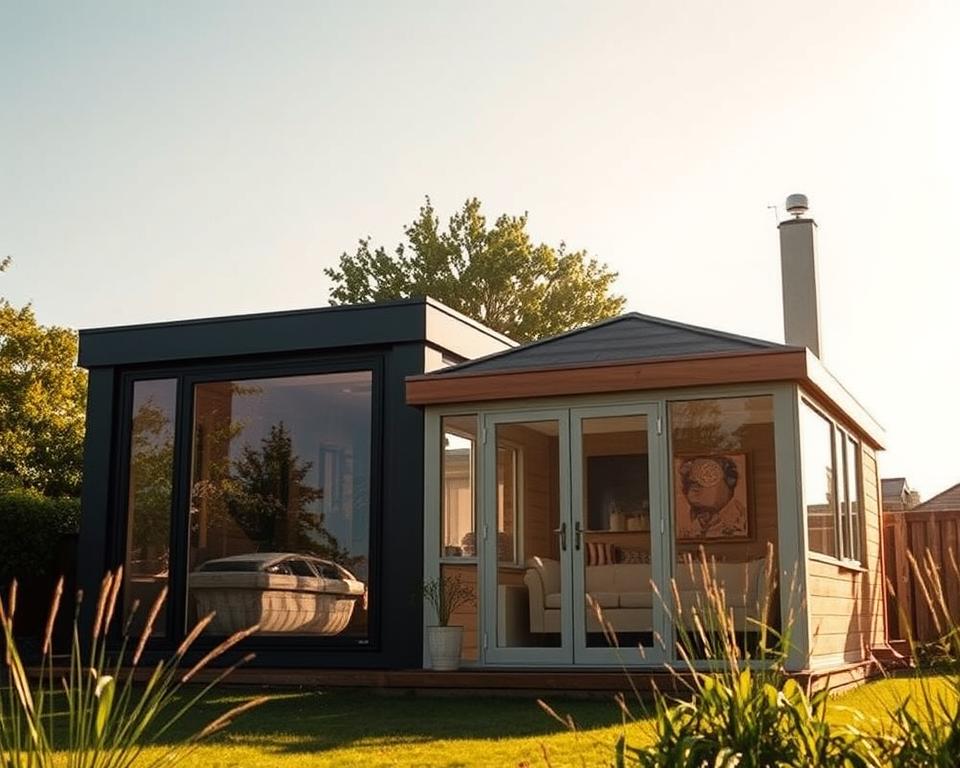
Deciding between a kit, a bespoke build or a pre-built summerhouse comes down to budget, timescale and the level of finish you need. Each route suits different owners. Below are concise points to help you weigh up the options and plan delivery and installation effectively.
Pros and cons of flat-pack kits
Flat-pack options attract buyers with lower purchase prices and simple nationwide shipping. Major UK suppliers such as Forest Garden and Tiger Sheds offer popular kits that suit basic garden projects.
Flat-pack summerhouse pros cons are straightforward. Benefits include reduced cost, easier transport and the satisfaction of DIY assembly. Drawbacks cover time demands, need for tools and carpentry skill, and possible warranty limits if fitting is not by a professional.
Advantages of bespoke builds
Bespoke summerhouses provide tailored design and higher-quality finishes. Local carpenters and specialist firms deliver project management, custom joinery and integration of services like wiring or plumbing.
Custom work costs more and often requires a longer lead time. The trade-off is a better site fit, improved longevity and solutions for constrained plots or planning restrictions.
Delivery and installation timelines
Typical timelines vary by choice. Off-the-shelf kits can be available immediately or within a few weeks. Bespoke projects commonly take six to twelve weeks or longer, based on design complexity and materials.
Pre-built summerhouse delivery time depends on stock, installer schedules and the readiness of the base. Groundworks, electrician availability and local council consultations all affect scheduling and should be planned in advance.
| Option | Typical Cost | Usual Lead Time | Best for |
|---|---|---|---|
| Flat-pack kit | Low to mid | Immediate to 4 weeks | DIY builders on a budget |
| Bespoke build | Mid to high | 6–12+ weeks | Custom sites, high finish standards |
| Pre-built unit | Mid | Dependent on stock; installation day to weeks | Quick install when base is ready |
Warranty, Aftercare and Supplier Reputation
Choosing a summerhouse is more than picking a style and size. A clear summerhouse warranty and reliable aftercare for summerhouses protect your investment. Supplier reputation garden buildings should carry equal weight in your decision.

Understanding warranties and guarantees
Warranties vary by maker and model. Expect structural frame guarantees, rot warranties and workmanship guarantees. Terms commonly range from one to ten years. Read the small print to learn what is covered and what is excluded. Many guarantees on summerhouse exclude damage caused by poor maintenance or harsh weather. Keep records of treatments and repairs to maintain cover.
What aftercare services to expect
Good suppliers provide a suite of aftercare for summerhouses. Services often include installation follow-up visits, remedial repairs and supply of spare parts. Some firms offer touch-up stain or paint packs and clear installation manuals. Post-installation site surveys and inspections add value by catching issues early and protecting your guarantee on summerhouse.
How to research and verify supplier credibility
Verify supplier reputation garden buildings before you commit. Check independent reviews on Trustpilot and read detailed feedback on past installations. Look for membership of trade bodies such as the Federation of Master Builders and confirmation of public liability insurance. Ask for references and photos of completed projects. Request proof of health and safety compliance and warranties in writing.
Environmental Impact and Sustainability Considerations
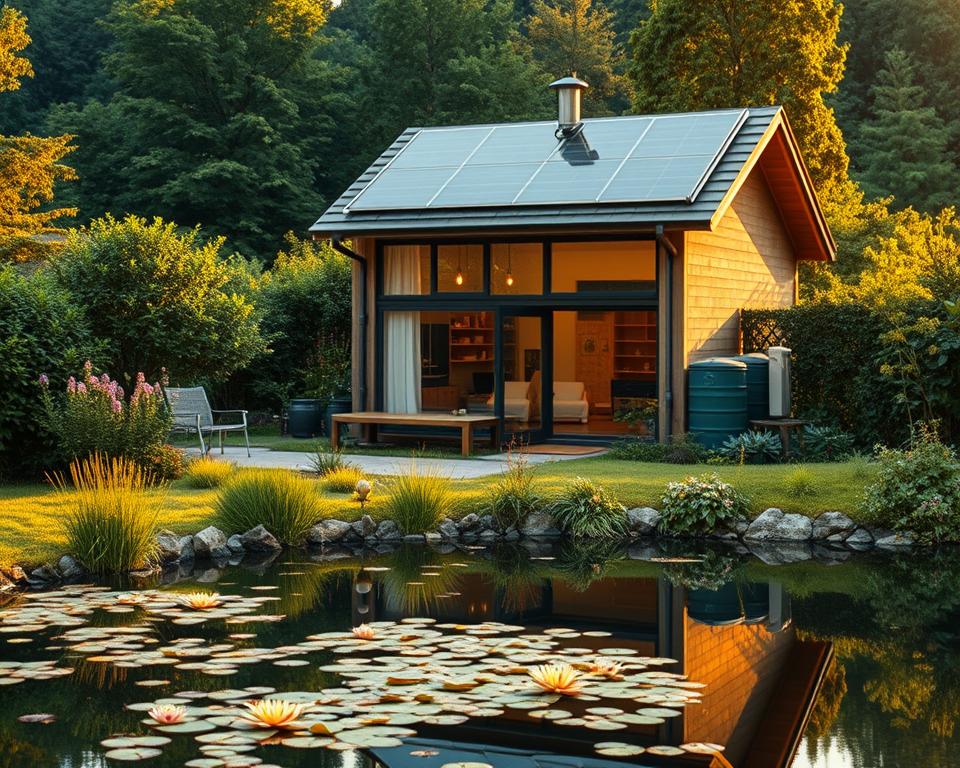
Choosing a sustainable summerhouse starts with knowing how materials and fittings affect the planet. Small decisions at the purchase stage shape long-term environmental impact. The guidance below helps buyers select responsible options for timber, insulation and eventual reuse.
Certification and sourcing
Look for FSC timber garden buildings or products certified by PEFC. These schemes verify that wood comes from well-managed forests and that chain-of-custody records track timber from forest to final product. Certified slow-grown timber often offers better durability and lower ecological cost than uncertified supplies.
Choose suppliers that publish chain-of-custody details and origin statements. Reputable companies such as Stovax, Tiger Sheds and Jacksons Fencing routinely provide certification information. Avoid timber without clear provenance to reduce the risk of illegally sourced wood entering your build.
Energy-efficient fittings and materials
Fit low-E double glazing and use high-performance insulation like PIR boards to cut heat loss. These measures make energy-efficient outbuildings comfortable year-round and reduce running costs.
Prefer LED lighting and efficient heating solutions such as modern electric radiators with timers or heat-pump ready wiring. For cladding and internal finishes, consider reclaimed timber or sustainably produced composite cladding to lower embodied carbon while keeping a quality finish.
Recycling and end-of-life planning
Plan for deconstruction when the building reaches the end of its life. Use recyclable fixings and specify reclaimable timber so components can be reused or sold on the second-hand market.
Choose roofing materials that can be recycled and learn local disposal routes for treated timber. Many municipal recycling centres accept timber and roofing waste under specific conditions. Reuse options and trade platforms for second-hand buildings extend material life and reduce landfill.
| Decision area | Sustainable option | Benefit |
|---|---|---|
| Timber supply | FSC timber garden buildings or PEFC certified wood | Verified legal sourcing, better forest management, long-term supply security |
| Glazing | Low-E double glazing | Lower heat loss, reduced energy use, improved comfort |
| Insulation | PIR boards or recycled insulation | High thermal performance, thinner build-ups, lower embodied energy |
| Cladding | Reclaimed timber or sustainable composite | Reduced demand for new timber, durable finish, lower maintenance |
| Fixings and fasteners | Recyclable metal fixings | Easier deconstruction, higher recycling rates |
| End-of-life route | Reuse, resale, municipal recycling centres | Diverts waste from landfill, recovers materials, reduces embodied carbon |
Maintaining Your Summerhouse for Longevity
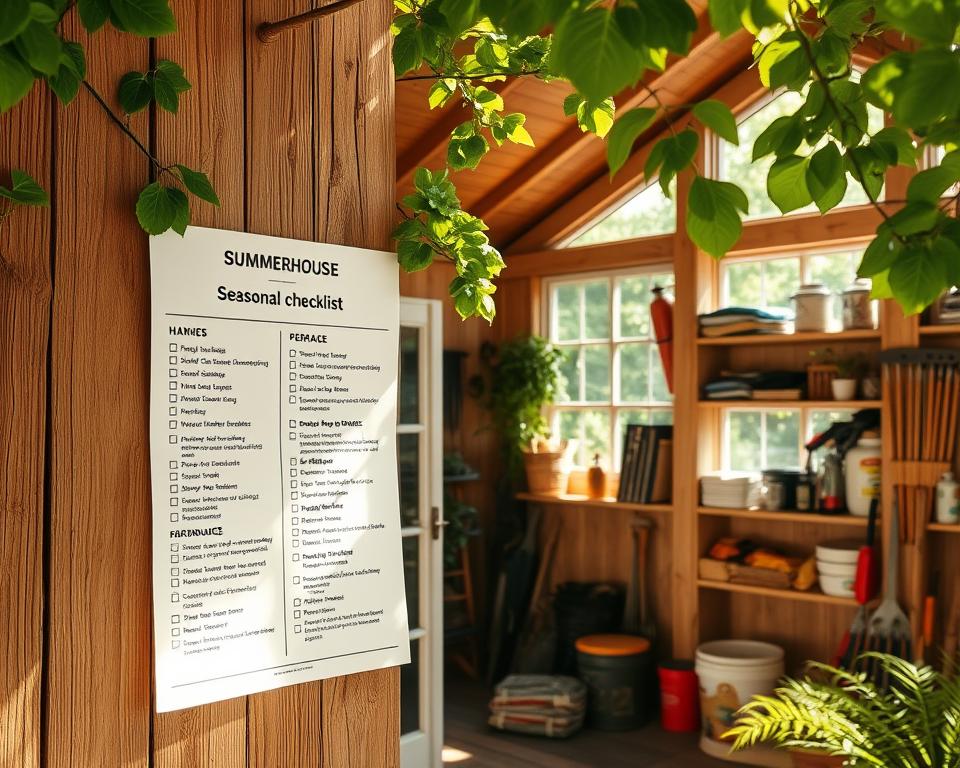
Good care keeps a summerhouse useful and attractive for years. Regular attention prevents small faults turning into expensive work. The notes below give a seasonal checklist summerhouse, practical tips to protect woodwork and clear guidance on when to seek professional repairs summerhouse.
Seasonal maintenance checklist
Spring: inspect the roof and gutters for debris, check seals and glazing for gaps, clear moss and treat any blocked drainage. Repaint or restain exterior panels where the finish shows wear.
Summer: lubricate locks and hinges, clean windows and vents, trim nearby vegetation to improve airflow. Test any heating or cooling units before they are needed.
Autumn: sweep out guttering, check the base and drainage for signs of pooling, secure loose boards and tighten fixings. Prepare glazing and seals for wet weather.
Winter: inspect for storm damage after severe weather, keep internal humidity stable, and arrange an annual electrical safety check by a qualified electrician. Keep a written log of checks and dates.
Protecting woodwork and treating rot
Early rot shows as soft, crumbling wood, dark patches or a musty smell. Probe suspicious areas gently with a screwdriver to assess depth. If rot is limited, remove affected fibres and apply a fungicidal treatment labelled for exterior use.
Use trusted brands such as Cuprinol or Ronseal for preservative coats and stains. Replace any timbers beyond repair rather than patching. Ensure good ventilation and maintain drip edges so timber dries quickly after rain.
For larger infestations, engage an accredited timber treatment service to ensure the correct biocides and remediation methods are used. Keep treatment records alongside receipts and warranties.
When to call a professional
Contact a specialist if you spot structural movement, widespread rot, persistent damp that you cannot trace, or any electrical faults. Plumbing leaks that affect the base or electrics require immediate attention.
Use accredited tradespeople only. For electrics choose NICEIC-registered electricians. For gas appliances use Gas Safe engineers. For timber and structural work, check membership of trade bodies or look for Federation of Master Builders affiliation.
Professional repairs summerhouse may cost more upfront, but they protect your investment and maintain safety. Keep a clear record of all work, warranties and certificates to support future maintenance or resale.
Conclusion
This Summerhouse Buying Checklist conclusion pulls together the practical steps covered in this guide. Begin by assessing your need and measuring the site, then compare materials, roof styles and base options. Ensure legal compliance, such as planning rules from your local council, and factor in electrics, heating and security when comparing suppliers.
The garden building buying guide summary emphasises durability and compliance over short-term savings. Seek written quotes, clear warranties and aftercare from reputable suppliers. Use accredited tradespeople, check references and prefer sustainably sourced timber or energy-efficient fittings to reduce long-term costs.
For actionable next steps, download or print the checklist, obtain at least three quotes and request a pre-install site survey. Keep total cost of ownership in mind and plan for future adaptability to get the most value from your purchase. These summerhouse purchase tips UK will help you make a confident, long-term choice for your garden building.
FAQ
What is the purpose of the Essential Summerhouse Buying Checklist Guide?
The guide helps homeowners in the United Kingdom choose, install and maintain a summerhouse that meets leisure and functional needs while complying with UK regulations. It focuses on benefit-driven purchase decisions, long-term value and practical steps from planning through aftercare. Use it to compare suppliers such as Jacksons Fencing, Forest Garden and BillyOh, and to prepare for site visits and supplier quotes.
Who should use this guide and why is it relevant?
The guide is aimed at homeowners, gardeners, remote workers and anyone seeking extra living space—office, studio or guest room. It considers UK seasonal conditions and explains how choices in materials, insulation and services affect year-round comfort and resale appeal. It also highlights suppliers and fittings commonly available in the UK market.
How should I use the checklist during site visits?
Take a printed checklist, a measuring tape, camera and torch. Measure the footprint and access routes, inspect joints, flooring and roof structure, and check for damp on display models. Ask suppliers about timber treatment, warranty terms and delivery logistics including crane access. Use the checklist to compare quotes and confirm lead times.
How do I determine the right size and layout for my summerhouse?
Measure available garden space, gate widths and access for delivery vehicles. Plan internal zones—workspace, seating, storage and utilities—based on intended use. Common sizes include small 6–8ft huts for potting, medium 8×8 to 10×10ft for offices, and larger 12×8ft+ for multi-use. Allow space for foundations and future adaptability.
Which materials offer the best durability for a UK summerhouse?
Slow-grown Scandinavian pine and Western Red Cedar are durable timber choices; pressure-treated softwoods (pine, spruce) are economical when properly preserved. Composite cladding and aluminium or steel frames offer low maintenance. Choose kiln-dried timber, FSC-certified sources and recognised preservative systems such as TANALITH for longevity.
What roof styles and insulation should I consider for year-round use?
Apex (gable), pent and hipped roofs each affect interior height and weather performance. Coverings include felt, mineral shingles and EPDM membranes. For insulation use PIR rigid boards, mineral wool or sheep’s wool in walls, roof and floor. Combine insulation with proper vapour barriers and ventilation to prevent condensation.
What types of foundations are suitable for a summerhouse?
Options include reinforced concrete slabs for permanent support, timber frames on concrete or adjustable pads for levelling and moisture protection, and compacted hardcore with paving for lighter units. Prepare compacted hardcore, weed membrane and appropriate drainage. Check for tree roots and underground services before excavation.
When do I need planning permission or building regulations approval?
Many outbuildings fall under permitted development if they meet size and siting limits, but rules vary for listed buildings or conservation areas. Planning permission is likely if you use the building as a separate dwelling, exceed height/area limits, or add mains services. Always check current GOV.UK guidance and consult local planning or building control when in doubt.
How can I secure my summerhouse against theft and vandalism?
Fit multi-point British Standard locks on doors, use laminated or toughened glazing, and add hinge bolts to outward-opening doors. Install motion-sensor or dusk-to-dawn external lighting and consider wireless alarms and camera systems from brands such as Yale or Ring. For mains-powered systems, use a qualified electrician for safe installation.
What are the electrical, heating and plumbing considerations?
Run electricity via buried armoured cable or a qualified consumer unit extension with RCD protection. Hire an NICEIC or NAPIT registered electrician for compliance with Part P where needed. Heating options include electric panel heaters, oil-filled radiators or extending central heating. Plumbing for sinks is feasible; toilets usually require more substantial drainage and may affect planning/building regulations.
What interior finishes and furnishing options work best for multi-use summerhouses?
Insulated floorboards with engineered timber or laminate topping, tongue-and-groove timber or plasterboard walls and moisture-resistant paints are practical. Use fold-out sofas, Murphy beds and built-in desks or shelving to maximise flexibility. Prioritise ergonomics for home offices and moisture-resistant fixtures where condensation may occur.
How much should I budget for purchase, installation and ongoing costs?
Kit summerhouses can range from a few hundred to a few thousand pounds; pre-built and bespoke units range from several thousand to tens of thousands. Factor in base preparation, delivery, installation, electrics and any planning fees. Budget annually for maintenance—redecoration, timber treatment, roof repairs and heating costs—and obtain multiple quotes to compare total cost of ownership.
Should I choose a flat-pack kit, pre-built or bespoke summerhouse?
Flat-pack kits are lower cost and suitable for DIY but need skill and time. Pre-built units offer quicker installation but may require craning and a prepared base. Bespoke builds deliver tailored design, integrated services and higher finish quality, but they are costlier and take longer. Choose based on budget, site access and desired finish.
What warranty and aftercare should I expect from suppliers?
Look for structural guarantees, rot warranties and workmanship cover—typically from 1 to 10 years. Expect aftercare such as installation follow-up, spare parts and remedial repairs. Verify supplier credibility via Trustpilot, Trade Associations, FMB membership and by requesting references and proof of public liability insurance.
How can I make my summerhouse more sustainable?
Choose FSC or PEFC-certified timber, reclaimed materials or low-impact composites. Fit low-E double glazing, high-performance insulation (PIR) and LED lighting. Plan for recyclable fixings and materials at end of life, and use energy-efficient heating to reduce running costs and carbon footprint.
What seasonal maintenance does a summerhouse need?
Inspect roof, seals and glazing quarterly; clear gutters, check base drainage and lubricate locks. Restain or repaint external timber every 2–5 years depending on treatment. Have electrics PAT-tested annually by a qualified electrician and address early signs of rot promptly using fungicidal treatments or professional timber repair services.
When should I call a professional for repairs or upgrades?
Engage accredited tradespeople for structural movement, widespread rot, electrical faults or plumbing leaks. Use NICEIC electricians, Gas Safe engineers for gas appliances and qualified builders for bases or major alterations. Keep records of repairs and warranties to support any future claims.
What practical steps should I take before contacting suppliers?
Measure the site, note access routes and delivery constraints, decide intended use and draft a simple layout. Download or print the checklist, obtain at least three quotes, request references and warranties, and schedule a pre-install site survey. Check local council planning pages for restrictions before committing.