Vertical Garden as a Privacy Screen: A Step-by-Step Guide
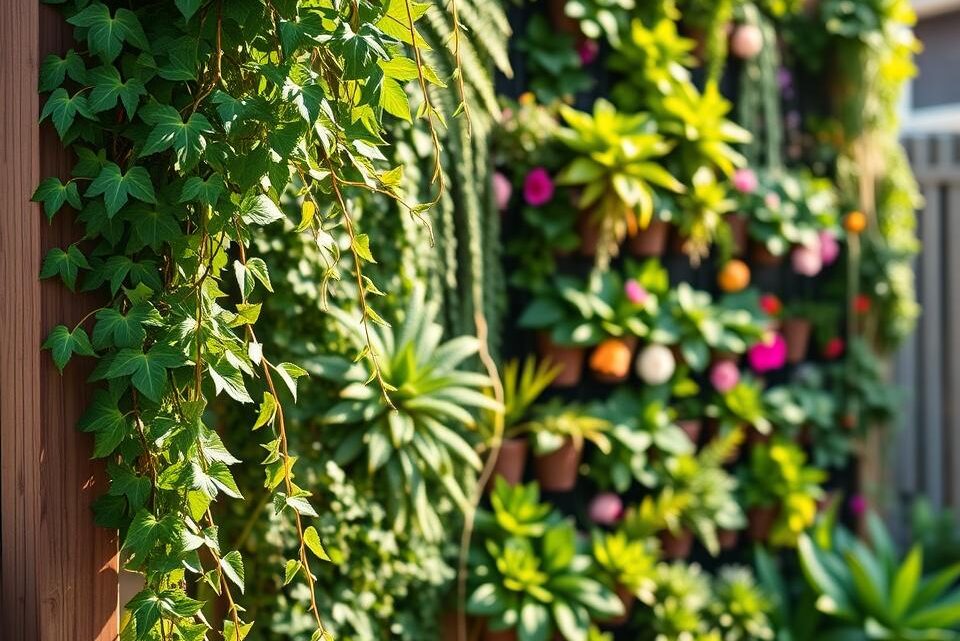
Transforming your outdoor space into a secluded oasis is easier than you think. Creating a vertical garden is an innovative way to enhance your garden design while maintaining privacy. By using a lush, green privacy screen, you can enjoy your outdoor space without being overlooked by neighbours.
You can achieve this by following our step-by-step guide, which covers everything from planning to plant selection and maintenance. With our guidance, you’ll be able to create a beautiful and functional outdoor space that is perfect for relaxation and entertainment.
Inhaltsverzeichnis
Key Takeaways
- Learn how to plan and design a vertical garden for privacy.
- Discover the best plants for a lush, green screen.
- Understand the maintenance requirements for your vertical garden.
- Transform your outdoor space into a private oasis.
- Enhance your garden design with a functional privacy screen.
The Benefits of Creating a Green Privacy Barrier
A green privacy barrier offers numerous benefits, from aesthetic appeal to environmental advantages. By incorporating a vertical garden as a privacy screen, you can enhance your outdoor space while addressing several practical concerns.
Aesthetic Appeal and Space Efficiency
A well-designed green privacy barrier not only beautifies your garden or yard but also makes efficient use of space. Unlike traditional fencing, a vertical garden can add a decorative element while serving its purpose. For instance, you can use a mix of flowering plants and foliage to create a visually appealing display.
Environmental Benefits
The environmental benefits of a green privacy barrier are substantial. By introducing more greenery into your outdoor space, you can improve air quality and contribute to a healthier environment. Additionally, a vertical garden can help mitigate the urban heat island effect, making your surroundings cooler and more comfortable.
| Environmental Benefits | Description |
|---|---|
| Air Quality Improvement | Plants absorb pollutants and produce oxygen, enhancing air quality. |
| Urban Heat Island Mitigation | Greenery helps reduce the urban heat island effect, cooling the environment. |
| Biodiversity Enhancement | A vertical garden can provide habitat for various species, increasing local biodiversity. |
Privacy and Noise Reduction
A green privacy barrier is an effective solution for enhancing privacy and reducing noise pollution. The dense foliage of a vertical garden acts as a natural screen, blocking unwanted views and minimizing noise from surrounding areas. This creates a more peaceful and private outdoor space for you to enjoy.
By understanding the benefits of a green privacy barrier, you can make an informed decision about incorporating a vertical garden into your outdoor space. Whether you’re looking to enhance aesthetic appeal, improve environmental quality, or increase privacy, a well-designed vertical garden can meet your needs.
Planning Your Vertical Garden as a Privacy Screen
The key to a successful vertical garden privacy screen lies in thorough planning, which involves assessing your space, choosing the right location, and setting a budget. By carefully considering these factors, you can create a beautiful and functional green screen that enhances your outdoor space.
Assessing Your Space and Requirements
To plan your vertical garden effectively, you need to assess your space and determine your requirements. Consider the amount of sunlight your area receives, as this will influence the type of plants you can use. You should also think about the level of maintenance you’re willing to commit to, as well as any specific needs you have, such as noise reduction or aesthetic appeal.
A useful way to assess your space is by creating a table to summarise your findings:
| Factor | Details |
|---|---|
| Sunlight Hours | 6 hours/day |
| Desired Privacy Level | High |
| Maintenance Commitment | Weekly |
Determining the Ideal Location
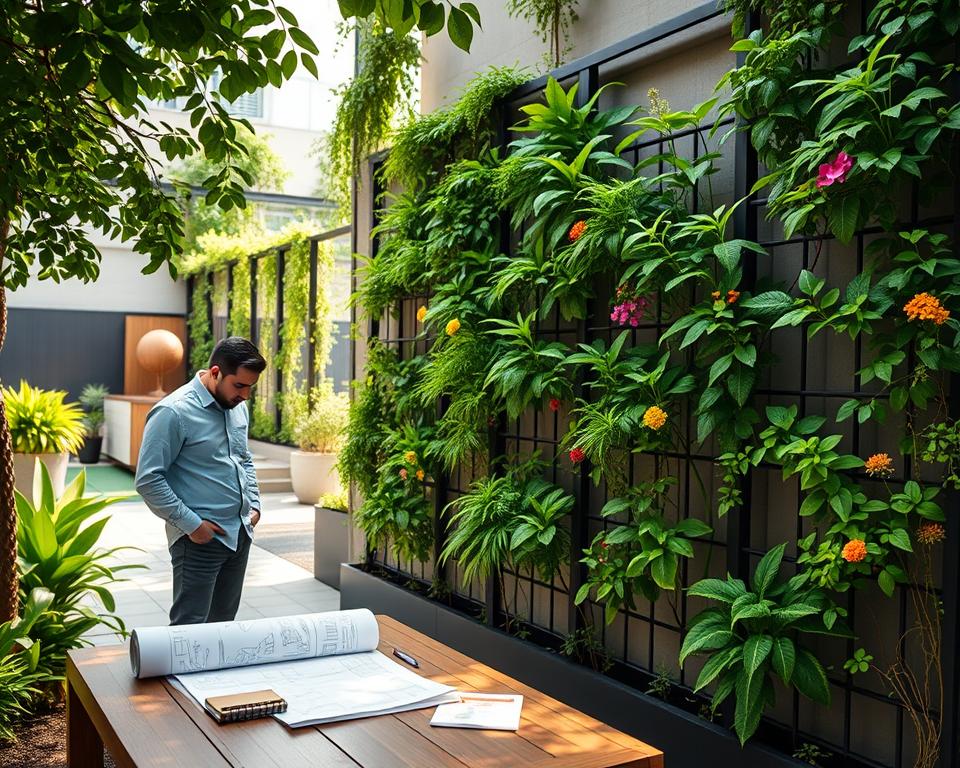
Determining the ideal location for your vertical garden is crucial, as it affects the overall performance and longevity of your green screen. Consider the direction of sunlight and prevailing winds in your area. For instance, if your space receives intense afternoon sun, you may need to choose plants that are tolerant of high temperatures and potential drought.
Setting a Realistic Budget
Setting a realistic budget is essential to guide your decisions throughout the project. Consider the costs of the structure, plants, irrigation system, and any additional features you want to include, such as lighting or decorative elements. A well-planned budget will help you create a beautiful vertical garden without overspending.
By following these planning steps, you can ensure your vertical garden privacy screen is both effective and aesthetically pleasing.
Choosing the Right Structure for Your Green Screen
When it comes to creating a vertical garden as a privacy screen, selecting the right structure is crucial. The structure you choose will depend on your specific needs and preferences, as well as the space available.
Freestanding Structures
Freestanding structures offer flexibility and can be used in a variety of settings. They can be particularly useful in areas where you don’t want to attach anything to existing walls or fences.
Trellises and Screens
Trellises and screens are popular choices for freestanding structures. They provide excellent support for climbing plants and can be easily moved or rearranged as needed.
Modular Systems
Modular systems are another option for freestanding green screens. These systems consist of interlocking units that can be configured to suit your space and design preferences.
Wall-Mounted Options
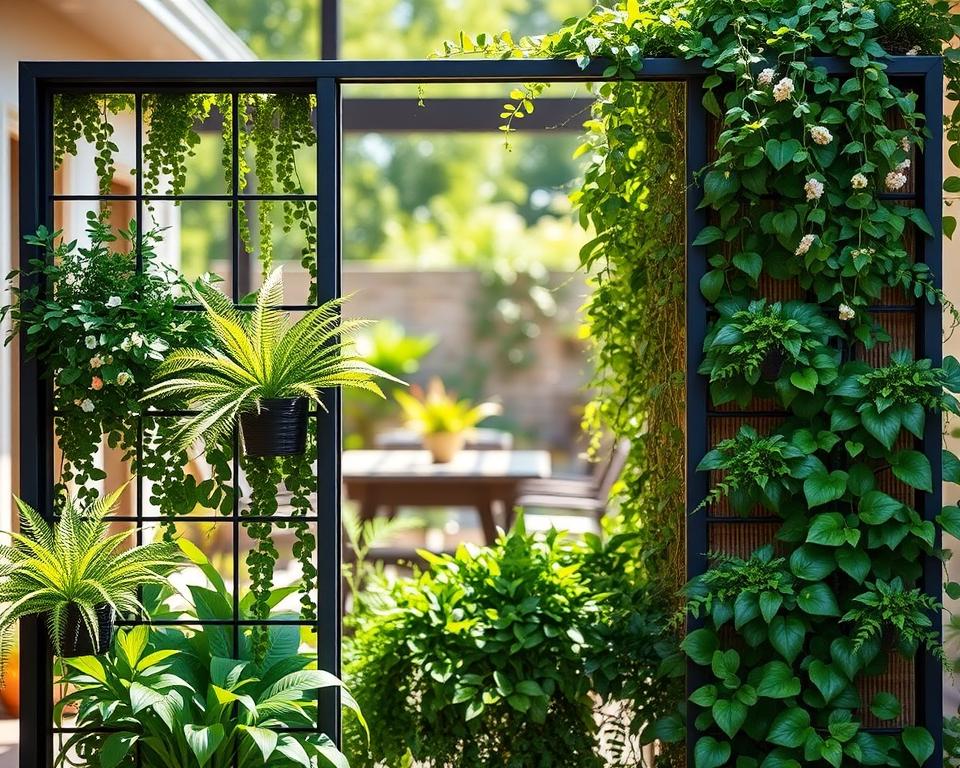
If you have limited space, wall-mounted options can be an ideal solution. These systems are attached directly to the wall, making them perfect for small gardens or balconies.
Fence-Based Systems
Fence-based systems can be used to create a seamless integration with existing fencing. By incorporating plants into your fence design, you can enhance privacy and add visual interest to your outdoor space.
When choosing a structure for your green screen, consider factors such as durability, maintenance requirements, and aesthetic appeal. By selecting the right structure, you can create a beautiful and functional vertical garden that meets your needs.
Essential Materials and Tools Needed
Creating a lush privacy screen requires careful selection of essential materials and tools. To ensure the success of your vertical garden, it’s crucial to understand the different components involved.
Structural Components
The structural components form the backbone of your vertical garden. You’ll need a sturdy frame, which can be made from materials like wood, metal, or recycled plastic. Trellises or a grid system are also necessary to support the plants as they grow. Consider using durable materials that can withstand various weather conditions.

Planting Materials
The planting materials are vital for the health and growth of your vertical garden. You’ll need a good quality potting mix that is well-draining and rich in nutrients. Choose plants that are suitable for vertical gardens and your local climate. Consider using a mix of evergreen and flowering plants to create visual interest throughout the year.
Tools Required
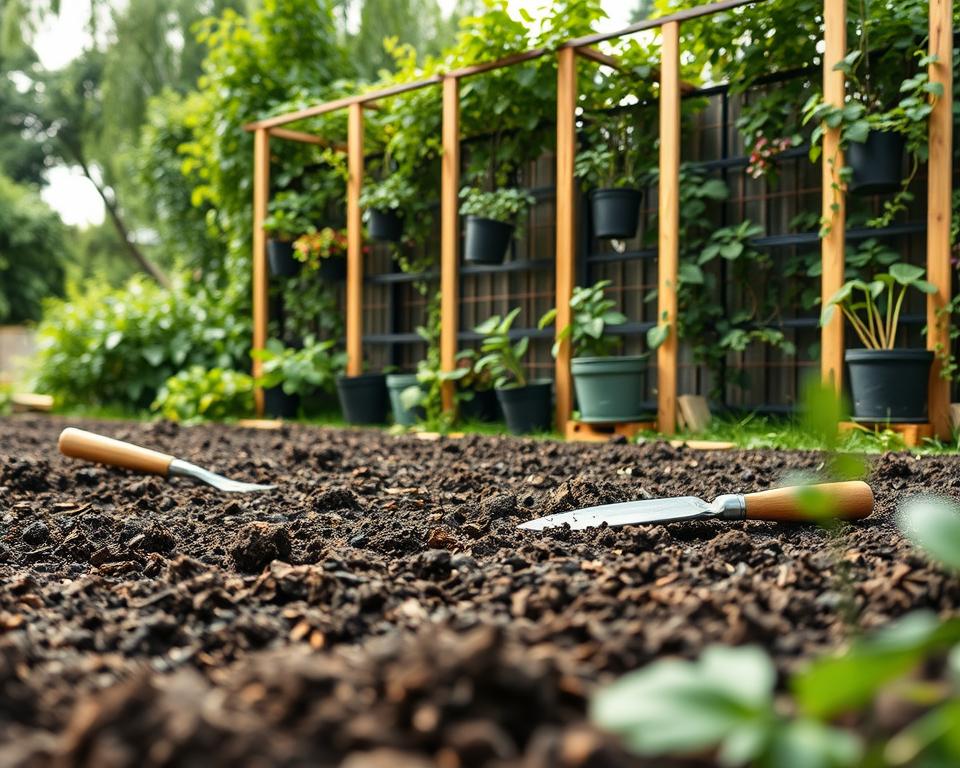
To maintain your vertical garden, you’ll need a set of basic gardening tools. These include gardening gloves to protect your hands, pruning shears for trimming plants, and a trowel for planting. A watering can or hose with a spray nozzle will also be necessary for efficient watering.
Selecting the Perfect Plants for Your Privacy Screen
To achieve the desired level of privacy and aesthetic appeal, careful plant selection is key. When choosing plants for your vertical garden, consider factors such as climate, maintenance requirements, and growth rates.
Evergreen Options for Year-Round Privacy
Evergreen plants are ideal for maintaining year-round privacy. They keep their leaves throughout the year and provide a consistent green screen.
Climbers and Vines
Climbers and vines are excellent choices for a vertical garden. They are easy to train on trellises or other supports and can grow densely, providing effective privacy. Popular options include English Ivy and Clematis.
Shrubs and Bushes
Shrubs and bushes offer another effective evergreen solution. They can be planted in containers or directly into the ground and provide a robust privacy screen. Consider boxwood or holly for their dense foliage.
Flowering Plants for Aesthetic Appeal
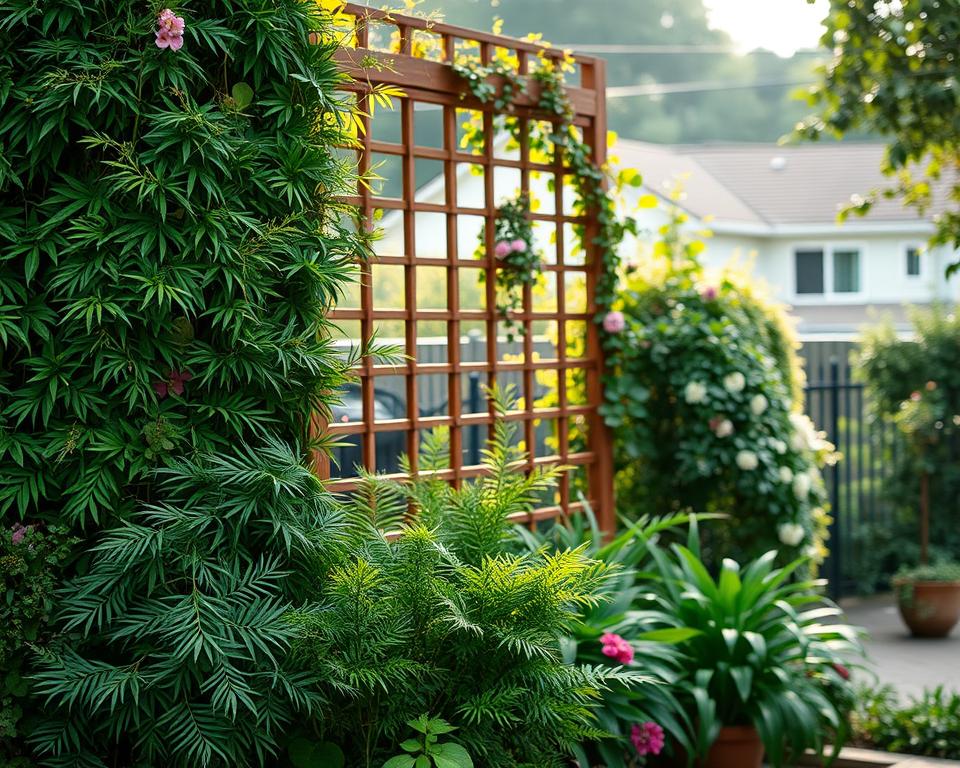
Flowering plants add colour and vibrancy to your privacy screen, enhancing its aesthetic appeal. Choose plants like Roses or Hydrangeas for their beautiful blooms and ability to attract pollinators.
Edible Options for Functional Gardens
Incorporating edible plants into your vertical garden can make it both functional and beautiful. Consider growing herbs like basil or mint, or fruit trees like dwarf apple or pear varieties.
As
“A garden is a love song, a duet between a human being and Mother Nature.” – Jeff Cox
, incorporating a mix of evergreen, flowering, and edible plants will create a dynamic and engaging privacy screen.
Building the Foundation: Step-by-Step Instructions
The key to a flourishing vertical garden lies in its foundation, which requires careful planning and execution. A well-constructed base ensures the stability and longevity of your green privacy screen.
Preparing the Ground
Before you begin constructing your vertical garden, it’s essential to prepare the ground. Ensure the area is level and stable. Clear the site of any debris and vegetation. If necessary, lay a foundation material like gravel or concrete to provide a solid base.
Setting Up Support Structures
Setting up the right support structures is crucial for the stability of your vertical garden. This involves securing posts and frames to create a sturdy base.
Securing Posts and Frames
Use durable materials for the posts and frames to support the weight of the garden. Ensure they are firmly anchored to the ground to prevent any movement or collapse.
Safety Considerations
When designing your support structures, consider safety factors such as drainage and accessibility. Proper drainage prevents waterlogged soil, which can damage the structure. Ensure the garden is accessible for maintenance.
| Safety Factor | Consideration | Action |
|---|---|---|
| Drainage | Prevent waterlogged soil | Install a drainage system |
| Accessibility | Easy maintenance access | Design pathways and access points |
Installing Irrigation Systems
An efficient irrigation system is vital for the health of your vertical garden. Choose a system that delivers water directly to the roots, minimizing waste and ensuring your plants receive the right amount of moisture.
By following these steps, you can create a robust foundation for your vertical garden, ensuring it thrives as a privacy screen.
Creating the Planting System
Creating a thriving vertical garden starts with a well-designed planting system. The right planting system ensures that your plants receive the necessary nutrients, water, and support to grow healthily.
Pocket Planters vs. Trellises
When deciding on a planting system, you have several options, including pocket planters and trellises. Pocket planters are fabric or felt pockets attached to a wall or frame, providing individual spaces for plants to grow. They are ideal for plants that require good drainage and aeration. Trellises, on the other hand, offer a more traditional approach, providing a structure for plants to climb on. They are suitable for climbing plants and can be used to create a dense screen.
Setting Up Growing Containers
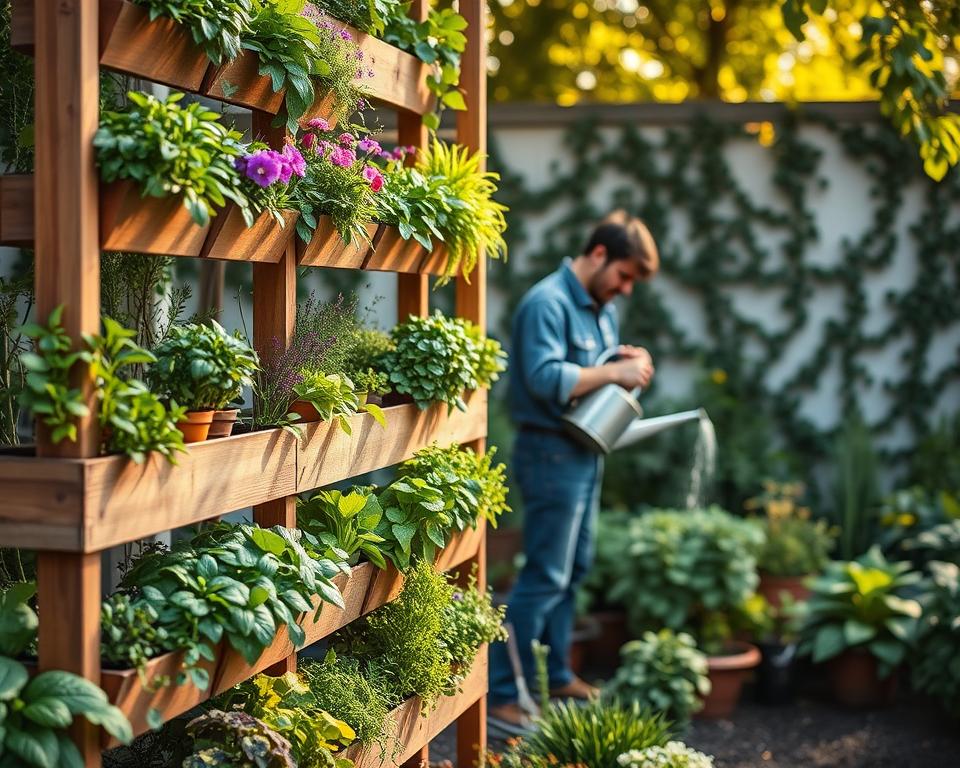
Growing containers are a crucial component of your planting system. You can use pots, planters, or even recycled materials like plastic bottles. Ensure that your containers have adequate drainage holes to prevent waterlogged soil. The size of the containers will depend on the mature size of your plants and their root system.
Preparing the Growing Medium
The growing medium is the substance in which your plants’ roots will grow. A good growing medium should retain moisture but also drain excess water. You can use a mix of peat moss, perlite, and vermiculite to create a well-balanced growing medium. Avoid using regular garden soil, as it can compact and prevent proper drainage.
Planting Your Vertical Garden: Techniques and Tips
To establish a lush and vibrant green screen, you need to master the techniques of planting your vertical garden. This involves careful consideration of several factors to ensure your plants thrive and your privacy screen is effective.
Proper Planting Depths and Spacing
One of the critical aspects of planting your vertical garden is ensuring that you plant at the correct depth and spacing. Planting too deeply can lead to root rot, while planting too shallowly can cause the roots to dry out. It’s essential to follow the specific planting instructions for each type of plant you’re using. Generally, plants should be spaced to allow for good air circulation and growth. For most plants, a spacing of about 6-12 inches is recommended, but this can vary depending on the mature size of the plants.
Creating Visual Interest with Plant Arrangement
The arrangement of plants in your vertical garden can significantly impact its visual appeal. Mixing different textures, colours, and heights can create a dynamic and interesting display. Consider arranging plants in a staggered pattern or grouping similar plants together for a cohesive look. You can also use a combination of trailing and upright plants to add depth and variety to your green screen.
Initial Care After Planting
After planting your vertical garden, it’s crucial to provide the right initial care to help your plants establish themselves. This includes watering thoroughly after planting and keeping the soil consistently moist during the first few weeks. You may also need to fertilise your plants to promote healthy growth. Use a balanced fertiliser and follow the manufacturer’s instructions for application rates. Regular monitoring of your plants’ health and adjusting your care routine as needed will help ensure the long-term success of your vertical garden.
Irrigation Solutions for Vertical Gardens
A well-designed irrigation system is essential for the health and longevity of your vertical garden. Proper irrigation ensures that your plants receive the right amount of water, reducing waste and preventing overwatering.
Drip Irrigation Systems
Drip irrigation systems are highly efficient for vertical gardens, delivering water directly to the roots of the plants. This method reduces evaporation and runoff, ensuring that your plants receive the water they need.
Installation Process
The installation of a drip irrigation system involves laying out the tubing along the vertical garden structure, ensuring that each plant has access to water. It’s crucial to follow the manufacturer’s instructions for spacing and placement.
Maintenance Requirements
Regular maintenance is necessary to ensure the drip irrigation system functions correctly. This includes checking for leaks, cleaning filters, and ensuring that the water pressure is adequate.
Self-Watering Options
Self-watering containers and systems can be an excellent option for vertical gardens, especially for those with limited access or who prefer a low-maintenance setup. These systems store water in a reservoir, allowing plants to draw water as needed.
Manual Watering Techniques
For smaller vertical gardens or as a supplement to automated systems, manual watering can be effective. Using a watering can or hose with a spray nozzle allows for direct watering of plants, giving you control over the amount of water each plant receives.
Seasonal Maintenance of Your Green Privacy Screen
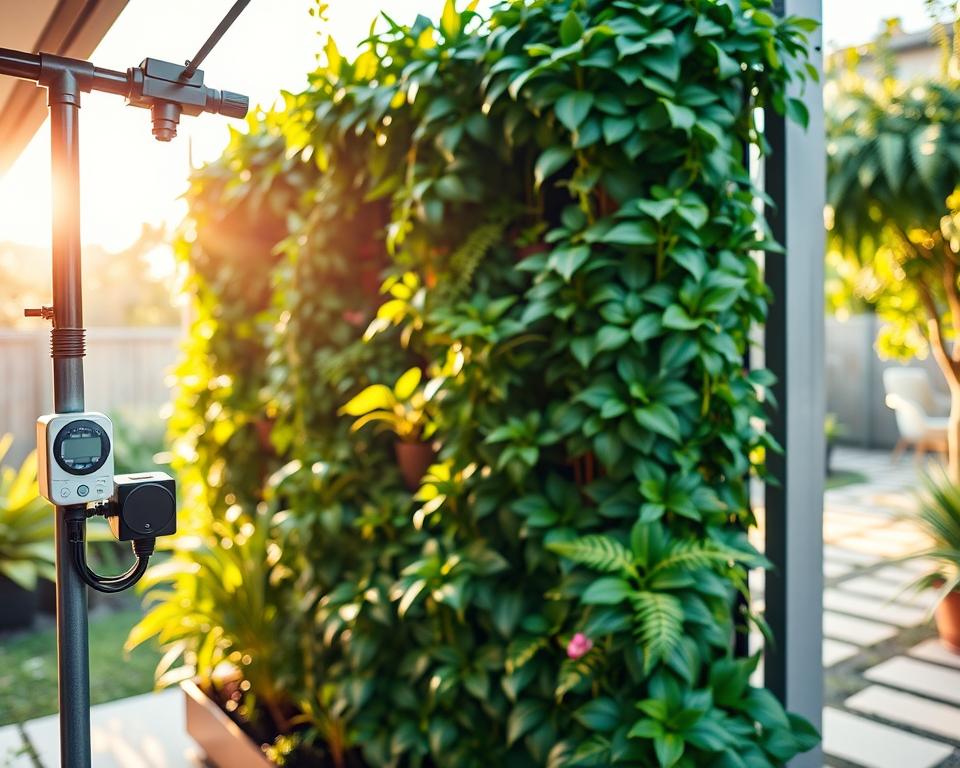
To keep your vertical garden thriving throughout the year, it’s crucial to perform seasonal maintenance tasks. As the seasons change, your green privacy screen requires specific care to remain healthy and continue to serve its purpose effectively.
Spring and Summer Care
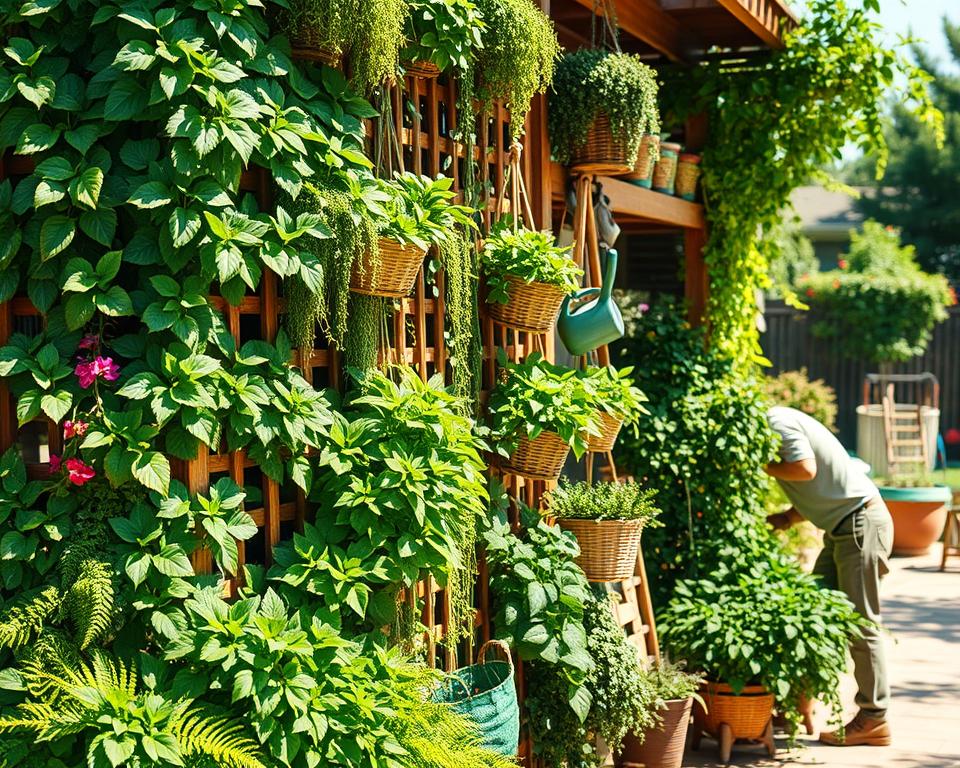
During the spring and summer months, your vertical garden is in its active growth phase. To promote healthy growth and maximise foliage, ensure you:
- Water your plants regularly, taking care not to overwater
- Fertilise with a balanced fertiliser to provide essential nutrients
- Prune plants to maintain shape and encourage new growth
Regular maintenance during this period will help your vertical garden become denser and more effective as a privacy screen.
Autumn Preparations
As autumn approaches, prepare your vertical garden for the changing weather conditions. This includes:
- Reducing watering as the weather cools and plants grow more slowly
- Adding a layer of mulch to retain moisture and regulate soil temperature
- Pruning back perennials to ground level to protect them from winter damage
These steps will help your plants survive the colder months and come back strong in the spring.
Winter Protection Strategies
During the winter, protect your vertical garden from harsh weather conditions. Consider:
- Covering plants with a frost cloth or bringing potted plants under cover
- Reducing watering to once a month, as plants require less moisture
- Checking the structure of your vertical garden for damage from snow or ice
By taking these precautions, you can safeguard your green privacy screen and ensure it remains healthy throughout the year.
Troubleshooting Common Vertical Garden Problems
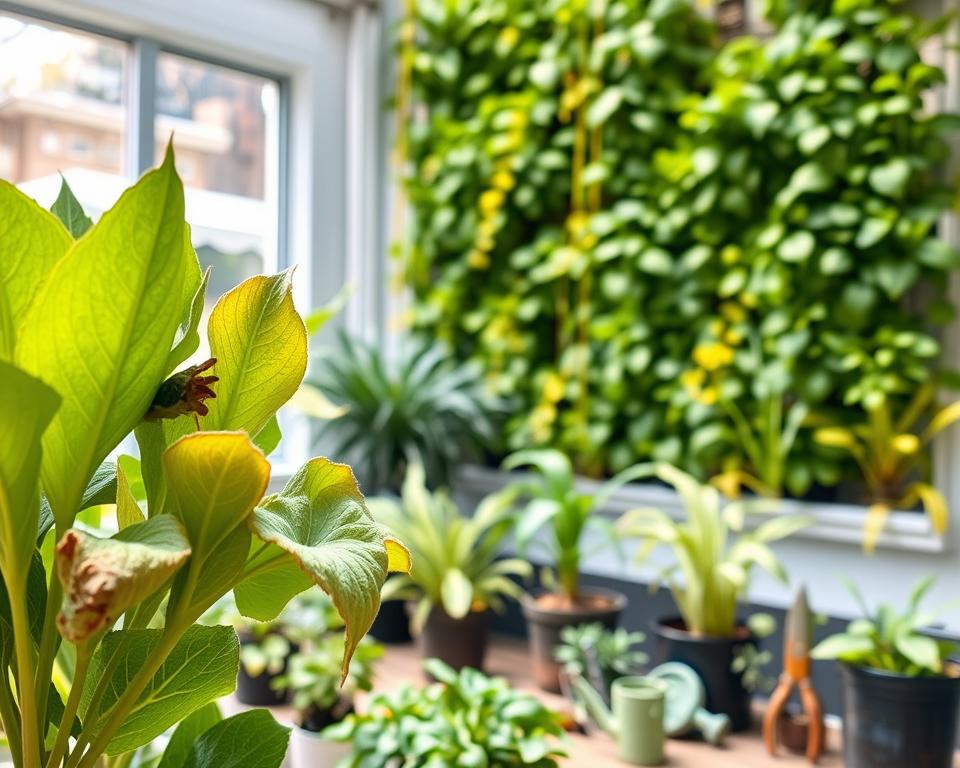
To keep your vertical garden flourishing, it’s essential to identify and resolve common problems promptly. Even with proper care, issues can arise that affect the health and appearance of your garden.
Plant Health Issues
Plant health problems are a common challenge in vertical gardens. Pests, diseases, and nutrient deficiencies can all impact plant health. Regularly inspect your plants for signs of trouble, and take action quickly to prevent the issue from spreading. For example, using organic pest control methods can help mitigate infestations.
Structural Concerns
Structural concerns, such as damage to the support system or irrigation leaks, can also affect your vertical garden. Regularly inspect the structure and irrigation system to identify any potential issues before they become major problems. Ensuring that the structure is sturdy and well-maintained is crucial for the longevity of your garden.
Irrigation Challenges
Irrigation challenges are another common issue. Overwatering or underwatering can both have negative effects on your plants. Implementing a well-designed irrigation system and monitoring soil moisture levels can help you avoid these problems. Consider using a drip irrigation system for efficient water delivery.
| Issue | Cause | Solution |
|---|---|---|
| Pests | Insect infestations | Organic pest control |
| Diseases | Poor air circulation, overwatering | Improve air circulation, adjust watering schedule |
| Structural damage | Weather conditions, poor maintenance | Regular inspections, repair or replace damaged components |
Enhancing Your Vertical Garden with Lighting and Decorative Elements
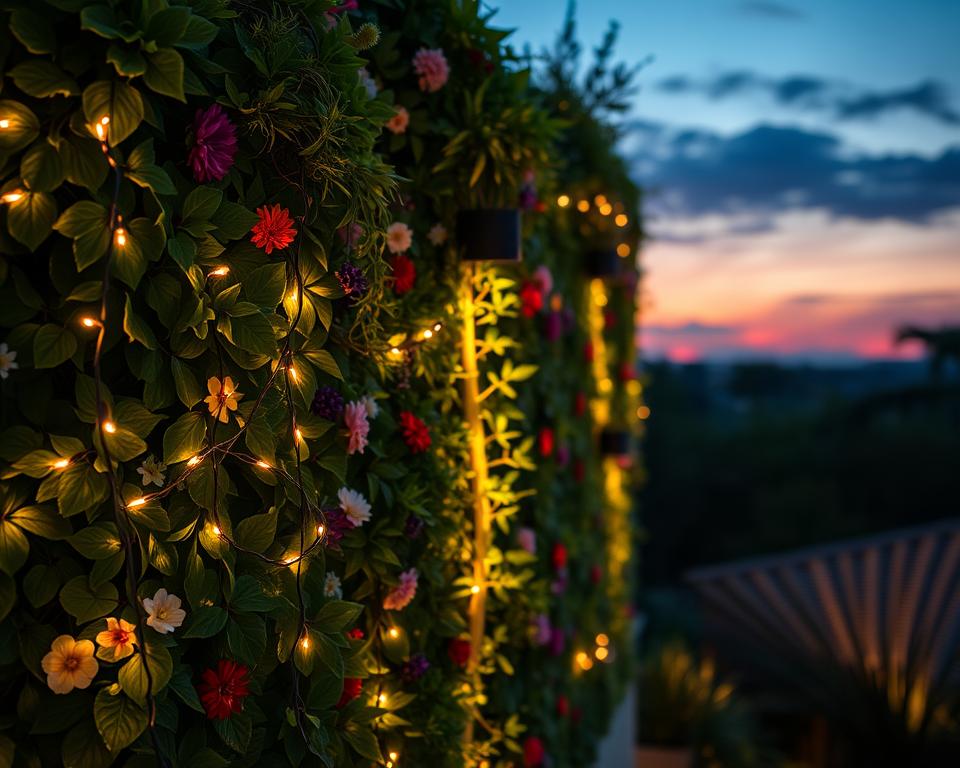
Your vertical garden can be taken to the next level with the right lighting and decorative accents. A well-designed lighting system can highlight the beauty of your green screen, creating ambiance in the evening and extending its usability into the night.
Solar and Low-Voltage Lighting Options
When it comes to lighting your vertical garden, you have several options. Solar lighting is an eco-friendly choice, harnessing the power of the sun to illuminate your garden. Low-voltage lighting systems are another popular option, offering energy efficiency and safety. Some key benefits include:
- Energy efficiency
- Environmentally friendly
- Enhanced safety
Decorative Accents and Personalisation
Beyond lighting, you can further enhance your vertical garden with decorative accents. Consider adding decorative planters, garden ornaments, or other personal touches that reflect your style. These elements can add visual interest and make your vertical garden truly unique. Some ideas include:
- Decorative trellises
- Personalised garden signs
- Themed garden ornaments
By incorporating lighting and decorative elements, you can create a vertical garden that is not only functional but also a beautiful focal point in your outdoor space.
Real-Life Examples and Inspiration
Drawing inspiration from real-life examples of vertical garden installations can help you create your own privacy screen. These examples showcase the versatility and potential of vertical gardens in various settings.
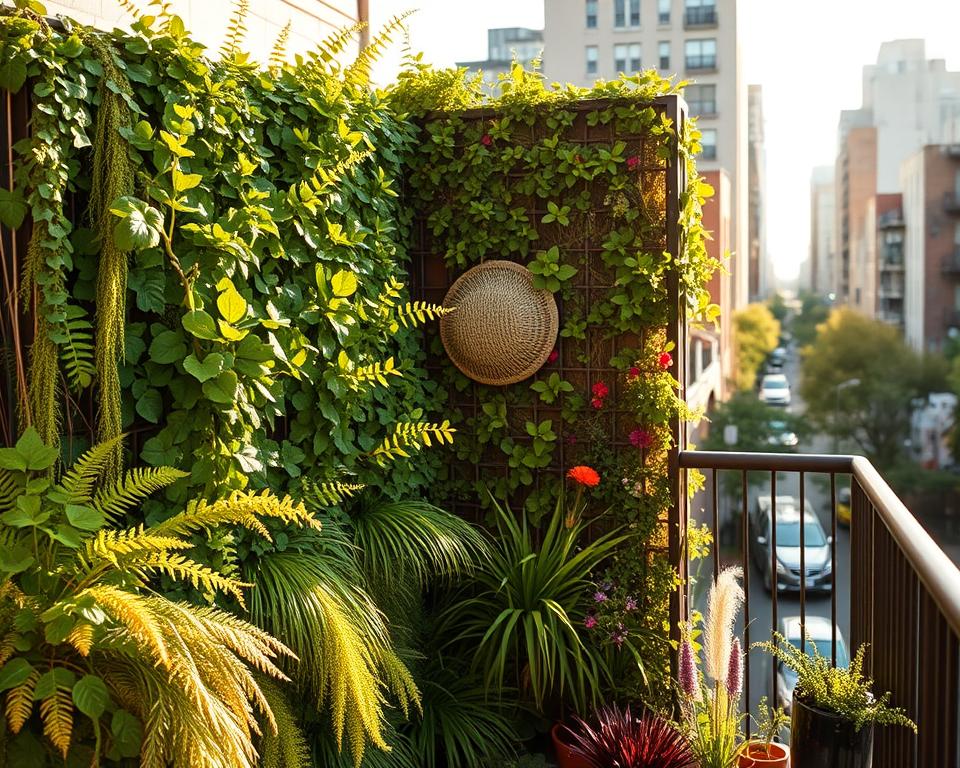
Urban Balcony Privacy Screens
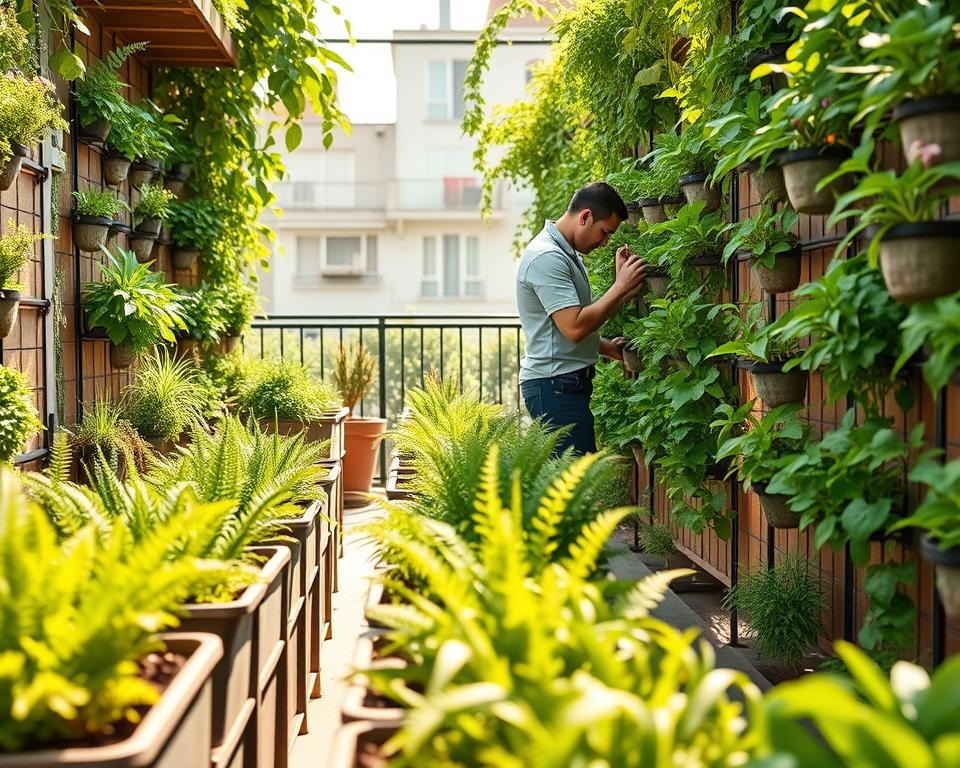
In urban areas, balconies are being transformed into lush oases using vertical gardens. These urban balcony privacy screens not only enhance the aesthetic appeal of the space but also provide a secluded retreat from the bustling city below. By incorporating a mix of evergreen and flowering plants, you can create a vibrant and private outdoor space.
Suburban Garden Dividers
In suburban gardens, vertical gardens are being used as effective dividers between properties or to section off specific areas within the garden. These suburban garden dividers can be customised to suit the style of your garden, whether it’s modern and sleek or traditional and rustic. They also serve as a beautiful backdrop for outdoor living areas.
Commercial Applications
Vertical gardens are also making their mark in commercial settings, such as office buildings, restaurants, and shopping centres. These installations not only improve the ambiance of the space but also contribute to a healthier environment by purifying the air. Commercial applications of vertical gardens demonstrate their potential for enhancing both the aesthetic and environmental quality of public spaces.
By exploring these real-life examples, you can gain valuable insights into designing your own vertical garden privacy screen, whether it’s for an urban balcony, suburban garden, or commercial space.
Conclusion
You’ve now reached the final step in creating your vertical garden as a privacy screen. By following this guide, you’ve gained the knowledge to transform your outdoor space into a beautiful and functional area.
A well-designed vertical garden not only enhances your property’s aesthetic appeal but also provides a natural barrier, ensuring your privacy. With the right plants and maintenance, your green screen will thrive, becoming a haven for relaxation and entertainment.
As you enjoy the benefits of your new vertical garden, consider the possibilities for customisation and expansion. You can incorporate lighting, decorative elements, or even edible plants to create a unique and personalised space.
By investing time and effort into your vertical garden, you’ll be rewarded with a serene and private oasis that enhances your overall quality of life. Your vertical garden as a privacy screen is more than just a garden – it’s a haven.
FAQ
What is the ideal location for a vertical garden as a privacy screen?
The ideal location for a vertical garden as a privacy screen is an area that receives sufficient sunlight and is level. You should also consider the direction of the sun and the prevailing wind to ensure the health and stability of your green screen.
How do I choose the right plants for my vertical garden?
When choosing plants for your vertical garden, consider factors such as the amount of sunlight your area receives, the level of maintenance you’re willing to commit to, and the desired level of privacy. Evergreen options like climbers and shrubs provide year-round coverage, while flowering plants add colour and vibrancy.
What type of irrigation system is best for a vertical garden?
Drip irrigation systems are often the most effective and efficient way to deliver water to your plants in a vertical garden. You can also consider self-watering options or manual watering techniques, depending on your specific needs.
How do I maintain my vertical garden during different seasons?
To keep your vertical garden thriving, perform seasonal maintenance. In the spring and summer, focus on promoting healthy growth and maximising foliage. In the autumn, prepare your plants for changing weather conditions, and implement winter protection strategies to safeguard your green screen.
What are some common problems with vertical gardens, and how can I troubleshoot them?
Common issues with vertical gardens include plant health problems, structural concerns, and irrigation challenges. By understanding the causes of these issues and implementing effective solutions, you can keep your vertical garden thriving. Regularly inspect your green screen, and take corrective action when necessary.
Can I use a vertical garden as a privacy screen in a commercial setting?
Yes, vertical gardens can be used as effective privacy screens in commercial settings, such as offices, restaurants, or public spaces. They can also add aesthetic appeal and help to reduce noise pollution.
How do I enhance my vertical garden with lighting and decorative elements?
To enhance your vertical garden, consider adding solar or low-voltage lighting to highlight your green screen and create ambiance in the evening. You can also add decorative accents and personal touches to make your vertical garden truly unique.