Fire Safety Measures for Your Wooden Summerhouse Explained
As a homeowner with a wooden summerhouse, you’re likely aware of the joys it brings to your garden. However, it’s crucial to be mindful of the potential risks associated with these structures, particularly when it comes to fire safety.
Wooden summerhouses, by their nature, are more susceptible to fire hazards. Ensuring fire safety in your garden building is vital to prevent accidents and protect your property.
Implementing preventive measures can significantly reduce the risk of fire occurring in your wooden summerhouse. Understanding the importance of garden building safety is the first step towards safeguarding your garden.
Inhaltsverzeichnis
Key Takeaways
- Regularly inspect your wooden summerhouse for potential fire hazards.
- Ensure proper electrical installations and maintenance.
- Keep flammable materials away from heat sources.
- Have a fire extinguisher nearby and easily accessible.
- Be mindful of outdoor cooking and heating equipment.
Understanding the Fire Risks of Wooden Summerhouses
Understanding the fire risks of your wooden summerhouse is crucial for taking preventive measures. Wooden summerhouses, while charming additions to any garden, come with inherent fire risks due to their construction material.
Why Wooden Structures Are More Vulnerable to Fire
Wooden structures are more prone to fires due to their combustible nature. Wood is a highly flammable material, and when exposed to heat or sparks, it can ignite quickly. This makes it essential to be extra cautious with potential fire hazards around your summerhouse.
Common Causes of Fires in Garden Buildings
Fires in garden buildings like summerhouses can be attributed to several common causes. Being aware of these can help you take necessary precautions.
Electrical Faults
Electrical faults are a leading cause of fires. Faulty wiring, malfunctioning appliances, or overloading sockets can all lead to a fire. Regular checks on your electrical installations can mitigate this risk.
Heating Equipment
Heating equipment, if not properly maintained or used, can also be a fire hazard. This includes wood-burning stoves and electric heaters. Ensuring that these are installed and maintained correctly is vital.
Human Error
Human error, such as leaving candles unattended or not properly extinguishing smoking materials, can also lead to fires. Being mindful of these risks can significantly reduce the chance of a fire occurring.
| Cause of Fire | Prevention Measure |
|---|---|
| Electrical Faults | Regularly inspect wiring and appliances |
| Heating Equipment | Maintain equipment properly and use safely |
| Human Error | Be cautious with open flames and smoking materials |
The Importance of Fire-Resistant Materials
Fire-resistant materials play a vital role in protecting your wooden summerhouse from potential fire hazards. By incorporating these materials into your construction or renovation plans, you can significantly reduce the risk of fire damage.
Fire-Retardant Treatments for Wood
One effective way to enhance the fire resistance of your wooden summerhouse is through fire-retardant treatments. These treatments involve applying chemicals to the wood that inhibit or delay the ignition process. According to experts, “Fire-retardant treatments can reduce the risk of fire spreading, giving you more time to evacuate and call the fire brigade.” Proper application of these treatments is crucial for their effectiveness.
There are various types of fire-retardant treatments available, including:
- Surface coatings
- Pressure impregnation
- Intumescent paints
Fire-Resistant Construction Materials
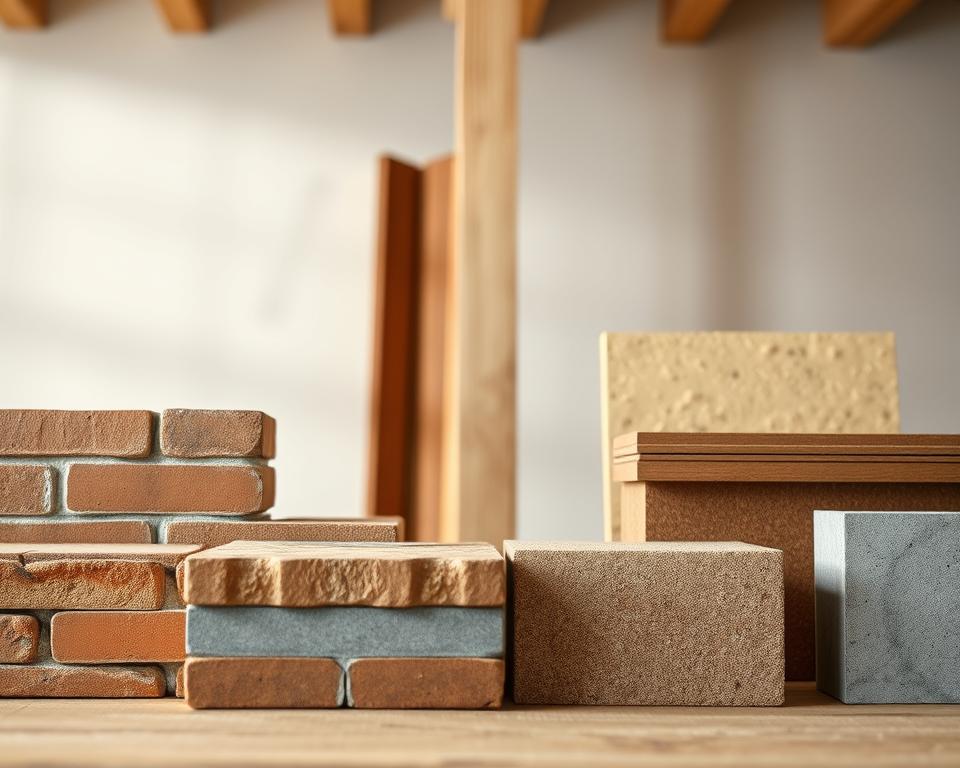
In addition to treating the wood, using inherently fire-resistant construction materials can further enhance safety. Materials such as fire-resistant glazing, non-combustible insulation, and fire-resistant roofing can significantly reduce fire risks.
| Material | Fire Resistance | Application |
|---|---|---|
| Fire-resistant glazing | High | Windows and doors |
| Non-combustible insulation | High | Walls and ceilings |
| Fire-resistant roofing | High | Roofing |
UK Standards for Fire-Resistant Products
In the UK, fire-resistant products are governed by specific standards to ensure their effectiveness. Products such as fire-resistant glazing and insulation must comply with British Standards (BS) or European Standards (EN). For instance, BS 476 is a key standard for fire-resistant materials in the UK.
“The use of fire-resistant materials that comply with UK standards is crucial for ensuring the safety of your summerhouse. Always look for products that have been tested and certified to the relevant standards.”
When selecting fire-resistant materials, ensure they meet the required UK standards. This not only enhances safety but also ensures compliance with local regulations.
Essential Fire Safety Equipment for Your Summerhouse
Ensuring your summerhouse is equipped with the right fire safety equipment is crucial for protecting your property. Fires can occur unexpectedly, and having the appropriate safety measures in place can significantly reduce the risk of damage or injury.
Fire Extinguishers: Types and Placement
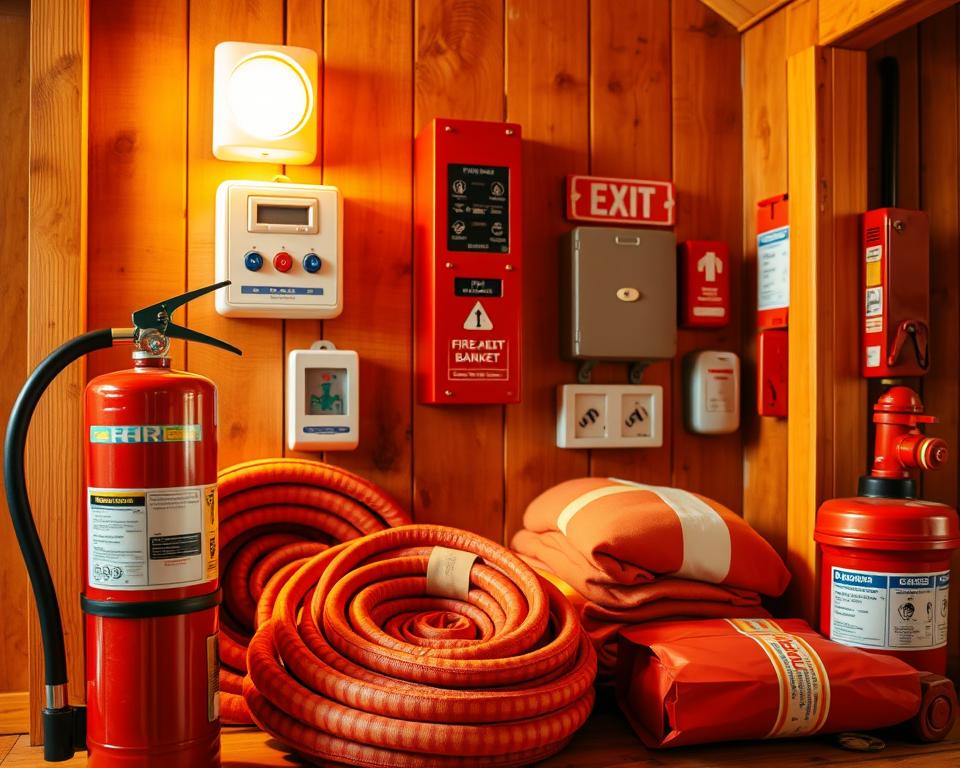
Fire extinguishers are a critical component of fire safety. There are several types, including water, foam, carbon dioxide, and dry powder extinguishers. The choice of extinguisher depends on the potential fire risks in your summerhouse. For example, if you use electrical appliances, a carbon dioxide extinguisher is recommended. It’s also vital to place extinguishers in easily accessible locations, such as near exits.
Smoke and Heat Detectors
Smoke and heat detectors are essential for early fire detection. Smoke detectors alert you to potential fires by sensing smoke particles in the air, while heat detectors respond to increases in temperature. Installing these detectors in your summerhouse can provide an early warning, allowing you to take action quickly.
Fire Blankets and Their Uses
Fire blankets are another important piece of fire safety equipment. They can be used to smother small fires by depriving them of oxygen. Fire blankets are particularly useful in areas where cooking is done. It’s essential to store them in an easily accessible location and ensure that everyone knows how to use them.
Installation Guidelines
Proper installation of fire safety equipment is crucial. Fire extinguishers and detectors should be installed according to the manufacturer’s instructions and relevant UK standards. It’s also a good idea to consult a professional to ensure that the equipment is installed correctly.
Maintenance Requirements
Regular maintenance of fire safety equipment is vital to ensure it functions correctly when needed. This includes checking fire extinguishers for damage, testing smoke and heat detectors regularly, and inspecting fire blankets for signs of wear. Keeping a record of maintenance can help you stay on top of these tasks.
As “Prevention is better than cure”, maintaining your fire safety equipment is a proactive step towards safeguarding your summerhouse.
“Fire safety is not just about having the right equipment; it’s about being prepared and knowing how to use it effectively.”
Electrical Safety in Your Wooden Retreat
To keep your wooden summerhouse safe, electrical safety cannot be overlooked. Ensuring that your electrical systems are installed and maintained properly is crucial for preventing electrical fires and shocks.
Proper Wiring Installation
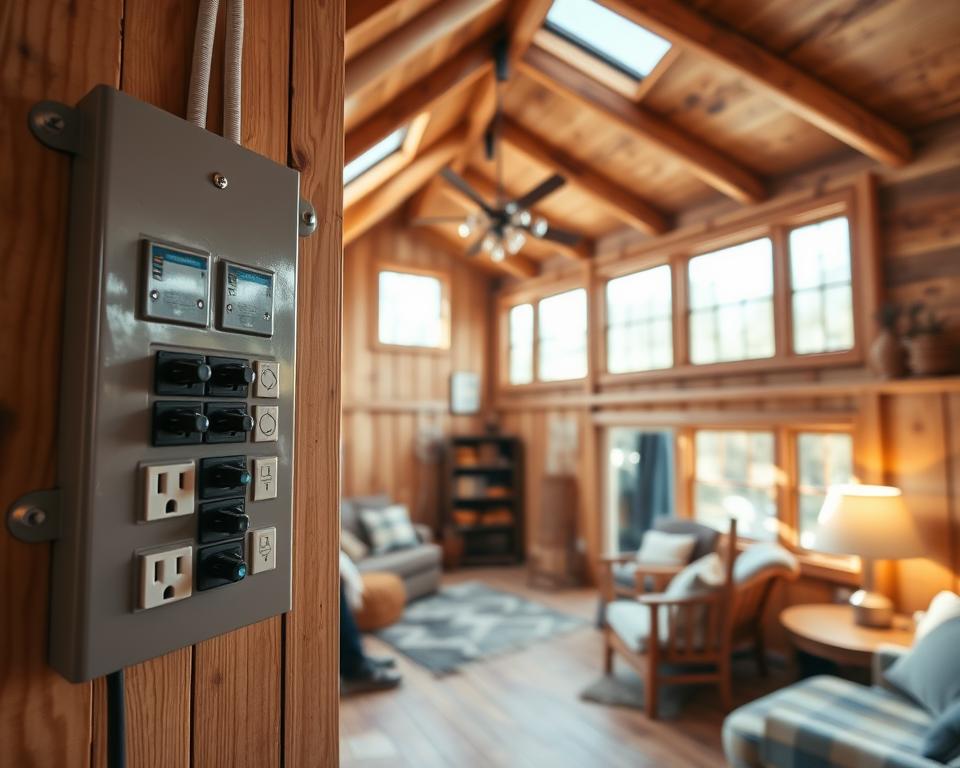
Proper wiring installation is the foundation of electrical safety. It’s essential to use wiring that is suitable for the environment and compliant with UK electrical standards. Consider hiring a qualified electrician to ensure that the wiring is done correctly.
Safe Use of Electrical Appliances
Using electrical appliances safely is vital. Avoid overloading sockets, and keep appliances away from water sources. Regularly check appliances for damage and replace them if necessary.
Regular Electrical System Inspections
Regular inspections can identify potential issues before they become major problems. It’s recommended to have your electrical system inspected every few years or as needed.
Finding Qualified Electricians in the UK
To ensure your electrical system is safe, find a qualified electrician registered with a UK-approved trade body, such as NICEIC or ELECSA. Check for certifications and reviews to ensure you’re hiring a competent professional.
Some key points to consider when hiring an electrician include:
- Checking their registration with a reputable trade body
- Verifying their experience with similar projects
- Reading reviews from previous clients
By following these guidelines, you can significantly enhance the electrical safety of your wooden summerhouse.
Heating Safety: Minimising Risks from Heaters and Stoves
When it comes to heating your wooden summerhouse, safety should be your top priority. Ensuring that your heating systems are installed and used correctly can significantly reduce the risk of fires and other hazards.
Safe Installation of Wood-Burning Stoves
Wood-burning stoves can be a charming and efficient way to heat your summerhouse. However, their installation requires careful consideration. You should always hire a qualified professional to install your wood-burning stove, ensuring that it complies with UK regulations. Proper installation includes maintaining a safe distance from combustible materials and ensuring that the stove is correctly vented.
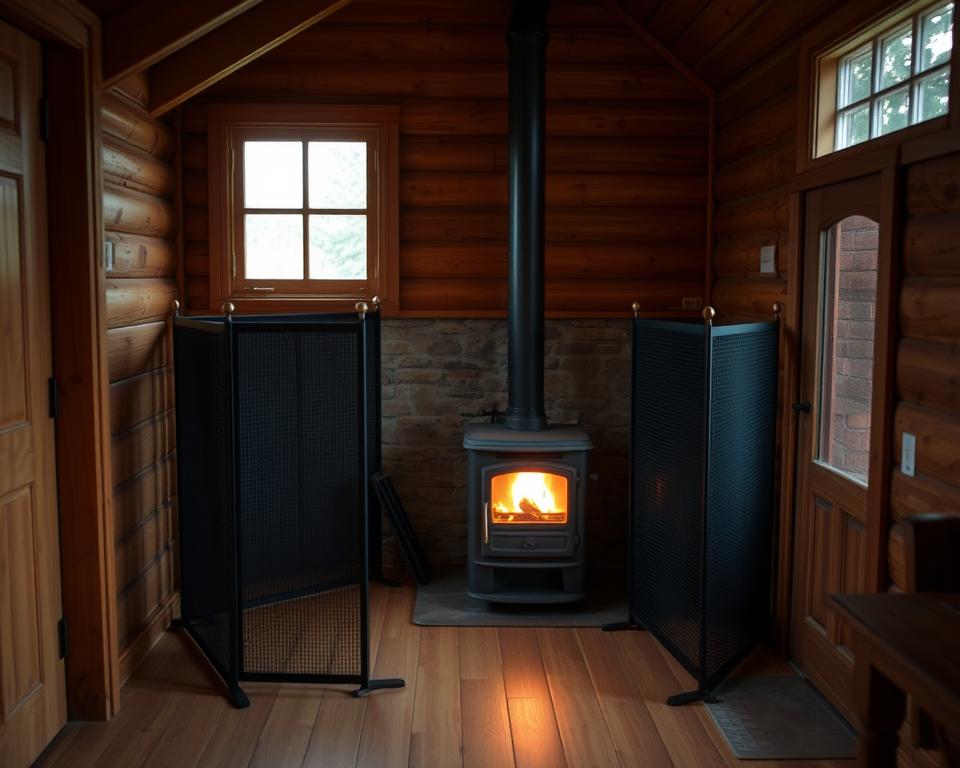
Electric Heater Safety Guidelines
Electric heaters are another popular option for heating summerhouses. To use them safely, keep them away from flammable materials and avoid overloading electrical outlets. Regularly inspect your electric heaters for damage and follow the manufacturer’s instructions for use and maintenance.
Proper Ventilation Requirements
Adequate ventilation is crucial when using any form of heating in your summerhouse. Proper ventilation helps to remove combustion by-products and reduces the risk of carbon monoxide poisoning. Ensure that your summerhouse has sufficient ventilation, particularly when using wood-burning stoves or other fuel-burning appliances.
UK Regulations for Stove Installation
In the UK, the installation of wood-burning stoves is subject to specific regulations. These include compliance with the Building Regulations and the British Standards for stove installation. Familiarise yourself with these regulations or consult a professional to ensure your stove is installed correctly and safely.
Creating Fire Breaks Around Your Summerhouse
To protect your wooden summerhouse from potential fire hazards, creating effective fire breaks is crucial. Fire breaks are areas around your summerhouse that are designed to stop or slow the spread of fire. By managing the vegetation, maintaining a safe distance from other structures, and using non-combustible materials for landscaping, you can significantly enhance the fire safety of your summerhouse.
Vegetation Management
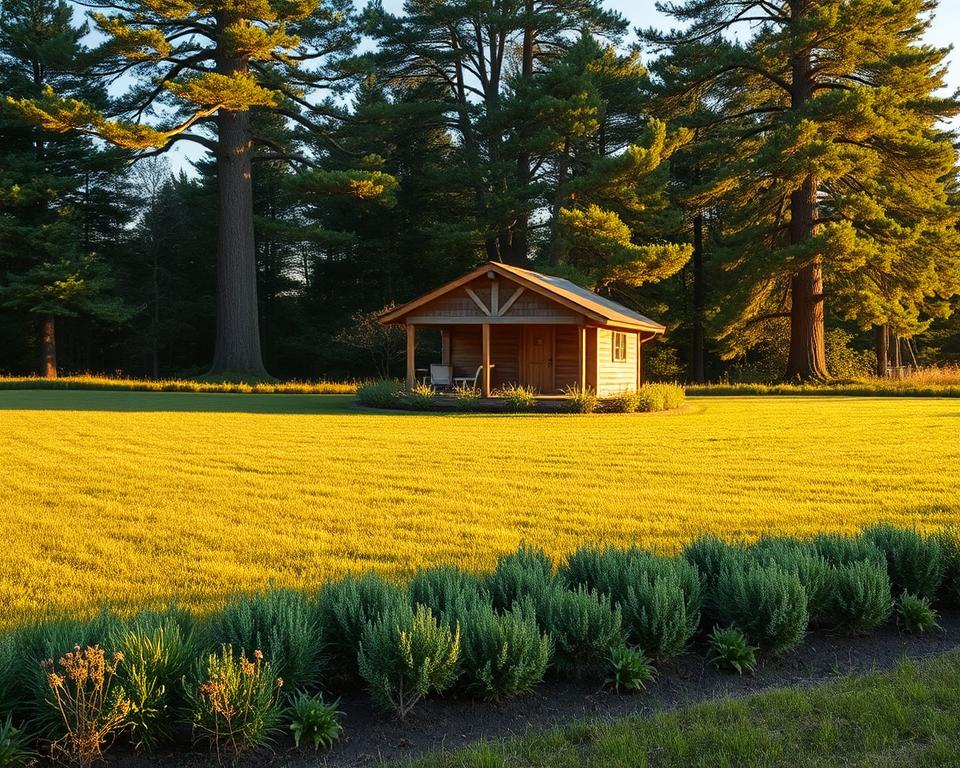
Effective vegetation management is key to creating a fire break. This involves removing or reducing flammable vegetation around your summerhouse. Keep a clear area of at least 3 meters around your summerhouse, free from dry leaves, branches, and other combustible materials.
| Vegetation Type | Fire Risk | Management Action |
|---|---|---|
| Dry shrubs and bushes | High | Remove or replace with fire-resistant plants |
| Trees with dead branches | Medium to High | Prune dead branches regularly |
| Grass | Low to Medium | Maintain short grass length, especially during dry periods |
Safe Distance from Other Structures
Maintaining a safe distance between your summerhouse and other structures or vegetation is vital. The recommended distance varies, but a general rule is to keep at least 6 meters between your summerhouse and any other wooden structures or trees.
Using Non-Combustible Materials for Landscaping
Using non-combustible materials for landscaping around your summerhouse can significantly reduce the risk of fire spreading. Consider using gravel, stone, or other fire-resistant materials for pathways and around the perimeter of your summerhouse.
By implementing these measures, you can create an effective fire break around your summerhouse, enhancing its safety and reducing the risk of fire damage.
Fire Safety Measures for a Wooden Summerhouse: Legal Requirements
Understanding the legal requirements for fire safety in your wooden summerhouse is crucial for compliance and safety. As a wooden summerhouse owner in the UK, you must be aware of the regulations that govern fire safety in garden structures.
UK Building Regulations for Garden Structures
The UK Building Regulations provide specific guidelines for fire safety in garden structures, including wooden summerhouses. These regulations cover aspects such as the materials used in construction and the distance between structures. Ensuring your summerhouse complies with these regulations is essential for legal compliance and safety.
Fire Safety Compliance for Rental Properties
If you rent out your property, including the summerhouse, you have a legal responsibility to ensure it meets fire safety standards. This includes having appropriate fire safety equipment and ensuring that the structure itself is designed and maintained with fire safety in mind.
Local Council Requirements
Local councils may have additional requirements for fire safety in garden structures. It’s essential to check with your local council to understand any specific regulations that apply to your area. These could include requirements for fire breaks around your summerhouse or specific materials to be used in construction.
By understanding and complying with these legal requirements, you can ensure your wooden summerhouse is not only safe but also compliant with UK law. Regular checks and maintenance are key to ongoing compliance and safety.
Developing an Emergency Evacuation Plan
To safeguard your family and guests, developing a comprehensive emergency evacuation plan is essential. An effective plan ensures that everyone knows what to do in case of a fire, minimizing risks and ensuring a swift evacuation.
Creating Clear Exit Routes
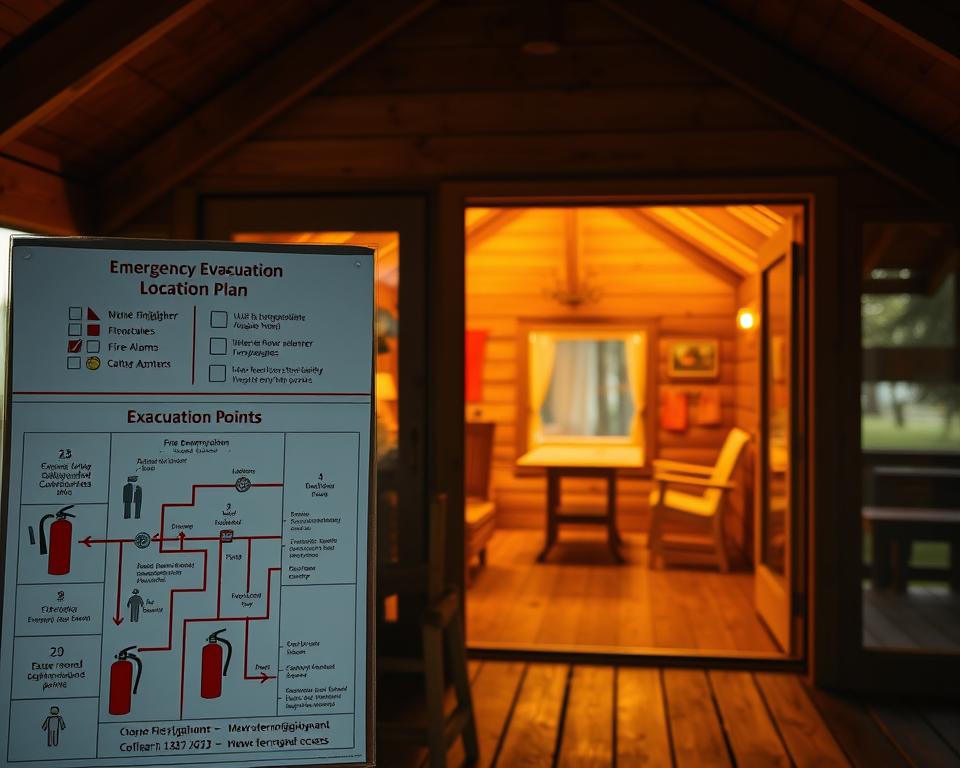
Clear exit routes are crucial for a safe evacuation. Ensure that all doors and windows that could be used as escape routes are easily accessible and not obstructed by furniture or other objects. It’s also important to identify at least two escape routes from each room, in case one is blocked by fire or smoke.
Family Fire Drills and Procedures
Conducting regular fire drills is vital to ensure that everyone understands the evacuation plan. Practice your escape plan at least twice a year, and make sure all family members and regular guests know what to do. “Fire safety is everyone’s responsibility,” as emphasized by fire safety experts.
Contacting Emergency Services
In the event of a fire, it’s crucial to contact the emergency services immediately. Make sure everyone knows how to call the fire brigade from both landline and mobile phones.
What to Tell the Fire Brigade
When calling the fire brigade, be prepared to provide your address clearly and concisely. Stay on the line until the operator has all the necessary information. It’s also helpful to inform them if anyone is still inside the building.
By having a well-rehearsed emergency evacuation plan, you can significantly reduce the risk of injury or worse in the event of a fire. Regular reviews and updates of your plan will ensure it remains effective.
Smart Technology for Summerhouse Fire Safety
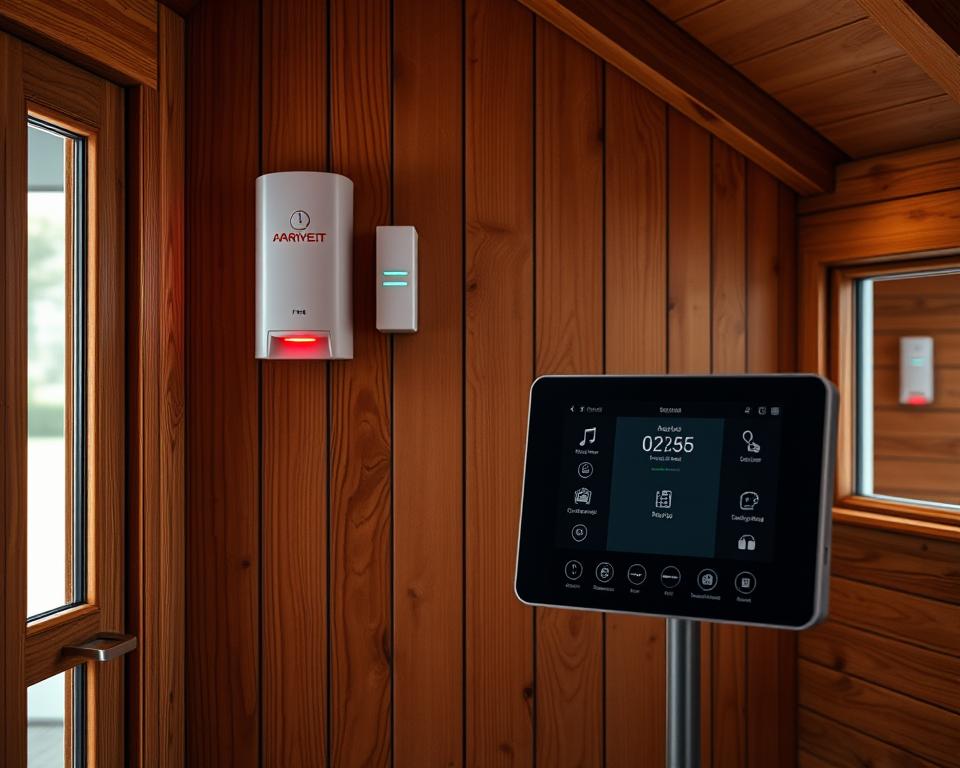
With the advancement in smart technology, you can now monitor and manage fire safety in your summerhouse more effectively. Smart technology offers a range of innovative solutions designed to detect potential fire hazards early and respond to them promptly.
Remote Monitoring Systems
Remote monitoring systems allow you to keep an eye on your summerhouse from anywhere. These systems can include CCTV cameras and environmental sensors that monitor temperature, humidity, and other factors that could contribute to fire risk. By receiving alerts on your smartphone or computer, you can take immediate action if anything unusual is detected.
Smart Smoke and Heat Detectors
Smart smoke and heat detectors are crucial for early fire detection. Unlike traditional detectors, smart detectors can send alerts to your phone or tablet, ensuring you’re notified even when you’re not at the summerhouse. Some models can also differentiate between different types of fires, helping you respond appropriately.
Automated Emergency Response Systems
Automated emergency response systems can be integrated with your smart detectors to automatically alert the fire service in case of an emergency. This ensures a rapid response even when you’re not available to call the authorities yourself.
| Smart Technology Feature | Benefit |
|---|---|
| Remote Monitoring | Allows for constant supervision of your summerhouse |
| Smart Detectors | Provides early warning of potential fires |
| Automated Emergency Response | Ensures rapid response in case of a fire |
By incorporating these smart technologies, you can significantly enhance the fire safety of your summerhouse, protecting both your property and your loved ones.
Seasonal Fire Safety Considerations
Seasonal changes bring different fire hazards that you should be aware of to protect your wooden summerhouse. Understanding these seasonal risks is crucial for maintaining a fire-safe environment throughout the year.
Summer Drought Precautions
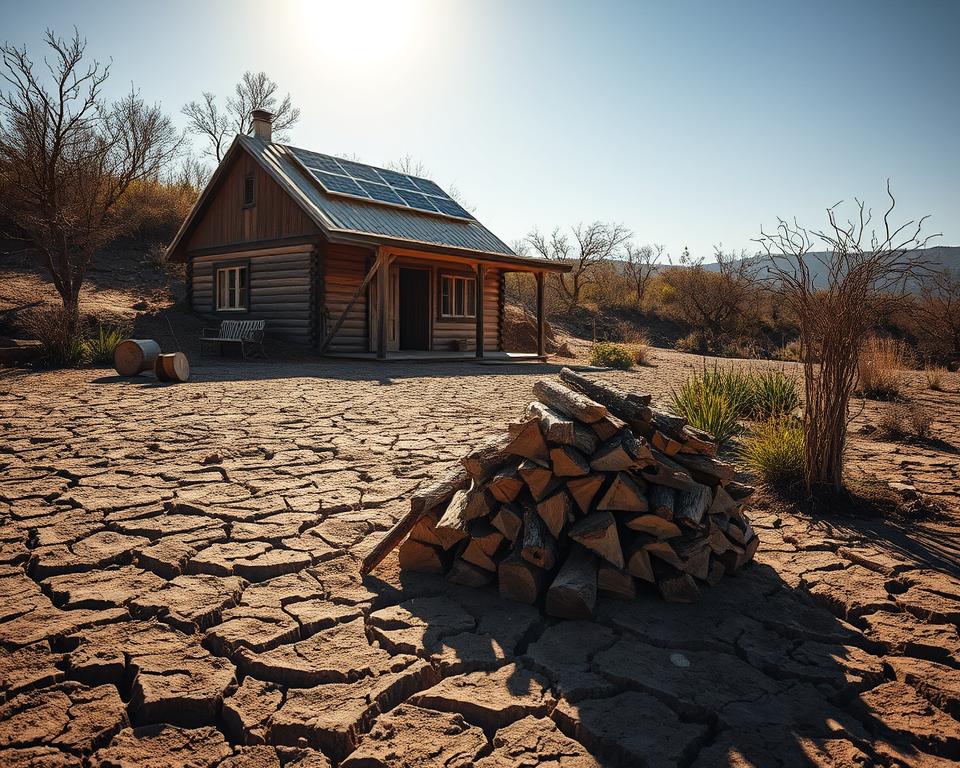
During the summer months, drought conditions can significantly increase the risk of fires. It’s essential to keep your summerhouse and its surroundings free from dry leaves and debris. Proper vegetation management is key to reducing fire risks.
Winter Heating Safety
As temperatures drop, the use of heating appliances increases, bringing with it a heightened risk of fire. Ensure that your heating systems are regularly inspected and maintained. Keep flammable materials at a safe distance from heaters and stoves.
Autumn Maintenance Checklist
Autumn is an ideal time to conduct a thorough maintenance check on your summerhouse. Clear away fallen leaves and debris, inspect your electrical systems, and ensure that your fire safety equipment is in good working order. Here’s a simple checklist:
| Task | Status |
|---|---|
| Clear debris from around the summerhouse | |
| Inspect electrical systems | |
| Check fire safety equipment |
By following these seasonal fire safety considerations, you can significantly reduce the risk of fire in your wooden summerhouse.
Insurance Considerations for Wooden Summerhouses
When investing in a wooden summerhouse, it’s crucial to consider insurance options to protect your asset. Your wooden summerhouse is not just a structure; it’s an investment in your leisure time and property value.
Finding the Right Coverage in the UK
To find the right insurance coverage, start by researching UK-based insurers that specialize in garden buildings. Look for policies that cover not only the structure but also the contents and potential loss of use. Fire safety measures can significantly impact your insurance premiums, so it’s essential to understand what is covered and what is not.
How Fire Safety Measures Affect Premiums
Implementing fire safety measures such as fire-resistant treatments, smoke detectors, and proper electrical installations can reduce your insurance premiums. Insurers view these precautions as risk-reducing factors, potentially leading to lower premiums.
Documenting Your Fire Safety Measures
To benefit from lower premiums, it’s crucial to document all fire safety measures you’ve implemented. Keep records of installations, maintenance, and any safety certifications. This documentation will be invaluable when negotiating with your insurer.
By understanding insurance considerations and implementing fire safety measures, you can protect your wooden summerhouse and potentially reduce your insurance costs.
Regular Maintenance for Fire Prevention
Fire prevention in your summerhouse starts with regular and thorough maintenance. By keeping your wooden structure in good condition, you can significantly reduce the risk of fires occurring. Regular maintenance not only ensures your summerhouse remains safe and functional but also prolongs its lifespan.
Chimney and Flue Cleaning
One of the critical aspects of maintaining your summerhouse is ensuring that your chimney and flue are clean and functioning properly. Creosote buildup in chimneys can be a significant fire hazard if not addressed regularly. It is recommended to have your chimney inspected and cleaned at least once a year, or more frequently if you use your wood-burning stove regularly.
When cleaning your chimney, it’s essential to use the right equipment and follow safety guidelines. Consider hiring a professional if you’re unsure about how to do it safely.
Checking for Structural Vulnerabilities
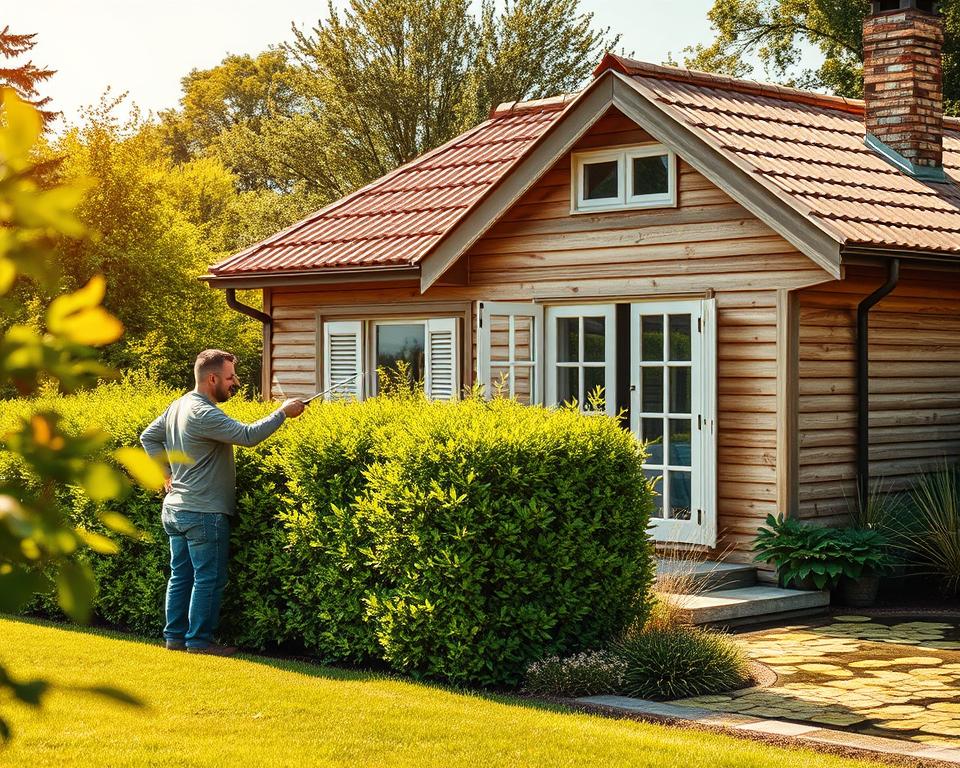
Regular inspections of your summerhouse’s structure can help identify potential fire hazards before they become serious issues. Look for signs of wear and tear, such as cracks in the walls, damaged roofing, or rotting wood. Addressing these issues promptly can prevent fires from starting and spreading.
Maintenance Schedule Recommendations
Creating a maintenance schedule can help ensure that your summerhouse remains fire-safe throughout the year. Consider the following seasonal tasks:
Seasonal Inspection Checklist
- Spring: Inspect your summerhouse after winter for any damage or wear. Check for debris in the chimney and around the structure.
- Summer: Ensure that your electrical systems are functioning correctly and check for any signs of overheating.
- Autumn: Clean out leaves and debris from around your summerhouse. Check your wood-burning stove and chimney for creosote buildup.
- Winter: Monitor your heating systems closely and ensure that your summerhouse is well-ventilated to prevent moisture buildup.
By following this schedule, you can help prevent fires and keep your summerhouse safe and enjoyable throughout the year.
Safe Storage Practices in Your Summerhouse
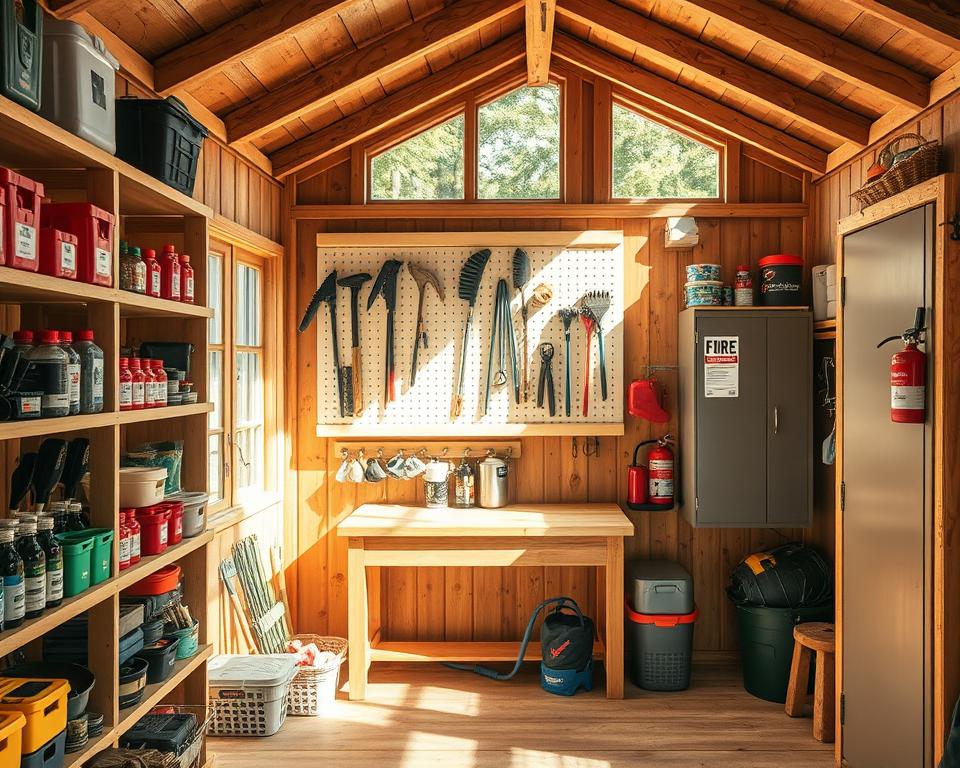
Safe storage practices are vital in your summerhouse to minimize the risk of fires and other safety issues. Proper storage not only enhances the usability of your summerhouse but also plays a crucial role in maintaining a safe environment for you and your family.
Proper Storage of Flammable Materials
Flammable materials such as paints, varnishes, and fuels should be stored with caution. It’s advisable to keep these materials in a well-ventilated area, away from heat sources and in compliance with the manufacturer’s storage instructions.
Organising for Safe Access and Egress
Ensuring that your summerhouse is well-organized can significantly impact safe access and egress. Keep pathways clear of clutter and ensure that exits are not obstructed by stored items.
UK Regulations for Storing Hazardous Materials
In the UK, there are specific regulations regarding the storage of hazardous materials. Familiarize yourself with the Control of Substances Hazardous to Health (COSHH) regulations, which provide guidelines on storing chemicals and other hazardous substances safely.
| Hazardous Material | Storage Requirement | UK Regulation |
|---|---|---|
| Flammable Liquids | Store in well-ventilated areas, away from heat sources | COSHH |
| Chemicals | Store in designated chemical storage cabinets | COSHH |
| Fuels | Store in approved containers, away from living areas | Health and Safety Executive Guidelines |
By adhering to these guidelines and regulations, you can significantly reduce the risk of accidents and fires in your summerhouse, ensuring a safer and more enjoyable space.
Educating Family and Guests About Fire Safety
Ensuring your family and guests are aware of fire safety measures is crucial for a safe wooden summerhouse experience. Fire safety is not just about installing the right equipment; it’s also about creating a culture of awareness and preparedness among those who use the summerhouse.
Creating Simple Safety Guidelines
Develop a set of straightforward fire safety rules that everyone can follow. This might include:
- No smoking inside the summerhouse
- Keeping flammable materials away from heat sources
- Not leaving cooking unattended
- Having a clear escape route
Teaching Children About Fire Risks
Children are naturally curious, and it’s essential to educate them about the dangers of fire. Explain to them why fire safety is important and what they should do in case of a fire emergency. Make it a fun, engaging process with regular fire drills to reinforce their understanding.
Posting Emergency Information
Ensure that emergency contact numbers and information are clearly displayed near the main exit. This includes:
- The local fire brigade’s contact number
- A map of the escape route
- Any other relevant emergency contact details
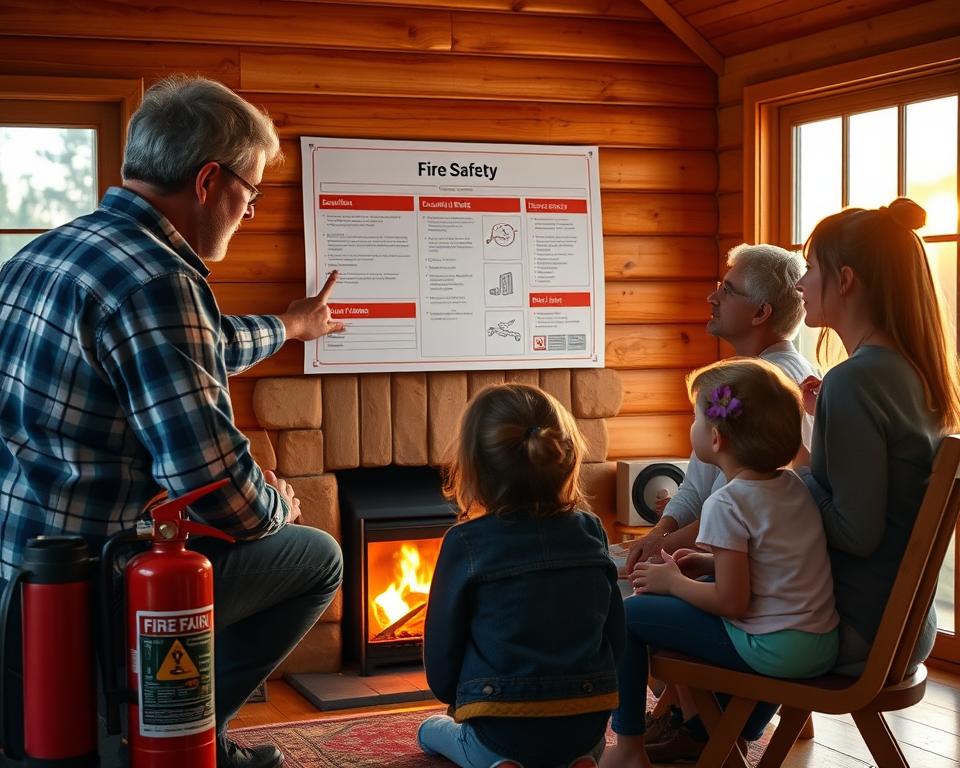
By taking these steps, you can significantly enhance the safety of your summerhouse for everyone. Educating your family and guests is a proactive measure that can make a substantial difference in preventing fire-related accidents.
Conclusion: Creating a Fire-Safe Wooden Summerhouse
As you consider enhancing your wooden summerhouse, incorporating comprehensive fire safety measures is crucial. By understanding the risks associated with wooden structures and implementing essential safety equipment, you can significantly reduce the risk of fire.
Proper electrical and heating safety, along with regular maintenance, play a vital role in creating a fire-safe environment. Additionally, developing an emergency evacuation plan and educating family and guests about fire safety are critical steps in ensuring a safe and enjoyable experience in your summerhouse.
By following the guidelines outlined in this article, you can create a fire-safe wooden summerhouse that not only complies with UK regulations but also provides a secure and enjoyable space for years to come. This comprehensive approach to fire safety will give you peace of mind, allowing you to fully appreciate your wooden retreat.
FAQ
What are the most common causes of fires in wooden summerhouses?
The most common causes of fires in wooden summerhouses include electrical faults, heating equipment misuse, and human error. Ensuring that your summerhouse is equipped with proper electrical installations and following safety guidelines for heating equipment can significantly reduce the risk of fire.
How can I make my wooden summerhouse more fire-resistant?
You can enhance the fire resistance of your wooden summerhouse by using fire-retardant treatments for wood, incorporating fire-resistant construction materials, and adhering to UK standards for fire-resistant products. Regular maintenance, including inspections for any damage or wear, is also crucial.
What type of fire safety equipment should I have in my summerhouse?
Essential fire safety equipment for your summerhouse includes fire extinguishers, smoke and heat detectors, and fire blankets. The correct placement and regular maintenance of this equipment are vital to ensure they function properly in case of an emergency.
Are there specific UK regulations I need to follow for fire safety in my wooden summerhouse?
Yes, there are UK building regulations and fire safety compliance requirements for garden structures, including summerhouses. If you rent out your property, you must comply with specific fire safety regulations. Additionally, local council requirements may apply, so it’s advisable to check with your local authority.
How can smart technology enhance fire safety in my summerhouse?
Smart technology, such as remote monitoring systems, smart smoke and heat detectors, and automated emergency response systems, can significantly enhance fire safety in your summerhouse. These technologies can provide early warnings and alerts, allowing for swift action in case of a fire.
What are the key considerations for creating an emergency evacuation plan for my summerhouse?
Creating an emergency evacuation plan involves designing clear exit routes, conducting family fire drills, and understanding how to contact emergency services. It’s also important to inform everyone who uses the summerhouse about the plan and to post emergency contact information.
How does regular maintenance contribute to fire prevention in my wooden summerhouse?
Regular maintenance is crucial for fire prevention. This includes chimney and flue cleaning, checking for structural vulnerabilities, and following a recommended maintenance schedule. Seasonal inspections can help identify potential fire hazards before they become serious.
Can proper storage practices reduce the risk of fire in my summerhouse?
Yes, proper storage practices can significantly reduce the risk of fire. This includes storing flammable materials correctly, organising the space for safe access and egress, and complying with UK regulations for storing hazardous materials.
How can I ensure that my family and guests are aware of fire safety measures in my summerhouse?
Educating your family and guests about fire safety is vital. You can create simple safety guidelines, teach children about fire risks, and post emergency information. Ensuring that everyone knows what to do in case of a fire can save lives.
Will having fire safety measures in place affect my insurance premiums for my wooden summerhouse?
Having fire safety measures in place can positively affect your insurance premiums. Insurers often view properties with robust fire safety measures as lower risk, which can lead to reduced premiums. It’s essential to document your fire safety measures and inform your insurer.