Enhance Your Garden with Natural Stone Wall

A natural stone wall for the garden is a practical and beautiful boundary, terrace or feature built from quarried or reclaimed stone. It serves both structural and aesthetic roles, forming a sturdy garden stone wall that frames beds, supports slopes and creates character. Materials commonly used include sandstone, granite, limestone and slate, and walls can be constructed dry (without mortar) or with mortar depending on purpose and style.
This article is written for UK homeowners, landscapers and garden designers who want clear guidance on selecting, designing, building, sourcing and maintaining a natural stone garden wall. It pays particular attention to UK climate factors such as rain and frost, local planning rules and regional stone types like Cotswold stone, York stone and Cornish granite.
Readers can expect practical coverage of benefits, stone types, design choices, construction techniques, budgeting, sourcing, regulations, maintenance and inspirational case studies. The content also includes advice for composing briefs and searching online to find the right stone and contractor for stone wall landscaping UK projects.
Inhaltsverzeichnis
Key Takeaways
- Natural stone garden wall combines durability with visual appeal for many garden uses.
- Choose stone type and construction method with UK weather and planning rules in mind.
- Dry-stone and mortared walls each suit different functions and aesthetics.
- Regional stones such as York stone or Cornish granite offer local character.
- Plan for drainage, foundations and long-term maintenance when budgeting.
Why Choose a Natural Stone Wall for Your Garden
Natural stone walls blend form and function to create lasting outdoor structures. They offer practical protection against weather and give gardens an immediate sense of age and character. Careful detailing and good construction unlock the full benefits of stone walls for any plot.
Durability begins with material choice and ends with good practice on site. Granite and dense sandstones show high compressive strength and resist rot, insect attack and most weathering. If foundations, drainage and pointing are correct, frost heave and subsidence are rare. That is why many homeowners prefer durable garden walls for long-term boundary work.
Stone offers texture, colour variation and a patina that develops with time. Lichen and moss on older faces add charm rather than detract, helping walls frame views, create terraces and define garden rooms. These aesthetic garden features work well as focal points or subtle backdrops.
Suitability across different schemes makes stone a versatile choice. In cottage settings, rubble and dry-stone work suit informal planting and wildlife crevices. More formal estates favour neat coursed stone with copings for a refined edge. Contemporary plots combine stone with concrete or metal for clean lines.
Regional traditions underline how stone ties to place. In Devon and Cornwall, local granite complements rugged coastal planting. Cotswold gardens favour oolitic limestone for its warm hues and soft weathering. This link between material and locale supports a range of UK garden styles while keeping the garden in context.
| Benefit | Practical effect | Best use |
|---|---|---|
| Longevity and strength | Withstands compressive loads, resists frost and decay | Retaining walls, long boundary walls |
| Low maintenance | Minimal repair needs; natural patina welcomed | Heritage gardens, low-care schemes |
| Visual richness | Varied textures and colours create focal interest | Terraces, garden rooms and feature walls |
| Wildlife value | Crevices and gaps provide habitats for insects and amphibians | Native planting and biodiversity-focused gardens |
| Stylistic flexibility | Works with rustic, formal and modern designs | All UK garden styles from cottages to urban courtyards |
Types of Natural Stone Suitable for Garden Walls
Choosing the right stone shapes the look and longevity of a garden wall. Below are the common options found across the United Kingdom, with notes on colour, texture and practical use so you can match material to siting, style and maintenance needs.
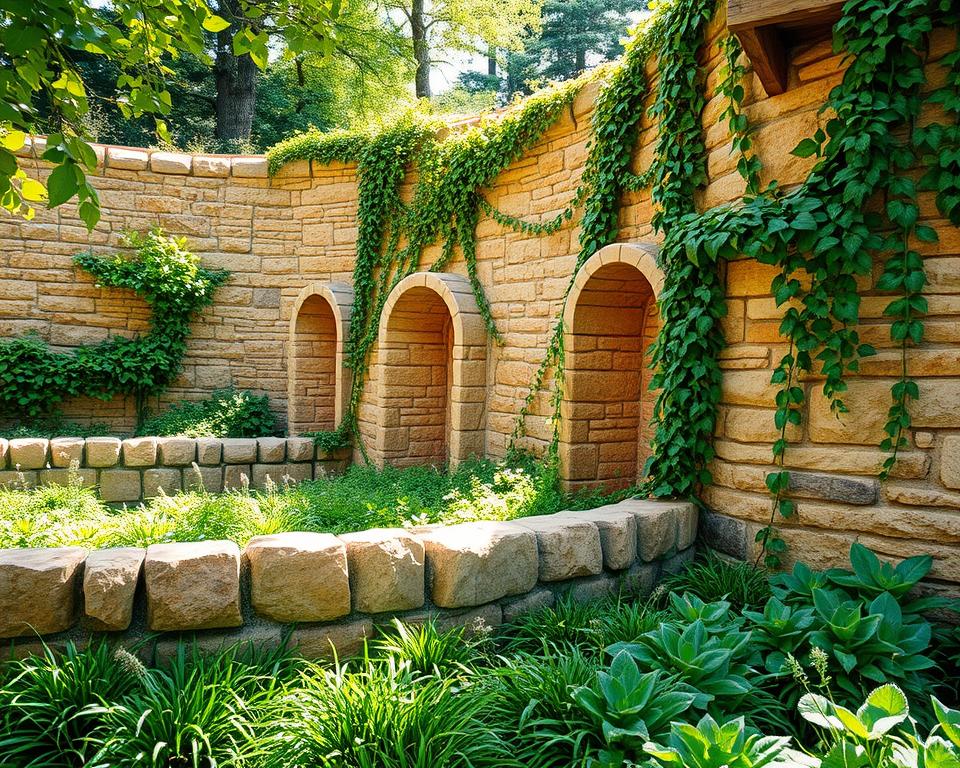
Sandstone offers a wide colour range from buff and gold to warm red and cool grey. The grainy texture gives a soft, tactile finish. Sandstone is generally softer than granite, so edges may round with time and a light surface bloom can appear where salts leach out.
Use sandstone for facework, copings and decorative sections where a mellow, aged look is desired. Varieties such as Yorkshire sandstone and Scottish red sandstone are common in UK landscaping. Porous types need good drainage and occasional repointing to remain sound, especially in wet spots.
Granite stands out for very high compressive strength and low porosity, suiting exposed sites and structural walls. Colours range from pale grey and pink to deep blue-black with a crystalline texture that takes a crisp finish well.
Granite garden walls perform with minimal maintenance. Mortar joints in granite walls tend to last. Examples include Cornish granite and Aberdeenshire granite, both widely used where durability matters, such as coastal or high-traffic garden borders.
Limestone delivers fine texture and a palette from cream to honey tones. Bath stone and Portland stone are classic choices for dressed work and formal walls. Limestone can be susceptible to acid rain in very exposed locations, so placement matters.
Slate is formed in thin, flat beds, making it ideal for cladding, coping and dry-stone coursing. Slate walling resists wet climates and gives a slim, elegant finish, though some slates can be brittle if used as load-bearing units.
| Stone Type | Typical Colours | Key Traits | Best Uses |
|---|---|---|---|
| Sandstone | Buff, gold, red, grey | Grainy, softer than granite, weathers to rounded edges | Facework, copings, decorative garden walls |
| Granite | Grey, pink, blue-black | Very strong, low porosity, crystalline texture | Structural walls, exposed coastal sites, long-lasting boundaries |
| Limestone | Cream to honey | Fine texture, suitable for dressings, can be vulnerable to acid exposure | Formal walls, dressed stonework, traditional settings |
| Slate | Grey, dark grey, sometimes greenish | Thin beds, excellent for cladding and coping, durable in wet climates | Cladding, coping, dry-stone coursing, decorative panels |
When deciding the best stone for garden walls UK buyers often weigh appearance against climate and maintenance. Sandstone garden walls give warmth and texture. Granite garden walls provide strength for exposed or load-bearing work. A limestone stone wall suits refined settings. Slate walling offers slim profiles and good moisture resistance.
Design Considerations for Garden Stone Walls
Good garden wall design begins with a clear site survey. Note patios, paths, levels and existing drainage. Check sightlines from windows and gates. Match stone type and mortar colour to nearby features to achieve a cohesive look. Consider access, retaining needs and where the wall will form a visual focal point.

Integrating a stone wall with existing landscaping
Survey hardscape and softscape before work starts. Use the same quarry or a complementary stone to tie new walls to patios or paved areas. Choose mortar tones that sit well with existing brickwork or paving slabs. Plan for drainage runs and access during construction so the wall fits into the wider garden without disrupting established features.
Choosing heights, courses and cap stones
Decide stone wall heights based on purpose. Low boundary walls usually sit between 0.6 and 1.0 m. Retaining walls vary with soil pressure and may need deeper footings. Remember planning thresholds: front walls over 1 m and rear walls over 2 m can trigger local regulations.
Select coursing to match style. Random rubble gives a rustic feel. Coursed or ashlar blocks look formal. Add coping stones for weather protection and a neat finish. For retaining structures, use a slight batter and tie-backs where needed to resist lateral pressure.
Combining stone walls with planting schemes
Choose planting that complements stone tones. Evergreens give year-round structure. Climbers such as clematis and trained roses add vertical interest on taller lengths. Use thyme, sedum and other low-growing species in wall crevices to soften edges and add scent.
Stone walls provide niches for lichens, mosses and invertebrates, boosting garden ecology. Include wallflower (Erysimum cheiri) and similar wall flora to attract pollinators and create season-long colour.
| Design Aspect | Practical Tip | Typical Range |
|---|---|---|
| Site Survey | Record levels, sightlines and drainage; match existing materials | One full site visit prior to works |
| Wall Height | Choose based on boundary vs retaining role; check planning limits | 0.6–1.0 m low walls; over 1–2 m may need consent |
| Coursing | Pick random rubble for rustic or ashlar for formal appearance | Random, coursed, ashlar |
| Coping | Use weatherproof coping stones to shed water and finish tops | Natural stone or dressed coping |
| Retaining Details | Include batter, tie-backs and adequate foundations for stability | Depth and reinforcement per engineer guidance |
| Planting | Pair stone with evergreens, climbers and crevice species | Clematis, roses, thyme, sedum, wallflowers |
| Ecology | Create niches for invertebrates, lichens and moss to thrive | Encourage natural colonisation over time |
Building Techniques for Natural Stone Walls
Choosing the right build method shapes longevity and appearance. Read the techniques below to decide between flexible, breathable dry stone walling and a stronger mortared stone wall. Follow good practice for stone wall foundations and drainage to avoid frost damage and long-term movement.

Dry-stone construction
Dry-stone walls use no mortar. Stones are carefully selected and interlocked so weight and friction hold the structure. This method suits curved garden features and traditional styles across rural and urban settings in the UK.
Dry stone walling performs well where ground movement or drainage matters. The gaps between stones let water pass, reducing hydrostatic pressure behind a low retaining wall. Skilled building is essential; a good wall requires sound bedding, through-stones and correct batter.
Mortared stone wall
Mortared walls rely on cement or lime mortar to bind units. They give immediate stability and suit vertical faces and capped parapets. When reinforced with concrete footings and ties, a mortared stone wall can carry higher loads and act as a robust retaining structure.
Choose lime mortar for heritage repairs or listed properties to allow moisture to move through the wall. Portland cement mortar offers greater compressive strength for new builds but needs careful detailing to avoid trapped moisture.
Stone wall foundations and drainage
Excavate to a depth appropriate for local frost conditions. For most garden walls in the UK, a compacted hardcore base with a concrete footing is standard for mortared builds. Low dry-stone walls can sit on well-prepared hardcore and tight bedding.
Drainage is essential behind retaining structures. Include weep holes or a perforated drainage pipe set in gravel. Use geotextile membranes to separate backfill from soil and prevent clogging. Proper bedding and joint detailing reduce the risk of frost damage by preventing water entrapment.
Working with a stonemason UK or DIY approach
Hire a qualified stonemason UK for complex retaining walls, listed buildings or if structural calculations are needed. Expect a site survey, engineering input and a written scope with warranties. Reputable tradespeople may follow Dry Stone Walling Association of Great Britain guidance for traditional builds.
DIY stone wall tips suit small, low walls and garden features. Start small, choose local stone, and use basic tools: spade, lump hammer, chisels, spirit level and trowel. Learn good practice from DSWA courses before tackling larger projects. Take safety precautions, use gloves and eye protection, and avoid building high walls without professional help.
Cost Factors and Budgeting for Stone Walls
Planning a stone wall means balancing material choices, labour and ongoing costs. Early budgeting helps set realistic expectations for the overall cost of stone wall projects and the stone wall price UK homeowners commonly face. Small changes in materials or design can shift the budget for garden wall significantly.
Material costs
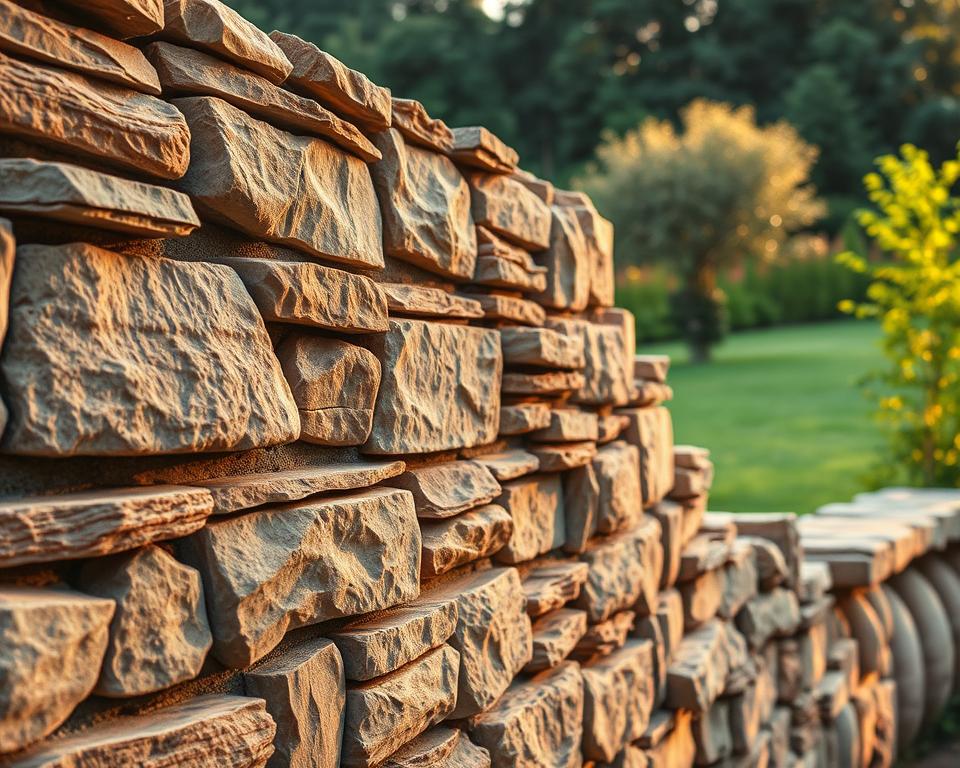
Local reclaimed stone tends to be the most economical option. Imported dressed stone, Portland stone and rare sandstones command premium prices. Allow for wastage, delivery and extra items such as coping stones, lime mortar and stainless steel fixings when you total the cost of stone wall supplies.
Labour and installation
Labour rates vary across the UK. Simple dry-stone walls are quicker to build and cost less than mortared retaining walls with foundations and drainage. Complex curves, steps or engineered bases add time and skill requirements. Hiring an accredited stonemason raises the initial outlay but often improves durability and finish, which affects the stone wall price UK on a per-metre basis.
Long-term value and maintenance
Routine care reduces long-term spend. Repointing, occasional stone replacement and vegetation control contribute to stone wall maintenance costs. Over decades a well-built natural stone wall often outlasts timber or panel options and may boost curb appeal and resale value. Consider lifecycle costs when you set your budget for garden wall.
Indicative cost bands
- Basic dry-stone garden wall: lower material spend, modest labour.
- Mortared garden wall with engineering and drainage: higher material and labour outlay.
- High-end dressed stone such as Portland: premium stone wall price UK and higher installation time.
Practical budgeting tips
Obtain multiple written quotes that itemise materials, waste allowance and labour. Factor in transport and regional price differences when you compare the cost of stone wall options. Set a contingency of 10–15% for unforeseen site works or additional materials.
Planning Permission, Regulations and Party Wall Considerations
Before work begins on a garden stone wall, check where planning permission may be required. Small rear garden walls usually fall under permitted development but there are common thresholds that change this. Front walls over one metre high or rear walls over two metres high often trigger formal approval. Walls built near highways, on listed properties or inside conservation areas can require express consent. Early contact with your local planning authority and a look at Planning Portal guidance will save time and expense.
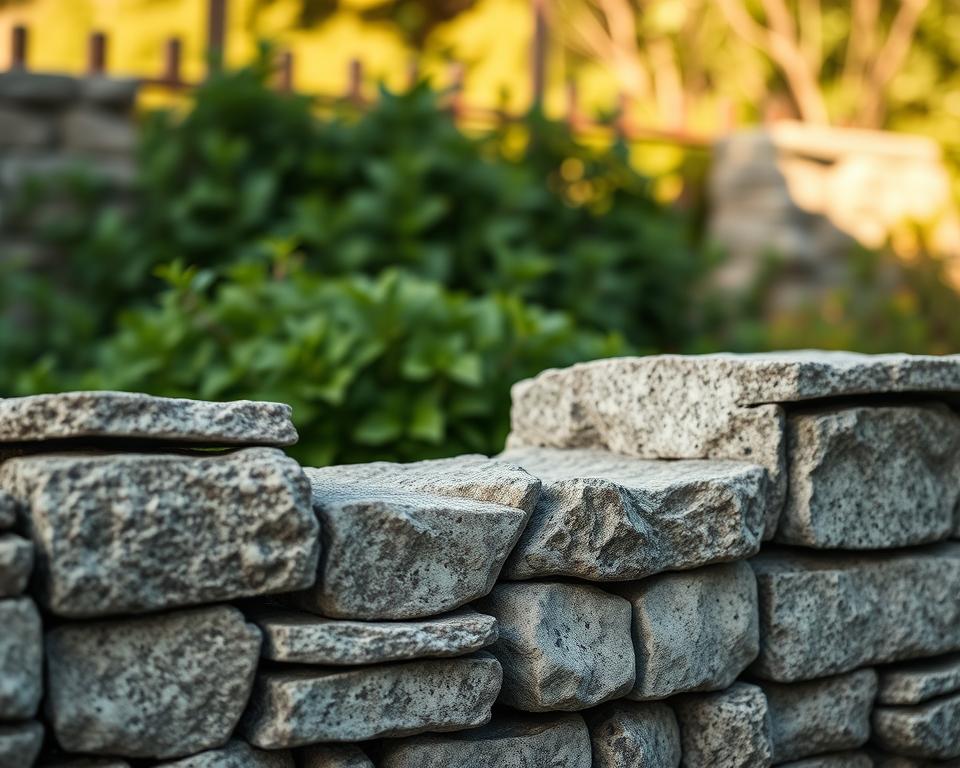
Conservation areas demand sensitive approaches to materials and method. Local conservation officers expect matching stone, traditional coursing and compatible mortar. Some councils request sample panels before giving consent. Historic England guidance can help where a property is listed or lies in a protected zone. Following conservation area guidelines keeps the character of the street and eases approvals from planners.
Council rules can vary widely, so read council regulations garden wall for your borough or district. Typical conditions include limits on height, requirements for drainage and restrictions on reinforced concrete cores in visible faces. Planning officers often advise on acceptable palettes and finishes. Where in doubt, submit a pre-application enquiry for clear, written direction.
The Party Wall etc. Act 1996 applies when work affects shared boundaries or an adjoining owner’s property. Serving the correct notices, allowing the statutory response period and, if needed, appointing a surveyor are key steps. A formal party wall agreement UK sets out the scope of works, access arrangements and any temporary protection measures. That agreement prevents disputes and clarifies responsibility for repairs.
Good neighbour relations reduce the risk of escalation. Send clear, polite letters that explain the schedule, access needs and any expected disruption. Where access is required to a neighbour’s land for foundations or deliveries, put terms in writing and consider modest compensation for inconvenience. If disagreement persists, seek surveyor or legal advice rather than proceeding without agreement.
When planning an ambitious stone wall, balance design and compliance. Early checks on planning permission stone wall, adherence to conservation area guidelines and a formal party wall agreement UK where needed will keep the project on track. Keep copies of all approvals and agreements with your build records for future buyers or maintenance work.
Sourcing Natural Stone in the United Kingdom
Finding the right stone for a garden wall starts with knowing where to look. Options range from active regional quarries to specialist yards that sell reclaimed stone. Choosing between fresh and reclaimed material affects the look, carbon footprint and long-term character of the project.
Local quarries and reclaimed suppliers
Regional quarries give access to authentic types such as Portland, Bath, Yorkshire and Cornish stone. These choices help gardens sit naturally in their local setting.
Reclaimed stone comes from salvage yards and demolition projects. It offers a weathered patina and often blends well with historic properties. Reclaimed stone can lower embodied carbon compared with newly quarried material.
Evaluating supplier reliability and delivery logistics
Check credentials and request sample slabs before you commit. Samples show finish, colour variation and suitability for local weather.
Ask about delivery lead times and how heavy loads will be handled on site. Confirm whether the supplier provides cutting, dressing or bespoke formatting services.
Obtain multiple quotes and review each supplier’s project portfolio or references. Clear communication on offloading, site access and insurance prevents delays.
Sustainable and recycled stone options
Locally sourced stone cuts transport emissions and supports nearby businesses. Reclaimed stone conserves resources and often suits conservation areas better than new stone.
Look for suppliers who demonstrate responsible extraction and restoration practices. Life-cycle assessments show how natural stone compares favourably with many manufactured alternatives when judged over decades.
Maintenance and Repair of Natural Stone Walls
Regular care keeps a stone wall looking its best and prevents small faults becoming costly repairs. Inspect walls each season for loose stones, bulging sections, mortar loss and blocked drainage. After severe winter weather, check again to spot frost damage early.
Routine inspection and cleaning techniques
Walk the length of the wall and note cracks, stepped fissures and any leaning. Use a soft brush to remove surface dirt and debris. For tougher stains, apply a specialist stone cleaner or low-pressure wash, taking care with calcareous stones where acids can cause harm.
Practical repointing and stone replacement
When mortar shows deterioration, repointing stone walls with lime mortar is usually best for breathability and compatibility with older stone. Remove old mortar carefully, match colour and texture, then pack new lime mortar in thin layers. Replace or pin loose stones using a mortar that suits the stone type to repair garden wall defects without locking moisture in.
Addressing subsidence and structural signs
Watch for signs that suggest subsidence: horizontal or stepped cracks, widening joints or bulging. Small hairline cracks can be monitored. For expanding or structural cracking, seek a structural assessment to prevent further movement and to plan how to prevent subsidence.
Controlling biological growth and frost damage
Lichens and some mosses often pose little threat and contribute to the character of old walls. Remove aggressive vegetation such as ivy and tree seedlings that can force joints apart. Use salt-free biocides sparingly where needed. Improve drainage at the base to reduce freeze-thaw cycles and fit protective copings on exposed walls to limit frost damage.
Maintenance checklist
- Inspect after storms and in spring for loose stones and mortar loss.
- Clean stone wall surfaces with gentle brushing or low-pressure washing.
- Plan repointing stone walls with lime mortar where appropriate.
- Remove harmful plants and maintain ground drainage to prevent subsidence.
- Repair garden wall faults promptly to avoid larger structural work.
Enhancing Gardens with Stone Wall Features
Stone walls offer more than boundary definition. They form useful, attractive elements that lift a garden’s function and character. Thoughtful detailing turns a simple wall into a suite of stone garden features that suit modern courtyards and rural plots alike.
Incorporating seating, steps and raised beds
Built-in benches with coping stones create solid, low-maintenance stone seating that sits naturally against a wall. Aim for seat heights around 450mm for comfort and check foundation depth where soil is loose.
Inset steps and stone treads manage level changes with minimal visual clutter. Use robust foundations and consider non-slip finishes on frequently used steps.
Raised stone beds give structure on slopes and improve drainage. Line the back of raised stone beds with sleepers or rot-resistant timber when you want a planted, softer edge. Keep walls of raised stone beds to a practical height for planting and maintenance.
Using stone as a backdrop for planting and wildlife habitats
Crevices in masonry make excellent refuges for solitary bees, beetles and small amphibians, forming a genuine wildlife stone wall. South-facing faces warm early in spring and help wallflowers and alpines to thrive.
Choose planting that complements stone colour and texture. Thyme, saxifrages, hardy geraniums and small alpines slot easily into gaps and ledges, giving year-round interest.
Lighting and decorative finishes to highlight stonework
Discrete low-voltage LED uplights and concealed strip lighting reveal coursing and texture at night. Step lights improve safety while elevating the setting.
Breathable stone sealers reduce staining on susceptible materials without trapping moisture. Avoid non-breathable coatings that can cause frost damage.
Decorative touches such as etched house numbers or integrated planters add personality and function to stone walls without overpowering the natural material.
- Practical tip: Match mortar colour to stone for a unified look or contrast it to emphasise coursing.
- Practical tip: Position garden wall lighting to avoid glare into neighbouring homes and to highlight focal planting.
- Practical tip: Combine stone seating with cushions and drainage gaps to keep surfaces comfortable and dry.
Case Studies and Inspiration from UK Gardens
This section examines real examples from across the United Kingdom to show how natural stone transforms outdoor spaces. The short case studies highlight traditional techniques, modern accents and clear before-and-after stone wall results that guide practical choices for homeowners and landscapers.
Traditional countryside walls
Historic dry-stone walls in the Lake District, the Cotswolds and Yorkshire share common features such as random rubble, through-stones, careful hearting and robust coping stones. These elements deliver longevity and a low-maintenance profile. Local quarries supplied matching stone, which tied walls visually to the landscape and to vernacular buildings.
Ecological benefits emerge from the gaps and ledges that support lichens, moss and nesting invertebrates. Long-standing examples offer lessons for any cottage garden stone wall project that aims to blend heritage with habitat.
Contemporary urban adaptations
Urban schemes use stone as a refined accent rather than a sweeping boundary. Ashlar panels, short crisp walls and mixed-material retaining features combine stone with timber or corten steel to create privacy and a modern look. Designers pair these elements with paving such as York stone to create coherent surfaces.
Contemporary stone landscaping often focuses on clean lines and durable materials. Small courtyards and roof terraces benefit from compact stone features that require minimal upkeep while adding tactile warmth.
Before-and-after lessons from projects
Comparing before and after stone wall work reveals consistent practical lessons. Proper foundations and drainage are critical, especially on slopes and terraces. Selecting stone suited to exposure prevents rapid weathering, and skilled stonemasonry avoids problems in complex builds.
Measured outcomes include increased usable garden area on terraced sites, clearer levels for planting and reduced erosion at exposed edges. A well-matched stone palette enhances property appeal, making the visual upgrade apparent in before and after stone wall examples.
Practical takeaways
Reviewing UK stone wall case studies shows three repeat points: use local stone where possible, invest in foundations and drainage, and match stone tone to surrounding architecture and planting. These steps improve longevity and visual harmony in both rural and urban settings.
Readers can draw inspiration from traditional cottage garden stone wall forms and from modern contemporary stone landscaping, using the documented before-and-after stone wall outcomes to plan projects with confidence.
Natural stone wall for the garden
A clear understanding of search behaviour helps when readers type natural stone wall for the garden. This phrase often signals a commercial-informational query. Users may want visual inspiration, practical how-to guidance, supplier options or quotes from professionals.
Keyword-focused overview and intent
Searchers looking for a natural stone wall for the garden split into a few groups. One group seeks images and case studies for design ideas. Another wants step-by-step building methods or maintenance tips. A third group searches for suppliers and tradespeople to get estimates.
Content that matches keyword intent should label pages clearly. Use galleries for inspiration, detailed specs for builders and price guides for transactional users. That approach improves relevance for an SEO garden stone wall campaign and raises user satisfaction.
How to use the phrase in planning and contractor briefs
When drafting contractor brief wording, be precise. State stone type, coursing, build method and height. Include foundations, drainage and coping details. Note heritage or conservation constraints where relevant.
Example brief elements can read: “Construct 0.9 m high dry-stone boundary wall using local sandstone with through-stones and pointed hog-back coping. Provide foundations of 600 mm depth, gravel drainage behind the wall and construction drawings.” Attach specification sheets and ground condition notes to avoid ambiguity.
Search behaviour and how this term guides content choices
Match content to intent to capture relevant traffic. For inspiration queries, supply high-quality photography and short case studies. For transactional queries, include supplier lists, cost bands and clear calls to request quotes. For DIY audiences, provide technical diagrams, step-by-step guides and tool lists.
| User Intent | Content Type | Examples to Include |
|---|---|---|
| Inspiration | Galleries, case studies | Before-and-after images, regional styles, planting pairings |
| How-to / DIY | Guides, diagrams | Foundation depths, coursing diagrams, step lists, tool checklist |
| Transactional | Specs, supplier info | Material lists, cost estimates, contractor brief wording, local supplier contacts |
| Professional / Technical | Specification sheets, training references | BS EN references, structural notes, drainage details and CAD drawings |
Conclusion
Natural stone walls deliver clear natural stone wall benefits for UK gardens: long life, weather resistance and a timeless aesthetic that suits both cottage and contemporary plots. Choosing the right stone type for local climate and style reduces maintenance and enhances appearance, while good foundations and drainage prevent subsidence and frost damage.
To move from idea to build, assess your site and garden style, obtain samples and at least two or three supplier quotes, and consult the local council if you are in a conservation area. For complex or listed projects, hire an accredited stonemason; for simpler walls, a well-planned DIY approach with proper drainage and foundation work can work well.
This garden stone wall summary should help you decide how to choose stone wall UK options that match budget, sustainability and design aims. Use the article’s detailed sections to draft a contractor brief or DIY plan, and contact local suppliers or tradespeople for estimates and site visits when you are ready to proceed.
FAQ
What is a natural stone wall for the garden?
A natural stone wall for the garden is a structural and aesthetic feature built from quarried or reclaimed stone such as sandstone, granite, limestone or slate. It can be constructed dry (without mortar) or with mortar depending on the desired finish and structural needs. These walls provide texture, colour variation and long-lasting performance when properly founded and drained.
Why choose natural stone over alternatives like timber or concrete?
Natural stone offers superior longevity, low maintenance and a timeless appearance. Stone resists rot and insect damage and, when correctly built, tolerates frost and wet UK conditions. It adds resale value and a mature patina—lichen and moss often enhance its character—while reclaimed stone reduces embodied carbon compared with new manufactured materials.
Which types of stone are best for UK gardens?
Suitable stones include sandstone (wide colour range and good for facework), granite (very strong and low porosity, ideal for coastal or exposed sites), limestone (formal, dressed work like Bath or Portland stone) and slate (thin beds for cladding and coping). Choice should match microclimate, exposure and the intended finish.
Are there regional stones I should consider in the UK?
Yes. Regional examples include Cotswold oolitic limestone, York stone and Yorkshire sandstone, Cornish and Aberdeenshire granites, and Portland or Bath limestone. Using locally sourced stone improves visual integration and can reduce transport costs and environmental impact.
Do I need planning permission to build a garden stone wall?
Planning rules depend on height and location. Front boundary walls over 1 m or rear walls over 2 m, works near highways, conservation areas and listed properties may require permission or approval. Always check local planning authority guidance and the Planning Portal for your council’s specific thresholds.
What are the differences between dry-stone and mortared walls?
Dry-stone walls are built without mortar, relying on carefully selected and interlocked stones; they are breathable, flexible and excellent for drainage. Mortared walls use lime or cement mortar for immediate stability and are suited to vertical faces and higher retaining structures. Choice depends on structural need, appearance and heritage considerations.
How important are foundations, drainage and frost protection?
Extremely important. Proper foundations (compacted hardcore or concrete footing as appropriate), drainage (weep holes, perforated pipes and geotextiles) and design that prevents water entrapment reduce frost heave and subsidence. For retaining walls, engineered footings and adequate drainage are essential for long-term stability.
When should I hire a stonemason rather than DIY?
Hire a qualified stonemason for complex retaining structures, heritage repairs, listed properties or when structural calculations are required. DIY can be suitable for small, low walls if you have basic skills and follow guidance, but accredited professionals provide surveys, warranties and the technical expertise for durable results.
How much does a stone wall cost in the UK?
Costs vary by stone type, whether stone is reclaimed or new, transport and wastage, and labour complexity. Local reclaimed stone is often cheaper than premium Portland or dressed stone. Labour rates differ by region and complexity—simple dry-stone boundaries cost much less than engineered mortared retaining walls with drainage and foundations.
What maintenance do natural stone walls require?
Routine inspections for loose stones, bulging, mortar deterioration and drainage issues are recommended. Cleaning with gentle brushing or low-pressure washing, lime mortar repointing for softer stone, controlled removal of harmful vegetation and ensuring drainage helps prevent freeze–thaw and biological damage. Use breathable repair materials for best results.
Can stone walls encourage wildlife in my garden?
Yes. Stone walls provide niches for lichens, mosses, invertebrates, solitary bees and amphibians. South-facing walls create warm microclimates beneficial to wall plants and early-flowering species. Crevice planting with thyme, saxifrages and wallflowers enhances biodiversity while complementing stone tones.
How do I source reliable stone suppliers in the UK?
Look for regional quarries and reclaimed stone specialists—for example suppliers dealing in Portland, Bath, Yorkshire or Cornish stone. Request sample slabs, lead times, delivery and offloading arrangements, and check references or portfolios. Multiple quotes and verification of sustainability credentials help evaluate reliability.
Are reclaimed stone and sustainable options available?
Yes. Reclaimed stone from demolition or salvage yards offers patina, lower embodied carbon and better visual integration with historic settings. Locally quarried stone reduces transport emissions. Ask suppliers about responsible extraction practices and life-cycle benefits when comparing with manufactured alternatives.
What should be included in a contractor brief for a natural stone wall?
A clear brief should specify stone type, coursing (random, coursed or ashlar), dry-stone or mortared technique, intended height, foundations, coping type, drainage details and any conservation or heritage requirements. Include drawings, required finishes and reference to Party Wall Act considerations if the wall affects shared boundaries.
How do party wall matters affect stone wall projects?
The Party Wall etc. Act 1996 applies when works affect shared boundaries or structures. You may need to serve notices, appoint a surveyor and agree a party wall award. Early communication with neighbours and written agreements on access and landscaping reduce disputes; seek legal or surveyor advice where needed.
What finishes and lighting work best with stone walls?
Breathable sealers can reduce staining on certain stones but avoid non-breathable coatings. Decorative options include engraved house numbers and integrated planters. For lighting, discreet low-voltage LED uplights, step lights and concealed strips enhance texture and coursing without damaging the stonework.
Where can I find training or standards for dry stone walling?
The Dry Stone Walling Association of Great Britain (DSWA) offers training, accreditation and technical guidance. For heritage and conservation projects consult Historic England and local conservation officers for best practice and approved materials.
How should I match planting schemes to my stone wall?
Choose plants that complement stone tones—evergreens for year-round contrast, climbers like clematis or trained roses for vertical interest, and low-growing alpines or thyme for crevices. Consider ecological benefits and microclimates when selecting species to enhance both aesthetics and biodiversity.
Can a well-built stone wall improve my property value?
Yes. A well-constructed natural stone wall enhances curb appeal, defines garden spaces and can add perceived quality to a property. While initial costs may be higher than timber, long-term durability and low lifecycle maintenance often make stone a sound investment for resale appeal.