How to Build Foundation for Shed: Expert DIY Guide
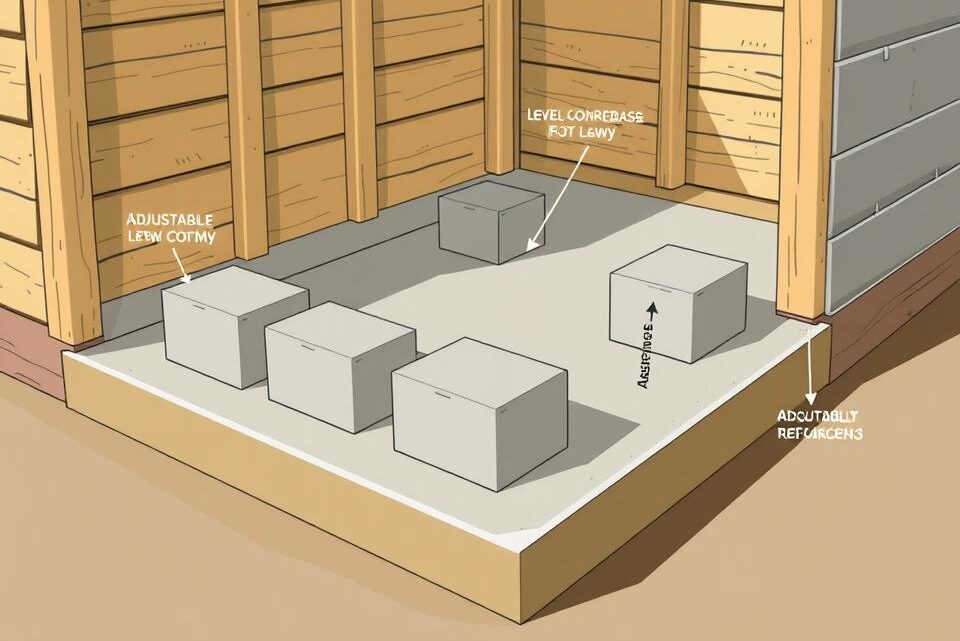
Building a proper shed foundation UK homeowners can rely on starts with understanding the basics. A sturdy base protects your garden investment from moisture damage and ensures your structure stays level for years to come.
Creating a DIY shed base doesn’t require professional building experience. You can choose from several proven methods that suit different budgets and skill levels. Concrete slabs offer maximum durability whilst paving stones provide a simpler installation process.
Timber frames work brilliantly for smaller sheds and modern plastic grid systems like EcoGrid make garden building foundation projects faster than ever. Each method has unique benefits depending on your shed size and local ground conditions.
British weather demands extra attention to drainage and moisture protection. Your shed base construction must handle rain runoff and prevent water from pooling beneath the structure. Planning permission requirements vary across councils but most garden sheds under 30 square metres won’t need formal approval.
This guide walks you through every step of building a reliable foundation. You’ll learn to prepare the site properly and select materials that match your project scope. From marking out dimensions to applying weatherproofing treatments, each phase gets clear instructions with practical tips.
Inhaltsverzeichnis
Key Takeaways
- A solid foundation prevents rot and extends your shed’s lifespan by decades
- Four main foundation types suit different UK garden conditions and budgets
- Most sheds under 30 square metres don’t require planning permission
- Proper drainage and damp-proofing protect against British weather conditions
- Site preparation determines 50% of your foundation’s long-term success
- Basic DIY skills and common tools complete most shed base projects
Understanding Why a Solid Foundation Matters for Your Shed
A proper foundation serves as the backbone of your shed, protecting your investment from the unique challenges of British weather. Without a stable base, your garden structure faces numerous risks that can lead to costly repairs or complete replacement within just a few years.
Preventing Structural Damage and Rot
Direct ground contact poses the greatest threat to shed structural integrity. When timber sits on damp soil, it absorbs moisture like a sponge, creating perfect conditions for wood rot and fungal growth. A raised foundation keeps your shed’s floor joists and walls away from ground moisture, extending its lifespan by decades.
Uneven foundations cause doors to stick, walls to lean, and roof lines to sag. These issues start small but worsen rapidly, especially during Britain’s wet winters. A level base distributes weight evenly, maintaining garden building stability throughout seasonal ground movements.
Ensuring Proper Drainage and Moisture Control
British rainfall averages 885mm annually, making moisture damage prevention essential for shed longevity. A well-designed foundation includes:
- Slight slopes directing water away from the structure
- Gravel layers promoting quick drainage
- Damp-proof membranes blocking rising moisture
- Adequate ventilation gaps preventing condensation
Meeting Local Building Regulations
UK shed regulations require specific foundation standards for structures exceeding 15 square metres. Local councils mandate proper bases for permanent garden buildings to ensure safety and prevent neighbourhood disputes. Failing to comply can result in enforcement notices requiring costly remedial work or complete removal.
Planning Permission and Building Regulations in the UK
Before starting your shed foundation project, understanding UK planning permission shed requirements is essential. Most garden sheds fall under permitted development rights, meaning you won’t need formal permission. These rights allow structures up to 2.5 metres high at the eaves and 4 metres at the ridge for dual-pitched roofs.
Your shed qualifies for permitted development if it covers less than 50% of your garden area and isn’t positioned forward of your home’s principal elevation. Listed buildings and conservation areas have stricter rules, so checking with local authority regulations becomes crucial in these locations.
Building control shed base regulations apply when your structure exceeds 15 square metres in floor area. Structures between 15 and 30 square metres require Building Regulations approval to ensure safety standards are met. This involves submitting plans and having inspections during construction.
| Shed Size | Planning Permission | Building Regulations |
|---|---|---|
| Under 15m² | Not required* | Not required |
| 15-30m² | Not required* | Required |
| Over 30m² | Required | Required |
*Assumes permitted development rights apply. Always verify with your local council as restrictions vary by area, especially near boundaries, in conservation areas, or for listed properties.
Essential Tools and Materials for Your Shed Foundation
Building a proper shed foundation requires the right equipment and materials. Whether you’re purchasing shed foundation tools UK suppliers offer or considering DIY equipment hire, having everything ready before starting saves time and ensures professional results. Let’s explore the essential tools and materials you’ll need for your project.
Basic Hand Tools Required
Every shed foundation project starts with fundamental hand tools. You’ll need a spirit level for ensuring accurate measurements, a tape measure for marking dimensions, and a sturdy shovel for excavation work. A wheelbarrow proves invaluable for moving materials around your site, whilst string lines help maintain straight edges throughout construction.

Power Tools That Make the Job Easier
Power tools significantly reduce labour time and improve results. A plate compactor from DIY equipment hire shops like HSS Hire ensures proper base compaction. Concrete mixers, available at Travis Perkins, handle large batches efficiently. An angle grinder helps cut materials to size when needed.
Material Quantities and Cost Estimates
Understanding foundation materials cost helps with budgeting. Builders merchants supplies vary in price depending on your chosen foundation type. Here’s a breakdown of typical costs from major UK suppliers:
| Foundation Size | Gravel (tonnes) | Sand (tonnes) | Cement (bags) | Estimated Cost |
|---|---|---|---|---|
| 6×4 feet | 1.5 | 0.75 | 4 | £120-150 |
| 8×6 feet | 2.5 | 1.25 | 6 | £180-220 |
| 10×8 feet | 4 | 2 | 10 | £280-350 |
Prices reflect 2024 rates from Wickes and B&Q, including delivery charges. Remember to add 10% extra materials for wastage.
Choosing the Right Foundation Type for Your Shed
Selecting the proper foundation sets your shed up for years of reliable service. Each foundation type offers unique benefits depending on your shed’s size, purpose, and local ground conditions. Let’s explore the most popular options to help you make an informed decision.
Concrete Slab Foundations
A concrete shed base provides the ultimate stability for permanent structures. This solid foundation works brilliantly for heavy workshops or large storage buildings. The reinforced concrete distributes weight evenly across the entire area, preventing any sagging or shifting over time.
Concrete slabs resist moisture better than most alternatives. They create a barrier between your shed floor and the damp ground below. Installation requires careful preparation, including proper excavation and steel mesh reinforcement.

Paving Slab Bases
A paving slab foundation offers excellent value for medium-sized sheds. Quality manufacturers like Marshalls and Bradstone produce durable slabs that withstand British weather conditions. These pre-cast concrete blocks create a level surface quickly without waiting for concrete to cure.
Installation involves laying slabs on a compacted sand bed. This method allows for easy adjustments during construction and provides good drainage between joints.
Timber Frame Foundations
A timber shed foundation suits temporary structures or eco-conscious builders. Pressure-treated wood resists rot and insects whilst providing adequate support for lightweight sheds. This option works particularly well on sloping sites where levelling would be expensive.
Regular treatment extends the lifespan of wooden foundations significantly. Proper ventilation underneath prevents moisture buildup.
Plastic Grid Systems
Modern solutions like EcoGrid shed base systems revolutionise foundation installation. These interlocking plastic grids fill with gravel to create a permeable, stable surface. Installation takes hours rather than days, making them perfect for DIY enthusiasts.
An EcoGrid shed base provides excellent drainage whilst supporting substantial loads. The recycled plastic construction appeals to environmentally minded gardeners seeking sustainable options.
Site Preparation and Ground Levelling
Before laying any foundation, proper ground preparation creates the stable base your shed needs. Getting this step right prevents future problems like uneven floors, pooling water, and structural damage.
Start by marking out your shed’s footprint using wooden stakes and builder’s string. Add an extra 300mm on each side for working space. This clear boundary helps you stay organised during site excavation UK standards require.

Most UK gardens need excavation depths between 150-200mm, depending on your soil type. Clay soils may require deeper digging to reach stable ground. Remove all turf, topsoil, and organic matter from the marked area. Store the topsoil separately if you plan to reuse it elsewhere in your garden.
Check for tree roots crossing your excavation area. Large roots can cause uneven settling, so remove any thicker than 25mm. If you discover drainage pipes or cables, carefully work around them or consider relocating your shed.
Creating level ground for shed installation requires patience and the right tools. Use a long spirit level or hire a laser level for accuracy. Check levels diagonally, horizontally, and vertically across the entire area. Any high spots need removing, whilst low areas require filling with sharp sand or crushed stone.
Soil compaction forms the final crucial step. Hire a plate compactor from your local tool hire shop – they typically cost £30-40 per day. Compact the ground in overlapping passes, working systematically across the area. Well-compacted soil feels firm underfoot and shows minimal footprint marks when you walk on it.
How to Built Foundation for Shed Using Concrete Blocks
Building a concrete block shed base provides exceptional stability and durability for your garden structure. This method uses dense concrete blocks available from suppliers like Jewson or Selco, creating a robust foundation that will support your shed for decades. The process requires careful planning and attention to detail, but the results are worth the effort.
Marking Out the Foundation Area
Start by clearing the ground and marking your shed’s footprint. Use string lines and wooden stakes to outline the area, adding 150mm on each side for working space. The 3-4-5 triangle method ensures perfectly square corners: measure 3 feet along one side, 4 feet along the adjacent side, and the diagonal should measure exactly 5 feet.
Double-check all measurements before proceeding. Foundation blocks UK standards require precise alignment to prevent structural issues later. Mark the corners with spray paint or pegs driven firmly into the ground.
Laying the First Course of Blocks
Prepare a mortar mix using 4 parts sand to 1 part cement. Spread a 10mm mortar bed where your first block will sit. Place each dense concrete block carefully, tapping gently with a rubber mallet to bed it properly. Use a spirit level constantly to check both horizontal and vertical alignment.
Work methodically around the perimeter, maintaining consistent 10mm mortar joints between blocks. Scrape away excess mortar immediately and recheck levels after every third block.
Creating a Level Platform
Once your blocks reach the desired height, create your level shed platform using 18mm marine plywood or OSB3 board. These materials resist moisture and provide a smooth, stable surface. Secure the boards to the blocks using masonry screws, ensuring no edges overhang. Your completed base will provide excellent support whilst protecting your shed from ground moisture.
Installing a Gravel Base Foundation
A gravel shed foundation provides excellent drainage and stability for your garden building. This cost-effective option works brilliantly for most shed sizes and can last for decades when properly installed. The key to success lies in careful preparation and using the right materials in the correct order.
Excavating to the Correct Depth
Start by marking out your shed area with string lines and wooden pegs. Dig down approximately 150mm, plus the thickness of your shed base. This depth allows space for your MOT Type 1 sub-base and final gravel layer. Remove all vegetation, roots, and soft soil until you reach firm ground.
Once excavated, lay a geotextile membrane across the entire area. Terram produces excellent weed-suppressing fabric that prevents your crushed stone base from mixing with the soil below. Overlap any joins by at least 100mm and secure the edges with pegs.

Adding and Compacting Sub-base Materials
Pour your MOT Type 1 sub-base in 50mm layers, compacting each one thoroughly. A plate compactor works best, but a hand tamper will suffice for smaller areas. This aggregate foundation creates a stable platform that won’t shift or sink over time. Aim for a total compacted depth of 100mm.
Final Gravel Layer Installation
Spread a 50mm layer of 20mm gravel or decorative aggregate over the compacted base. Rake it level and install edge restraints using treated timber boards or concrete edging blocks. These restraints prevent your gravel from spreading and maintain a neat appearance around your shed.
Building a Timber Bearer Foundation
A wooden shed foundation built with timber shed bearers offers excellent support whilst allowing proper airflow beneath your structure. This method works particularly well for smaller to medium-sized sheds and provides a cost-effective alternative to concrete bases.
Start by selecting C24 timber bearers, which are specifically graded for structural use. These pressure treated timber base components typically come in 100mm x 50mm or 150mm x 50mm dimensions. Space your bearers at 600mm centres to ensure adequate weight distribution across the entire floor area.
Raising your bearers off the ground prevents direct contact with moisture. Place concrete blocks or adjustable metal feet at 1.2-metre intervals along each bearer’s length. This creates a 150mm gap for ventilation, reducing the risk of rot and extending your foundation’s lifespan.
| Bearer Size | Maximum Span | Recommended Spacing | Cost per Metre |
|---|---|---|---|
| 100mm x 50mm | 1.8 metres | 600mm centres | £8-12 |
| 150mm x 50mm | 2.4 metres | 600mm centres | £12-18 |
| 200mm x 50mm | 3.0 metres | 800mm centres | £16-24 |
Secure your C24 timber bearers using galvanised coach bolts and steel angle brackets. Any cuts made during installation expose untreated wood, so brush these areas with wood preserver from brands like Cuprinol or Ronseal. This extra step protects vulnerable spots from moisture penetration and ensures your pressure treated timber base remains structurally sound for years.
Weatherproofing and Damp-Proofing Your Foundation
Protecting your shed foundation from moisture is crucial for maintaining structural integrity. Water damage can lead to rot, mould growth, and premature deterioration of your shed. By implementing proper weatherproofing measures, you’ll extend the life of your investment and create a dry, usable space.
Installing Damp-Proof Membrane
A DPM shed foundation requires careful installation of a quality moisture barrier UK builders trust. Choose a 1200-gauge polythene membrane from reputable suppliers like Visqueen or Wickes. Lay the membrane across the entire foundation area, ensuring joints overlap by at least 150mm. Seal all overlaps with waterproof tape to create an impermeable barrier.
Proper Ventilation Techniques
Effective shed ventilation prevents condensation build-up inside your structure. Install plastic spacers or DPC mesh around the foundation perimeter to create essential airflow gaps. Position vents at opposite ends of your shed to encourage cross-ventilation. Consider adding soffit vents or ridge vents for optimal air circulation.
Protecting Against Ground Moisture
Ground moisture poses the greatest threat to shed foundations. Install a damp proof course at least 150mm above ground level. In areas with high water tables, apply tanking slurry to concrete surfaces for extra protection. Create perimeter drainage channels filled with gravel to direct water away from your foundation.
| Protection Method | Cost per m² | Effectiveness Rating |
|---|---|---|
| 1200-gauge DPM | £2-3 | Excellent |
| Tanking Slurry | £8-12 | Superior |
| Drainage Channels | £15-20 | Very Good |
Common Foundation Mistakes to Avoid
Building a shed foundation might seem straightforward, but numerous DIY mistakes can lead to costly repairs and structural issues. Understanding these common shed foundation errors helps ensure your project stands the test of time and avoids typical foundation problems UK homeowners face.
One frequent error involves neglecting to check local ground conditions before starting work. Clay soils expand and contract with moisture changes, whilst sandy soils shift easily. Without proper assessment, your shed may experience uneven settling or complete shed base failures within months of construction.
Inadequate excavation depth ranks among the most damaging DIY mistakes. In the UK, foundations must extend below the frost line—typically 450mm to 600mm deep. Shallow foundations risk frost heave during winter, where frozen ground pushes upward and cracks your base.
| Foundation Error | Typical Consequence | Prevention Method |
|---|---|---|
| Insufficient depth | Frost heave and cracking | Excavate minimum 450mm |
| Poor drainage | Water pooling and rot | Install French drains |
| Wrong block spacing | Floor sagging | Maximum 1.2m centres |
| No utilities survey | Damaged pipes/cables | Check with utility companies |
Water management presents another critical challenge. Poor drainage causes puddles around your shed, leading to timber rot and foundation problems UK weather frequently creates. Installing proper slopes and drainage channels prevents these shed foundation errors.
Many DIYers use untreated timber in direct ground contact, resulting in premature decay. Always select pressure-treated wood rated for ground contact, or better yet, use concrete blocks to elevate timber components above soil level.
Maintenance Tips for Long-Lasting Shed Foundations
Proper shed foundation maintenance helps prevent costly repairs and extends your shed’s lifespan. Regular care keeps your structure stable and dry throughout the seasons. By following a simple maintenance routine, you can catch small problems before they become expensive headaches.
Annual Inspection Checklist
Your annual shed inspection should cover several key areas. Start by checking the foundation’s level using a spirit level across multiple points. Look for visible cracks in concrete or gaps between blocks. Clear any leaves, dirt, or debris from ventilation spaces around the base.
- Check for water pooling near the foundation
- Inspect mortar joints for deterioration
- Test timber bearers for rot or insect damage
- Examine perimeter drainage channels
- Look for signs of moss or algae growth
Dealing with Settlement Issues
Settlement prevention starts with recognising early warning signs. Doors that stick or won’t close properly often indicate foundation movement. Small dips or uneven areas need prompt attention. Add fresh gravel to low spots and compact it thoroughly. For concrete bases, inject expanding foam beneath settled sections for quick stabilisation.
Repairing Minor Damage
Foundation repair UK specialists recommend addressing small issues immediately. Repoint crumbling mortar joints using a suitable outdoor mix. Fill minor cracks with rapid-set concrete products designed for external use. Treat timber bearers annually with quality wood preservative to prevent decay. Replace damaged damp-proof membrane sections to maintain moisture protection.
Conclusion
Building a professional shed foundation requires careful planning and the right approach for your specific needs. You’ve learnt about various foundation types, from concrete slabs to timber bearers, and each serves different purposes based on your shed size and ground conditions. The key to DIY shed base success lies in choosing the most suitable option for your garden building foundation UK project.
Proper site preparation forms the backbone of any lasting foundation. Level ground, adequate drainage, and compliance with UK building regulations create the perfect starting point. Whether you’re working with concrete blocks, gravel bases, or plastic grid systems, taking time to prepare thoroughly saves you from costly repairs later.
A well-built professional shed foundation can last for decades when you follow the correct techniques. Regular maintenance, proper weatherproofing, and attention to detail during construction ensure your shed remains stable and dry year-round. With the knowledge you’ve gained, you’re ready to create a foundation that matches the quality of any professional installation.
Your garden building foundation UK project doesn’t need to feel overwhelming. By breaking down each step and using the right materials, you can achieve excellent results. Start with confidence, work methodically, and enjoy the satisfaction of creating a solid base for your shed that will serve you well for years to come.
FAQ
Do I need planning permission to build a shed foundation in the UK?
Generally, you won’t need planning permission for shed foundations if your shed is under 2.5 metres high and doesn’t cover more than 50% of your garden. However, structures over 15 square metres may require Building Regulations approval. Always check with your local council as some areas have specific restrictions, especially in conservation areas or listed properties.
What’s the best foundation type for a heavy wooden shed?
For heavy wooden sheds, a concrete slab foundation provides the most stable and permanent base. It distributes weight evenly and offers excellent protection against moisture. Alternatively, concrete blocks with a marine plywood platform work brilliantly for medium to heavy sheds, providing both stability and adequate ventilation.
How deep should I excavate for a shed foundation?
For most UK soil types, excavate to a depth of 150-200mm. This allows for a 100mm compacted MOT Type 1 sub-base plus your chosen foundation material. In areas with clay soil or high water tables, you may need to go deeper to ensure stability and prevent frost heave during winter months.
Can I build a shed foundation directly on grass?
No, you shouldn’t build directly on grass. Always remove turf and topsoil first, as organic material will decompose and cause settlement. Even for temporary foundations like plastic grid systems, you’ll need to level the ground and ideally add a weed membrane to prevent vegetation growth through your base.
How much does a typical shed foundation cost in the UK?
Costs vary depending on foundation type and size. For a 6×8 foot shed, expect to pay £150-300 for a gravel base, £200-400 for paving slabs from suppliers like Marshalls, or £300-500 for a concrete slab. Plastic grid systems like EcoGrid typically cost £15-25 per square metre including delivery.
What’s the best way to ensure my shed foundation is level?
Use a long spirit level (at least 1.8m) or hire a laser level from HSS Hire for accuracy. Check levels diagonally across the foundation as well as along edges. For larger areas, use string lines with a line level. Remember to check levels at multiple stages during construction, not just at the end.
How do I protect my shed foundation from moisture?
Install a 1200-gauge damp-proof membrane (DPM) from manufacturers like Visqueen, overlapping joints by 150mm. Ensure proper drainage by creating a slight fall away from the shed (1:80 gradient). For timber bearers, use pressure-treated C24 grade timber and treat cut ends with Cuprinol or Ronseal wood preserver.
When should I use a plastic grid foundation system?
Plastic grid systems like ProBase are ideal for lighter sheds, temporary structures, or when you need a quick installation. They’re perfect for eco-conscious builders as they’re permeable and often made from recycled materials. They work brilliantly on level ground but aren’t suitable for heavy workshops or slopes exceeding 5 degrees.
How long should I wait before placing my shed on a new concrete foundation?
Allow at least 48 hours for initial curing before light foot traffic, but wait a full 7 days before installing your shed. Concrete continues to strengthen for 28 days, reaching about 90% of its final strength after one week. In cold weather, curing takes longer, so consider using rapid-set concrete or protective covering.
What maintenance does a shed foundation require?
Inspect your foundation annually for signs of settlement, cracks, or water damage. Clear debris from ventilation gaps, repoint mortar joints on block foundations if needed, and top up settled gravel areas. For timber bearers, apply wood preservative yearly and check for rot, especially where timber contacts the ground.