Creating or building your own herb spiral & herb snail
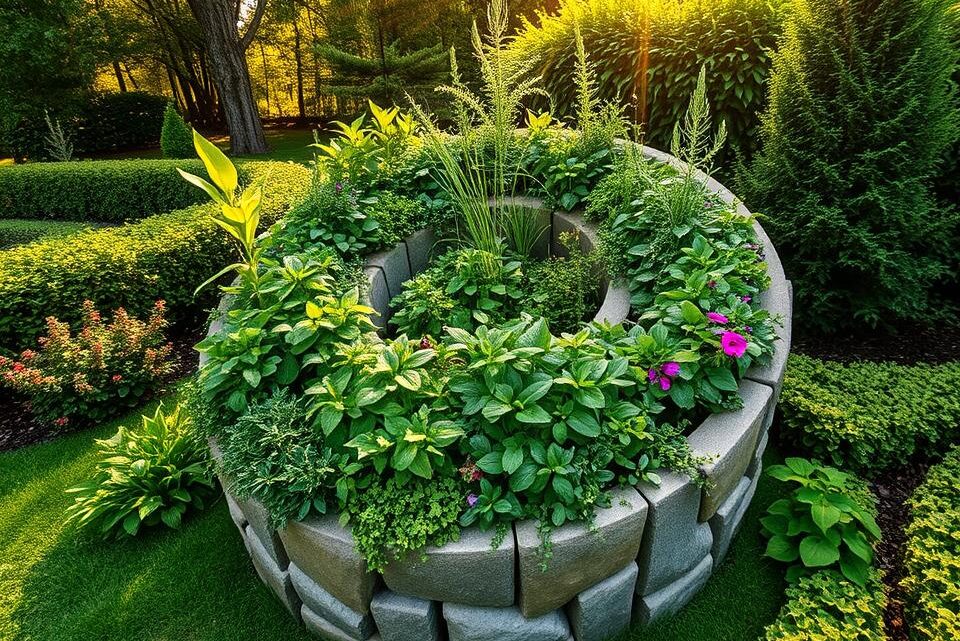
Are you looking to maximise space in your garden while adding a touch of permaculture design? Consider incorporating an herb spiral or herb snail into your DIY garden. These innovative structures allow you to grow a variety of herbs in a compact, visually appealing way.
An herb spiral is a vertical structure that makes the most of sunlight and space, while an herb snail is a more compact, spiral-shaped planter. Both designs enable you to grow a range of herbs, from popular choices like rosemary and thyme to more delicate varieties.
Inhaltsverzeichnis
Key Takeaways
- Herb spirals and snails are space-saving garden designs.
- They incorporate principles of permaculture design.
- These structures can be customised to fit your garden’s style.
- They allow for a diverse range of herbs to be grown.
- Both designs make efficient use of sunlight.
What Are Herb Spirals and Herb Snails?
In the realm of permaculture, herb spirals and snails have emerged as popular designs for herb gardens. These structures are not only functional but also add an aesthetic dimension to your garden.
Definition and Origin of Herb Spirals
An herb spiral is a vertical, spiral-shaped garden bed that allows for a variety of herbs to be grown in a relatively small footprint. Originating from permaculture principles, herb spirals are designed to maximise space while creating different microclimates within the spiral. This design enables gardeners to grow a diverse range of herbs, each thriving in its preferred conditions.
The concept of herb spirals is rooted in the idea of maximising edge effect, where the interface between different environments is increased, thereby enhancing biodiversity.
Definition and Origin of Herb Snails
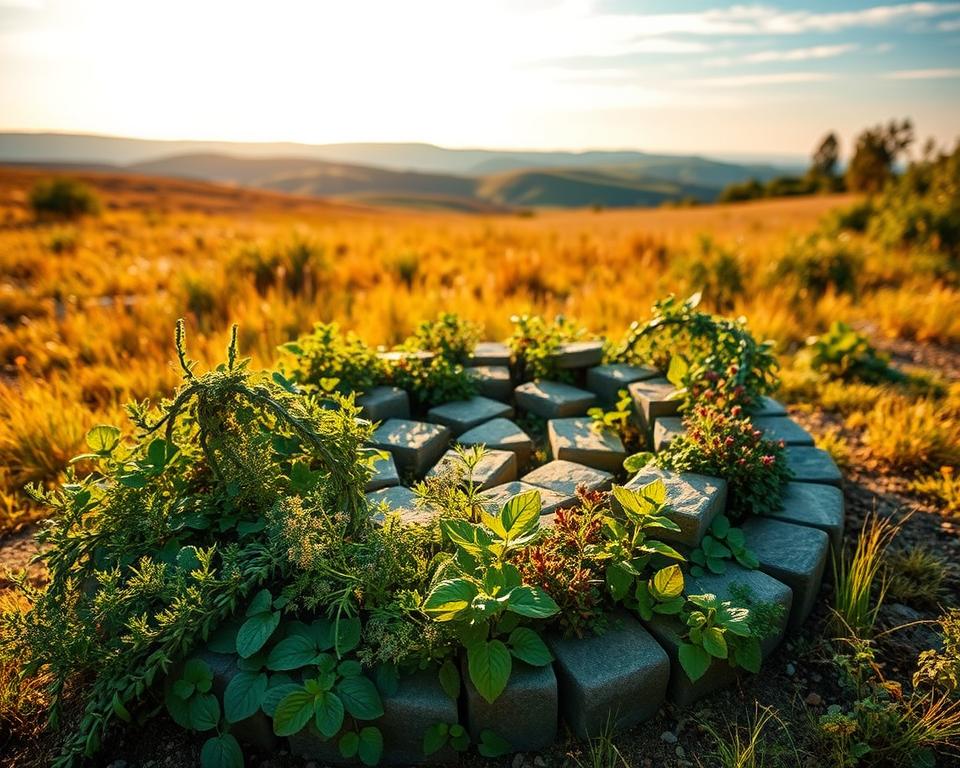
An herb snail, on the other hand, is a variation of the herb spiral that is more compact and often built into a slope or a mound. Herb snails are designed to provide a similar range of microclimates as herb spirals but are adapted to different garden layouts. The snail design allows for easy access to all parts of the garden, making maintenance simpler.
Both herb spirals and snails are examples of permaculture principles in action, promoting efficient water use, reducing soil erosion, and increasing biodiversity.
| Feature | Herb Spiral | Herb Snail |
|---|---|---|
| Design | Vertical spiral | Compact, often into a slope |
| Microclimates | Multiple, varying conditions | Multiple, adapted to slope |
| Accessibility | Easy access to all levels | Easy access, compact design |
Benefits of Herb Spirals and Herb Snails
By incorporating herb spirals or snails into your garden, you can enjoy a range of advantages that enhance your overall gardening experience. These structures are designed to provide multiple benefits, from efficient use of space to the creation of diverse microclimates, ultimately enriching your garden’s ecosystem.
Space Efficiency and Accessibility
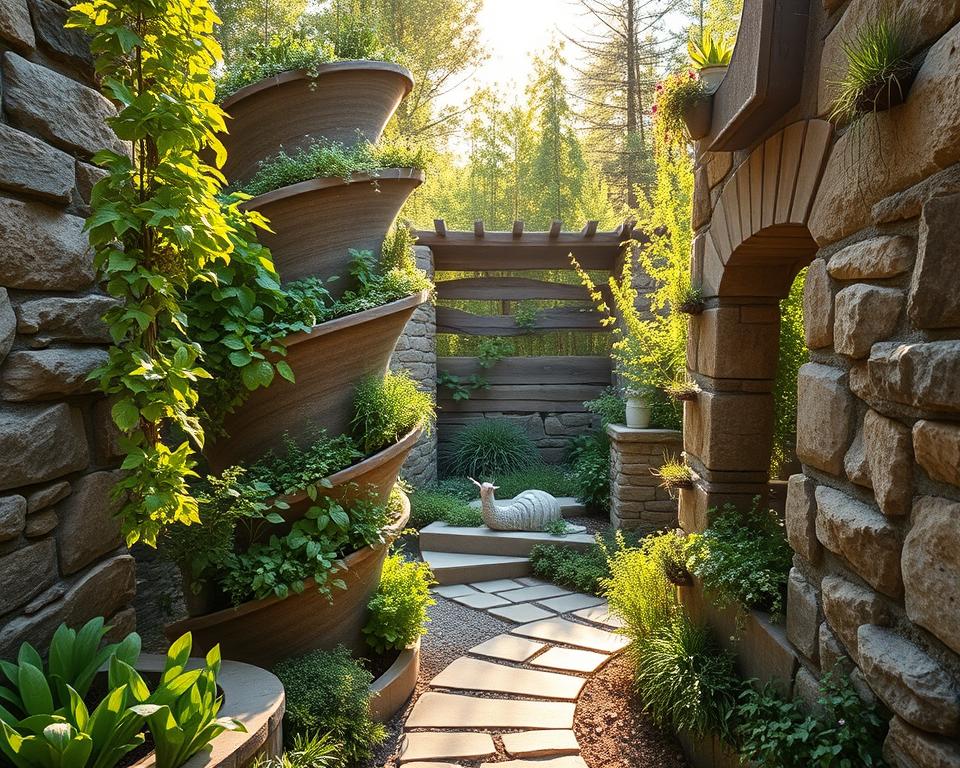
One of the primary advantages of herb spirals and snails is their ability to maximize space in your garden. By using a vertical design, you can grow a variety of herbs in a relatively small footprint, making them ideal for space-saving gardens. Additionally, the spiral or snail design allows for easy access to all the plants, reducing the need to reach or bend, thus making maintenance more manageable.
Microclimate Creation
Herb spirals and snails are also effective at creating diverse microclimates within your garden. The varying heights and angles of the structure provide different conditions for plants, ranging from sunny and dry to shaded and moist. This diversity allows you to grow a wider range of herbs, as you can select the most suitable microclimate for each plant, enhancing the overall biodiversity of your garden.
| Microclimate | Characteristics | Suitable Herbs |
|---|---|---|
| Dry and Sunny | Top zone, full sun, good drainage | Rosemary, Thyme |
| Semi-Dry | Middle zone, partial sun, moderate drainage | Oregano, Sage |
| Moist and Shaded | Bottom zone, shaded, high moisture retention | Mint, Parsley |
Aesthetic Appeal in Garden Design
Herb spirals and snails not only provide functional benefits but also add aesthetic appeal to your garden design. The unique, curved shapes create a visually interesting feature that can become a focal point in your garden. By incorporating these structures, you can enhance the overall visual appeal of your garden, making it more attractive and inviting.
Understanding the Permaculture Principles Behind These Structures
When designing herb spirals and snails, it’s essential to understand the permaculture principles that guide their construction. Permaculture, a design system that aims to create sustainable and self-sufficient ecosystems, provides the foundation for these innovative gardening structures.
The design of herb spirals and snails is deeply rooted in permaculture principles, which focus on maximising space, promoting biodiversity, and minimising waste. By applying these principles, gardeners can create highly productive and resilient gardens.
Maximising Edge Effect
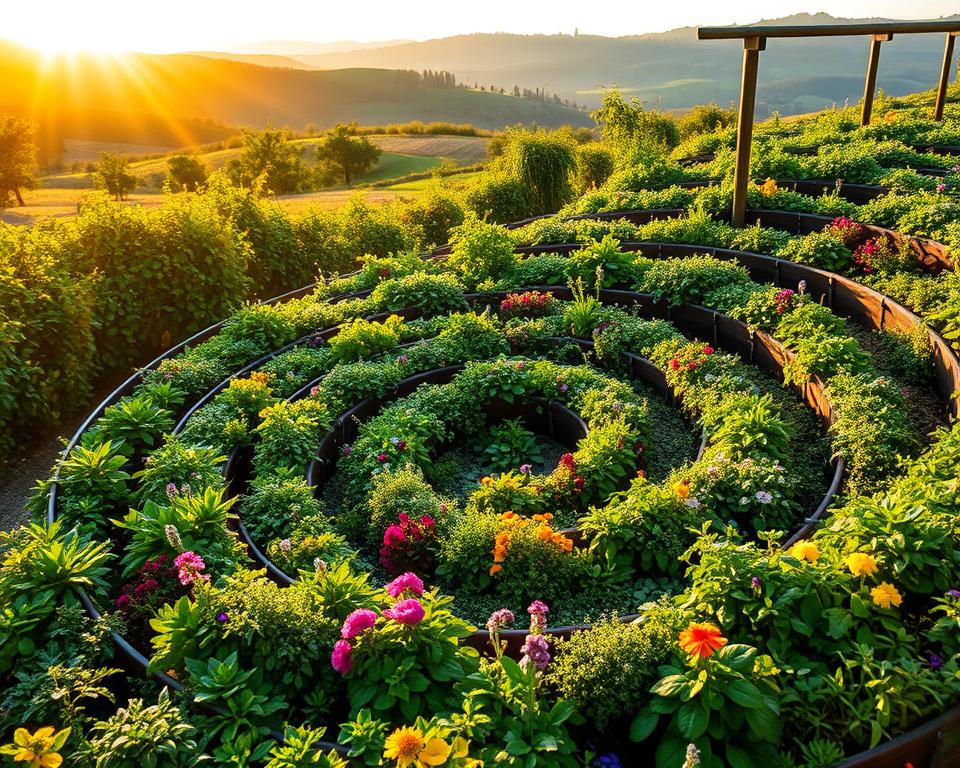
One key permaculture principle is the concept of edge effect, which refers to the increased biodiversity and productivity that occurs at the boundary between different ecosystems. Herb spirals and snails maximise this edge effect by creating a long, winding edge that allows for a greater variety of plants to be grown in a small area.
Working with Natural Patterns
Another important permaculture principle is the idea of working with natural patterns rather than against them. Herb spirals and snails are designed to work in harmony with natural processes, such as drainage and sunlight patterns, to create a thriving ecosystem. By observing and mimicking nature, gardeners can create gardens that are not only productive but also sustainable.
By understanding and applying these permaculture principles, gardeners can unlock the full potential of herb spirals and snails, creating gardens that are both beautiful and productive.
Planning Your Herb Spiral or Snail
Before you start constructing your herb spiral or snail, it’s essential to plan it carefully. This involves several key considerations to ensure your structure is both functional and aesthetically pleasing.
Choosing the Right Location
Selecting the right location for your herb spiral or snail is crucial. You need to consider both sun exposure and accessibility.
Sun Exposure Considerations
Most herbs require plenty of sunlight to thrive. Choose a location that receives at least 4-6 hours of direct sunlight per day. Consider the orientation of your garden to maximise sunlight exposure.
Accessibility Factors
Ensure your herb spiral or snail is accessible for regular maintenance. Consider the pathways around your garden and leave enough space to comfortably reach the centre of the structure.
Determining the Size and Height
The size and height of your herb spiral or snail will depend on the space available and the number of herbs you wish to plant. A typical herb spiral is between 1.5 to 2.5 metres in diameter and about 1 metre high.
| Structure | Diameter | Height |
|---|---|---|
| Herb Spiral | 1.5-2.5 metres | 1 metre |
| Herb Snail | 1-2 metres | 0.5-1 metre |
Sketching Your Design
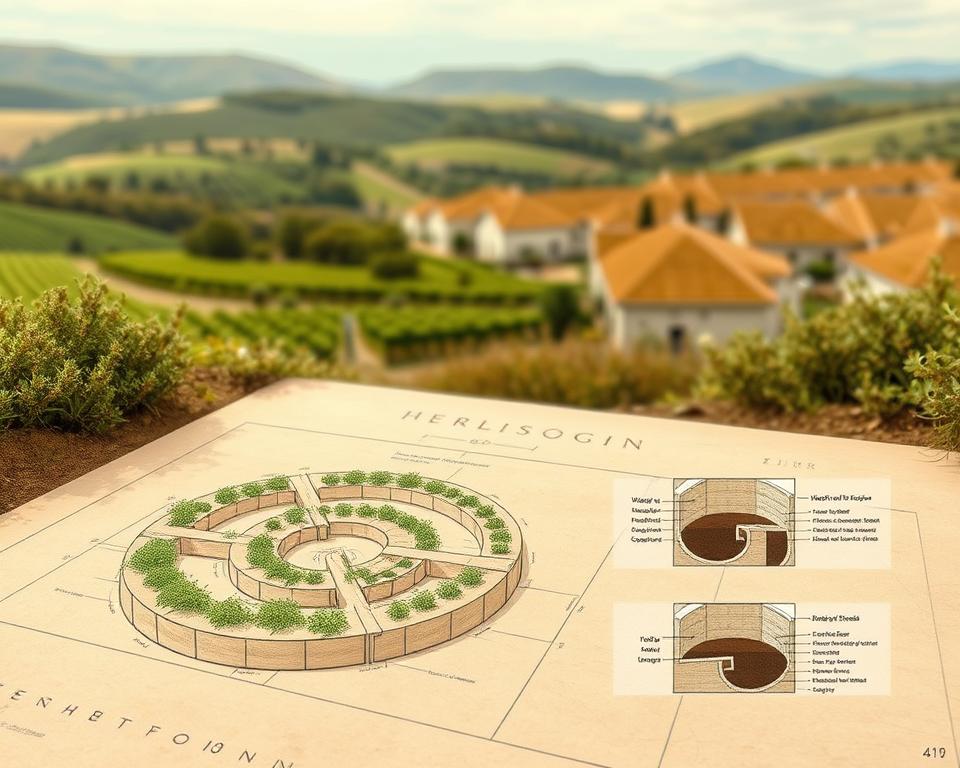
Once you have decided on the location, size, and height, sketch out your design. Consider the microclimates within your structure and plan the placement of herbs accordingly. Use a simple drawing to visualise your herb spiral or snail and make any necessary adjustments before construction begins.
Materials Needed for Creating or Building Your Own Herb Spiral & Herb Snail
To construct a durable and functional herb spiral or snail, you’ll need to gather the appropriate garden materials. The choice of materials can significantly impact the longevity and aesthetic appeal of your project.
Stone and Brick Options
The outer structure of your herb spiral or snail can be built using various stone and brick materials. The choice between them depends on your desired aesthetic, budget, and the local availability of sustainable materials.
Natural Stone Choices
Natural stone, such as limestone, sandstone, or granite, offers a timeless and organic look. These materials are durable and can withstand various weather conditions, making them ideal for outdoor use in your DIY gardening project.
Reclaimed and Alternative Materials
Reclaimed bricks or alternative materials like old tiles, wood, or even composite materials can be used to create a unique and eco-friendly herb spiral or snail. This approach not only reduces waste but also adds character to your garden.
Soil and Compost Requirements
The success of your herb garden depends heavily on the quality of the soil and compost used. A mix of topsoil, compost, and other organic matter will provide a nutrient-rich environment for your herbs to thrive.
Tools and Additional Materials
In addition to the main building materials, you’ll need various tools such as a trowel, spirit level, and gloves. Depending on your design, you might also require a drainage layer, landscape fabric, or other supplementary materials to complete your DIY gardening project.
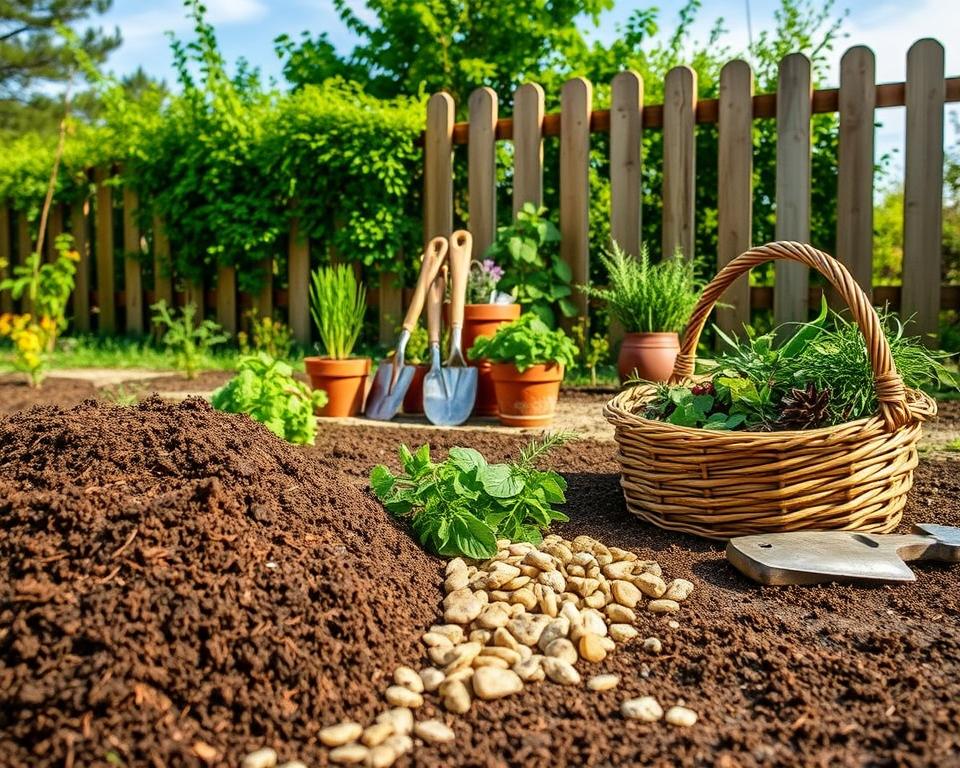
Step-by-Step Construction of a Herb Spiral
Creating a herb spiral in your garden can be a fun and fulfilling experience, providing a unique way to grow a variety of herbs. This DIY garden structure not only adds visual interest but also maximises space and creates different growing conditions for your herbs.
Marking Out the Base
The first step in constructing your herb spiral is to mark out the base. Choose a location that receives adequate sunlight for the types of herbs you plan to grow. Use a rope or hose to mark out a circle where your spiral will be built. Typically, a diameter of about 1.5 to 2 meters is sufficient. Ensure the area is clear of any debris and level the ground.
Building the Walls
Building the walls of your herb spiral involves constructing a spiral shape using your chosen materials, such as stone or brick. The height of the spiral can vary, but it’s usually around 1 to 1.2 meters high.
First Layer Techniques
Start by laying the first layer of stones or bricks. This foundation layer is crucial for the stability of your herb spiral. Ensure the stones are level and firmly placed. You can use a mixture of sand and gravel to bed the stones, enhancing stability and garden construction quality.
Creating the Spiral Shape
As you build upwards, create the spiral shape by gradually offsetting each layer of stones. This technique not only adds visual appeal but also increases the surface area available for planting. Continue building until you reach your desired height, ensuring the structure remains stable.
Adding Drainage Materials
To prevent waterlogging and ensure good drainage, add a layer of gravel or broken bricks at the bottom of your herb spiral before filling it with soil. This layer allows excess water to drain away from the roots of your herbs, promoting healthy growth.
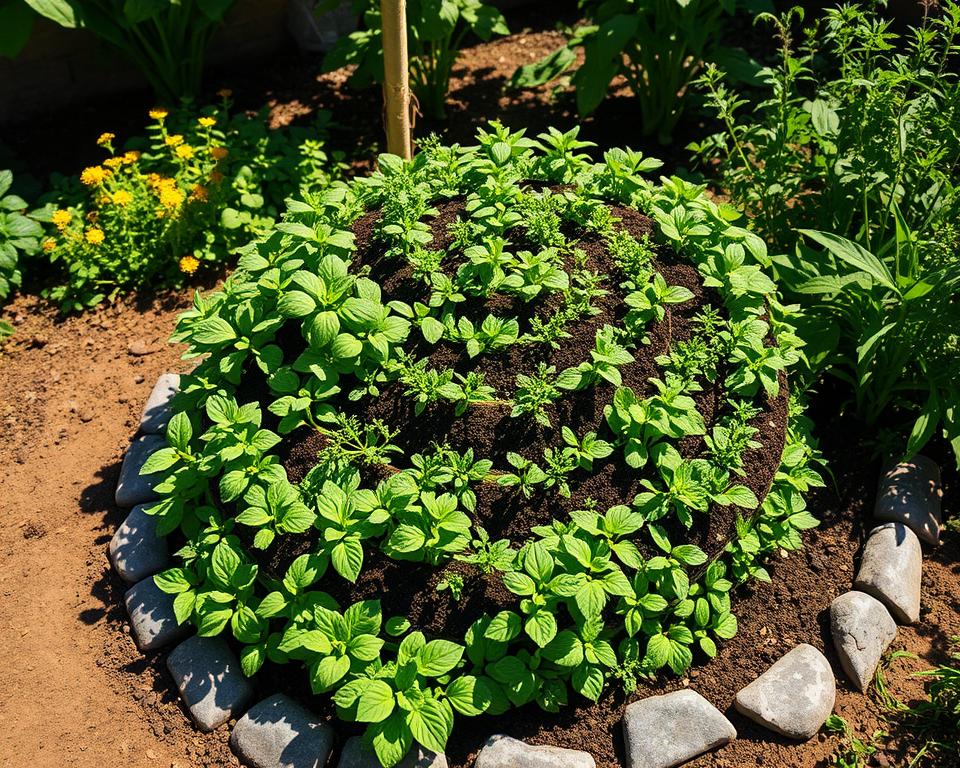
Filling Your Herb Spiral with Soil
Soil preparation is a vital step in creating a thriving herb spiral. The right soil composition and drainage are crucial for the health and growth of your herbs.
Creating the Right Soil Layers
To create a conducive environment for your herbs, you need to layer the soil appropriately. Start with a base layer of gravel or small rocks for drainage, followed by a mix of garden soil and compost. The garden soil provides the necessary nutrients, while the compost enhances soil fertility and structure.
| Layer | Material | Purpose |
|---|---|---|
| Base | Gravel/Rocks | Drainage |
| Middle | Garden Soil & Compost | Nutrient Supply |
| Top | Compost | Soil Fertility |
Achieving Proper Drainage
Proper drainage is essential to prevent waterlogged soil, which can lead to root rot. Ensure your herb spiral has adequate drainage by incorporating drainage solutions like gravel at the base.
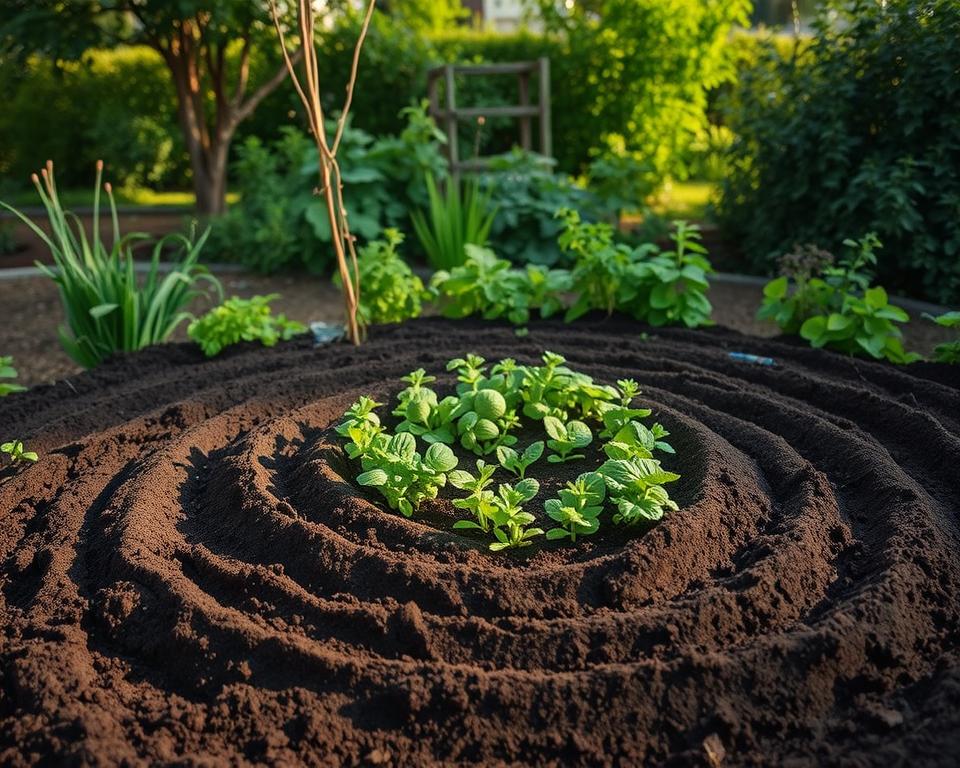
By following these steps, you can create a well-draining and nutrient-rich environment for your herbs to thrive.
Building a Herb Snail: Alternative Approach
For those looking to maximise their herb yield in a compact space, building a herb snail is an innovative solution. A herb snail offers a unique alternative to the traditional herb spiral, providing a different approach to herb gardening that can be just as effective.
Differences in Design and Construction
The primary difference between a herb snail and a herb spiral lies in their design and construction. Unlike herb spirals, which are typically taller and more vertical, herb snails are generally lower to the ground and have a more gradual slope. This design allows for easier access to all parts of the garden and can be particularly beneficial for gardeners with mobility issues.
Key differences include:
- A more gradual slope, making it easier to access plants
- A lower overall height, which can be more aesthetically pleasing in certain garden settings
- A different microclimate creation due to its shape and orientation
Step-by-Step Construction Process
Building a herb snail involves several steps, starting with planning and design. Here’s a step-by-step guide to constructing your herb snail:
Creating the Snail Shape
The first step is to mark out the snail shape on the ground. This can be done using a rope or hose to define the spiral shape. The size will depend on the space available and the desired scale of your herb snail.
Building Up the Structure
Once the shape is defined, you can start building up the structure using materials such as stone, brick, or even wood. The walls should be constructed to create a gradual slope, allowing for good drainage and access to sunlight.
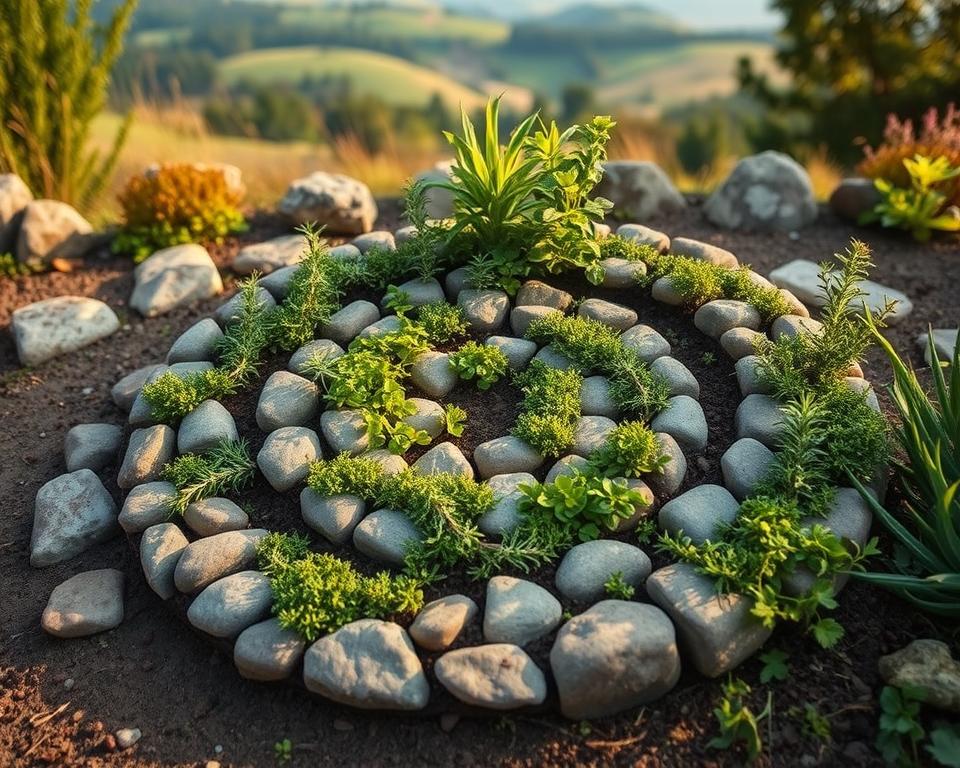
Here’s a simple table to help you plan the materials needed for your herb snail:
| Material | Quantity | Purpose |
|---|---|---|
| Stone/Brick | Variable | Building the structure |
| Soil/Compost | Variable | Filling the snail and planting herbs |
| Drainage Material | Variable | Ensuring proper drainage |
By following these steps and considering the unique aspects of a herb snail, you can create a beautiful and functional herb garden that enhances your outdoor space.
Understanding Microclimates in Your Structure
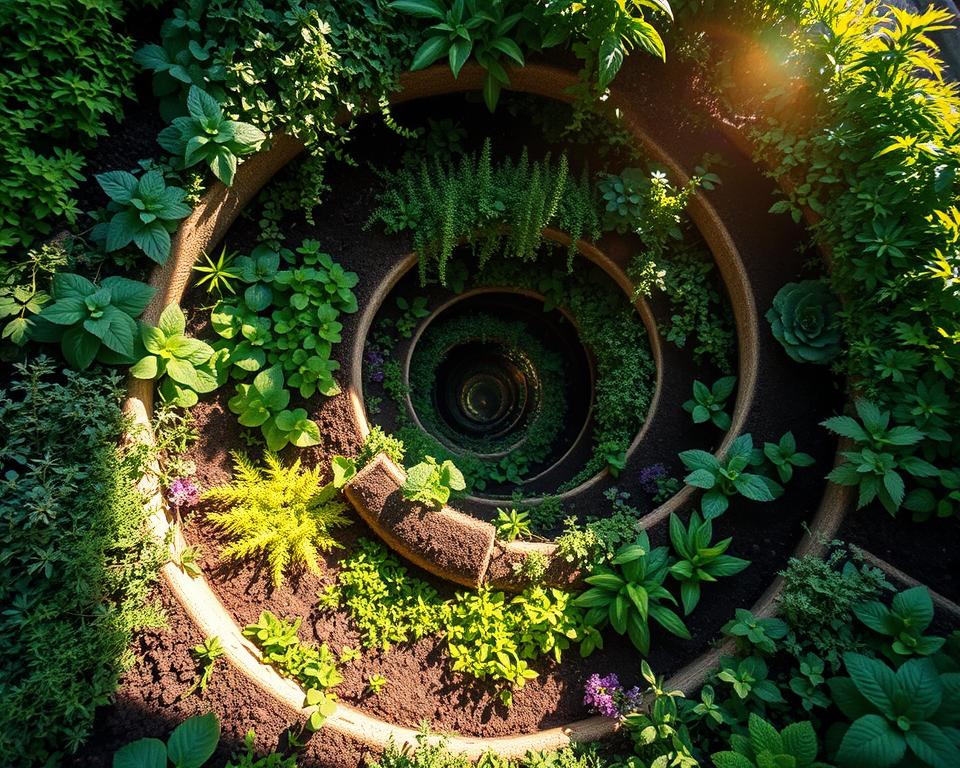
The unique architecture of herb spirals and snails fosters the creation of distinct microclimates, catering to a variety of herbs. As you build your structure, you’ll notice that different areas provide different conditions, from dry and sunny to moist and shaded.
Dry and Sunny Top Zone
The top zone of your herb spiral or snail is typically dry and sunny, making it ideal for herbs that thrive in well-drained soil and full sun. Herbs like rosemary and thyme are perfect for this zone.
Semi-Dry Middle Zone
The middle zone offers semi-dry conditions, suitable for a mix of herbs that prefer slightly moist soil but still require good drainage. This zone is great for herbs like oregano and sage.
Moist and Shaded Bottom Zone
At the bottom of your herb spiral or snail, the conditions are generally moist and shaded, creating an ideal environment for herbs that prefer damp soil and partial shade, such as mint and parsley.
| Zone | Conditions | Suitable Herbs |
|---|---|---|
| Top | Dry and Sunny | Rosemary, Thyme |
| Middle | Semi-Dry | Oregano, Sage |
| Bottom | Moist and Shaded | Mint, Parsley |
Understanding these microclimates allows you to maximize the diversity of herbs you can grow, making your herb spiral or snail a thriving and versatile garden feature.
Best Herbs for Each Zone of Your Structure
To maximise the potential of your herb spiral or snail, it’s essential to choose herbs that thrive in each specific zone. The different conditions within the structure allow for a variety of herbs to be grown, from drought-tolerant varieties to those that prefer moist environments.
Herbs for the Top (Dry) Zone
The top zone of your herb spiral or snail is typically dry and sunny, making it ideal for herbs that are resistant to drought. Within this zone, you can further differentiate between herbs that originate from Mediterranean regions and those that are generally more tolerant of dry conditions.
Mediterranean Herbs
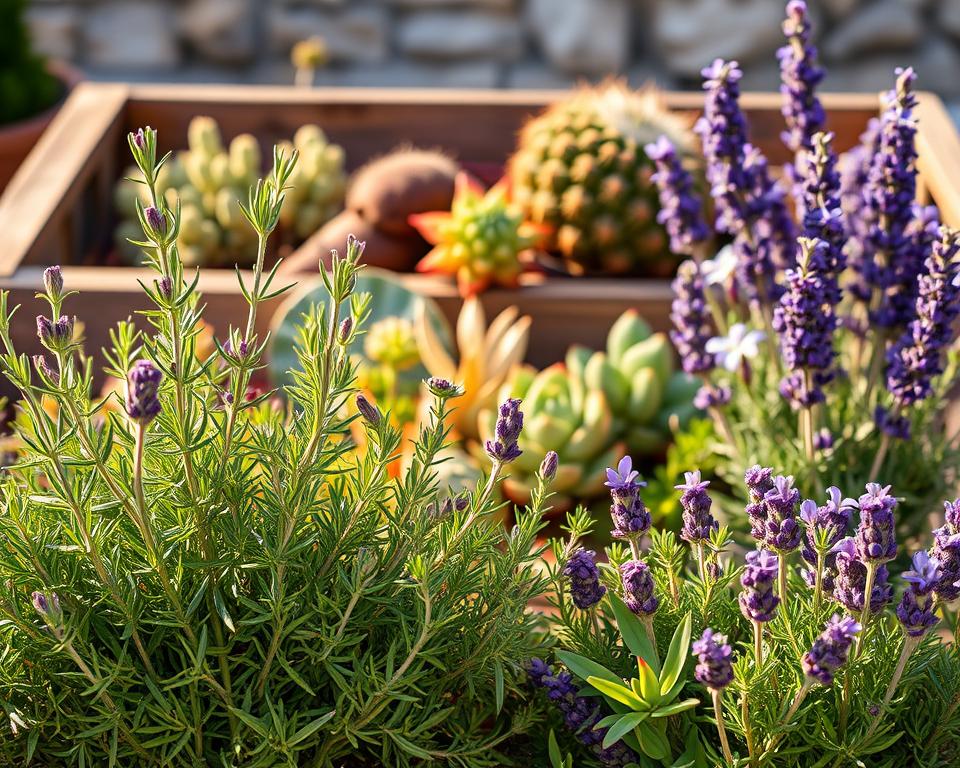
Mediterranean herbs such as rosemary, thyme, and oregano are well-suited to the dry conditions found at the top of your structure. These herbs are accustomed to the dry, sunny climates characteristic of the Mediterranean region.
Drought-Tolerant Varieties
In addition to Mediterranean herbs, other drought-tolerant varieties like lavender and sage also thrive in the top zone. These herbs are capable of surviving with minimal watering, making them perfect for areas with low rainfall.
Herbs for the Middle Zone
The middle zone offers semi-dry conditions, making it suitable for a different set of herbs. Here, you can plant herbs like chives, marjoram, and parsley, which prefer well-drained soil but can tolerate some moisture.
Herbs for the Bottom (Moist) Zone
At the bottom of your herb spiral or snail, the conditions are typically moist and shaded, ideal for herbs that prefer these conditions. Herbs such as mint, lemon balm, and chervil thrive in the moist environment of the bottom zone.
By selecting the right herbs for each zone, you can create a diverse and thriving herb garden within your spiral or snail structure.
Planting Your Herbs
Planting herbs in a spiral or snail design requires some planning to ensure they thrive. As you prepare to plant, consider the unique conditions within your herb spiral or snail, including varying levels of sunlight and moisture.
Spacing Considerations
Proper spacing is crucial to prevent overcrowding and ensure good air circulation. The spacing between herbs depends on the mature size of the plants. For example, larger herbs like rosemary and mint need more space than smaller herbs like thyme and oregano.
| Herb Type | Mature Size | Recommended Spacing |
|---|---|---|
| Rosemary | Large | 45-60 cm |
| Mint | Large | 30-45 cm |
| Thyme | Small | 15-30 cm |
| Oregano | Small | 15-30 cm |
Companion Planting Benefits
Companion planting is the practice of growing different plants together to improve their growth, health, and productivity. In an herb spiral or snail, companion planting can enhance the flavour and aroma of herbs, deter pests, and attract beneficial insects.
For instance, planting marjoram alongside basil can improve the flavour of both herbs. Similarly, chives can be planted with carrots to deter pests.
Planting Techniques
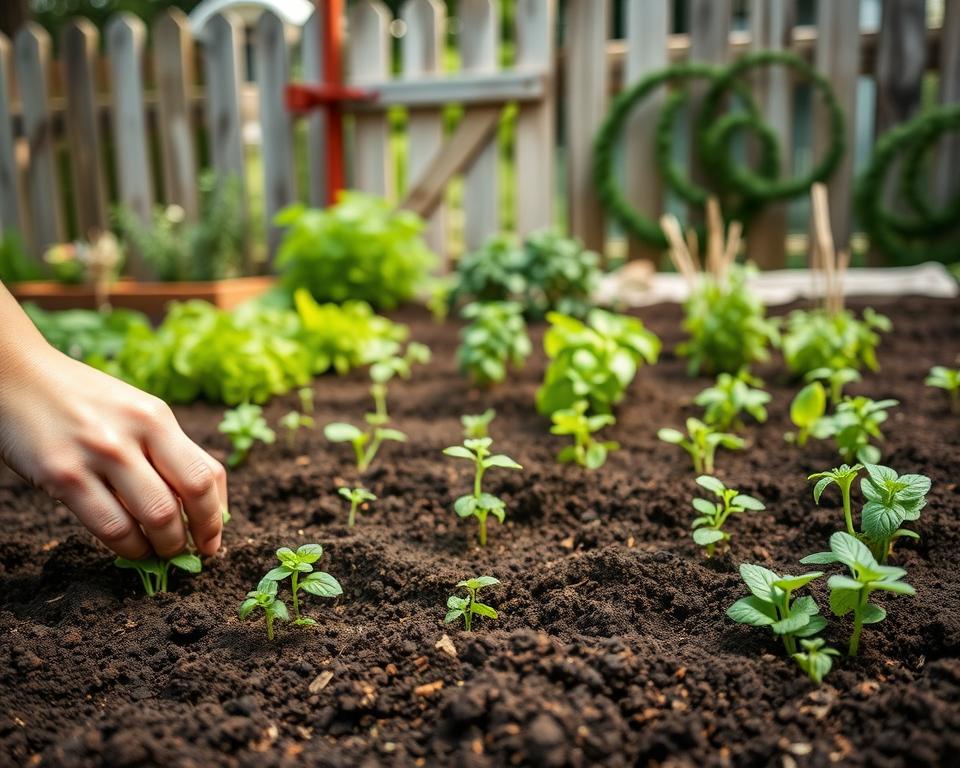
When planting herbs in your spiral or snail, gently remove them from their pots and plant them at the same depth as they were previously. Water thoroughly after planting and keep the soil consistently moist during the first few weeks after planting.
To promote healthy growth, mulch around the plants to retain moisture and suppress weeds. Regularly inspect your herbs for signs of pests or disease, and take action promptly if necessary.
Maintenance and Care
Maintaining your herb spiral or snail involves several key tasks to ensure its longevity and productivity. Regular upkeep is essential to keep your herbs healthy and thriving.
Watering Requirements
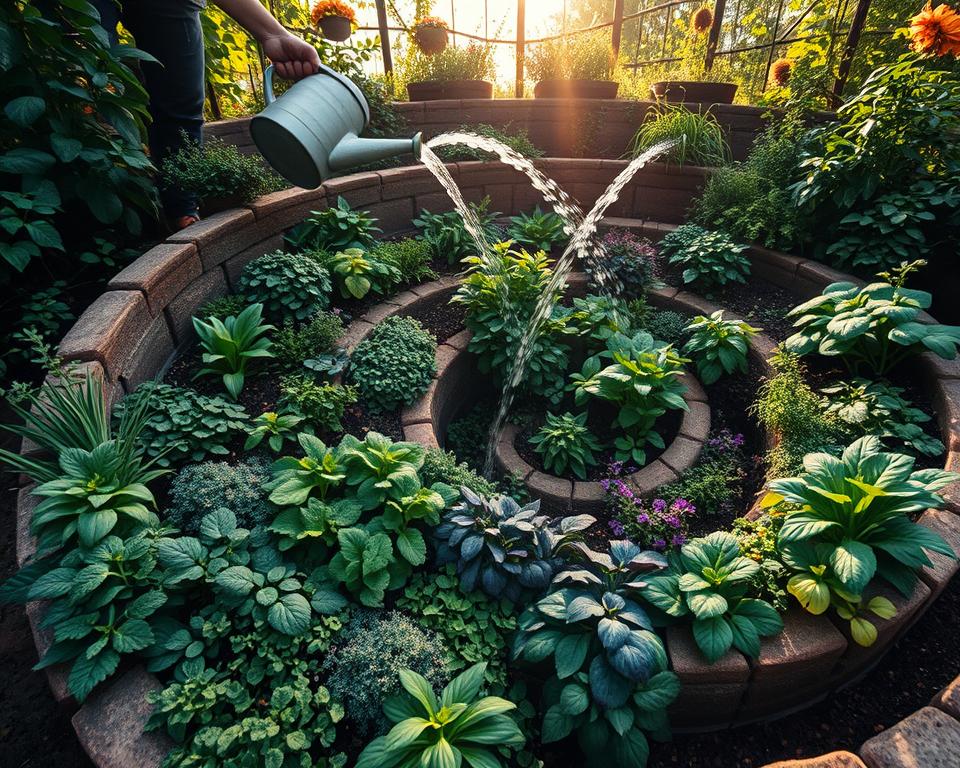
Proper watering is crucial for the health of your herbs. The unique design of herb spirals and snails means that different zones have different watering needs. The top zone tends to be drier, while the bottom zone retains more moisture. Check the soil regularly, and water accordingly to maintain the right balance.
Watering Tips: Water your herb spiral or snail in the morning to allow the plants to absorb the water throughout the day. Avoid getting water on the leaves to prevent fungal diseases.
Seasonal Maintenance
As the seasons change, your herb spiral or snail will require different maintenance tasks. In spring, refresh the soil and add new compost. Summer maintenance involves regular pruning and harvesting to encourage bushy growth. In autumn, prepare your structure for winter by protecting the roots and clearing away any dead plant material.
| Season | Maintenance Task |
|---|---|
| Spring | Refresh soil, add compost |
| Summer | Prune and harvest regularly |
| Autumn | Protect roots, clear dead material |
Pruning and Harvesting
Regular pruning and harvesting are vital to encourage healthy growth and prevent your herbs from becoming leggy. Pinch off flower buds to direct the plant’s energy into leaf production. Harvest your herbs regularly, using scissors or pinch off individual leaves to use in your cooking.
Tip: Prune your herbs in the morning when the plants are at their highest oil content, ensuring the best flavour.
Troubleshooting Common Issues
When maintaining your herb spiral or snail, several issues may arise that require immediate attention. These can range from structural problems to plant health issues and pest infestations. Understanding how to identify and address these problems is crucial for the longevity and productivity of your herb garden.
Structural Integrity
One of the common issues with herb spirals and snails is structural integrity. Over time, the walls may crack or crumble due to weathering or poor construction. To address this, inspect your structure regularly and repair any damage promptly. Use durable materials like stone or brick to reinforce the walls, ensuring they remain stable.
Plant Health Concerns
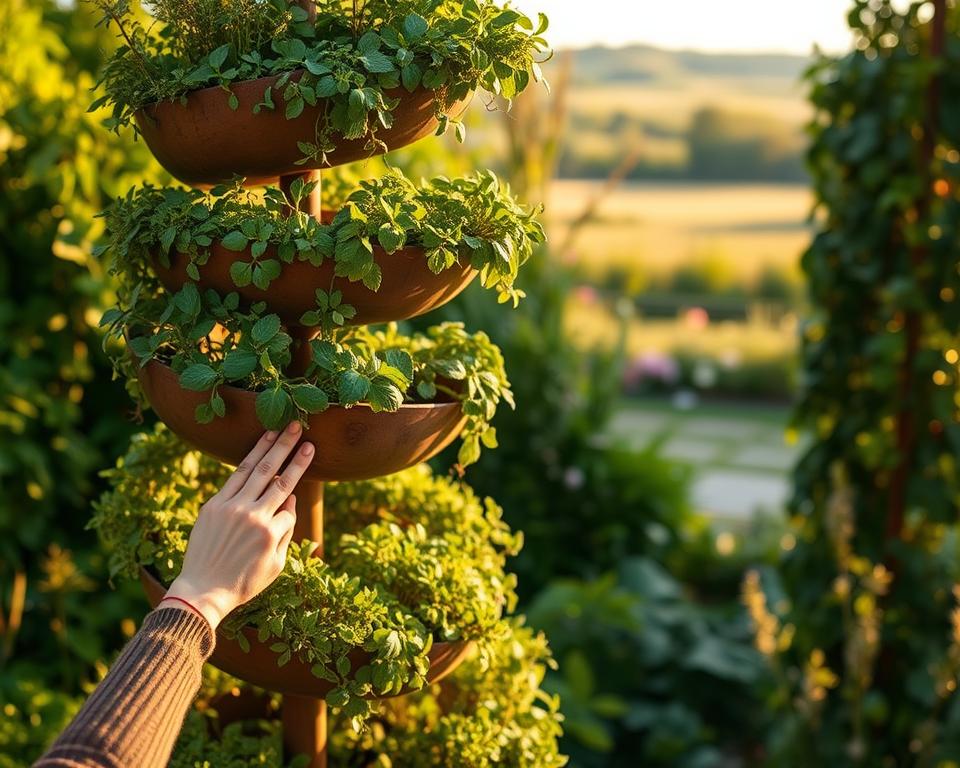
Plant health is another critical aspect. Issues such as yellowing leaves, wilting, or stunted growth can indicate problems with watering, soil quality, or nutrient deficiencies. Ensure your herb spiral or snail has proper drainage and is planted with a mix of herbs that thrive in the different microclimates it creates. Regularly check the soil moisture and adjust your watering schedule accordingly.
- Check for signs of overwatering or underwatering.
- Ensure good air circulation around plants.
- Fertilise herbs appropriately to maintain their health.
Pest Management Strategies
Pests can be a significant problem in herb gardens. Common pests include aphids, slugs, and snails. Implement pest management strategies such as using organic pest control methods, introducing beneficial insects, and maintaining good garden hygiene. Regularly inspect your plants for signs of pests and take action promptly to prevent infestations from spreading.
By addressing these common issues, you can ensure your herb spiral or snail remains a thriving and productive part of your garden. Regular maintenance and vigilance are key to preventing problems and enjoying a bountiful harvest of fresh herbs.
Creative Variations and Design Inspiration
Herb spirals and snails offer a versatile canvas for garden design inspiration, allowing you to incorporate unique features that reflect your personal style. You can enhance your herb garden’s functionality and aesthetic appeal by considering various creative elements.
Incorporating Water Features
Incorporating water features into your herb spiral or snail design can add a soothing, dynamic element to your garden. A small pond or fountain at the base can create a calming ambiance, while also attracting beneficial wildlife. When planning a water feature, consider the overall design and ensure it complements the existing landscape.
Vertical Elements and Trellises
Vertical elements and trellises can be used to maximise space and add visual interest to your herb spiral or snail. By incorporating climbing plants or training herbs to grow upwards, you can create a lush, layered effect. This approach not only enhances the aesthetic appeal but also increases the yield from your herb garden.
Decorative Touches
Adding decorative touches can personalise your herb spiral or snail, making it a unique reflection of your taste. Consider using decorative stones, shells, or other ornaments to add visual interest. You can also incorporate recycled materials or repurposed items to give your herb garden a distinctive character.
| Design Element | Purpose | Examples |
|---|---|---|
| Water Features | Create ambiance, attract wildlife | Small pond, fountain |
| Vertical Elements | Maximise space, add visual interest | Trellises, climbing plants |
| Decorative Touches | Personalise, add visual appeal | Decorative stones, shells, ornaments |
Conclusion
You now have a comprehensive understanding of how to create and maintain an herb spiral or snail, enhancing your garden planning with permaculture gardening principles. By following the steps outlined, you can enjoy a thriving and diverse herb garden, maximising space while creating a unique aesthetic appeal.
The process involves careful planning, from choosing the right location and determining the size to selecting the appropriate materials and constructing the spiral or snail. Understanding the microclimates within your structure and selecting the right herbs for each zone are crucial for its success.
By incorporating herb spirals or snails into your garden, you are not only adopting a permaculture gardening approach but also creating a functional and beautiful feature. Regular maintenance, including watering, pruning, and harvesting, will ensure your herb garden remains healthy and productive.
As you embark on this gardening project, remember that the benefits extend beyond the practical aspects. An herb spiral or snail adds a creative element to your garden, making it a unique space for relaxation and enjoyment.
FAQ
What is the ideal location for building a herb spiral or snail?
The ideal location should receive sufficient sunlight, be easily accessible, and have good drainage. Consider a spot that is visible and enjoyable, as herb spirals and snails can be a beautiful addition to your garden.
How often should I water my herb spiral or snail?
Watering requirements will vary depending on the herbs you are growing and the climate you are in. As a general rule, check the soil regularly and water when the top layer feels dry to the touch. Be cautious not to overwater, as this can lead to root rot and other issues.
What types of herbs are best suited for the different zones of a herb spiral or snail?
The top zone is ideal for Mediterranean and drought-tolerant herbs, the middle zone suits semi-dry loving herbs, and the bottom zone is perfect for herbs that prefer moist and shaded conditions. Research the specific needs of your chosen herbs to ensure they thrive in their designated zone.
How do I maintain the structure of my herb spiral or snail?
Regularly inspect the structure for signs of damage or wear. Make repairs as needed, and ensure that the drainage system is functioning properly to prevent waterlogged soil.
Can I incorporate other features, such as water features or trellises, into my herb spiral or snail design?
Yes, you can incorporate various features to enhance the functionality and aesthetic appeal of your herb spiral or snail. Consider adding a small pond or fountain for a soothing water feature, or incorporate trellises to support climbing plants.
What are some common pests that may affect my herb spiral or snail, and how can I manage them?
Common pests include aphids, slugs, and snails. Use organic pest control methods whenever possible, such as introducing beneficial insects, using physical barriers, or applying natural deterrents like copper tape or crushed eggshells.
How do I prune and harvest herbs from my spiral or snail?
Prune your herbs regularly to encourage bushy growth and prevent them from flowering. Harvest herbs as needed, taking care not to damage the surrounding plants or the structure itself.
Can I build a herb spiral or snail in a shaded area?
While many herbs require sunlight, you can still build a herb spiral or snail in a shaded area. Choose herbs that thrive in shade, such as mint or lemon balm, and adjust your design accordingly to ensure good air circulation and drainage.