Japanese Garden Decor: Inspiration for Your UK Garden
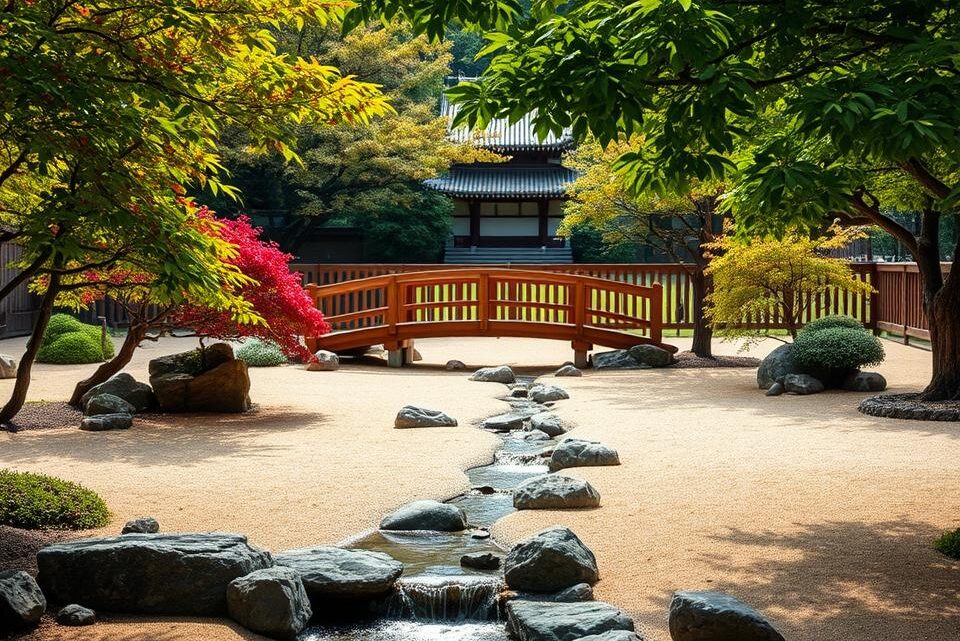
Creating a serene oasis in your outdoor space is a wonderful way to enhance your home’s ambiance. Japanese garden decor is renowned for its tranquil and natural beauty, making it an ideal inspiration for UK gardens.
You can bring the essence of a Zen garden into your UK garden by incorporating elements such as carefully placed stones, serene water features, and meticulously pruned plants. This style of Zen garden design encourages a sense of calm and connection to nature.
Inhaltsverzeichnis
Key Takeaways
- Discover how to create a serene atmosphere in your UK garden
- Explore the key elements of Japanese garden decor
- Learn how to incorporate natural beauty into your outdoor space
- Understand the principles of Zen garden design
- Find inspiration for your UK garden makeover
The Philosophy Behind Japanese Gardens
At the heart of every Japanese garden lies a profound philosophy that shapes its aesthetic and spiritual appeal. Japanese gardens are designed to evoke a sense of harmony, respect, and tranquility, drawing on centuries-old philosophical traditions.
The design of a Japanese garden is not merely about creating a beautiful outdoor space; it’s about crafting an environment that fosters mindfulness and a deep connection with nature. This is where Zen and Wabi-Sabi philosophies play a crucial role.
Zen and the Art of Garden Design
Zen philosophy emphasizes the importance of mindfulness and the present moment. In the context of garden design, this translates into creating spaces that encourage contemplation and a sense of calm. Zen gardens often feature simple, natural elements such as raked gravel, strategically placed stones, and minimalist plantings.
| Zen Element | Purpose |
|---|---|
| Raked Gravel | Encourages mindfulness through its simplicity and the act of raking |
| Strategically Placed Stones | Creates a sense of balance and harmony |
| Minimalist Plantings | Fosters a sense of calm and reduces visual clutter |
Wabi-Sabi: Finding Beauty in Imperfection
Wabi-Sabi is a philosophy that celebrates the beauty of imperfection and impermanence. In Japanese garden design, Wabi-Sabi is reflected in the use of natural, weathered materials and the acceptance of change over time. This might include moss-covered stones, aged wooden structures, or the seasonal changes in plant life.
By embracing Wabi-Sabi, garden designers can create spaces that are not only beautiful but also rich in character and history. This philosophy reminds us that imperfection is a natural part of the aging process and can add depth and interest to the garden.
Essential Elements of Traditional Japanese Gardens
A traditional Japanese garden is a harmonious blend of natural beauty and carefully designed structures. These gardens are designed to create a serene and contemplative atmosphere, often incorporating elements that symbolize nature and the changing seasons.

Water Features: Ponds, Streams and Waterfalls
Water features are a crucial element in traditional Japanese gardens, symbolizing the life force and providing a soothing auditory experience. Ponds, streams, and waterfalls are carefully designed to create a sense of tranquility and connection to nature. The sound of gently flowing water is particularly effective in creating a peaceful ambiance.
Rocks and Stones: The Backbone of Japanese Design
Rocks and stones are fundamental components of Japanese gardens, often representing mountains or islands. The careful placement of these elements is crucial, as they provide structure and visual interest. The selection and arrangement of rocks and stones require a deep understanding of their shapes, textures, and colors to create a harmonious balance.
Bridges and Pathways: Guiding the Journey
Bridges and pathways in Japanese gardens serve both functional and symbolic purposes. They guide visitors through the garden, creating a journey of discovery and contemplation. The design of these elements varies, from simple stone stepping stones to more elaborate wooden bridges, each contributing to the overall aesthetic and spiritual experience.
As you design your own Japanese garden, consider how these essential elements can be incorporated to create a serene and meaningful space. By thoughtfully integrating water features, rock arrangements, and bridges, you can craft a garden that not only reflects the beauty of nature but also provides a tranquil retreat.
Japanese Garden Decor: Inspiration for Your Garden
Japanese garden decor ideas can help you create a peaceful retreat in your UK garden. By incorporating traditional elements, you can achieve a serene and balanced outdoor space that reflects the beauty of Japanese design.
Stone Lanterns and Pagodas
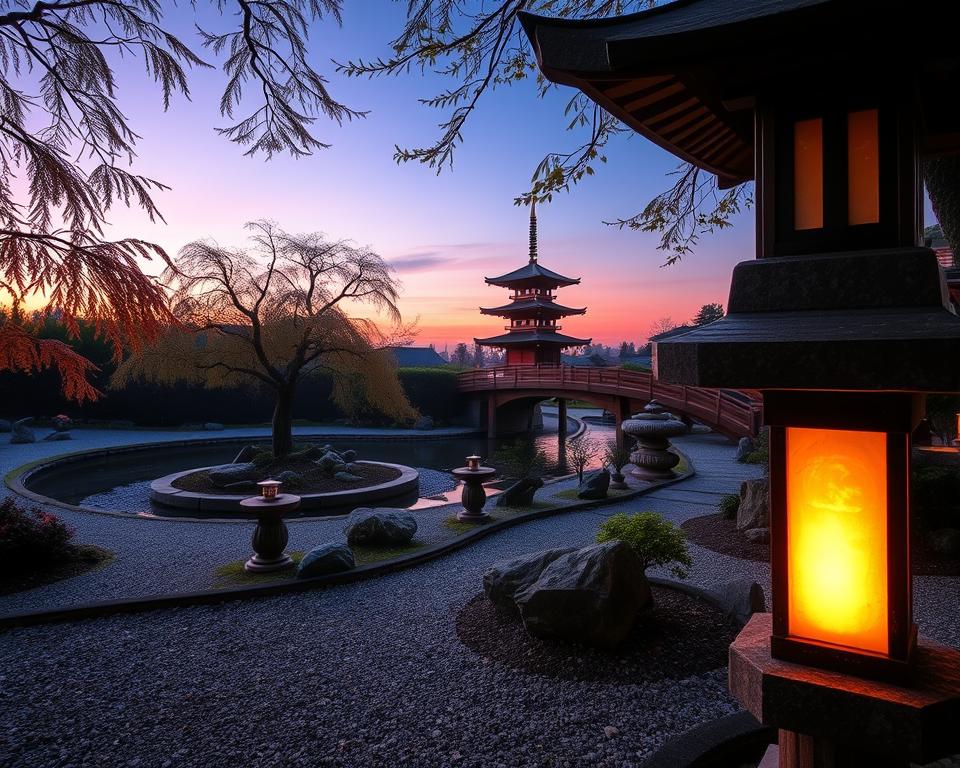
Stone lanterns are a quintessential feature of Japanese gardens, providing soft lighting and adding a touch of spirituality to your outdoor space. When selecting a stone lantern, consider its placement carefully to create a sense of harmony. You can place them near water features or along pathways to guide visitors through your garden.
Pagodas, though less common in modern Japanese gardens, can add a striking architectural element. They can be used as a focal point or to create a sense of layering in your garden design.
Bamboo Features and Accents
Bamboo is a versatile material that can be used in various ways to enhance your Japanese garden. From fencing to decorative accents, bamboo adds a natural, earthy feel. Consider using bamboo groves or individual stalks to create a sense of movement and texture.
Bamboo accents, such as vases or planters, can also be used to add a touch of Japanese elegance to your garden.
Water Basins and Tsukubai
Water basins, or tsukubai, are an integral part of traditional Japanese tea gardens. They serve both a practical and symbolic purpose, providing a place for guests to purify their hands before a tea ceremony. In your garden, a tsukubai can become a focal point, encouraging mindfulness and contemplation.
When designing your water basin, consider the material and placement carefully to ensure it blends with the surrounding landscape.
Creating a Zen Garden in Limited UK Spaces
In the UK, where space is often at a premium, creating a Zen garden might seem challenging. However, with careful planning and a few creative ideas, you can bring the tranquility of a Japanese garden to even the smallest of urban spaces.
One of the key principles of Japanese garden design is the use of natural elements to create a sense of calm and serenity. This can be achieved in small spaces by incorporating elements such as:
- Miniature trees and shrubs
- Small water features or sound elements
- Carefully selected stones and gravel
Small-Scale Japanese Gardens for Urban Homes
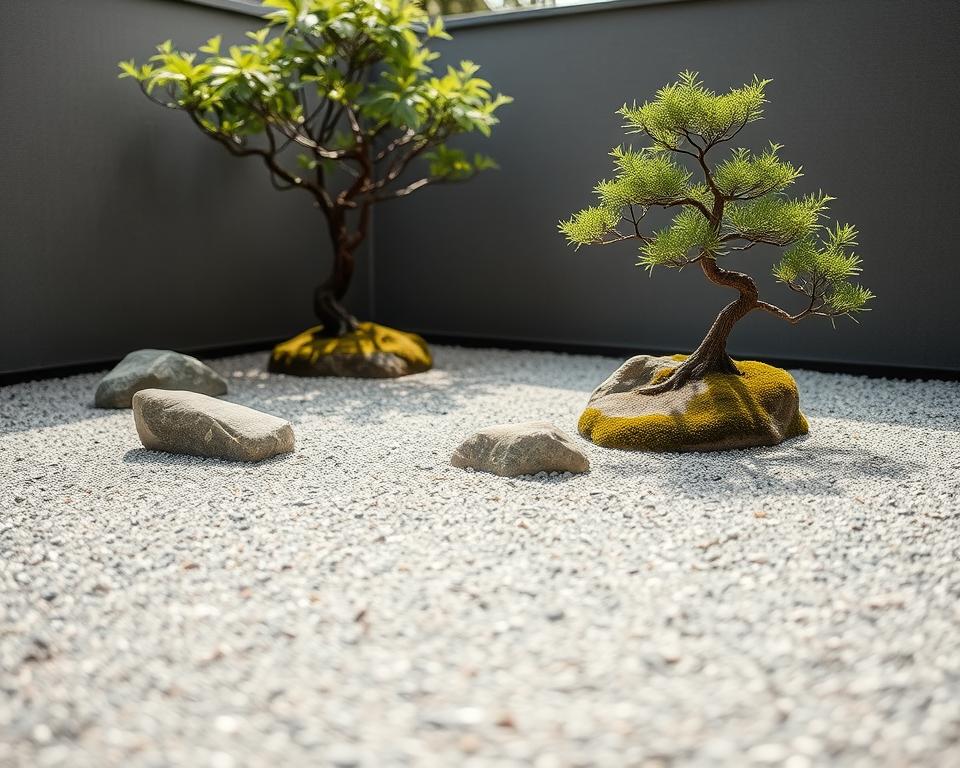
For urban homes with limited outdoor space, a small-scale Japanese garden can be a perfect solution. Consider using a corner of your garden or even a small courtyard to create a peaceful oasis. Use vertical space by incorporating trellises or wall-mounted planters to maximize your area.
Balcony and Container Japanese Gardens
Even without a garden, you can still enjoy the benefits of a Japanese garden on your balcony or patio. Container gardens are an excellent way to create a Zen space in small areas. Use a variety of containers to create different levels and add visual interest. Consider using bamboo or moss in your containers for a truly Japanese feel.
Some key tips for balcony and container Japanese gardens include:
- Choose containers that complement the Japanese aesthetic
- Use a mix of plants with different textures and shapes
- Incorporate small decorative elements like stone lanterns or water features
Plants for Your UK Japanese Garden
To create an authentic Japanese garden in the UK, it’s essential to select plants that are well-suited to the British climate. The right plants can help you achieve a serene and tranquil atmosphere, characteristic of traditional Japanese gardens.
Japanese Maples and Other Trees
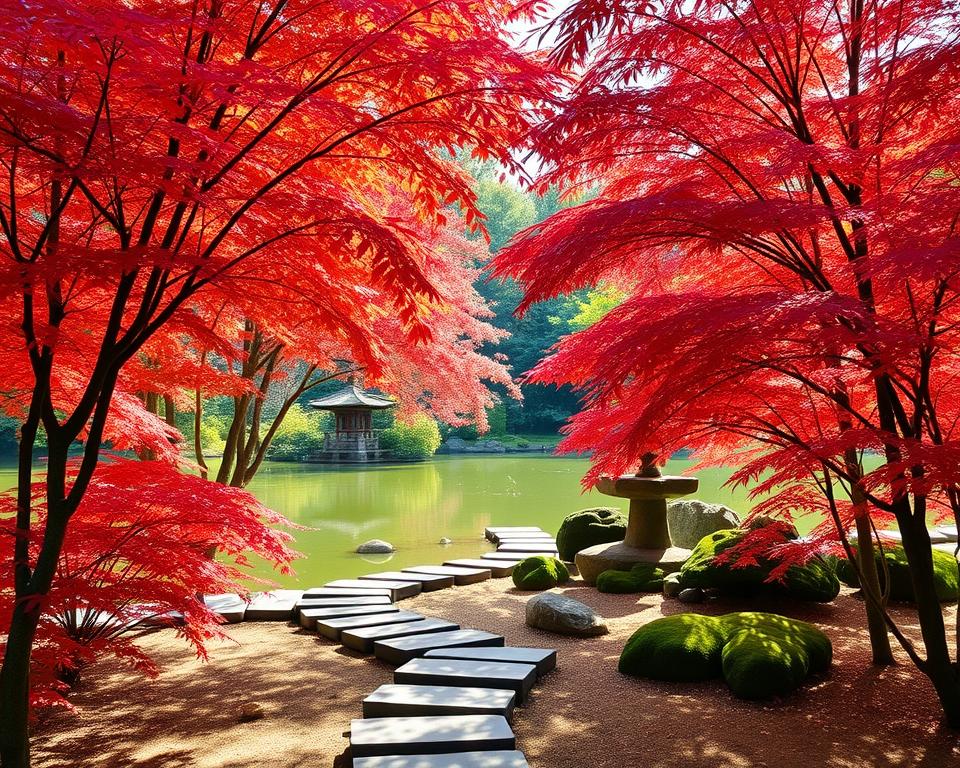
Japanese Maples (Acer palmatum) are a staple in Japanese gardens, known for their vibrant foliage and elegant shapes. They come in various cultivars, offering a range of colours and sizes to suit different garden designs.
Other trees like Japanese Cherries (Prunus serrulata) and Azaleas can also add beauty and authenticity to your garden. These trees not only provide aesthetic appeal but also contribute to the serene ambiance.
Bamboo and Grasses Suitable for British Climate
Bamboo is a versatile and iconic element in Japanese gardens, often used for screening, decoration, and creating a sense of tranquility. Varieties like Fargesia and Phyllostachys can thrive in the UK climate, offering different growth habits and uses.
Ornamental grasses such as Miscanthus sinensis also complement the Japanese aesthetic, providing movement and texture to the garden. These plants are relatively low maintenance and can add year-round interest.
Moss and Ground Cover Options
Moss is a key feature in Japanese gardens, creating a lush, verdant carpet that requires minimal maintenance. Choosing shade-tolerant mosses and ground covers like Ajuga reptans or Vinca minor can help achieve this look in your UK garden.
These ground covers not only suppress weeds but also add to the overall serenity of the garden, creating a harmonious and natural environment.
Adapting Japanese Garden Principles to the British Climate
The UK’s temperate maritime climate presents unique opportunities and challenges for designing a Japanese-inspired garden. While traditional Japanese gardens are often associated with the country’s distinct seasons and mild winters, the UK’s climate can be quite different. To create a successful Japanese garden in the UK, you must adapt your design to work with the local weather conditions.
Working with UK Weather Conditions
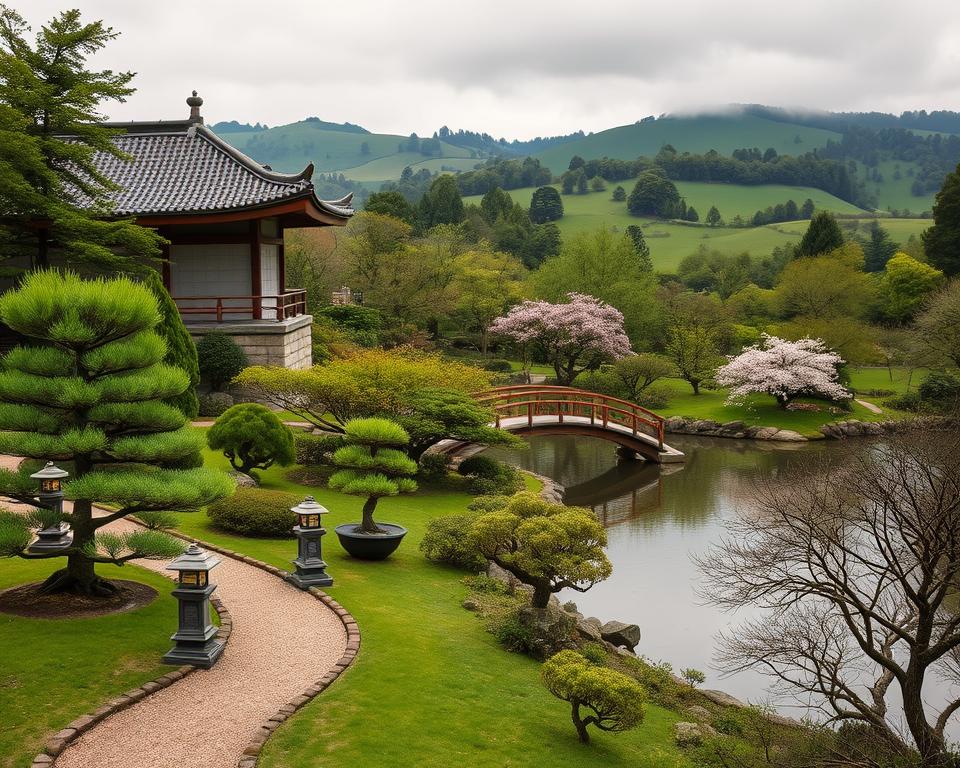
The UK’s climate is characterised by cool winters and mild summers, with significant rainfall throughout the year. To adapt to these conditions, consider using plants that are resilient to the local weather. You should also incorporate design elements that can withstand the UK’s rainfall and potential frost. For example, using gravel or stone pathways can help to mitigate the impact of heavy rainfall.
Plant Selection for Year-Round Interest
Selecting the right plants is crucial for creating a Japanese garden that remains interesting throughout the year. Choose plants that provide year-round interest, such as evergreen trees and shrubs, and incorporate plants with seasonal interest, like cherry blossoms in spring or colourful maples in autumn. Consider using a mix of plants that thrive in the UK’s climate, such as Camellia, Rhododendron, and Azalea, to create a dynamic and engaging garden.
By understanding and working with the UK’s climate, you can create a beautiful and serene Japanese garden that provides a peaceful retreat throughout the year.
Water Features for Your Japanese-Inspired Garden
The inclusion of water features in a Japanese-inspired garden is not just about aesthetics; it’s also about creating a peaceful environment that fosters mindfulness. Water elements have been an integral part of Japanese garden design for centuries, providing a sense of calm and serenity.
Koi Ponds and Their Maintenance in the UK
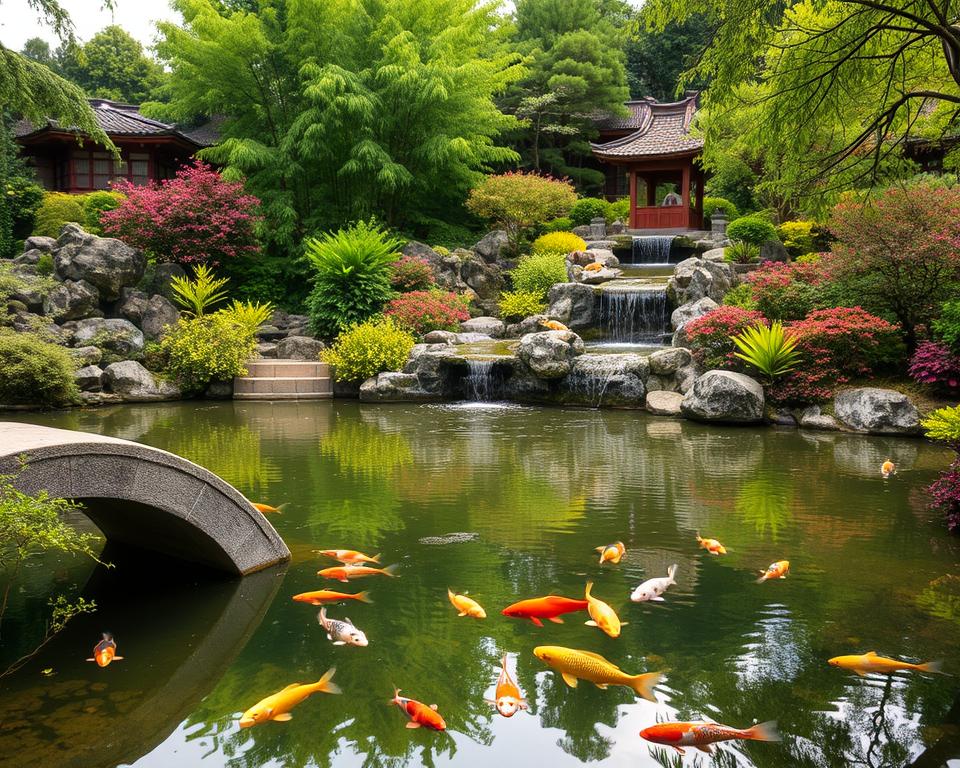
Koi ponds are a popular choice for Japanese-inspired gardens, adding a vibrant splash of colour and life. However, maintaining a koi pond in the UK climate requires careful consideration. You’ll need to ensure the pond is deep enough to prevent freezing and take measures to protect your koi from extreme weather conditions.
Dry Stream Beds as Water Alternatives
For those who cannot accommodate a traditional pond or prefer a low-maintenance option, dry stream beds offer an attractive alternative. These features mimic the appearance of a stream without the need for actual water, using gravel or stone to create a flowing effect.
Fountains and Water Sound Elements
Fountains are another water feature that can enhance the ambiance of your Japanese-inspired garden. The sound of gently flowing water creates a soothing atmosphere, helping to mask unwanted background noise and promote relaxation.
| Water Feature | Maintenance Level | Aesthetic Appeal |
|---|---|---|
| Koi Ponds | High | High |
| Dry Stream Beds | Low | Medium |
| Fountains | Medium | High |
When choosing a water feature for your Japanese-inspired garden, consider both the aesthetic appeal and the maintenance requirements to ensure your chosen feature enhances your garden’s tranquility without becoming a burden.
Japanese-Style Fencing and Boundaries
Fencing in Japanese gardens is not just about demarcation; it’s an art form that contributes to the overall ambiance. The right fencing can enhance the tranquility and aesthetic appeal of your garden, creating a serene environment that invites contemplation.
Bamboo and Wooden Fencing Options
Bamboo and wooden fencing are traditional choices for Japanese gardens. Bamboo fencing is particularly popular due to its natural, rustic appearance and ability to blend seamlessly with garden surroundings. It’s available in various styles, from simple screens to more elaborate designs.
Wooden fencing, on the other hand, offers durability and can be crafted to complement the natural beauty of the garden. Natural wood finishes are preferred to maintain the organic feel of the garden.
| Fencing Material | Characteristics | Maintenance |
|---|---|---|
| Bamboo | Natural, rustic appearance; blends well with garden surroundings | Regular checks for damage; occasional replacement of damaged sections |
| Wood | Durable; can be crafted to complement garden beauty | Periodic staining or sealing to protect against weathering |
Gates and Entranceways
The gate or entranceway to your Japanese garden is a significant element, as it sets the tone for the space. Traditional Japanese gates are often simple, made from natural materials like wood or bamboo, and are designed to be unobtrusive, allowing the garden to be the focal point.
When designing your gate, consider the overall aesthetic of your garden and choose materials that complement it. The gate should not only be functional but also contribute to the garden’s serene ambiance.

Seating and Viewing Areas in Japanese Gardens
Seating and viewing areas are essential components of Japanese garden design, providing spaces for contemplation and connection with nature. These carefully crafted areas invite you to pause, reflect, and appreciate the beauty of your surroundings.
Traditional Benches and Viewing Platforms
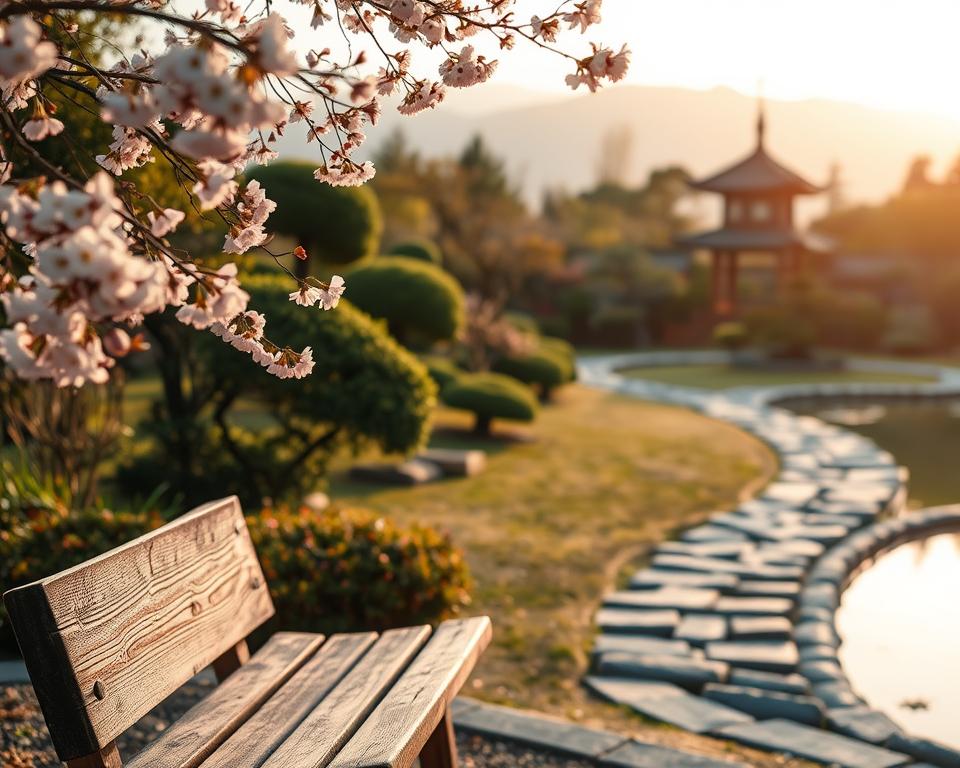
Traditional Japanese gardens often feature wooden or stone benches and viewing platforms that are strategically placed to take advantage of the garden’s natural beauty. These seating areas are typically positioned to:
- Face a particularly beautiful view or focal point
- Provide a resting place along a winding path
- Create a sense of intimacy and seclusion
When selecting benches or viewing platforms, consider using natural materials such as wood or stone to blend seamlessly with the garden’s surroundings.
Creating Contemplative Spaces
To create a truly contemplative space, consider the following elements:
- Minimise distractions: Avoid placing seating areas near busy paths or loud water features.
- Choose a serene location: Position seating areas to take advantage of calming views or sounds.
- Incorporate natural elements: Surround seating areas with plants, trees, or other natural features to create a sense of harmony.
By incorporating these elements, you can create a peaceful and contemplative space in your Japanese garden that invites relaxation and reflection.
Lighting Your Japanese Garden
Lighting plays a crucial role in enhancing the beauty and tranquility of a Japanese garden, especially after dark. A thoughtful lighting design can highlight the garden’s unique features, create ambiance, and guide visitors through the space.
Traditional Japanese gardens often incorporate lanterns as a primary source of lighting. These lanterns are not only functional but also serve as decorative elements that add to the garden’s aesthetic.
Traditional Lantern Placement
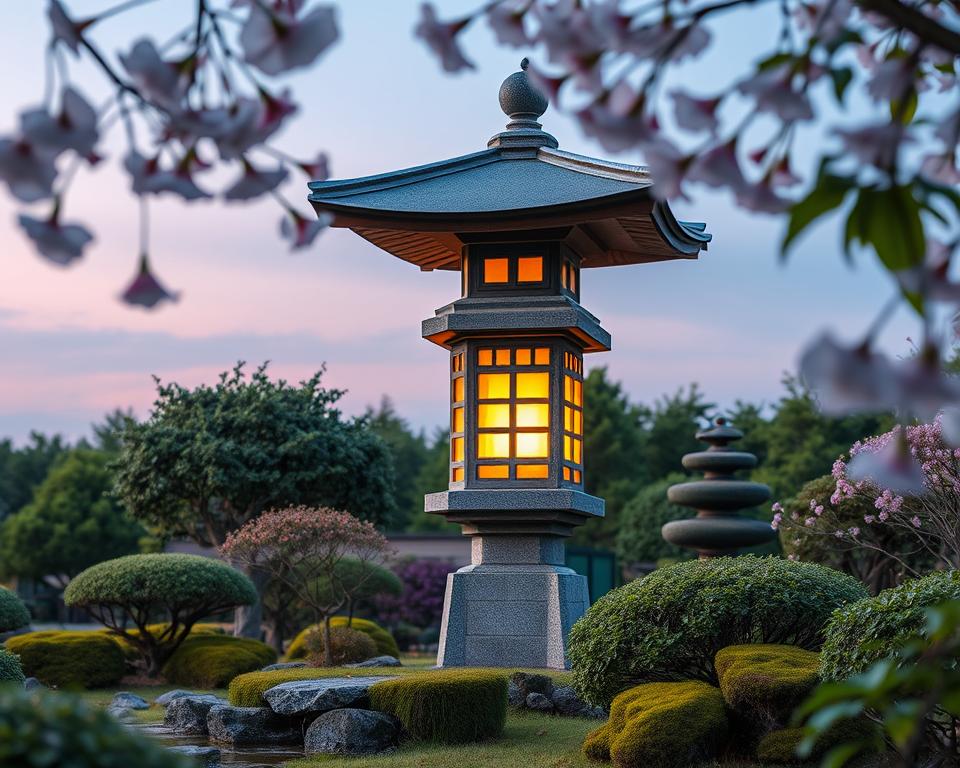
When placing traditional lanterns, consider positioning them along pathways or near water features to create visual interest. The soft glow of the lanterns can accentuate the natural beauty of the surroundings.
For example, a stone lantern placed near a pond can create a serene ambiance, reflecting off the water’s surface and casting a warm glow on the surrounding plants.
Modern Lighting Solutions with Japanese Aesthetics
While traditional lanterns are a staple of Japanese gardens, modern lighting solutions can also be incorporated to enhance the garden’s ambiance. Solar-powered lights, for instance, offer an eco-friendly alternative that can be placed discreetly throughout the garden.
When selecting modern lighting, choose designs that complement the traditional Japanese aesthetic, such as minimalist fixtures or lights that mimic the look of traditional lanterns.
| Lighting Type | Characteristics | Ideal Placement |
|---|---|---|
| Traditional Lanterns | Soft glow, decorative | Pathways, near water features |
| Solar-Powered Lights | Eco-friendly, discreet | Throughout the garden, under trees |
| Modern Lanterns | Minimalist design, versatile | Near seating areas, along fences |
By combining traditional and modern lighting elements, you can create a unique and captivating atmosphere in your Japanese garden that evolves throughout the day and into the night.
DIY Japanese Garden Projects for UK Gardeners
You can bring the serenity of a Japanese garden to your UK home with simple DIY projects. Creating a Japanese garden is not just about planting the right flora; it’s also about incorporating elements that reflect the traditional Japanese aesthetic and philosophy.
Here are some DIY projects to enhance your Japanese garden:
Building Your Own Zen Garden Rake
A Zen garden rake is an essential tool for maintaining the raked gravel or sand in a Zen garden, symbolizing the waves in the ocean or the flow of water. To build your own, you’ll need a piece of wood, some metal or bamboo tines, and a handle. The process involves crafting the tines to the right length and attaching them to the handle, ensuring they are evenly spaced for a uniform pattern.
Creating Bamboo Water Features
Bamboo water features add a soothing element to your garden. You can create a simple bamboo fountain using bamboo pipes, a water pump, and some stones. The key is to ensure the water flows smoothly and quietly, creating a peaceful ambiance.
Crafting Stone Arrangements
Stone arrangements are crucial in Japanese gardens, representing mountains or islands. To craft your own, select stones of varying sizes and shapes, and arrange them in odd numbers, typically three or five, to create a harmonious composition. The largest stone usually represents the main focal point.
Here’s a simple guide to help you get started with your stone arrangement:
| Stone Type | Size | Position |
|---|---|---|
| Main Stone | Large | Centre |
| Secondary Stone | Medium | Left or Right of Main Stone |
| Accent Stone | Small | Near Secondary Stone |
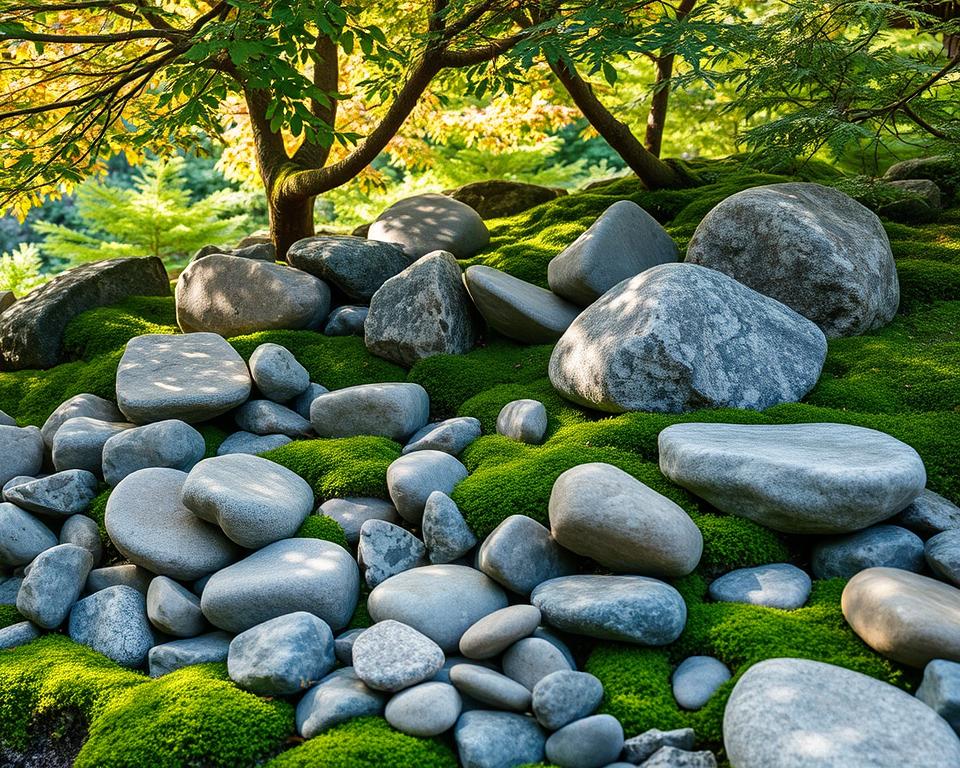
By undertaking these DIY projects, you can personalize your Japanese garden and create a space that reflects your connection to nature and the serene beauty of Japanese garden design.
Seasonal Changes in Your Japanese Garden
Seasonal changes bring new dimensions to your Japanese garden, from the vibrant colours of spring to the serene landscapes of winter. As the seasons unfold, your garden transforms, offering a unique experience throughout the year. Understanding and embracing these changes can enhance your appreciation and enjoyment of your garden.
Spring: Cherry Blossoms and New Growth
Spring is a time of renewal in your Japanese garden, marked by the blooming of cherry blossoms, or ‘sakura,’ which symbolize the fleeting nature of life. As the blossoms fade, new growth emerges, filling the garden with fresh greenery and vibrant colours. To enhance this season, consider incorporating plants that thrive in the UK’s spring climate.
Summer: Shade and Cooling Elements
Summer brings warmth to your Japanese garden, making shade and cooling elements essential. Strategically place bamboo screens or Japanese maples to provide relief from the sun. Water features, like koi ponds or small fountains, not only add visual interest but also help to cool the atmosphere, creating a serene oasis.
Autumn: Celebrating Maple Colours
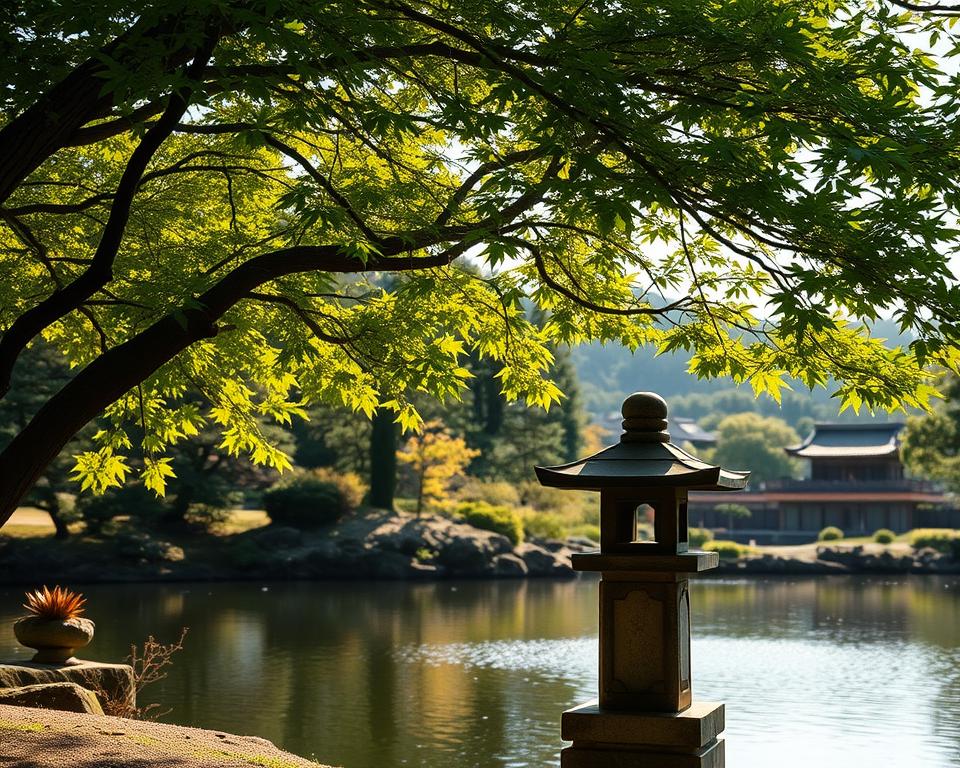
Autumn transforms your Japanese garden with a kaleidoscope of colours, particularly with the changing leaves of Japanese maples. The contrast between the vibrant foliage and the more subdued tones of evergreen trees creates a visually striking landscape. To maximize the autumn display, select plants known for their autumn colours and ensure your garden is well-maintained.
Winter: Snow and Structural Beauty
Winter brings a serene beauty to your Japanese garden, with the potential for snow to blanket the landscape, creating a monochromatic yet captivating scene. Even without snow, the structural elements of your garden, such as stone lanterns and carefully pruned trees, take on a new significance, providing a sense of calm and contemplation.
By appreciating the unique qualities of each season, you can deepen your connection with your Japanese garden and enjoy its beauty throughout the year.
Where to Source Japanese Garden Materials in the UK
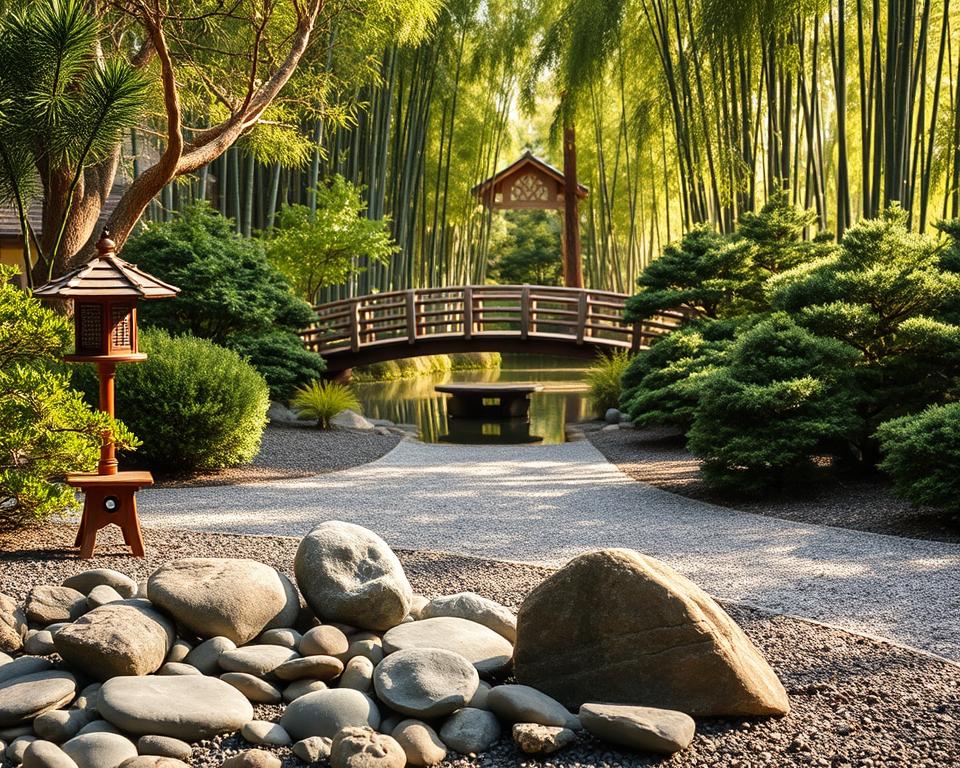
Sourcing materials for a Japanese garden can be a challenge in the UK, but there are several avenues to explore. As you embark on creating your serene outdoor space, you’ll need to find reliable suppliers for traditional Japanese elements.
Specialist Garden Centres and Suppliers
Specialist garden centres are an excellent place to start your search for Japanese garden materials. Many UK garden centres now have dedicated sections for Japanese-style gardening, offering a range of products from stone lanterns to bamboo fencing. Some notable garden centres include:
- Notcutts Garden Centres, with locations across the UK
- Davis Paine, known for their extensive range of garden products
- Blakedown Nurseries, offering a variety of Japanese plants and garden features
These centres often have knowledgeable staff who can provide valuable advice on creating an authentic Japanese garden.
Online Resources for Authentic Materials
In addition to physical garden centres, online resources have made it easier than ever to source authentic Japanese garden materials. Websites such as:
- Amazon UK, offering a wide range of Japanese garden products
- eBay UK, where you can find unique and hard-to-source items
- Specialist online stores like Japan Centre, which offers a variety of Japanese gardening tools and materials
When shopping online, be sure to check reviews and product descriptions carefully to ensure you’re getting authentic materials.
Japanese Cultural Events and Garden Shows
Attending Japanese cultural events and garden shows is another excellent way to find inspiration and source materials for your Japanese garden. Events like the London Japanese Garden Show and the Japan Festival UK often feature traditional Japanese gardening demonstrations and vendors selling authentic materials.
“Participating in cultural events not only provides an opportunity to source unique garden features but also offers a deeper understanding of the philosophy behind Japanese garden design.”
These events are a great way to network with other enthusiasts and professionals, gaining insights into the latest trends and best practices in Japanese garden design.
Conclusion
As you’ve explored the world of Japanese garden decor, you’re now equipped to bring a touch of serenity to your UK garden. By incorporating elements like Zen garden design, carefully selected plants, and thoughtful water features, you can create a tranquil oasis that reflects the beauty of Japanese garden inspiration.
Your UK garden can become a haven for relaxation, drawing on the principles of traditional Japanese gardens while adapting to the British climate. Consider how you can use stone lanterns, bamboo accents, and natural stone to create a harmonious balance in your outdoor space.
As you embark on your Japanese garden design journey, remember that the true essence of these gardens lies in their simplicity and connection to nature. By embracing the principles outlined in this article, you’ll be well on your way to crafting a serene and inviting Japanese-inspired garden that brings joy and peace to your outdoor living.
FAQ
What are the essential elements of a traditional Japanese garden?
Traditional Japanese gardens typically feature natural elements such as water features, rocks, stones, bridges, and pathways, which work together to create a serene and contemplative atmosphere.
How can I incorporate Japanese garden decor into my UK garden?
You can incorporate Japanese garden decor into your UK garden by using elements such as stone lanterns, bamboo accents, and water basins, which can add a touch of serenity and cultural flair to your outdoor space.
What plants are suitable for a UK Japanese garden?
Plants such as Japanese maples, bamboo, and mosses are well-suited to a UK Japanese garden, as they are adapted to the British climate and can thrive in a variety of conditions.
How can I create a Zen garden in a limited UK space?
You can create a Zen garden in a limited UK space by using small-scale design principles, such as container gardens, and incorporating elements like gravel, stones, and carefully selected plants to create a peaceful atmosphere.
What are some DIY projects I can undertake to create Japanese garden features?
You can undertake DIY projects such as building a Zen garden rake, creating a bamboo water feature, or crafting a stone arrangement to add a personal touch to your Japanese garden.
How can I source authentic Japanese garden materials in the UK?
You can source authentic Japanese garden materials in the UK by visiting specialist garden centres, browsing online resources, and attending Japanese cultural events and garden shows, which can provide inspiration and access to unique materials.
How do I maintain my Japanese garden throughout the changing UK seasons?
To maintain your Japanese garden throughout the UK seasons, you should be prepared to adapt your garden to the changing weather conditions, selecting plants that provide year-round interest and performing seasonal tasks such as pruning and mulching.
Can I use modern lighting solutions in my Japanese garden?
Yes, you can use modern lighting solutions in your Japanese garden, provided they are designed with Japanese aesthetics in mind, such as solar-powered lanterns or discreetly placed LED lights, which can enhance the ambiance of your garden without detracting from its traditional charm.