Leveling the Ground for a Summerhouse Without Digging – Simple Steps

When you’re planning to install a summerhouse in your garden, one crucial step is ensuring the ground is level. A level surface is essential for the stability and longevity of your summerhouse. Traditionally, leveling the ground involves digging, which can be labor-intensive and disruptive to your garden.
However, there are methods to achieve a level surface without digging, making the process much simpler and less invasive. By using the right techniques and materials, you can prepare your garden for a summerhouse installation without the need for extensive excavation. This approach not only saves time but also preserves the integrity of your garden.
Inhaltsverzeichnis
Key Takeaways
- Leveling the ground is crucial for summerhouse stability.
- No-digging methods simplify garden preparation.
- Proper techniques preserve garden integrity.
- A level surface ensures the longevity of your summerhouse.
- Using the right materials is key to successful no-digging installation.
Why Level Ground is Essential for Your Summerhouse
Level ground is the foundation upon which a safe and durable summerhouse is built. Ensuring your summerhouse has a level base is critical for several reasons, primarily related to its structural integrity and the prevention of future problems.
Structural Integrity and Longevity
A level ground ensures that your summerhouse is structurally sound. When the ground is uneven, it can lead to uneven distribution of weight, potentially causing the structure to warp or shift over time. This can result in doors and windows becoming misaligned, and in severe cases, it can lead to structural failure. By having a level base, you ensure that your summerhouse remains stable and secure, prolonging its lifespan.
A stable foundation is key to the longevity of your summerhouse. It prevents unnecessary stress on the structure, reducing the risk of damage over time.
Preventing Future Problems
Level ground also plays a crucial role in preventing future problems such as water accumulation around your summerhouse. When the ground is uneven, water can collect on one side, potentially leading to dampness and rot. Furthermore, a level base helps in maintaining the integrity of the summerhouse’s foundation, reducing the risk of structural damage.
| Benefits of Level Ground | Description |
|---|---|
| Structural Integrity | Ensures the summerhouse is stable and secure |
| Prevents Water Accumulation | Reduces the risk of dampness and rot |
| Longevity | Prolongs the lifespan of the summerhouse |
Assessing Your Garden Site
Before you start building your summerhouse, it’s crucial to assess your garden site thoroughly. This initial assessment will help you identify potential issues and determine the best approach for leveling the ground without digging.
Measuring Slope and Gradient
To measure the slope and gradient of your garden, you can use a spirit level and a straight edge or a laser level. This will give you an accurate reading of how uneven the ground is. Record the measurements to refer to later when deciding on the leveling method.

Identifying Problem Areas
Walk through your garden and identify any problem areas, such as soft spots, uneven terrain, or areas with poor drainage. Make a note of these areas as they will need special attention during the leveling process.
Testing Soil Composition
Testing the soil composition is vital to understand its stability and drainage capabilities. You can conduct a simple soil test by digging a small hole and filling it with water. Observe how quickly the water drains. This will give you an indication of your soil’s composition.
| Soil Type | Drainage Rate | Stability |
|---|---|---|
| Clay | Slow | Poor |
| Sand | Fast | Good |
| Loam | Moderate | Good |
UK Building Regulations for Garden Structures
When building a garden structure like a summerhouse, it’s crucial to understand the UK building regulations that apply. These regulations are in place to ensure that structures are safe, durable, and do not negatively impact the surrounding environment or neighboring properties.
Permitted Development Rules
In the UK, many garden structures can be built under Permitted Development Rights, which allow for certain building works without the need for full planning permission. However, there are specific conditions that must be met, such as the structure not being used as a dwelling, not being forward of the principal elevation of the house, and not exceeding certain height limits.
- The structure should not be used for commercial purposes.
- It should not be higher than 2.5 meters if within 2 meters of a boundary.
- The total area of ground covered by buildings should not exceed 50% of the total area of the garden.
When Planning Permission is Required
If your garden structure project does not meet the Permitted Development Rules, you will need to apply for planning permission. This is also required for structures in conservation areas, or if your property is a listed building. The planning permission process involves submitting detailed plans to your local authority, which will assess the proposal based on various factors, including its impact on the local environment and neighboring properties.
Tools and Materials You’ll Need
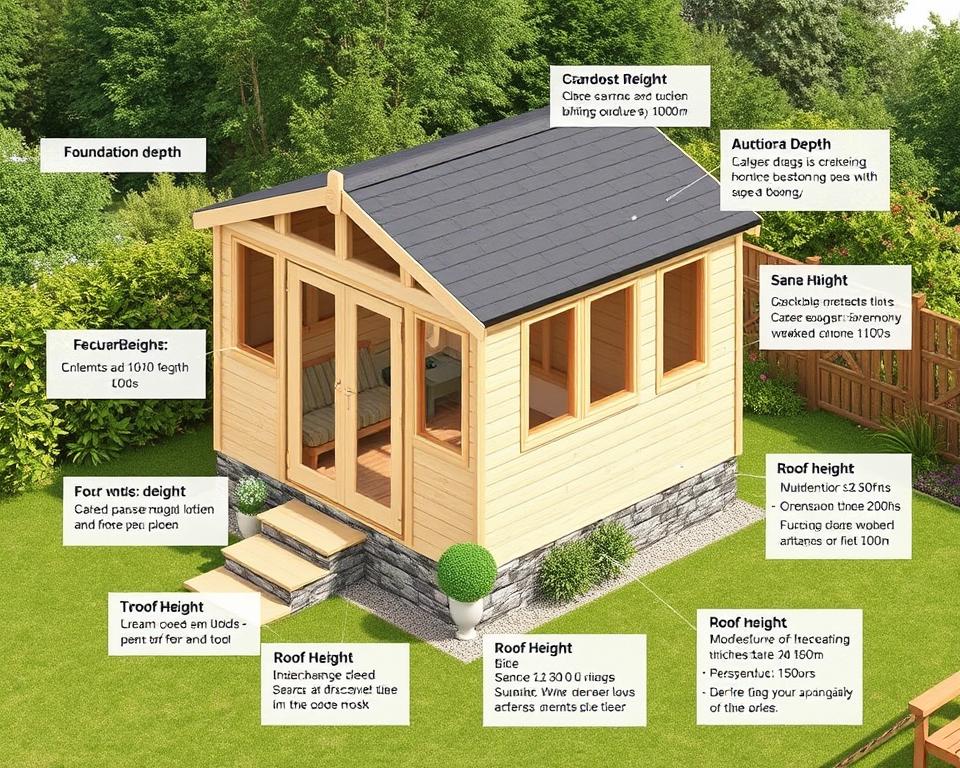
To level the ground for your summerhouse without digging, you’ll need the right tools for leveling and materials. The primary equipment checklist includes a spirit level, a long straightedge, and a rubber mallet. These tools will help you achieve a level surface without the need for extensive excavation.
Essential Equipment Checklist
You will need:
- A spirit level to ensure accuracy
- A long straightedge to check for levelness across larger areas
- A rubber mallet for tapping adjustments into place
- A measuring tape for measuring and marking the site
- A string line for establishing a reference point
These essential tools are crucial for achieving a level surface.
Optional Tools That Make the Job Easier
While not essential, the following tools can make the process more efficient:
- A laser level for increased precision
- A plate compactor for stabilizing the ground
- A shovel for minor adjustments

These optional tools can enhance the leveling process, making it easier and more accurate.
By having the right materials needed and tools, you can ensure a stable and level foundation for your summerhouse.
Preparing Your Site Without Digging
Preparing your garden site without excavation is a crucial step in constructing a stable summerhouse. This process involves several key steps that ensure your site is clear, stable, and ready for construction.
Clearing Vegetation and Debris
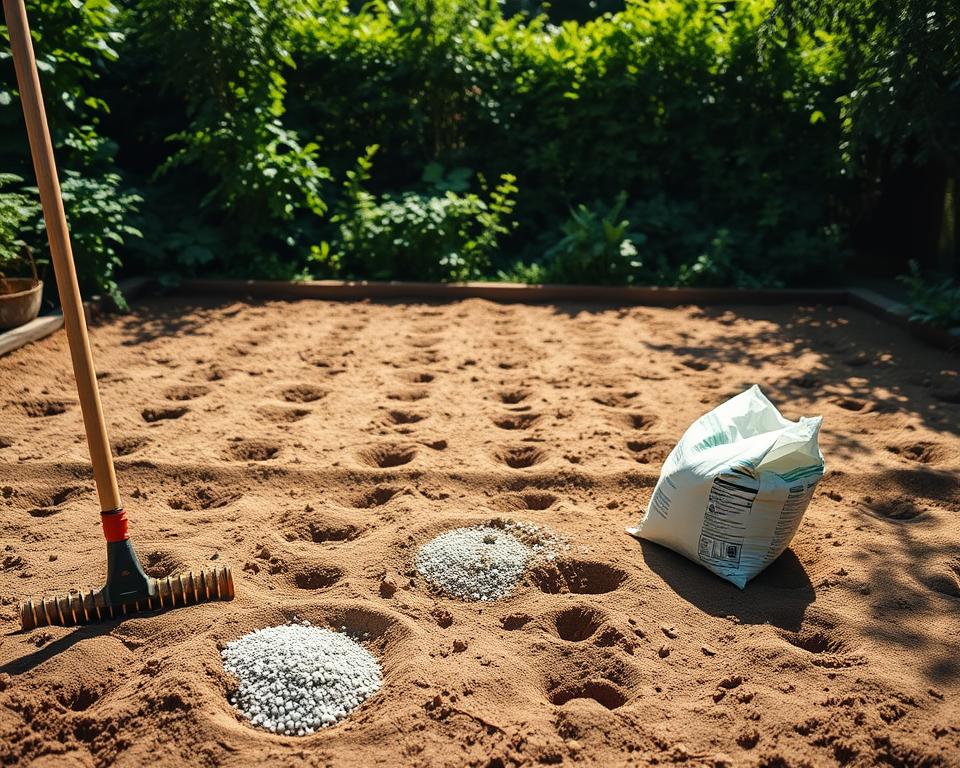
The first step in preparing your site is to clear away any vegetation and debris. This includes removing weeds, grass, and any other obstacles that could interfere with your summerhouse construction. Use a strimmer or mower to cut down tall grass and weeds, and then remove the cut material. For larger areas, consider using a brush cutter or hiring a professional to clear the land.
Dealing with Tree Roots and Obstacles
Tree roots and other underground obstacles can pose a significant challenge when preparing your site. If you encounter tree roots, you may need to use a root saw or hire a professional to remove them safely. Other obstacles, such as rocks or old foundations, may require specialized equipment to remove. It’s essential to clear these obstacles to ensure a stable base for your summerhouse.
Treating for Weeds and Pests
Even after clearing vegetation, it’s crucial to treat the area for weeds and pests to prevent future problems. Use a weed killer or herbicide to eliminate any remaining weeds, and consider applying a pest control treatment to deter insects and rodents. This step will help ensure that your summerhouse remains stable and secure over time.
By following these steps, you can effectively prepare your site without digging, creating a solid foundation for your summerhouse. Proper site preparation is key to a successful construction project, and it can save you time and money in the long run.
Leveling the Ground for a Summerhouse Without Digging – Simple Steps
Leveling the ground for your summerhouse doesn’t have to involve extensive digging. With the right techniques, you can create a stable and level base without disrupting the existing landscape. No-dig leveling methods are gaining popularity due to their simplicity and effectiveness.
Overview of No-Dig Techniques
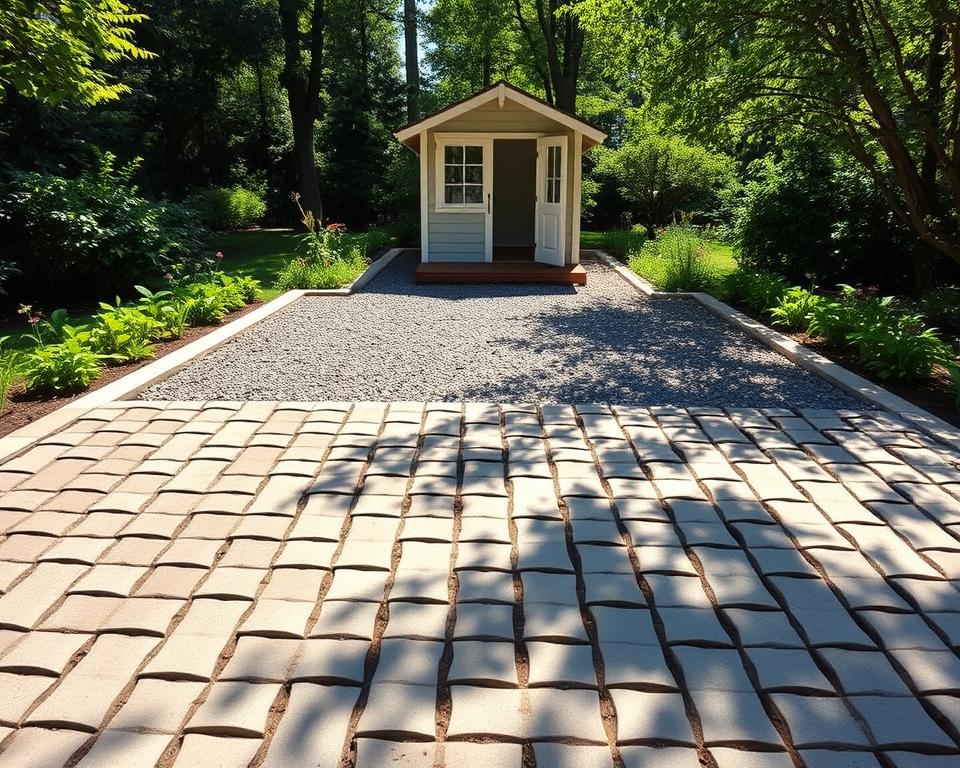
No-dig techniques for leveling involve using materials and systems that don’t require excavation. These methods are ideal for garden sites with challenging soil conditions or where minimal disruption is desired. You can use a variety of no-dig solutions, including ground grid systems, raised deck foundations, and adjustable pedestal and pier systems.
These techniques work by distributing the weight of the summerhouse evenly across the ground, thereby reducing the need for extensive groundworks. By adopting no-dig methods, you can avoid damaging existing garden features and minimize the environmental impact of your project.
Benefits Over Traditional Excavation
No-dig leveling techniques offer several benefits over traditional excavation methods. Firstly, they are less invasive, preserving the integrity of your garden’s ecosystem. This approach also reduces the risk of encountering hidden underground obstacles, such as buried utilities or tree roots.
Additionally, no-dig methods are often faster and more cost-effective than traditional excavation. They allow you to start building your summerhouse sooner, without the delays associated with groundworks. By choosing no-dig leveling, you can enjoy a smoother construction process and a more stable foundation for your summerhouse.
Using no-dig leveling techniques can significantly simplify the process of preparing your summerhouse site. With the right materials and a bit of planning, you can achieve a level base without the hassle of digging.
The Ground Grid System Method
The ground grid system is an innovative solution for creating a stable base for your summerhouse without the need for extensive excavation. This method involves installing a grid system, typically made of plastic or metal, which provides a level surface. It’s particularly useful for uneven or soft ground.

Installing Plastic or Metal Grid Systems
To install a ground grid system, you start by laying out the grid panels according to the manufacturer’s instructions. These panels are designed to interlock, creating a strong and stable base. The grid system is flexible, allowing it to adapt to slight movements in the ground.
- Choose the right grid material based on your soil type and summerhouse size.
- Ensure the grid is laid out level, using a spirit level to check for accuracy.
- Interlock the grid panels securely to form a solid foundation.
Filling and Compacting for Stability
Once the grid system is in place, it’s filled with a material such as gravel or sand to provide additional stability. Compacting this fill material is crucial to prevent settling or shifting over time. A well-compacted base ensures the longevity of your summerhouse foundation.
- Fill the grid system with your chosen material, ensuring it’s evenly distributed.
- Use a compactor or hand tamper to compact the fill material thoroughly.
- Check the surface level after compaction and make any necessary adjustments.
By following these steps, you can create a stable and level base for your summerhouse using the ground grid system method. This approach not only avoids the need for digging but also provides a durable foundation that will support your summerhouse for years to come.
Creating a Raised Deck Foundation
A raised deck foundation offers a practical solution for building on uneven ground without the need for extensive digging. This method allows you to create a level surface for your summerhouse, ensuring stability and longevity.
Building a Level Frame on Uneven Ground
To build a level frame, start by assessing the site’s gradient and identifying the highest and lowest points. Use adjustable joist hangers or shims to level the frame, ensuring it’s perfectly horizontal. The frame should be sturdy enough to support the weight of the summerhouse and any additional features like roofing or furniture.
When constructing the frame, consider using durable, rot-resistant materials like pressure-treated timber. The size of the timber will depend on the design and size of your summerhouse, as well as local building regulations.

Securing Your Platform Safely
Once the frame is level and secure, the next step is to secure the platform safely. This involves attaching the decking boards to the frame using appropriate fixings, ensuring they are evenly spaced and securely fastened.
To enhance stability, consider using a combination of screws and nails. It’s also crucial to ensure that the platform is anchored to the ground using suitable anchors or footings, especially if you’re building on a slope or in an area prone to high winds.
By following these steps, you can create a raised deck foundation that is both level and secure, providing a solid base for your summerhouse.
Using Adjustable Pedestal and Pier Systems
Adjustable pedestal systems are revolutionizing the way we build on uneven terrain, providing a stable base without the need for extensive excavation. These systems are particularly useful for constructing summerhouses on sloping or uneven ground.
How Pedestal Systems Work
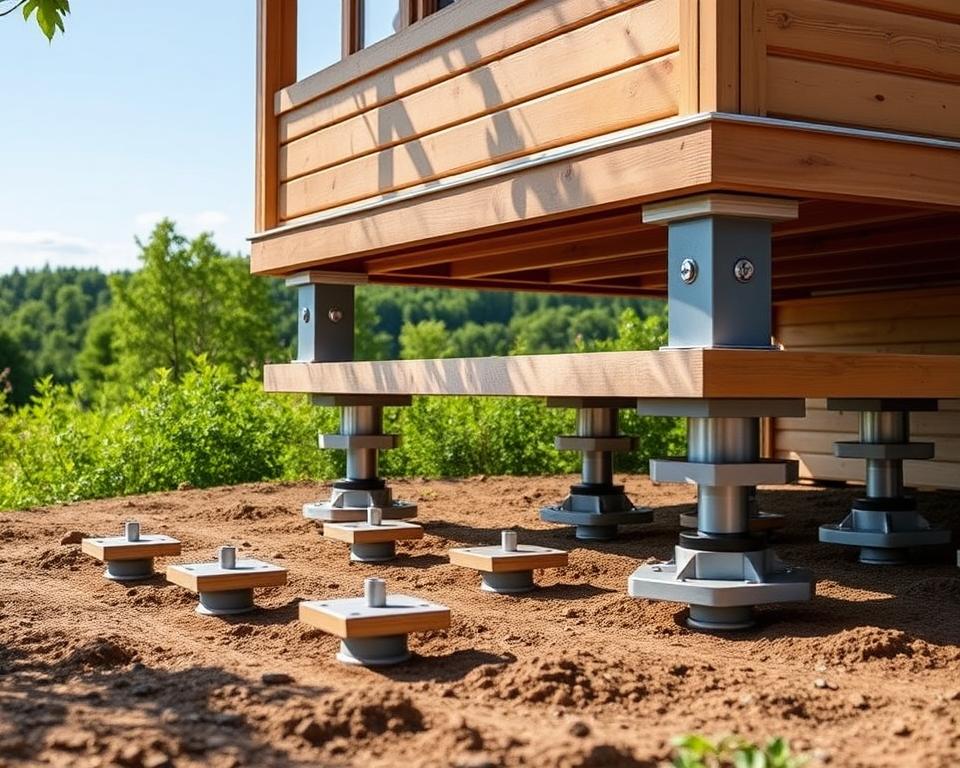
Adjustable pedestal systems consist of a series of pedestals that can be adjusted to different heights, allowing you to create a level surface on uneven ground. The pedestals are typically placed on a stable base, such as a concrete slab or compacted gravel, and are designed to support significant weight.
The key benefit of these systems is their flexibility and adaptability. They can be used on a variety of surfaces, including concrete, gravel, and even soil, making them an ideal solution for challenging sites.
| System Component | Description | Benefits |
|---|---|---|
| Pedestals | Adjustable to different heights | Flexible and adaptable to various surfaces |
| Base Plates | Stable foundation | Distributes weight evenly |
| Adjustment Mechanism | Allows for precise leveling | Ensures a perfectly level surface |
Installation and Adjustment Techniques
Installing an adjustable pedestal system requires careful planning and execution. Begin by preparing the site, clearing any debris and vegetation. Next, lay down a stable base material, such as compacted gravel, to provide a solid foundation for the pedestals.
When installing the pedestals, ensure they are spaced evenly and adjusted to the correct height. The adjustment mechanism allows for precise leveling, ensuring a perfectly level surface for your summerhouse.
By following these steps and using adjustable pedestal and pier systems, you can create a stable and level foundation for your summerhouse, even on challenging sites.
Gravel and Sand Leveling Techniques
Gravel and sand leveling techniques offer a practical solution for creating a stable base without the need for extensive excavation. These methods are particularly useful for summerhouse installations where digging is to be minimized.

Creating a Stable Base Without Excavation
To create a stable base using gravel and sand, start by clearing the area of any debris and vegetation. Then, lay down a layer of geotextile fabric to prevent weed growth and improve stability. Next, spread a layer of compactable gravel, ensuring it’s evenly distributed across the site.
Following the gravel layer, add a layer of sand to fine-tune the leveling. Sand is easier to work with for making minute adjustments to achieve a perfectly level surface. Use a spirit level and straightedge to check the surface regularly.
| Material | Purpose | Benefits |
|---|---|---|
| Geotextile Fabric | Prevents weed growth, improves stability | Reduces maintenance, enhances base stability |
| Gravel | Provides a compactable base | Stable, drains well |
| Sand | Fine-tunes the leveling | Easy to adjust, smooth finish |
Compacting Methods for Durability
Compacting the gravel and sand layers is crucial for ensuring the durability and stability of your summerhouse base. Use a hand tamper or a plate compactor to compact the layers thoroughly. This process prevents settling or shifting over time.
For optimal results, compact the gravel layer before adding the sand. Then, compact the sand layer gently to avoid displacing it. Regularly check the levelness during the compacting process to ensure the surface remains even.
By following these gravel and sand leveling techniques, you can achieve a stable and level base for your summerhouse without the need for extensive digging, ensuring a solid foundation for years to come.
Dealing with Moderate Slopes and Gradients
Leveling the ground for a summerhouse on a moderate slope demands a thoughtful approach. Moderate slopes and gradients can complicate the construction process, but there are effective techniques to manage these challenges.
Using Shims and Spacers Effectively
One method to level a summerhouse on a moderate slope is by using shims and spacers. These are placed under the foundation or floor joists to adjust for the unevenness. Shims are typically made of wood or plastic and are used to fill small gaps, while spacers provide more substantial adjustments.

Creating Stepped Foundations
For more pronounced slopes, creating a stepped foundation can be an effective solution. This involves constructing the foundation in steps that follow the natural slope of the land. It’s a more complex process that requires careful planning to ensure stability.
Retaining Options for Steeper Sites
In cases where the slope is quite steep, retaining walls or other retaining options may be necessary. These structures hold back the soil and prevent erosion, creating a more stable area for your summerhouse.
| Technique | Slope Severity | Complexity |
|---|---|---|
| Shims and Spacers | Moderate | Low |
| Stepped Foundations | Moderate to Steep | Medium |
| Retaining Walls | Steep | High |
By understanding and applying these techniques, you can effectively manage moderate slopes and gradients, ensuring a stable and level foundation for your summerhouse.
Ensuring Proper Drainage Around Your Summerhouse
A well-drained area around your summerhouse is essential for preventing damage. Water accumulation can lead to structural issues, rot, and other problems that compromise the integrity of your garden structure. Ensuring proper drainage is vital for maintaining a safe and enjoyable outdoor space.
Preventing Water Accumulation
To prevent water accumulation, it’s crucial to assess the slope and gradient of your garden. If the area around your summerhouse slopes towards the structure, water is likely to collect around the foundation. You can rectify this by adjusting the ground level or installing a swale to redirect water flow. Regularly inspecting your summerhouse’s surroundings for signs of water pooling is also advisable.

Simple Drainage Solutions
Implementing drainage solutions doesn’t have to be complicated. Simple measures such as installing French drains or using gravel and sand to improve drainage can be effective. For more severe cases, consider consulting a professional to assess the need for a more complex drainage system. Regular maintenance, including clearing debris from around your summerhouse, will also help ensure that water can flow freely and doesn’t accumulate.
Cost Considerations and Budget Options
The cost of leveling the ground for your summerhouse can vary significantly depending on the method you choose. As you plan your installation, it’s essential to consider not just the initial outlay but also the long-term value and potential savings of different approaches.
Comparing Different Leveling Methods
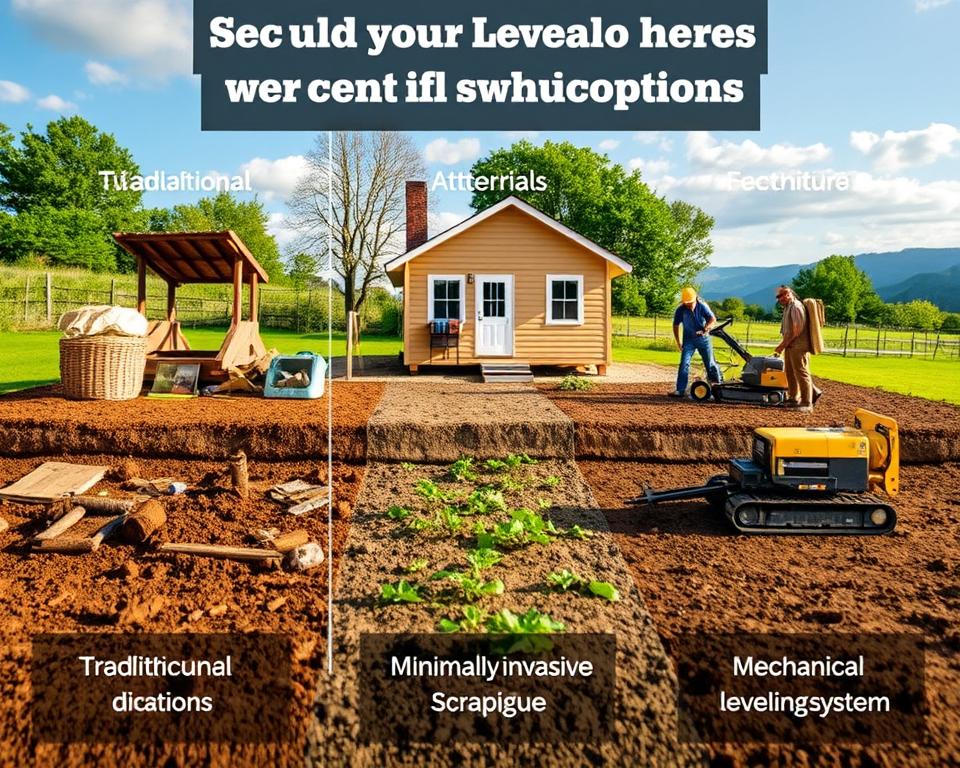
Different leveling methods come with their own set of costs. For instance, the Ground Grid System Method involves the initial cost of the grid system itself, plus the cost of filling and compacting materials. In contrast, creating a Raised Deck Foundation requires lumber and potentially specialized fasteners, along with labor costs. Adjustable Pedestal and Pier Systems have their own upfront costs, but they offer flexibility and potentially lower long-term maintenance costs.
| Leveling Method | Initial Cost | Long-term Cost |
|---|---|---|
| Ground Grid System | £500-£1,000 | £0-£500 |
| Raised Deck Foundation | £1,000-£2,500 | £500-£1,000 |
| Adjustable Pedestal and Pier Systems | £800-£2,000 | £0-£500 |
Where to Save and Where to Spend
When it comes to budgeting for your summerhouse, there are areas where it’s wise to save and areas where spending more upfront can pay off in the long run. For example, using locally sourced materials for filling and compaction can be cost-effective, while investing in a high-quality grid system or adjustable pedestals can reduce future maintenance costs.
“The key to a successful summerhouse installation is not just about cutting costs, but about making informed decisions that balance initial expenditure with long-term durability and aesthetic appeal.”
By carefully considering your options and understanding the cost implications of different leveling methods, you can create a beautiful and functional summerhouse that fits your budget and meets your needs.
Troubleshooting Common Leveling Problems
Even with careful planning, leveling problems can arise, but understanding how to troubleshoot them can save time and effort. When issues occur, it’s crucial to identify the root cause to apply the correct fix. This section will guide you through common leveling problems and their solutions.
Dealing with Sinking or Settlement
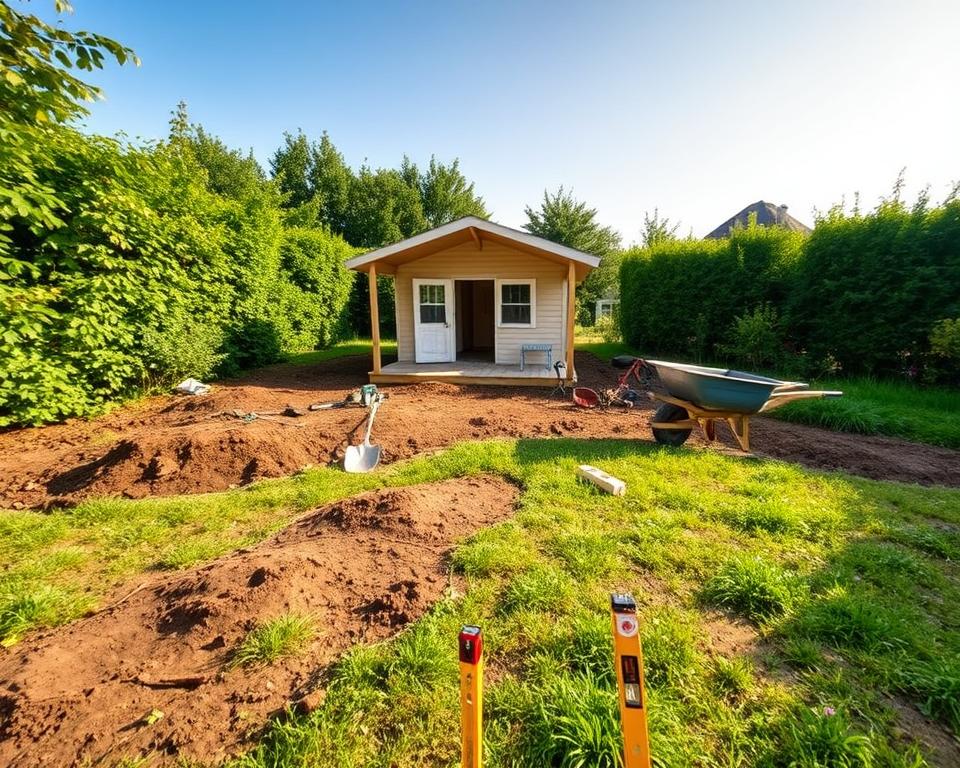
Sinking or settlement can occur due to poor soil compaction or inadequate foundation preparation. To address this, you can use adjustable pedestals or shims to level your summerhouse. Regularly checking the level and making adjustments as needed can prevent further issues.
Addressing Drainage Issues
Drainage problems can lead to water accumulation around your summerhouse, potentially causing damage. Ensuring proper drainage involves checking the slope around your structure and installing drainage channels or french drains if necessary. This helps direct water away from the foundation.
Fixing Unstable Areas
Unstable areas under your summerhouse can be due to soft ground or poor compaction. Using a ground grid system or gravel base can help stabilize the area. Compacting the soil and adding a layer of aggregate can also improve stability.
Conclusion
You now have a comprehensive understanding of how to level the ground for a summerhouse without digging. This approach not only simplifies the process but also reduces the environmental impact of your project. By utilizing no-digging methods such as the Ground Grid System, Raised Deck Foundation, or Adjustable Pedestal and Pier Systems, you can achieve a stable and level base for your summerhouse.
These techniques offer numerous benefits, including minimizing soil disturbance, reducing the risk of water accumulation, and allowing for better drainage. As you’ve learned, proper site assessment and preparation are crucial for the success of your summerhouse project. By following the steps outlined in this article, you can ensure a solid foundation for your summerhouse, enhancing its longevity and overall appearance.
As you proceed with your summerhouse project, remember that summerhouse leveling is a critical step that requires careful planning and execution. By adopting no-digging methods, you can enjoy a hassle-free installation process and a beautiful, functional outdoor space. With the right tools and techniques, you can create a stunning summerhouse that complements your garden and provides years of enjoyment.
FAQ
What are the benefits of using a ground grid system for leveling?
The ground grid system provides a stable base, prevents soil erosion, and allows for good drainage, making it an ideal solution for leveling the ground for a summerhouse.
Do I need planning permission to build a summerhouse on leveled ground?
Under the UK’s permitted development rules, you may not need planning permission if your summerhouse meets certain conditions, such as not being higher than 2.5 metres and not covering more than half the area of your garden. However, it’s always best to check with your local planning authority.
Can I level the ground for a summerhouse on a slope?
Yes, you can level the ground on a slope using various techniques, such as creating a stepped foundation or using adjustable pedestal and pier systems. The key is to ensure the surface is stable and level.
What is the best material to use for leveling a summerhouse site?
Gravel and sand are popular choices for leveling a summerhouse site, as they provide good drainage and can be compacted to create a stable base. The choice of material will depend on your specific needs and the condition of your site.
How do I ensure proper drainage around my summerhouse?
To ensure proper drainage, you can install a simple drainage system, such as a French drain, or use permeable materials like gravel or porous pavers. It’s also essential to slope the ground away from the summerhouse to prevent water accumulation.
What are the cost considerations for different leveling methods?
The cost of leveling a summerhouse site will depend on the method you choose, the size of the site, and the materials required. You should compare the costs of different methods, such as the ground grid system, raised deck foundation, and adjustable pedestal and pier systems, to determine the most cost-effective solution for your budget.
How do I deal with tree roots and obstacles when preparing my site?
When preparing your site, you can deal with tree roots and obstacles by clearing vegetation and debris, using techniques like cutting or grinding to manage roots, and installing a grid system or other leveling solution that can accommodate or work around these obstacles.