Make life-size garden figures yourself

Creating your own DIY garden art can be a truly rewarding experience, allowing you to personalise your outdoor space with unique decorative elements.
You can add a touch of personality to your outdoor area by crafting your own life-size statues. This not only enhances the aesthetic appeal of your outdoor decorations but also provides an opportunity to express your creativity.
By following a few simple steps, you can create stunning garden figures that reflect your personal style. Whether you’re looking to add a whimsical touch or create a more formal atmosphere, making your own garden art is a fun and creative project.
Inhaltsverzeichnis
Key Takeaways
- Crafting your own garden art allows for personalisation of your outdoor space.
- Creating life-size statues can add a unique touch to your outdoor decorations.
- Making your own garden figures is a fun and creative project.
- You can express your creativity through various DIY garden art projects.
- Personalised garden figures can enhance the aesthetic appeal of your outdoor area.
The Appeal of Handmade Garden Figures
Gardening DIY projects, such as creating handmade garden figures, offer a creative outlet. By making your own garden sculptures, you can add a personal touch to your outdoor space.
Personalising Your Outdoor Space
Handmade garden art allows you to reflect your personality and style in your garden. You can choose designs that resonate with you, making your garden a true extension of your home. Whether you prefer modern, abstract, or traditional designs, creating your own garden figures enables you to tailor your outdoor space to your tastes.
Cost Benefits of DIY Garden Art
Opting for DIY garden art can be cost-effective compared to purchasing commercial products. By sourcing your own materials and creating the figures yourself, you can save money. Additionally, handmade garden sculptures can be made to last, providing long-term value for your investment.
Popular Types of Garden Figures
DIY garden figures allow you to bring your outdoor space to life with unique and personalized decor. When deciding on the type of garden figure to create, you have a wide range of options to choose from, each offering its own unique charm and character.
Human Figures and Statues
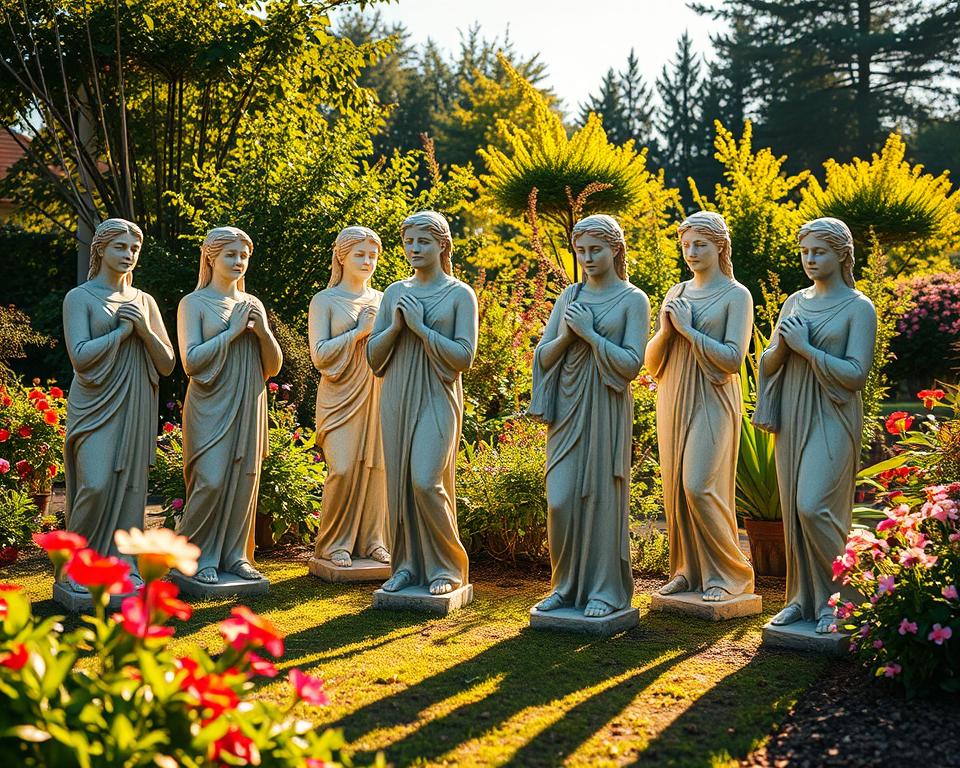
Human figures and statues are a classic choice for garden decor. They can range from simple, abstract designs to detailed, realistic representations. You can create figures inspired by historical characters, mythological beings, or simply design your own unique statues.
Animal and Wildlife Figures
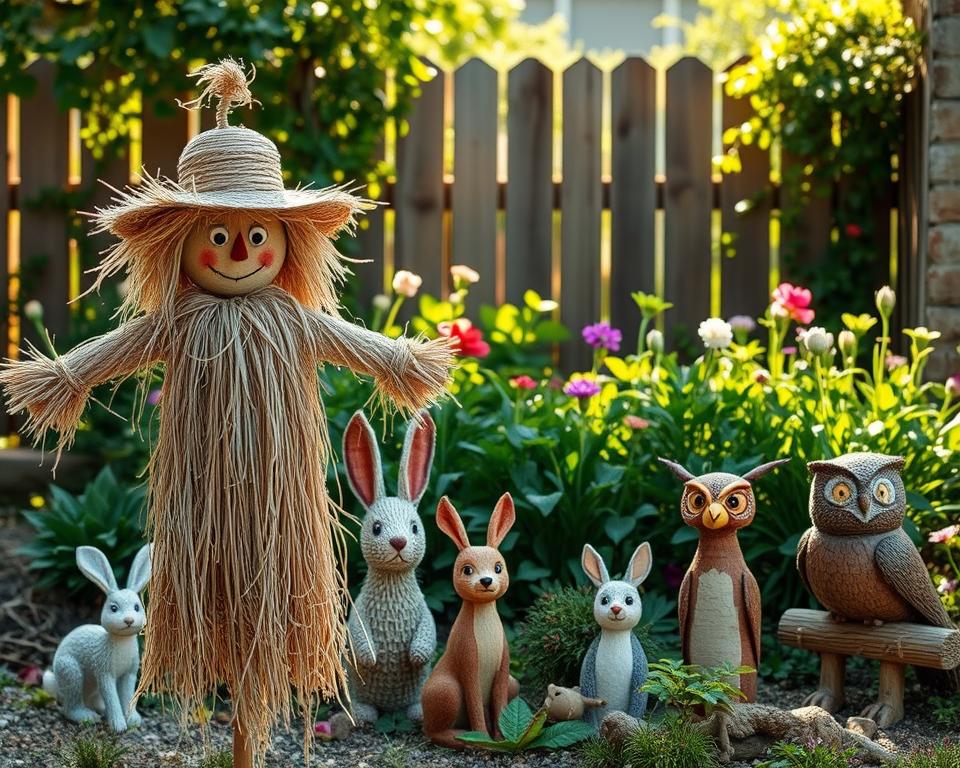
Animal figures can add a playful touch to your garden. From lifelike representations of deer or rabbits to more stylized creatures, these figures can be tailored to fit your garden’s theme. They can also serve as a great way to attract wildlife to your garden.
Fantasy and Mythical Creatures
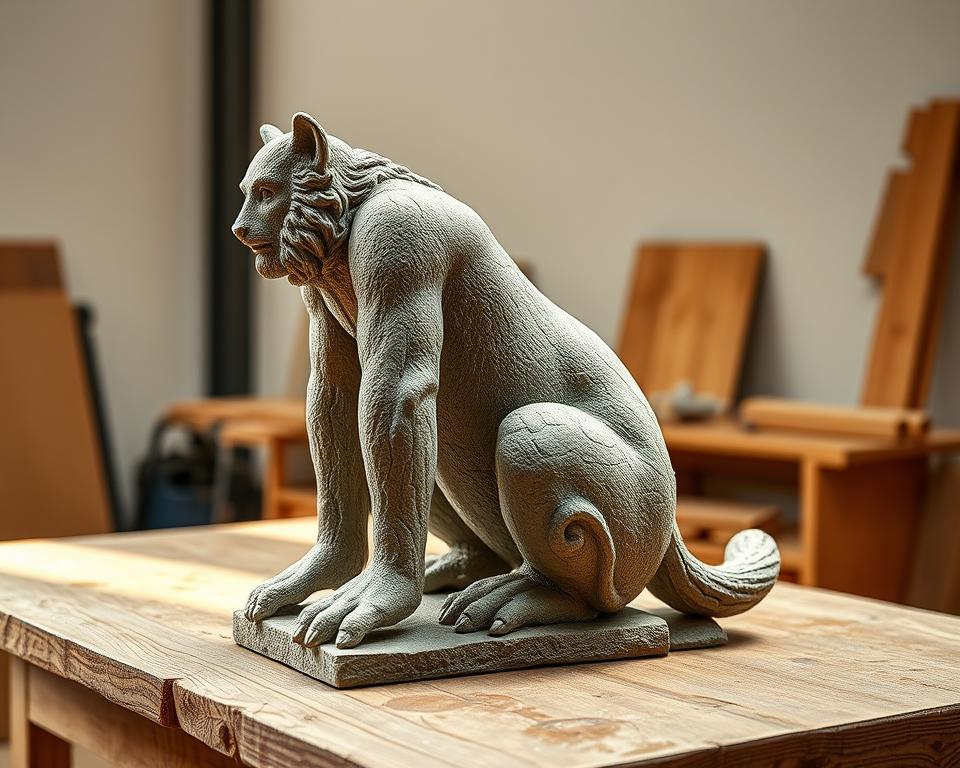
For those who want to add a touch of magic to their garden, fantasy and mythical creatures are an excellent choice. Figures such as dragons, unicorns, or fairies can become a focal point in your garden, adding a sense of wonder and enchantment.
| Type of Figure | Description | Appeal |
|---|---|---|
| Human Figures | Classic, realistic or abstract | Timeless, elegant |
| Animal Figures | Realistic or stylized animals | Playful, nature-friendly |
| Fantasy Creatures | Mythical beings, dragons, etc. | Magical, unique |
By choosing the right type of garden figure, you can enhance your outdoor decor and create a personalized space that reflects your style and creativity. Whether you opt for traditional human statues or more imaginative creatures, your garden figures will add a special touch to your outdoor area.
Planning Your Garden Figure Project
As you embark on creating your life-size garden figure, the first step is to plan your project meticulously. Proper planning ensures that your garden figure not only looks great but also withstands the elements and complements your outdoor space.
Choosing the Right Design
Selecting a design that fits your garden’s theme and style is crucial. Consider the overall aesthetic you want to achieve: modern, traditional, or perhaps something whimsical. You can draw inspiration from various sources, including gardening books, online tutorials, or local garden art. Think about the materials you’ll use and how they will weather over time.
- Consider the style of your garden and home.
- Think about the size and scale of the figure.
- Choose materials that are durable and weather-resistant.
Determining Placement and Scale
Deciding where to place your garden figure and how large it should be are critical decisions. The scale of your figure should be in proportion to your garden. A large figure in a small garden can overwhelm the space, while a small figure in a vast garden might get lost. Consider the viewing distance and the figure’s interaction with other garden features.
Creating Sketches and Templates
Once you have a design and scale in mind, create detailed sketches or templates. This step helps you visualize the final product and make any necessary adjustments before you begin construction. Your sketches should include dimensions and details about the materials and construction methods you’ll use.
By following these planning steps, you’ll be well-prepared to create a garden figure that enhances your outdoor space and reflects your personal style.
Essential Tools and Materials
To bring your garden figure ideas to life, you’ll need the right tools and materials. Understanding what you need is crucial for a smooth and efficient construction process.
Basic Tools Needed
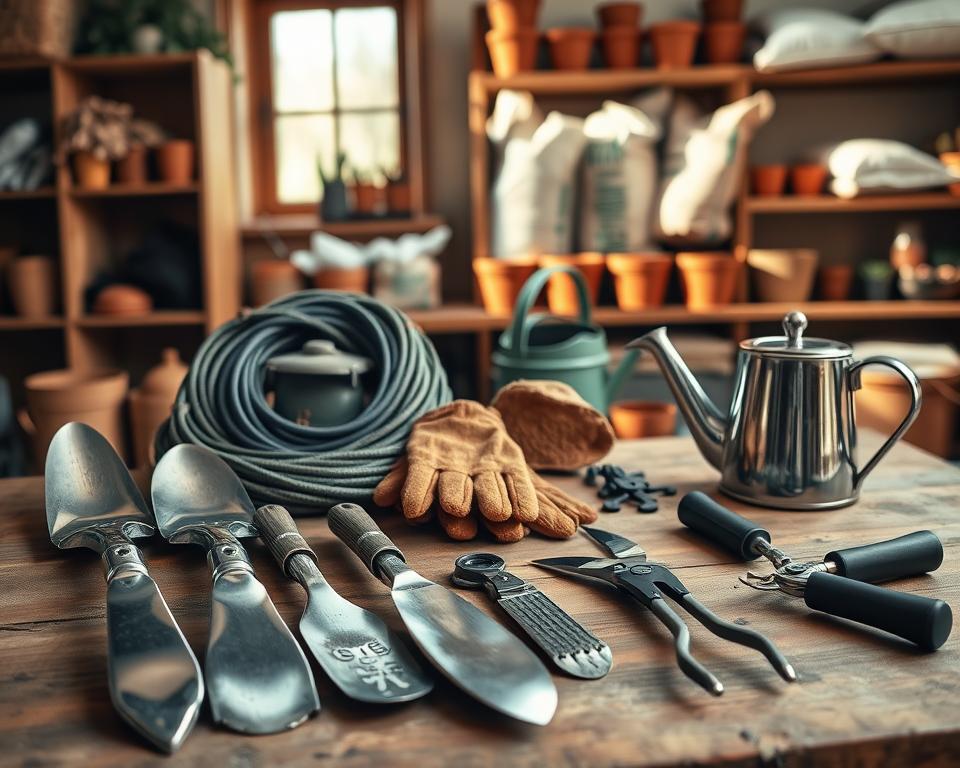
Having the right tools is fundamental to creating garden figures. You’ll need tools for cutting, shaping, measuring, and marking.
Cutting and Shaping Tools
For cutting and shaping, you’ll require a variety of tools. These include:
- Bolster chisel: For cutting and shaping stone or concrete.
- Angle grinder: Useful for grinding and cutting through various materials.
- Carving tools: Such as gouges and chisels for detailed work.
Measuring and Marking Tools
Accuracy is key when measuring and marking your materials. Essential tools include:
- Tape measure: For measuring lengths and widths.
- Spirit level: To ensure your figures are perfectly level.
- Pencil and marker: For marking cuts and designs.
Materials for Different Types of Figures
The type of material you choose will depend on the design and durability requirements of your garden figure.
Durable Outdoor Materials
For garden figures that can withstand the elements, consider using:
| Material | Durability | Weather Resistance |
|---|---|---|
| Concrete | High | Excellent |
| Stone | Very High | Excellent |
| Metal | High | Good |
Binding and Connecting Materials
To assemble your garden figures, you’ll need materials that can bind or connect different parts together. These include:
- Wire: Useful for creating armature or binding parts.
- Adhesives: Such as epoxy or concrete adhesive for bonding materials.
- Nails or screws: For assembling wooden components.
Safety Considerations
As you embark on making life-size garden figures, ensuring your safety is paramount. Creating these figures can involve various hazards, from sharp tools to heavy materials.
Protective Equipment
Wearing the right protective equipment is crucial. This includes safety glasses to protect your eyes from debris, gloves to prevent cuts and abrasions, and a dust mask to avoid inhaling harmful particles.
- Safety glasses
- Gloves
- Dust mask
- Steel-toed boots
Safe Handling of Materials
Handling materials safely is another critical aspect. When working with cement and concrete, ensure you’re in a well-ventilated area to avoid inhaling fumes.
Working with Cement and Concrete
Always wear gloves and a mask when mixing and applying cement and concrete. Avoid skin contact, as it can cause irritation.
Using Power Tools Safely
When using power tools, keep loose clothing tied back, and avoid wearing jewellery that could get caught. Always follow the manufacturer’s instructions.

By following these safety guidelines, you can minimize risks and enjoy making your life-size garden figures.
Creating a Strong Framework
A well-constructed framework is the backbone of any successful garden figure project. You need a sturdy base to ensure your figure can withstand various weather conditions and last for years. In this section, we’ll explore both metal and wooden framework options, discussing their merits and challenges.
Metal Framework Options
Metal frameworks offer strength and durability, making them ideal for larger garden figures. When working with metal, you have several options to consider.
Working with Rebar and Wire
Rebar and wire are commonly used for creating the internal structure of garden figures. Rebar provides the skeleton, while wire helps to flesh out the shape. To work with rebar, you’ll need to cut and bend it to the desired form. Wire can then be wrapped around the rebar to create a more detailed outline.
Welding Techniques for Beginners
Welding is a crucial skill for joining metal parts together. For beginners, it’s essential to start with safety precautions and basic techniques. MIG welding is often recommended for its ease of use. Practice on scrap metal before working on your actual framework to ensure you’re comfortable with the process.
Wooden Framework Techniques
Wooden frameworks are another viable option, especially for figures with more intricate designs. Wood can be easier to work with than metal, especially for those familiar with carpentry.
Treating Wood for Outdoor Use
To ensure your wooden framework withstands the elements, proper treatment is necessary. Sealants and protective coatings can help prevent rot and damage from moisture. Apply a weather-resistant finish to protect the wood.
Joinery Methods for Stability
The joinery method you choose can significantly impact the stability of your wooden framework. Techniques such as mortise and tenon or dovetail joints provide excellent strength. Ensure that your joints are secure and well-constructed to support the weight and structure of your garden figure.

Make Life-Size Garden Figures Yourself: Step-by-Step Guide
Transform your garden into a unique outdoor oasis by following our detailed guide on making life-size garden figures yourself. This project requires patience, creativity, and some basic DIY skills, but the end result is well worth the effort.
Creating a Basic Form
To start, you’ll need to create a basic form for your garden figure. This involves building a core structure and then expanding outward from there.
Starting with the Core Structure
Begin by creating a sturdy core structure using materials like metal rods or wooden dowels. This will provide the foundation for your figure.
- Cut the material to the desired length for the figure’s height.
- Shape the material into the basic form, using wire or string to hold it in place.
Building Outward from the Centre
Once you have the core structure in place, you can start building outward. Use a combination of materials like chicken wire, mesh, or modeling clay to add depth and detail to your figure.
Key considerations:
- Ensure the materials are durable and weather-resistant.
- Pay attention to proportions to maintain a realistic appearance.

Adding Structural Support
To ensure your garden figure remains stable and secure, you’ll need to add structural support. This involves using reinforcement techniques and ensuring balance and stability.
Reinforcement Techniques
Use materials like rebar, wire mesh, or wooden stakes to reinforce your figure. These will help prevent damage from weather conditions or other external factors.
- Identify areas that need additional support.
- Apply the reinforcement materials, ensuring they are securely attached.
Ensuring Balance and Stability
To prevent your figure from toppling over, make sure it is well-balanced and stable. You can achieve this by:
- Using a wide base or heavy foundation.
- Securing the figure to the ground with anchors or stakes.
By following these steps, you’ll be able to create a beautiful and durable life-size garden figure that will enhance your outdoor space for years to come.
Working with Concrete and Cement
To achieve durability and weather resistance in your garden figures, understanding how to work with concrete and cement is essential. Concrete is a composite material made from a mixture of cement, water, aggregates, and sometimes additives. The quality of your concrete mix directly affects the strength and longevity of your garden figures.
Mixing the Perfect Consistency
Mixing concrete to the right consistency is crucial for the structural integrity of your garden figures. The mix should be neither too dry nor too wet.
Ratio Guidelines for Different Applications
The ratio of cement to aggregates varies depending on the application. For most garden figures, a mix ratio of 1:2:3 (cement:sand:gravel) is suitable. However, for more detailed work, a finer mix might be required.
Adding Reinforcing Fibres
Incorporating reinforcing fibres into your concrete mix can significantly enhance its durability. These fibres help to reduce cracking and improve tensile strength.
Application Techniques
Once you have your concrete mix ready, the next step is to apply it to your garden figure framework. There are several techniques to achieve a smooth, even finish.
Layering Methods
Applying concrete in layers allows for better control over the final shape and reduces the risk of cracking. Each layer should be allowed to set before adding the next.
Working in Sections
For larger figures, working in sections can help manage the application process. This approach ensures that each section is fully completed before moving on to the next, maintaining even coverage.

By mastering the techniques of mixing and applying concrete, you can create garden figures that are not only beautiful but also durable and weather-resistant.
Using Chicken Wire and Mesh
To achieve the desired form and stability in your garden figures, consider using chicken wire and mesh. These materials are versatile and can be shaped to create various forms and structures. Chicken wire, in particular, is a popular choice due to its flexibility and ease of use.

Shaping Techniques
Shaping chicken wire and mesh requires some skill and patience. You can create various shapes and forms by bending and molding the wire.
Creating Curves and Contours
To create smooth curves and contours, gently bend the chicken wire. You can use your hands or a tool to achieve the desired shape. It’s essential to work slowly to avoid kinking the wire.
Building Volume and Form
Building volume and form involves layering and shaping the wire mesh. Start with a basic shape and gradually add more wire to achieve the desired volume. Using a combination of bending and layering techniques can help you create complex forms.
Securing Methods
Securing the chicken wire and mesh is crucial to ensure the stability of your garden figure. There are several methods to secure the wire in place.
Joining Wire Sections Together
To join wire sections together, you can use wire cutters and pliers to twist the wire ends together. Make sure the joints are secure to prevent the structure from coming apart.
Attaching to Framework
Attaching the chicken wire and mesh to a framework provides additional stability. Use wire or cable ties to secure the mesh to the framework. Ensure that the mesh is tightly attached to prevent it from sagging or detaching over time.
Adding Detail and Texture
As you near the completion of your garden figure, the next crucial step is to add detail and texture, bringing your creation to life. This stage is where your figure transforms from a basic structure to a detailed and realistic representation.
Tools for Fine Details
To achieve the desired level of detail, you’ll need a variety of tools. These include carving and sculpting tools for refining shapes and creating intricate designs.
Carving and Sculpting Tools
Carving and sculpting tools are essential for adding fine details to your garden figure. Tools such as loop tools, detail chisels, and modelling tools allow you to refine features and create realistic expressions.
Texture-Creating Implements
Texture-creating implements, like texture mats, sponges, and brushes, help in simulating various surfaces such as skin, fabric, or fur. These tools enable you to add a layer of realism to your figure.
Creating Realistic Textures
Creating realistic textures is crucial for making your garden figure look lifelike. This involves simulating the look and feel of different materials.
Simulating Skin, Fur, and Fabric
To simulate skin, fur, or fabric, you can use a combination of carving, sculpting, and texture-creating tools. For instance, using a fine brush or a texture mat can help replicate the texture of skin or fabric.
Adding Environmental Elements
Adding environmental elements, such as moss, lichen, or rust, can enhance the realism of your garden figure. These elements help the figure blend with its surroundings, creating a more natural appearance.

By carefully selecting and using the right tools and techniques, you can add intricate details and realistic textures to your garden figure, making it a standout piece in your garden.
Weatherproofing Your Garden Figures
Weatherproofing your garden figures is essential to protect them from the elements. Whether you’re using concrete, cement, or other materials, ensuring that your figures are properly sealed and protected will extend their lifespan and maintain their appearance.
Sealants and Protective Coatings
Applying the right sealants and protective coatings is crucial for weatherproofing. These products help prevent water damage, reduce the risk of cracking, and protect against UV degradation.
Types of Outdoor Sealants
There are various types of sealants available, including silicone-based, acrylic, and polyurethane sealants. Each has its own advantages and is suited to different materials and environmental conditions.
Application Methods
The method of application can significantly affect the performance of the sealant. Ensure that you follow the manufacturer’s instructions and apply the sealant in a well-ventilated area. Using a brush or spray can help achieve an even coat.
Preventing Water Damage
Water damage is a common issue for outdoor garden figures. To mitigate this, consider both drainage and protection against freeze-thaw cycles.
Drainage Considerations
Proper drainage is vital to prevent water accumulation around your garden figures. Ensure that the base is designed to allow water to drain away from the figure.
Protecting Against Freeze-Thaw Cycles
In colder climates, freeze-thaw cycles can cause significant damage. Using materials that are resistant to freezing temperatures and applying a protective coating can help safeguard your figures.
By following these weatherproofing tips, you can enjoy your garden figures for years to come, even in harsh weather conditions.
Painting and Finishing Techniques
Once you’ve created your garden figure, the next step is to enhance its appearance with appropriate painting and finishing techniques. This not only adds aesthetic value but also protects your creation from the elements.
Choosing Weather-Resistant Paints
Selecting the right paint is crucial for the longevity of your garden figure. Weather-resistant paints are designed to withstand various weather conditions, ensuring your figure remains vibrant and intact.
Outdoor-Specific Paint Types
There are several types of paint suitable for outdoor use, including acrylic, latex, and oil-based paints. Acrylic paints are popular due to their quick-drying properties and flexibility. When choosing a paint, consider the material of your garden figure and the local climate.
Primers and Base Coats
Applying a primer or base coat can significantly improve the paint’s adhesion and durability. It’s a crucial step, especially when working with materials like concrete or metal. A good primer helps in creating a uniform surface for painting.
Creating Aged and Weathered Effects
To give your garden figure a more natural, aged look, you can employ various techniques. Aged effects can make your figure blend in with its surroundings, giving it a timeless appeal.
Patina and Moss Techniques
Creating a patina involves using chemicals or natural processes to give your figure a weathered appearance. You can also encourage moss growth by applying a mixture that fosters its development, adding a touch of realism.
Distressing and Antiquing Methods
Distressing involves physically altering the surface to mimic wear and tear. Antiquing methods, on the other hand, use paint or other materials to create a vintage look. These techniques can be combined to achieve a unique, aged effect.
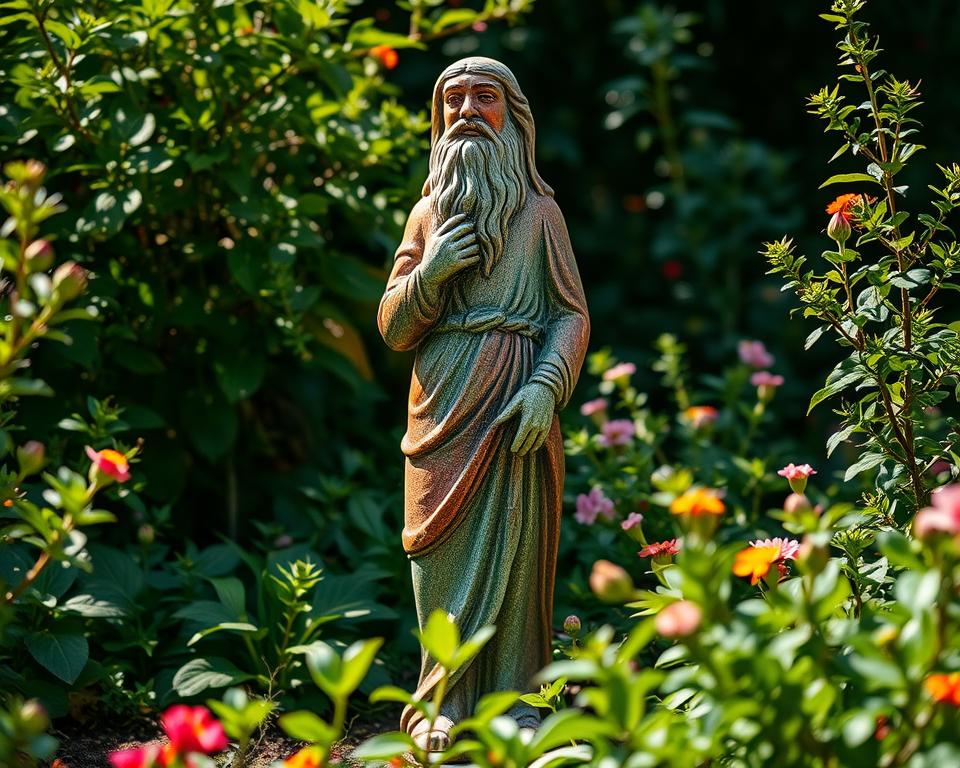
Advanced Techniques for Realistic Figures
Creating realistic garden figures involves more than just the overall shape; it’s about the subtleties that bring them to life. To achieve a highly realistic finish, you need to focus on the finer details, from facial features to clothing effects.
Creating Facial Features
The face is a crucial aspect of any figure, as it conveys emotion and character. To create realistic facial features, you need to pay attention to the details.
Eyes, Nose, and Mouth Details
When crafting the facial features, start with the eyes, as they are the most expressive part of the face. Use a small tool to create the shape and detail of the eyes, ensuring they are proportionate to the rest of the face. The nose and mouth should also be carefully shaped to achieve a natural look.
Expressing Character and Emotion
The expression on your figure’s face can greatly impact its overall appearance. To convey a specific emotion or character, you can subtly adjust the features. For example, a slight curve of the mouth can suggest a smile, while a furrowed brow can indicate concern or concentration.
Adding Clothing and Drapery Effects
Clothing and drapery can add an extra layer of realism to your garden figures. To achieve a natural look, you need to create folds and attach additional elements convincingly.
Creating Natural-Looking Folds
To create natural-looking folds, you can use a combination of techniques such as draping fabric over the figure or using a modeling tool to create creases. The key is to observe how fabric naturally folds and hangs.
Attaching Additional Elements
Attaching additional elements like scarves, hats, or accessories can enhance the realism of your figure. Use a suitable adhesive or attachment method to secure these elements, ensuring they are firmly in place.

| Technique | Description | Effect |
|---|---|---|
| Facial Detailing | Careful shaping of eyes, nose, and mouth | Realistic expression |
| Draping Fabric | Creating natural folds and creases | Authentic clothing effect |
| Attaching Accessories | Securing hats, scarves, or other elements | Enhanced realism |
Troubleshooting Common Problems
Troubleshooting is an essential skill for DIY garden figure creators. Even with careful planning, issues can arise during the creation process. This section will guide you through common problems and their solutions.
Fixing Cracks and Breaks
Cracks and breaks are common issues that can occur due to various factors, including weathering and structural stress. To fix these problems, you’ll need to assess the damage and choose the appropriate repair technique.
Patching Techniques
For small cracks, use a patching compound that matches the material of your garden figure. Apply the compound carefully, ensuring it fills the crack completely. Allow it to dry before sanding it down to a smooth finish.
Reinforcing Weak Areas
To prevent further damage, reinforce the weak areas around the crack or break. Use materials like fibreglass or metal rods to add strength and stability to the affected area.
Addressing Structural Issues
Structural issues, such as leaning figures or foundation problems, can compromise the integrity of your garden figure. It’s crucial to address these issues promptly to prevent further damage.
Stabilising Leaning Figures
If your garden figure is leaning, you may need to adjust its foundation or base. Check the ground for unevenness and adjust the figure’s position accordingly. You can also use additional support, such as concrete or metal brackets, to stabilise it.
Repairing Foundation Problems
For foundation problems, inspect the base of your garden figure and repair any cracks or damage. You may need to reapply a layer of concrete or sealant to protect the foundation from further deterioration.
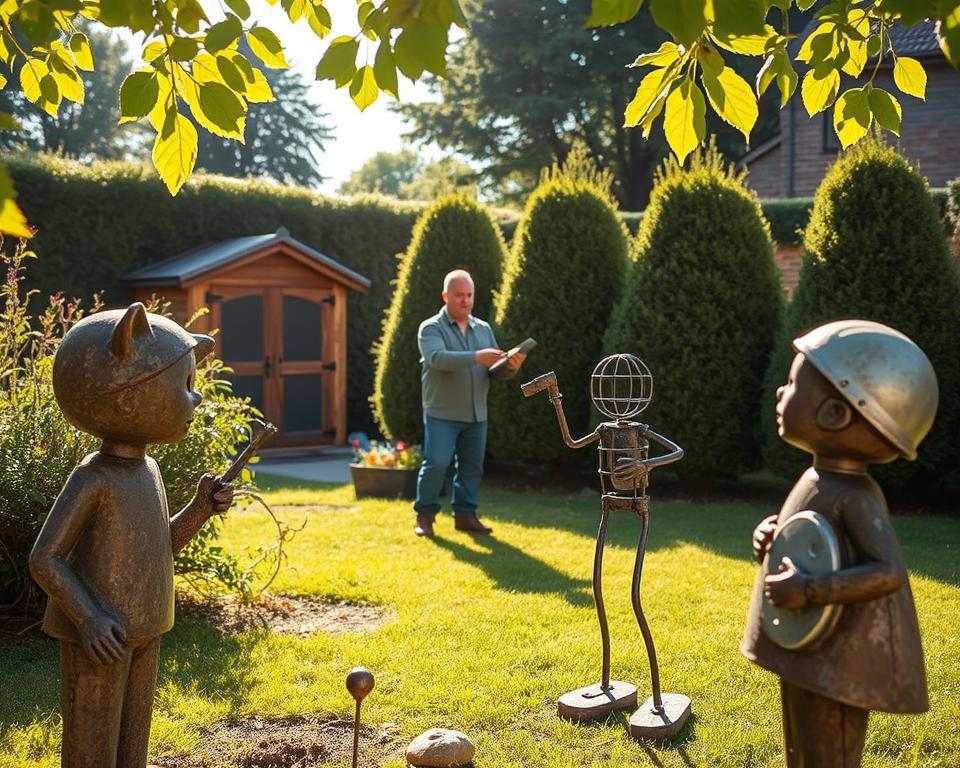
Maintenance and Care
To keep your garden figure in pristine condition, regular maintenance is essential. This involves a combination of seasonal care and timely repairs to ensure your figure remains visually appealing and structurally sound.
Seasonal Maintenance Tips
Different seasons bring different challenges for your garden figure. In various weather conditions, specific maintenance tasks are required to keep your figure in good condition.
Winter Protection Strategies
During winter, protect your garden figure from frost and snow by applying a layer of wax or a protective coating. This helps prevent damage from freezing temperatures.
Summer Cleaning Methods
In the summer, clean your garden figure regularly using a mild soap solution and a soft brush to remove dirt and debris. This maintains its appearance and prevents the buildup of grime.
Repairing Weather Damage
Over time, your garden figure may suffer from weather damage. Addressing this damage promptly is crucial to maintaining its integrity.
Touching Up Paint and Finishes
Use weather-resistant paint to touch up any areas where the finish has worn off. This not only improves appearance but also protects the underlying material.
Replacing Deteriorated Parts
If any parts of your garden figure have deteriorated, replace them promptly. This could involve reattaching loose sections or replacing entirely damaged components.

Conclusion
You’ve reached the final stage of your DIY garden figure project. As you complete your life-size garden figures, take a moment to admire your handiwork. The process of creating something from scratch can be incredibly rewarding, and your outdoor space is now enriched with a unique, personal touch.
To ensure your garden figures withstand the elements, revisit the weatherproofing and maintenance tips provided earlier. Regular checks and simple upkeep will help maintain their appearance and longevity. With your garden figure completion, you’ve not only enhanced your garden’s aesthetic but also created a personalised space that reflects your creativity.
For a DIY conclusion that celebrates your achievement, consider sharing your creations with friends and family or showcasing them in local gardening communities. As you finalise your project, remember that the joy of DIY lies in the process and the pride of ownership. Your final tips for fellow enthusiasts might include experimenting with different materials or techniques to further personalise your garden art.
FAQ
What materials are best for creating durable garden figures?
For creating durable garden figures, materials such as concrete, cement, and weather-resistant woods like teak or cedar are recommended. You can also use metal frameworks with rebar and wire for added stability.
How do I weatherproof my garden figures?
To weatherproof your garden figures, apply a sealant or protective coating to protect against the elements. Consider using outdoor-specific sealants and ensure proper drainage to prevent water damage.
What are the benefits of using chicken wire and mesh in garden figure construction?
Chicken wire and mesh are versatile materials that can be shaped to create various forms and textures. They provide a framework for applying concrete or other materials, allowing you to achieve intricate details and shapes.
How can I add realistic textures to my garden figures?
To add realistic textures, use tools such as carving and sculpting tools, and texture-creating implements. You can simulate skin, fur, and fabric by applying different techniques and materials, such as patina and moss.
What safety precautions should I take when working with power tools and materials?
When working with power tools and materials, wear protective equipment, including gloves, safety glasses, and a dust mask. Ensure proper handling and storage of materials, and follow manufacturer guidelines for power tool usage.
How do I maintain and care for my garden figures?
Regular maintenance is crucial to keep your garden figures looking their best. Perform seasonal checks, clean your figures regularly, and touch up paint and finishes as needed. Protect your figures from extreme weather conditions, such as frost and intense sunlight.
Can I create garden figures with intricate details and facial features?
Yes, you can create garden figures with intricate details and facial features using advanced techniques, such as creating realistic eyes, nose, and mouth, and expressing character and emotion. Use carving and sculpting tools to achieve fine details.
How do I repair cracks and breaks in my garden figures?
To repair cracks and breaks, use patching techniques and reinforcing weak areas. Apply a suitable repair material, such as a concrete patching compound, and ensure the area is clean and dry before application.
What are the benefits of creating handmade garden figures over purchasing commercial products?
Creating handmade garden figures allows you to personalise your outdoor space, add unique decorative elements, and potentially save costs. Handmade figures can also reflect your personality and style, making them a valuable addition to your garden.
How do I choose the right design for my garden figure?
When choosing a design, consider the style and theme of your garden, as well as the scale and placement of the figure. You can draw inspiration from various sources, including art, nature, and architecture, to create a unique and complementary design.