
Sheds 16x8 - Best Models for Sale in UK
Showing all 4 resultsSorted by price: high to low
-
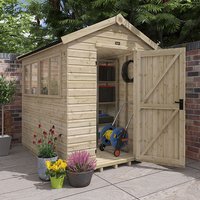
16’x8′ Tiger Elite Pressure Treated Apex Shed – 0% Finance – Buy Now Pay Later – Tiger Sheds £2,871.99
-
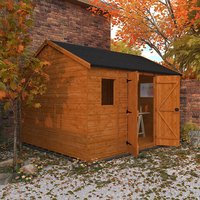
16’x8′ Tiger Workman Apex Shed – Heavy Duty Shiplap Sheds – 0% Finance – Buy Now Pay Later – Tiger Sheds £2,172.99
-
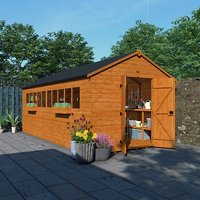
16’x8′ Tiger XL Heavyweight Workshop Shed – 0% Finance – Buy Now Pay Later – Tiger Sheds £1,726.99
-
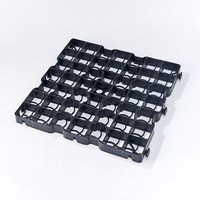
Base For Building Size(s) 16×8 Fastfit Standard Shed Base – 0% Finance – Buy Now Pay Later – Tiger Sheds £367.99
Explore the versatile world of 16×8 sheds, where functionality meets style. From wooden to metal, find the perfect fit for your garden needs.
Wooden Wonders: The Classic Choice
Wooden sheds bring a timeless appeal to any garden. They offer natural insulation, keeping the interior cool in summer and warm in winter. A wooden shed can be easily customised with paint or stain to match your garden’s aesthetic. However, they may require more maintenance compared to other materials. Embrace the rustic charm and enjoy the scent of natural wood as you store your tools and treasures.
Metal Marvels: Durability at Its Best
For those seeking strength and security, metal sheds are a robust option. Resistant to pests and fires, these sheds offer an extra layer of protection for your valuables. While they might be prone to condensation, proper ventilation can easily mitigate this issue. Opt for a metal shed if you prioritise longevity and strength.
Plastic Perfection: Lightweight and Low Maintenance
Plastic sheds are the epitome of convenience. They are lightweight, making them easy to move, and require minimal maintenance. Although they might not offer the same visual appeal as wooden sheds, their resistance to rot and rust is unmatched. With UV protection, these sheds maintain their colour and integrity under the sun’s harsh rays.
Choosing the Right Roof: Apex vs. Pent
When it comes to roofs, the choice between apex and pent can impact both style and functionality. Apex roofs, with their traditional triangular shape, offer more headroom and efficient water runoff. Pent roofs, on the other hand, provide a modern look and are ideal for situating against walls or fences. Consider the placement and purpose of your shed to decide which roof suits you best.
Foundation Fundamentals: Setting the Stage
A strong foundation is crucial for the longevity of your shed. Whether you opt for a concrete slab, wooden beams, or paving slabs, ensure the ground is level and well-drained. This will prevent issues such as water ingress and structural instability. A solid foundation is the first step towards a sturdy, long-lasting shed.
Accessorising Your Shed: Shelving, Hooks, and More
Maximise the utility of your shed with smart accessories. Install shelving to keep your tools organised and easy to find. Hooks can be used to hang garden hoses, rakes, or even bicycles. Consider adding a workbench for potting plants or tinkering with projects. The right accessories can transform your shed from a simple storage space into a functional garden workshop.
Security Solutions: Protecting Your Investment
Don’t overlook security when setting up your shed. Invest in a sturdy lock and consider additional measures such as motion sensor lights or security cameras. Make sure windows, if any, are secured with bars or heavy-duty glass. Protecting your shed ensures peace of mind, knowing your belongings are safe from theft.
Eco-Friendly Options: Sustainable Choices
For the environmentally conscious, consider sheds made from sustainably sourced wood or recycled materials. Solar-powered lights and rainwater collection systems can further reduce your shed’s ecological footprint. Embrace sustainable practices while enjoying the benefits of your garden haven.
Cost Considerations: Balancing Budget and Quality
While it’s tempting to go for the cheapest option, consider the long-term costs of maintenance and repairs. Investing in a high-quality shed can save money and hassle down the line. Compare materials, features, and warranties to find a shed that offers the best value for your investment.
Pitfalls to Avoid: Common Mistakes
Avoid common mistakes such as neglecting planning permission requirements or overlooking ventilation. Ensure your shed is well-ventilated to prevent dampness and condensation. Check local regulations to avoid any legal issues with your shed installation. Being informed can save time and trouble in the future.
In the world of 16×8 sheds, there’s a vast array of choices and considerations. By understanding the features and benefits of each type, you can make an informed decision that suits your garden’s needs perfectly.