Summer House Roofs Compared
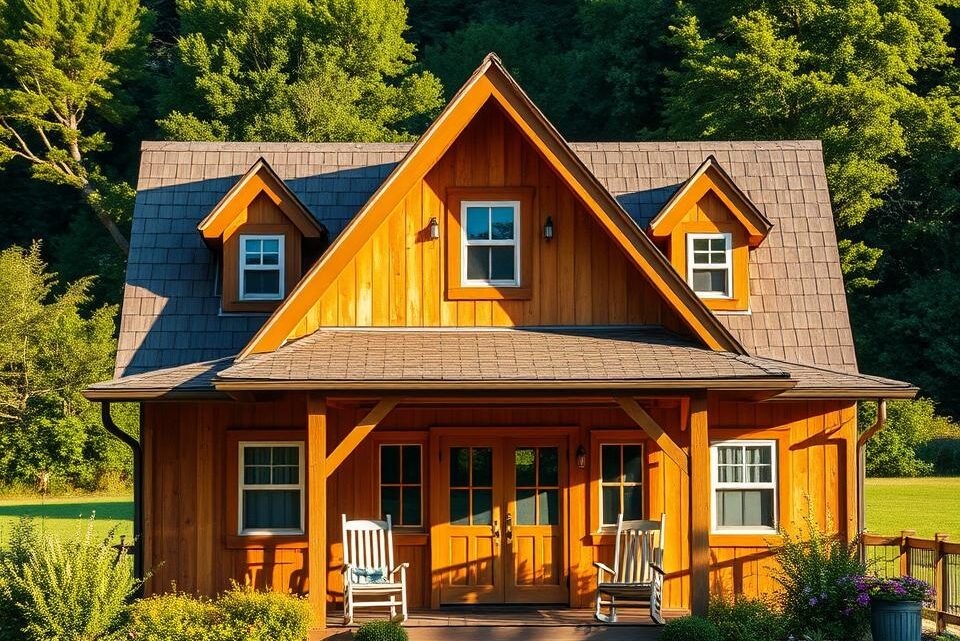
When it comes to garden rooms and building a summer house, the roof plays a crucial role in both functionality and aesthetic appeal. The right roofing design can significantly enhance the overall choice and building experience.
Selecting the appropriate roofing materials is vital, considering factors such as climate, durability, and visual integration with the surrounding garden spaces. Unlike standard garden sheds, summer houses require specialised considerations to ensure the roof complements the overall structure.
This comprehensive guide compares various roofing options to help readers make an informed decision for their garden rooms.
Inhaltsverzeichnis
Key Takeaways
- Understanding the importance of roof design in summer houses.
- Factors influencing the choice of roofing materials.
- How roofing options impact the overall aesthetic and functionality.
- Specialised considerations for summer house roofs compared to standard garden sheds.
- The role of climate and durability in selecting roofing materials.
Understanding Summer House Roof Requirements
Selecting the right roof for a summer house involves understanding the specific requirements and challenges posed by the UK climate. The type of roof chosen will significantly impact the building’s durability, aesthetic appeal, and overall functionality.
Climate and Weather Considerations in the UK
The UK’s climate is characterized by frequent rain, wind, and varying temperatures, which demands a roof that can withstand these conditions. Roofing materials must be chosen based on their ability to perform under such weather conditions. For instance, materials like timber can offer a natural look but may require more maintenance than other options.
Durability and Longevity Expectations
The expected lifespan of a roof is a critical factor in determining its overall value. Different roofing materials offer varying levels of durability, with some requiring more maintenance than others. A durable roof not only provides long-term savings but also enhances the overall value of the garden building.
| Roofing Material | Expected Lifespan | Maintenance Requirements |
|---|---|---|
| Asphalt Shingles | 20-30 years | Moderate |
| Metal Roofing | 30-50 years | Low |
| Timber Roofing | 20-40 years | High |
Aesthetic Integration with Garden Spaces
The roof of a summer house plays a significant role in its aesthetic appeal, contributing to the overall visual harmony with the surrounding garden building. The choice of roofing material and design should complement the garden’s style and the house’s architecture, creating a seamless integration with the natural environment.
https://www.youtube.com/watch?v=B2Y9CLveXSU
Different Roof Styles for Summer Houses
The style of roof chosen for a summer house significantly influences its durability, functionality, and visual appeal. Summer houses can be fitted with various roof styles, each with its unique advantages and aesthetic qualities.
Apex Roof Designs
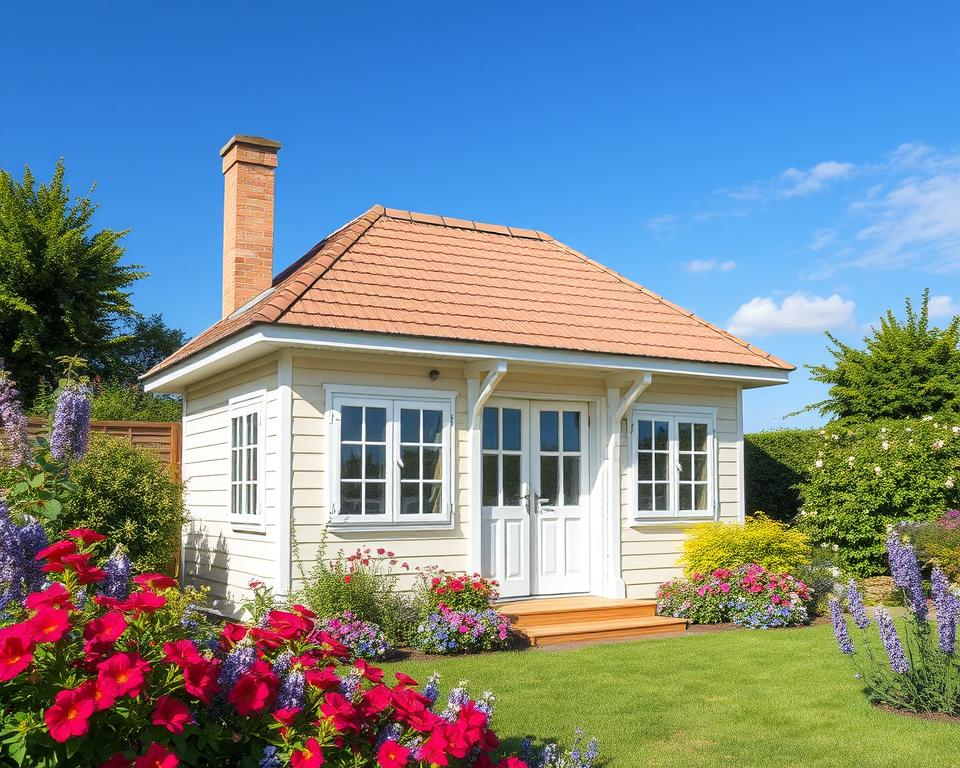
Apex roof designs are a popular choice for summer houses due to their classic, dual-sloped pitched structure. This design maximises internal headroom and efficiently sheds rainwater and snow, making it a durable option. The apex roof is particularly suited for larger summer houses where additional internal space is beneficial.
Pent Roof Options
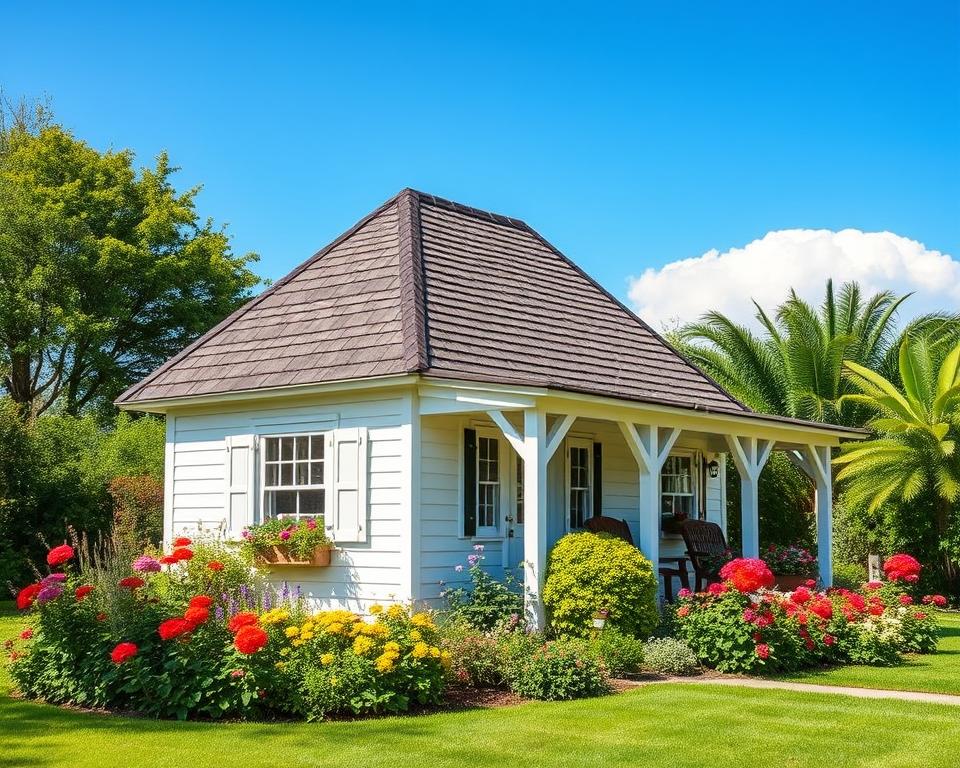
Pent roof options offer a modern and sleek appearance, characterised by a single slope. This design is advantageous for small plots where the summer house can be positioned against a wall or fence, optimising space. The pent roof’s simplicity also makes it a cost-effective solution.
Reduced Pitch Roofs for Planning Compliance
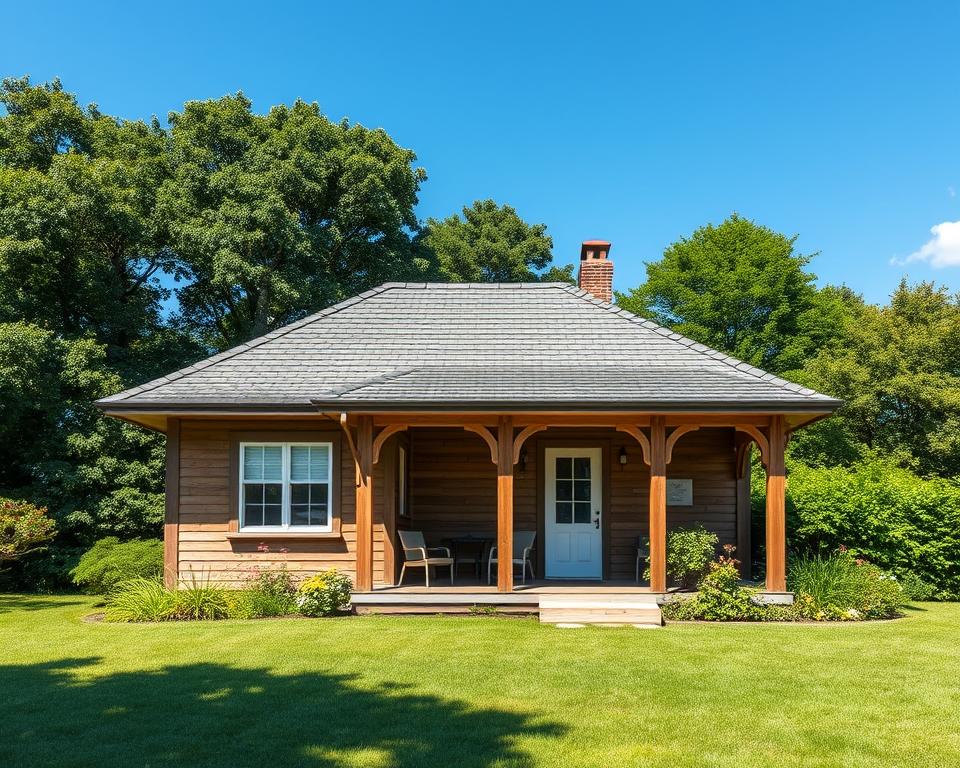
Reduced pitch roofs are an essential consideration for summer houses positioned near property boundaries. To comply with permitted development regulations, the roof height should not exceed 2.5m when within 2m of the garden boundary. A reduced pitch roof ensures that the summer house meets these requirements while still providing adequate protection from the elements.
Summer House Roofs Compared: Material Options
The material chosen for a summer house roof plays a significant role in determining its durability and visual appeal. With numerous roofing materials available, each has its unique characteristics, advantages, and disadvantages.
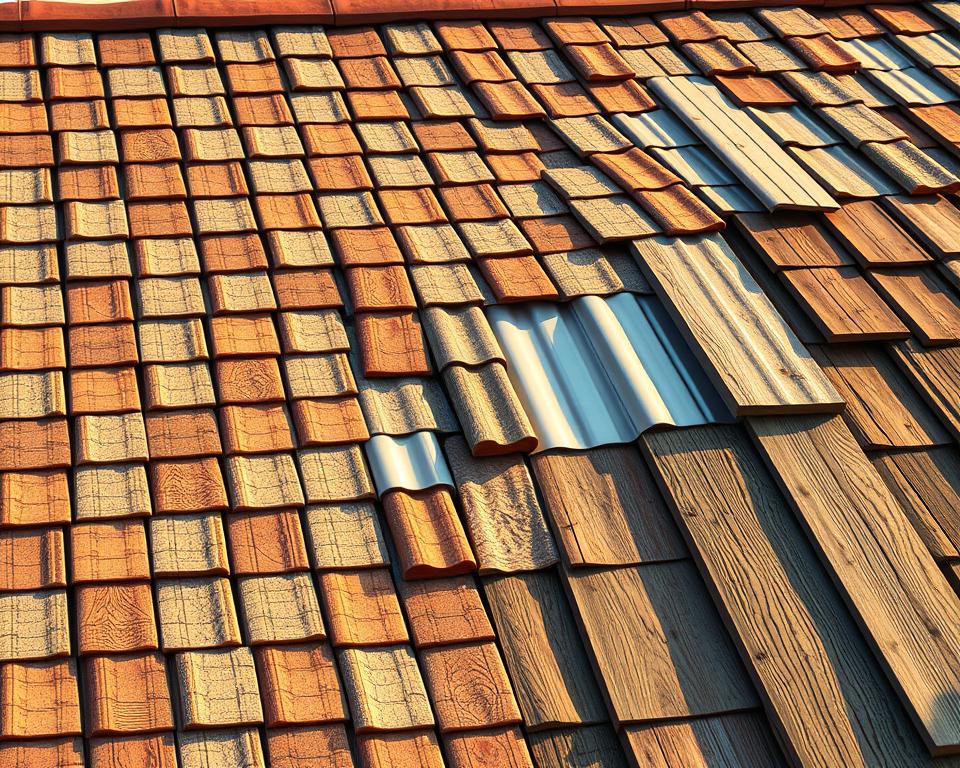
Traditional vs Modern Roofing Materials
Traditional roofing materials such as felt and wooden shingles have been used for decades, offering a classic look that many homeowners desire. Felt roofing, for instance, is a cost-effective option that is relatively easy to install. However, it may not be as durable as modern alternatives. On the other hand, modern materials like EPDM rubber and metal sheeting provide enhanced durability and require less maintenance.
EPDM rubber roofing, for example, is highly resistant to weathering and can last for up to 50 years with proper maintenance. Metal sheeting, particularly box profile sheeting, is designed for lower-pitched roofs, allowing for a minimum 4-degree pitch, making it suitable for summer houses with specific architectural designs.
Cost Comparison Across Materials
The cost of roofing materials varies significantly, from the initial installation costs to long-term maintenance expenses. A detailed cost analysis across different materials is essential to understand the total cost of ownership.
| Material | Initial Cost | Maintenance Cost | Total Cost over 20 years |
|---|---|---|---|
| Felt Roofing | £800 – £1,200 | £300 – £500 | £1,100 – £1,700 |
| EPDM Rubber | £1,200 – £2,000 | £100 – £300 | £1,300 – £2,300 |
| Metal Sheeting | £1,500 – £3,000 | £0 – £200 | £1,500 – £3,200 |
Environmental Impact Considerations
The environmental impact of roofing materials is a crucial consideration for eco-conscious homeowners. Materials like metal sheeting are highly recyclable, reducing their carbon footprint. EPDM rubber, while durable, has a higher initial environmental impact due to its production process. Understanding these factors helps in making an informed decision that aligns with one’s environmental values.
When choosing a roof for your summer house, it’s essential to weigh the pros and cons of each material, considering factors such as cost, durability, and environmental impact. By doing so, homeowners can make a choice that not only enhances the aesthetic appeal of their summer house but also contributes to its functionality and sustainability.
Felt Roofing Solutions
Felt roofing solutions offer a versatile and cost-effective option for summer house roofs. These solutions cater to various needs, from basic roofing requirements to more advanced and durable systems.
Standard Roofing Felt
Standard roofing felt is a popular choice for summer houses due to its low cost and suitability for flat roofs. The minimum recommended thickness should be at least 40kg in weight to ensure durability. Proper installation is crucial to prevent leaks and extend the lifespan of the roof.
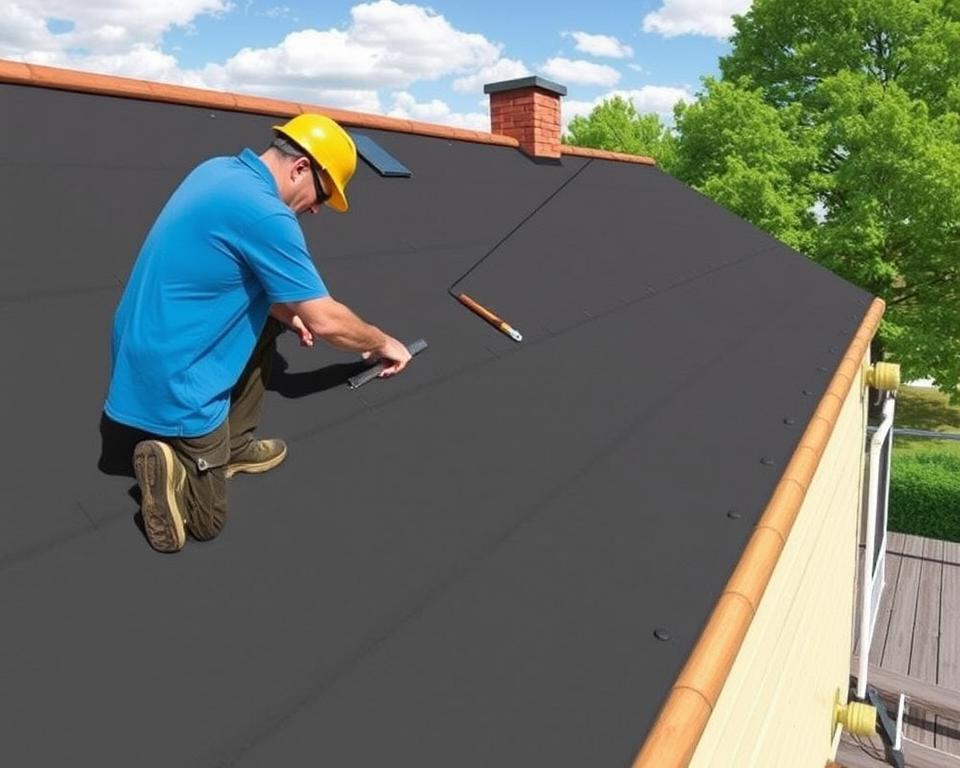
Felt Shingles
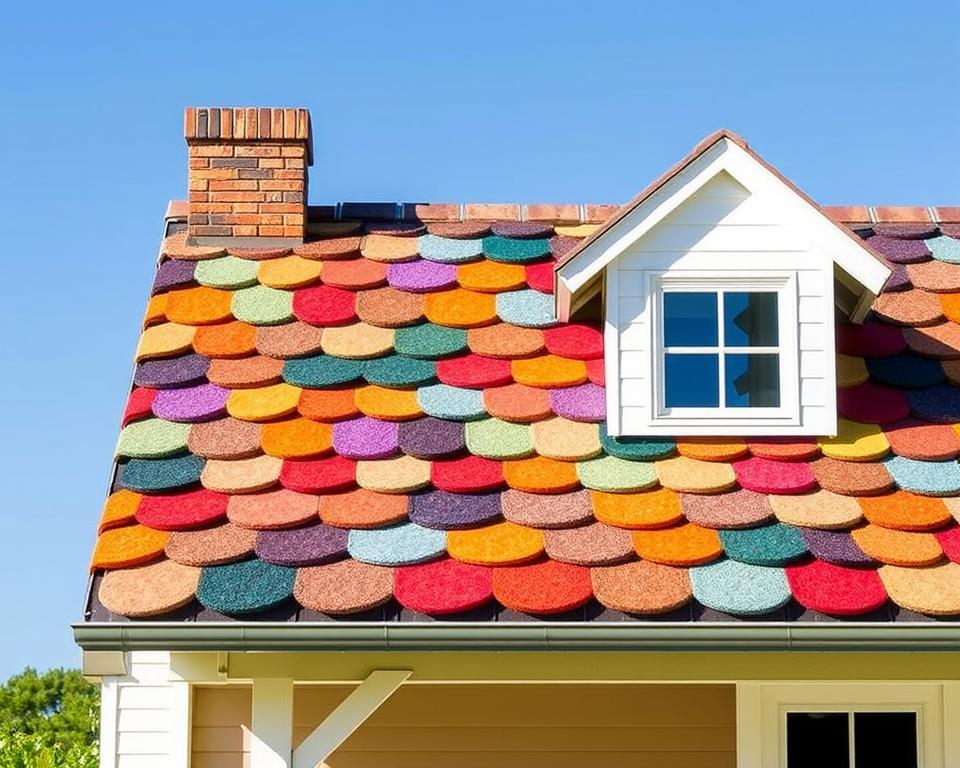
Felt shingles are an easy-to-install, traditional roofing option that offers a clean appearance and high performance. They provide an aesthetic advantage over standard felt, making them a desirable choice for homeowners seeking a more traditional look. Their durability and weather resistance are notable benefits.
EPDM Rubber Roofing
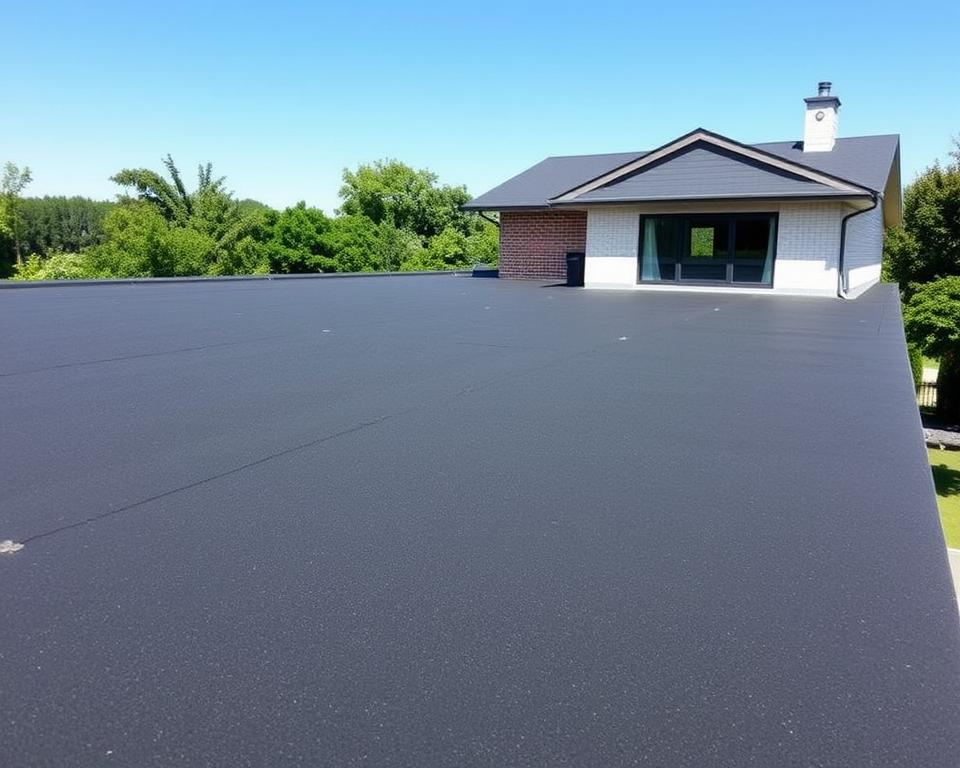
EPDM rubber roofing is a durable material made from ethylene propylene diene monomer synthetic rubber. It is commonly used for flat roofs due to its excellent weather resistance and longevity. EPDM’s flexibility allows it to accommodate thermal expansion and contraction, reducing the risk of cracks.
When selecting a felt roofing solution, consider factors such as roof pitch, budget constraints, and desired appearance to ensure the chosen material meets your needs.
Premium Roofing Materials
The roof of your summer house is not just a functional element; it’s an opportunity to add aesthetic value with premium materials. Investing in high-quality roofing can significantly enhance the overall appeal and value of your garden building.
Cedar Shingles
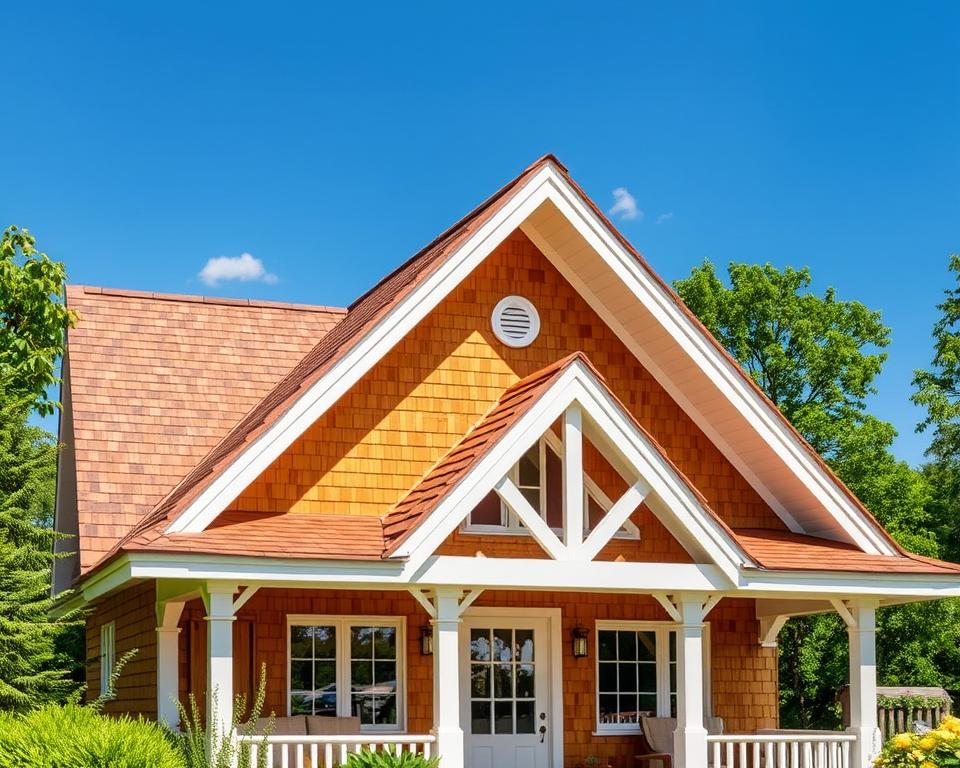
Cedar shingles offer a natural, luxurious look that can elevate the appearance of any summer house. Made from Grade 1 Western Red cedar, these shingles are durable, with a lifespan of 20-30 years. They provide a rich, warm tone that weathers to a silvery grey over time.
Slate and Slate Effect Options
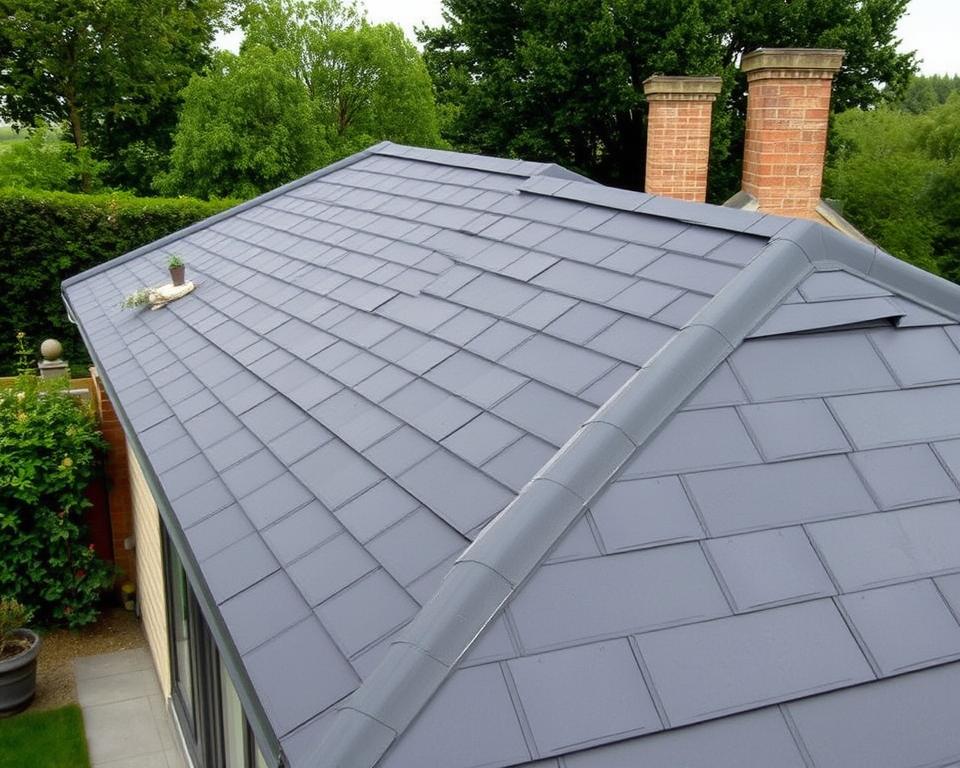
Slate roofing is renowned for its natural beauty and durability, requiring minimal maintenance over the years. For those seeking a more affordable alternative, slate-effect options mimic the appearance of genuine slate while offering improved cost-effectiveness.
Lead and Lead Effect Finishes
Lead has been used in construction for centuries, valued for its durability and distinctive appearance. Modern lead-effect finishes offer a more accessible way to achieve a similar aesthetic, suitable for garden buildings where a traditional look is desired.
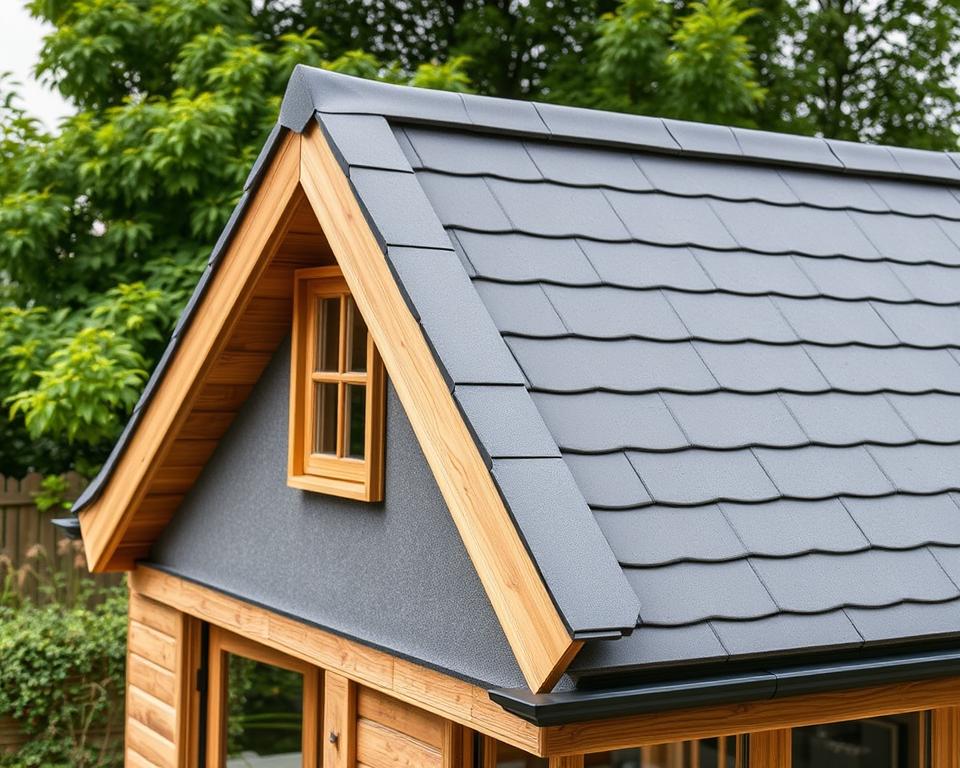
When selecting premium roofing materials, it’s essential to consider factors such as durability, maintenance requirements, and aesthetic appeal. While the initial investment may be higher, the long-term benefits can significantly enhance the value and enjoyment of your summer house.
Metal and Modern Roofing Solutions
In the realm of summer house design, the roof plays a crucial role in both form and function. Modern homeowners are increasingly opting for metal and modern roofing solutions due to their durability, aesthetic appeal, and ability to complement contemporary garden building designs.
Corrugated and Box Profile Sheeting
Corrugated and box profile metal sheeting are popular choices for summer house roofs due to their structural advantages and modern visual appeal. Box profile roofing sheets are manufactured from hard-wearing galvanised steel, available in both coated and uncoated options. Coated sheeting offers a range of colours and finishes, such as PVC Plastisol and Polyester Paint, allowing homeowners to customise their summer house’s appearance.
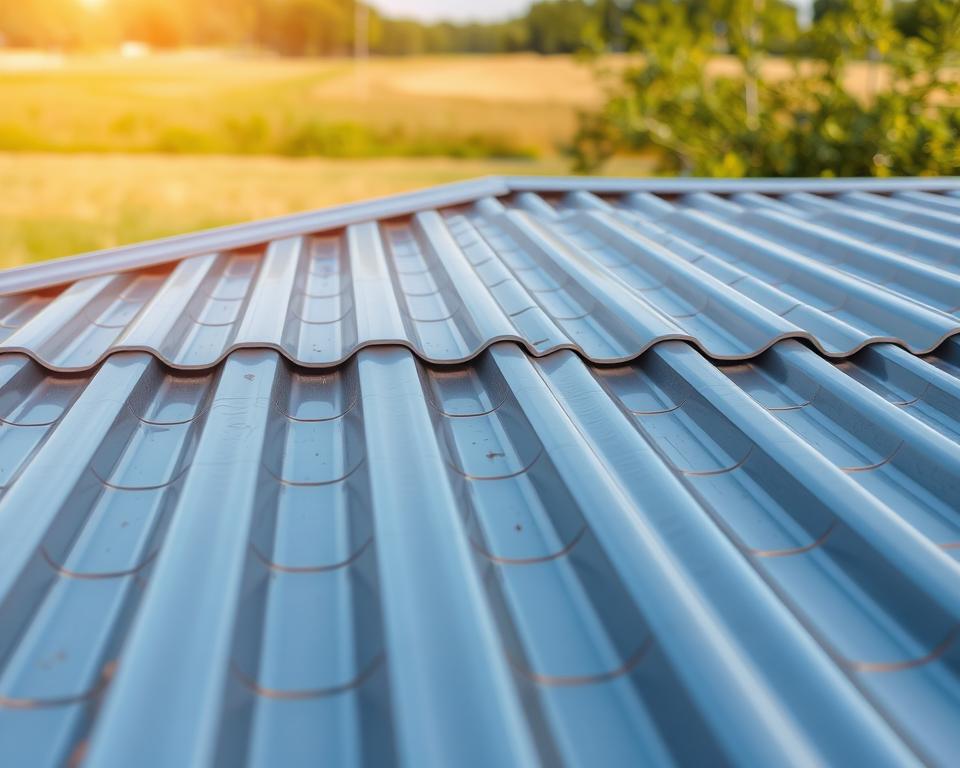
Tile Effect Metal Sheets
Tile effect metal sheets offer a unique blend of traditional appearance and modern material benefits. These sheets mimic the look of traditional tiles but are made from durable metal, providing a low-maintenance alternative. They are particularly suitable for summer houses where a traditional aesthetic is desired without compromising on durability.
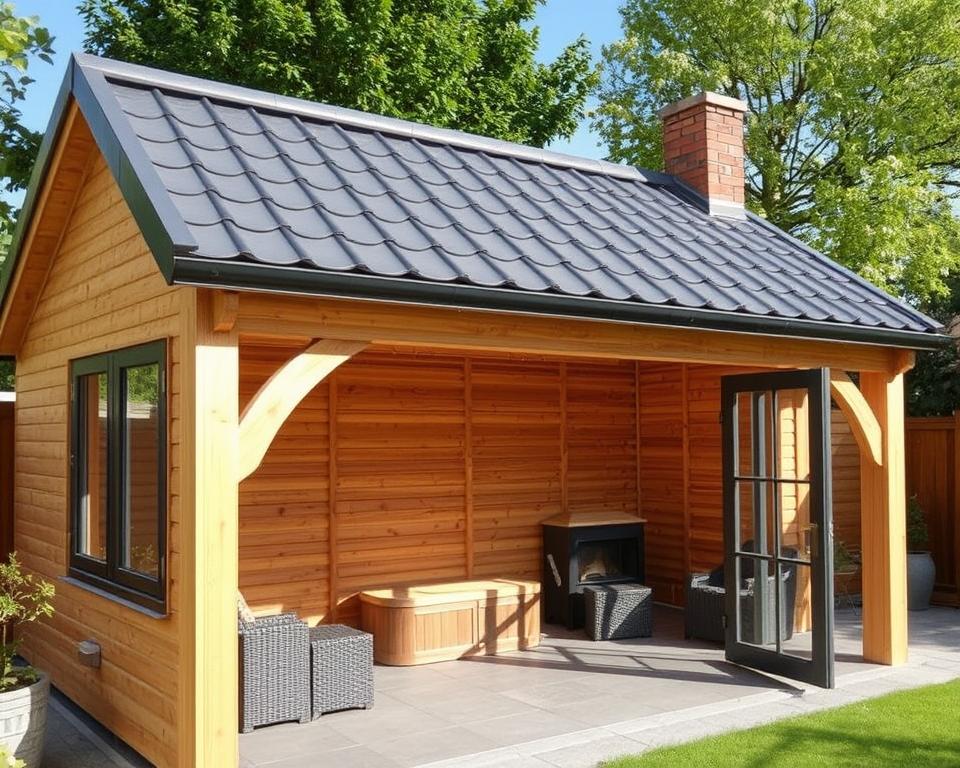
Onduline Roofing
Onduline is a corrugated sheeting made from hard-wearing materials combining bitumen and organic fibres. It is a lightweight alternative to metal roofing, offering ease of installation and a modern appearance. Onduline roofing is suitable for various summer house designs, providing a durable and weather-resistant solution.
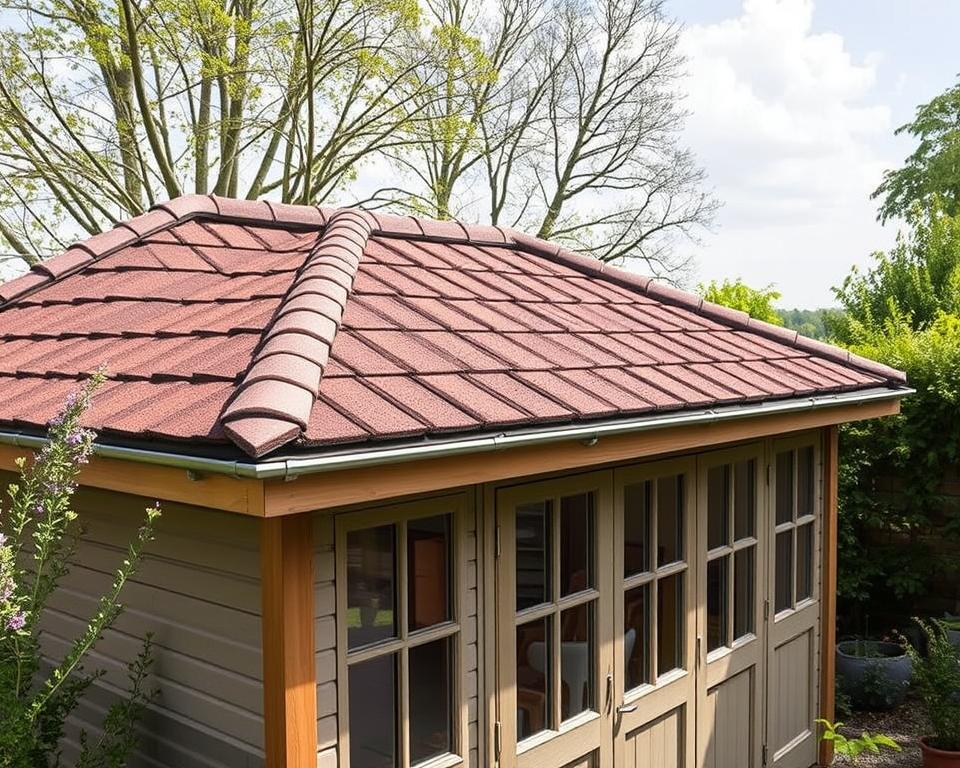
When selecting a roofing solution for a summer house, it’s essential to balance contemporary appearances with practical performance requirements. Metal and modern roofing solutions, including corrugated and box profile sheeting, tile effect metal sheets, and Onduline roofing, offer a range of benefits that cater to different needs and preferences.
Eco-Friendly Roof Options
As concern for the environment grows, homeowners are seeking eco-friendly roofing options for their summer houses. This shift towards sustainability is not just about reducing environmental impact; it’s also about creating a harmonious blend between the garden building and its natural surroundings.
Living Green Roofs
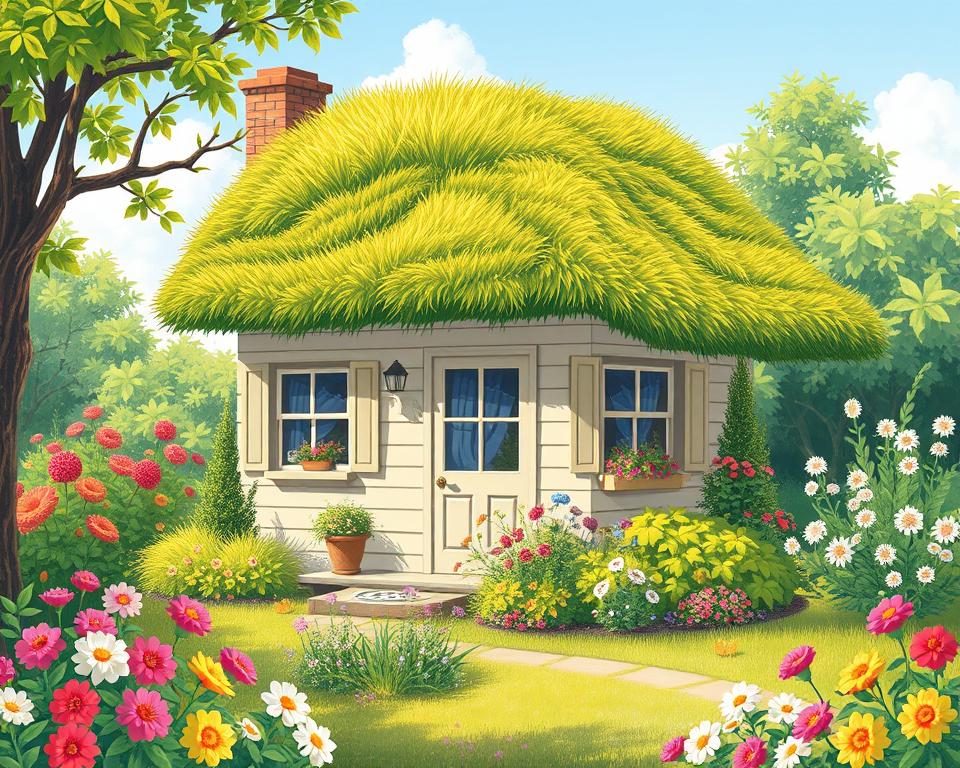
Living green roofs are an innovative solution that involves planting vegetation on the roof surface. This approach not only provides insulation but also creates a habitat for local wildlife, enhancing biodiversity. A green roof can be formed from flowered beds or turf, offering a natural and serene appearance that complements the garden.
Sustainable Material Choices
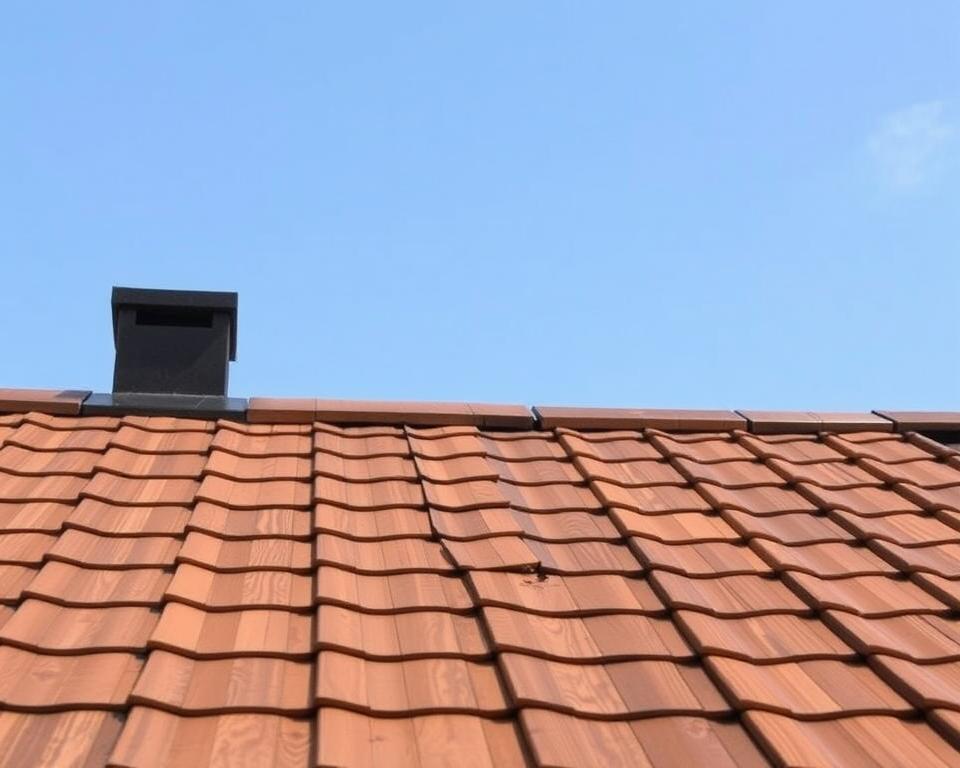
In addition to living green roofs, sustainable material choices offer another pathway to eco-friendly roofing. This includes responsibly sourced timber products, recycled materials, and low-carbon alternatives to traditional roofing materials. By choosing sustainable materials, homeowners can significantly reduce the environmental footprint of their garden building.
Both living green roofs and sustainable material choices contribute to a more eco-friendly roof, enhancing the sustainability credentials of a summer house. These options not only support environmental health but also improve the aesthetic appeal and functionality of the garden building.
Practical Considerations for Roof Selection
When selecting a roof for your summer house, several practical considerations must be taken into account to ensure optimal performance and longevity. The roof is a critical component of your garden building, influencing both its durability and its functionality throughout the year.
Roof Pitch and Drainage Requirements
The roof pitch is a crucial factor in determining the suitability of roofing materials and the efficiency of drainage. A flat roof, typically with a pitch of 0 to 10 degrees, may require different materials and maintenance compared to a sloped roof with a pitch of up to 45 degrees or more. Lower-pitched roofs can be more prone to water pooling, which may lead to leaks if not properly managed.
| Roof Pitch | Material Suitability | Drainage Efficiency |
|---|---|---|
| 0-10 degrees (Flat) | Felt, EPDM | Lower |
| 11-45 degrees (Sloped) | Tile, Slate, Metal | Higher |
Insulation and Temperature Control
Adequate insulation is vital for maintaining a comfortable temperature within your summer house. Proper insulation helps in reducing condensation and regulating the internal climate, making the space usable throughout the year. The choice of roofing material can significantly impact the thermal efficiency of your garden room.
Maintenance Requirements
The maintenance needs of a roof can vary significantly depending on the materials used. For instance, roofs made from natural materials like cedar shingles may require more frequent maintenance compared to metal roofs. Understanding these requirements is essential for making an informed decision that aligns with your long-term plans for the summer house.
Installation and Cost Analysis
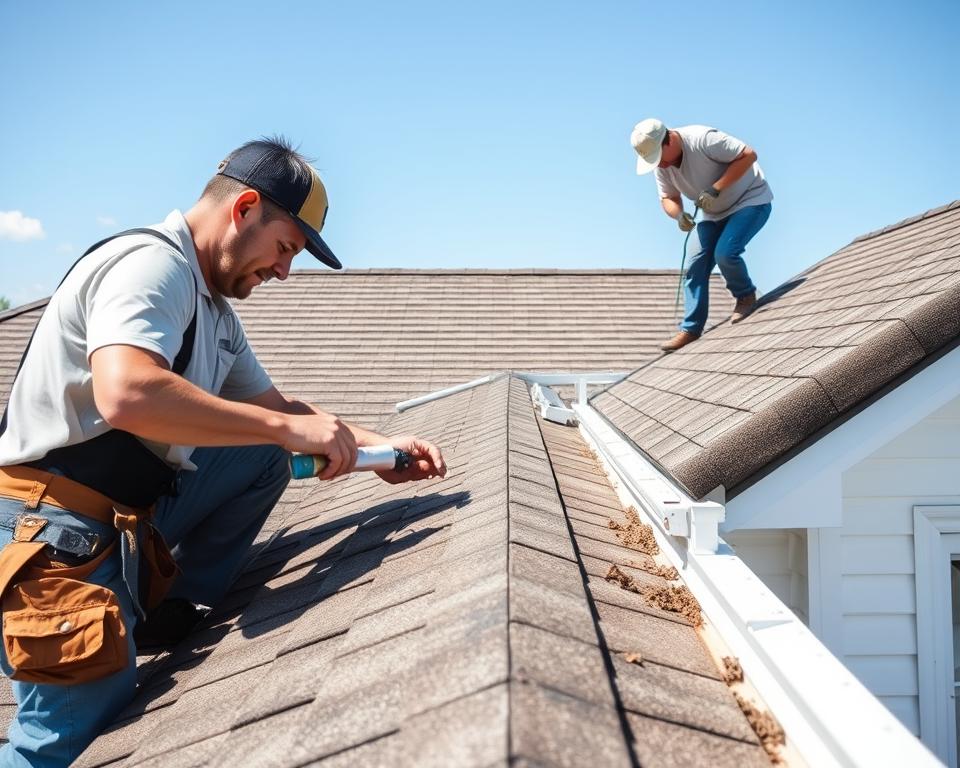
The installation of a summer house roof requires careful consideration of both DIY and professional options, as well as their respective costs. This analysis is crucial for making an informed decision that balances initial expenses with long-term value.
DIY vs Professional Installation
While DIY installation can be cost-effective for simple roofing projects, complex designs or materials like cedar shingles often necessitate professional expertise. For instance, cedar shingles provide a natural, rugged appeal but require experienced professionals for installation due to their intricate fitting requirements.
Initial Costs vs Long-term Value
Initial costs include materials, labour, and additional components. However, it’s equally important to consider the long-term value, including durability, maintenance costs, and potential impact on property value. For example, EPDM rubber roofing, while initially less expensive, may incur additional maintenance costs over time due to its susceptibility to damage from sharp objects.
Typical Lifespan of Different Roofing Options
The lifespan of roofing materials varies significantly. Cedar shingles can last for decades with proper maintenance, while EPDM rubber roofing may need replacement after 15-20 years. Understanding these lifespans is crucial for calculating the true cost of ownership.
Conclusion: Choosing the Right Summer House Roof
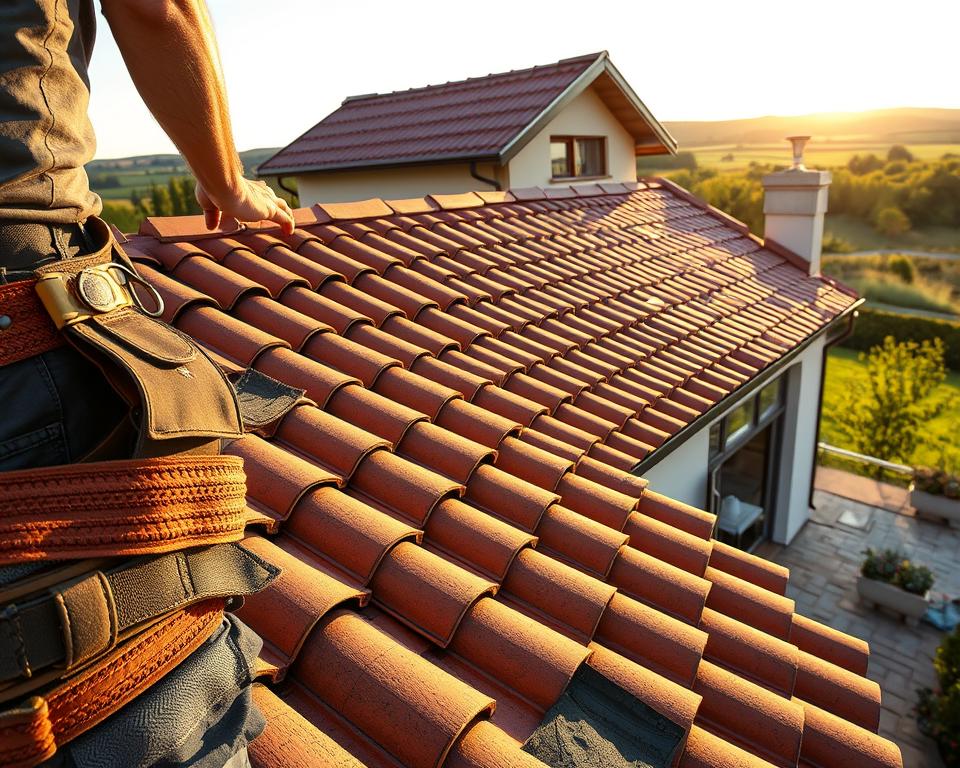
When it comes to summer houses, the roof is not just a covering; it’s a key element that determines the structure’s overall success. The choice of roofing material and design significantly influences both the aesthetic appeal and functional performance of your garden retreat.
To make an informed decision, consider factors such as climate, aesthetic preferences, budget, and practical requirements. Balancing immediate costs with long-term performance and maintenance is crucial. The best roofing material for your summer house will depend on these considerations.
By weighing the pros and cons of different roofing options, you can select a roof that enhances your summer house’s overall character and durability. Ultimately, the right roof will ensure your summer house remains a enjoyable and functional space for years to come, making it a worthwhile investment for your garden.
## FAQ
### Q: What is the best roofing material for a garden room or shed?
A: The best roofing material depends on several factors, including durability, cost, and aesthetic preferences. Options range from traditional felt roofing to more modern materials like metal sheeting and cedar shingles.
### Q: Do I need planning permission for a garden building or shed?
A: In most cases, garden buildings or sheds do not require planning permission if they meet certain conditions, such as being within a certain height limit and not being used as a dwelling. However, it’s essential to check with local authorities for specific regulations.
### Q: What are the benefits of using felt roofing for a garden room or shed?
A: Felt roofing is a cost-effective and relatively easy-to-install option. It provides a waterproof layer and can be used on various roof styles, including apex and pent roofs.
### Q: How do I choose the right roof style for my garden building or shed?
A: The choice of roof style depends on factors like the building’s design, local building regulations, and personal preference. Apex and pent roofs are popular options, offering a simple and functional design.
### Q: What are the environmental implications of different roofing materials?
A: Different roofing materials have varying environmental impacts. For example, cedar shingles are a sustainable option, while metal sheeting can be recycled. It’s crucial to consider the environmental effects when selecting a roofing material.
### Q: Can I install a roof on my garden building or shed myself?
A: While it’s possible to install a roof yourself, it’s recommended to hire a professional, especially for complex roof designs or larger buildings. This ensures a watertight seal and compliance with local building regulations.
### Q: How long do different roofing materials last?
A: The lifespan of roofing materials varies significantly. Felt roofing typically lasts between 10 to 20 years, while more durable materials like metal sheeting and slate can last 30 years or more with proper maintenance.