Waterproofing and Weatherproofing Your Summerhouse
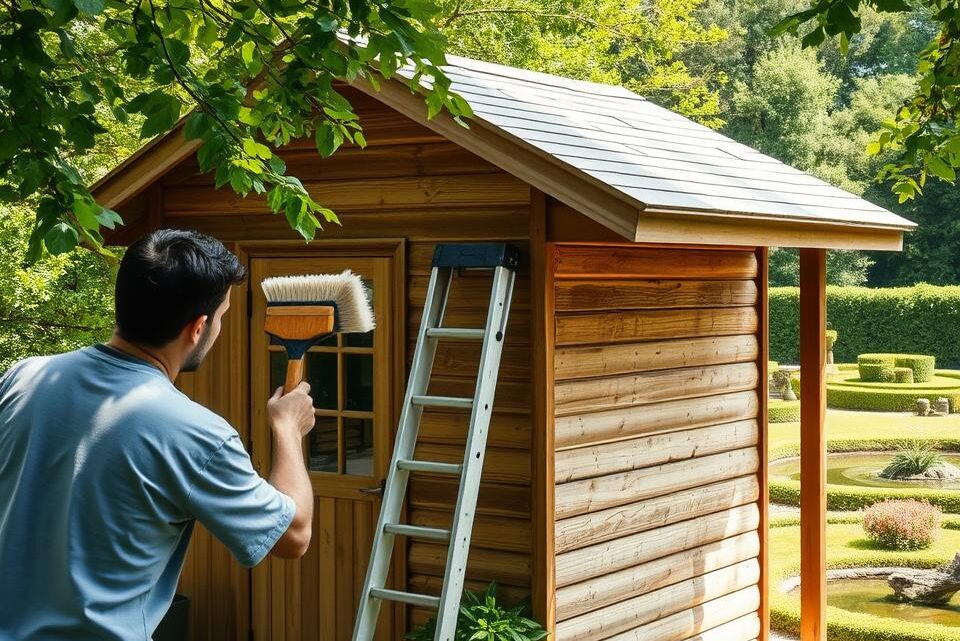
As a homeowner in the United Kingdom, you take pride in your garden and summerhouse. However, neglecting to maintain your summerhouse can lead to costly repairs and a reduced lifespan. Proper garden maintenance is crucial to ensure your summerhouse remains a beautiful and functional part of your outdoor space.
Failing to waterproof and weatherproof your summerhouse can result in damage from the elements, compromising its structure and integrity. By taking proactive steps, you can protect your investment and enjoy your summerhouse for years to come.
Inhaltsverzeichnis
Key Takeaways
- Regular garden maintenance is essential to prolong the lifespan of your summerhouse.
- Waterproofing and weatherproofing protect your summerhouse from elemental damage.
- Neglecting maintenance can lead to costly repairs and reduced functionality.
- Proactive measures ensure your summerhouse remains a valuable part of your outdoor space.
- Proper care enhances the overall aesthetic and enjoyment of your garden.
Understanding the Importance of Summerhouse Protection
The British weather poses significant challenges to garden structures, making protection essential. Your summerhouse is an investment in your outdoor living space, and without proper protection, it can deteriorate quickly.
The British Climate and Its Effects on Garden Structures
The UK’s climate is known for its unpredictability, with frequent rain, strong winds, and occasional extreme temperatures. These conditions can cause significant wear and tear on garden structures like summerhouses. Moisture accumulation can lead to rot and decay, while UV exposure can cause fading and material degradation.
Common Issues with Unprotected Summerhouses
Without proper protection, summerhouses can suffer from various issues, including rotting wood, rusting metal components, and cracked or broken glass. These problems not only affect the appearance of your summerhouse but also compromise its structural integrity.
Long-term Benefits of Proper Protection
Protecting your summerhouse through waterproofing and weatherproofing measures can significantly extend its lifespan. By safeguarding against the elements, you can enjoy your outdoor space for years to come, with reduced maintenance costs and preserved aesthetic appeal.
By understanding the importance of summerhouse protection, you can take proactive steps to ensure your garden structure remains a beautiful and functional part of your outdoor living space.
Assessing Your Summerhouse’s Current Condition
To effectively protect your summerhouse, you first need to understand its current condition. This involves a thorough inspection to identify any existing damage or vulnerabilities.
Identifying Existing Damage and Vulnerabilities
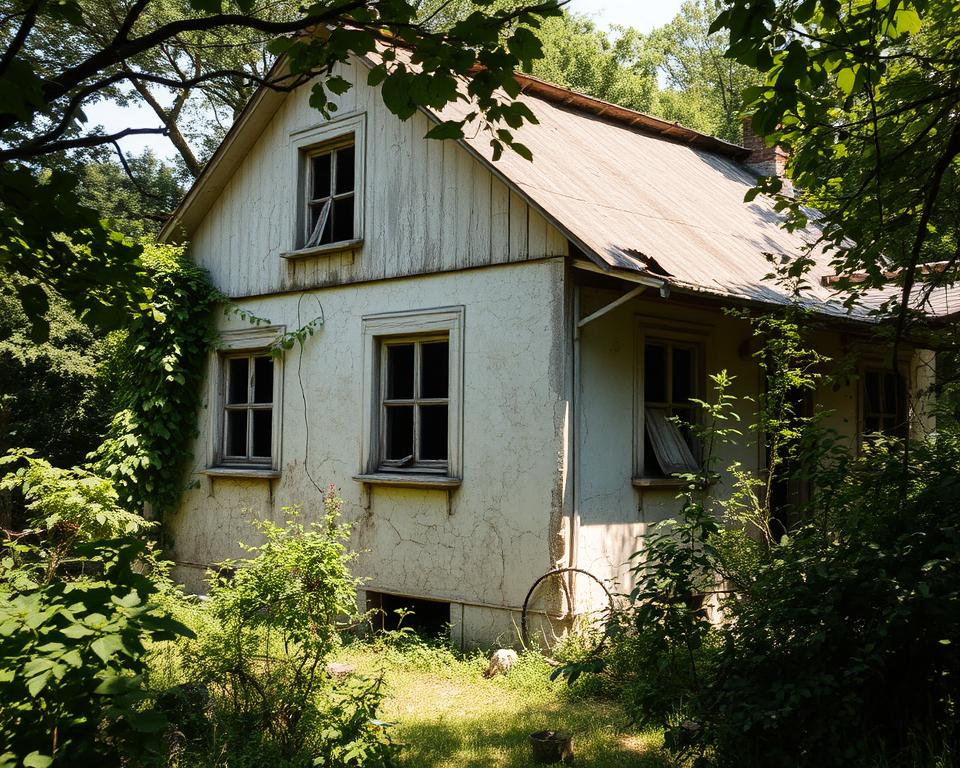
A detailed assessment is crucial for determining the necessary repairs and maintenance. Start by checking for signs of rot and decay, particularly in wooden structures.
Checking for Rot and Decay
Inspect the wooden components of your summerhouse, looking for soft spots, discoloration, or fungal growth. Pay particular attention to areas around joints and where wood meets the ground.
Identifying Leaks and Water Ingress
Check the roof, walls, and windows for any signs of leaks or water damage. Ensure that all joints and seams are properly sealed.
Creating a Maintenance Checklist
Once you’ve identified any issues, create a checklist to prioritise the necessary repairs. This will help you stay organised and ensure that the most critical problems are addressed first.
Prioritising Urgent Repairs
Focus on repairs that are essential for maintaining the structural integrity of your summerhouse. Use a list to categorise tasks based on urgency and importance.
- Inspect and repair roofing and cladding
- Treat or replace rotten wood
- Seal gaps and cracks
- Check and improve drainage around the summerhouse
By following this process, you’ll be able to effectively assess your summerhouse’s condition and plan the necessary maintenance and repairs.
Essential Tools and Materials for Waterproofing and Weatherproofing
Waterproofing and weatherproofing your summerhouse requires a specific set of tools and materials designed for the British climate. To ensure a successful project, it’s crucial to be well-prepared with the right equipment and products.
Basic Tools Required
Before starting your project, gather the necessary basic tools, including a hammer, tape measure, safety glasses, and a putty knife. You’ll also need a drill and bits for making holes for screws or other fixings. Having these tools on hand will make the waterproofing and weatherproofing process more efficient.
Recommended Waterproofing Products for British Weather
For effective waterproofing, you’ll need products that can withstand the British climate. Consider the following:
Preservatives and Treatments
Use a high-quality wood preservative to protect your summerhouse from rot and insect damage. Look for products containing copper-based formulations or boron for their effectiveness against fungal growth and insects.
Sealants and Caulking
Sealants and caulking are crucial for filling gaps and sealing joints. Choose a waterproof sealant that remains flexible in changing temperatures. Silicone-based sealants are a popular choice due to their durability and water resistance.
Weatherproofing Materials
In addition to waterproofing products, you’ll need materials specifically designed for weatherproofing. These include:
Insulation Options
Proper insulation helps regulate the temperature inside your summerhouse, making it more comfortable and energy-efficient. Consider using foam board insulation or reflective insulation to minimize heat loss and keep your summerhouse warm in the winter and cool in the summer.
Draught-Proofing Supplies
Draught-proofing is essential for preventing cold air from entering your summerhouse. Use draught-proofing strips around doors and windows to seal gaps and keep your summerhouse cozy.
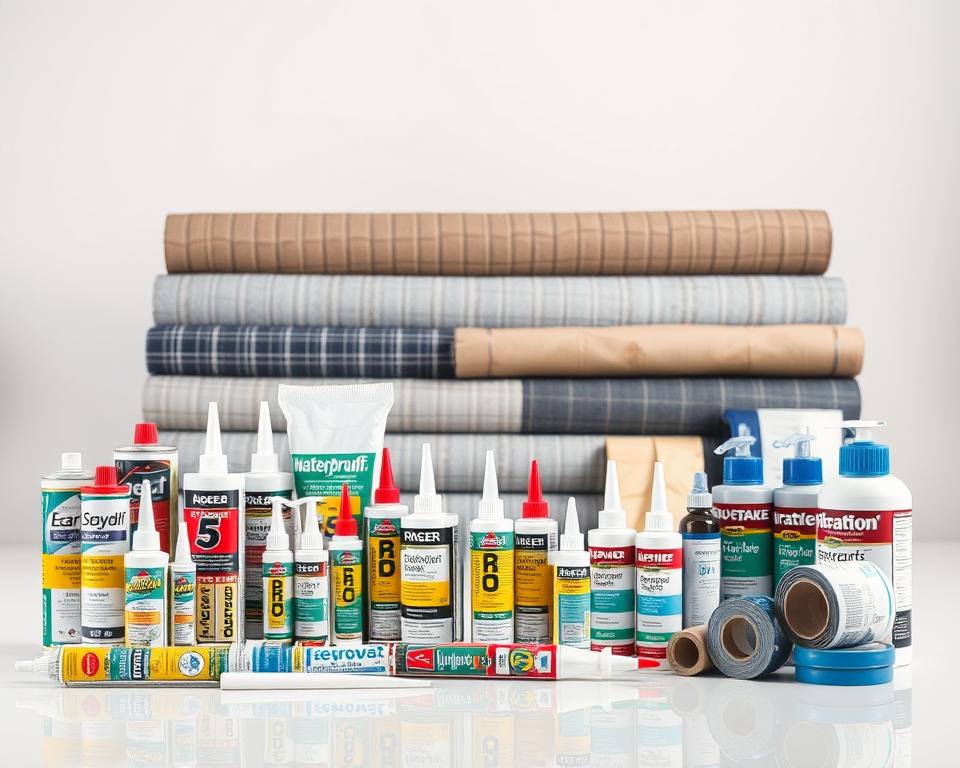
By selecting the right tools and materials, you’ll be well on your way to successfully waterproofing and weatherproofing your summerhouse, ensuring it remains a comfortable and enjoyable space for years to come.
Preparing Your Summerhouse for Treatment
To ensure the effectiveness of waterproofing and weatherproofing treatments, your summerhouse needs to be properly prepared. This involves thorough cleaning, necessary repairs, and understanding the optimal weather conditions for treatment.
Thorough Cleaning Techniques
Cleaning your summerhouse is the first step in preparing it for treatment. This process involves removing dirt, algae, and moss that can interfere with the treatment’s effectiveness.
Removing Algae and Moss
Use a soft-bristled brush and a solution of water and mild detergent to gently remove algae and moss from the surface. Avoid using high-pressure washes as they can damage the wood.
Treating Mould and Mildew
Mould and mildew can be treated with a solution of bleach and water. Apply the solution to the affected area, let it sit for a few minutes, and then rinse off with clean water.
Necessary Repairs and Replacements
Inspect your summerhouse for any damaged or rotten wood and make necessary repairs or replacements. This will ensure that the structure is sound before applying any treatments.
Optimal Weather Conditions for Treatment
Check the weather forecast before applying any treatments. Optimal conditions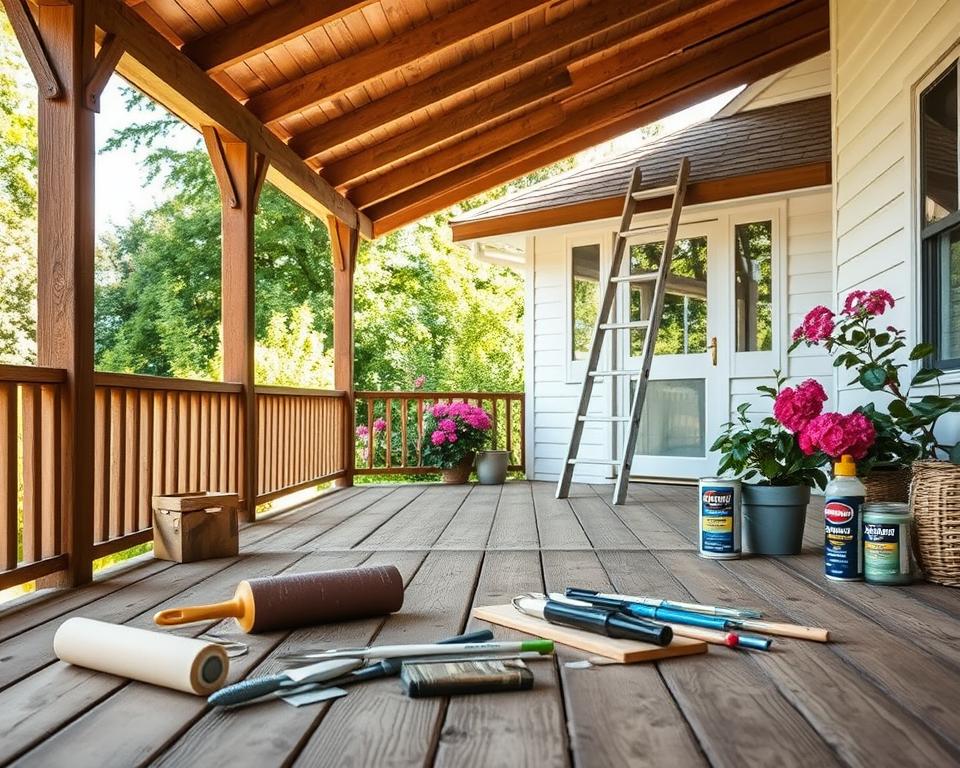
By following these steps, you can ensure your summerhouse is properly prepared for waterproofing and weatherproofing treatments, enhancing its durability and longevity.
- Clean the summerhouse thoroughly
- Make necessary repairs
- Check the weather forecast
Waterproofing and Weatherproofing Your Summerhouse: A Comprehensive Approach
To ensure your summerhouse remains a comfortable and enjoyable space, a thorough understanding of waterproofing and weatherproofing techniques is essential. The British climate, known for its unpredictability and harsh conditions, demands a robust protection strategy for garden structures.
Understanding the Difference Between Waterproofing and Weatherproofing
While often used interchangeably, waterproofing and weatherproofing serve distinct purposes. Waterproofing refers to the process of making a structure completely resistant to water penetration, typically through the application of specialized coatings or membranes. Weatherproofing, on the other hand, encompasses a broader range of techniques aimed at protecting a structure from various weather conditions, including wind, rain, and extreme temperatures.
Understanding this difference is crucial for developing an effective protection strategy for your summerhouse. By combining both waterproofing and weatherproofing measures, you can ensure your structure remains durable and functional throughout the year.
Integrated Protection Strategies
An integrated approach to protecting your summerhouse involves several key strategies:
- Regular maintenance checks to identify and address potential vulnerabilities
- Application of waterproof coatings and weatherproof membranes
- Sealing gaps and joints to prevent water ingress
- Ensuring proper drainage around the structure
By implementing these strategies, you can significantly enhance your summerhouse’s resilience to British weather conditions.
Layered Defence Against British Weather
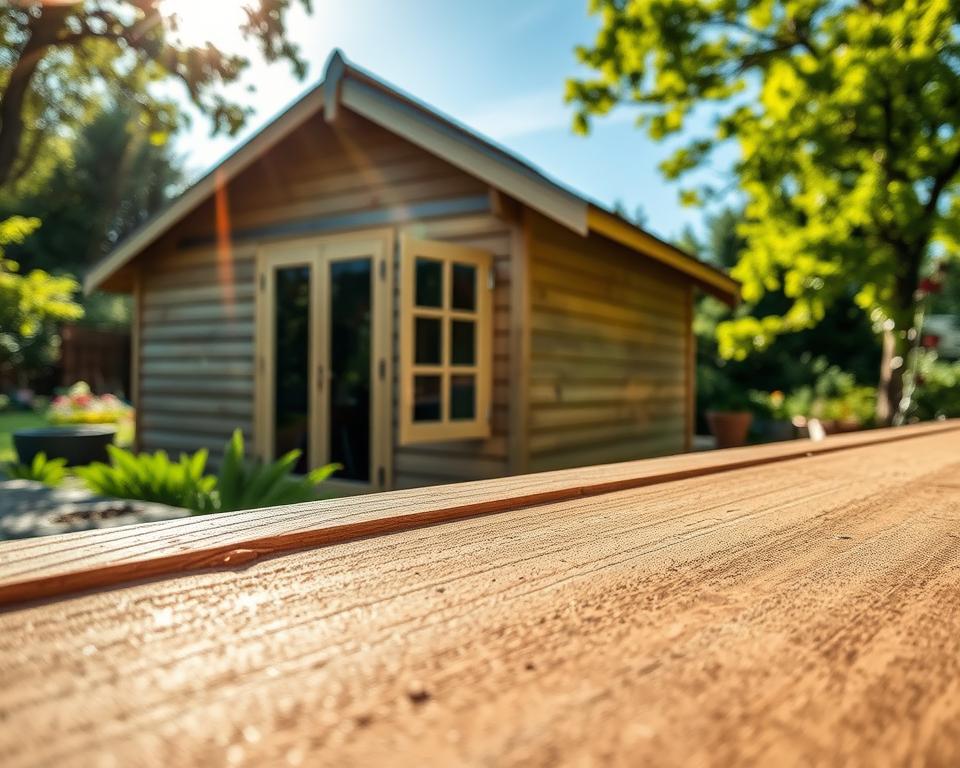
A layered defence approach involves applying multiple protective measures to safeguard your summerhouse. This can include:
- Using durable, weather-resistant materials for the structure
- Applying protective coatings and treatments
- Ensuring adequate ventilation to prevent moisture buildup
By adopting a layered defence strategy, you can create a robust barrier against the elements, ensuring your summerhouse remains a pleasant and functional space for years to come.
In conclusion, a comprehensive approach to waterproofing and weatherproofing your summerhouse is essential for withstanding the British climate. By understanding the difference between waterproofing and weatherproofing, implementing integrated protection strategies, and adopting a layered defence approach, you can ensure your summerhouse remains a valuable and enjoyable part of your garden.
Foundation and Base Protection
A well-protected summerhouse foundation is the key to enjoying your garden retreat for years to come. The base of your summerhouse is constantly exposed to the elements, making it vulnerable to water damage and dampness. Proper protection of this area is crucial for the longevity and stability of your summerhouse.
Ensuring Proper Drainage Around Your Summerhouse
Effective drainage is vital to prevent water accumulation around your summerhouse. Poor drainage can lead to water seeping into the base, causing damage over time.
French Drains and Soakaways
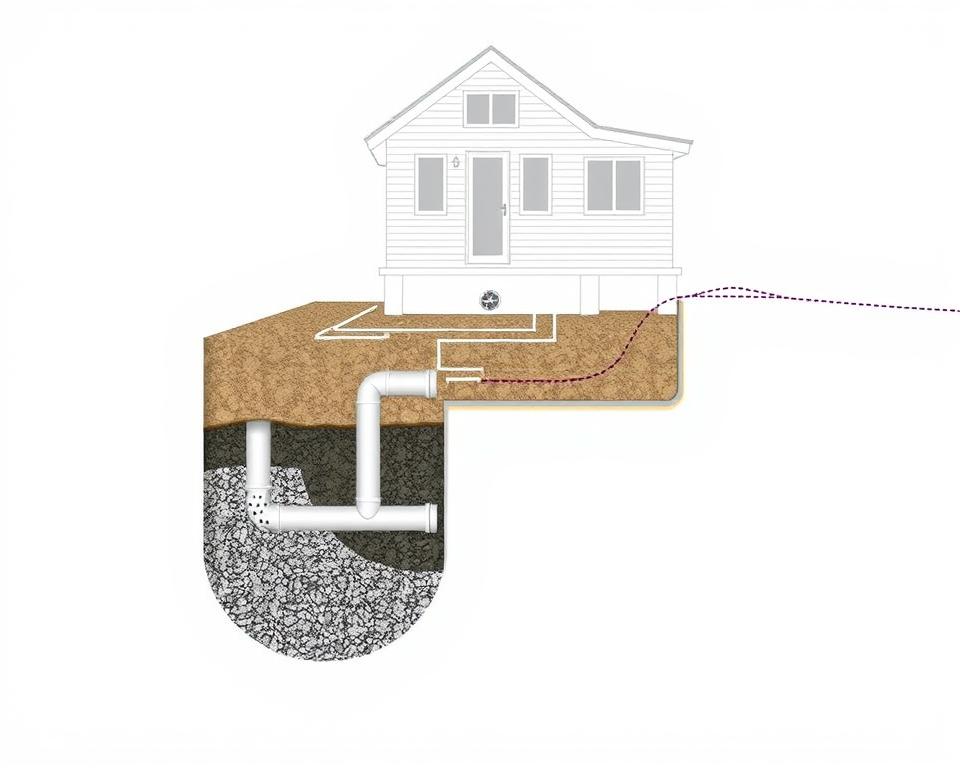
Installing a French drain or a soakaway can significantly improve drainage around your summerhouse. A French drain is a trench filled with gravel and a perforated pipe that redirects water away from the structure. A soakaway is a pit filled with rubble that allows water to percolate into the surrounding soil.
Gravel Beds and Drainage Channels
Using gravel beds around your summerhouse can help with drainage by allowing water to percolate through. Drainage channels, often made of concrete or plastic, can be installed to direct water away from the base.
Damp-Proofing Techniques for the Base
Damp-proofing is essential to prevent moisture from rising into your summerhouse. Techniques include applying a damp-proof membrane to the base and ensuring that the ground around the summerhouse slopes away from the structure.
Raising the Structure Off the Ground
Raising your summerhouse slightly off the ground can improve ventilation and reduce the risk of dampness. This can be achieved by using adjustable feet or a plinth.
By implementing these strategies, you can significantly enhance the protection of your summerhouse’s foundation and base, ensuring it remains a dry and comfortable space throughout the year.
Wall Protection Strategies
The walls of your summerhouse require careful protection to withstand the British weather. Effective wall protection not only enhances the aesthetic appeal of your summerhouse but also ensures its structural integrity over time.
Wooden Wall Treatments and Preservatives
Wooden walls are a common feature of many summerhouses. To protect them, you need to apply appropriate treatments and preservatives. The choice between oil-based and water-based products depends on your specific needs and preferences.
Oil-Based vs. Water-Based Products
Oil-based products provide a hard, durable finish that is resistant to wear and tear. Water-based products, on the other hand, are easier to clean up and dry faster. Consider the following table when deciding:
| Product Type | Durability | Drying Time | Clean-up |
|---|---|---|---|
| Oil-Based | High | Longer | Requires solvent |
| Water-Based | Medium | Shorter | Easy with water |
Application Techniques
Proper application is crucial for the effectiveness of the treatment. Ensure you follow the manufacturer’s instructions and apply the product in suitable weather conditions.
Dealing with Different Types of Cladding
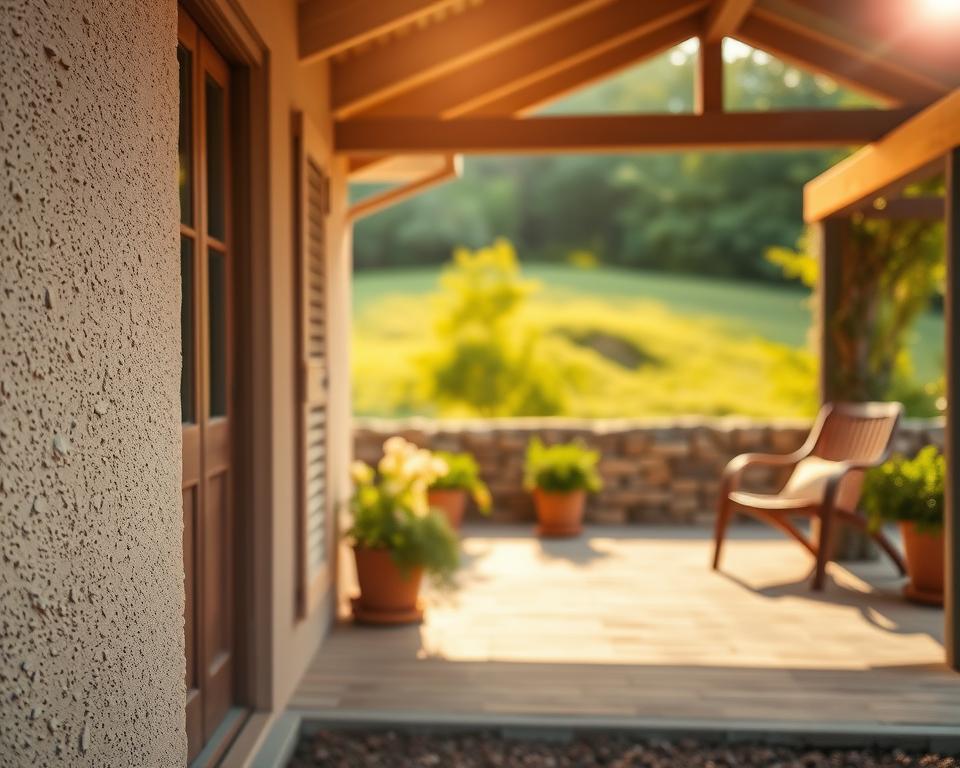
Different cladding types require specific protection strategies. For instance, wooden cladding may need preservatives, while metal cladding might require anti-rust coatings.
External Wall Insulation Options
External wall insulation can significantly improve the energy efficiency of your summerhouse. Options include rigid foam boards and insulated render systems. These not only reduce heat loss but also protect the walls from moisture damage.
By implementing these wall protection strategies, you can ensure your summerhouse remains a comfortable and enjoyable space for years to come.
Roof Waterproofing Techniques
Roof waterproofing is a vital step in ensuring your summerhouse remains a cozy retreat despite the UK’s rainy climate. A well-waterproofed roof protects your summerhouse from moisture damage, reducing the need for costly repairs and maintaining its aesthetic appeal.
Felt Roofing Solutions
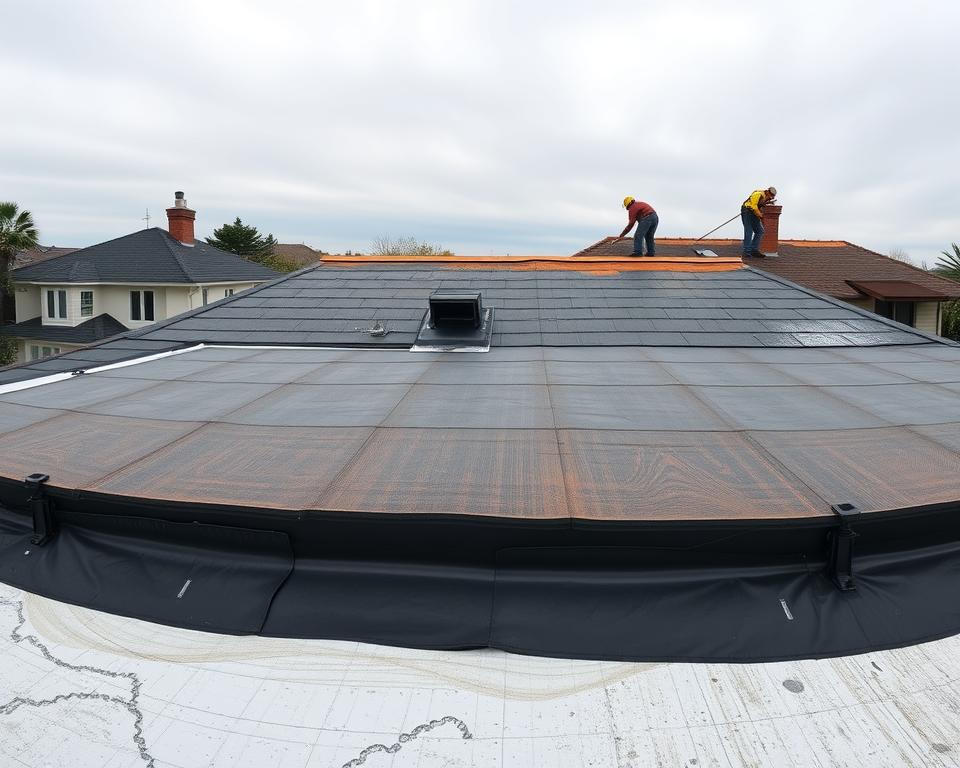
Felt roofing is a popular choice for summerhouses due to its durability and effectiveness. There are two primary types of felt roofing: torch-on felt and self-adhesive felt.
Torch-On Felt
Torch-on felt involves applying heat to melt the adhesive, bonding the felt to the roof surface. This method provides a strong, watertight seal.
Self-Adhesive Felt
Self-adhesive felt is easier to install, as it doesn’t require heat. It’s a good option for DIY projects, offering a simpler, though potentially less durable, alternative.
Shingle and Tile Options for UK Weather
Shingles and tiles are other effective roofing materials that can withstand the UK’s weather conditions. They come in various materials, including clay, concrete, and wood.
When choosing shingles or tiles, consider their durability, weight, and compatibility with your summerhouse’s structure. Proper installation is crucial to prevent water ingress.
Dealing with Roof Joints, Edges, and Flashings
Roof joints, edges, and flashings are vulnerable areas that require special attention. Ensuring these areas are properly sealed is critical to preventing leaks.
Using the right materials and techniques for these areas can significantly enhance your roof’s waterproofing. Regular inspections can help identify potential issues before they become major problems.
Gutter Systems and Rainwater Management
An effective gutter system is essential for directing water away from your summerhouse, reducing the risk of damage to the foundation and walls.
| Gutter System Component | Function |
|---|---|
| Gutters | Collect and direct rainwater |
| Downspouts | Channel water from gutters to the ground |
| Gutter Guards | Prevent debris from clogging gutters |
Regular maintenance of your gutter system, including cleaning and inspecting for damage, is vital to ensure it functions correctly.
Window and Door Protection
Windows and doors are vulnerable points in your summerhouse that require special attention. Protecting these areas is crucial for maintaining the overall integrity of your structure.
Sealing Techniques for Frames
Proper sealing is essential to prevent water ingress and reduce heat loss. Two effective methods for sealing window and door frames are:
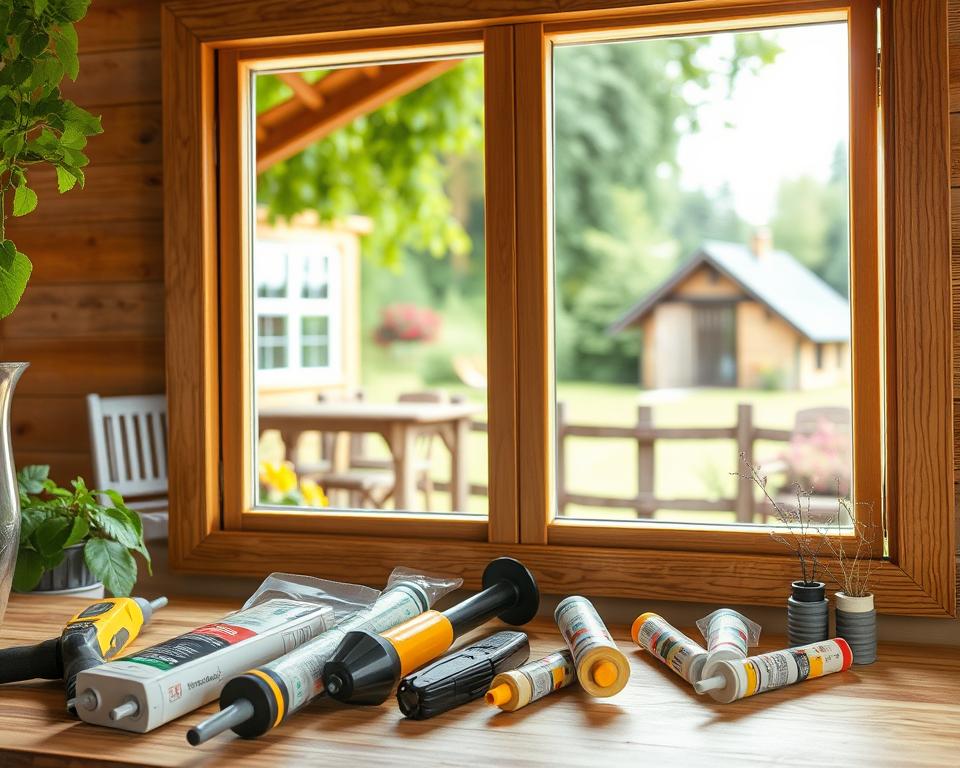
Silicone Sealants
Silicone sealants are flexible and waterproof, making them ideal for sealing gaps around windows and doors. They can withstand various weather conditions and are easy to apply.
Expanding Foam
Expanding foam is another effective solution for filling larger gaps. It expands to fill the space, providing a tight seal. However, it should be used judiciously and trimmed back to avoid visible mess.
Draught-Proofing Methods
Draught-proofing is vital for reducing heat loss and maintaining a comfortable temperature inside your summerhouse. You can use draught-proofing strips or seals around windows and doors to achieve this.
Upgrading Hardware for Better Weather Resistance
Upgrading the hardware on your windows and doors can significantly improve their weather resistance. Consider replacing old hinges and locks with rust-resistant alternatives.
Double Glazing Considerations
Double glazing is an effective way to improve energy efficiency and reduce condensation. When considering double glazing, think about the type of glass and the quality of the installation to ensure optimal performance.
Interior Waterproofing Considerations
Protecting the interior of your summerhouse from moisture is essential for its longevity and your comfort. While external waterproofing is crucial, the interior also requires attention to prevent issues like condensation and damp.
Dealing with Condensation Inside Your Summerhouse
Condensation occurs when warm, moist air meets a cooler surface, leading to water droplets forming on walls, windows, and other surfaces. To mitigate this, ensure good ventilation by installing vents or using a dehumidifier. Regularly checking for and addressing any sources of moisture, such as leaks or poor insulation, is also vital.
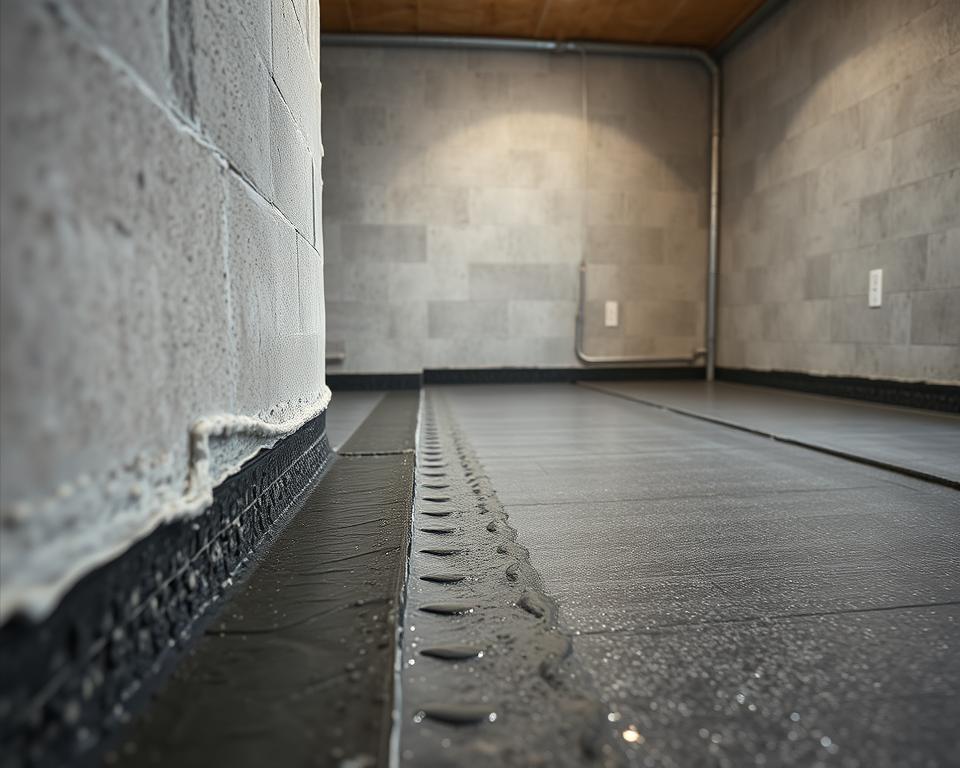
Interior Wall Treatments and Finishes
Choosing the right interior wall treatments can significantly impact the overall dryness and comfort of your summerhouse. Consider using moisture-resistant materials and finishes, such as those designed for bathrooms or kitchens, which are more adept at handling humidity.
Floor Protection Against Moisture
Protecting your summerhouse floor from moisture involves several strategies. Vapour barriers are crucial in preventing moisture from rising through the floor. These barriers, typically made from plastic or foil, are installed under the flooring material.
Vapour Barriers
A vapour barrier is a material that prevents moisture from passing through it. When installing a vapour barrier, ensure it covers the entire floor area and is properly sealed at the edges and any joints.
Suitable Flooring Materials
Selecting the right flooring material is also important. Options like vinyl flooring or ceramic tiles are more resistant to moisture than traditional wood or carpet. These materials are easier to clean and maintain, reducing the risk of moisture-related issues.
Ventilation Solutions for Moisture Control
To keep your summerhouse free from damp issues, understanding ventilation solutions is essential. Proper ventilation helps in controlling moisture, reducing the risk of dampness and subsequent damage to the structure.
Passive Ventilation Options
Passive ventilation involves allowing natural airflow into and out of your summerhouse without the use of mechanical systems. This can be achieved through various methods:
- Vents and Air Bricks: Installing vents or air bricks in strategic locations can enhance airflow. These should be placed in areas that allow for cross-ventilation, such as opposite walls.
- Roof Ventilation: Roof vents are another crucial aspect of passive ventilation. They help in releasing hot, moist air that rises to the roof space.
Vents and Air Bricks
Vents and air bricks are simple yet effective. They allow fresh air to enter and stale, moist air to escape, reducing the likelihood of condensation.
Roof Ventilation
Roof ventilation is vital for preventing moisture buildup in the roof space, which can lead to issues like rot and mould.
Active Ventilation Systems
Active ventilation systems, on the other hand, use mechanical means to circulate air. These can be particularly useful in summerhouses with limited natural airflow or those that are more prone to dampness.
- Electric fans can be installed to improve air circulation.
- Dehumidifiers can also be used to reduce moisture levels actively.
Balancing Ventilation and Insulation
It’s crucial to strike a balance between ventilation and insulation. While ventilation helps in moisture control, insulation keeps your summerhouse warm and energy-efficient. Ensuring that your summerhouse is both well-ventilated and well-insulated will enhance its overall durability and comfort.

Seasonal Maintenance Routines
To keep your summerhouse in optimal condition, it’s essential to adopt a seasonal maintenance routine. This proactive approach will help protect your structure from various weather conditions throughout the year, ensuring it remains a comfortable and enjoyable space.
Spring and Summer Care
As the weather warms up, your summerhouse requires attention to prepare it for the upcoming season. Start with a thorough inspection to identify any damage or issues that may have arisen during the winter months.
Post-Winter Inspections
Check for any signs of water ingress, structural damage, or pest infestation. Make a note of any repairs or maintenance tasks that need to be addressed.
Summer Protection
Apply a protective coat of paint or varnish to wooden surfaces to shield them from the sun. Ensure good ventilation to prevent overheating and moisture buildup.
Autumn Preparations
As autumn approaches, prepare your summerhouse for the colder months ahead. Clear any debris that may have accumulated around the structure.
Clearing Gutters and Drains
Clean out gutters and downspouts to ensure proper water flow and prevent damage from clogged drains. Check the surrounding area for any blockages or obstructions.
Winter Protection Measures
Take steps to safeguard your summerhouse against harsh winter conditions. Inspect the roof and walls for any vulnerabilities.
Preventing Snow Damage
Ensure the roof is securely fastened to withstand snow loads. Consider installing snow guards to prevent snow from sliding off the roof.
Dealing with Freezing Conditions
Insulate pipes and water features to prevent freezing. Consider using a dehumidifier to reduce moisture levels inside the summerhouse.
| Season | Maintenance Tasks |
|---|---|
| Spring | Inspect for damage, clean interior, apply protective coatings |
| Summer | Ensure good ventilation, protect from sun damage |
| Autumn | Clear gutters, prepare for winter |
| Winter | Protect from snow, insulate pipes, reduce moisture |
Eco-Friendly Waterproofing and Weatherproofing Options
Protecting your summerhouse doesn’t have to harm the environment; there are several eco-friendly options available. As you look to waterproof and weatherproof your structure, you can choose products and materials that are not only effective but also sustainable.
Natural Products and Solutions
Using natural products is a great way to ensure your summerhouse remains protected without causing environmental harm. Two such products are particularly noteworthy:
Linseed Oil and Beeswax
Linseed oil, derived from flax seeds, is a natural drying oil that can be used to protect wood. Beeswax, on the other hand, provides a barrier against moisture. Both are biodegradable and non-toxic, making them excellent choices.
Natural Paints and Stains
Opting for natural paints and stains that are free from harmful chemicals is another eco-friendly approach. These products are made from natural ingredients and are designed to be gentler on the environment.
Sustainable Materials for Repairs
When repairs are needed, using sustainable materials is crucial. Reclaimed wood, for instance, not only reduces waste but also adds character to your summerhouse. Similarly, materials like recycled plastic can be used for certain components, offering durability and sustainability.
| Material | Sustainability Benefits | Application |
|---|---|---|
| Reclaimed Wood | Reduces waste, unique aesthetic | Structural repairs, cladding |
| Recycled Plastic | Durable, reduces plastic waste | Gutters, downspouts |
| Natural Fibre Insulation | Eco-friendly, good insulation properties | Wall insulation |
Long-Term Environmental Benefits
Choosing eco-friendly options for waterproofing and weatherproofing your summerhouse not only protects the structure but also contributes to a more sustainable future. By opting for natural products and sustainable materials, you reduce your environmental footprint.
As you embark on protecting your summerhouse, remember that every eco-friendly choice you make has a positive impact on the environment. By adopting these practices, you’re ensuring the longevity of your summerhouse while being environmentally responsible.
Troubleshooting Common Issues
When issues arise with your summerhouse, knowing how to troubleshoot can save time and money. Common problems such as persistent leaks, mould, and draughts can be effectively addressed with the right techniques.
Dealing with Persistent Leaks
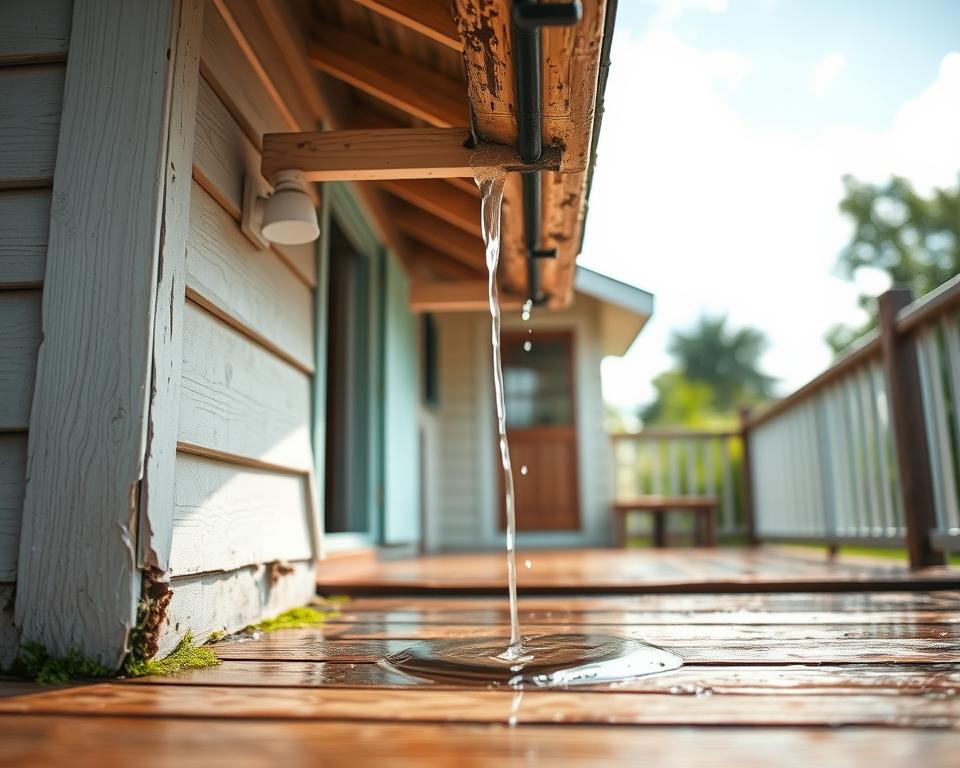
Leaks can be a significant issue, causing damage to the structure and contents of your summerhouse. To address leaks, first identify the source: check the roof, walls, and windows. Use a waterproof sealant to repair any gaps or cracks. Ensure that your gutter system is clear and functioning properly to prevent water accumulation.
Addressing Mould and Mildew Problems
Mould and mildew thrive in damp environments. To combat these issues, improve ventilation by installing vents or ensuring that windows can be opened. Use a mould-killing solution on affected areas, and consider using a dehumidifier to reduce moisture levels.
Fixing Draught and Cold Spot Issues
Draughts and cold spots can make your summerhouse uncomfortable. Check for gaps around doors and windows, and seal them using draught-proofing materials. Consider upgrading to double glazing for better insulation. Ensure that your summerhouse is well-insulated, especially if it’s used during colder months.
When to Call in Professional Help
While many issues can be resolved through DIY troubleshooting, some problems may require professional assistance. If you’re dealing with significant structural damage, persistent issues despite your best efforts, or if you’re unsure about how to proceed, it’s time to call in the experts. Professionals can provide a thorough assessment and implement necessary repairs.
| Issue | DIY Solution | Professional Help |
|---|---|---|
| Leaks | Seal gaps and cracks, clear gutters | Significant water damage, complex roofing issues |
| Mould/Mildew | Improve ventilation, use mould-killing solution | Severe infestation, health concerns |
| Draughts/Cold Spots | Draught-proofing, double glazing | Complex insulation issues, significant heat loss |
Conclusion: Ensuring Long-Term Protection for Your Summerhouse
Protecting your summerhouse from the elements is crucial for its longevity. By following the steps outlined in this article, you can ensure your summerhouse remains a comfortable and enjoyable space for years to come. Regular summerhouse maintenance is key to preventing damage and reducing the need for costly repairs.
Long-term protection involves more than just initial waterproofing and weatherproofing; it requires ongoing care and attention. This includes regular inspections, timely repairs, and the application of protective treatments as needed. By adopting a proactive approach to maintenance, you can extend the life of your summerhouse and maintain its appearance.
Remember, the British climate can be harsh, with frequent rain and variable temperatures. Your summerhouse needs to be resilient to withstand these conditions. By prioritizing long-term protection and incorporating it into your summerhouse maintenance routine, you can enjoy your outdoor space without worrying about the weather.
FAQ
What is the importance of waterproofing my summerhouse?
Waterproofing your summerhouse is crucial to protect it from the elements, particularly the British climate, which can cause damage and deterioration if not properly addressed.
How do I assess the current condition of my summerhouse?
To assess your summerhouse’s condition, inspect it for existing damage, check for rot and decay, identify leaks and water ingress, and create a maintenance checklist to prioritise urgent repairs.
What are the essential tools and materials needed for waterproofing and weatherproofing?
You will need basic tools, recommended waterproofing products such as preservatives and treatments, sealants and caulking, weatherproofing materials like insulation options, and draught-proofing supplies.
How do I prepare my summerhouse for treatment?
Prepare your summerhouse by thoroughly cleaning it, removing algae and moss, treating mould and mildew, making necessary repairs and replacements, and ensuring optimal weather conditions for treatment.
What is the difference between waterproofing and weatherproofing?
Waterproofing focuses on preventing water ingress, while weatherproofing involves protecting your summerhouse from various weather conditions, including wind, rain, and extreme temperatures.
How can I protect the foundation and base of my summerhouse?
Ensure proper drainage around your summerhouse using French drains, soakaways, gravel beds, and drainage channels, and consider damp-proofing techniques and raising the structure off the ground.
What are the best methods for protecting the walls of my summerhouse?
Use wooden wall treatments and preservatives, deal with different types of cladding, and consider external wall insulation options to protect your summerhouse’s walls.
How can I waterproof the roof of my summerhouse?
Use felt roofing solutions like torch-on felt or self-adhesive felt, consider shingle and tile options, and ensure proper management of roof joints, edges, and flashings, as well as gutter systems and rainwater management.
What are the best ways to protect the windows and doors of my summerhouse?
Use sealing techniques for frames, draught-proofing methods, upgrade hardware for better weather resistance, and consider double glazing to protect your summerhouse’s windows and doors.
How can I deal with condensation inside my summerhouse?
Manage condensation by ensuring proper ventilation, using interior wall treatments and finishes, and protecting floors from moisture with vapour barriers and suitable flooring materials.
What are the eco-friendly options for waterproofing and weatherproofing my summerhouse?
Consider using natural products like linseed oil and beeswax, natural paints and stains, and sustainable materials for repairs to reduce your environmental impact.
When should I call in professional help for my summerhouse?
Seek professional assistance if you encounter persistent leaks, mould, or mildew problems, or if you are unsure about how to address specific issues or need help with complex repairs.