What Is Pressure Treatment and How Does It Protect Wood?
Timber, a renewable building material, is susceptible to biological and insecticidal deterioration when exposed to high moisture or ground contact.
Without protection, most wood species can succumb to termite or fungi attacks within five to eight years, significantly reducing their longevity.
Pressure treatment is a crucial preservation technique that extends the service life of timber used outdoors, particularly in garden buildings such as sheds, fencing, and decking.
This process involves forcing preservative chemicals into the wood’s cellular structure, creating a barrier against rot and decay.
Inhaltsverzeichnis
Key Takeaways
- Pressure-treated timber can last 20-25 years or more in moist environmental conditions.
- The treatment enhances wood resistance to rot, decay, and insect infestation.
- Understanding pressure treatment helps consumers make informed decisions for outdoor building projects.
- The process involves forcing preservative chemicals deep into the timber‘s cellular structure.
- Pressure treatment is essential for extending the longevity of outdoor wood structures.
The Science Behind Wood Vulnerability
Wood, as a natural material, has several intrinsic weaknesses that make it susceptible to various forms of deterioration. Its cellular structure is designed to absorb and release moisture, a trait that, while beneficial in its natural state, becomes a liability when wood is used in construction or furniture making.
Natural Vulnerabilities of Untreated Wood
Untreated wood is highly vulnerable to environmental conditions. Its hygroscopic nature means it absorbs and releases moisture, leading to dimensional changes, warping, and cracking. This is particularly problematic when wood is exposed to fluctuating environmental conditions, such as changes in humidity and temperature.
Common Threats to Wood Structures
Moisture creates an ideal environment for fungal growth, which breaks down the cellulose and lignin in wood, causing rot and decay. Additionally, insects such as termites and beetles are attracted to damp wood, further compromising its integrity. Environmental factors like UV radiation from the elements and precipitation also accelerate the deterioration process. Understanding these vulnerabilities is crucial for appreciating the need for protective treatments to safeguard wood used in outdoor applications.
What Is Pressure Treatment and How Does It Protect Wood?
Pressure treatment enhances the durability of timber by forcing preservative chemicals deep into its structure. This industrial process is crucial for protecting wood from decay, insect damage, and other forms of degradation. By understanding how pressure treatment works, we can appreciate its significance in construction and wood preservation.
The Pressure Treatment Process Explained
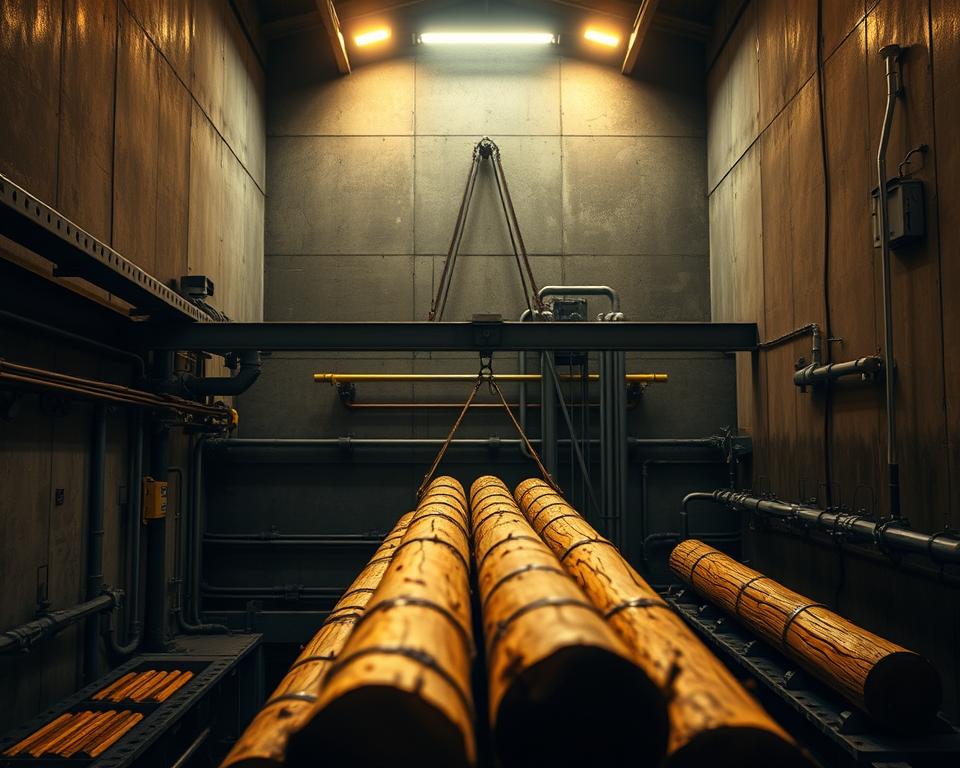
The pressure treatment process involves several key steps. Initially, timber is prepared by debarking and incising to allow better penetration of preservatives. The wood is then loaded into large horizontal cylinders, which can be up to 150 feet long and 7 feet in diameter. These cylinders are flooded with a preservative solution, followed by a cycle of vacuum and pressure to force the chemicals deep into the wood’s cellular structure.
Full-Cell vs Empty-Cell Treatment Methods
There are two primary methods of pressure treatment: full-cell and empty-cell processes. The full-cell method, also known as the Bethell process, involves filling both the cell walls and lumens of the wood with preservative chemicals. In contrast, the empty-cell process focuses on treating just the cell walls, leaving the lumens relatively empty. The choice between these methods depends on the intended use of the timber and the level of protection required.
The full-cell process provides maximum protection against decay and insects, making it suitable for applications where the timber will be in direct contact with the ground or exposed to high moisture levels. On the other hand, the empty-cell process is often used for applications where slightly less protection is needed, offering a more economical solution without compromising significantly on durability.
The Role of Copper in Modern Pressure Treatment
Copper has become a critical component in modern wood preservatives since the mid-2000s. Its effectiveness in halting the growth of fungi and microbes, as well as deterring insects, has made it an indispensable element in pressure treatment. Copper-based preservatives not only provide long-lasting protection but also result in timber having a characteristic green tint, which fades to a natural brown color over time.
The use of copper in pressure treatment has transformed the industry, offering enhanced protection and durability for timber used in various applications. As a result, pressure-treated timber remains a popular choice for construction projects requiring robust and long-lasting wood products.
Types of Wood Preservatives and Their Applications
Wood preservatives play a vital role in the pressure treatment process, safeguarding timber against various threats and ensuring its durability. The effectiveness of pressure treatment largely depends on the type of preservative used and the quality of the treatment process.
Tar Oil-Based Preservatives
Tar oil-based preservatives, such as creosote, have been widely used for many years to protect timber. Creosote is particularly effective for applications like railway sleepers and utility poles due to its long-lasting protection against rot and insects. However, it has limitations, including a strong odor and potential environmental concerns, making it less suitable for residential use.

Oil-Borne Preservatives
Oil-borne preservatives, including pentachlorophenol (PF), are used to treat wood products, especially for commercial applications. These preservatives offer effective protection against decay and insects. However, handling treated products requires careful safety precautions to minimize exposure to potentially hazardous chemicals.
Water-Borne Preservatives
Water-borne preservatives, such as copper-based treatments (CCA, ACZA, ACA), have been extensively used in the wood processing industry. These preservatives have evolved over time, with regulatory changes affecting their use in residential applications. Copper-based treatments remain popular due to their effectiveness in protecting timber from various threats.
Understanding Retention Levels and Treatment Quality
The quality of the treatment process is significantly influenced by the retention level of the preservative in the wood. Retention levels are measured in pounds per cubic foot (lb/ft³) or kilograms per cubic meter (kg/m³). Different applications require different retention levels based on exposure conditions, such as ground contact, above ground, or marine environments. Consumers can identify quality pressure-treated timber through industry stamps and markings that indicate the type of preservative and retention level.
By understanding the different types of wood preservatives and their applications, as well as the importance of retention levels, consumers can make informed decisions when selecting pressure-treated timber for their projects.
Practical Considerations for Pressure-Treated Timber
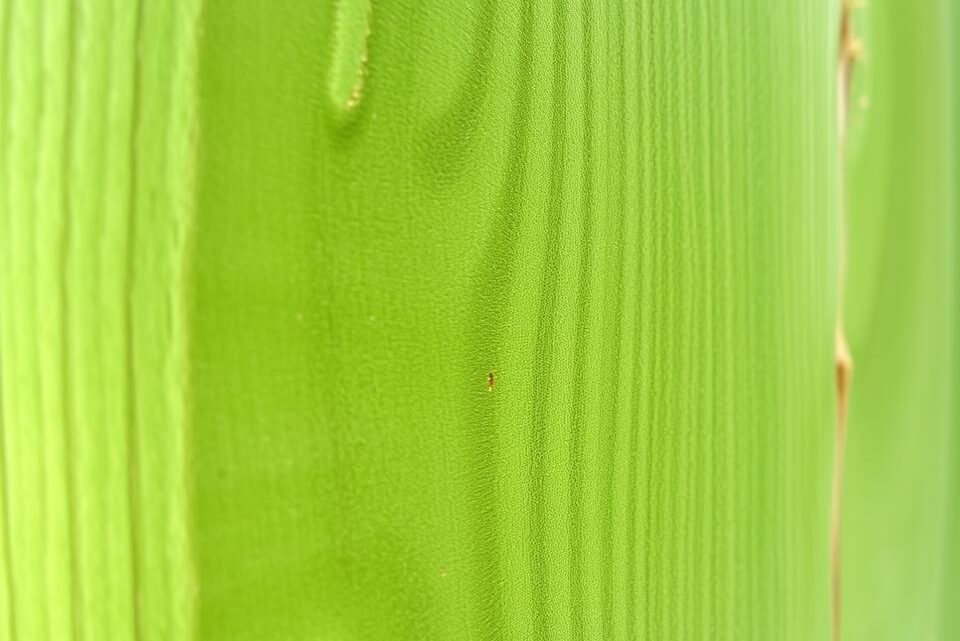
When using pressure-treated timber, several practical considerations must be taken into account to ensure its longevity and performance. Pressure-treated wood undergoes a transformation after treatment, initially displaying a green hue due to the copper in the solution reacting with the air. Over time, this tint fades to the original sandy-brown colour of natural softwood, indicating that the wood is not mouldy but simply evolving.
Identifying Properly Treated Wood
To identify properly treated wood, look for visual indicators such as the initial green tint or the eventual return to a sandy-brown colour. Additionally, check for end tags, stamps, and incision marks that indicate the type of treatment and retention level. These markers are crucial in verifying that the timber has been treated according to the required standards.
Painting and Finishing Pressure-Treated Wood
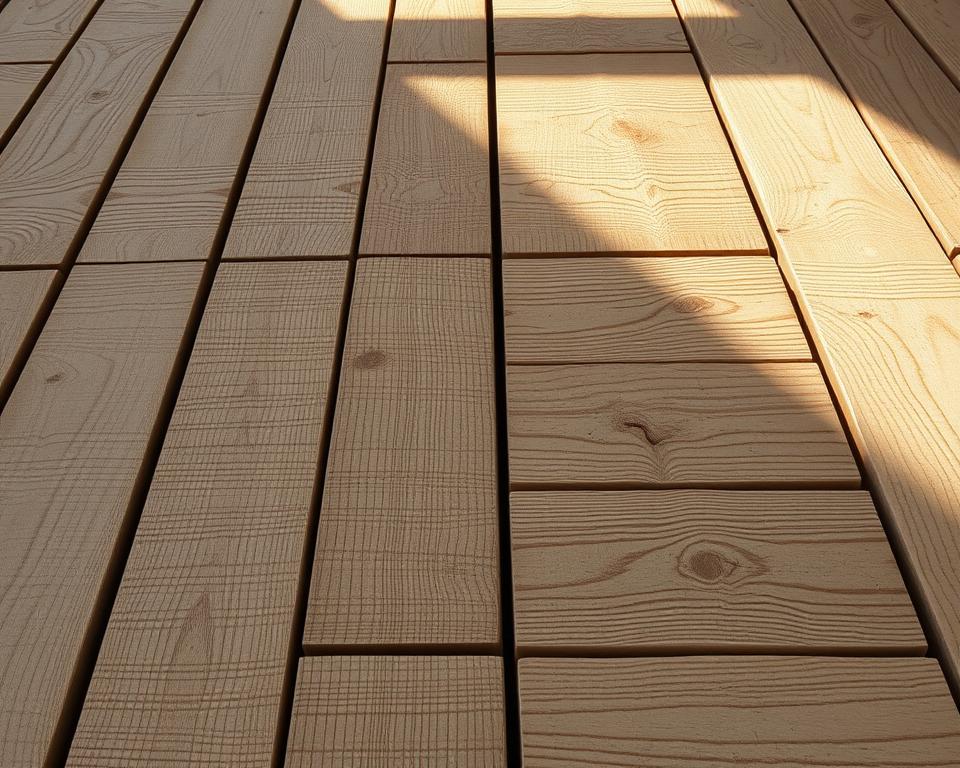
Pressure-treated timber can be painted or stained to customise its appearance. However, it is crucial to ensure that the wood is completely dry before applying any finishes. The moisture content should be below 19% to prevent issues with oil-based or water-based paints not adhering properly. Allowing the timber to dry thoroughly after treatment is essential before using it in construction projects.
Longevity and Maintenance Requirements
The longevity of pressure-treated timber varies depending on its application. For ground contact, it can last 15-25 years, while above-ground uses can extend its lifespan to 30 years or more. Regular maintenance, including inspection, cleaning, and application of water repellents every 1-2 years, is recommended to maximise its durability. Environmental factors such as sun exposure, rainfall, and soil contact can affect its lifespan, and consumers can take steps to mitigate these effects.
| Application | Expected Longevity | Maintenance Requirements |
|---|---|---|
| Ground Contact | 15-25 years | Regular inspection and cleaning, water repellent application every 1-2 years |
| Above-Ground | 30+ years | Regular inspection, occasional cleaning |
By understanding these practical considerations, users can ensure that their pressure-treated timber remains durable and performs well over time.
Conclusion
The benefits ofpressure treatmentfortimberare multifaceted, providingprotection, durability, and reduced maintenance for outdoor projects. By choosing the right type ofpressure-treated timberbased on exposure conditions and required retention levels, homeowners can ensure their garden structures and outdoor applications last for years.
Proper installation and basic maintenance will maximize the performance and lifespan of pressure-treated timber in garden buildings, sheds, fencing, and decking. While pressure-treated timber may have a higher initial cost, it represents better value over time due to its extended lifespan and reduced maintenance requirements.
The environmental benefits of using pressure-treated wood products should not be overlooked, as their longevity reduces the need for frequent replacement and conserves timber resources. For those planning their next garden building or outdoor timber project, considering pressure-treated options is a sound long-term investment.
FAQ
What is the typical lifespan of pressure-treated timber in outdoor applications?
The lifespan of pressure-treated timber varies depending on factors such as the type of preservative used, the level of moisture exposure, and the environmental conditions. Generally, it can last for 20 to 40 years or more with proper maintenance.
Can pressure-treated wood be used for garden beds and vegetable gardens?
Yes, pressure-treated wood can be used for garden beds, but it’s essential to choose timber treated with water-borne preservatives, which are considered safer for use in gardens. However, it’s still crucial to follow the manufacturer’s guidelines and take necessary precautions.
How do I identify if timber has been properly pressure-treated?
Properly pressure-treated timber is typically stamped or labelled with information about the preservative used, the retention level, and the treatment quality. Look for these markings to ensure the timber has been treated to the required standards.
Can I paint or finish pressure-treated wood?
Yes, pressure-treated wood can be painted or finished, but it’s crucial to wait until the timber is fully dry and the moisture content is below 20%. Use a suitable primer and follow the manufacturer’s recommendations for the best results.
What are the benefits of using copper-based preservatives in pressure treatment?
Copper-based preservatives offer excellent protection against rot, decay, and insect damage. They are widely used in modern pressure treatment due to their effectiveness and relatively low toxicity.
How does the pressure treatment process work?
The pressure treatment process involves placing timber in a sealed chamber, where a vacuum is applied to remove air from the wood cells. The preservative is then forced into the timber under pressure, ensuring deep penetration and effective protection.