Best Indoor Crops You Can Grow At Home
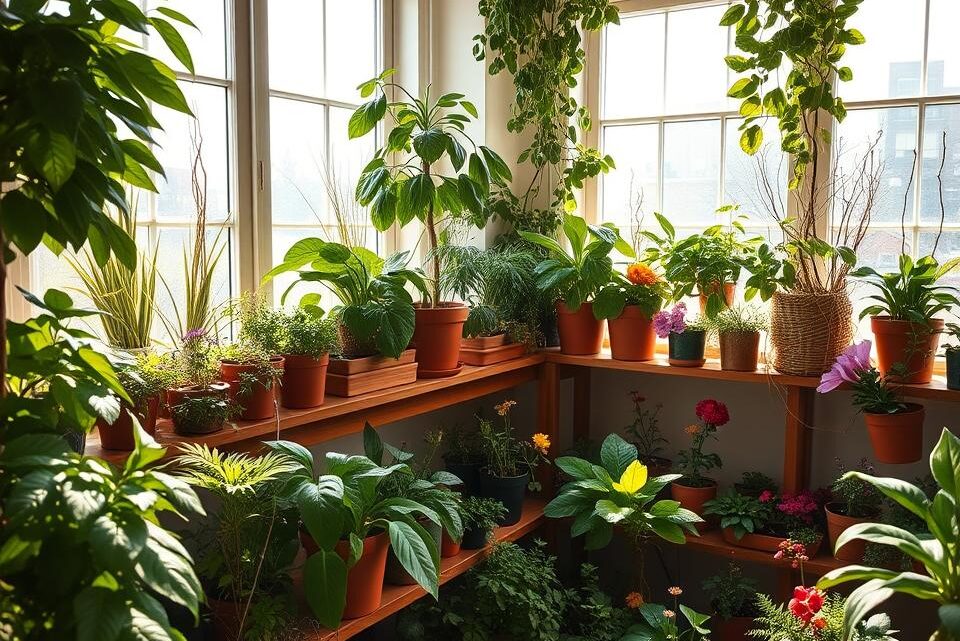
Growing plants indoors is an excellent way to have fresh produce all year round, regardless of the climate or season outside. For those with limited outdoor space or a desire to cultivate food year-round, indoor gardening offers a practical solution.
Many types of plants can thrive in indoor environments, from easy-to-grow herbs and leafy greens to more ambitious projects like fruiting vegetables and even indoor fruit trees. This comprehensive guide will explore the most successful edible plants that can be grown inside, providing practical advice on essential growing conditions, container selection, and maintenance requirements.
Inhaltsverzeichnis
Key Takeaways
- Growing plants indoors provides fresh produce year-round.
- Easy-to-grow herbs and leafy greens are ideal for indoor gardening.
- Proper growing conditions and container selection are crucial for success.
- Indoor gardening allows for cultivation regardless of climate or season.
- A variety of plants can thrive in indoor environments.
Why Growing Crops Indoors Is Worth Your Time
The advantages of growing crops indoors are numerous and significant. Indoor gardening allows individuals to cultivate a wide range of crops, regardless of the external weather conditions or seasons. This method of gardening provides several benefits that make it an attractive option for many.
Year-Round Harvesting Potential
Indoor gardening offers the significant advantage of year-round harvesting, enabling you to grow and enjoy fresh produce throughout the year, even in the middle of winter. By controlling the environment, you can ensure optimal growing conditions for your plants.
Control Over Growing Conditions
Growing crops indoors gives gardeners unprecedented control over environmental factors like temperature, humidity, and light exposure. This control creates optimal growing conditions for each plant variety, allowing for healthier and more productive crops.
Space Efficiency for Small Homes
For those with limited outdoor space, indoor gardening offers an efficient solution to grow food in apartments, small homes, or urban environments. This method allows individuals to make the most of their available space and time to grow their own crops, shielded from unpredictable weather patterns.
- Indoor gardening eliminates common outdoor challenges such as unpredictable weather patterns and pest infestations.
- The psychological benefits of indoor gardening include improved mood and reduced stress.
Essential Requirements for Indoor Gardening Success
Indoor gardening success hinges on understanding and meeting the essential needs of your plants. To create a thriving indoor garden, several key factors must be considered.
Lighting Needs for Indoor Plants
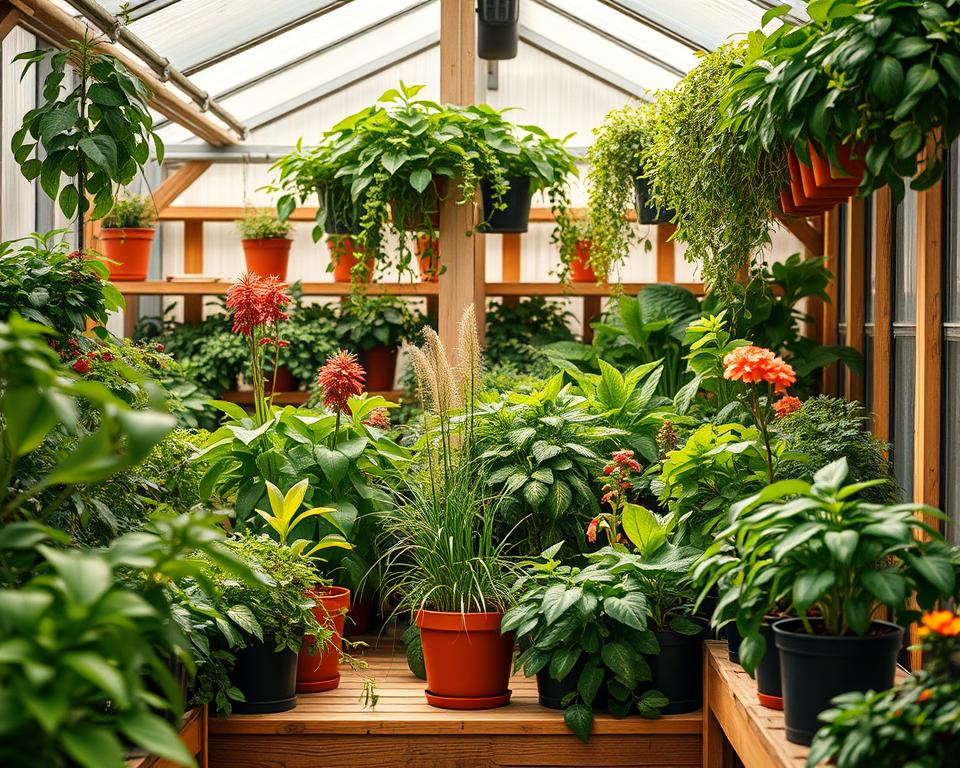
Adequate light is crucial for the growth of indoor plants. Most edible plants require 6-8 hours of direct light daily. Placing them near a south-facing window is ideal, but if this isn’t possible, consider using supplemental lights to make up for the deficiency.
Temperature and Humidity Considerations
Maintaining the right temperature and humidity levels is vital. Most plants thrive in temperatures between 18-24°C (65-75°F). Ensure proper air circulation to prevent issues like root rot and fungal problems.
Choosing the Right Containers
Selecting the appropriate containers or pots is essential for plant health. Ensure they have proper drainage to prevent waterlogged soil. The size of the containers should be chosen based on the type of crop; for example, deeper pots are better for root vegetables.
Soil and Fertiliser Requirements
Using quality potting soil that is specifically formulated for container gardening is crucial. Unlike garden soil, it provides the right structure and nutrient balance. Make sure to fertilise your indoor plants more frequently than outdoor ones, using organic, slow-release fertilisers.
By focusing on these essential requirements, you can create a productive and healthy indoor garden.
Best Indoor Crops You Can Grow At Home
The versatility of indoor gardening allows individuals to cultivate a diverse array of crops, regardless of the season. This flexibility is particularly beneficial for those with limited outdoor space or in areas with harsh climates.
What Makes a Crop Suitable for Indoor Growing
Crops that are ideal for indoor growing typically possess certain characteristics. These include compact growth habits, tolerance for container life, reasonable light requirements, and manageable maturation periods. Plants that remain relatively small or can be trained vertically are particularly suitable for home environments.
- Compact growth habits
- Tolerance for container life
- Reasonable light requirements
- Manageable maturation periods
Categories of Indoor Crops
Indoor crops can be categorised into five main groups: herbs, leafy greens, root vegetables, fruiting vegetables, and fruits. Each category has different requirements and challenges. Understanding the growth habits and specific needs of these categories helps in creating an efficient indoor garden system that maximises production in limited space.
| Crop Category | Examples | Light Requirements |
|---|---|---|
| Herbs | Basil, Mint | Moderate to Bright |
| Leafy Greens | Lettuce, Spinach | Low to Moderate |
| Root Vegetables | Carrots, Radishes | Low |
Growing plants indoors is a great way to grow indoors and enjoy fresh produce year-round. By choosing the right vegetables and following proper growing techniques, individuals can successfully grow plants indoors.
Herbs: The Perfect Starter Crops
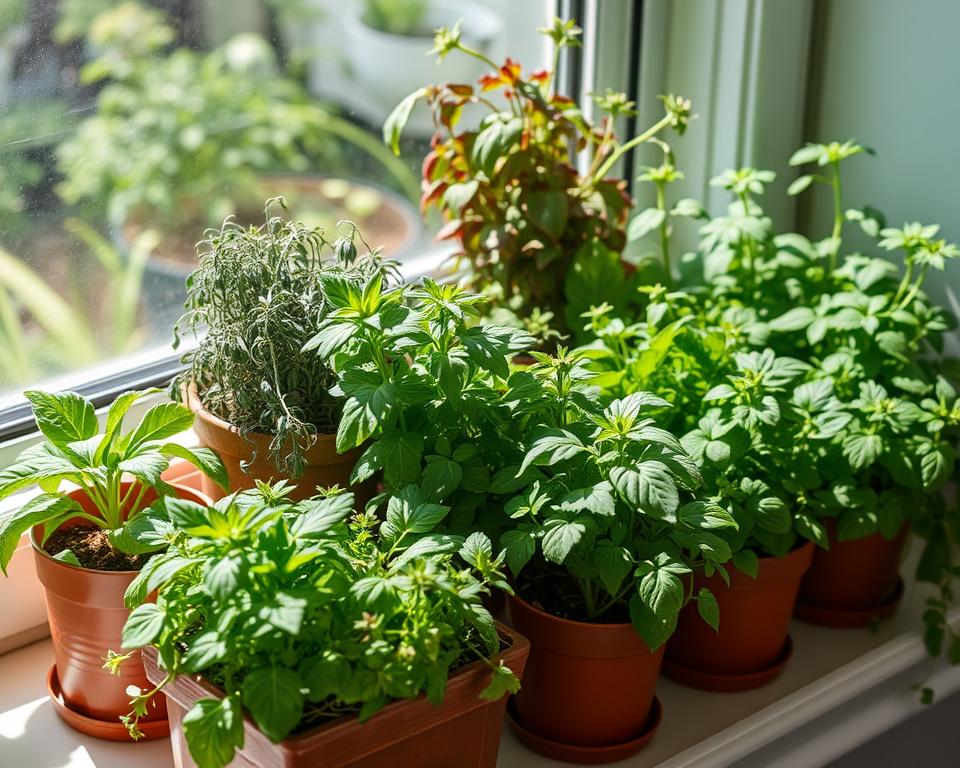
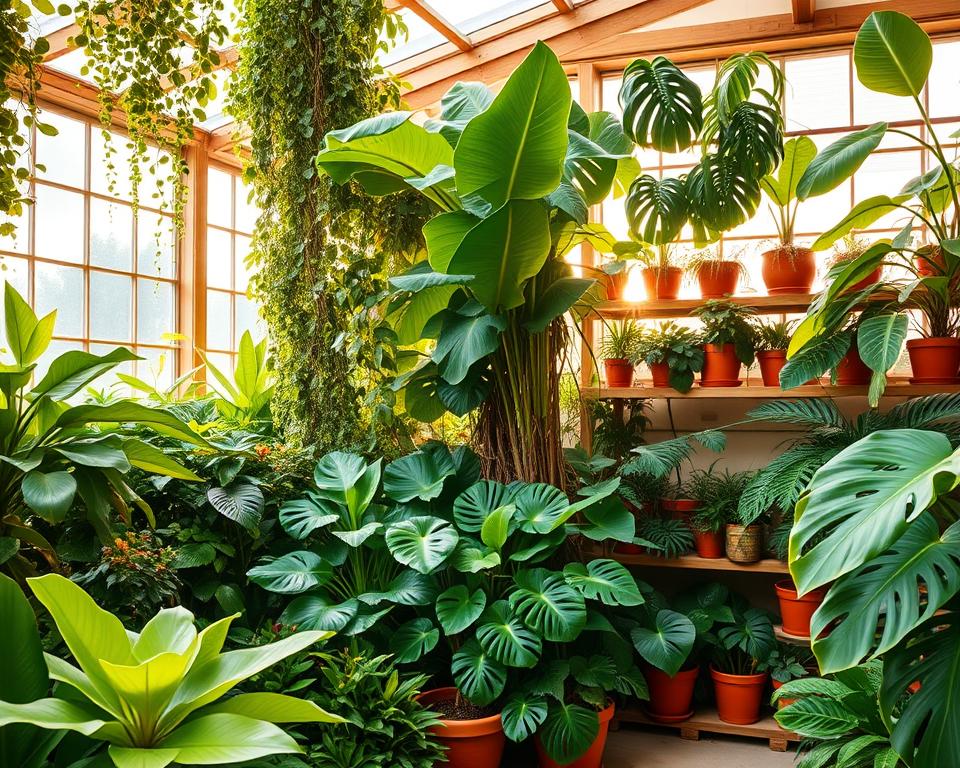
For those new to indoor gardening, herbs are an ideal starting point due to their ease of growth and compact nature. Herbs such as basil, parsley, cilantro, chives, oregano, mint, and rosemary are well-suited for indoor growing and can thrive year-round with proper care.
Basil: The Kitchen Essential
Basil is one of the easiest herbs to grow indoors. Its seeds germinate quickly in moist conditions, and the plants produce abundant aromatic leaves that can be harvested continuously for months. To get started, sow basil seeds about 6 weeks before moving them outside.
Mint: The Prolific Grower
Mint is exceptionally prolific in indoor settings, often outgrowing its container. This aggressive growth habit makes it perfect for beginners who want quick results and frequent harvests. Regular pruning is necessary to keep mint under control.
Parsley and Cilantro: The Flavour Enhancers
Parsley and cilantro offer excellent flavour enhancement for cooking. They are relatively straightforward to grow from seed, though cilantro tends to bolt quickly in warmer indoor conditions. Regular harvesting encourages new growth.
Chives and Oregano: The Low-Maintenance Options
Chives and oregano represent the most low-maintenance herb options. They tolerate varying light conditions and require minimal care while providing consistent harvests for months. These plants are perfect for those who want to enjoy fresh herbs with minimal fuss.
To get started with growing herbs indoors, ensure they receive direct sunlight and maintain consistent moisture without overwatering. Regular harvesting by taking just a few leaves or stems at a time encourages bushier growth and extends the productive life of the plants. Starting with seedlings can also give your herbs a head start.
Leafy Greens for Fresh Salads Year-Round
Leafy greens are a fantastic choice for indoor gardening, providing a constant supply of fresh salad ingredients. They are among the most space-efficient and productive indoor crops, thriving in containers as shallow as 15cm deep.
Lettuce Varieties for Indoor Growing
Various lettuce varieties perform exceptionally well indoors, particularly loose-leaf types that allow for continuous “cut-and-come-again” harvesting. These varieties are ideal for indoor gardens, providing a bountiful harvest of fresh lettuce.
Spinach and Kale: Nutrient Powerhouses
Spinach and kale offer exceptional nutritional density and can be grown year-round indoors. They typically require more light than lettuce to prevent leggy growth, making them a great choice for sunny windowsills.
Microgreens: Quick and Nutritious
Microgreens represent the quickest indoor crop, ready to harvest in just 7-14 days. They provide intense flavour and concentrated nutrients, making them a popular choice for salad enthusiasts.
Harvesting Techniques for Continuous Growth
Proper harvesting techniques for leafy greens, such as removing only outer leaves and leaving the growing centre intact, can extend production for months from a single planting. This method ensures a continuous supply of fresh greens.
Root Vegetables That Thrive Indoors
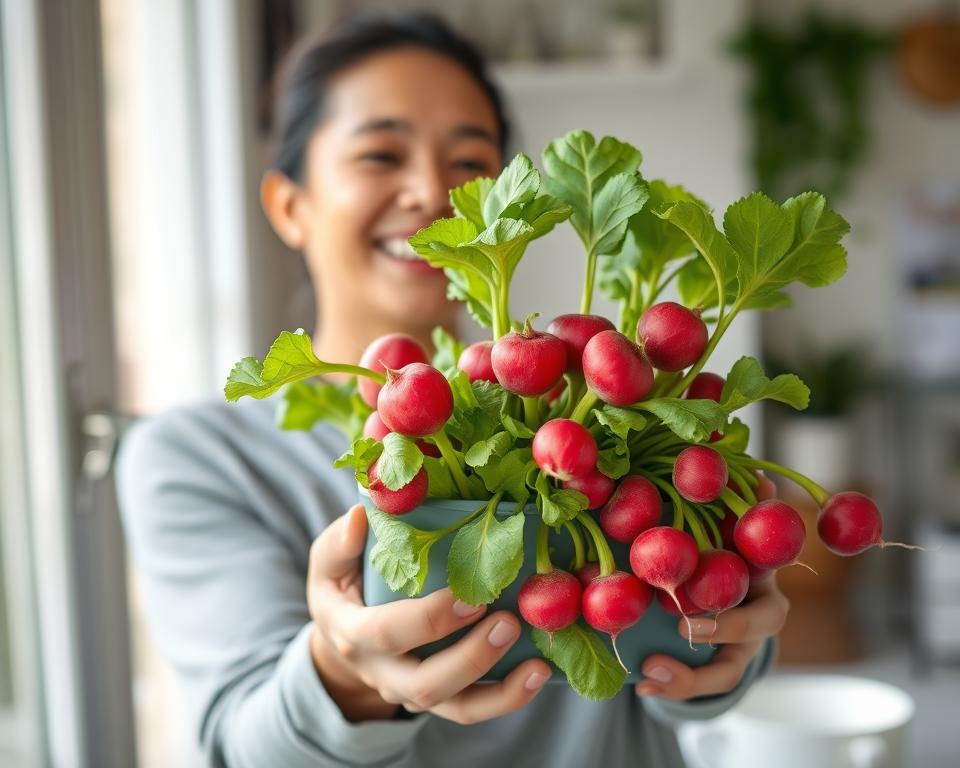
For those looking to grow root vegetables indoors, selecting the right variety is crucial for success. Root vegetables can be successfully grown indoors with proper container selection, with depth being the most critical factor.
Carrots: Choosing the Right Varieties
Smaller carrot varieties like ‘Paris Market’, ‘Thumbelina’, and ‘Romeo’ are ideal for indoor growing as they require less depth and mature more quickly than standard varieties. They need at least 12 inches of container depth and 4-5 hours of sunlight.
Radishes: The Speedy Growers
Radishes are the fastest-growing root vegetables for indoor gardens, with some varieties ready to harvest in as little as 21-30 days. They require 6-8 hours of sunlight and a container of at least 6 inches deep with well-drained, loose soil.
Container Depth Requirements
The depth of the container varies significantly among root vegetables: radishes need only 15cm (6 inches), while carrots require at least 20-30cm (8-12 inches) depending on the variety. Ensuring the right depth is crucial for healthy root development.
Harvesting Baby Roots for Space Efficiency
Harvesting root vegetables as “baby” versions not only saves space but often results in sweeter, more tender produce. This technique allows for more frequent succession planting, making the most of indoor growing spaces.
Fruiting Vegetables for Indoor Gardens
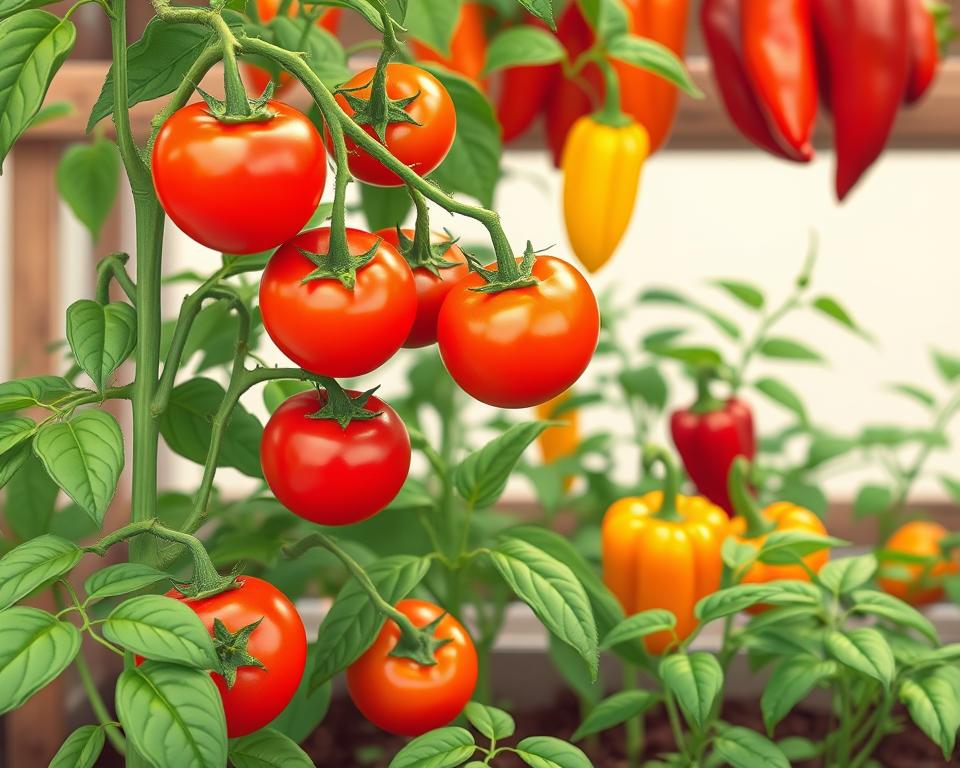
Fruiting vegetables can thrive in indoor environments, provided they receive the necessary light and care. To achieve a successful harvest, it’s crucial to understand the specific needs of these plants.
Cherry Tomatoes: Compact and Productive
Cherry tomatoes are ideal for indoor growing due to their compact growth habit and high productivity. Varieties like ‘Tiny Tim’ and ‘Micro Tom’ are developed specifically for container growing, making them perfect for indoor gardens.
Chilli and Sweet Peppers: Adding Colour and Flavour
Chilli and sweet peppers thrive in the warm, stable conditions of indoor environments. Compact varieties like ‘Redskin’ and ‘Lunchbox’ peppers are particularly suitable, adding colour and flavour to various dishes.
Pollination Techniques for Indoor Fruiting Plants
Indoor fruiting plants often require manual pollination since natural pollinators are absent. This can be accomplished using a small brush to transfer pollen between flowers or by gently shaking plants during flowering.
Support Systems for Climbing Varieties
Support systems are essential for many fruiting vegetables, with tomato cages, trellises, or stakes helping to maximise vertical space and prevent stem damage from heavy fruit.
To summarise, fruiting vegetables require careful attention to light, soil, and support. By understanding these needs, indoor gardeners can enjoy a bountiful harvest of delicious and healthy produce.
Fruits That Can Flourish Inside Your Home
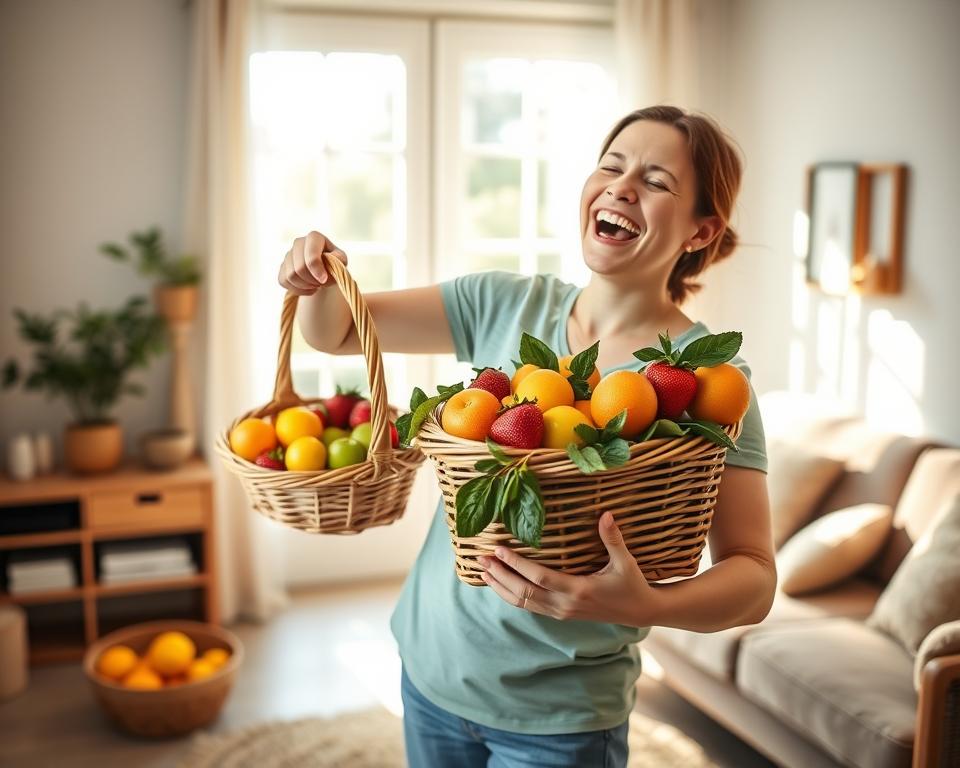
The joy of harvesting fruit from the comfort of your own home is now more accessible than ever, thanks to advancements in indoor gardening. Several fruit varieties can be successfully grown indoors, with dwarf and compact varieties specifically bred for container growing offering the best results in limited space.
Strawberries: Perfect for Windowsills
Strawberries are particularly well-suited to indoor growing, with day-neutral varieties like ‘Alpine’ and ‘Mignonette’ producing fruit year-round regardless of day length. They require minimal light and can be planted close together, making them ideal for a windowsill.
Dwarf Citrus Trees: Meyer Lemons and More
Dwarf citrus trees, particularly Meyer lemons, can thrive indoors for years, producing fragrant blossoms and edible fruit when provided with adequate light and seasonal temperature variations. They are best grown in containers that are at least 30-40cm deep.
Container Requirements for Fruit Plants
Most indoor fruit plants require containers with excellent drainage and a depth of at least 30-40cm to accommodate their root systems. Using the right pots can significantly impact the health and productivity of the plants.
Seasonal Care Tips
Seasonal care for indoor fruit plants involves mimicking natural cycles, including reduced watering in winter months and occasional exposure to cooler temperatures to trigger flowering. Moving plants outdoors during summer months can also be beneficial, provided they are gradually acclimated.
Unusual Indoor Edibles to Try
Beyond the usual suspects, there are numerous unusual edible plants that can be successfully grown indoors, offering a fresh twist on traditional gardening. These plants not only provide a unique flavour profile but also require minimal maintenance.
Mushrooms: No Light Required
Mushrooms are a unique indoor growing opportunity as they require no light whatsoever. Edible mushroom varieties like oyster, shiitake, and button mushrooms can be grown using kits available online, producing harvests in just 10-14 days. These kits can be in the form of growing logs or mushroom bags.
Sprouts and Shoots: Grow in Just Days
Sprouts and shoots grow incredibly quickly from seeds like mung beans, lentils, and alfalfa. They require only water and a jar, with harvests possible in as little as 3-5 days. This makes them an ideal crop for indoor gardening.
Ginger and Turmeric: Growing Your Own Spices
Ginger and turmeric can be grown from store-bought rhizomes placed in shallow containers. They provide both ornamental value and culinary harvests over many months, making them a great addition to any indoor garden that has enough light.
These unusual edibles often require less maintenance than conventional crops while providing unique flavours and nutritional benefits. They can be grown indoors, maximising growing space throughout the home.
Common Challenges and How to Overcome Them
Indoor gardens, while controlled, are not immune to various issues that can impact plant health and productivity. Despite the advantages of indoor gardening, several common challenges can arise, affecting the overall success of the garden.
Dealing with Pests in Indoor Gardens
Pest infestations are a significant concern for indoor gardeners. Pests such as aphids, spider mites, and fungus gnats can infest plants, requiring vigilant monitoring. Organic control methods like neem oil or insecticidal soap are effective in managing these pests. Regular inspection of plants is crucial to prevent pest-related issues.
Managing Light Deficiency in Winter
During the winter months, light deficiency becomes a significant challenge. The reduced daylight hours can affect plant growth and productivity. To combat this, using grow lights that mimic natural sunlight can be beneficial. Providing plants with about 14 hours of light each day can help maintain their health and productivity.
Preventing Root Rot and Fungal Issues
Root rot and fungal issues often result from overwatering and poor air circulation. To prevent these problems, it is essential to ensure proper watering techniques and maintain adequate ventilation. Checking the soil moisture by inserting a finger into the soil about 1-2 inches down can help determine if it’s time to water. Using a quality potting mix with good drainage can also mitigate these risks.
| Challenge | Cause | Solution |
|---|---|---|
| Pest Infestations | Aphids, Spider Mites, Fungus Gnats | Neem Oil, Insecticidal Soap, Regular Inspection |
| Light Deficiency | Reduced Daylight Hours in Winter | Grow Lights, Supplemental Lighting |
| Root Rot and Fungal Issues | Overwatering, Poor Air Circulation | Proper Watering Techniques, Quality Potting Mix |
By understanding and addressing these common challenges, indoor gardeners can create a more resilient and productive garden. Regular monitoring and adjustments to care routines can help mitigate potential issues, ensuring a successful indoor gardening experience.
Getting Started: A Step-by-Step Guide
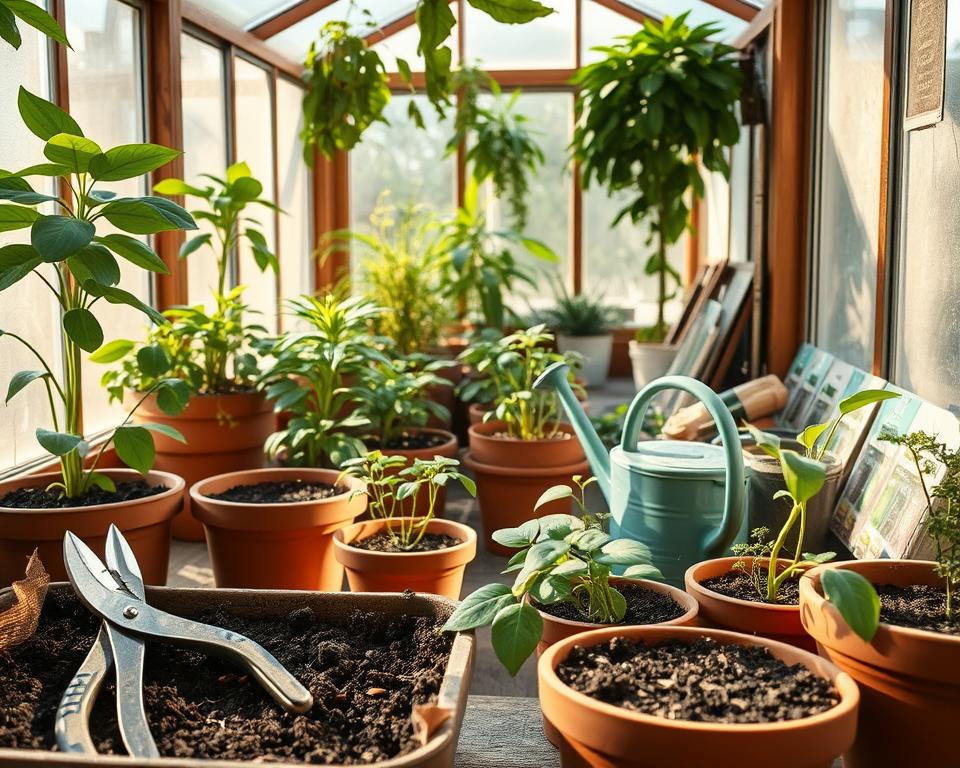
Embarking on your indoor gardening journey requires a systematic approach to ensure a bountiful harvest. To get started, it’s crucial to have the right supplies and a well-planned strategy.
Essential Supplies Checklist
To grow plants successfully indoors, you’ll need containers with draining holes and a drip tray. Terra cotta pots, plastic pots, wooden planters, and window boxes are all viable options. Make sure to fill these containers with high-quality, organic potting soil or seed-starting soil. Avoid using soil from your garden as it may contain diseases and pests.
Setting Up Your Indoor Growing Space
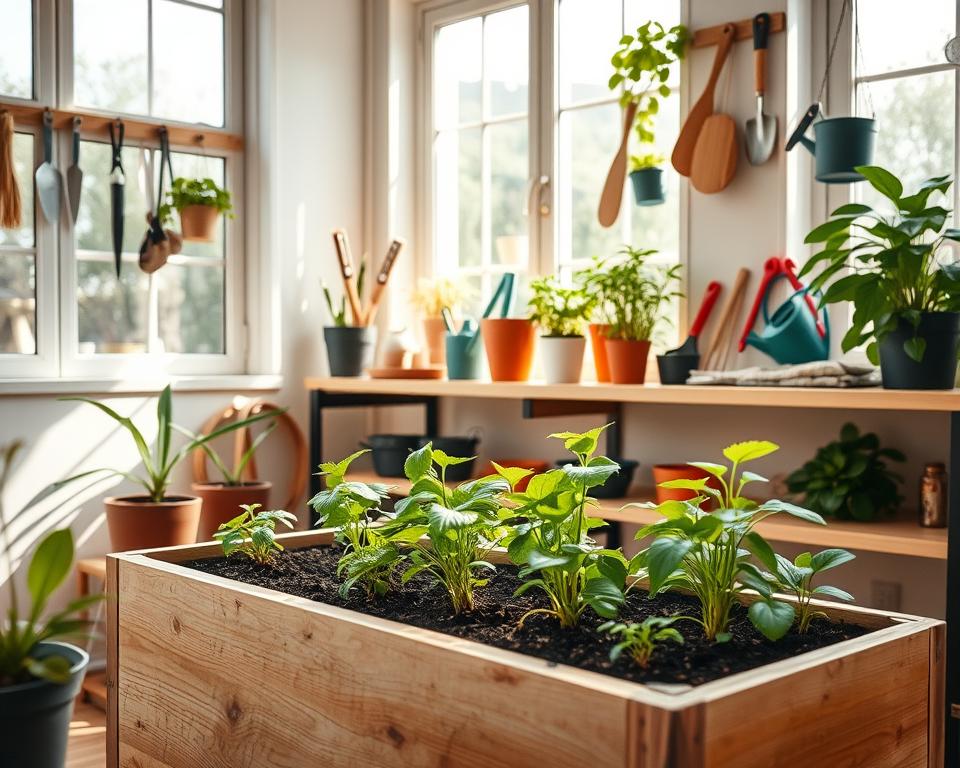
Setting up your indoor growing space involves selecting locations with adequate light and protecting surfaces from water damage. Grouping plants with similar needs together and ensuring proper air circulation are also vital. This will help create an optimal environment for your plants to thrive.
Planting and Maintenance Schedule
A planting and maintenance schedule is essential for tracking seeds sowing dates, transplanting times, fertilisation needs, and expected harvest periods. For the first few weeks, keep a close eye on your seedlings as they establish themselves. Regularly check on your plants’ condition and adjust your care routine as necessary.
Conclusion
By embracing indoor gardening, individuals can take control of their food production, regardless of their geographical location or climate. This method of gardening offers a rewarding way to grow fresh, organic produce, enhancing food security and providing numerous health benefits.
Indoor gardening allows for a diverse range of crops to be grown, from herbs and salad greens to fruiting vegetables and dwarf fruit trees. Starting with easier crops like herbs and leafy greens builds confidence and provides quick harvests, while developing the skills needed for more challenging indoor crops.
The initial investment of time and resources in setting up an indoor garden yields significant returns, including year-round access to fresh produce, reduced grocery bills, and the satisfaction of growing one’s own food. As climate uncertainty increases, the skills developed through indoor gardening represent valuable self-sufficiency that can be expanded over time.
FAQ
What are the most suitable varieties of lettuce for indoor growing?
Loose-leaf lettuce varieties such as ‘Red Leaf’ and ‘Green Leaf’ are ideal for indoor growing due to their compact growth habit and minimal light requirements.
How often should I water my indoor plants?
The frequency of watering depends on the type of plant, container size, and ambient temperature. Generally, most indoor plants require watering when the top inch of soil feels dry to the touch.
Can I grow fruiting vegetables indoors without a garden?
Yes, many fruiting vegetables such as cherry tomatoes, chillies, and sweet peppers can thrive indoors in containers, provided they receive sufficient light and are supported with a suitable trellis or cage.
What is the ideal temperature for growing herbs indoors?
Most herbs prefer daytime temperatures between 18-22°C and slightly cooler temperatures at night. Avoid placing herbs near heating or cooling vents to maintain a stable temperature.
How can I prevent pests in my indoor garden?
Inspect your plants regularly, use neem oil or insecticidal soap to control infestations, and maintain good hygiene practices, such as removing weeds and debris, to prevent pests.
Can I use LED grow lights for my indoor garden?
Yes, LED grow lights are a popular choice for indoor gardening due to their energy efficiency and customisable spectrum. They can be tailored to meet the specific needs of various plants, from seedlings to mature crops.
How deep should containers be for root vegetables?
Containers for root vegetables should be at least 15-20 cm deep to accommodate the taproot. Deeper containers are required for longer-rooted varieties like carrots.
What type of soil is best for indoor gardening?
A well-draining potting mix specifically designed for indoor plants is recommended. Avoid using garden soil from outdoors, as it can compact and prevent proper drainage.