Your Guide to the Symbolism and Spiritual Meaning of Buddha Statues
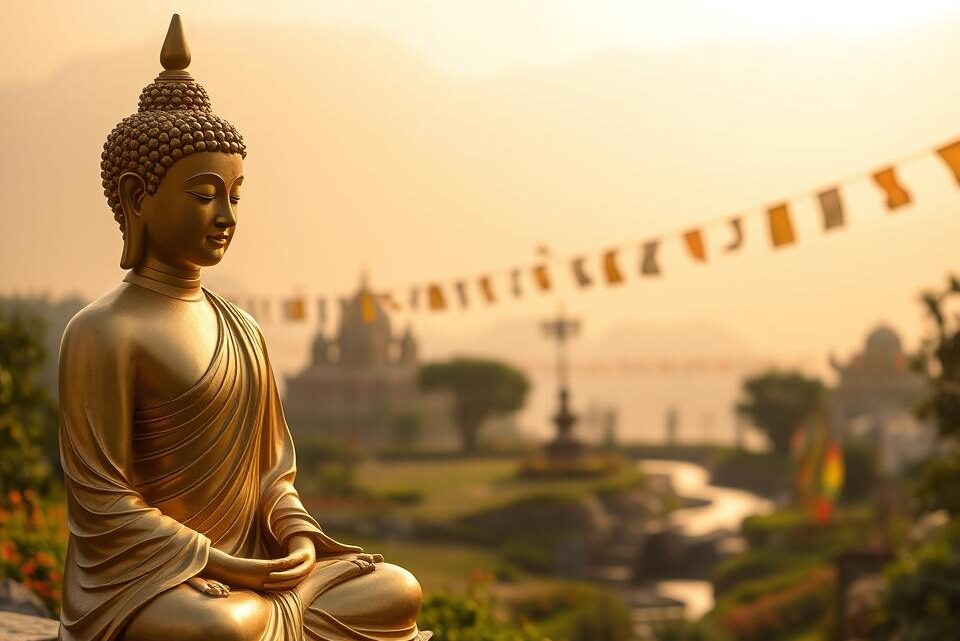
As you explore the world of Buddhist artefacts, you’re likely to be drawn to the serene presence of Buddha statues. These revered figures hold a deep spiritual significance, embodying the principles of Buddhism and offering a glimpse into the teachings of the enlightened one.
The symbolism associated with Buddha statues is multifaceted, representing various aspects of Buddhist philosophy. By understanding the spiritual meaning behind these statues, you can deepen your appreciation for the cultural and religious context in which they are revered.
Inhaltsverzeichnis
Key Takeaways
- Buddha statues embody the principles of Buddhism, offering insights into the teachings of the enlightened one.
- The symbolism of Buddha statues is complex, representing various aspects of Buddhist philosophy.
- Understanding the spiritual meaning of Buddha statues can enhance your appreciation for their cultural significance.
- Buddha statues are revered for their serene presence, reflecting the principles of mindfulness and compassion.
- The spiritual significance of Buddha statues lies in their representation of Buddhist teachings and values.
The Origins and History of Buddha Statues
As you explore the world of Buddhist art, you’ll discover that Buddha statues have a rich and varied history. The development of these statues reflects the spread of Buddhism across different cultures and geographical regions.
Early Representations of the Buddha
The earliest representations of the Buddha date back to the 1st century CE, during the Kushan period. Initially, Buddhist art avoided depicting the Buddha in human form, instead using symbols such as the Buddha’s footprint or the dharmachakra to represent him. However, as Buddhism evolved, so did its art, leading to the creation of Buddha statues that embodied the teachings and characteristics of the enlightened being.
Evolution of Buddha Imagery Across Centuries
Over the centuries, the imagery of Buddha statues has undergone significant transformations, influenced by local cultures and artistic traditions. For instance, Buddhist art in India was characterised by the Gandharan style, which was later influenced by Greek and Roman artistic techniques. As Buddhism spread to other parts of Asia, such as China, Japan, and Southeast Asia, the depiction of Buddha adapted to local aesthetics, resulting in diverse representations that are both culturally specific and spiritually meaningful.
You can observe that the evolution of Buddha imagery not only reflects the adaptability of Buddhist teachings but also the cultural exchange that occurred along the Silk Road and other trade routes. This rich history has contributed to the wide variety of Buddha statues seen today, each with its unique characteristics and symbolic meanings.
Buddha Statues and Their Meaning: Symbolism and Spiritual Significance
Buddha statues serve as visual representations of the Buddhist faith, conveying complex teachings through symbolism. These statues are not merely decorative; they embody the core principles of Buddhism, offering a tangible connection to the spiritual teachings.

Core Buddhist Principles Represented in Statues
The statues represent various aspects of Buddhist philosophy, including mindfulness, compassion, and wisdom. For instance, the serene expression on Buddha’s face symbolizes a state of inner peace and enlightenment, encouraging practitioners to cultivate these qualities.
Buddha statues often depict the Buddha in different postures and with various hand gestures, known as mudras, each carrying specific symbolic meanings. These representations help followers understand and connect with the teachings on a deeper level.
How Statues Serve as Teaching Tools
Buddha statues act as teaching tools by visually communicating the principles of Buddhism. The intricate details and poses convey complex teachings in an accessible manner, making it easier for practitioners to grasp and apply these teachings in their daily lives.
For example, a Buddha statue in the meditation posture encourages mindfulness and inner reflection. Similarly, statues depicting the Buddha’s teachings through mudras serve as reminders of the key principles of Buddhism, such as fearlessness and generosity.
By incorporating Buddha statues into their spiritual practice, individuals can enhance their understanding of Buddhist teachings and foster a deeper connection to the faith.
The Physical Characteristics of Buddha Statues
The physical attributes of Buddha statues are not merely aesthetic; they convey significant spiritual and cultural messages. As you explore these statues, you’ll notice the intricate details that characterise these sacred images, each imbued with profound meaning.
The 32 Physical Marks of a Buddha
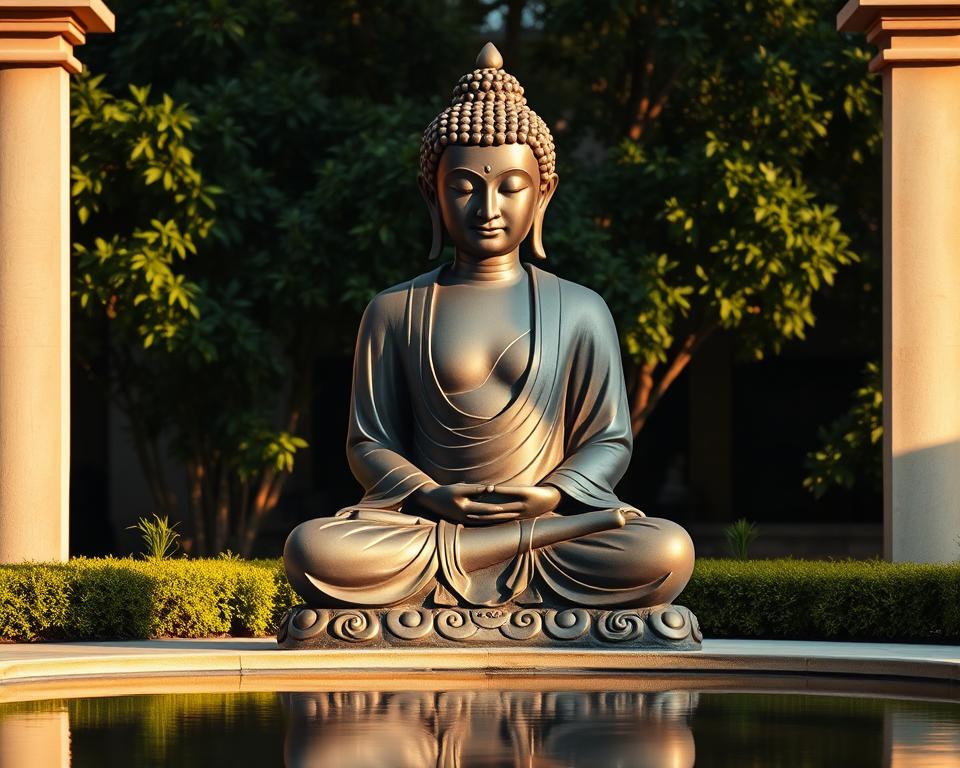
Buddha statues are often depicted with the 32 physical marks of a Buddha, which are described in ancient Buddhist texts. These marks include characteristics such as flat soles, long fingers, and a prominent cranial bump, known as the ushnisha. Each of these marks signifies the Buddha’s enlightenment and spiritual perfection.
Facial Features and Their Symbolic Meaning
The facial features of Buddha statues are also rich in symbolism. The downcast eyes represent introspection and inner peace, while the gentle smile signifies compassion and serenity. These features invite contemplation and inspire a sense of calm in those who view the statues.
The Significance of the Ushnisha (Crown Protuberance)
The ushnisha, or crown protuberance, is one of the most distinctive features of Buddha statues. It symbolises the Buddha’s heightened spiritual awareness and enlightenment. The ushnisha is often depicted as a fleshy protuberance on the top of the Buddha’s head, representing his superior wisdom and knowledge.
Understanding these physical characteristics enhances your appreciation of Buddha statues, revealing the depth of symbolism and spiritual significance they embody.
Understanding Buddha Poses (Asanas)
You can gain a deeper understanding of Buddhist principles by examining the different poses of Buddha statues. Buddha poses, or asanas, are a crucial aspect of Buddhist iconography, conveying various spiritual messages and teachings.
Seated Poses and Their Significance
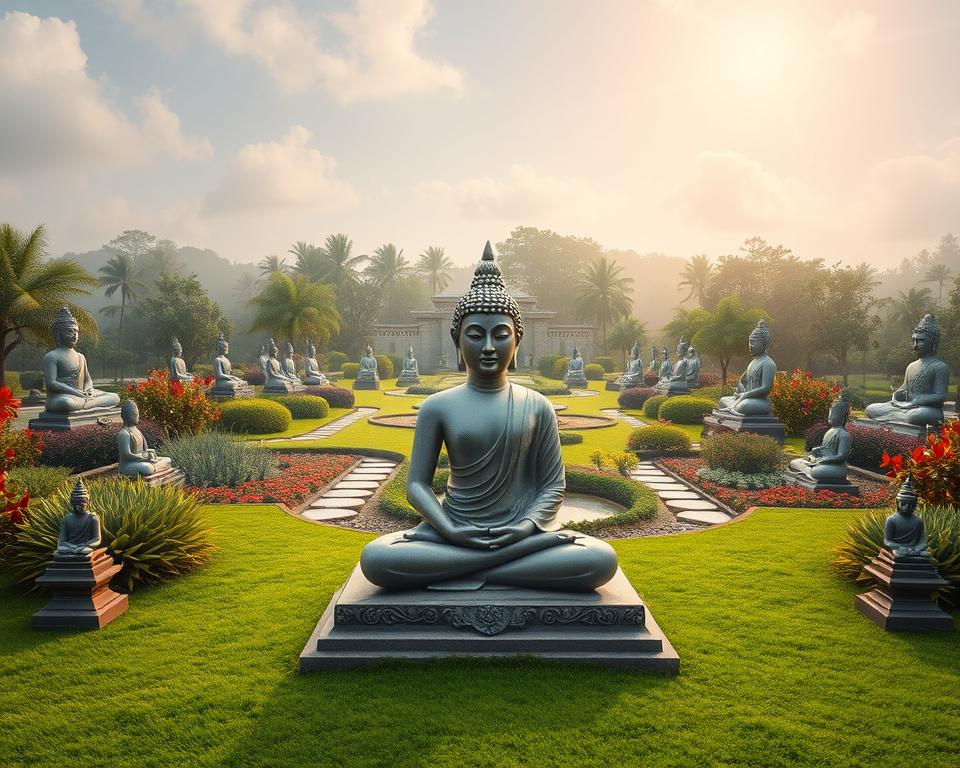
Seated Buddha statues are among the most common representations. The seated pose typically symbolizes meditation and enlightenment. The lotus position is particularly significant, representing spiritual growth and the path to enlightenment.
Standing Poses and Their Meaning
Standing Buddha statues often represent the Buddha’s presence and availability for worship. These statues can signify the Buddha’s readiness to assist devotees. The standing pose can also symbolize the Buddha’s walking towards enlightenment or his teaching.
Reclining Buddha Symbolism
The reclining Buddha, often depicted in a relaxed position, symbolizes the Buddha’s final nirvana. This pose represents the transition from a physical existence to a state of complete enlightenment and liberation.
Walking Buddha Representations
Walking Buddha statues are less common but significant. They represent the Buddha’s movement towards enlightenment or his teaching journey. This pose is often associated with the concept of progress and the path to spiritual awakening.
| Buddha Pose | Symbolism |
|---|---|
| Seated | Meditation, Enlightenment |
| Standing | Presence, Teaching, Readiness to Assist |
| Reclining | Final Nirvana, Liberation |
| Walking | Progress, Teaching Journey |
Understanding these poses can enrich your appreciation of Buddhist art and teachings, offering insights into the spiritual significance of Buddha statues.
Hand Gestures (Mudras) and Their Meanings
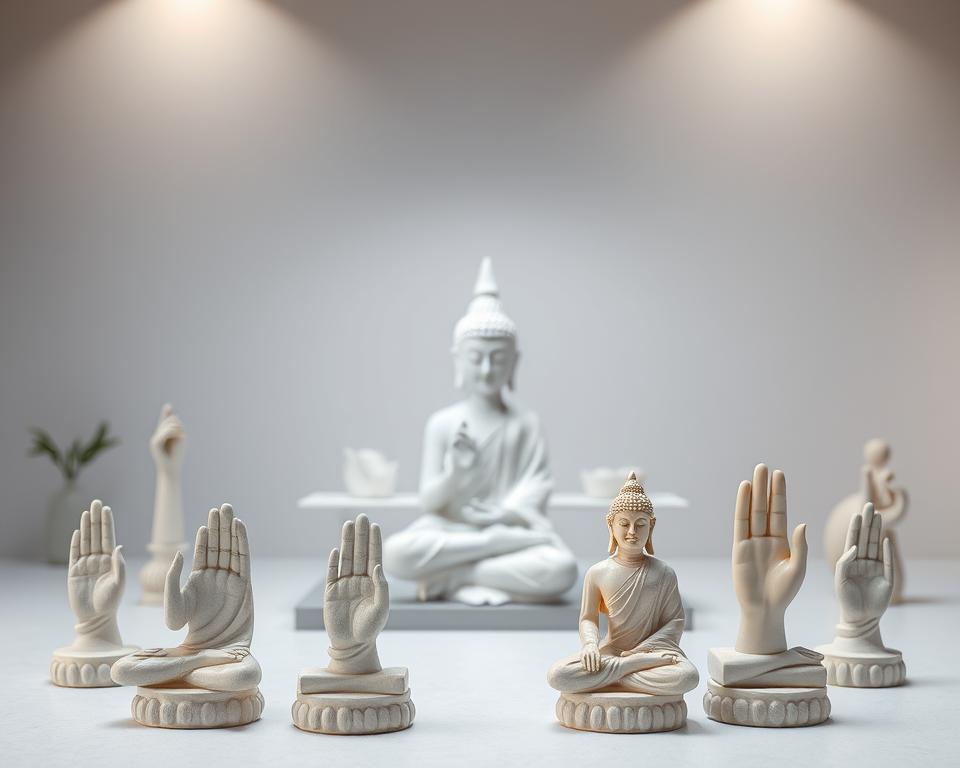
As you explore Buddha statues, you’ll notice the intricate hand gestures, or mudras, that embody different facets of Buddhist philosophy. These mudras are not merely decorative; they are symbolic representations of various aspects of Buddhist teachings and are integral to the spiritual significance of the statues.
Dhyana Mudra (Meditation)
The Dhyana Mudra, also known as the meditation mudra, is characterised by the Buddha’s hands placed in the lap, with the right hand on top of the left. This gesture symbolises deep concentration and meditation, reflecting the Buddha’s path to enlightenment.
Abhaya Mudra (Fearlessness)
The Abhaya Mudra is a gesture of fearlessness, depicted by the Buddha’s right hand raised with the palm facing outwards. This mudra is a symbol of protection and peace, reassuring followers and dispelling fear.
Bhumisparsha Mudra (Earth-Touching)
In the Bhumisparsha Mudra, the Buddha’s right hand reaches towards the ground, calling the earth to witness his enlightenment. This gesture signifies the moment of the Buddha’s awakening under the Bodhi tree.
Dharmachakra Mudra (Teaching)
The Dharmachakra Mudra represents the Buddha’s first sermon, where he taught the Dharma, or the Buddhist law. This mudra is characterised by the thumbs and index fingers forming a circle, symbolising the turning of the wheel of dharma.
Varada Mudra (Compassion)
The Varada Mudra is a gesture of compassion and generosity, often depicted with the Buddha’s right hand extended downwards. This mudra signifies the offering of blessings and the granting of wishes, embodying the compassionate aspect of the Buddha’s nature.
Understanding these mudras provides a deeper insight into the symbolism and spiritual significance of Buddha statues, enriching one’s appreciation of Buddhist art and practice.
The Significance of Different Buddha Statues
As you explore the world of Buddha statues, you’ll discover a range of representations, each with its own distinct meaning and historical context. These statues not only reflect the artistic and cultural diversity of Buddhist traditions but also embody the core teachings and principles of Buddhism.
Historical Buddha (Shakyamuni)
The Historical Buddha, also known as Shakyamuni, is one of the most revered figures in Buddhism. He is depicted in various poses and mudras, symbolizing different aspects of his teachings and life. Shakyamuni Buddha is often shown in a meditative posture, representing his enlightenment under the Bodhi Tree.
Medicine Buddha (Bhaisajyaguru)
The Medicine Buddha, or Bhaisajyaguru, is venerated for his healing powers and the ability to purify negative karma. Statues of the Medicine Buddha typically depict him holding a myrobalan fruit or a bowl, symbolizing his role in healing spiritual and physical ailments.
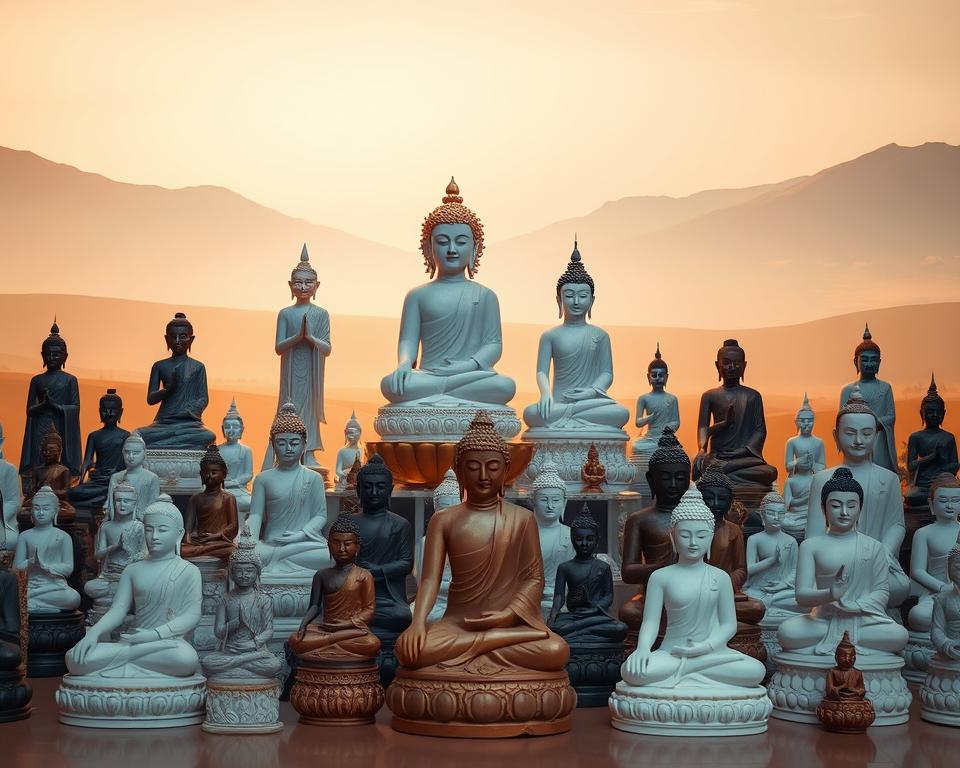
Laughing Buddha (Budai)
The Laughing Buddha, known as Budai, is a popular figure in Buddhist art, representing happiness, prosperity, and good fortune. Unlike the austere depictions of Shakyamuni, Budai is shown as a jovial, rotund monk, often surrounded by children or carrying a sack of riches.
Amitabha Buddha (Buddha of Infinite Light)
Amitabha Buddha is revered in Pure Land Buddhism for his boundless compassion and the promise of enlightenment to all beings. Statues of Amitabha often depict him in a serene, meditative pose, surrounded by attendant figures or lotus flowers, symbolizing his role in guiding souls to the Pure Land.
Understanding the different types of Buddha statues enriches one’s appreciation of Buddhist art and teachings. Each statue serves as a window into the diverse interpretations and practices within Buddhism, offering insights into the spiritual and cultural contexts in which they were created.
Cultural Variations in Buddha Imagery
As Buddhism spread throughout Asia, the representation of Buddha evolved, incorporating local art styles and interpretations of Buddhist teachings. This cultural exchange has resulted in a rich diversity of Buddha statues, each reflecting the unique spiritual and aesthetic characteristics of their respective regions.
Thai Buddha Statues
Thai Buddha statues are known for their serene and elegant appearance, often featuring intricate decorations and golden ornamentation. The Thai tradition emphasizes the attainment of enlightenment, depicted through the Buddha’s peaceful facial expressions and postures.

Chinese Buddha Representations
Chinese Buddha statues often blend Buddhist and Chinese cultural elements, resulting in distinctive representations. These statues may incorporate traditional Chinese motifs and are frequently larger than their counterparts in other cultures.
Japanese Buddha Aesthetics
Japanese Buddha statues are characterized by their simplicity and elegance, often featuring minimalist designs. Japanese Buddhist art tends to focus on the spiritual essence of the Buddha, rather than elaborate decorations.
Tibetan Buddhist Imagery
Tibetan Buddhist imagery is rich in symbolism, with Buddha statues often depicted in various tantric forms. Tibetan art is known for its vibrant colours and intricate details, reflecting the complex spiritual practices of Tibetan Buddhism.
These cultural variations in Buddha imagery not only reflect the diversity of Buddhist practices but also demonstrate the adaptability of Buddhist teachings to different cultural contexts.
Materials Used in Buddha Statues and Their Symbolism
Buddha statues are crafted from a range of materials, including stone, bronze, wood, jade, and crystal, each with its own unique symbolism. The choice of material often depends on the intended use of the statue, the cultural context, and the symbolic meaning associated with the material.
Stone and Marble Statues
Stone and marble are popular choices for Buddha statues due to their durability and aesthetic appeal. Marble, in particular, is prized for its fine grain and luminous quality, often symbolizing purity and enlightenment.
Bronze and Metal Buddhas
Bronze has been a traditional material for Buddha statues across various Asian cultures. It is valued for its strength and malleability, allowing for intricate designs. Bronze Buddhas often represent the strength and resilience of the Buddhist teachings.
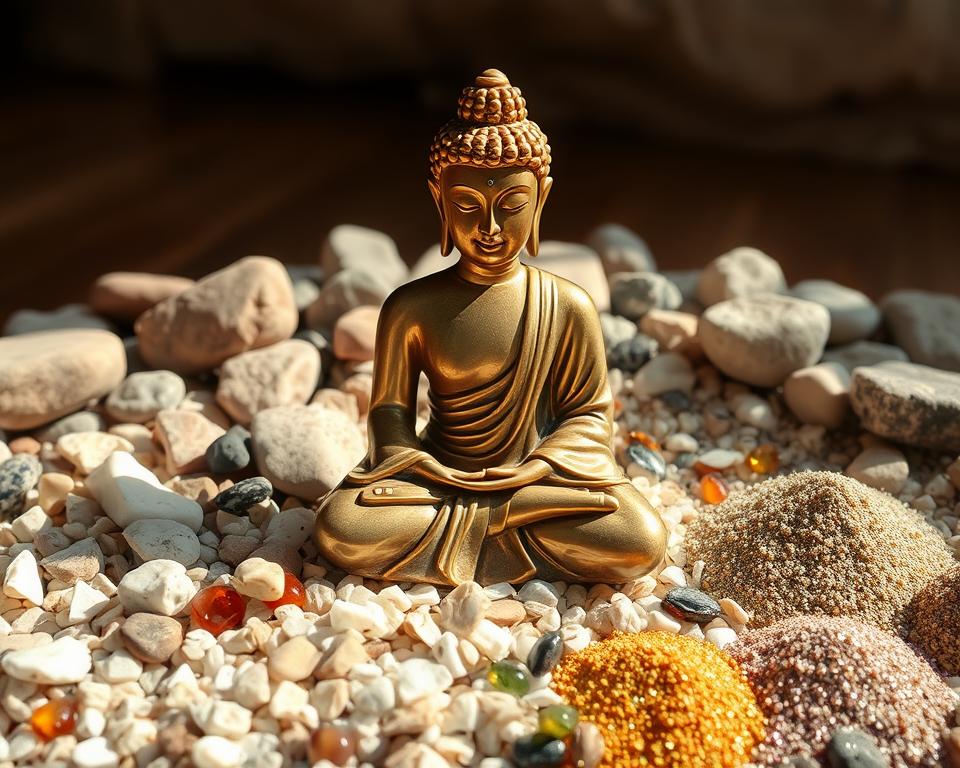
Wooden Buddha Carvings
Wooden Buddha statues are often associated with warmth and natural beauty. The choice of wood can also add additional symbolic meanings, with certain types being considered sacred.
Jade and Crystal Representations
Jade and crystal are used to create Buddha statues that embody spiritual purity and enlightenment. Jade, in particular, is highly valued in many Asian cultures for its beauty and perceived spiritual properties.
| Material | Symbolic Meaning |
|---|---|
| Stone/Marble | Purity, durability, enlightenment |
| Bronze | Strength, resilience, traditional craftsmanship |
| Wood | Warmth, natural beauty, sacredness |
| Jade/Crystal | Spiritual purity, enlightenment, beauty |
Colours and Their Symbolic Meanings in Buddha Statues
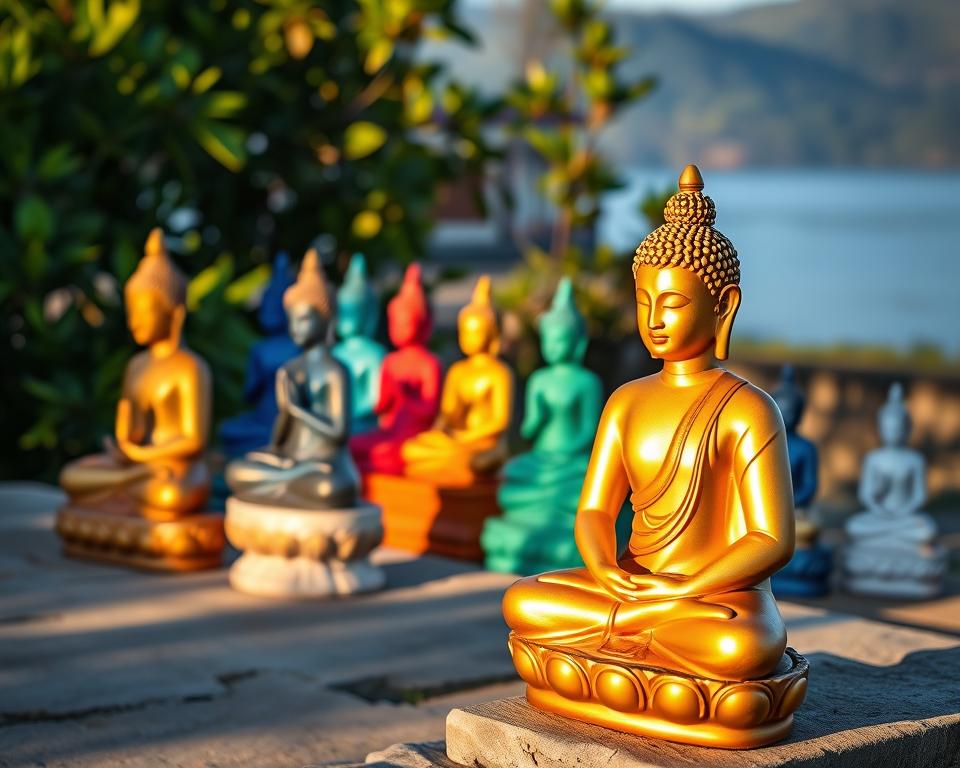
The colours used in Buddha statues hold significant symbolic meanings that enhance their spiritual and aesthetic appeal. You will find that different colours are used to represent various aspects of Buddhist teachings and the enlightened state of Buddha.
Gold and Its Representation of Enlightenment
Gold is a predominant colour associated with Buddha statues, symbolizing enlightenment, wisdom, and the attainment of spiritual perfection. The use of gold represents the highest state of being, reflecting the Buddha’s transcendence beyond worldly attachments.
White Buddha Statues and Purity
White Buddha statues are often associated with purity, innocence, and compassion. This colour represents the cleansing of negative emotions and the embodiment of virtuous qualities. White Buddhas are revered for their serene and peaceful presence.
The Significance of Other Colours
Besides gold and white, other colours such as blue, red, and green are also used in Buddha statues, each carrying its own symbolic meaning. For instance, blue represents the infinite sky and the Buddha’s teachings on tranquility, while red symbolizes the life force and the Buddha’s compassion. Green signifies the natural world and the path to enlightenment.
Understanding the symbolic meanings of these colours can deepen your appreciation of Buddha statues and their significance in Buddhist practice. The diverse colours not only beautify the statues but also convey profound spiritual messages.
The Role of Buddha Statues in Meditation Practices
Buddha statues serve as powerful tools in meditation, providing a focal point for your practice and deepening your connection to the teachings. By incorporating a Buddha statue into your meditation space, you can create an environment conducive to spiritual growth and mindfulness.
Using Statues as Focal Points
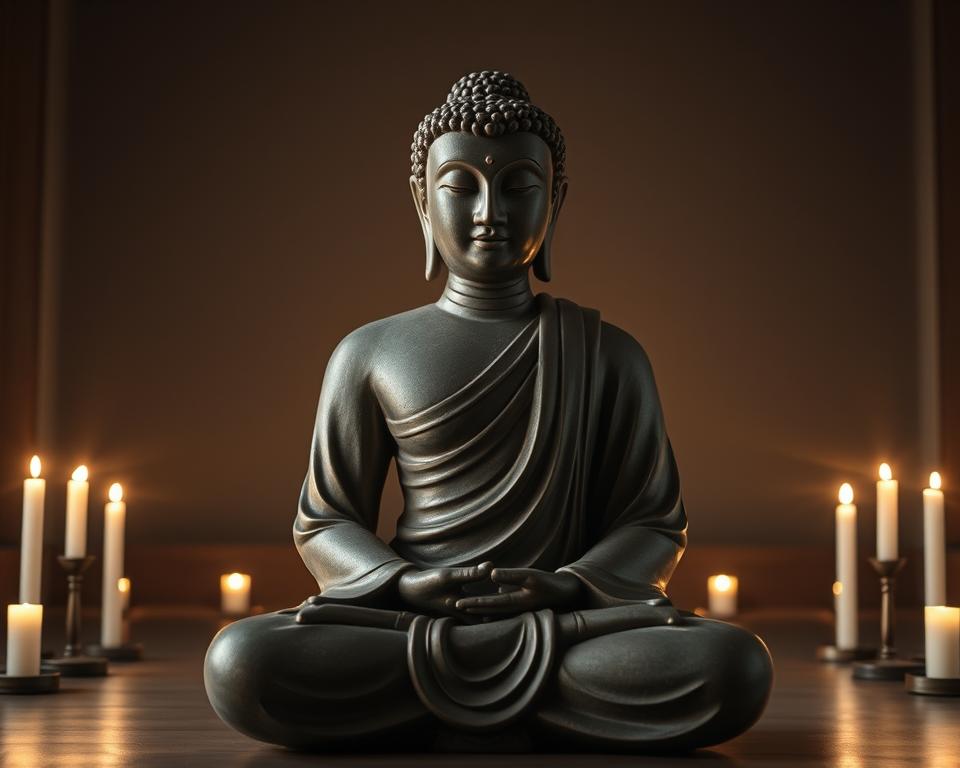
Using a Buddha statue as a focal point during meditation can help you maintain concentration and achieve a deeper state of relaxation. By focusing on the statue’s serene expression or intricate details, you can calm your mind and centre your thoughts. This practice is particularly effective when combined with deep breathing exercises.
Tips for using Buddha statues as focal points:
- Place the statue at eye level or slightly below to promote a sense of reverence.
- Use soft lighting to highlight the statue’s features and create a peaceful ambiance.
- Experiment with different poses and mudras to find one that resonates with your personal meditation goals.
Contemplative Practices with Buddha Images
Contemplative practices involving Buddha images can enhance your meditation experience by encouraging reflection on the qualities represented by the statue. For example, contemplating a Buddha statue in the Dhyana Mudra (meditation pose) can inspire you to cultivate inner peace and focus.
“The image of the Buddha is not just a representation; it is a symbol of the path to enlightenment, inviting us to reflect on our own journey towards awakening.”
Developing Mindfulness Through Visual Meditation
Visual meditation on Buddha statues can be a potent means of developing mindfulness. By observing the statue’s features, such as its peaceful expression or the intricate details of its robes, you can cultivate a greater awareness of the present moment. Regular practice can lead to increased mindfulness in daily life, helping you navigate challenges with greater ease and clarity.
As you incorporate Buddha statues into your meditation practice, remember that the true essence of mindfulness lies not in the object itself, but in the awareness and compassion it inspires within you.
Proper Placement of Buddha Statues
To create a harmonious environment, understanding the proper placement of Buddha statues is crucial. The strategic positioning of these statues can significantly enhance the spiritual ambiance of your home, garden, or meditation space.
Home Placement Guidelines
When placing a Buddha statue in your home, consider the room’s purpose and the statue’s visibility. Ideally, position it in a quiet, contemplative area such as a living room or study. Avoid placing it in bedrooms or bathrooms.
Garden Buddha Statues
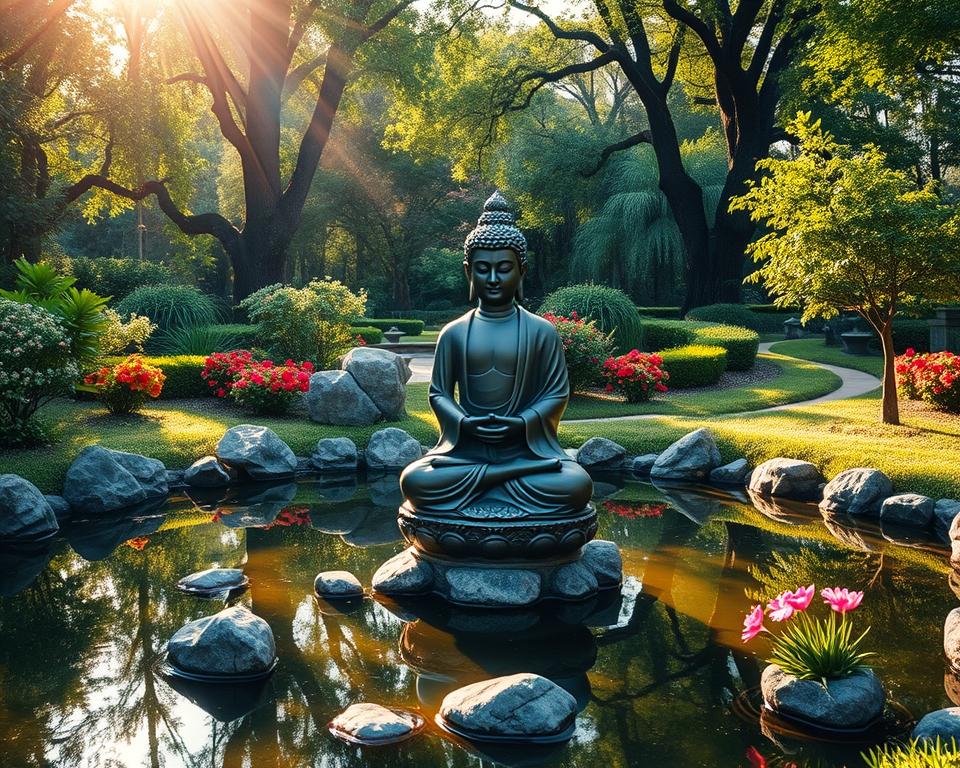
Garden Buddha statues can create serene outdoor spaces. Place them in areas that are easily visible and enjoyed, such as near ponds or pathways. Ensure the statue is proportionate to the garden’s size.
Placement in Meditation Spaces
In meditation spaces, Buddha statues serve as focal points. Position the statue at eye level or slightly higher, allowing for a comfortable gaze during meditation.
Feng Shui Considerations
According to feng shui principles, the placement of Buddha statues should harmonise with the environment’s energy. Avoid placing statues in direct line with the main door, and consider the statue’s direction and the surrounding elements.
By thoughtfully placing your Buddha statue, you can enhance the spiritual energy of your space and create a more peaceful living environment.
Etiquette and Respect Around Buddha Statues
As you approach a Buddha statue, whether in a temple or in your home, being mindful of the etiquette involved can enhance your appreciation of its significance. Buddha statues are revered objects that embody the principles of Buddhism, and treating them with respect is crucial.
Cultural Sensitivities to Consider
Different cultures have varying customs and traditions surrounding Buddha statues. For instance, in many Buddhist cultures, it’s customary to remove your shoes before entering a room where a Buddha statue is present. Being aware of these cultural sensitivities can help you navigate interactions with Buddha statues respectfully.
Common Mistakes to Avoid
One common mistake is to treat Buddha statues casually or as mere decorations. Avoid placing Buddha statues in inappropriate locations, such as bathrooms or near toilets, as this is considered disrespectful. Additionally, refrain from pointing at Buddha statues with your feet or touching them without proper permission.
Respectful Interaction in Temples and Sacred Spaces
When visiting temples or sacred spaces, observe local customs and practices. Typically, you should bow upon entering or leaving the temple, and avoid taking pictures or selfies near the altar. Being respectful of these traditions fosters a harmonious and contemplative environment.
| Respectful Practices | Cultural Significance |
|---|---|
| Removing shoes before entering a temple or room with a Buddha statue | Shows respect for the sacred space and the statue |
| Bowing upon entering or leaving a temple | Demonstrates humility and reverence |
| Avoiding pointing or touching Buddha statues without permission | Prevents unintended disrespect |

By being mindful of these practices, you can cultivate a deeper respect for the cultural and spiritual significance of Buddha statues.
Caring for Your Buddha Statue
Caring for your Buddha statue is a thoughtful process that involves cleaning, maintenance, and respecting its spiritual significance. A well-maintained statue not only preserves its beauty but also its spiritual energy.
Cleaning and Maintenance
Regular dusting with a soft cloth is recommended. For more thorough cleaning, use a damp cloth, but avoid harsh chemicals that can damage the material. For statues with intricate details, a soft-bristled brush can be used to gently remove dust.

Traditional Blessing Ceremonies
Participating in or conducting a traditional blessing ceremony can enhance the spiritual significance of your Buddha statue. These ceremonies typically involve chanting and the offering of incense, flowers, or other symbolic items.
Preservation Techniques
The preservation technique depends on the material of your Buddha statue. For wooden statues, avoiding direct sunlight can prevent cracking. For metal statues, applying a protective wax can prevent tarnishing. Understanding the material and its needs is key to preservation.
How to Choose the Right Buddha Statue for Your Intentions
With numerous Buddha statues available, choosing one that aligns with your goals requires consideration of several factors. The process involves understanding the different types of Buddha statues, their significance, and how they can support your personal intentions.
Matching Buddha Types to Personal Goals
Different Buddha statues represent various aspects of Buddhist teachings. For instance, the Medicine Buddha is associated with healing, while Amitabha Buddha symbolizes infinite light and compassion. When selecting a statue, consider what you wish to achieve or focus on in your life.
| Buddha Type | Significance | Personal Goal Alignment |
|---|---|---|
| Shakyamuni Buddha | Historical Buddha, founder of Buddhism | Meditation, understanding Buddhist teachings |
| Medicine Buddha | Healing and health | Physical or mental healing |
| Amitabha Buddha | Infinite light and compassion | Cultivating compassion, peace |
Size and Proportion Considerations
The size of the Buddha statue can also impact its significance in your space. Larger statues can serve as a focal point for meditation, while smaller ones can be a subtle reminder of your intentions.
Authenticity and Craftsmanship
When choosing a Buddha statue, consider the material and craftsmanship. Statues made from traditional materials like bronze or stone are often imbued with a sense of authenticity and can be more meaningful.

Ethical Sourcing of Buddha Statues
It’s also crucial to consider the ethical implications of your purchase. Look for statues that are sourced responsibly, and consider buying from local artisans or reputable sellers who support Buddhist communities.
By carefully considering these factors, you can select a Buddha statue that not only resonates with your personal intentions but also supports ethical practices.
The Spiritual Benefits of Living with Buddha Statues
Incorporating a Buddha statue into your daily life can bring about a profound sense of calm and spiritual growth. By having a statue in your home, you create a focal point for mindfulness and meditation.
Creating a Peaceful Atmosphere
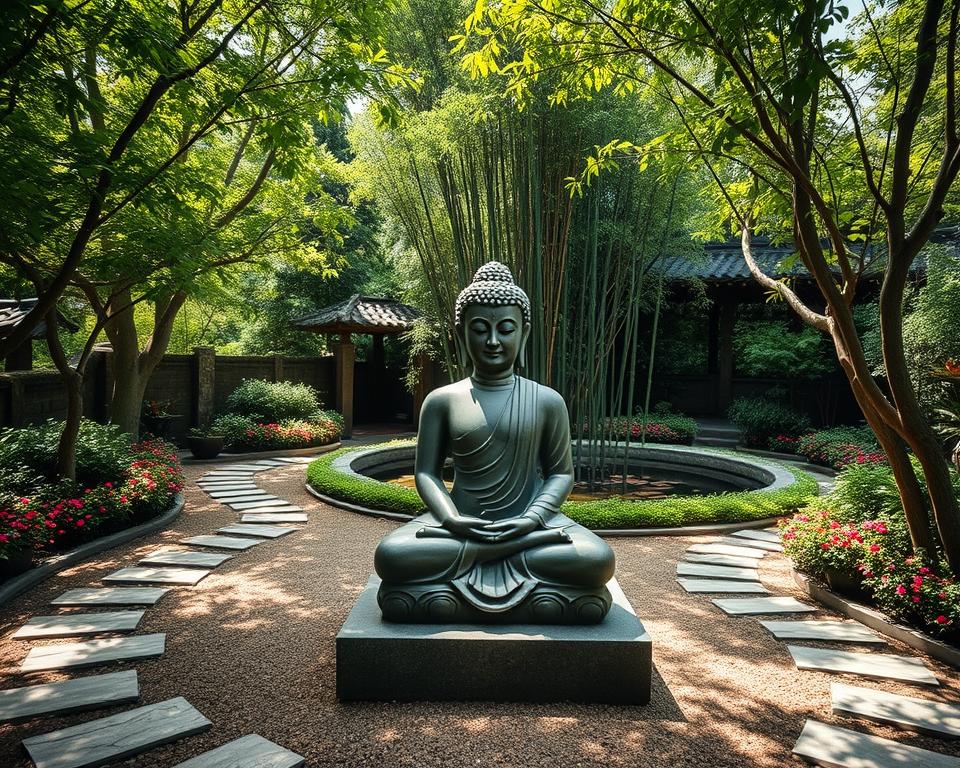
A Buddha statue can significantly contribute to a peaceful atmosphere in your home. The serene expression and posture of the Buddha figure encourage a calm environment, helping to reduce stress and promote relaxation.
Reminders of Buddhist Teachings in Daily Life
Buddha statues serve as constant reminders of the teachings of Buddhism, such as compassion, mindfulness, and wisdom. By having a statue nearby, you are gently reminded to incorporate these principles into your daily activities.
Developing Mindfulness Through Visual Cues
The visual presence of a Buddha statue acts as a cue to practice mindfulness. It encourages you to be present in the moment, fostering a deeper connection with your inner self and the world around you.
By embracing the spiritual significance of Buddha statues, you can enhance your living space with a sense of tranquility and purpose.
Common Misconceptions About Buddha Statues
Many people harbour misconceptions about Buddha statues, often due to a lack of understanding about their significance and symbolism. Buddha statues are not just decorative pieces; they hold deep spiritual and cultural meaning in Buddhist traditions. Understanding the distinctions between different types of statues and their uses can help clarify these misconceptions.
Buddha vs. Bodhisattva Figures
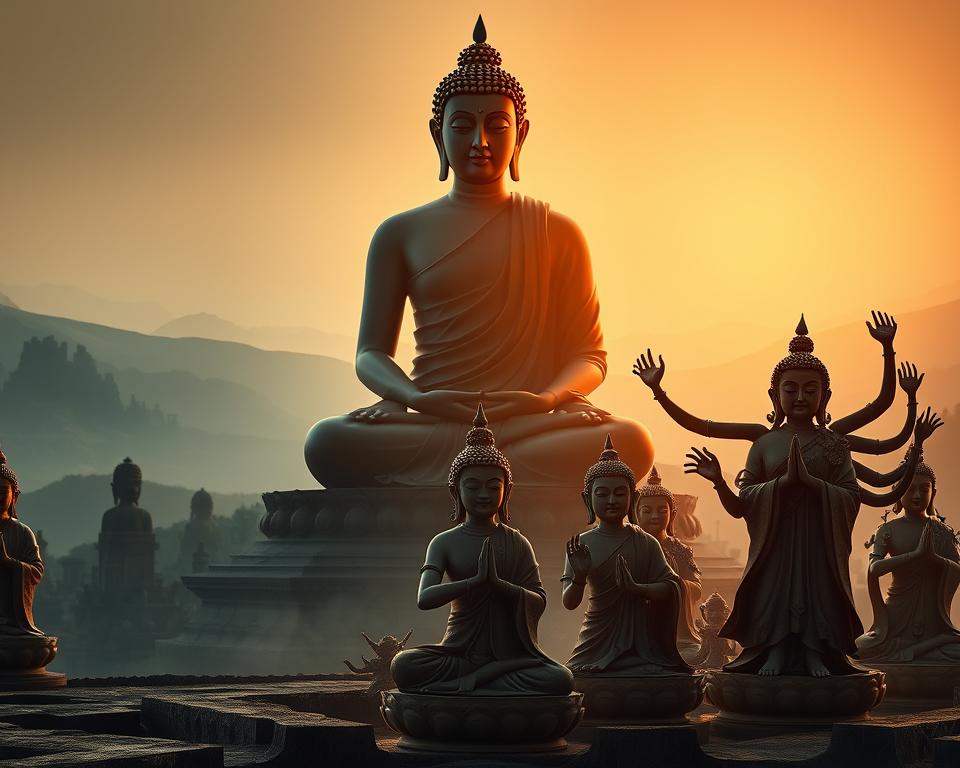
A common confusion is between Buddha and Bodhisattva figures. While both are revered in Buddhism, they represent different aspects of Buddhist teachings. A Buddha is typically depicted as having achieved enlightenment, whereas a Bodhisattva is an enlightened being who has chosen to remain in the world to help others achieve enlightenment. The distinction lies in their roles and the qualities they embody.
The “Lucky Buddha” Misunderstanding
The “Lucky Buddha” or Budai is often mistakenly identified as the historical Buddha. In reality, Budai was a Chinese monk who lived centuries after the historical Buddha. He is associated with good fortune and prosperity, but his depiction as a laughing, rotund figure is distinct from the traditional representations of the Buddha.
Religious vs. Decorative Uses
Buddha statues are used both in religious contexts and as decorative items. However, their significance extends far beyond mere decoration. In religious settings, they serve as focal points for meditation and reminders of Buddhist teachings. When used decoratively, it’s essential to be mindful of their cultural and spiritual significance to avoid misappropriation.
By understanding these distinctions, you can appreciate the true significance of Buddha statues and avoid perpetuating common misconceptions.
Conclusion: Embracing the Wisdom of Buddha Statues in Modern Life
As you’ve explored the rich symbolism and spiritual significance of Buddha statues, it’s clear that these revered figures offer more than just aesthetic appeal. The wisdom of Buddha statues can be a powerful catalyst for personal growth and mindfulness in modern life.
By understanding the various poses, hand gestures, and cultural variations of Buddha statues, you can deepen your connection to Buddhist teachings and integrate their principles into your daily life. Whether you’re seeking to create a peaceful atmosphere, cultivate mindfulness, or simply appreciate the beauty of these statues, the insights gained from this exploration can be profoundly enriching.
As you incorporate Buddha statues into your home or meditation practice, remember that their true value lies not just in their physical presence, but in the spiritual wisdom they represent. By embracing this wisdom, you can foster a greater sense of calm, compassion, and clarity in your life.
FAQ
What is the significance of Buddha statues in Buddhist practice?
Buddha statues serve as representations of the Buddha’s teachings and are used as focal points for meditation and contemplation, helping practitioners to cultivate mindfulness and spiritual growth.
How do I choose the right Buddha statue for my home or garden?
When selecting a Buddha statue, consider the type of Buddha, its size and proportion, the material it is made from, and its authenticity and craftsmanship, ensuring it aligns with your personal intentions and goals.
What are the different types of Buddha statues and their meanings?
Different types of Buddha statues, such as Shakyamuni, Medicine Buddha, Laughing Buddha, and Amitabha Buddha, represent various aspects of Buddhist teachings and are associated with distinct spiritual significance and benefits.
How should I care for my Buddha statue?
To care for your Buddha statue, follow proper cleaning and maintenance techniques, consider traditional blessing ceremonies, and use preservation methods tailored to the material it is made from.
What are the symbolic meanings of different mudras depicted in Buddha statues?
The various mudras, or hand gestures, depicted in Buddha statues, such as Dhyana Mudra, Abhaya Mudra, and Dharmachakra Mudra, symbolize different aspects of Buddhist teachings, including meditation, fearlessness, and the teaching of the Dharma.
Can Buddha statues be used for decorative purposes only?
While Buddha statues can be appreciated for their aesthetic value, they are also revered for their spiritual significance, and using them solely for decorative purposes may be considered disrespectful in Buddhist cultures.
How do cultural variations influence the representation of Buddha statues?
Cultural variations, such as those seen in Thai, Chinese, Japanese, and Tibetan Buddhist art, result in diverse representations of Buddha statues, reflecting local art styles, interpretations of Buddhist teachings, and unique cultural influences.
What is the significance of the colours used in Buddha statues?
The colours used in Buddha statues, such as gold representing enlightenment and white symbolizing purity, hold symbolic meanings that reflect various aspects of Buddhist teachings and spiritual principles.
How can Buddha statues be used in meditation practices?
Buddha statues can be used as focal points for concentration and contemplation, helping practitioners to cultivate mindfulness, develop a deeper understanding of Buddhist teachings, and enhance their spiritual practice.
What are the guidelines for placing Buddha statues in the home or garden?
When placing Buddha statues, consider factors such as feng shui, the statue’s orientation, and its surroundings, to create a harmonious and spiritually conducive environment.
What are some common misconceptions about Buddha statues?
Common misconceptions about Buddha statues include confusing Buddha with Bodhisattva figures, misunderstanding the “Lucky Buddha” myth, and distinguishing between religious and decorative uses of these statues.