Create an English Garden: A Step-by-Step Guide
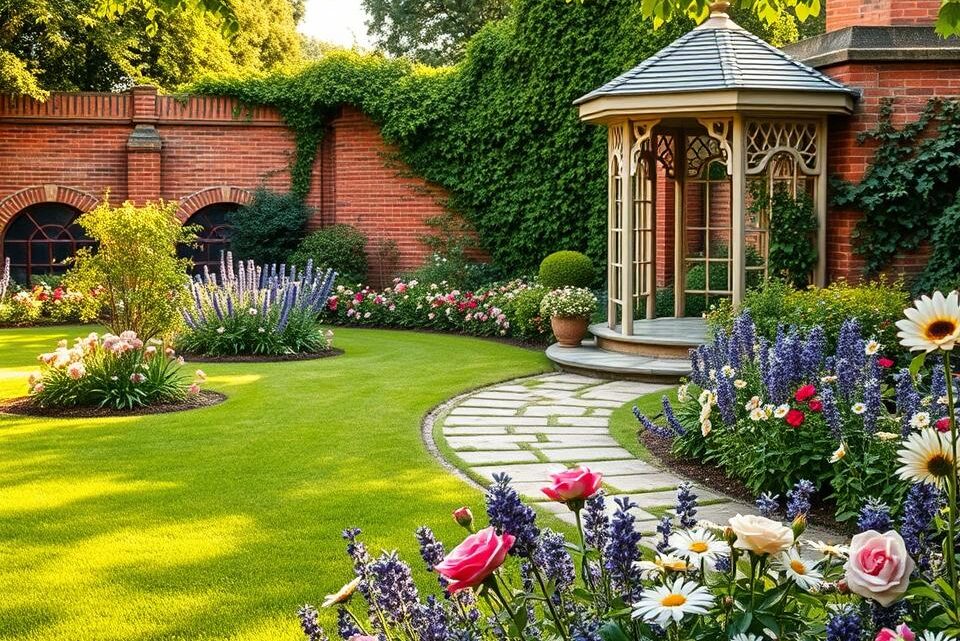
Transforming your outdoor space into a beautiful English garden is a rewarding experience. With its lush greenery, vibrant flowers, and serene ambiance, an English garden is the perfect haven for relaxation and entertainment.
You can achieve this idyllic setting by following our comprehensive guide, which covers essential aspects of garden design and provides valuable gardening tips. From planning and design to plant selection and maintenance, our step-by-step guide will walk you through the process.
Inhaltsverzeichnis
Key Takeaways
- Understand the fundamental principles of English garden design.
- Learn how to select the right plants for your climate and soil type.
- Discover effective gardening tips for maintaining your garden.
- Follow a step-by-step guide to creating your ideal outdoor space.
- Explore various garden design ideas to inspire your project.
Understanding the English Garden Style
To truly appreciate the English garden style, it’s essential to delve into its historical origins and key characteristics. The English garden has evolved significantly over the centuries, influenced by various social, cultural, and environmental factors.
Historical Origins of English Gardens
English gardens have a rich history that dates back to the medieval period. The design and functionality of these gardens were initially influenced by the need for kitchen gardens and orchards.
The Influence of Victorian and Edwardian Eras
The Victorian era brought significant changes to English garden design, with an emphasis on ornate and elaborate layouts. The subsequent Edwardian era continued this trend, introducing more exotic plants and refined garden structures.
Evolution from Formal to Informal Designs
Over time, English gardens transitioned from formal, structured designs to more informal and naturalistic layouts. This shift was characterized by the incorporation of curved paths, irregular planting schemes, and a greater emphasis on natural beauty.
Key Characteristics of Traditional English Gardens
Traditional English gardens are known for their lush vegetation, meandering paths, and picturesque water features. They often incorporate a mix of flowering plants, shrubs, and trees to create a layered, dynamic landscape.
Different Types of English Gardens
English gardens can be categorized into several distinct types, each with its unique characteristics and charm.
Cottage Gardens
Cottage gardens are quintessential English gardens, characterized by their informal, abundant planting schemes and cozy, inviting atmosphere.
Woodland Gardens
Woodland gardens mimic the dappled shade and natural beauty of woodland areas, often featuring shade-loving plants and meandering paths.
Formal Gardens
Formal English gardens are distinguished by their structured layouts, precise hedging, and ornate garden features.
Planning Your English Garden
To create an English garden that thrives, you need to start with a solid plan. This involves understanding your space, soil, and local climate conditions.
Assessing Your Space and Environment
Begin by evaluating your garden’s size, shape, and existing features. Consider how you want to use your garden and what kind of atmosphere you wish to create.
Determining Soil Type and Quality
Soil is the foundation of your garden. Understanding its type and quality is crucial.
Testing Soil pH and Structure
Test your soil to determine its pH level and structure. You can use a DIY kit or consult a professional. Soil testing will reveal whether your soil is sandy, clay, or loamy.
Improving Soil Fertility
Once you know your soil type, you can take steps to improve its fertility. Add organic matter like compost or manure to enhance soil quality.

Considering Climate and Sunlight Patterns
Climate and sunlight play significant roles in garden planning.
Microclimates in Your Garden
Identify microclimates in your garden, which are areas with unique conditions different from the surrounding areas.
Adapting to Regional Weather Conditions
Understand the local weather patterns and adapt your garden plan accordingly. This might involve choosing plants that are resilient to your area’s weather extremes.
By carefully assessing your space, soil, and climate, you can create a well-planned English garden that will flourish.
- Assess your garden’s space and environment.
- Test and improve your soil quality.
- Consider local climate and sunlight patterns.
Designing Your English Garden Layout
As you embark on designing your English garden, you’ll want to create a layout that reflects the classic charm and natural beauty of this timeless style. The design of your garden is crucial in capturing the essence of an English garden, which is known for its informal, naturalistic planting schemes and meandering pathways.
Creating Informal Planting Schemes
Informal planting schemes are a hallmark of English gardens. To achieve this, you should mix a variety of plants with different textures, heights, and bloom times. This diversity creates a natural, layered look that is characteristic of English gardens.
Incorporating Pathways and Borders
Pathways and borders are essential elements in an English garden. They not only guide visitors through the garden but also create a sense of depth and visual interest.
Materials for Authentic English Garden Paths
When choosing materials for your pathways, consider using natural materials like stone, gravel, or brick. These materials blend seamlessly into the garden landscape and add to the overall charm.
| Material | Characteristics | Maintenance |
|---|---|---|
| Stone | Durable, versatile | Low |
| Gravel | Easy to install, good drainage | Moderate |
| Brick | Classic look, can be formal or informal | Moderate |
Border Widths and Arrangements
The width and arrangement of your borders can significantly impact the overall appearance of your garden. Wider borders allow for more varied planting schemes, while narrower borders can create a more formal look.
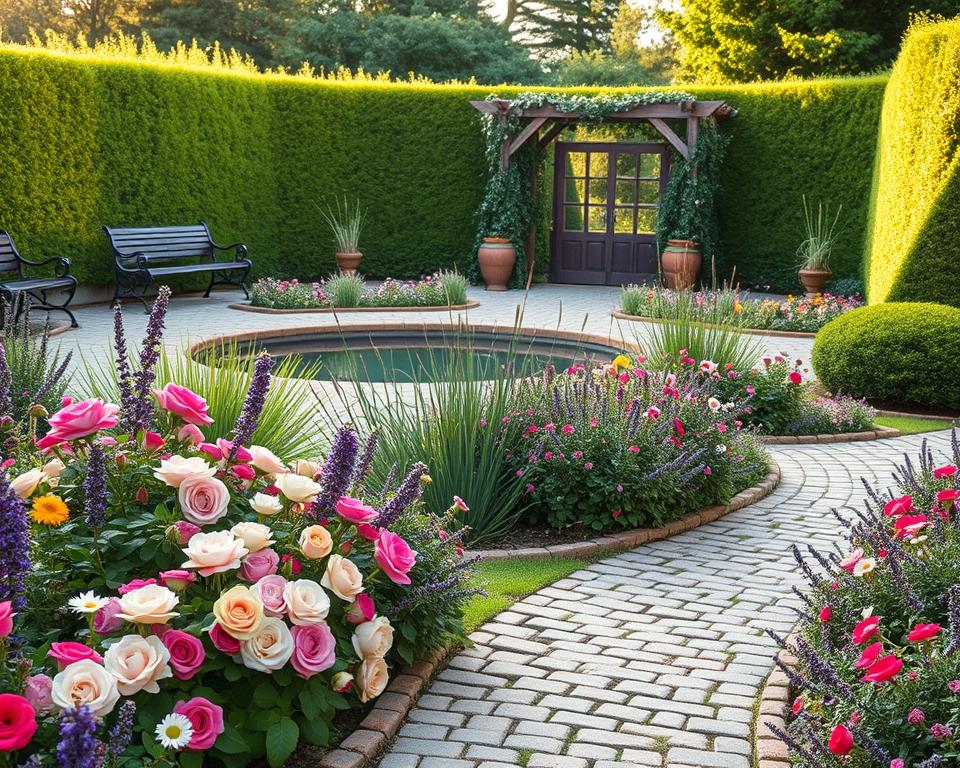
Balancing Structure and Wild Beauty
A well-designed English garden balances structure and wild beauty. This balance is achieved by incorporating geometric elements into the natural landscape.
Using Geometry in Natural Settings
Geometry can be introduced through the use of formal hedges, topiaries, or garden ornaments. These elements provide a sense of order and structure, contrasting with the more informal planting schemes.
Creating Rhythm and Flow
To create a sense of rhythm and flow, consider the repetition of certain plants or design elements throughout the garden. This repetition can help tie different areas of the garden together, creating a cohesive look.
Essential Elements to Create an English Garden
To create an authentic English garden, several essential elements must be incorporated. These elements work together to create a harmonious and inviting outdoor space.
Structural Features: Walls, Hedges and Fences
Structural features such as walls, hedges, and fences play a crucial role in defining the boundaries and layout of an English garden. They provide a sense of enclosure and help to create a sense of intimacy.
Traditional Hedging Plants
Traditional hedging plants like Yew, Box, and Holly are popular choices for English gardens. These plants are versatile and can be shaped to create formal or informal hedges.
Dry Stone Walls and Boundaries
Dry stone walls are a characteristic feature of many English gardens. They add texture and visual interest to the garden, while also providing a natural boundary.
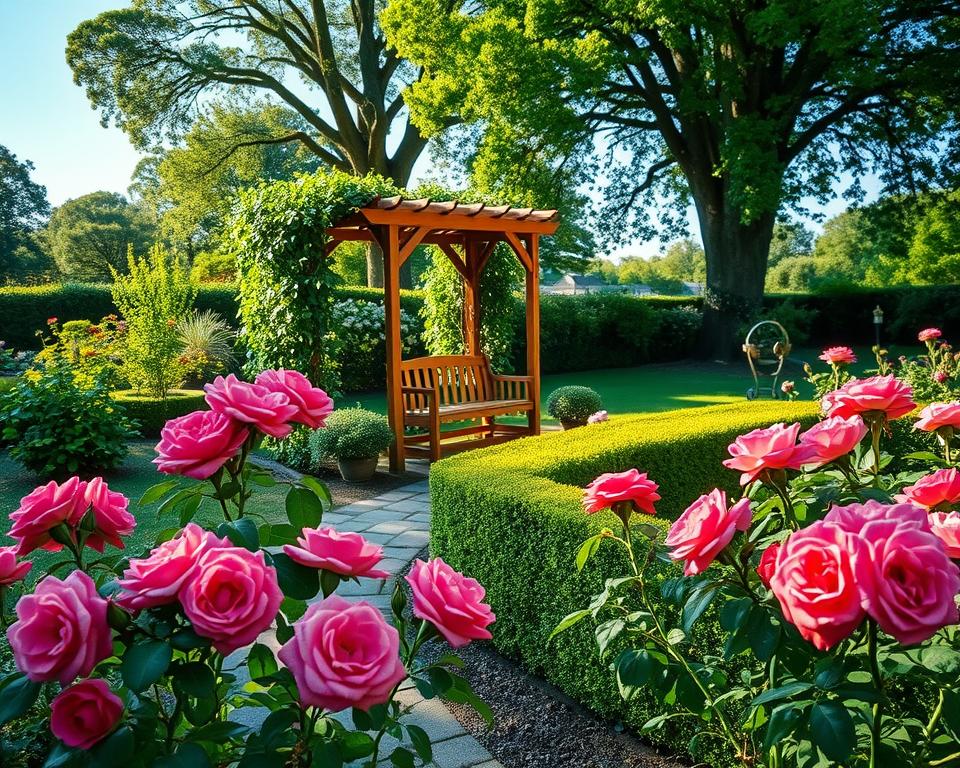
Water Features: Ponds and Fountains
Water features such as ponds and fountains are essential elements in many English gardens. They add a soothing, calming element to the garden and create a sense of tranquility.
- Ponds provide a habitat for aquatic plants and animals.
- Fountains add movement and sound to the garden.
Garden Ornaments and Focal Points
Garden ornaments and focal points are used to add visual interest and create a sense of drama in the garden.
Statuary and Decorative Elements
Statuary and decorative elements like urns, sundials, and garden benches are used to create focal points in the garden. They add a touch of elegance and sophistication to the outdoor space.
Positioning for Maximum Impact
The positioning of garden ornaments and focal points is crucial to creating maximum impact. They should be placed in areas where they can be easily seen and appreciated.
By incorporating these essential elements, you can create a beautiful and authentic English garden that is full of character and charm.
Selecting Plants for Your English Garden
The plants you choose for your English garden will play a significant role in defining its character and charm. With a vast array of options available, it’s essential to consider the traditional plants that are synonymous with the English garden style, as well as those that offer year-round interest.
Traditional English Garden Plants
Traditional English gardens often feature a mix of heritage varieties and native British plants. These plants have been chosen for their beauty, fragrance, and ability to thrive in the British climate.
Heritage Varieties
Heritage varieties, such as old-fashioned roses and cottage garden flowers, bring a sense of history and nostalgia to your garden. These plants are often fragrant and have been cultivated for generations.
Native British Plants
Native British plants, such as foxgloves and bluebells, are well-suited to the local climate and soil conditions. They also provide a haven for native wildlife.
Choosing Plants for Year-Round Interest
To keep your English garden looking its best throughout the year, choose plants that offer interest in different seasons. This can include spring bulbs, summer perennials, autumn foliage, and winter berries.
Creating Plant Combinations
Creating harmonious plant combinations is key to a beautiful English garden. Consider factors such as colour schemes, texture, and form when selecting plants.
Colour Schemes and Harmonies
Colour schemes can greatly impact the mood and appearance of your garden. Choose colours that complement each other and consider the changing light throughout the day.
Texture and Form Considerations
Mixing different textures and forms adds depth and visual interest to your garden. Combine smooth leaves with fern-like foliage, and pair upright plants with trailing varieties.
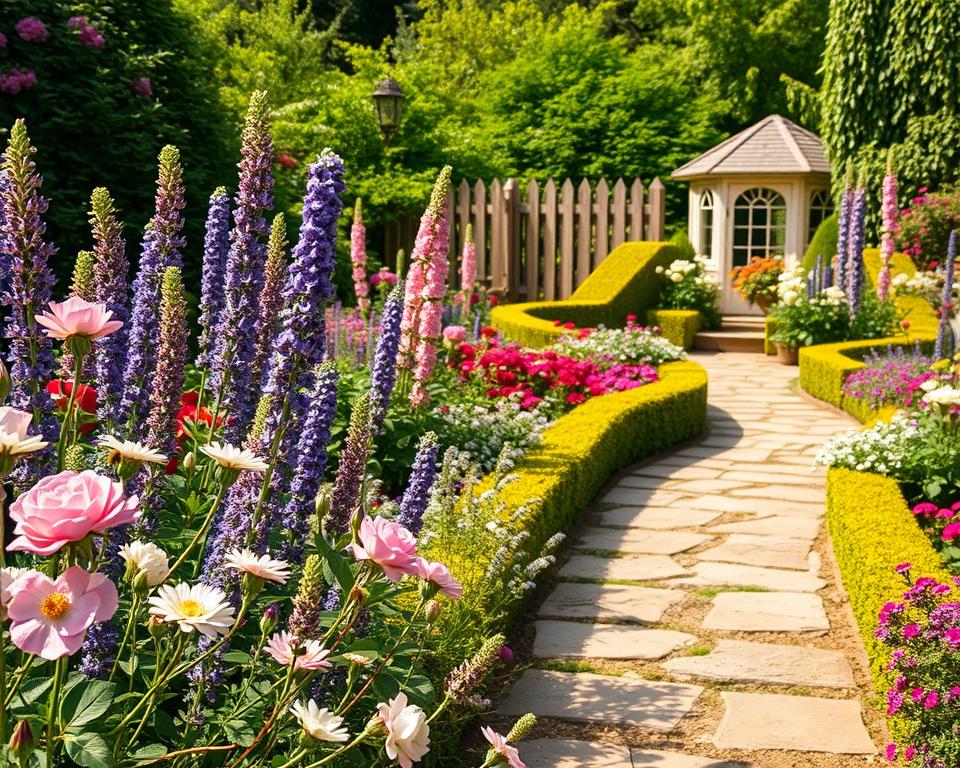
| Plant Type | Season of Interest | Colour |
|---|---|---|
| Roses | Summer | Various |
| Foxgloves | Spring | White, Purple |
| Bluebells | Spring | Blue |
By carefully selecting a mix of traditional English garden plants and considering factors like year-round interest, colour schemes, texture, and form, you can create a garden that is both beautiful and resilient.
Roses: The Heart of English Gardens
In English gardens, roses are not just plants; they’re a statement of elegance. They add a touch of romance and beauty, making them a quintessential feature.
Selecting Rose Varieties for English Gardens
When choosing roses, consider varieties that thrive in the English climate. Old Garden Roses and David Austin Roses are popular choices.
Old Garden Roses
These roses are known for their fragrance and historical significance. They include varieties like Damask and Alba roses.
David Austin and English Roses
David Austin Roses are renowned for their beauty and fragrance, offering a range of colors and bloom styles.
Planting and Caring for Roses
Proper care is crucial for healthy roses. Ensure they are planted in well-draining soil and receive adequate sunlight.
| Rose Type | Sunlight Requirement | Soil Preference |
|---|---|---|
| Old Garden Roses | Full sun | Well-draining |
| David Austin Roses | Partial shade to full sun | Rich, well-draining |
Companion Plants for Roses
Companion plants like lavender and catmint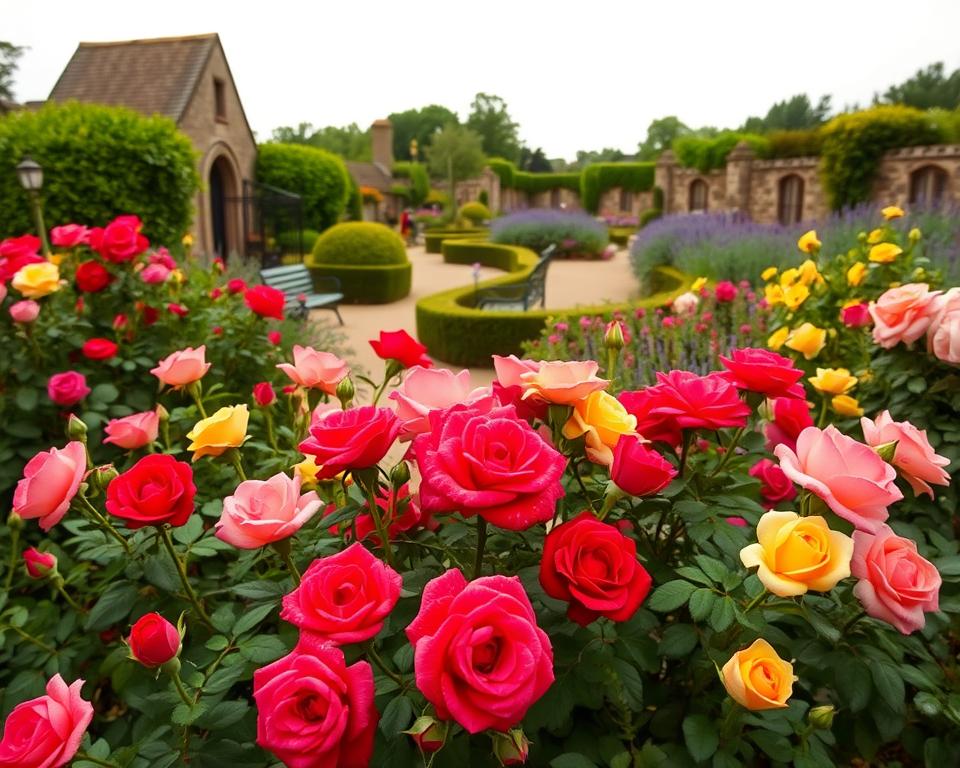
Incorporating Perennials and Flowering Plants
To achieve a lush, romantic look in your English garden, consider incorporating a variety of perennials and flowering plants. These plants are crucial for creating a vibrant display throughout the growing season and adding depth and texture to your garden.
Classic English Perennials
Classic English perennials include a range of beautiful and hardy plants. Delphiniums, Lupins, and Hollyhocks are tall, stately flowers that add a dramatic touch to any garden. They are often used in cottage-style gardens and are known for their vibrant colours and tall spikes.
Delphiniums, Lupins and Hollyhocks
These tall perennials are a staple in many English gardens. They provide a striking vertical element and come in a variety of colours, including blues, purples, and whites.
Lavender, Geraniums and Foxgloves
Other popular perennials include Lavender, Geraniums, and Foxgloves. Lavender is prized for its fragrant foliage and purple flowers, while Geraniums provide a pop of colour with their vibrant blooms. Foxgloves, with their tall, tubular bells, add a touch of elegance.
Creating Succession of Bloom
To ensure your garden remains colourful throughout the growing season, plan for a succession of bloom. This involves selecting plants that flower at different times, providing a continuous display of colour.
Maintaining Perennial Borders
Maintaining perennial borders requires regular care. Staking and supporting tall plants is essential to prevent them from flopping over. Additionally, dividing and rejuvenating perennials every few years keeps them healthy and thriving.
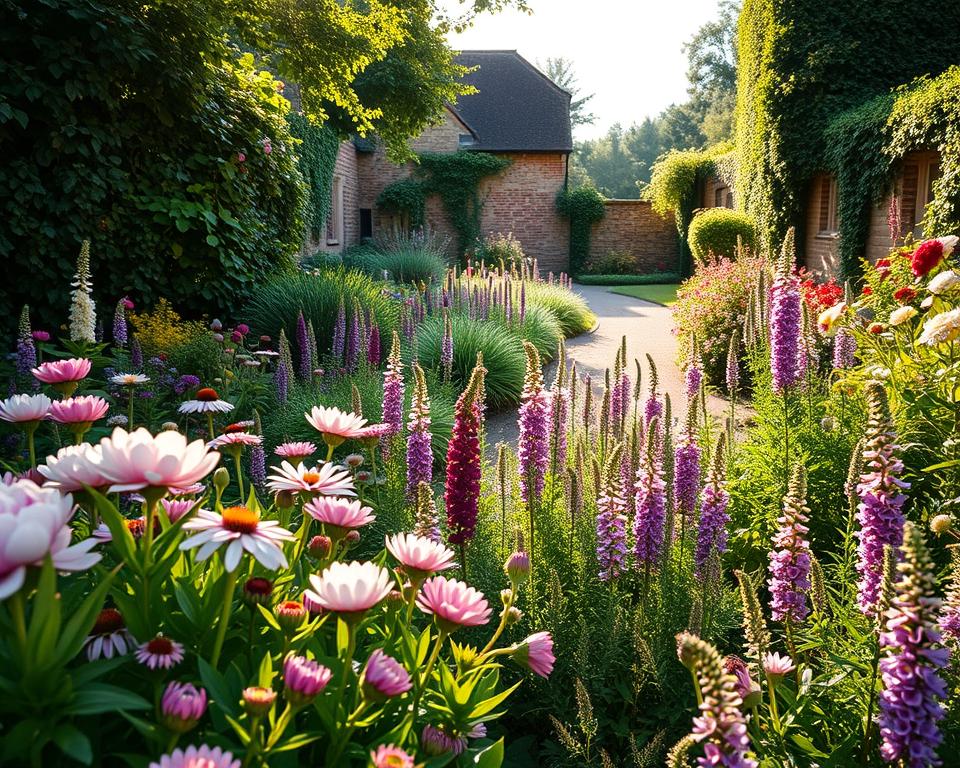
Use stakes or supports to keep tall plants upright, especially in exposed gardens.
Dividing and Rejuvenating Perennials
Regular division of perennials prevents overcrowding and maintains plant vigour.
Adding Trees and Shrubs for Structure
To achieve a layered and visually appealing English garden, consider the importance of trees and shrubs. These elements not only provide structure but also contribute to the overall aesthetic and biodiversity of your garden.
Choosing Appropriate Trees for English Gardens
When selecting trees, it’s crucial to consider their mature size, growth rate, and how they complement other garden features. English gardens often feature a mix of ornamental and fruit trees.
Small Ornamental Trees
Small ornamental trees like Crab Apple (Malus domestica) and Flowering Cherry (Prunus avium) are popular choices. They provide blossoms in spring and often fruit or berries later in the year.
Fruit Trees in the Garden
Fruit trees, such as apple and pear, are not only productive but also beautiful when in blossom. They can be planted as standalone specimens or incorporated into borders.
Incorporating Flowering and Evergreen Shrubs
Shrubs are vital for adding depth and year-round interest. Flowering shrubs like Hydrangea and Rhododendron provide vibrant colors, while evergreen shrubs such as Box (Buxus sempervirens) and Yew (Taxus baccata) offer structure and foliage throughout the year.
| Shrub Type | Characteristics | Best Use |
|---|---|---|
| Flowering Shrubs | Vibrant blooms, varied sizes | Borders, specimen plants |
| Evergreen Shrubs | Year-round foliage, structural | Hedges, topiaries, background planting |
Pruning and Maintenance Techniques
Regular pruning is essential to maintain the health and shape of trees and shrubs. Techniques vary depending on the species and purpose of the plant.
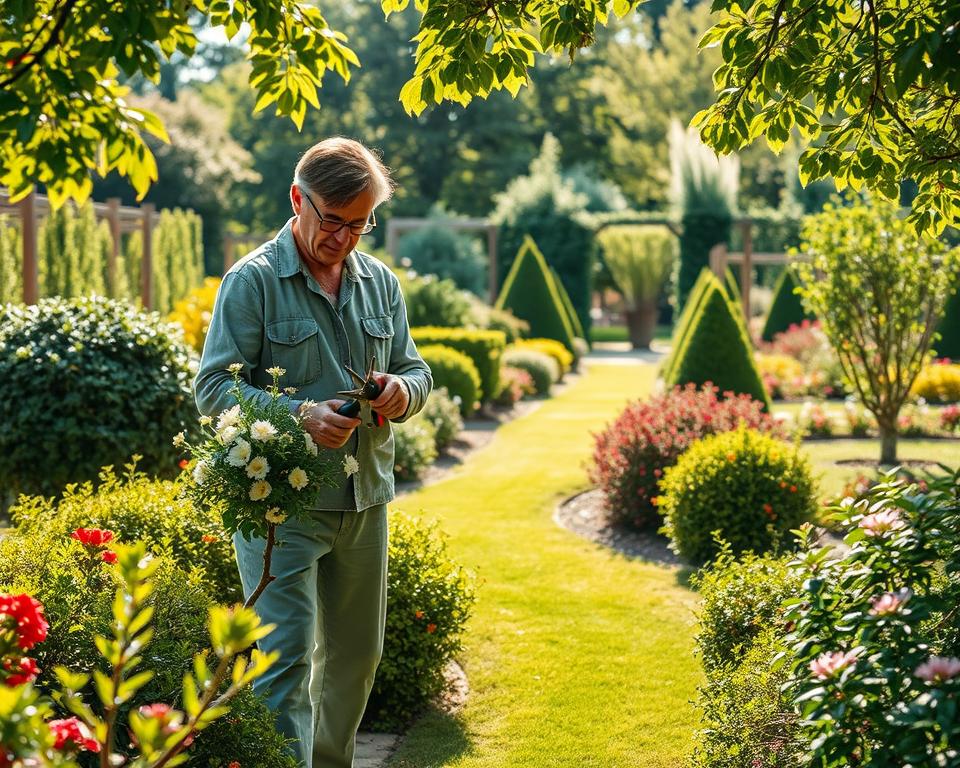
By thoughtfully selecting and maintaining trees and shrubs, you can create a robust and beautiful English garden that delights throughout the seasons.
Creating Cottage Garden Charm
The essence of a cottage garden lies in its eclectic mix of flowering plants, herbs, and vegetables. This style of gardening is all about creating a warm and inviting atmosphere that feels both informal and abundant.
Mixing Ornamentals with Edibles
One of the defining features of a cottage garden is the integration of ornamental plants with edible ones. This not only adds visual interest but also enhances the garden’s functionality.
Herbs and Vegetables in Flower Borders
Incorporating herbs like lavender and rosemary, and vegetables such as lettuce and carrots, into flower borders can add texture and diversity. For example, planting marigolds alongside tomatoes can help deter pests.
Traditional Cottage Garden Plants
Traditional cottage garden plants include roses, hollyhocks, and delphiniums. These plants are not only beautiful but also attract pollinators and other beneficial insects.
Achieving the Informal, Abundant Look
To achieve the characteristic informal, abundant look of a cottage garden, it’s essential to plant a diverse range of flora. This includes a mix of annuals and perennials, bulbs, and shrubs.
Self-Seeding Plants for Natural Spread
Self-seeding plants are a key element in creating a cottage garden’s informal charm. Plants like foxgloves and forget-me-nots can spread naturally, filling gaps and adding to the garden’s abundance.
| Plant Type | Characteristics | Benefits |
|---|---|---|
| Roses | Fragrant, beautiful blooms | Attract pollinators, aesthetic appeal |
| Lavender | Purple flowers, fragrant | Repels pests, attracts bees |
| Delphiniums | Tall, stately spikes of flowers | Adds height, attracts pollinators |
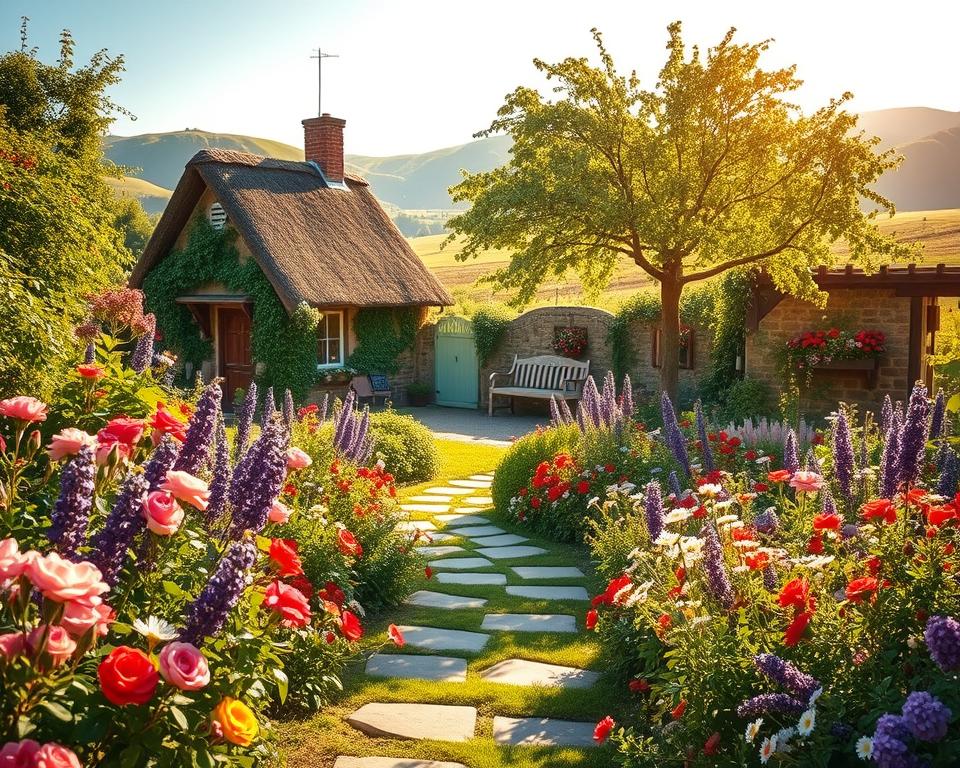
By mixing ornamentals with edibles, achieving an informal layout, and utilizing self-seeding plants, you can create a charming cottage garden that is both beautiful and functional.
Establishing Lawns and Grass Areas
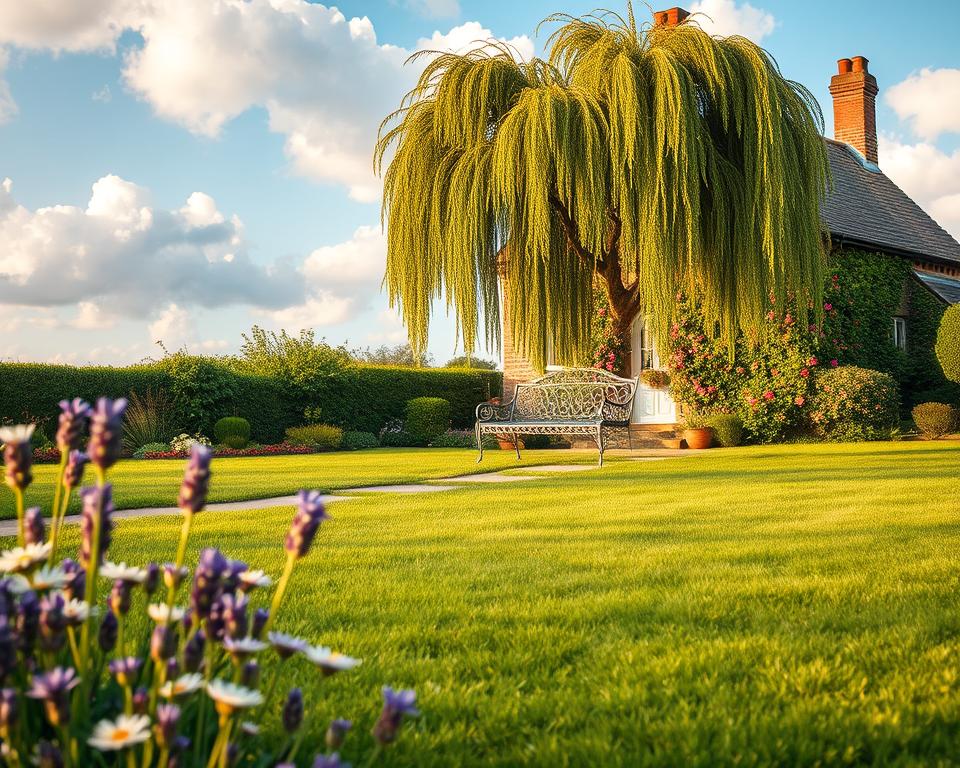
Establishing a healthy and vibrant lawn is crucial for an authentic English garden look. A well-manicured lawn serves as the foundation upon which other garden features are built.
Selecting Grass Types for British Climate
Choosing the right grass type is vital for a thriving lawn in the British climate. Perennial ryegrass and fine fescue are popular choices due to their hardiness and adaptability.
Lawn Maintenance in English Gardens
Regular maintenance is key to a lush, weed-free lawn. This includes proper mowing, feeding, and weeding.
Mowing Patterns and Techniques
Alternating your mowing pattern helps prevent soil compaction and promotes even growth. Using the right mowing height for your grass type is also crucial.
Feeding and Weeding Regimes
Feeding your lawn with a balanced fertilizer during the growing season enhances its health and colour. Regular weeding prevents unwanted plants from competing with your grass.
Creating Meadow Areas
Meadow areas add a wild, natural beauty to English gardens. They require less maintenance than traditional lawns and support local biodiversity.
Wildflower Selection
Choosing the right wildflowers is essential for a thriving meadow. Native species like oxeye daisy and red clover are excellent choices.
Establishment and Management
Preparing the soil properly before sowing wildflower seeds is crucial. Ongoing management involves periodic mowing and removing invasive species.
Building Garden Structures
Garden structures play a crucial role in defining the character and functionality of an English garden. These features not only add visual interest but also provide support for climbing plants, create seating areas, and enhance the overall garden experience.
Arbours, Pergolas, and Trellises
Arbours, pergolas, and trellises are popular garden structures that serve both aesthetic and practical purposes. They provide support for climbing plants, creating a beautiful display of flowers and foliage.
Traditional Materials and Designs
Traditionally, these structures are made from wood or metal, with designs ranging from simple to intricate. “A well-crafted arbor or pergola can become the focal point of your garden,” as noted by gardening experts.
Climbing Plants for Structures
Climbing plants such as roses, clematis, and wisteria are ideal for covering these structures, adding colour and fragrance to the garden.
Garden Benches and Seating Areas
Garden benches and seating areas invite relaxation and contemplation within the garden. Strategically placing benches near fragrant plants or water features can enhance the sensory experience.
Greenhouses and Potting Sheds
Greenhouses and potting sheds are functional structures that support gardening activities. They provide a controlled environment for starting seeds and nurturing plants.
Creating Garden Rooms and Vistas
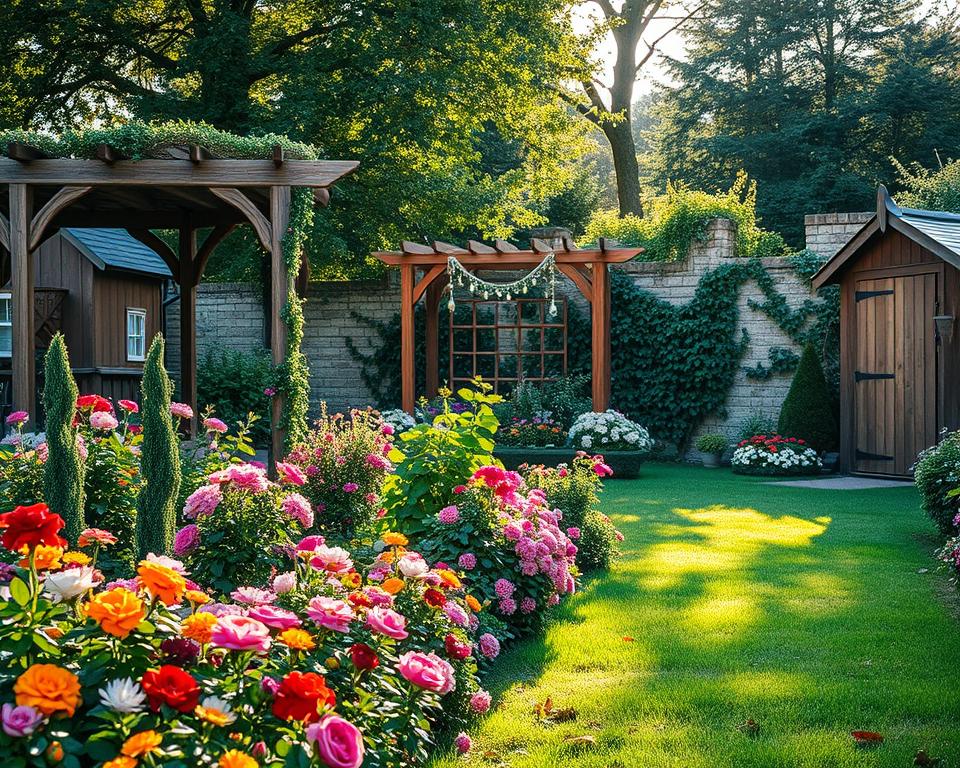
Dividing your garden into separate ‘rooms’ is a clever way to add visual appeal and depth. This technique not only makes your garden feel larger but also creates a sense of intrigue, encouraging exploration. By creating distinct areas, you can cater to different tastes and purposes, such as a tranquil seating area or a vibrant flower display.
Dividing the Garden into “Rooms”
To effectively divide your garden, consider using hedges and plantings as dividers. These natural barriers can help create a sense of separation without isolating areas completely.
Using Hedges and Plantings as Dividers
- Choose dense, evergreen hedges for year-round structure.
- Use flowering shrubs to add seasonal interest.
- Consider the mature size of plants to avoid overcrowding.
Creating Themes for Different Areas
Different areas of your garden can have unique themes, such as a cottage garden or a formal rose garden. This thematic approach helps to create visual interest and guides the visitor’s journey through the garden.
Designing Sight Lines and Views
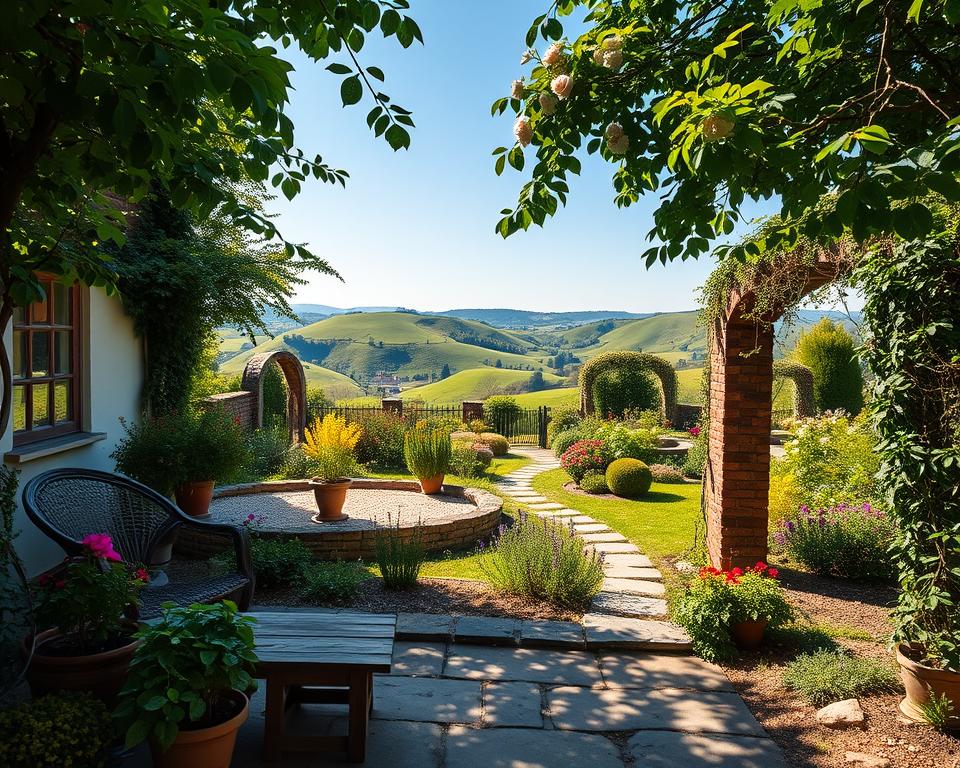
Carefully planned sight lines can enhance the visual appeal of your garden. By creating vistas, you draw the eye to focal points, such as a beautiful statue or a stunning view.
Transitional Spaces Between Garden Areas
Transitional spaces, like pathways and archways, are crucial in connecting different garden ‘rooms’. These elements help to create a sense of flow and continuity, making the garden feel more cohesive.
By implementing these strategies, you can transform your garden into a captivating and dynamic outdoor space that invites exploration and relaxation.
Seasonal Maintenance for English Gardens
As the seasons change, so do the tasks required to maintain the beauty of your English garden. Understanding these seasonal tasks is crucial for keeping your garden healthy and thriving throughout the year.
Spring Garden Tasks
Spring is a time of renewal in the garden. Key tasks include:
- Pruning shrubs and trees to promote healthy growth
- Planting new flowers, shrubs, and trees
- Dividing perennials to maintain their vigor
Pruning and Planting
Pruning involves cutting back dead or damaged branches, while planting new additions to your garden can enhance its beauty and biodiversity.
Dividing Perennials
Dividing perennials is essential for maintaining their health and promoting new growth. This task should be done in early spring or autumn.
Summer Garden Care
Summer brings its own set of challenges, including watering, deadheading, and managing pests and diseases.
Watering and Deadheading
Watering is crucial during dry spells, while deadheading encourages more blooms and keeps your garden looking its best.
Pest and Disease Management
Regularly inspect your garden for signs of pests or diseases, and take action promptly to prevent their spread.
Autumn and Winter Maintenance
As autumn transitions into winter, focus on cutting back perennials, mulching, and protecting plants from harsh weather.
Cutting Back and Mulching
Cutting back perennials helps maintain their health, while mulching protects roots from freezing temperatures.
Winter Protection Strategies
Protect sensitive plants with covers or bring tender plants under cover to safeguard them against winter damage.
Sustainable Gardening Practices
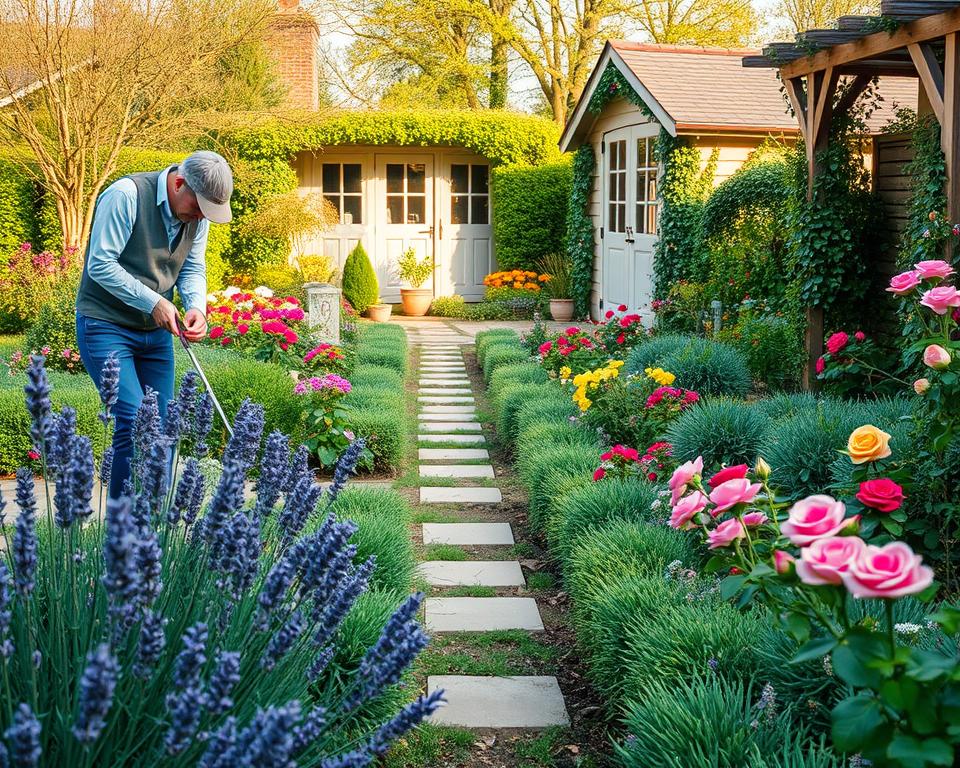
To ensure your English garden thrives while minimizing its environmental footprint, adopting sustainable gardening practices is essential. This involves a combination of techniques that not only reduce your garden’s impact on the environment but also enhance its beauty and biodiversity.
Composting and Soil Improvement
Composting is a vital practice that enhances soil quality, reduces waste, and supports healthy plant growth. By composting kitchen scraps and garden waste, you can create a nutrient-rich soil amendment that improves soil structure and fertility.
Water Conservation Techniques
Water conservation is critical in sustainable gardening. Techniques such as rainwater harvesting and using drought-resistant plants can significantly reduce water usage.
Rainwater Harvesting
Installing a rainwater harvesting system allows you to collect and store rainwater for later use, reducing your reliance on mains water.
Drought-Resistant Planting
Selecting plants that are tolerant of dry conditions can minimize the need for frequent watering, making your garden more resilient during periods of drought.
Wildlife-Friendly Gardening
Creating a wildlife-friendly garden not only supports local biodiversity but also enhances the ecological balance of your garden. By incorporating a variety of plants and features, you can attract beneficial insects and animals.
Creating Habitats for Beneficial Creatures
Incorporating native plants, shrubs, and trees, along with features like ponds or log piles, can create habitats that support a diverse range of wildlife.
Avoiding Harmful Chemicals
Refraining from the use of harmful chemicals in your garden helps protect wildlife and maintains soil health, contributing to a more sustainable gardening practice.
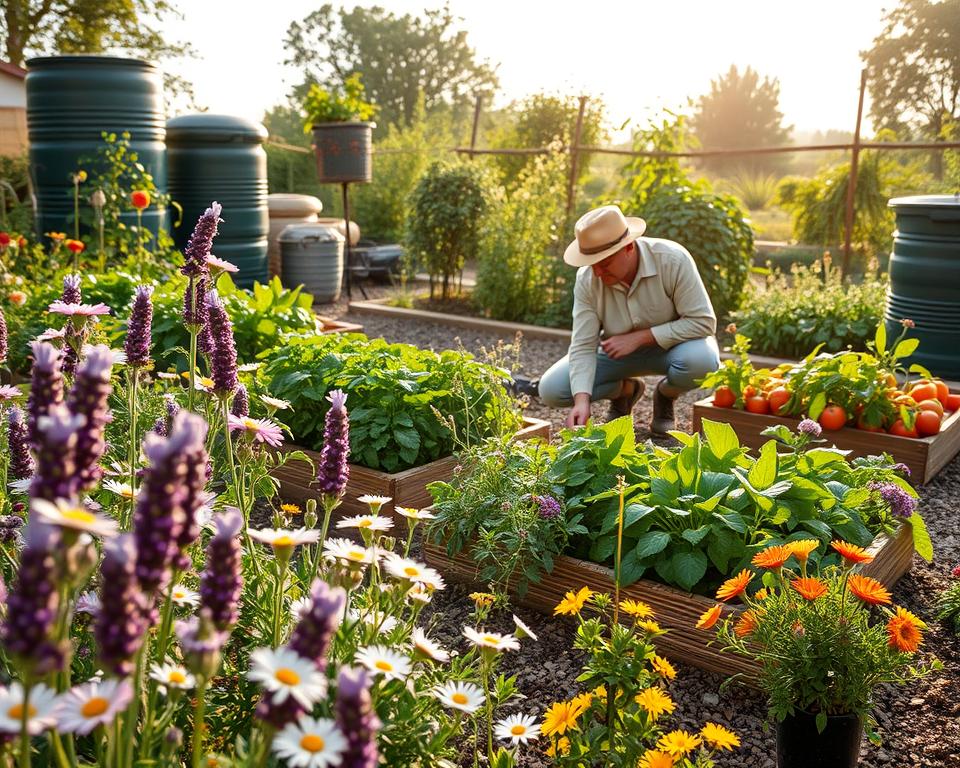
Common Challenges and Solutions
Maintaining an English garden requires not only aesthetic vision but also practical problem-solving skills. As you tend to your garden, you may encounter various challenges that can impact its overall health and beauty.
Managing Pests and Diseases
Pests and diseases can significantly affect the well-being of your garden. Effective management involves a combination of strategies.
Organic Control Methods
Using organic control methods is a sustainable way to manage pests. Techniques include introducing beneficial insects, such as ladybugs, and using natural deterrents like neem oil. Companion planting is another effective method, where certain plants are grown together to deter pests.
Preventative Measures
Prevention is key to managing pests and diseases. Regularly inspecting your plants, removing diseased material, and ensuring good garden hygiene can prevent many issues. Proper spacing between plants also helps to reduce the risk of disease spread.
Dealing with Weather Extremes
Weather extremes, such as droughts or heavy rainfall, can pose significant challenges to gardeners. To mitigate these effects, you can implement several strategies.
Using mulch can help retain soil moisture during dry spells and protect soil from erosion during heavy rainfall. Additionally, selecting plants that are resilient to local weather conditions can enhance your garden’s resilience.
Conclusion
As you embark on creating your English garden, remember that patience and flexibility are key. Your garden will evolve over time, and it’s essential to enjoy the journey. By following the steps outlined in this guide, you’ll be well on your way to creating a beautiful and tranquil outdoor space.
To achieve a stunning English garden, focus on incorporating traditional elements such as roses, perennials, and structural features like walls and pathways. Don’t forget to consider the changing seasons and how they will impact your garden’s appearance. With these final tips, you’ll be able to create a garden that is both beautiful and sustainable.
As you put these gardening conclusion principles into practice, you’ll find that your English garden becomes a haven for relaxation and entertainment. Take your time, and don’t be afraid to experiment and try new things. With these final tips, you’ll be well-equipped to create your dream English garden, enjoying the process and the beautiful results.
FAQ
What is the ideal soil type for an English garden?
The ideal soil type for an English garden is typically well-draining and fertile, with a mix of clay, silt, and sand. You can improve your soil quality by adding organic matter such as compost or manure.
How do I choose the right plants for my English garden?
To choose the right plants for your English garden, consider factors such as climate, soil type, and sunlight patterns. You can select traditional English garden plants, such as roses, delphiniums, and lavender, which are known to thrive in the British climate.
What are the key characteristics of a traditional English garden?
A traditional English garden typically features informal planting schemes, meandering pathways, and a mix of flowers, shrubs, and trees. You can also incorporate structural elements such as walls, hedges, and fountains to create a charming and inviting atmosphere.
How do I maintain my English garden throughout the year?
To maintain your English garden, perform seasonal tasks such as pruning, planting, and mulching. You should also regularly inspect your garden for pests and diseases, and take action to prevent or control any issues that arise.
Can I create a cottage garden style within my English garden?
Yes, you can create a cottage garden style within your English garden by mixing ornamentals with edibles, incorporating self-seeding plants, and achieving an informal, abundant look. Consider using traditional cottage garden plants such as herbs, vegetables, and flowers.
How do I incorporate sustainable gardening practices into my English garden?
To incorporate sustainable gardening practices into your English garden, consider techniques such as composting, rainwater harvesting, and drought-resistant planting. You can also create habitats for beneficial creatures and avoid using harmful chemicals.
What are some common challenges faced by English gardeners, and how can I overcome them?
Common challenges faced by English gardeners include managing pests and diseases, dealing with weather extremes, and rejuvenating tired garden areas. You can overcome these challenges by using organic control methods, taking preventative measures, and implementing sustainable gardening practices.