Creating a Permaculture Garden: How to Build a Successful Sustainable Garden
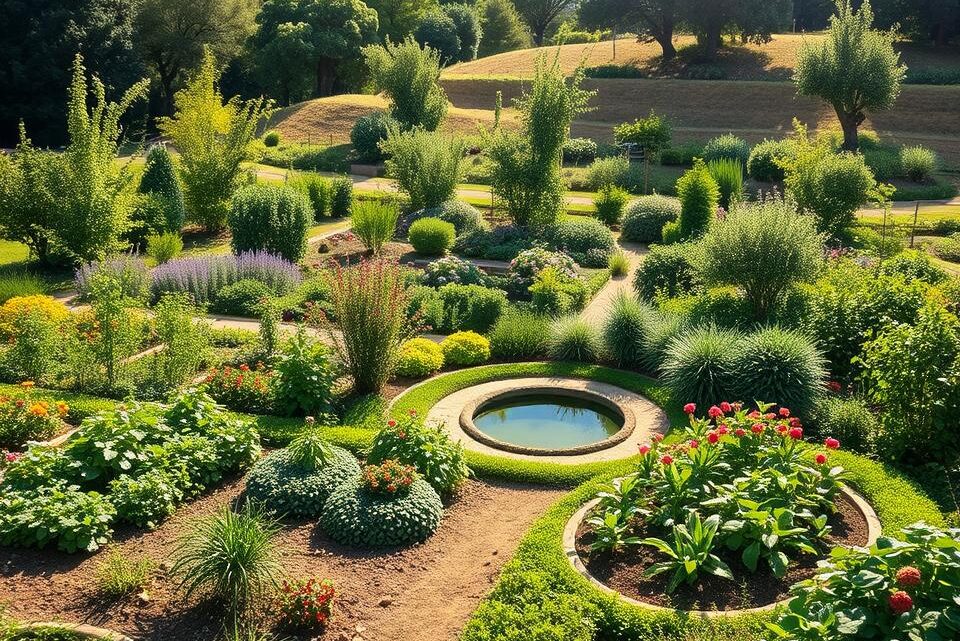
You can cultivate a thriving ecosystem in your own backyard by adopting sustainable gardening practices. In the UK climate, designing a permaculture garden is an effective way to work with nature, not against it. This approach focuses on creating a harmonious relationship between plants, animals, and the environment.
By embracing permaculture principles, you can enjoy a bountiful harvest while minimising your ecological footprint. This introductory section will guide you through the process of building a successful permaculture garden, tailored to the UK’s unique climate conditions.
Inhaltsverzeichnis
Key Takeaways
- Understand the core principles of permaculture gardening.
- Learn how to design a sustainable garden in the UK climate.
- Discover the benefits of working with nature in your garden.
- Explore ways to minimise your ecological footprint.
- Find out how to enjoy a bountiful harvest with permaculture.
Understanding Permaculture: Principles and Philosophy
To create a thriving permaculture garden, it’s essential to grasp the underlying principles and philosophy that guide this sustainable approach to gardening. Permaculture is a holistic design system that aims to create regenerative and self-sustaining ecosystems.
The Three Ethics of Permaculture
Permaculture is guided by three core ethics that shape its practices and principles.
Earth Care: Rebuilding Soil and Ecosystems
Earth Care emphasizes the importance of regenerating and preserving natural ecosystems. This involves practices like restoring soil health, conserving water, and promoting biodiversity.
People Care: Meeting Basic Needs Sustainably
People Care focuses on ensuring that human needs are met in a way that is sustainable and equitable. This includes providing for food, shelter, and community, while also promoting social justice.
Fair Share: Setting Limits and Redistributing Surplus
Fair Share encourages individuals to consume resources wisely and to share surplus resources with others, thereby promoting a more equitable distribution of wealth and resources.
The Twelve Design Principles
Permaculture’s twelve design principles provide a framework for creating sustainable and regenerative systems. These principles guide the design of permaculture gardens, from observing and interacting with nature to using and valuing renewable resources.
How Permaculture Differs from Conventional Gardening
Unlike conventional gardening, which often relies on external inputs like fertilizers and pesticides, permaculture seeks to work with nature. It aims to create diverse and resilient ecosystems that require fewer external resources.
By understanding and applying permaculture principles, you can create a garden that is not only productive but also sustainable and regenerative.
Benefits of Creating a Permaculture Garden
The benefits of permaculture gardening are multifaceted, ranging from environmental improvements to economic savings. By creating a permaculture garden, you’re not only enhancing your immediate surroundings but also contributing to a more sustainable future.
Environmental Advantages
Permaculture gardening promotes biodiversity and soil health, leading to a more resilient ecosystem. By using natural methods to control pests and diseases, you reduce the need for chemical pesticides, creating a healthier environment for both you and local wildlife.

Economic Benefits
One of the significant advantages of permaculture is the potential for cost savings. By growing your own food and managing resources efficiently, you can reduce your grocery bills and lower your water and energy costs.
Reduced Grocery Bills
By cultivating a diverse range of crops, you can significantly reduce your reliance on supermarket produce, leading to lower grocery bills.
Lower Water and Resource Costs
Efficient water management and resource conservation techniques in permaculture gardening help minimize waste, resulting in lower utility bills.
Social and Community Impact
Permaculture gardening can also have a positive impact on your community. By sharing knowledge, resources, and produce, you can foster a sense of community and cooperation among gardeners and local residents.
Essential Tools and Resources for Your Permaculture Project
A well-prepared permaculture gardener knows that having the right tools and resources is crucial for success. To help you get started, we’ve outlined the essential items you’ll need for your permaculture journey.
Basic Garden Tools
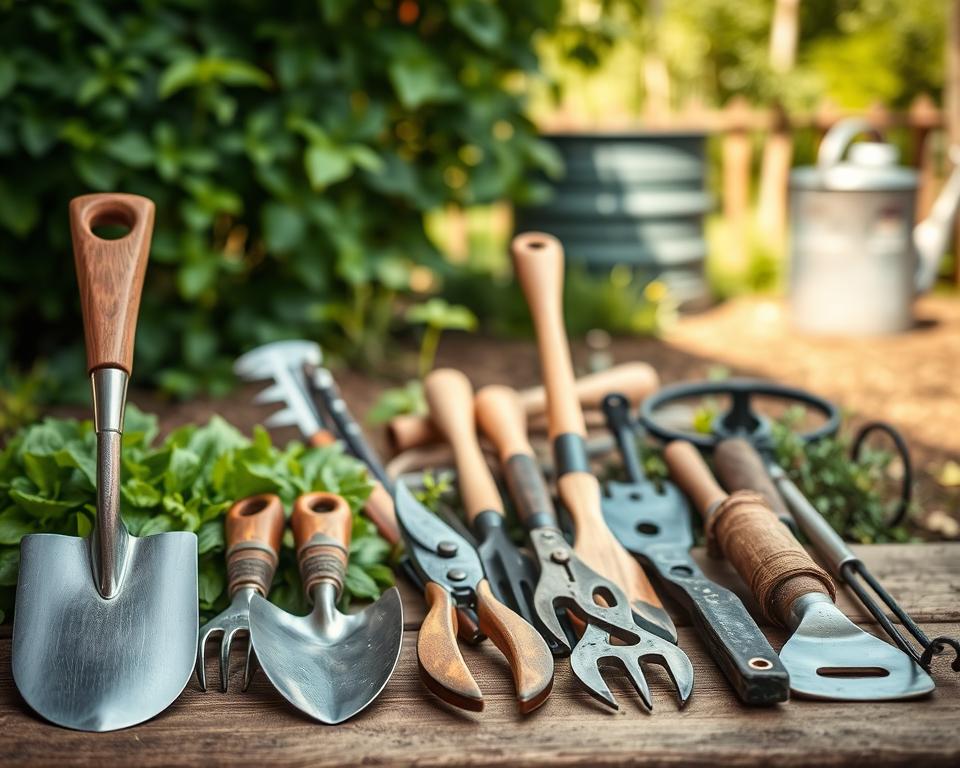
Every permaculture garden begins with basic tools. These include a sturdy spade for digging, a rake for soil preparation, and pruning shears for maintaining your plants. Investing in high-quality tools will make your gardening tasks more efficient.
Specialised Permaculture Equipment
As you progress, you may want to incorporate specialised equipment such as a compost turner or a rainwater harvesting system. These tools can significantly enhance the sustainability of your garden.
Recommended Books and Online Resources
For further guidance, several books and online resources are invaluable. “Permaculture: A Designer’s Manual” by Bill Mollison is a seminal text. Online, the Permaculture Association UK website offers extensive resources and community insights.
UK-Specific Permaculture Resources
For those in the UK, organisations like the Permaculture Association UK provide local support and resources. They offer courses, workshops, and a wealth of information tailored to the UK climate and gardening conditions.
| Resource | Description |
|---|---|
| Permaculture Association UK | Offers courses, workshops, and local support for UK permaculture enthusiasts. |
| “Permaculture: A Designer’s Manual” | A comprehensive guide to permaculture design principles. |
Site Assessment: Analysing Your Garden Space
Before you start transforming your outdoor space into a permaculture garden, it’s essential to conduct a thorough site assessment. This process involves understanding the unique characteristics of your garden, including its layout, existing features, and microclimates.
Mapping Your Land
Mapping your land is a crucial step in site assessment. It helps you visualize the space and identify areas that need improvement.
Creating a Base Map
To create a base map, start by sketching the outline of your garden, including any existing structures or features. You can use graph paper or digital tools like Google Earth or SketchUp to create an accurate representation.
Documenting Existing Features
Document all existing features, such as trees, paths, and water bodies. This information will be invaluable when designing your permaculture garden. Consider using symbols or legends to differentiate between various features.
Understanding Microclimates
Microclimates are localized climatic conditions that can significantly impact your garden’s ecosystem. Understanding these variations can help you make informed decisions about plant placement and garden design.

Identifying Existing Resources and Constraints
Assessing your garden’s resources and constraints is vital for creating a successful permaculture design. This includes evaluating soil quality, sunlight patterns, and wind direction.
Working with British Weather Patterns
British weather can be quite unpredictable. Understanding the local climate patterns and how they affect your garden is crucial. For instance, you might need to plan for heavy rainfall or drought conditions. Consider implementing strategies like rainwater harvesting or using drought-resistant plants.
By thoroughly assessing your garden space, you can create a permaculture design that works in harmony with nature, maximizing productivity and minimizing maintenance.
Permaculture Design: Planning Your Garden Layout
Permaculture design is about creating a garden that works with nature, not against it. This approach to gardening involves designing your garden layout to maximise productivity while minimising waste.
Zones and Sectors Planning
Zones and sectors planning is a fundamental aspect of permaculture design. It involves dividing your garden into different zones based on the frequency of use and the needs of different areas.
The Five Zones System
The five zones system is a widely used method in permaculture design. It helps you organise your garden into manageable areas.
- Zone 0: The home or centre of the permaculture system.
- Zone 1: Intensive garden beds and areas that require frequent visits.
- Zone 2: Orchards and larger perennial plantings.
- Zone 3: Larger areas for crops and animals.
- Zone 4: Semi-wild areas for foraging and wildlife.
- Zone 5: Wilderness areas left untouched.
Adapting Zones for Small UK Gardens
In smaller UK gardens, adapting the zones system is crucial. You can merge or adjust zones to fit your available space.
| Zone | Typical Use | Adaptation for Small Gardens |
|---|---|---|
| Zone 1 | Intensive garden beds | Use vertical gardening techniques |
| Zone 2 | Orchard and perennials | Choose compact or dwarf varieties |
| Zone 3 | Crops and animals | Consider container gardening |
Creating Efficient Energy Flows
Creating efficient energy flows in your permaculture garden involves designing your layout to reduce the need for external inputs.
For example, placing plants that require frequent watering near your water source reduces the energy needed for irrigation.
Incorporating Multiple Functions for Each Element
In permaculture design, each element should serve multiple purposes. For instance, a tree can provide shade, food, and habitat for wildlife.
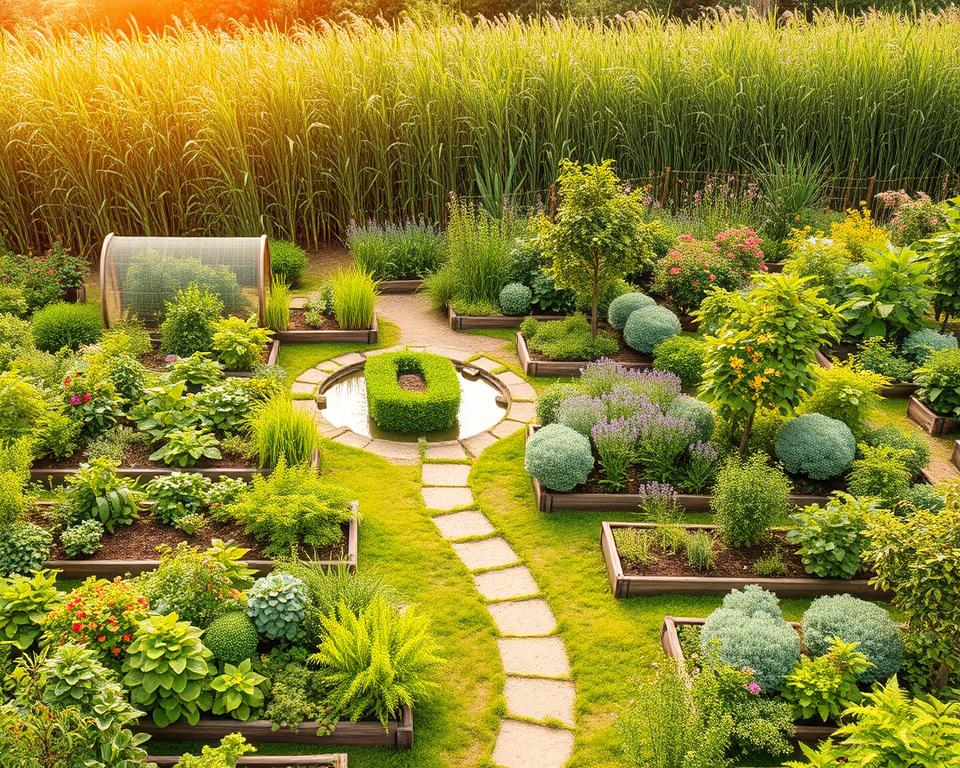
By incorporating multiple functions, you increase the overall efficiency and resilience of your garden.
Soil Building and Improvement Techniques
Healthy soil is the backbone of a permaculture garden, and there are several techniques to achieve this. Improving your soil’s health is crucial for creating a sustainable and productive garden.
Understanding Your Soil Type
Before you can improve your soil, you need to understand its type. Different soils have different characteristics that affect how you manage them.
Common UK Soil Types and Their Characteristics
The UK has a variety of soil types, including clay, silt, sand, and loam. Each type has its advantages and challenges. For example, clay soils are rich in nutrients but can be heavy and wet, while sandy soils drain well but may lack nutrients.
| Soil Type | Characteristics | Improvement Techniques |
|---|---|---|
| Clay | Heavy, wet, nutrient-rich | Add organic matter, use no-dig methods |
| Sand | Well-draining, nutrient-poor | Add compost, mulch regularly |
| Loam | Balanced, fertile | Maintain organic matter, rotate crops |
No-Dig Methods and Sheet Mulching
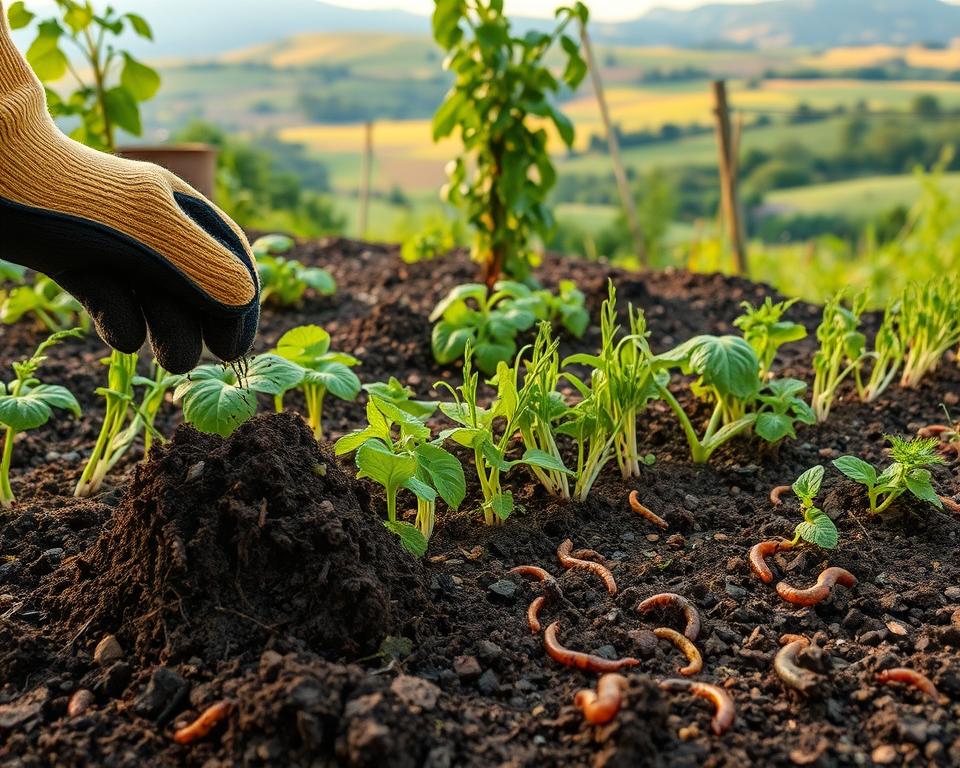
No-dig methods and sheet mulching are effective ways to improve soil structure and fertility without disturbing the soil. These techniques involve layering organic materials on top of the soil to create a nutrient-rich environment.
Creating and Using Compost
Composting is a vital process in permaculture gardening. It involves breaking down organic materials to create a nutrient-rich compost that enhances soil fertility.
Hot Composting for British Climates
Hot composting is a fast and efficient method suitable for the British climate. It involves maintaining a compost pile with the right balance of green and brown materials.
Worm Farming and Vermicompost
Worm farming, or vermicomposting, is another effective method for creating high-quality compost. It involves using worms to break down organic matter, resulting in a nutrient-rich vermicompost.
By understanding your soil type and using techniques like no-dig methods, sheet mulching, and composting, you can significantly improve your soil’s health and fertility, creating a thriving permaculture garden.
Water Management in Permaculture Gardens
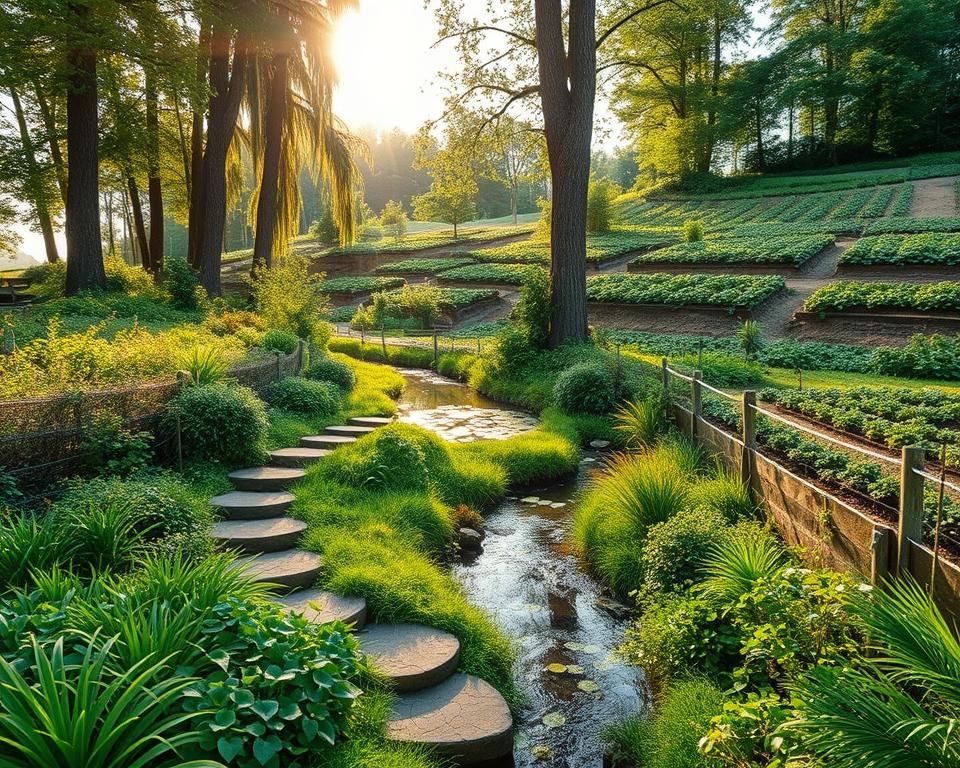
In permaculture, water management is not just about saving water, but creating a sustainable ecosystem. Effective water conservation and management are crucial for the success of your permaculture garden.
Rainwater Harvesting Systems
One of the most effective ways to manage water in your permaculture garden is through rainwater harvesting. This involves collecting and storing rainwater for later use, reducing your reliance on mains water.
Calculating Your Catchment Potential
To implement a rainwater harvesting system, you first need to calculate your catchment potential. This involves measuring the surface area of your roofs and other potential catchment areas.
| Catchment Area | Annual Rainfall | Potential Harvest |
|---|---|---|
| 100 m² | 600 mm | 60,000 litres |
| 150 m² | 800 mm | 120,000 litres |
Swales, Berms and Other Water-Retention Strategies
Swales and berms are earthworks that help retain water in your garden, allowing it to infiltrate the soil rather than running off. These are particularly effective in permaculture gardens.
Greywater Recycling Options
Greywater recycling involves reusing water from sinks, showers, and washing machines for irrigation. This can significantly reduce your water consumption.
UK Regulations and Best Practices
In the UK, there are specific regulations regarding greywater recycling. It’s essential to comply with these regulations to ensure your system is safe and effective.
By implementing these water management strategies, you can create a more sustainable and resilient permaculture garden.
Creating a Permaculture Garden: How to Build a Successful Sustainable Garden
Building a successful permaculture garden requires a thoughtful and multi-step approach. To achieve this, you need to understand the implementation process, start small, and work with nature’s patterns.
Step-by-Step Implementation Process
Implementing a permaculture garden involves several key steps.
First Year Timeline
In the first year, focus on assessing your site, designing your garden, and establishing core systems. This includes mapping your land, understanding microclimates, and identifying existing resources and constraints. You should also begin preparing your soil through no-dig methods and sheet mulching.
Establishing Core Systems
Core systems in permaculture include rainwater harvesting, swales, and composting. These systems are crucial for creating a sustainable and resilient garden ecosystem. By establishing these systems early on, you can ensure your garden is well-equipped to thrive.
Starting Small and Scaling Up
It’s essential to start small and scale up your permaculture garden gradually. Begin with a manageable area and gradually expand as you gain experience and confidence. This approach helps prevent overwhelm and allows you to refine your techniques.
Working with Nature’s Patterns
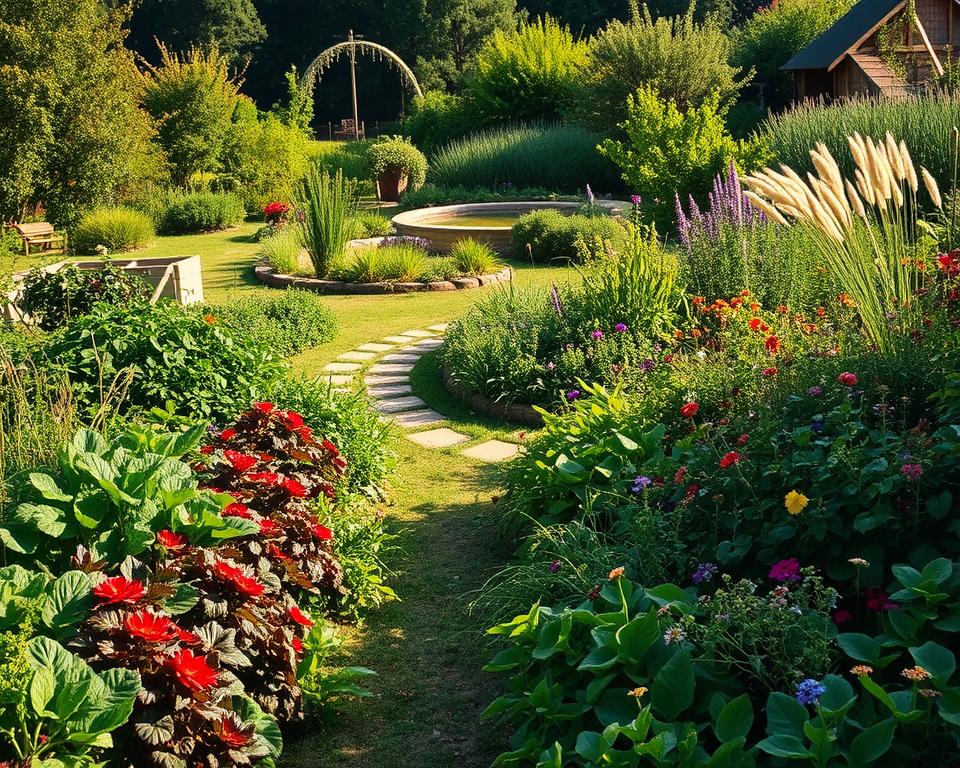
Working with nature’s patterns is a fundamental principle of permaculture.
Observing and Interacting with Your Garden
Observe your garden’s natural rhythms and patterns, and interact with it regularly. This involves monitoring wildlife, noting seasonal changes, and adjusting your strategies accordingly. By doing so, you can create a harmonious and balanced ecosystem.
To achieve a thriving permaculture garden, remember to be patient, observe carefully, and work in harmony with nature.
Plant Selection and Guilds for UK Climate
To build a successful permaculture garden in the UK, understanding which plants are suitable for the local climate is key. The UK’s climate varies significantly across different regions, making it essential to choose plants that are resilient and adaptable.
Choosing Climate-Appropriate Plants
When selecting plants for your permaculture garden, it’s crucial to consider their hardiness and ability to thrive in the UK’s temperate maritime climate. Native British species are often a good choice as they are naturally adapted to the local conditions.
Native British Species for Permaculture
- Ulex europaeus (Gorse) for nitrogen fixation and hedging
- Prunus avium (Wild Cherry) for fruit production and wildlife support
- Digitalis purpurea (Foxglove) for attracting pollinators
Creating Beneficial Plant Communities
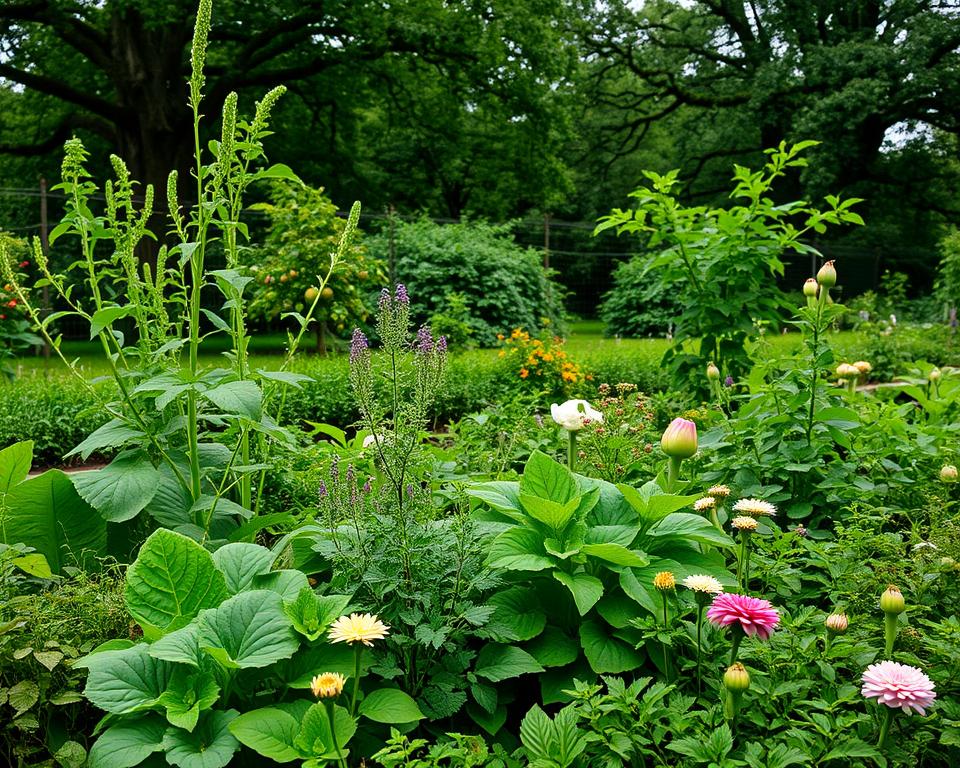
Creating guilds, or communities of plants that work together, is a fundamental principle of permaculture. By selecting plants that support each other, you can enhance biodiversity and reduce the need for external inputs.
Example Guilds for British Gardens
A good example of a beneficial guild is planting comfrey alongside fruit trees. Comfrey acts as a fertilizer plant, adding nutrients to the soil that benefit the fruit trees.
Edible Perennials for Sustainable Harvests
Incorporating edible perennials into your permaculture garden provides a sustainable source of food with minimal maintenance. These plants come back year after year, reducing the need for annual replanting.
Fruit Trees and Bushes for UK Hardiness Zones
- Apple trees (Malus domestica) for a variety of climates and uses
- Raspberry bushes (Rubus idaeus) for early summer fruit
- Elderberry (Sambucus nigra) for its berries and medicinal properties
By carefully selecting and arranging plants in your permaculture garden, you can create a thriving ecosystem that is both productive and resilient.
Building Food Forests and Forest Gardens
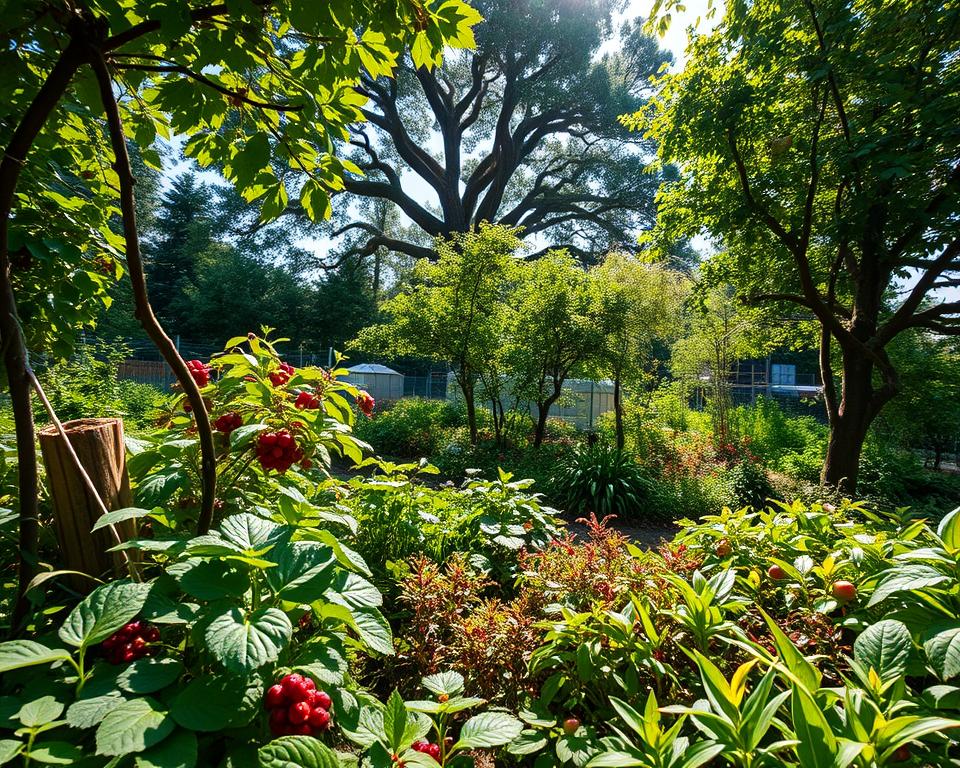
Food forests and forest gardens offer a sustainable approach to gardening by mimicking natural ecosystems. By designing a diverse and resilient food forest, you’re creating a thriving ecosystem that requires minimal maintenance.
The Seven Layers of a Food Forest
A key principle in creating a food forest is understanding the seven layers of planting. These layers work together to create a balanced ecosystem.
- Canopy layer: Tall trees that provide shade and shelter.
- Understory layer: Smaller trees and shrubs that thrive in shade.
- Shrub layer: Fruit-bearing shrubs and bushes.
- Herbaceous layer: Perennial plants and herbs.
- Ground cover layer: Low-growing plants that suppress weeds.
- Rhizome layer: Plants with underground stems like ginger and turmeric.
- Vertical layer: Climbers and vines that make use of vertical space.
Succession Planning
Succession planning is crucial for maintaining a healthy and productive food forest. This involves planning for the different stages of plant growth and development.
Establishing Pioneers and Nitrogen Fixers
Pioneer plants are hardy species that can thrive in challenging conditions, helping to establish a new ecosystem. Nitrogen-fixing plants, such as legumes, enrich the soil, benefiting other plants in the forest.
Recommended Species for British Food Forests
When selecting plants for your food forest, choose species that are well-suited to the British climate.
Understory Plants for Shade Conditions
In shade conditions, plants like Allium ursinum (wild garlic) and Symphytum officinale (comfrey) thrive, providing edible greens and benefiting the overall ecosystem.
By incorporating these principles and plant selections, you can create a vibrant and productive food forest that aligns with permaculture principles.
Natural Pest Management Strategies
In permaculture gardening, natural pest management strategies play a vital role in ensuring the health and productivity of your garden. By adopting these methods, you can maintain ecological balance and reduce the need for chemical pesticides.
Encouraging Beneficial Insects and Wildlife
One effective way to manage pests naturally is by encouraging beneficial insects and wildlife. These beneficial organisms can help control pest populations, reducing the need for intervention.
Creating Habitats for Pollinators and Predators
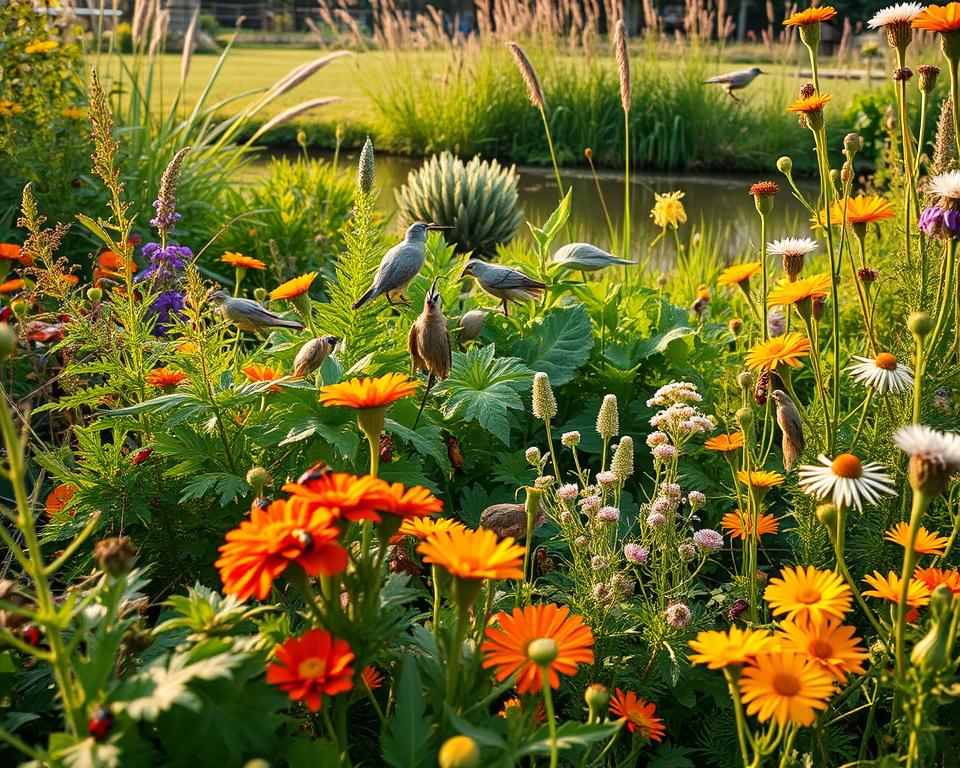
To attract beneficial insects, create habitats that provide shelter and food. Plant a diverse range of flowers that attract pollinators and predators, such as Buddleja and Marigold. Consider creating a pond or water feature to attract beneficial wildlife.
Companion Planting for Pest Control
Companion planting is another valuable strategy for natural pest management. By growing certain plants together, you can deter pests and improve overall garden health. For example, planting marigolds with tomatoes can help deter nematodes.
Organic Solutions for Common Garden Pests
For specific pest issues, there are various organic solutions available. These can range from using neem oil to control aphids to introducing biological controls like ladybugs to manage aphid populations.
Dealing with UK-Specific Garden Challenges
In the UK, gardeners often face challenges from pests such as slugs and snails. Using organic methods like copper tape or introducing natural predators can help mitigate these issues.
Seasonal Maintenance and Harvesting
To keep your permaculture garden productive, it’s essential to stay on top of seasonal tasks. Effective seasonal maintenance ensures that your garden remains resilient and continues to provide a bountiful harvest throughout the year.
Spring and Summer Tasks
During spring and summer, your permaculture garden will require regular maintenance to ensure optimal growth. This includes:
- Pruning and training plants
- Managing weeds and pests
- Monitoring soil moisture
Planting and Propagation Schedule
Create a planting schedule to ensure you’re making the most of the growing season. This involves planning for succession planting and propagating new plants to expand your garden or share with others.
Autumn and Winter Activities
As the seasons change, your garden’s needs will shift. Autumn and winter tasks include:
- Harvesting crops before the first frost
- Preparing soil for the next growing season
- Protecting plants from harsh weather
Preparing Your Garden for the Cold Season
To protect your garden during the cold season, consider mulching, covering sensitive plants, and bringing in tender perennials. This will help ensure that your garden remains healthy and thrives when spring arrives.
Sustainable Harvesting Practices

Implementing sustainable harvesting practices is crucial for maintaining the health and productivity of your permaculture garden. This involves harvesting crops at the right time, using techniques that minimize waste, and ensuring that you’re not over-harvesting, which can deplete the soil and reduce future yields.
Overcoming Common Challenges in Permaculture Gardening
As you embark on your permaculture journey, you’ll likely encounter several common challenges. Permaculture gardening, while rewarding, requires careful planning and adaptation to overcome various obstacles.
Dealing with Limited Space
Limited space is a common issue for many gardeners. To maximize your area, consider vertical growing solutions. Techniques such as trellising, arbors, and living walls can significantly increase your growing area without expanding your footprint.
Vertical Growing Solutions
Implementing vertical growing solutions can be as simple as using a trellis for climbing plants or as complex as designing a multi-tiered living wall. These methods not only save space but also add visual interest to your garden.
Managing Excessive Rainfall or Drought
Permaculture gardens must be resilient to extreme weather conditions. To manage excessive rainfall or drought, employ climate adaptation strategies. This can include installing rainwater harvesting systems and creating swales to capture and store water.
Climate Adaptation Strategies
Adapting to climate extremes involves understanding your local climate patterns and designing your garden accordingly. Strategies may include mulching to retain moisture during droughts and using permeable pavers to allow rainwater to percolate into the soil.
Balancing Aesthetics with Productivity
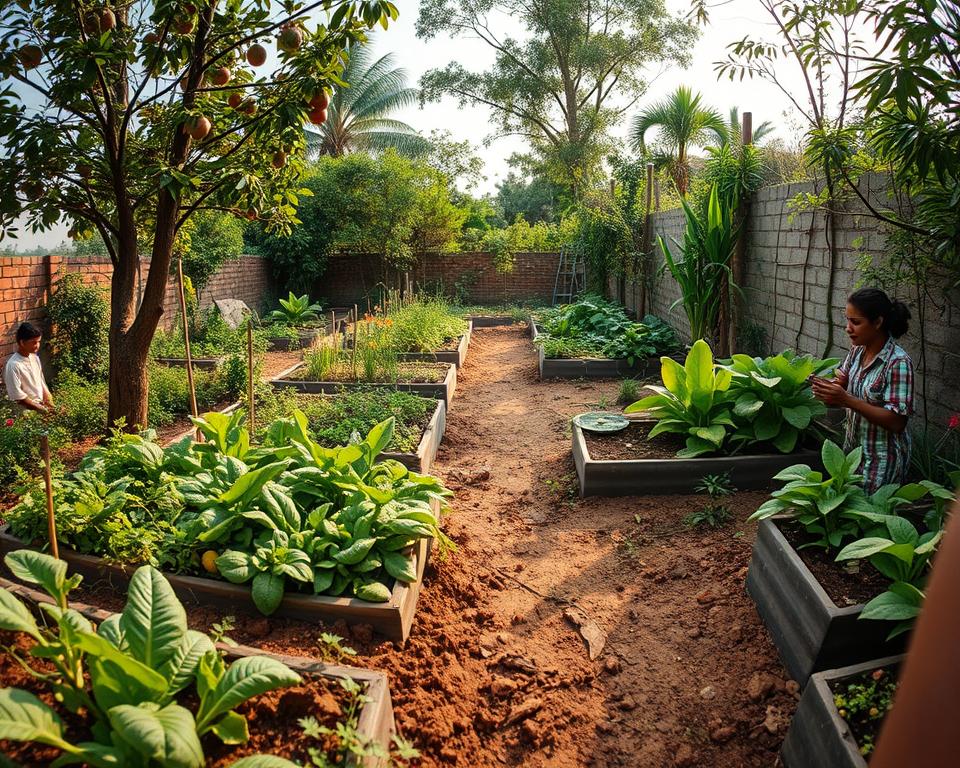
A well-designed permaculture garden balances beauty with productivity. You can achieve this by integrating ornamentals with edibles. This approach not only enhances the visual appeal of your garden but also increases its biodiversity and ecological value.
Integrating Ornamentals with Edibles
Combining edible plants with ornamentals can create a vibrant and diverse garden ecosystem. For example, planting marigolds among your vegetables can deter pests and add color to your garden.
Conclusion: Your Journey to a Thriving Permaculture Garden
As you embark on your permaculture journey, you’ll be creating a sustainable gardening ecosystem that benefits both you and the environment. By applying the principles and techniques outlined in this article, you’ll be well on your way to building a thriving permaculture garden.
Your sustainable gardening efforts will not only provide you with a bounty of fresh produce but also contribute to a healthier planet. As you continue on your permaculture journey, remember to stay flexible, observe your garden’s responses, and make adjustments as needed.
With time and practice, your permaculture garden will become a haven for biodiversity, a haven that supports local wildlife and provides a peaceful retreat for you. By adopting sustainable gardening practices, you’re investing in a more sustainable future for generations to come.
FAQ
What is permaculture and how does it differ from conventional gardening?
Permaculture is a sustainable gardening practice that works with nature to create a thriving ecosystem. It differs from conventional gardening by focusing on biodiversity, soil regeneration, and efficient water use, rather than relying on chemical inputs and intensive tillage.
How do I assess my garden space for permaculture design?
To assess your garden space, start by mapping your land, documenting existing features, and understanding microclimates. Identify existing resources and constraints, such as sunlight, soil type, and water availability, to inform your permaculture design.
What are the benefits of creating a permaculture garden?
Creating a permaculture garden offers numerous benefits, including environmental advantages such as biodiversity conservation and soil regeneration, economic benefits like reduced grocery bills and lower resource costs, and social impact on your community.
What tools and resources do I need to start a permaculture garden?
To start a permaculture garden, you’ll need basic garden tools, such as a shovel and rake, as well as specialised permaculture equipment like a broadfork and sheet mulching materials. Recommended books and online resources, including UK-specific permaculture guides, can also provide valuable information.
How do I manage water effectively in my permaculture garden?
Effective water management in permaculture involves rainwater harvesting, swales, berms, and greywater recycling. You can calculate your catchment potential, create a rainwater harvesting system, and implement water-retention strategies to conserve and manage water effectively.
What plants are suitable for a UK permaculture garden?
Choosing climate-appropriate plants is crucial for a UK permaculture garden. Consider native British species, edible perennials, and beneficial plant communities that thrive in the UK climate. Fruit trees and bushes suitable for UK hardiness zones can also be incorporated.
How do I manage pests naturally in my permaculture garden?
Natural pest management involves encouraging beneficial insects and wildlife, companion planting, and using organic solutions for common garden pests. Creating habitats for pollinators and predators, and using UK-specific pest management strategies, can help maintain a balanced ecosystem.
What are the key tasks for maintaining a permaculture garden throughout the year?
Seasonal maintenance tasks include spring and summer activities like planting and propagation, autumn and winter tasks like preparing your garden for the cold season, and sustainable harvesting practices to ensure a continuous yield.
How can I overcome common challenges in permaculture gardening?
To overcome common challenges, consider strategies like vertical growing solutions for limited space, climate adaptation strategies for managing excessive rainfall or drought, and integrating ornamentals with edibles to balance aesthetics with productivity.