is it cheaper to build or buy a garden room?
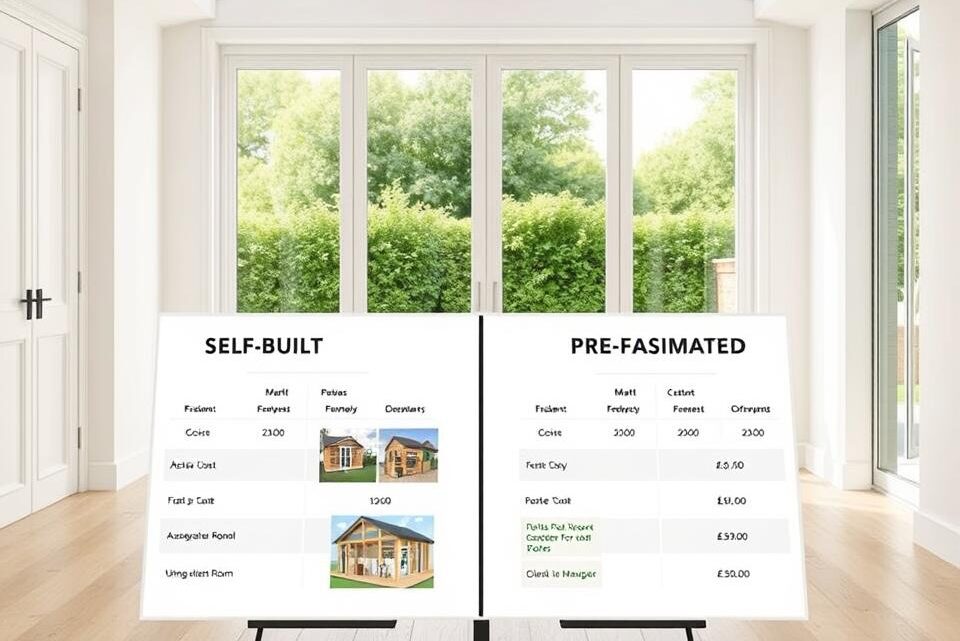
Creating your perfect garden retreat involves a crucial decision: should you build it yourself or purchase a ready-made structure? This garden room cost comparison reveals surprising insights about both options available to UK homeowners.
The debate between DIY garden room vs pre-made solutions centres on more than just initial costs. Self-build garden room expenses typically start from £3,000, whilst companies like Dunster House and Green Retreats offer pre-built options from £5,000 upwards.
Garden office pricing UK varies dramatically based on size, specification and installation requirements. Whether you’re planning a home office, gym or relaxation space, understanding the full financial picture helps you make the right choice for your budget and lifestyle.
Inhaltsverzeichnis
Key Takeaways
- DIY garden rooms cost between £3,000-£15,000 depending on materials and size
- Pre-made garden rooms range from £5,000-£30,000 including professional installation
- Self-build projects require significant time investment and basic construction skills
- Ready-made options from suppliers like Rubicon Garden Rooms include warranties and guarantees
- Hidden costs include groundwork, electrical connections and planning permission fees
- Both options can add 5-10% value to your property when built to high standards
Understanding Garden Room Options in the UK
Garden rooms have become increasingly popular across Britain as homeowners seek extra space without the hassle of traditional extensions. These versatile structures offer a practical solution for those needing an outdoor office space or additional living area. Before investing in one, it’s essential to understand the various garden building types available and the regulations that govern them.
What Constitutes a Garden Room?
A garden room is a standalone structure separate from your main house, typically featuring timber frames, insulated walls, and weatherproof exteriors. These buildings range from compact 8 square metre units to spacious 30 square metre designs. Unlike sheds or summerhouses, garden rooms are built to higher specifications with proper insulation, double glazing, and electrical installations.
Popular Uses for Garden Rooms
Today’s garden rooms serve multiple purposes beyond simple storage. Many homeowners transform them into:
- Home offices for remote working
- Art studios and creative spaces
- Personal gyms and yoga retreats
- Entertainment rooms and garden bars
- Guest accommodation
Planning Permission and Building Regulations
Most garden rooms fall under permitted development rights, meaning you won’t need planning permission if certain conditions are met. Your structure must be under 2.5 metres high with a flat roof, or 4 metres with a dual-pitched roof. The building should cover less than 50% of your garden space and meet specific UK garden room regulations outlined in the Town and Country Planning Act.
The True Cost of Buying a Pre-Made Garden Room
When considering a ready-made garden room, understanding the full financial picture helps you make an informed decision. Garden room prices UK vary considerably based on size, quality, and specifications. Beyond the initial purchase price, several additional costs can significantly impact your budget.
Price Ranges for Different Sizes
Prefab garden room expenses depend largely on dimensions and quality. Reputable suppliers like Green Retreats and Garden Spaces offer various options to suit different budgets:
| Garden Room Size | Basic Range | Premium Range |
|---|---|---|
| 3m x 3m | £5,000 – £8,000 | £10,000 – £15,000 |
| 4m x 3m | £8,000 – £12,000 | £15,000 – £20,000 |
| 6m x 4m | £15,000 – £20,000 | £25,000 – £30,000 |
Most modular garden office cost calculations work out between £800 and £1,500 per square metre. Premium models include enhanced insulation, double-glazing, and superior finishes.
Installation and Delivery Charges
Installation fees typically add £1,000 to £3,000 to your project. This covers professional assembly, ensuring proper weatherproofing and structural integrity. Delivery charges range from £300 to £800, depending on your location and access requirements.
Hidden Costs to Consider
Several expenses often catch buyers by surprise:
- Groundworks preparation: £1,500 – £4,000 for base foundations
- Electrical connections: £500 – £1,500 for power supply installation
- Crane hire: £400 – £800 for difficult access sites
- Planning permission: £206 if required
- Building control fees: £300 – £500 for larger structures
These additional costs can add 20-40% to your initial budget, making a £10,000 garden room potentially cost £14,000 or more once fully installed and operational.
Breaking Down DIY Garden Room Building Costs
Building your own garden room can be a rewarding project that saves money. Understanding the breakdown of DIY construction costs helps you budget accurately and avoid unexpected expenses. Most self-builders find that materials cost between £300 and £600 per square metre, making it substantially cheaper than buying pre-made options.
The foundation of any garden room is the timber frame. Timber frame pricing varies based on wood quality and dimensions. For a standard 3×4 metre structure, expect to spend £500 to £1,200 on framework materials. Pine and spruce offer budget-friendly options, whilst oak provides superior durability at a higher price point.
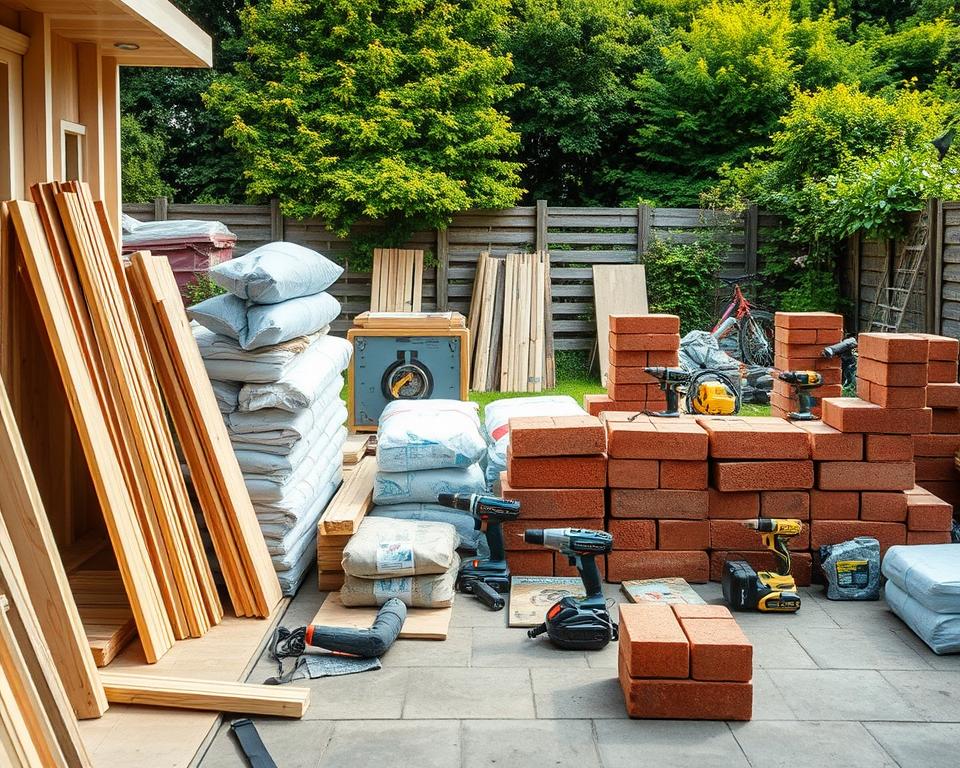
Beyond the frame, several key components make up your total self-build garden room materials budget:
- OSB boards and external cladding: £800-£1,500
- EPDM rubber roofing system: £300-£600
- Quality doors and windows: £600-£2,000
- Electrical supplies and fittings: £200-£500
Insulation expenses deserve special attention as they impact both comfort and running costs. Budget £400 to £800 for proper insulation materials. PIR boards offer excellent thermal performance, whilst mineral wool provides a more affordable alternative. Don’t skimp here – good insulation pays for itself through reduced heating bills.
A complete 3×4 metre DIY garden room typically costs £3,000 to £7,000 in materials alone. This excludes tools you might need to purchase and groundwork preparation. Planning your purchases carefully and buying materials in bulk often reduces costs by 10-15%.
Is It Cheaper to Build or Buy a Garden Room?
When weighing up your options for a garden room, the financial aspect often becomes the deciding factor. A thorough garden room cost analysis reveals significant differences between self-building and purchasing a pre-made structure. Understanding these differences helps you make an informed decision that balances your budget with your expectations.
Direct Cost Comparison
The build vs buy comparison shows substantial savings for those willing to tackle a DIY project. Self-builders typically reduce their costs by 40 to 60 per cent compared to purchasing ready-made alternatives. This translates to real savings that make DIY builds particularly attractive for budget-conscious homeowners.
| Garden Room Size | DIY Build Cost | Pre-Made Cost | Potential Savings |
|---|---|---|---|
| 3m x 4m | £3,000 – £7,000 | £12,000 – £18,000 | £5,000 – £15,000 |
| 4m x 5m | £5,000 – £10,000 | £18,000 – £25,000 | £8,000 – £20,000 |
| 5m x 6m | £8,000 – £15,000 | £25,000 – £35,000 | £10,000 – £27,000 |
Value for Money Analysis
Your value assessment should consider more than just upfront costs. Professional installations come with comprehensive warranties lasting between 10 and 25 years, ensuring peace of mind for decades. These builds meet all building standards without question, eliminating potential legal complications down the line.
The quality difference often justifies the higher price of pre-made options. Professional builders use tested methods and materials, delivering consistent results that stand the test of time. DIY projects, whilst cheaper initially, may require additional spending on repairs or modifications if mistakes occur during construction.
Long-Term Financial Considerations
Your investment return varies significantly between professional and DIY builds. Professional installations typically increase property values by 5 to 8 per cent, making them attractive long-term investments. Self-built structures show less predictable returns, with some mortgage providers and insurance companies viewing them less favourably.
Consider these factors when planning your garden room:
- Professional builds often qualify for better insurance rates
- Banks view certified installations more positively for remortgaging
- Quality materials in pre-made rooms reduce maintenance costs
- Warranty coverage protects against unexpected repair expenses
The decision ultimately depends on your skills, available time, and financial goals. Whilst DIY offers immediate savings, professional installations provide long-term security and proven value enhancement for your property.
Time Investment: Building vs Buying
When deciding between building and buying a garden room, time is often as valuable as money. Understanding the garden room construction time for both options helps you make an informed choice that fits your schedule and lifestyle.
Pre-made garden rooms offer significant time savings. Most suppliers complete the installation timeline within 2 to 5 days once your room arrives on site. The wait comes earlier – manufacturing typically takes 6 to 12 weeks from order placement. This means you could enjoy your new space within three months of making your decision.
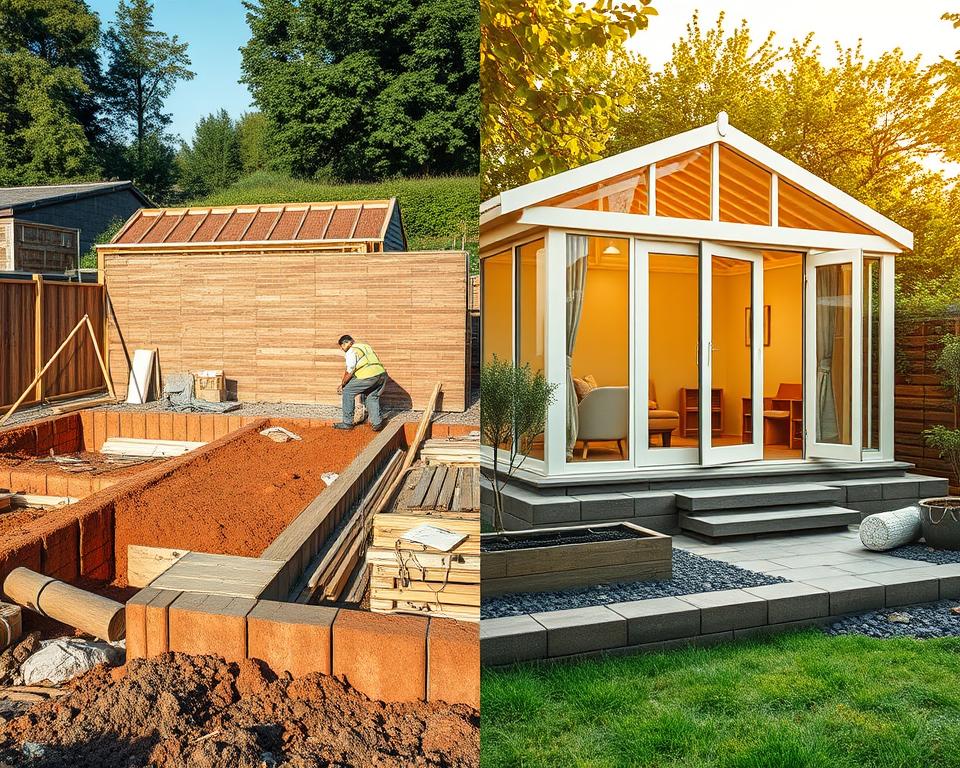
DIY enthusiasts face a different reality. The average DIY project duration stretches from 2 to 6 months for those without professional building experience. This translates to approximately 150 to 300 hours of hands-on work, not counting research and planning time.
| Project Phase | DIY Hours Required | Professional Time |
|---|---|---|
| Planning and Design | 20 hours | Included in service |
| Foundation Preparation | 40 hours | 1 day |
| Frame Construction | 60 hours | 1 day |
| Roofing and Cladding | 50 hours | 1 day |
| Insulation and Interior | 80 hours | 2 days |
The build schedule difference becomes stark when you consider labour value. Professional installation saves roughly 200 to 250 hours of work, equivalent to £3,000 to £5,000 at current UK trade rates. This calculation assumes your time has monetary value – particularly relevant if you’re taking time off work or sacrificing weekends with family.
Skills and Tools Required for Self-Build Projects
Building your own garden room demands specific DIY building skills and the right construction tools. Before starting your project, it’s essential to assess whether you have the necessary expertise or need to bring in professional trades for certain aspects of the work.
Essential DIY Skills
Successful garden room assembly requires several fundamental abilities. You’ll need basic carpentry skills to cut timber accurately and join materials securely. Reading and interpreting building plans is crucial for following your design correctly. Measuring and marking materials precisely ensures everything fits together properly.
Weatherproofing knowledge is particularly important in the UK climate. You must understand how to seal joints, install membranes, and protect your structure from moisture. Basic understanding of insulation installation will help create an energy-efficient space that’s comfortable year-round.

Necessary Tools and Equipment
Quality construction tools make your project safer and more efficient. Essential equipment includes:
- Circular saw (£100-£300) for cutting timber and boards
- Power drill with various bits (£80-£200) for fixings and pilot holes
- Spirit levels (£30-£60) to ensure walls and floors are perfectly straight
- Safety equipment (£100) including goggles, gloves, and dust masks
Tool hire shops offer complete packages for around £200-£400, which can be more economical than purchasing everything outright for a single project.
When to Hire Professionals
Certain aspects of garden room construction require qualified professional trades. Electrical installations must be completed by a Part P certified electrician to comply with building regulations. Complex roofing work, particularly on larger structures, benefits from experienced roofers who understand proper waterproofing techniques.
Foundation engineering is another area where professional expertise proves invaluable. Poor foundations can cause structural problems later, making expert input worthwhile for this critical stage.
Quality and Warranty Considerations
When deciding between building and buying a garden room, understanding the quality assurances and protection you’ll receive is crucial. Professional suppliers typically offer comprehensive warranties that safeguard your investment, whilst DIY projects require careful attention to maintain build quality standards without formal guarantees.
Professional Build Standards
Reputable garden room companies like Cube 1994 and Smart Garden Offices adhere to BS 3632 residential standards, ensuring superior construction quality. These manufacturers provide LABC building control certificates that verify construction compliance with all relevant regulations. Professional builds undergo rigorous quality checks at each stage, from foundation laying to final weatherproofing.
Manufacturer Guarantees
A comprehensive garden room warranty typically spans 10 to 25 years, covering structural defects and weatherproofing issues. Leading suppliers often include annual maintenance checks within their warranty packages. Your structural guarantee protects against timber rot, roof leaks, and foundation problems—giving peace of mind that DIY builds simply cannot match.
DIY Quality Control
Self-builders must personally ensure their project meets Building Regulations Part L for thermal efficiency and Part P for electrical safety. Without formal warranties, you become responsible for maintaining build quality standards throughout construction. This means conducting your own inspections, sourcing quality materials, and potentially hiring professionals for specialist work like electrical installations to maintain proper construction compliance.
Customisation Possibilities
When comparing DIY builds to pre-made options, the range of personalisation options varies significantly. DIY projects grant complete creative freedom, allowing you to create a truly bespoke garden room design tailored to your exact needs. You can incorporate non-standard dimensions, position windows precisely where you want them, and select specific materials that match your vision perfectly.
Pre-made garden rooms offer their own set of custom features, though within more structured parameters. Most reputable suppliers provide:
- Choice of external cladding (Western Red Cedar, Siberian Larch, or composite materials)
- Various window styles and door configurations
- Interior finish selections including flooring and wall treatments
- Optional extras like decking areas or canopies
Premium manufacturers like Green Retreats and Swift Garden Rooms offer extensive personalisation options through their design services. These unique specifications can add 20-40% to base prices but deliver exactly what you envision. The beauty of DIY builds lies in gradual customisation – you can start with basics and add features like fold-away furniture or built-in storage over time.
Budget-conscious buyers should note that whilst pre-made rooms limit initial choices, they often permit future modifications. DIY builders enjoy unrestricted custom features from day one, including integrated desk spaces, hidden storage solutions, or unusual roof configurations that standard suppliers rarely accommodate.
Common Pitfalls and How to Avoid Them
Building a garden room can transform your outdoor space, but many homeowners stumble into avoidable traps. Understanding these common garden room mistakes helps protect your investment and ensures a smooth project completion. Let’s explore the most frequent pitfalls that catch people off guard.
DIY Building Mistakes
Self-builders often encounter construction problems that professional installers routinely avoid. Poor foundations remain the biggest culprit, with inadequate concrete depth causing subsidence within months. Water damage follows closely behind – incorrect membrane installation or missing damp-proof courses create expensive repair bills.
Insulation errors create year-round discomfort. Gaps in thermal barriers lead to condensation, whilst electrical work without Part P certification becomes a safety hazard and insurance nightmare.
Choosing the Wrong Supplier
Supplier issues plague the garden room industry. Red flags include:
- No public liability insurance
- Vague warranty terms
- Suspiciously low quotes hiding extras
- Lack of TrustMark or FMB membership
Always request three detailed quotations and verify credentials before signing contracts.
Underestimating Project Scope
Project planning errors typically involve hidden complexities. Access restrictions might require crane hire at £800 per day. Groundworks often exceed budgets when encountering tree roots or drainage pipes.
| Hidden Cost | Average Price | Frequency |
|---|---|---|
| Crane hire | £800-1,200 | 15% of projects |
| Extra groundworks | £500-2,000 | 30% of projects |
| Utility connections | £300-1,500 | 40% of projects |
Smart planning prevents these costly surprises from derailing your garden room dreams.
Conclusion
The final cost comparison between building and buying a garden room reveals clear financial differences. DIY projects cost between £3,000 and £15,000, whilst pre-made options range from £12,000 to £30,000. This represents potential savings of 40% to 60% when you choose the self-build route. Your garden room decision guide must consider more than just the initial price tag.
Time becomes a crucial factor in this build or buy summary. Expect to invest 150 to 300 hours on a DIY project. You’ll need basic carpentry skills, electrical knowledge, and the right tools. Companies like Dunster House and Green Retreats offer professional installations that include warranties and building regulation compliance. These benefits matter if you lack confidence in construction or prefer guaranteed results.
Smart investment advice suggests matching your choice to your circumstances. DIY suits skilled enthusiasts who want customisation and maximum savings. Professional installation works best for busy homeowners who value convenience and peace of mind. Both options add property value when done properly. Consider your budget, available time, skill level, and desired outcome before making your final decision.
FAQ
Is it cheaper to build or buy a garden room?
Building a garden room yourself is typically 40-60% cheaper than buying pre-made. DIY projects cost between £3,000-£15,000, whilst professional pre-made options range from £12,000-£30,000 for similar sizes. However, you’ll need to factor in 150-300 hours of your time and potential tool purchases.
Do I need planning permission for a garden room?
Under UK permitted development rights, you usually don’t need planning permission if your garden room is under 2.5m in height (or 4m with a dual-pitched roof), covers less than 50% of your garden space, and meets specific criteria in the Town and Country Planning Act. Always check with your local council first.
How much does a pre-made garden room cost from companies like Green Retreats?
Pre-made garden rooms typically cost £800-£1,500 per square metre. A basic 3x3m model starts around £5,000, whilst premium 6x4m insulated options can reach £30,000. Add £1,000-£3,000 for installation and £300-£800 for delivery.
What hidden costs should I budget for?
Hidden costs include groundworks (£1,500-£4,000), electrical connections (£500-£1,500), potential crane hire for difficult access (£400-£800), and Building Regulations approval if required. These can add 20-40% to your initial budget.
How long does it take to build a DIY garden room?
Expect to invest 150-300 hours over 2-6 months for a DIY build if you’re inexperienced. This includes planning (20 hours), foundation preparation (40 hours), frame construction (60 hours), roofing and cladding (50 hours), and interior finishing (80 hours).
What tools do I need for a self-build project?
Essential tools include a circular saw (£100-£300), drill and bits (£80-£200), spirit levels (£30-£60), and safety equipment (£100). Total tool purchase or hire costs approximately £200-£400 for a complete project.
Do professional garden rooms come with warranties?
Yes, reputable suppliers like Cube 1994 and Smart Garden Offices offer 10-25 year structural warranties. These typically cover structural defects, weatherproofing, and often include annual maintenance checks. DIY builds don’t have formal warranties.
Will a garden room add value to my property?
Professional installations typically increase property value by 5-8%. DIY additions show variable returns and may face issues with mortgage providers and insurance companies if not built to proper standards.
Can I install electricity in my DIY garden room?
Electrical work must comply with Part P regulations and requires certification by a qualified electrician. Budget £500-£1,500 for professional electrical installation, which is a legal requirement for safety and insurance purposes.
What’s the most common mistake when building a DIY garden room?
The most common mistakes include inadequate foundations causing subsidence, poor waterproofing leading to rot, and insufficient insulation creating condensation problems. Always research proper construction methods and consider professional help for complex elements.