Discover the Best Rock Garden Ideas for Your Garden
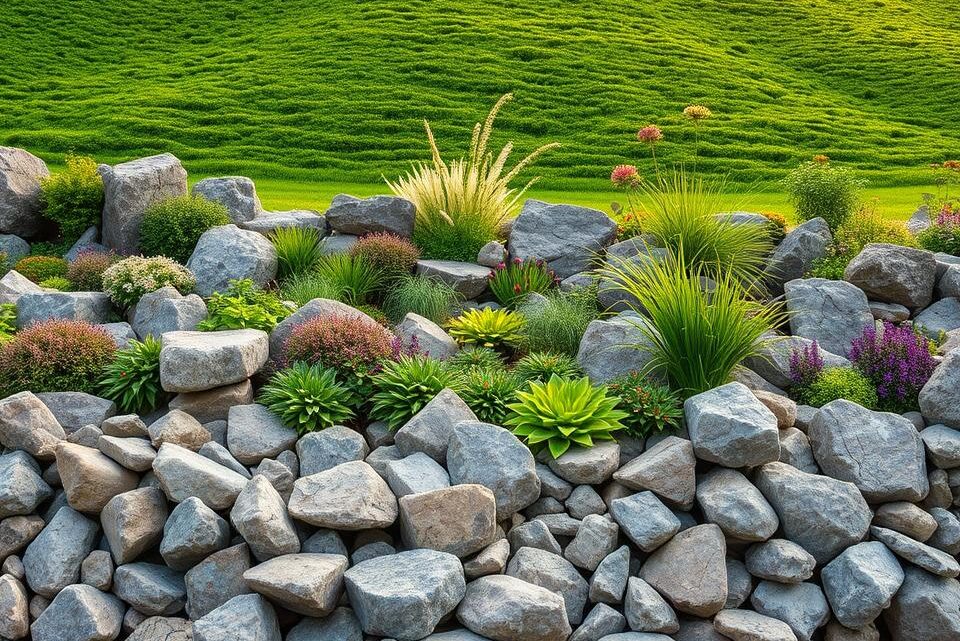
Creating a beautiful rock garden can be a great way to enhance your outdoor space. With the right design, you can turn a dull area into a stunning focal point.
You can incorporate various elements, such as plants, stones, and water features, to create a unique and visually appealing garden design. Rock gardens are not only aesthetically pleasing, but they also require minimal maintenance, making them perfect for busy homeowners.
As you explore the world of outdoor spaces, you’ll discover a range of inspiring ideas to suit your style and preferences.
Inhaltsverzeichnis
Key Takeaways
- Rock gardens can enhance your outdoor space and create a beautiful focal point.
- Incorporating plants, stones, and water features can create a unique garden design.
- Rock gardens require minimal maintenance, making them perfect for busy homeowners.
- You can tailor your rock garden to suit your style and preferences.
- Explore various rock garden ideas to transform your outdoor space.
What Is a Rock Garden? Understanding the Basics
A rock garden is a carefully designed landscape feature that incorporates rocks, stones, and plants to create a visually appealing outdoor space. You can enhance your garden’s aesthetic appeal by incorporating this unique feature.
Rock gardens have a rich history, and understanding their evolution can help you appreciate the craftsmanship that goes into creating these beautiful landscapes.
The History and Evolution of Rock Gardens
The concept of rock gardens originated in ancient civilizations, where rocks and stones were used to create serene and contemplative spaces. Over time, the design and construction of rock gardens have evolved, influenced by various cultures and gardening traditions.
In the UK, rock gardens have become increasingly popular, particularly in areas with challenging soil conditions or extreme weather. By using locally sourced rocks and drought-tolerant plants, you can create a thriving rock garden that requires minimal maintenance.
Key Elements That Define a Successful Rock Garden
A successful rock garden relies on several key elements, including the selection of rocks, soil, and plants. The choice of rocks and stones can greatly impact the overall aesthetic of the garden, while the soil and plants must be carefully chosen to thrive in the rock garden environment.
The following table highlights the essential components of a rock garden:
| Component | Description |
|---|---|
| Rocks and Stones | Locally sourced rocks and stones that provide structure and visual interest |
| Soil | Well-draining soil that is suitable for drought-tolerant plants |
| Plants | Drought-tolerant plants that thrive in rocky conditions, such as alpines and succulents |
By understanding the key elements that define a successful rock garden, you can create a beautiful and thriving outdoor space that requires minimal maintenance.
Benefits of Creating a Rock Garden in Your Outdoor Space
Incorporating a rock garden into your outdoor space can have numerous benefits. Not only can it enhance the aesthetic appeal of your garden, but it also offers several practical advantages.

Low Maintenance Advantages for Busy Gardeners
One of the primary benefits of a rock garden is its low maintenance requirements. Unlike traditional gardens, rock gardens do not require frequent watering, mowing, or pruning. This makes them an ideal choice for busy gardeners or those who want to reduce their environmental impact.
Additionally, rock gardens are less susceptible to weeds, reducing the need for herbicides and other weed control methods. This not only saves time but also contributes to a more sustainable gardening practice.
Environmental Benefits and Water Conservation
Rock gardens are also beneficial for the environment. They often feature drought-tolerant plants that require minimal watering, making them an excellent choice for water conservation. By reducing water consumption, you can lower your water bills and contribute to a more sustainable future.
Furthermore, rock gardens can help to reduce soil erosion and improve drainage. This can be particularly beneficial in areas with heavy rainfall or where water tends to collect.
Essential Planning Considerations Before You Begin
To ensure your rock garden project is successful, careful planning is essential. A well-planned rock garden not only enhances the aesthetic appeal of your outdoor space but also ensures that your garden remains low maintenance and sustainable.
Assessing Your Garden Space and Soil Conditions
Before starting your rock garden project, it’s vital to assess your garden space and understand its soil conditions. Check the soil type and its drainage capabilities. You can conduct a simple soil test by digging a hole, filling it with water, and observing how quickly it drains. This will help you determine if your soil needs amendments to support the plants you wish to grow.
Setting a Realistic Budget for Your Rock Garden Project
Setting a realistic budget is crucial for the success of your rock garden. Consider the costs of materials such as rocks, soil, and plants, as well as any tools or professional services you might need. A well-planned budget will help you avoid unexpected expenses and ensure that your project stays on track.
| Budget Component | Estimated Cost |
|---|---|
| Rocks and Gravel | £100-£300 |
| Soil and Compost | £50-£100 |
| Plants and Planting | £100-£200 |
| Tools and Accessories | £20-£50 |
| Total Estimated Budget | £270-£650 |
Creating a Seasonal Timeline for Implementation
Creating a seasonal timeline for your rock garden project helps you plan and execute the project in phases, ensuring that it is completed efficiently. Identify the best times of the year for different tasks, such as planting, soil preparation, and rock placement, to make the most of your time and resources.
Selecting the Perfect Rocks for Your Garden Design
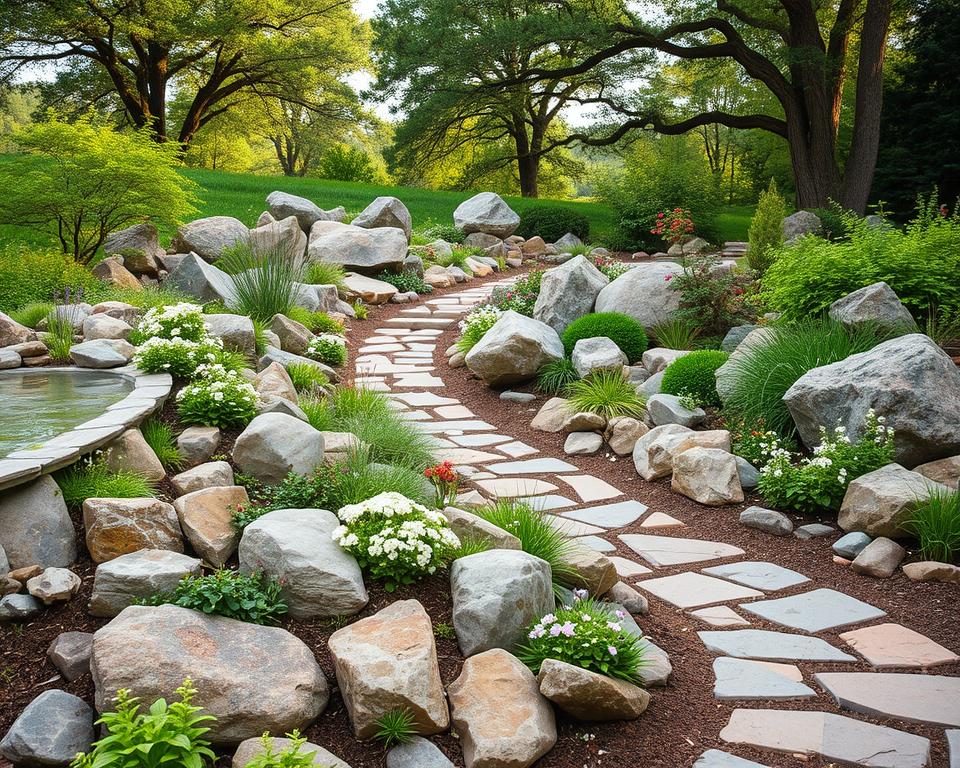
The selection of rocks is a fundamental aspect of designing a rock garden that is both aesthetically pleasing and functional. The right rocks can enhance the visual appeal of your garden, while also providing a durable and low-maintenance ground cover.
Types of Rocks and Their Aesthetic Characteristics
Different types of rocks offer unique aesthetic characteristics that can complement or contrast with your garden’s existing features. Understanding these characteristics is crucial for making informed decisions.
Limestone, Sandstone, and Slate Options
Limestone, sandstone, and slate are popular choices for rock gardens due to their natural beauty and durability. Limestone is known for its soft, muted tones, while sandstone often features warm, earthy hues. Slate, on the other hand, is prized for its dark, sleek appearance.
Granite, Quartz, and Decorative Pebbles
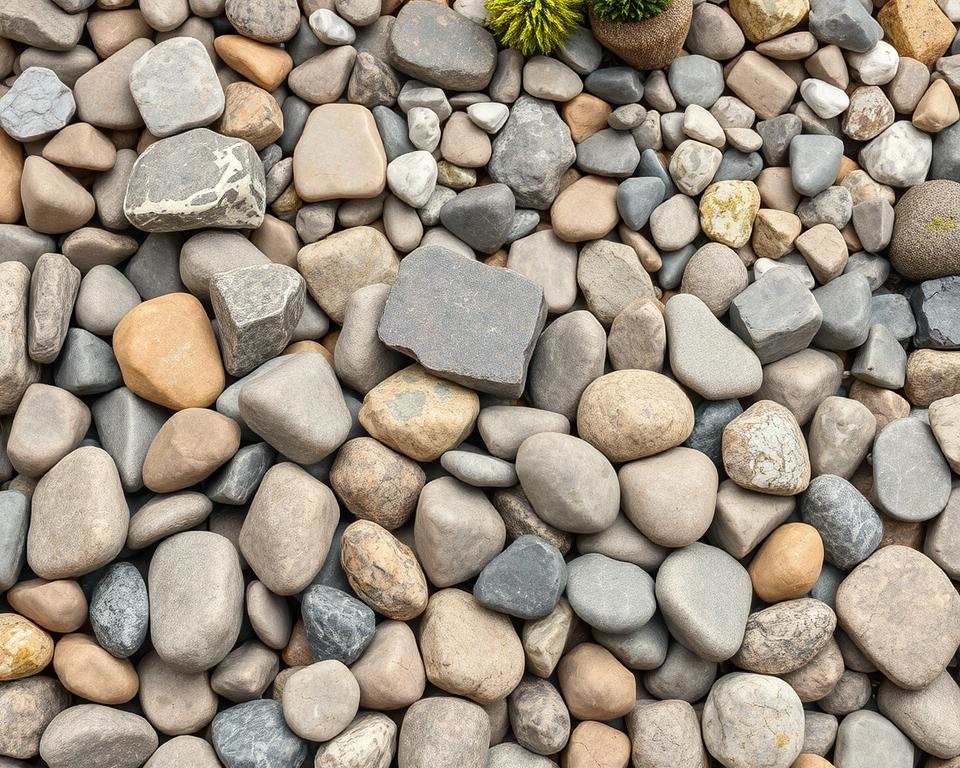
Granite and quartz are highly durable options that can add a touch of elegance to your garden. Decorative pebbles, available in a variety of colors and textures, can be used to create visually striking patterns and designs.
Where to Source Quality Rocks in the UK
Finding quality rocks in the UK can be achieved through various suppliers and local garden centers. It’s essential to inspect the rocks before purchasing to ensure they meet your garden’s specific needs.
| Rock Type | Aesthetic Characteristics | Durability |
|---|---|---|
| Limestone | Soft, muted tones | Medium |
| Granite | Elegant, speckled appearance | High |
| Slate | Dark, sleek appearance | High |
Discover the Best Rock Garden Ideas for Your Garden
Transform your outdoor space with the timeless beauty of a rock garden. A well-designed rock garden can be a stunning focal point, offering a unique opportunity to create a serene and natural oasis.
Alpine Rock Garden Designs
Alpine rock gardens are perfect for those who love the rugged beauty of mountainous regions. These designs typically feature low-growing, hardy plants such as alpines and succulents, which thrive in well-drained soil and full sun. To create an alpine rock garden, choose rocks with a rugged texture and arrange them in a way that mimics the natural terrain.
Japanese-Inspired Zen Rock Gardens
Japanese-inspired Zen rock gardens are designed to promote tranquility and contemplation. These gardens often feature carefully raked gravel and strategically placed rocks, creating a sense of harmony and balance. To create a Zen rock garden, select rocks with a smooth texture and arrange them in a simple, yet elegant composition.
Mediterranean and Coastal Rock Garden Styles
Mediterranean and coastal rock gardens are ideal for those who live in warmer climates. These designs often incorporate drought-tolerant plants such as lavender and rosemary, which thrive in well-drained soil and full sun. To create a Mediterranean or coastal rock garden, choose rocks with a warm, earthy tone and arrange them in a way that complements the surrounding landscape.
| Rock Garden Style | Key Features | Plant Options |
|---|---|---|
| Alpine | Rugged rocks, well-drained soil | Alpines, succulents |
| Japanese-Inspired Zen | Smooth rocks, raked gravel | Mosses, ferns |
| Mediterranean/Coastal | Warm-toned rocks, drought-tolerant plants | Lavender, rosemary |
By incorporating one of these rock garden ideas into your outdoor space, you can create a beautiful and serene oasis that reflects your personal style.
Small Space Solutions: Rock Gardens for Limited Areas
Transforming a small outdoor space into a stunning rock garden is easier than you think, with options like containers and vertical designs. Even with limited space, you can create a captivating rock garden that enhances your home’s exterior.
Container and Trough Rock Gardens for Patios and Balconies
Container and trough rock gardens are perfect for small patios and balconies. They allow you to utilize otherwise unused spaces and add a touch of nature to your outdoor area. When selecting containers, choose ones that are at least 15-20 cm deep to provide adequate root space for your plants.
Tips for Container Rock Gardens:
- Select drought-tolerant plants suitable for rock gardens.
- Use a well-draining potting mix to prevent waterlogged soil.
- Position containers in areas that receive the right amount of sunlight for your chosen plants.
Vertical Rock Garden Options for Urban Spaces
Vertical rock gardens are an innovative solution for urban spaces with limited ground area. They can be created using wall-mounted planters, trellises, or even living walls. This approach not only saves space but also adds a unique visual element to your outdoor area.
| Benefits | Considerations |
|---|---|
| Maximizes space | Requires regular watering |
| Unique visual appeal | May need additional structural support |
| Can be adapted to various styles | Plant selection is crucial for success |
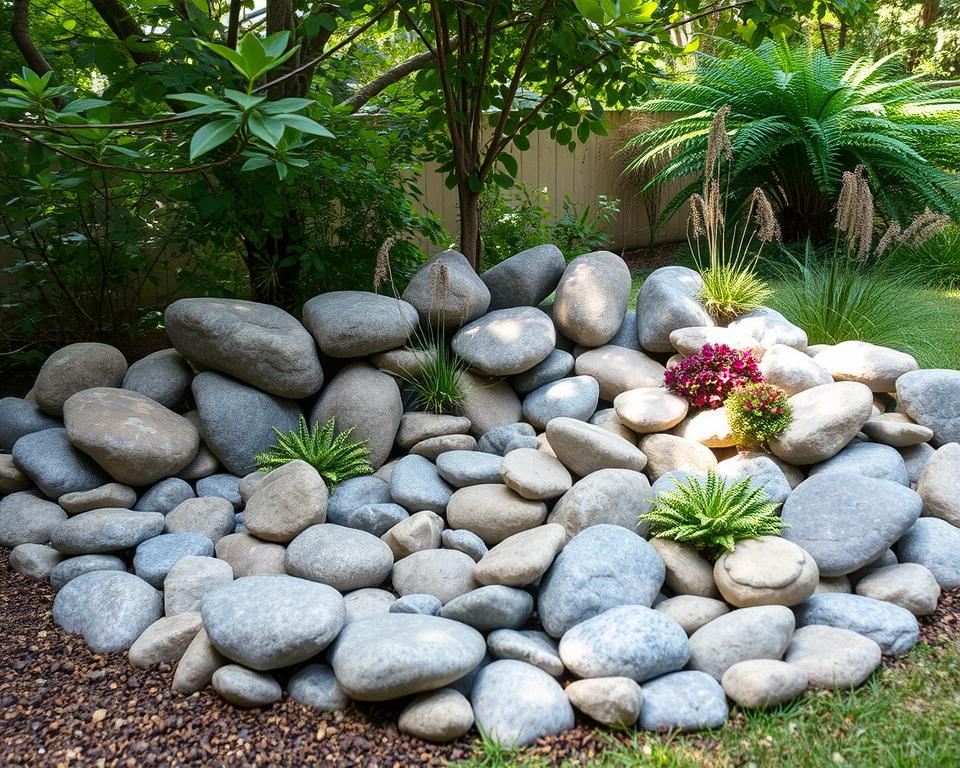
By incorporating container or vertical rock gardens into your small outdoor space, you can enjoy the beauty and tranquility of a rock garden even in the most compact areas.
Creating a Rock Garden on a Slope or Hillside
Transforming a hillside into a beautiful rock garden requires careful consideration of several key factors. A sloped or hillside area in your garden can be a challenging yet aesthetically pleasing feature with the right design.

Terracing Techniques for Stability and Visual Appeal
Terracing is a crucial technique for creating a stable and visually appealing rock garden on a slope. By dividing the slope into distinct levels, you can prevent soil erosion and create separate areas for planting. Terracing involves constructing retaining walls using rocks or other materials to hold back the soil and create flat areas. This not only adds stability but also enhances the visual appeal by creating layers of texture and interest.
Drainage Solutions for Sloped Rock Gardens in Rainy British Climate
Drainage is a critical consideration for sloped rock gardens, especially in the rainy British climate. Effective drainage solutions are necessary to prevent waterlogged soil and root rot. You can achieve this by incorporating gravel or sand-based soils that drain well and by installing French drains to redirect excess water. Proper drainage ensures the longevity and health of your rock garden.
By implementing these techniques, you can create a stunning rock garden on a slope or hillside that is both stable and beautiful.
Selecting the Right Plants for Your Rock Garden
The key to a thriving rock garden lies in selecting the appropriate plants. Your choice of plants can significantly impact the overall aesthetic and sustainability of your garden. When choosing plants, consider factors such as climate, soil type, and the amount of sunlight your garden receives.
Drought-Tolerant Plant Options for Sustainable Gardens
Drought-tolerant plants are ideal for rock gardens as they can survive with minimal watering. These plants have adapted to store water in their leaves or stems, making them perfect for dry conditions. Some excellent options include sedum, delosperma, and yucca. These plants not only conserve water but also add beauty to your garden.
Alpine and Succulent Varieties That Thrive in Rock Settings
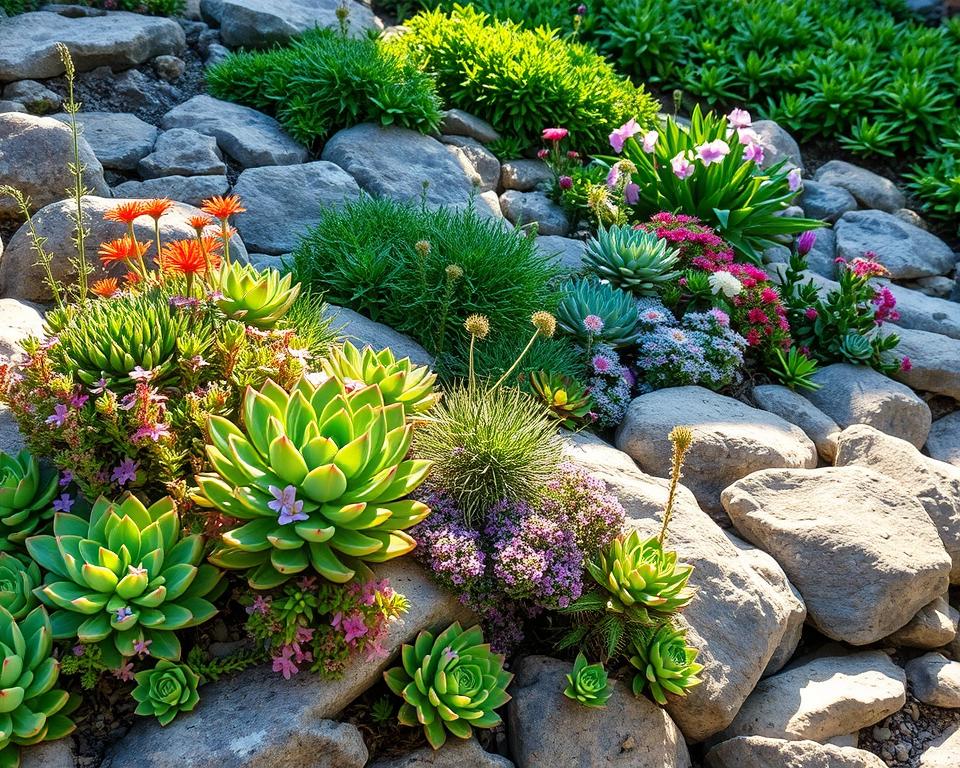
Alpine and succulent plants are well-suited for rock gardens due to their ability to thrive in well-drained soil and full sun. They come in a variety of shapes, sizes, and colors, adding visual interest to your garden.
Low-Growing Alpines for Crevices
Low-growing alpine plants such as arabis and phlox subulata are perfect for filling crevices between rocks. They spread slowly and produce beautiful flowers in the spring.
Architectural Succulents for Drama
Succulents like agave and euphorbia can add drama to your rock garden with their striking shapes and sizes. They are relatively low maintenance and can tolerate harsh conditions.
Seasonal Bloomers for Year-Round Interest
Incorporating seasonal bloomers into your rock garden ensures that it remains interesting throughout the year. Plants like crocus and cyclamen provide early spring color, while aster and chrysanthemum bloom in the autumn. By choosing a mix of plants that bloom at different times, you can enjoy a dynamic and changing garden landscape.
Step-by-Step Guide to Building Your Rock Garden
A well-designed rock garden requires careful planning and execution, starting with site preparation. To create a stunning rock garden, you’ll need to follow a series of steps that ensure both stability and aesthetic appeal.
Site Preparation and Foundation Work
The first step in building your rock garden is to prepare the site. This involves clearing the area of any debris, weeds, or existing plants. You should then level the ground to create a stable base. If your garden is on a slope, consider terracing to prevent soil erosion and improve drainage.
Proper drainage is crucial to prevent waterlogged soil, which can be detrimental to the health of your plants. You may need to install a drainage system or use gravel and sand to improve soil permeability.
Rock Placement Techniques and Artistic Arrangements
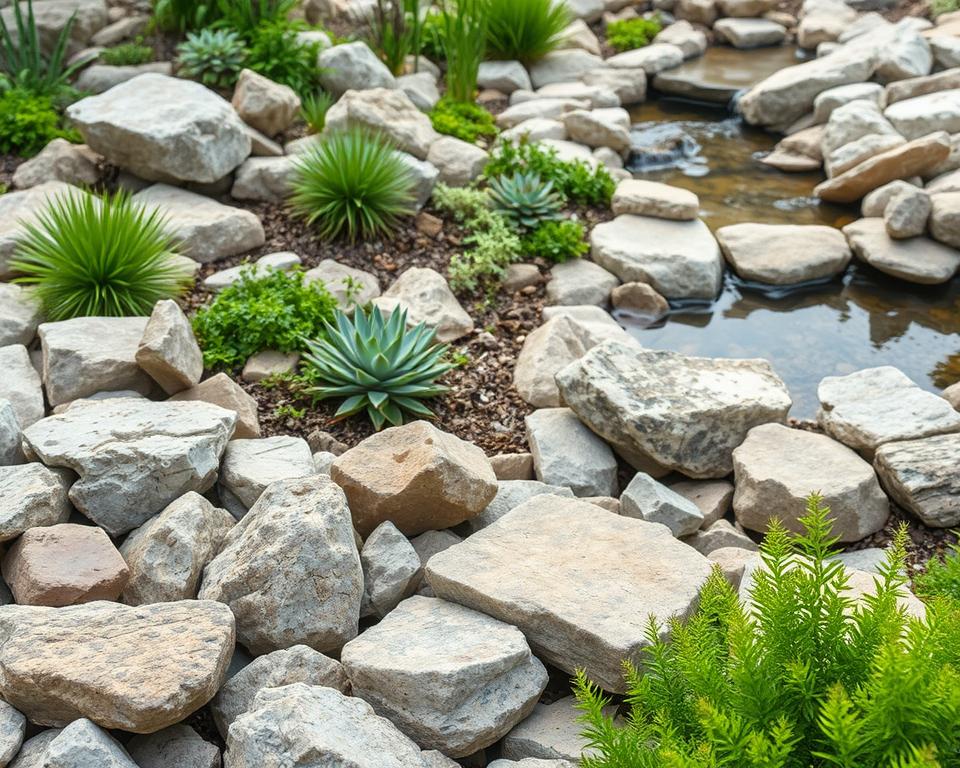
Once the site is prepared, you can begin placing the rocks. Start with the largest rocks, using them as the base or focal points. Arrange the rocks in a way that looks natural, often by creating small clusters or patterns. The placement of rocks should be both aesthetically pleasing and functional, helping to define different areas within the garden.
Soil Mixtures and Planting Methods
After the rocks are in place, you can prepare the soil mixture. A good mix should retain moisture but also drain well to prevent root rot. When planting, choose plants that are suitable for rock gardens, such as alpines and succulents, which are adapted to dry conditions. Plant them in the crevices between the rocks, where they can thrive.
By following these steps, you can create a beautiful and sustainable rock garden that enhances your outdoor space.
Incorporating Rock Gardens into Existing Landscapes
When it comes to enhancing your garden, incorporating rock gardens into existing landscapes can be a game-changer. This approach not only adds visual interest but also complements your current garden design.
Transitioning Between Rock Gardens and Traditional Borders
To seamlessly integrate rock gardens into your existing landscape, it’s crucial to create a smooth transition between different garden styles. You can achieve this by using plants that thrive in both rock gardens and traditional borders, such as Phlox subulata or Sedum varieties. Using similar soil compositions and drainage systems can also help in creating a cohesive look.
| Plant Type | Rock Garden Suitability | Traditional Border Suitability |
|---|---|---|
| Phlox subulata | High | Moderate |
| Sedum | High | Moderate |
| Lavender | Moderate | High |
Creating Focal Points with Rock Features
Rock features can be used to create striking focal points in your garden. By placing a large, uniquely shaped rock or a group of rocks in a strategic location, you can draw the eye to that area. As gardening expert, Monty Don, once said, “A well-placed rock can be the backbone of a garden, providing structure and interest throughout the year.”
“The right rock in the right place can transform a garden, creating a sense of depth and visual appeal.”
To enhance the visual impact, consider incorporating water features or lighting around your rock garden. This will not only highlight the beauty of the rocks but also create a serene ambiance in the evening.

Water Features to Enhance Your Rock Garden
Adding water elements to your rock garden can significantly enhance its visual and auditory appeal. Water features not only create a soothing ambiance but also attract wildlife, adding to the garden’s biodiversity.
Small Waterfalls and Cascading Streams
Small waterfalls and cascading streams are popular choices for rock gardens. They create a calming sound and can be designed to fit various sizes of gardens. The gentle flow of water also helps to mask unwanted noise from the surroundings.

Dry Creek Beds and Rain Gardens for Sustainable Drainage
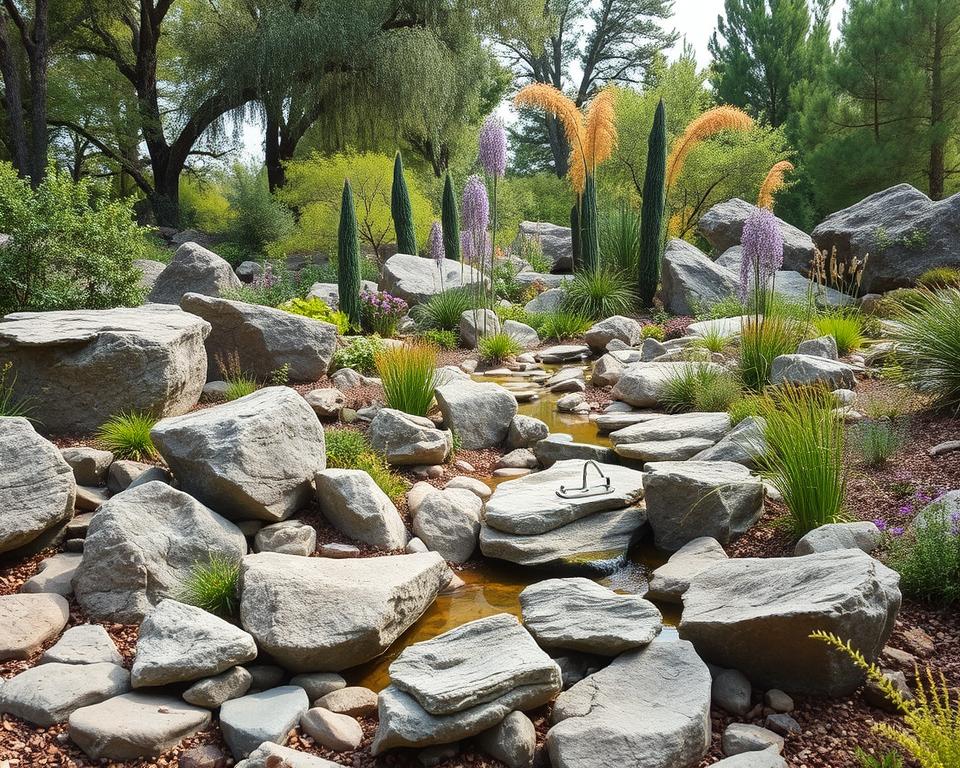
Dry creek beds and rain gardens offer a sustainable solution for drainage while enhancing the aesthetic appeal of your rock garden. They help manage rainwater runoff and can be planted with drought-tolerant species.
| Feature | Benefits | Considerations |
|---|---|---|
| Small Waterfalls | Creates soothing sound, attracts wildlife | Pump maintenance, water quality |
| Dry Creek Beds | Sustainable drainage, aesthetic appeal | Proper grading, plant selection |
Lighting Your Rock Garden for Evening Appeal
As the sun sets, your rock garden can transform into a magical evening oasis with the right lighting. Effective lighting not only enhances the visual appeal of your rock garden but also extends its usability into the evening hours. By choosing the appropriate lighting solutions, you can create a captivating ambiance that highlights the unique features of your garden.
Solar-Powered and Low-Voltage Lighting Options
Solar-powered lighting is an eco-friendly and cost-effective option for illuminating your rock garden. These lights harness energy from the sun during the day and automatically light up at night, reducing your carbon footprint. Low-voltage lighting systems are another safe and energy-efficient choice, particularly suitable for intricate garden designs. Some popular solar-powered lighting options include:
- Pathway lights to guide visitors through your garden
- Spotlights to highlight specific plants or features
- Ambient lights to create a soft, warm glow
Strategic Placement for Maximum Dramatic Effect
The placement of lighting in your rock garden is crucial for achieving the desired dramatic effect. Strategically positioning lights can accentuate the textures of rocks, highlight the beauty of plants, and create intriguing shadows. Consider placing lights at the base of plants or rocks to create an upward glow, or use spotlights to draw attention to particular features. 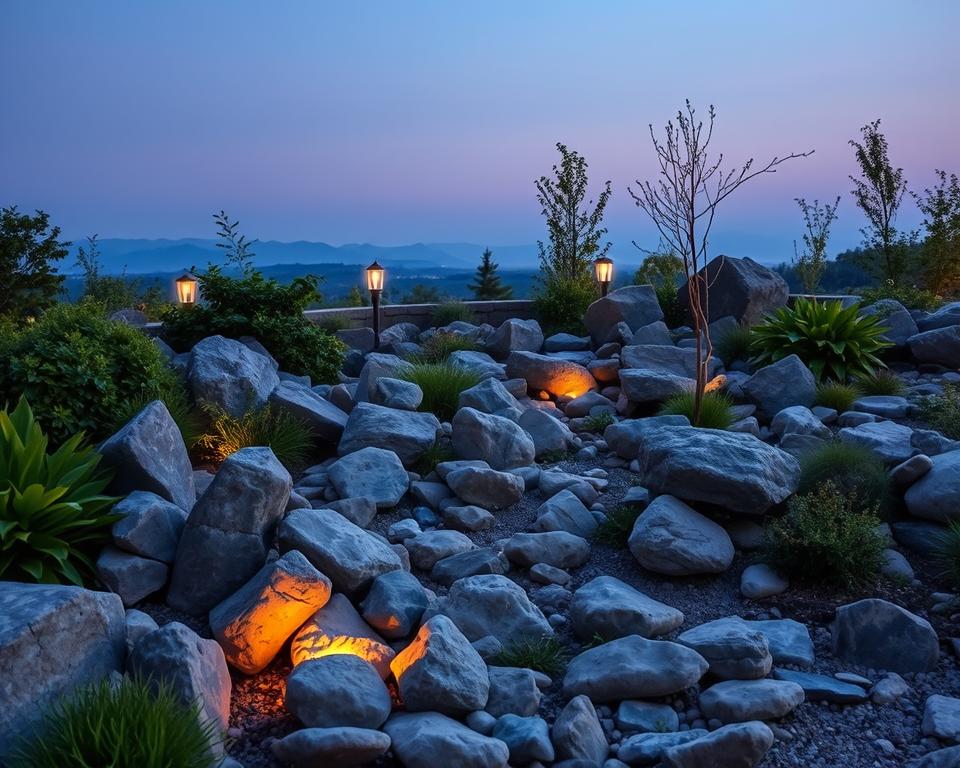
To maximize the dramatic effect, you can also experiment with different lighting techniques, such as layering lights or using timers to create dynamic lighting effects throughout the evening.
Seasonal Maintenance Tips for Rock Gardens
Effective rock garden maintenance involves adapting to the changing seasons with appropriate care and attention. As you tend to your garden, you’ll find that each season brings its unique challenges and opportunities.

Spring and Summer Care Routines
During spring and summer, your rock garden will require regular maintenance to ensure it remains healthy and vibrant. Key tasks include:
- Weeding regularly to prevent unwanted growth
- Watering plants during dry spells, but avoiding overwatering
- Pruning plants to maintain shape and promote healthy growth
- Applying a summer-friendly fertilizer to support plant nutrition
Autumn Preparations and Clean-up
As autumn approaches, it’s essential to prepare your rock garden for the coming winter. This includes:
- Clearing away dead plant material and debris
- Dividing and replanting perennials as needed
- Applying a layer of mulch or compost to protect the soil
- Checking for any signs of disease or pests and taking action if necessary
Winter Protection Strategies for Delicate Plants
Protecting your rock garden plants during the harsh winter months is crucial. Consider:
- Covering sensitive plants with a breathable cloth or fleece
- Using protective plant covers to shield from extreme weather
- Ensuring good drainage to prevent waterlogged soil
- Planning for winter protection of your most delicate plants
By following these seasonal maintenance tips, you can enjoy a thriving rock garden throughout the year. Regular care and attention will not only enhance its beauty but also ensure its longevity.
Common Rock Garden Mistakes to Avoid
Creating a stunning rock garden involves more than just placing rocks and plants together; it requires avoiding certain common mistakes. A well-planned rock garden can be a beautiful and low-maintenance addition to your outdoor space.
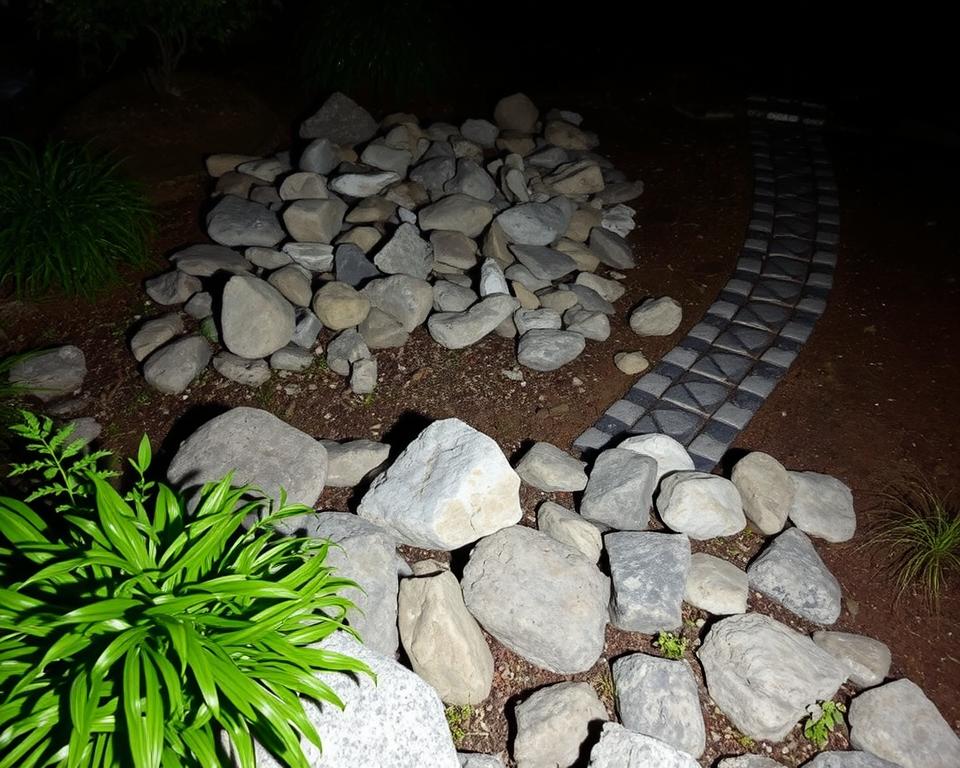
Design Errors and How to Prevent Them
One of the most common mistakes in rock garden design is failing to consider the overall aesthetic and functionality. To avoid this, start by planning the layout and choosing rocks that complement the surrounding landscape. As the saying goes, “A good plan is like a good map, it guides you to your destination.”
“The way to get started is to quit talking and begin doing.” – Walt Disney
Ensure the rocks are proportionate to the size of your garden and the plants you’ve chosen.
Plant Selection and Maintenance Pitfalls
Another critical aspect is selecting the right plants for your rock garden. Drought-tolerant plants are often a good choice, but beware of invasive species that can spread quickly and become difficult to manage. Regular maintenance is also crucial; neglect can lead to weed growth and deterioration of the garden’s appearance. By being mindful of these plant selection pitfalls, you can create a thriving rock garden.
By avoiding these common mistakes, you can create a beautiful and sustainable rock garden that enhances your outdoor space.
Conclusion: Transforming Your Garden with Stunning Rock Features
You now have the knowledge and inspiration to transform your garden into a breathtaking outdoor space with stunning rock features. By incorporating the ideas and tips outlined in this article, you can create a beautiful and low-maintenance rock garden that enhances your home’s curb appeal and provides a serene retreat.
Whether you’re working with a small patio or a large hillside, the right rock garden design can make a significant impact. Consider the style and theme of your garden, and choose rock features that complement your existing landscape. With careful planning and execution, you can achieve a stunning garden that showcases your personal taste and style.
As you start transforming your garden, remember to select the right rocks, plants, and other features to create a cohesive and visually appealing design. By doing so, you’ll be able to enjoy a beautiful and thriving rock garden for years to come, surrounded by the beauty of nature and the serenity of your outdoor space.
FAQ
What is a rock garden, and how does it differ from a traditional garden?
A rock garden is a type of garden that features rocks, stones, and often drought-tolerant plants, differing from traditional gardens in its design and low-maintenance requirements.
What are the benefits of creating a rock garden in my outdoor space?
Creating a rock garden offers several benefits, including low maintenance, water conservation, and the ability to thrive in challenging soil conditions, making it an ideal choice for busy gardeners or those with limited garden space.
How do I choose the right rocks for my rock garden?
When selecting rocks, consider factors such as the type of rock, its colour, texture, and size, as well as the overall aesthetic you wish to achieve, and ensure they complement the plants and other garden features.
What types of plants are suitable for a rock garden?
Drought-tolerant plants, alpine varieties, and succulents are well-suited for rock gardens, as they can thrive in well-draining soil and withstand dry conditions, adding beauty and interest to your garden.
How do I maintain my rock garden throughout the year?
To keep your rock garden thriving, perform seasonal tasks such as weeding, pruning, and mulching, and protect delicate plants during harsh weather conditions, ensuring your garden remains healthy and visually appealing.
Can I incorporate water features into my rock garden?
Yes, you can incorporate water features, such as small waterfalls or dry creek beds, into your rock garden, enhancing its beauty and creating a soothing, tranquil atmosphere.
How do I light my rock garden for evening appeal?
Use solar-powered or low-voltage lighting options to highlight key features, such as rocks, plants, or water features, and strategically place lights to create dramatic effects, enhancing your rock garden’s evening appeal.
What are some common mistakes to avoid when creating a rock garden?
Avoid design errors, such as poor rock placement or inadequate drainage, and be mindful of plant selection and maintenance pitfalls, such as choosing plants that are not suited to the local climate or soil conditions.
Can I create a rock garden in a small or urban space?
Yes, you can create a rock garden in a small or urban space by using container or trough gardens, or incorporating vertical rock garden options, making the most of your limited space.
How do I ensure my rock garden is environmentally friendly?
To create an environmentally friendly rock garden, use sustainable materials, conserve water, and choose plants that are drought-tolerant and require minimal maintenance, reducing your garden’s environmental impact.