Discover the Best Rock Garden Ideas for Your Garden
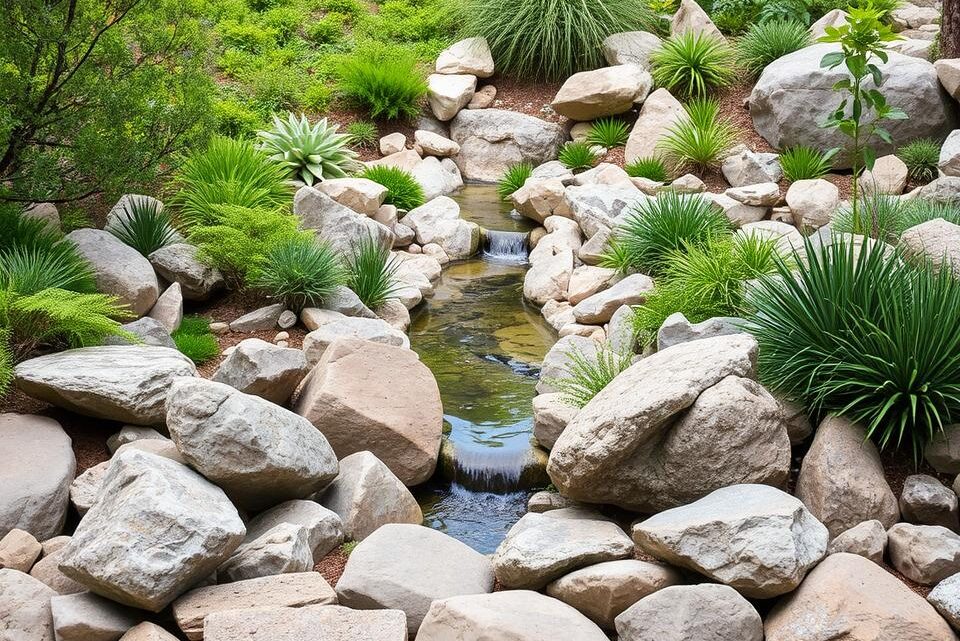
Creating a rock garden can be a fantastic way to enhance your outdoor space, adding a touch of natural beauty and serenity. By incorporating rocks, plants, and other decorative elements, you can create a unique and visually appealing area that requires minimal maintenance.
A well-designed rock garden can provide a sense of calm and tranquility, making it an ideal feature for your garden. You can draw inspiration from various styles, from modern and sleek to traditional and rustic, to create a rock garden that suits your taste and complements your outdoor space.
Inhaltsverzeichnis
Key Takeaways
- Rock gardens offer a low-maintenance gardening option.
- They can be designed to fit various styles and themes.
- Creating a rock garden involves selecting the right rocks and plants.
- A well-designed rock garden can enhance the aesthetic appeal of your outdoor space.
- Rock gardens can provide a sense of calm and serenity.
What Are Rock Gardens? Understanding the Basics
For those seeking to enhance their outdoor space with a unique and drought-tolerant garden feature, rock gardens are an excellent choice. A rock garden, also known as a rockery, is a garden design that incorporates rocks, stones, and a variety of plants, typically those that are adapted to well-drained conditions.
Rock gardens can be tailored to fit various landscapes and styles, from modern and minimalist to traditional and lush. They offer a versatile way to add visual interest to your garden, especially in areas where soil conditions are challenging or where you want to create a low-maintenance feature.
The History and Evolution of Rock Gardens
The concept of rock gardens has its roots in ancient civilizations, where rocks and stones were used to create beautiful and serene landscapes. In the UK, rock gardens became particularly popular during the Victorian era, as explorers brought back exotic plants from around the world, many of which thrived in rock garden conditions.
Over time, the design and construction of rock gardens have evolved, incorporating local materials and adapting to changing gardening trends. Today, rock gardens continue to be a popular choice for gardeners looking to create a unique and sustainable outdoor space.
Benefits of Adding a Rock Garden to Your Landscape
Adding a rock garden to your landscape offers numerous benefits, including low maintenance requirements and drought tolerance. Rock gardens are designed to thrive with minimal watering, making them an ideal choice for water-conscious gardeners.
Additionally, rock gardens provide an opportunity to showcase a wide range of plants, from alpine species to succulents and ornamental grasses. By incorporating a rock garden into your landscape, you can create a visually appealing and diverse outdoor space that enhances your property’s aesthetic value.
Types of Rock Gardens for Different Landscapes
You can choose from a variety of rock garden styles to suit your garden’s specific conditions and your personal taste. Rock gardens can be tailored to different landscapes, each offering unique aesthetic and functional benefits.
Alpine Rock Gardens
Alpine rock gardens are designed to mimic the natural environments of mountainous regions. These gardens typically feature low-growing, drought-tolerant plants such as sedum and saxifrage. Alpine rock gardens are ideal for areas with good drainage and full sun. To create an authentic alpine look, use a mix of rock sizes and shapes, and incorporate plants that thrive in well-drained soil.
Japanese Zen Rock Gardens
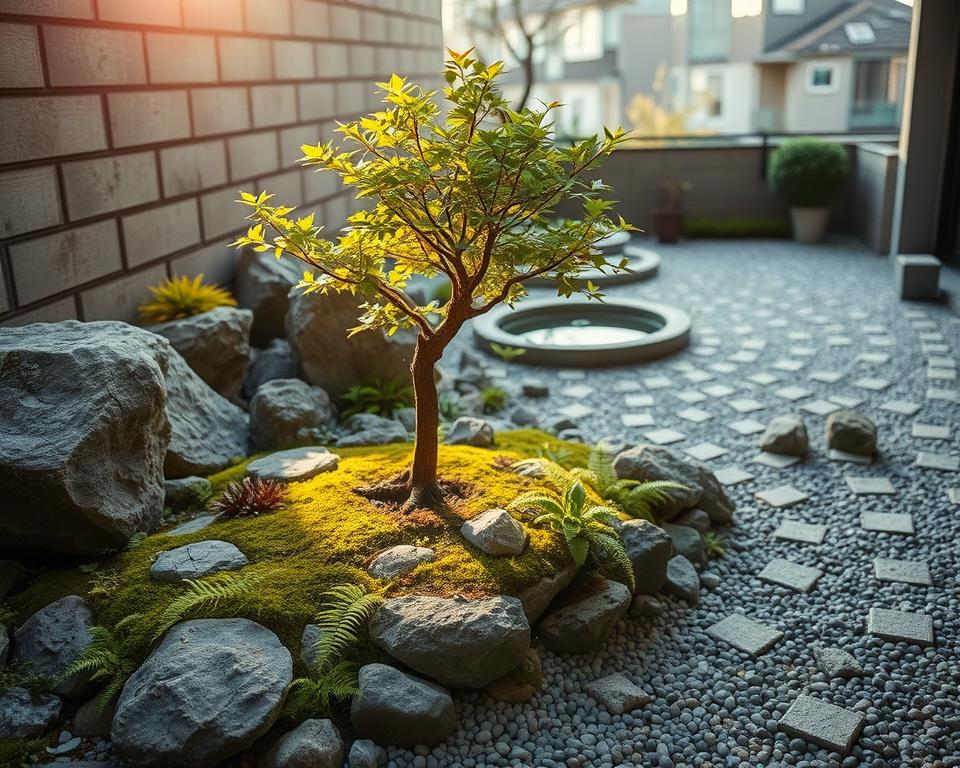
Japanese Zen rock gardens, also known as dry gardens, are designed for meditation and contemplation. These gardens feature carefully raked gravel or sand, strategically placed rocks, and minimal vegetation. The simplicity and tranquility of Japanese Zen gardens make them perfect for small, serene spaces. Consider incorporating moss or low-growing groundcovers to add subtle texture and color.
Desert Rock Gardens
Desert rock gardens are perfect for dry climates or areas with low rainfall. These gardens feature cacti and succulents, which are adapted to arid conditions. Use rocks and gravel to enhance drainage and create a natural, desert-like landscape. Desert rock gardens are low maintenance and can be very striking with the right plant choices.
Woodland Rock Gardens
Woodland rock gardens blend rocks with shade-loving plants, creating a naturalistic and shaded environment. These gardens often feature ferns, hostas, and other plants that thrive in woodland conditions. To create a woodland rock garden, choose plants that prefer shade and moist, but well-drained soil. Incorporate rocks and boulders to add texture and visual interest.
By choosing the right type of rock garden for your landscape, you can create a beautiful and low-maintenance outdoor space that suits your needs and enhances your garden’s natural beauty.
Planning Your Rock Garden: Essential Considerations
To create a stunning rock garden, you must first assess your garden’s conditions and plan accordingly. Planning is a crucial step that sets the foundation for a beautiful and thriving rock garden.
Assessing Your Space and Conditions
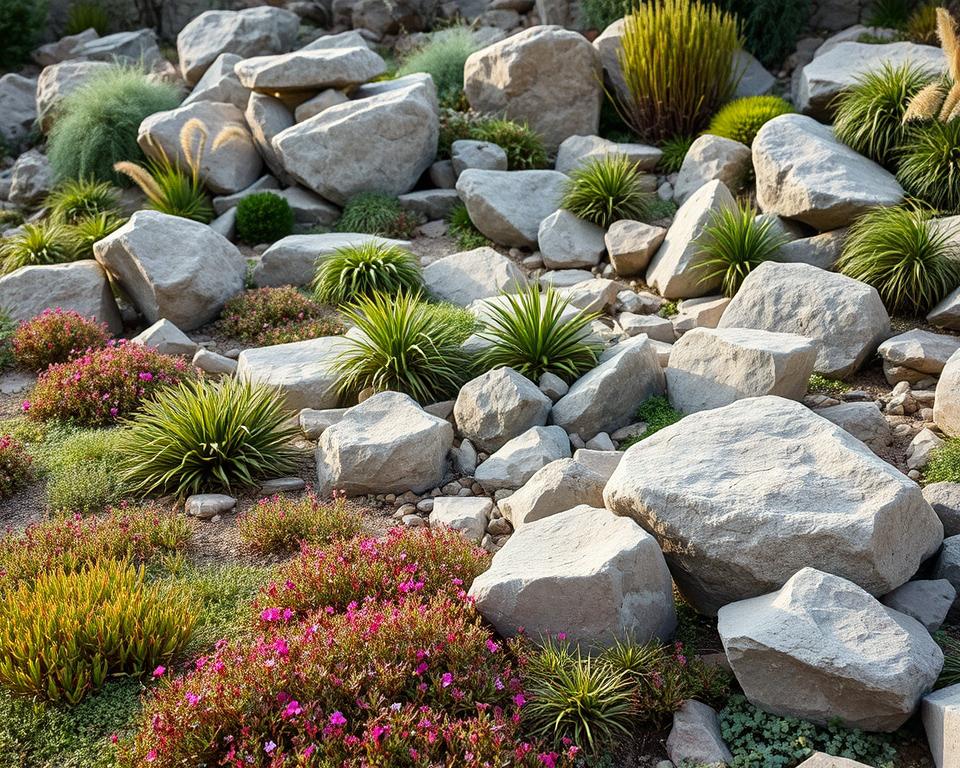
Begin by evaluating the space available for your rock garden. Consider the sunlight, soil type, and drainage. Understanding these conditions will help you choose the right plants and design elements. For instance, if your area is prone to heavy rainfall, you’ll need to ensure proper drainage to prevent erosion.
Setting a Realistic Budget
Setting a budget is essential to guide your decisions on materials, plants, and features. Determine how much you’re willing to spend on rocks, soil, plants, and any additional features like irrigation systems or decorative elements. A well-planned budget will help you stay on track and make the most of your investment.
Creating a Design Sketch
With your space assessed and budget set, it’s time to create a design sketch. This visual representation will help you visualize the final product and make necessary adjustments before implementation.
Incorporating Focal Points
When creating your design sketch, consider incorporating focal points to draw the eye and add visual interest. This could be a statement rock, a unique plant specimen, or a decorative feature like a sundial or statue.
Planning for Growth and Maturity
It’s also crucial to plan for the growth and maturity of your plants. Choose plants that are suitable for your climate and soil conditions, and consider their mature size when spacing them. This foresight will prevent overcrowding and reduce the need for frequent pruning or replacement.
| Design Element | Considerations |
|---|---|
| Rocks and Stones | Size, color, texture, and source |
| Plants | Climate suitability, mature size, maintenance needs |
| Decorative Features | Theme consistency, durability, maintenance requirements |
By carefully planning your rock garden, you’ll create a beautiful and low-maintenance outdoor space that brings joy for years to come.
“A well-designed rock garden is not just visually appealing; it’s also a testament to the gardener’s foresight and creativity.”
Choosing the Perfect Location for Your Rock Garden
To create a thriving rock garden, you need to choose a location that meets specific criteria. The right location will enhance the beauty and health of your rock garden.
Sun and Shade Requirements
Most rock gardens require ample sunlight to flourish. However, some plants may need partial shade, especially in warmer climates. Assess the sunlight in your garden throughout the day to determine the best spot for your rock garden.
Tip: Observe your garden’s sunlight patterns during different seasons to ensure your chosen location receives the right amount of sunlight year-round.
Drainage Considerations
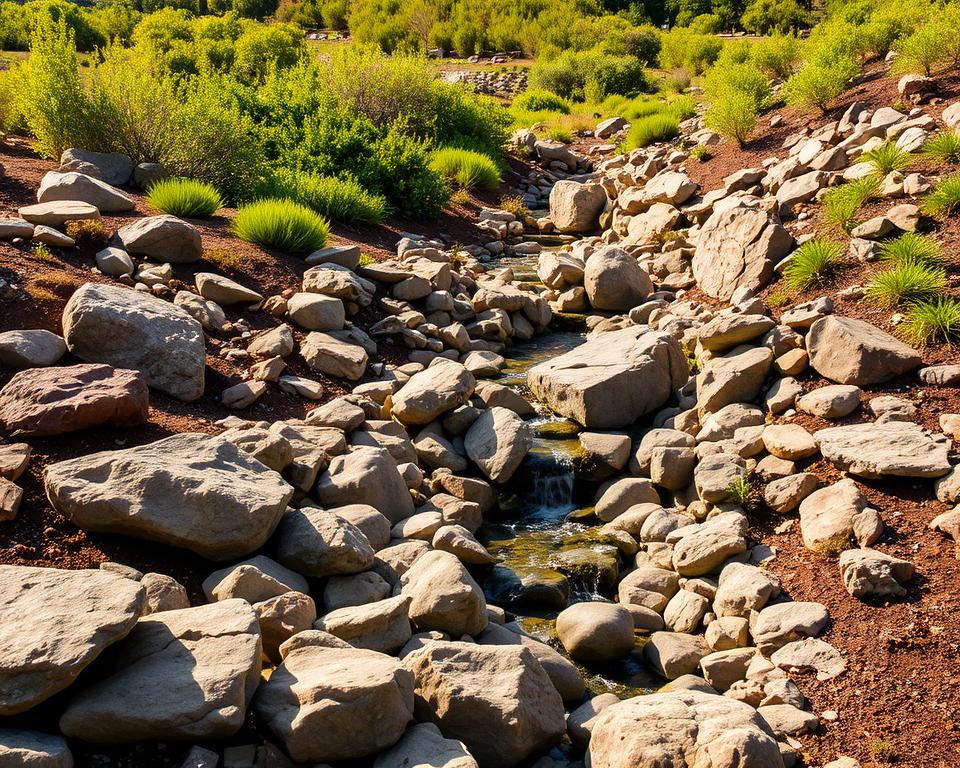
Proper drainage is crucial for rock gardens, as waterlogged soil can be detrimental to many rock garden plants. Ensure the chosen location has good drainage or implement measures to improve it.
Integrating with Existing Landscape Features
Your rock garden should complement the existing landscape. Consider the style of your garden, the surrounding plants, and other features when selecting a location.
| Location Factor | Considerations |
|---|---|
| Sunlight | Assess daily sunlight patterns |
| Drainage | Ensure good water drainage |
| Landscape Integration | Complement existing garden features |
By carefully considering these factors, you can create a beautiful and thriving rock garden that enhances your UK rock garden designs.
Selecting the Right Rocks and Materials
Selecting the perfect rocks and materials is a vital step in designing your rock garden. The right selection can enhance the aesthetic appeal and ensure the longevity of your garden.
Types of Rocks for Different Aesthetics
The type of rock you choose can significantly impact the overall look of your rock garden. Different rocks offer unique textures and colours that can complement or contrast with the plants and other features in your garden.
Limestone and Sandstone Options
Limestone and sandstone are popular choices for rock gardens due to their natural, earthy appearance. Limestone is particularly versatile, available in various shades from white to dark grey. Sandstone, on the other hand, often has a warm, reddish hue that can add a nice contrast to your garden.
Granite and Slate Possibilities
Granite is known for its durability and speckled appearance, making it ideal for creating a robust, long-lasting rock garden. Slate offers a sleek, dark appearance that can add a touch of sophistication to your garden design.
Complementary Materials: Gravel, Sand, and Mulch
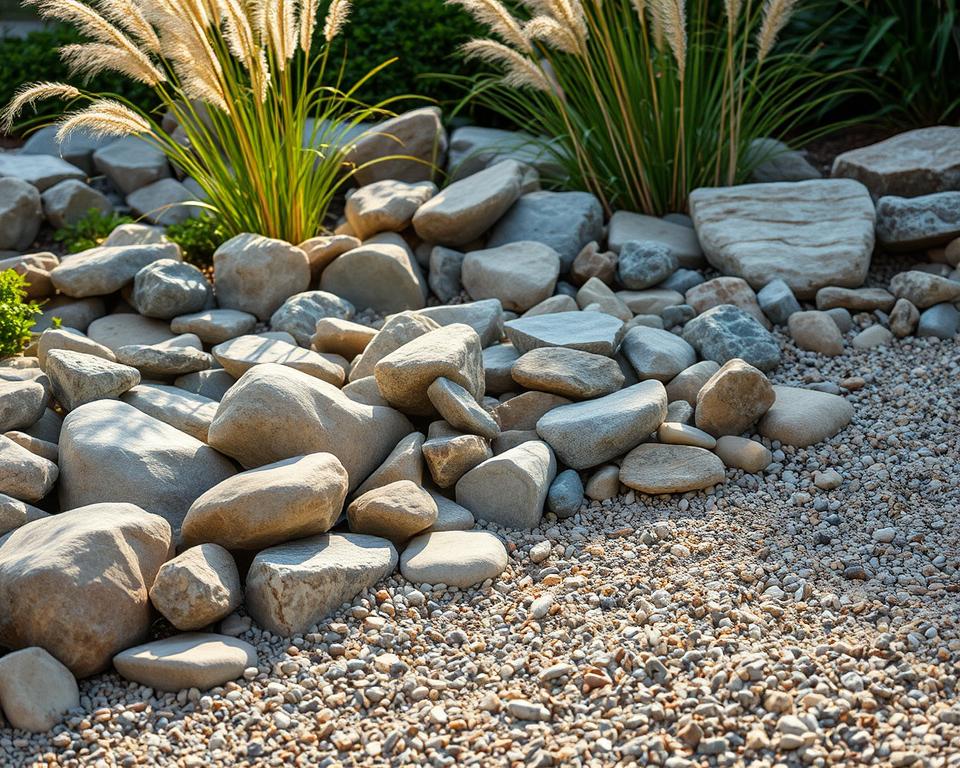
In addition to rocks, other materials like gravel, sand, and mulch can enhance your rock garden’s appearance and functionality. Gravel can be used to create pathways or fill gaps between rocks, while sand can improve drainage. Mulch helps retain moisture and suppress weeds.
| Material | Use | Benefits |
|---|---|---|
| Gravel | Pathways, filling gaps | Improves drainage, weed suppression |
| Sand | Drainage improvement | Prevents waterlogging |
| Mulch | Moisture retention, weed control | Reduces watering needs, suppresses weeds |
Sourcing Materials Sustainably
When sourcing materials for your rock garden, consider the environmental impact. Opt for locally sourced materials to reduce carbon footprint, and choose materials that are recycled or sustainably extracted.
Discover the Best Rock Garden Ideas for Your Garden
Whether you’re looking to create a serene oasis or a vibrant display, rock garden ideas can inspire your next gardening project. Rock gardens offer a versatile canvas for creativity, allowing you to experiment with different designs, plants, and features.
Contemporary Minimalist Designs
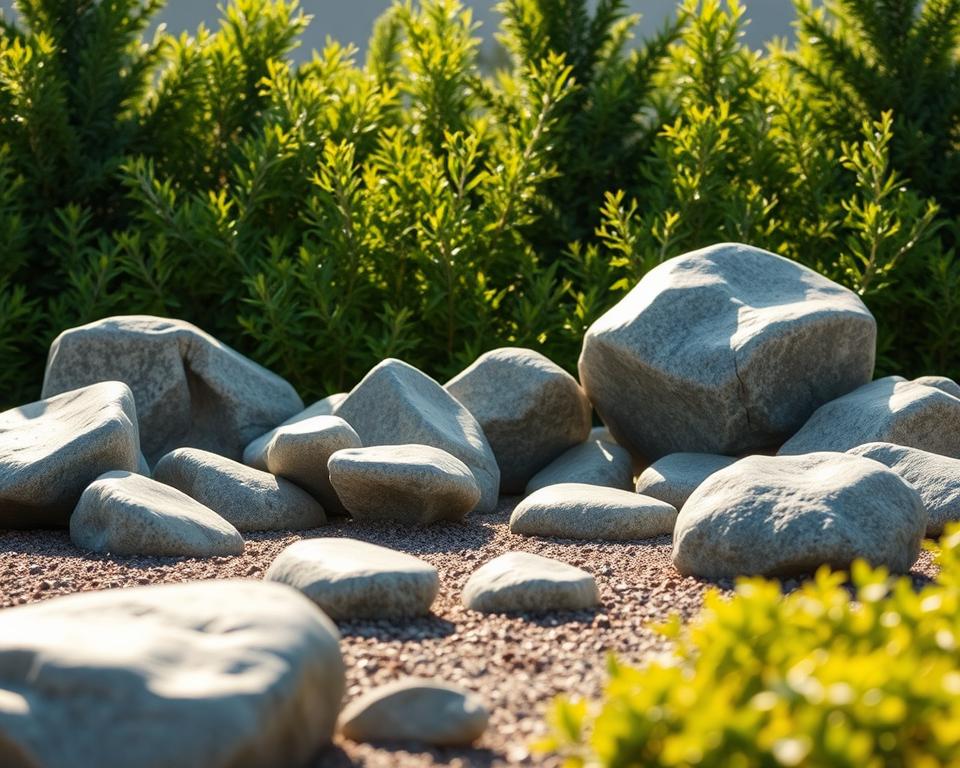
For a sleek, modern look, consider a contemporary minimalist rock garden. This style emphasizes clean lines, simple shapes, and a limited colour palette. Use large rocks or boulders as focal points, surrounded by gravel or sand. Incorporate plants with striking foliage or architectural forms, such as succulents or grasses, to add texture and interest.
Cottage-Style Rock Gardens
In contrast, cottage-style rock gardens evoke a charming, informal atmosphere. This design combines rocks with a variety of flowering plants, shrubs, and herbs, creating a lush, vibrant display. Choose plants with different heights, textures, and bloom times to ensure year-round interest. Consider incorporating natural materials, such as wooden planters or stone pathways, to enhance the rustic charm.
Water Feature Integration
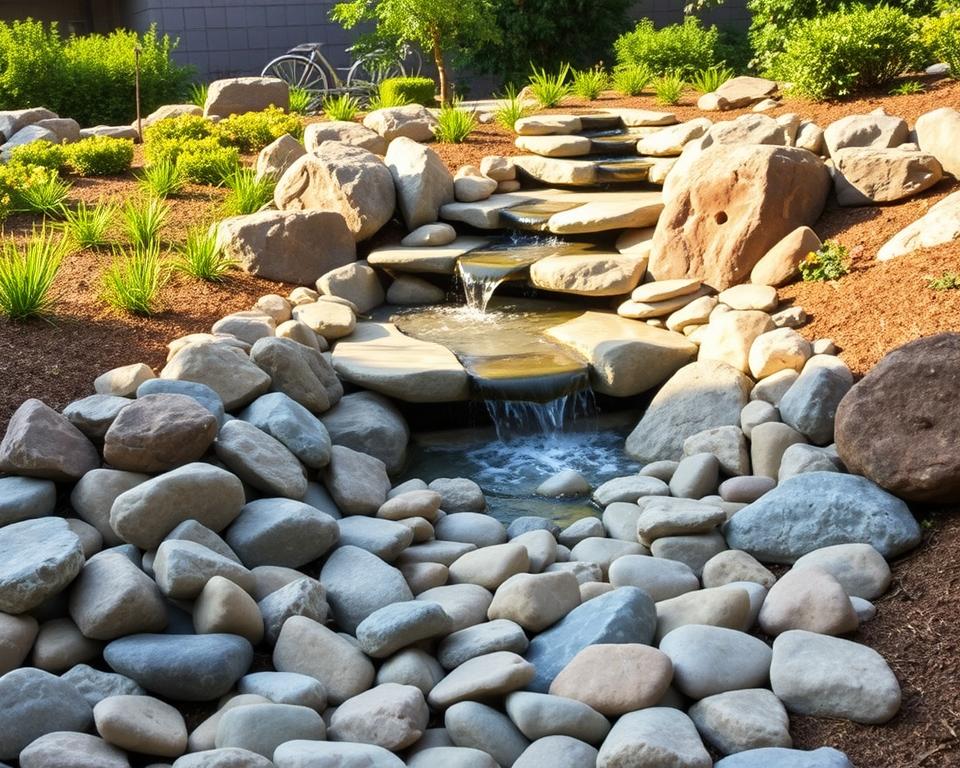
Integrating a water feature into your rock garden can add visual and auditory appeal. A small pond, fountain, or waterfall can create a soothing, peaceful ambiance. When designing a water feature, consider the scale and style of your garden, as well as the maintenance requirements. Use rocks and plants to blend the water feature seamlessly into the surrounding landscape.
Vertical Rock Garden Solutions
For small or irregularly shaped spaces, vertical rock garden solutions offer an innovative way to maximize your gardening area. Use a rock wall or a series of tiered planters to create a multi-level garden. This design not only saves space but also adds visual interest and depth to your garden. Choose plants that thrive in vertical conditions, such as trailing succulents or compact alpines.
Top Plants for British Rock Gardens
To create a captivating rock garden in the UK, it’s essential to choose plants that are resilient, attractive, and suitable for the local weather conditions. British rock gardens can flourish with a variety of plants that are adapted to the temperate maritime climate.
Drought-Tolerant Perennials
Drought-tolerant perennials are ideal for rock gardens as they can withstand dry spells and require minimal maintenance. Some excellent choices include Phlox subulata, which produces vibrant pink, purple, or white flowers in spring, and Sedum varieties, which offer fleshy leaves and late-summer blooms.
- Phlox subulata – Vibrant spring flowers
- Sedum – Fleshy leaves and late-summer blooms
- Yarrow – Fern-like foliage and white or yellow flowers
Alpine and Succulent Varieties
Alpine plants are well-suited to rock gardens due to their ability to thrive in well-drained soil and withstand harsh weather conditions. Succulents, with their water-storing leaves, are also perfect for dry rock garden areas. Consider incorporating Saxifraga and Sempervivum for added texture and interest.
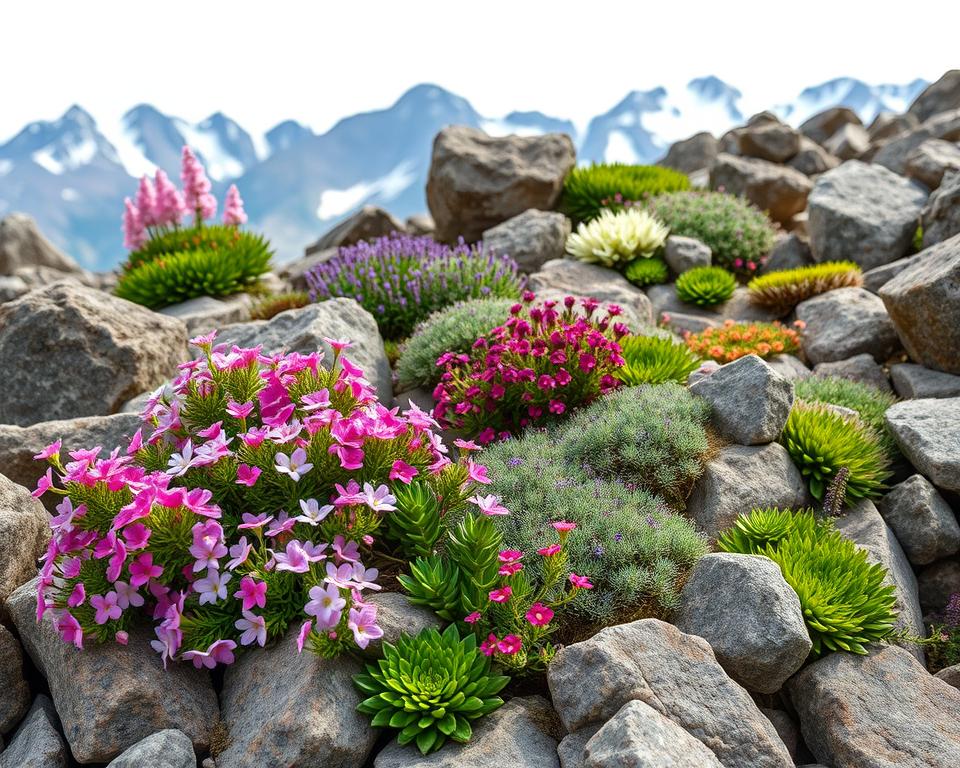
- Saxifraga – Thrives in crevices and cracks
- Sempervivum – Water-storing leaves for dry conditions
Ornamental Grasses for Texture
Ornamental grasses can add dynamic texture and movement to your rock garden. Varieties such as Festuca glauca and Stipa tenuissima are excellent choices, providing year-round interest with their foliage and flowering plumes.
- Festuca glauca – Blue-gray foliage
- Stipa tenuissima – Fine-textured, flowing foliage
Seasonal Bloomers for Year-Round Interest
Incorporating a mix of plants that bloom at different times ensures your rock garden remains vibrant throughout the year. Spring bloomers like Crocus and Gentiana provide early color, while summer and autumn bloomers such as Aster and Chrysanthemum extend the flowering season.
| Season | Plants |
|---|---|
| Spring | Crocus, Gentiana |
| Summer/Autumn | Aster, Chrysanthemum |
By selecting a diverse range of plants, you can create a rock garden that is not only beautiful but also resilient and low-maintenance.
Step-by-Step Guide to Building Your Rock Garden
Creating a rock garden requires careful planning and execution, but with the right guidance, you can achieve stunning results. Building a rock garden can be a fulfilling project, allowing you to craft a unique outdoor space that complements your existing landscape.
Site Preparation and Excavation
The first step in building your rock garden is site preparation. Begin by clearing the area of any debris, weeds, or existing plants. Mark out the boundaries of your rock garden using a rope or hose to visualize the space. Ensure the area is level to prevent water from accumulating in certain spots.
Creating Proper Drainage
Proper drainage is crucial for the longevity of your rock garden. You can achieve this by incorporating a layer of gravel or small rocks at the base. This helps to prevent waterlogging and ensures that your plants’ roots remain healthy. “Effective drainage is key to a thriving rock garden,” as it prevents root rot and other issues associated with poor drainage.
Positioning Your Rocks Effectively
When positioning your rocks, aim to create a natural and visually appealing arrangement. Place larger rocks first, as these will be the focal points of your garden. Consider the following when arranging your rocks:
- Balance: Ensure that the rocks are distributed evenly throughout the garden.
- Variation: Use rocks of different sizes and textures to add visual interest.
Creating Natural-Looking Arrangements
To achieve a natural look, avoid symmetrical arrangements and instead opt for a more organic distribution of rocks. This will help your rock garden blend seamlessly with the surrounding landscape.
Ensuring Stability and Safety
Make sure that your rocks are stable and secure to prevent them from shifting or falling. This is particularly important if you have children or pets who may interact with the garden.
Adding Soil and Planting
Once your rocks are in place, it’s time to add soil and plants. Use a well-draining soil mix specifically designed for rock gardens. Choose plants that are suitable for your climate and the specific conditions of your rock garden. Consider drought-tolerant plants for areas with low rainfall.
Maintenance Tips for a Thriving Rock Garden
To keep your rock garden thriving, regular maintenance is crucial. A well-maintained rock garden not only enhances the beauty of your outdoor space but also ensures the health and longevity of your plants.
Seasonal Maintenance Calendar
Regular maintenance tasks vary by season. In spring, remove any dead plant material and refresh the gravel or mulch. Summer maintenance involves watering and feeding your plants as needed. In autumn, clear away fallen leaves and prepare your plants for winter. During winter, protect your plants from extreme cold and ensure that the drainage system is functioning properly.
| Season | Maintenance Tasks |
|---|---|
| Spring | Remove dead plant material, refresh gravel or mulch |
| Summer | Water and feed plants as needed |
| Autumn | Clear fallen leaves, prepare plants for winter |
| Winter | Protect plants from extreme cold, check drainage |
Weed Control Strategies
Weeds can be a significant problem in rock gardens. To control weeds, use a combination of methods such as hand-weeding, applying a pre-emergent herbicide, and maintaining a thick layer of gravel or mulch to suppress weed growth.
Watering and Feeding Guidelines
Rock garden plants are often drought-tolerant, but they still require adequate watering, especially during hot summer months. Water them sparingly but deeply to encourage deep root growth. Feed your plants with a balanced, slow-release fertilizer during the growing season to promote healthy growth.
Solving Common Rock Garden Problems
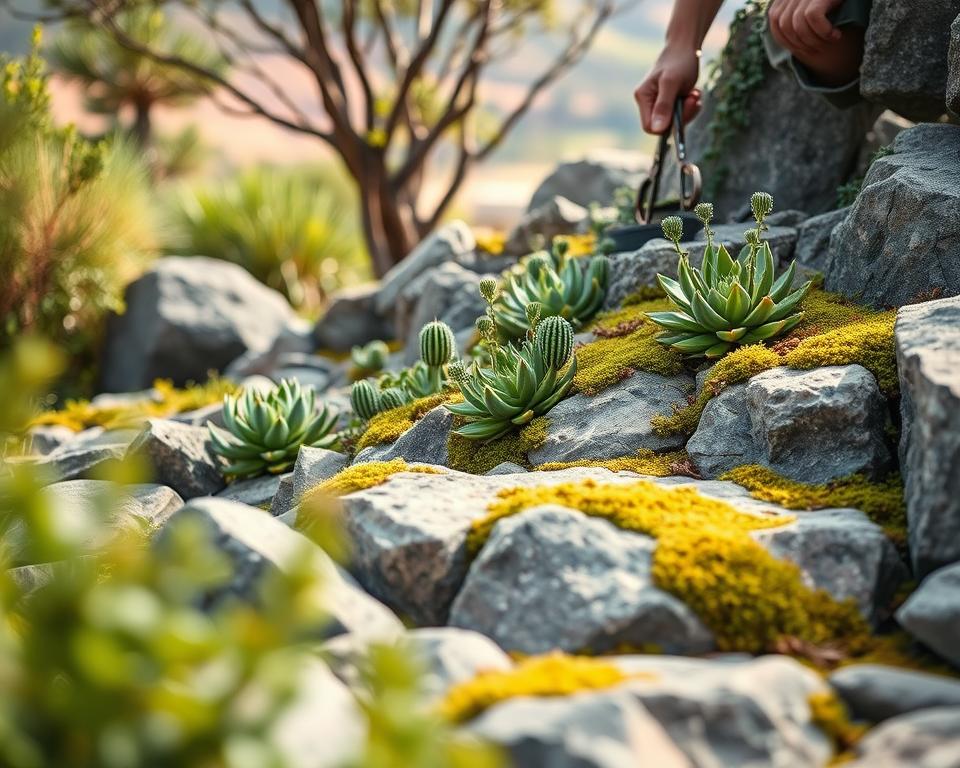
Common problems can arise in rock gardens, but with the right knowledge, you can resolve them effectively. Rock gardens, while aesthetically pleasing, can sometimes encounter issues such as erosion, plant diseases, and overgrowth.
Dealing with Erosion
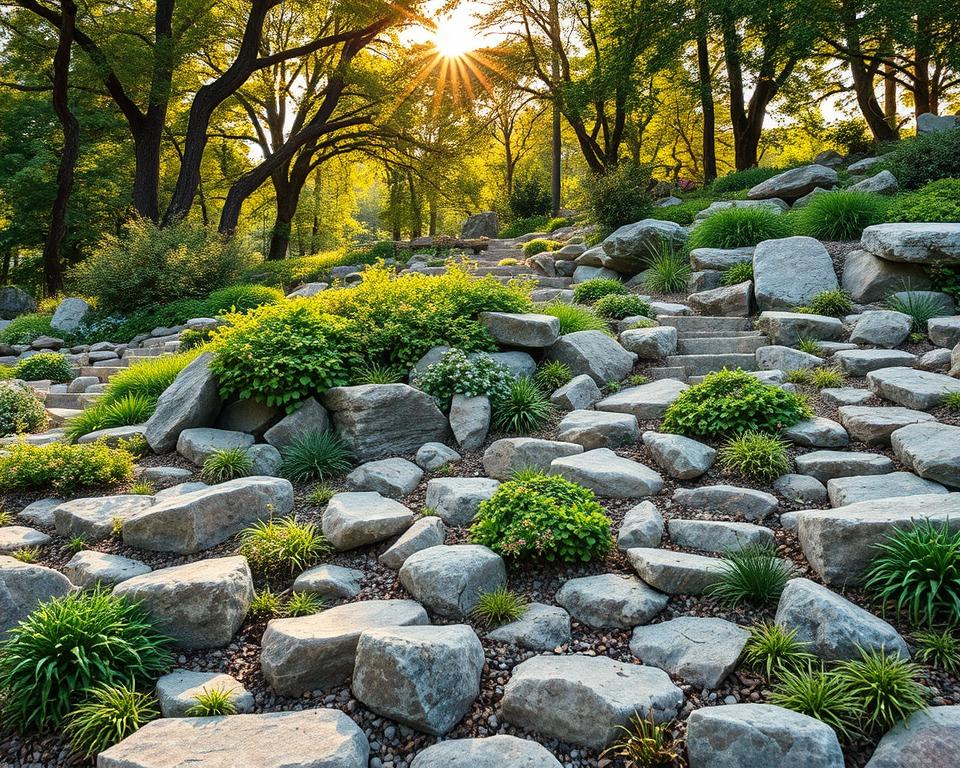
Erosion can be a significant problem in rock gardens, particularly on slopes. To combat this, ensure proper drainage by incorporating gravel or sand layers beneath the soil. You can also use plants with deep roots to help stabilize the soil.
Managing Plant Diseases and Pests
Regularly inspect your rock garden for signs of disease or pests. Use organic treatments whenever possible to minimize environmental impact. Ensure good air circulation around plants and avoid overwatering, which can exacerbate disease issues.
Rejuvenating an Overgrown Rock Garden
If your rock garden has become overgrown, start by pruning back plants to their desired shape. Remove any dead or diseased plants, and replenish the soil as necessary. Consider dividing and replanting perennials to maintain the garden’s health and appearance.
By addressing these common issues, you can maintain a thriving rock garden that remains a beautiful part of your landscape.
Rock Gardens Through the Seasons
With each season, your rock garden takes on a new character, ensuring year-round appeal. As the seasons change, the plants and features you have chosen will respond to the varying conditions, creating a dynamic landscape.
Spring and Summer Highlights
During spring and summer, your rock garden comes alive with vibrant colours and lush foliage. Drought-tolerant perennials and alpine varieties thrive in the warmer months, providing a stunning display. Incorporating plants like sedum and sempervivum can add texture and interest.
Autumn and Winter Interest
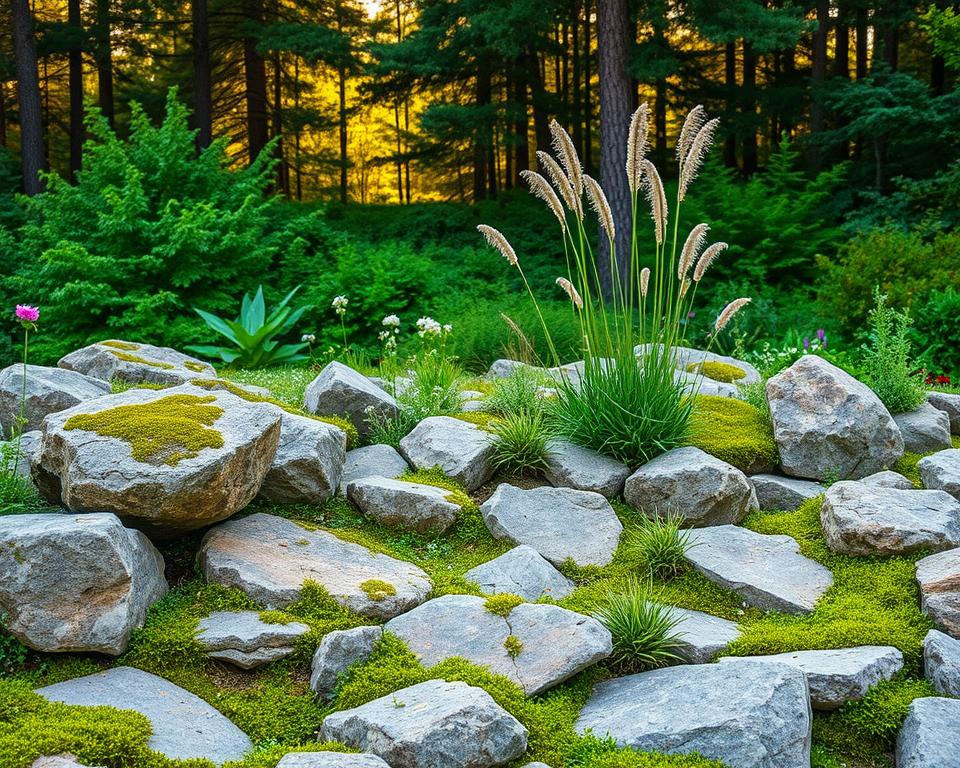
As autumn arrives, the foliage of certain plants turns golden, creating a warm, inviting ambiance. In winter, the structural elements of your rock garden, such as the rocks and any decorative features, become the focal points. Ornamental grasses can add movement and texture even in the colder months.
Planning for Year-Round Appeal
To ensure your rock garden remains attractive throughout the year, plan for a mix of plants that offer different seasonal highlights. Consider incorporating seasonal bloomers and plants with interesting foliage or structure. This approach will provide rock garden inspiration and keep your garden looking its best.
By choosing the best plants for rock gardens and designing with the seasons in mind, you can create a beautiful and dynamic outdoor space.
Budget-Friendly Rock Garden Ideas
Creating a rock garden doesn’t have to break the bank. With a little creativity and some smart planning, you can achieve a beautiful and functional outdoor space without overspending.
DIY Rock Garden Projects
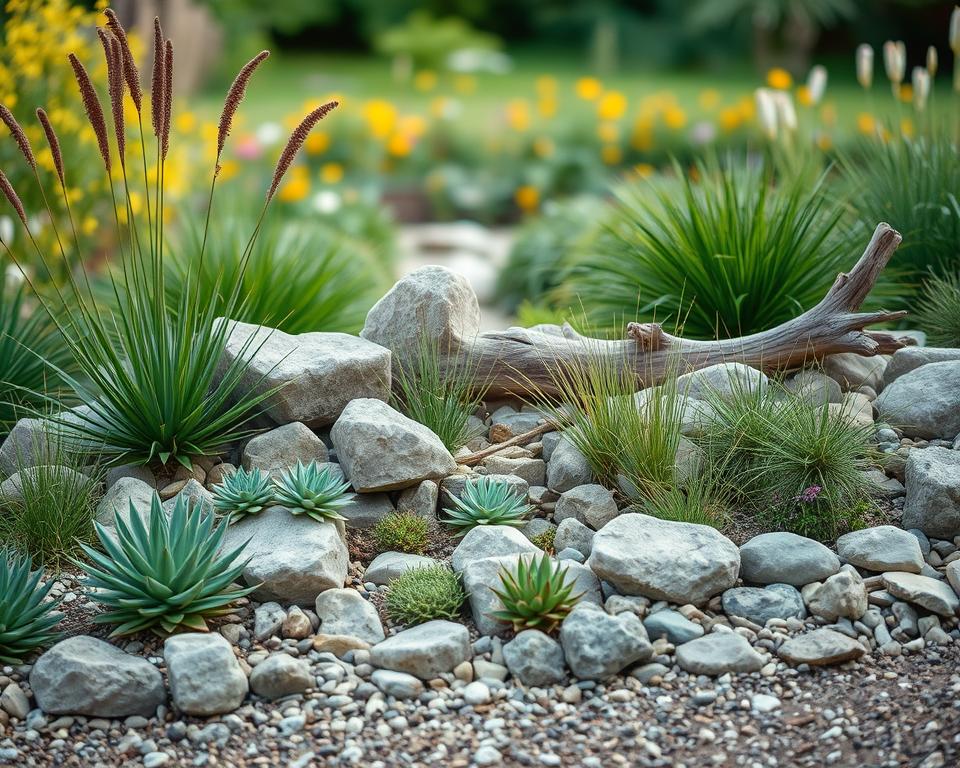
Engaging in DIY rock garden projects is an excellent way to save money. You can create your own rock garden features, such as stepping stones or a rock waterfall, using materials you might already have or can source cheaply.
Repurposing Materials
Repurposing materials is not only budget-friendly but also environmentally conscious. Old bricks, stones, and even broken pottery can be used to create unique features in your rock garden. For example, you can use old terracotta pots to create a succulent garden or turn an old pallet into a vertical garden.
Gradual Building Approaches
A gradual building approach allows you to spread the cost of your rock garden over time. Start with a small area and gradually expand it as your budget allows. This method also gives you the flexibility to try out different designs and plants without committing to a large upfront expense.
As
“The garden is a love song, a duet between a human being and Mother Nature.”
– Jeff Cox. Creating a rock garden is a journey that combines creativity with nature, and with budget-friendly ideas, it’s more accessible than ever.
Environmental Benefits of Rock Gardens
The environmental advantages of rock gardens make them an attractive option for eco-conscious gardeners. By incorporating elements such as rocks, gravel, and drought-tolerant plants, you can create a beautiful and sustainable landscape.
Water Conservation Advantages
One of the significant environmental benefits of rock gardens is their ability to conserve water. By using drought-tolerant plants and efficient irrigation systems, you can reduce your water consumption. For example, plants like sedum and sempervivum thrive in dry conditions, minimizing the need for frequent watering.
| Plant | Water Requirement | Drought Tolerance |
|---|---|---|
| Sedum | Low | High |
| Sempervivum | Low | High |
| Thyme | Low to Moderate | Moderate |
Supporting Local Wildlife
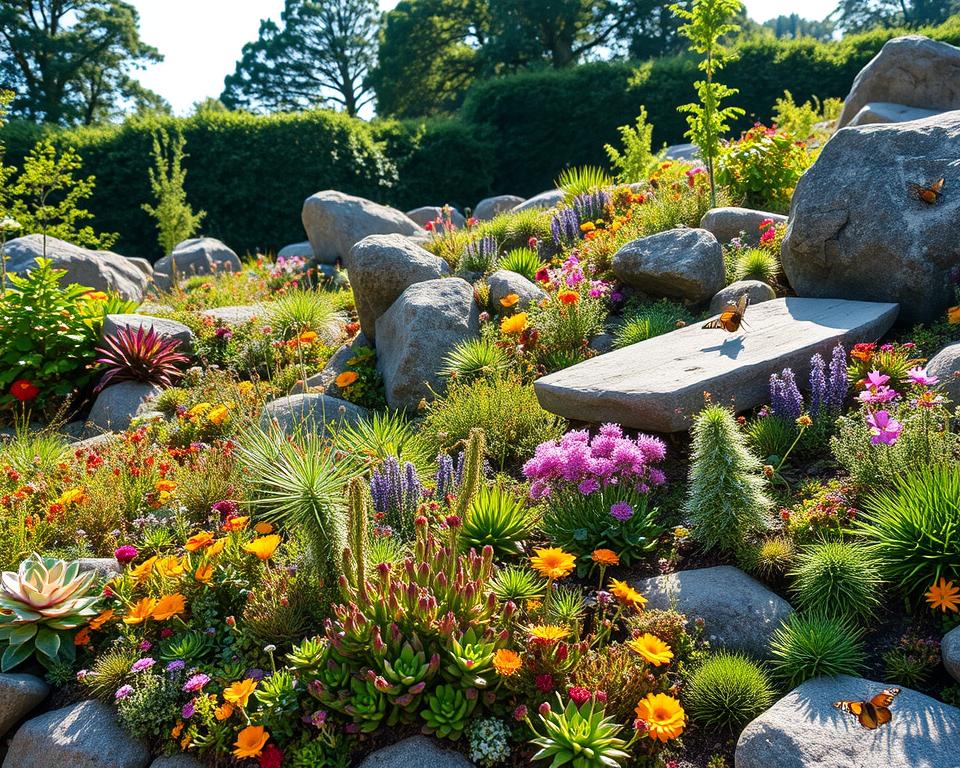
Rock gardens can also support local wildlife by providing habitat and food for various species. Incorporating native plants and features like rock piles or log piles can attract beneficial insects and small animals. For instance, plants like Erica carnea (winter heath) provide a valuable source of nectar for bees during the winter months.
Reducing Maintenance and Resources
Another environmental benefit of rock gardens is the reduction in maintenance and resources required. With fewer plants to water and prune, you can minimize your gardening tasks. Additionally, using local and recycled materials for your rock garden can further reduce its environmental impact.
By adopting rock garden ideas and practices, you can enjoy a beautiful and sustainable garden that benefits both you and the environment.
Conclusion
As we have explored throughout this article, rock gardens offer a unique blend of natural beauty and low-maintenance landscaping. By incorporating rock garden inspiration into your outdoor space, you can create a serene oasis that complements your existing landscape.
When starting your project, consider the key elements discussed, from assessing your space and choosing the right materials to selecting plants that thrive in rock garden conditions. By following these guidelines, you will be well on your way to creating a rock garden that not only enhances your home’s aesthetic appeal but also provides a haven for local wildlife.
Whether you’re looking to create a contemporary minimalist design or a cottage-style rock garden, the possibilities are endless. So why not start creating your rock garden today and enjoy the many benefits it has to offer?
FAQ
What is a rock garden?
A rock garden is a type of garden that features rocks, stones, and often drought-tolerant plants, designed to create a visually appealing and low-maintenance outdoor space.
What are the benefits of having a rock garden?
Rock gardens offer several benefits, including water conservation, reduced maintenance needs, and the ability to support local wildlife, making them an attractive option for gardeners in the UK.
What types of plants are suitable for a rock garden?
Drought-tolerant perennials, Alpine and succulent varieties, ornamental grasses, and seasonal bloomers are all suitable for rock gardens in the UK, providing a range of textures and colours throughout the year.
How do I choose the right location for my rock garden?
When selecting a location for your rock garden, consider factors such as sunlight and shade requirements, drainage, and how to integrate the garden with existing landscape features.
What are some common problems encountered in rock gardens, and how can I solve them?
Common issues in rock gardens include erosion, plant diseases, and overgrowth, which can be addressed through proper drainage, regular maintenance, and rejuvenation techniques.
How do I maintain my rock garden?
To keep your rock garden thriving, follow a seasonal maintenance calendar, implement effective weed control strategies, and adhere to guidelines for watering and feeding plants.
Can I create a rock garden on a budget?
Yes, you can create a rock garden on a budget by undertaking DIY projects, repurposing materials, and adopting gradual building approaches.
How do rock gardens change through the seasons?
Rock gardens evolve through the seasons, with different plants and features coming to the fore in spring, summer, autumn, and winter, providing year-round interest with proper planning.
What are the environmental benefits of rock gardens?
Rock gardens offer several environmental benefits, including water conservation, supporting local wildlife, and reducing maintenance needs, making them a sustainable gardening option.