Things to Consider When Positioning Your Summerhouse
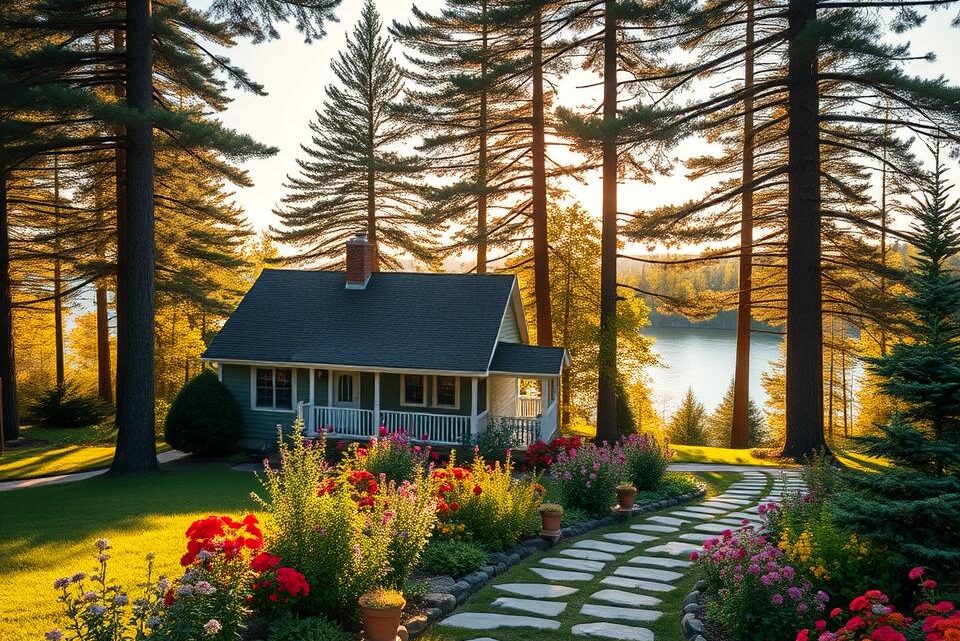
Embarking on creating a summer house is an exciting venture, promising a serene outdoor space for relaxation and cherished moments. Determining the ideal location within your garden is a pivotal decision.
The placement of your summerhouse is not just about aesthetics; it involves practical considerations such as sunlight exposure and ground conditions. Proper placement can transform it into a versatile space that adds value to your property.
Thoughtful planning is essential before installation to ensure your summerhouse integrates well with your existing garden landscape and enhances your outdoor living experience.
Inhaltsverzeichnis
Key Takeaways
- Carefully select the location for your summerhouse to maximise its usability and aesthetic appeal.
- Consider practical factors such as sunlight and ground conditions when deciding on the placement.
- Proper positioning can enhance the value of your property and outdoor living experience.
- Ensure your summerhouse complements your existing garden landscape.
- Thoughtful planning is crucial before installation.
Planning Your Summerhouse’s Purpose and Use
The first step in planning your summerhouse involves envisioning how you will utilise the space. It’s essential to define the primary function of your summer house to ensure it meets your needs and is positioned optimally within your garden.
Visualising How You’ll Use the Space
To effectively plan your summerhouse, take a moment to visualise yourself within it. Imagine the activities you plan to undertake and how you will use the space. Will it serve as a retreat for relaxation, a home office, or an entertainment area? Visualising your summer house in use will help determine its design and style, ensuring it complements your garden and meets your practical needs.
Matching Location to Function
The intended use of your garden building significantly influences its ideal location. For instance, a summer house intended as a home office may require a quieter, more secluded spot, while one used for entertainment purposes might be better positioned in a more central, accessible area. Considering the function and required vision for your summerhouse will guide its positioning, ensuring it enhances your garden and lifestyle.
By carefully planning the purpose and use of your summerhouse, you can create a space that not only complements your garden’s style and design but also fulfils your specific needs and enhances your overall outdoor living experience.
Essential Things to Consider When Positioning Your Summerhouse
Positioning a summerhouse requires careful planning, taking into account various environmental and practical factors that impact its usability and aesthetic appeal. The orientation of your garden, the layout of your outdoor space, and the proximity of the summerhouse to your home are all crucial elements to consider.
Sunlight and Orientation
The amount of sunlight your summerhouse receives is significantly influenced by its orientation. As the sun rises in the east and sets in the west, it’s essential to assess how the orientation of your property and garden affects the shade. Creating a sun map using photos and drawings can help track light patterns throughout the day and seasons. This will enable you to identify the optimal position for your summerhouse based on your preference for morning, afternoon, or evening sunlight. For instance, if you want to attract as much warmth and light as possible, choose a position where the sun falls for as much of the day as possible. Conversely, a shaded position might be more suitable for a home office or art studio, benefiting from the flat light it provides.
Garden Layout and Size
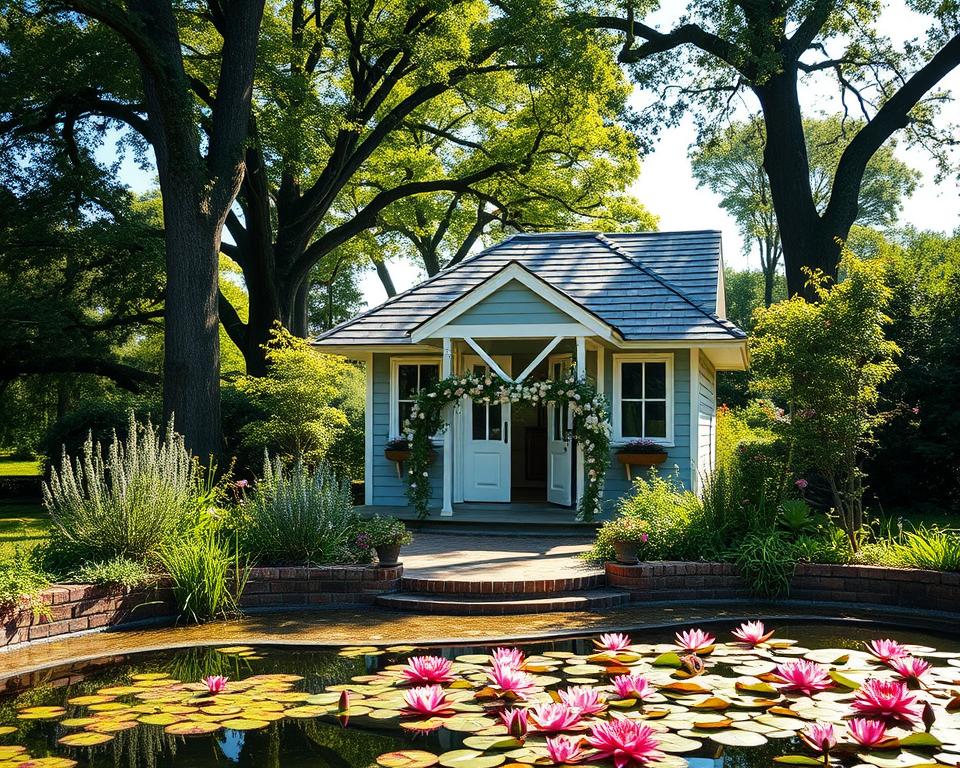
The layout and size of your garden play a significant role in determining the ideal position for your summerhouse. Depending on the layout of your outdoor space, you might want to position your summerhouse in an underused corner or a separate area of your garden, leaving space for a lawn to flourish. It’s crucial to evaluate the available space, existing features, and how the summerhouse will integrate with the overall garden design. Consider the topography of your garden, including slopes, levels, and natural features that might impact positioning decisions. Assessing existing trees and large plants is also vital, as they can contribute aesthetically while potentially causing practical issues like root systems, leaf fall, and shade patterns.
Proximity to Your Home
The proximity of your summerhouse to your main house is another important consideration. You need to strike a balance between convenience of access and creating a sense of retreat and separation from everyday household activities. The distance between your home and summerhouse can significantly impact its usability and your overall enjoyment of the space. Consider the views both from the summerhouse and of the summerhouse, ensuring it complements the existing garden landscape while providing a pleasant and secluded area for relaxation or entertainment.
Creating the Perfect Foundation
A solid base is the cornerstone of a successfully installed summerhouse. Ensuring that the ground is properly prepared is crucial for the stability and longevity of the structure. Whether you’re using a concrete base, paving slabs, timber decking, or a ground screw system, the foundation is key to preventing future structural issues.
Ground Preparation Requirements
To create a stable foundation, it’s essential to clear the area of any obstacles such as tree roots and overhanging branches. The ground should be level and firm to support the weight of the summerhouse. Different foundation options are available, including concrete pads and gravel bases, each with its own advantages and limitations.
- Clear the area of vegetation and debris
- Check for level surfaces and identify potential drainage issues
- Test soil stability to ensure it can support the structure
Ensuring Stability and Drainage
Proper drainage is critical to prevent water accumulation around the summerhouse, which can lead to structural damage. Creating a slight gradient or installing drainage channels can help manage water runoff. Additionally, using permeable materials can enhance drainage and reduce the risk of waterlogging.
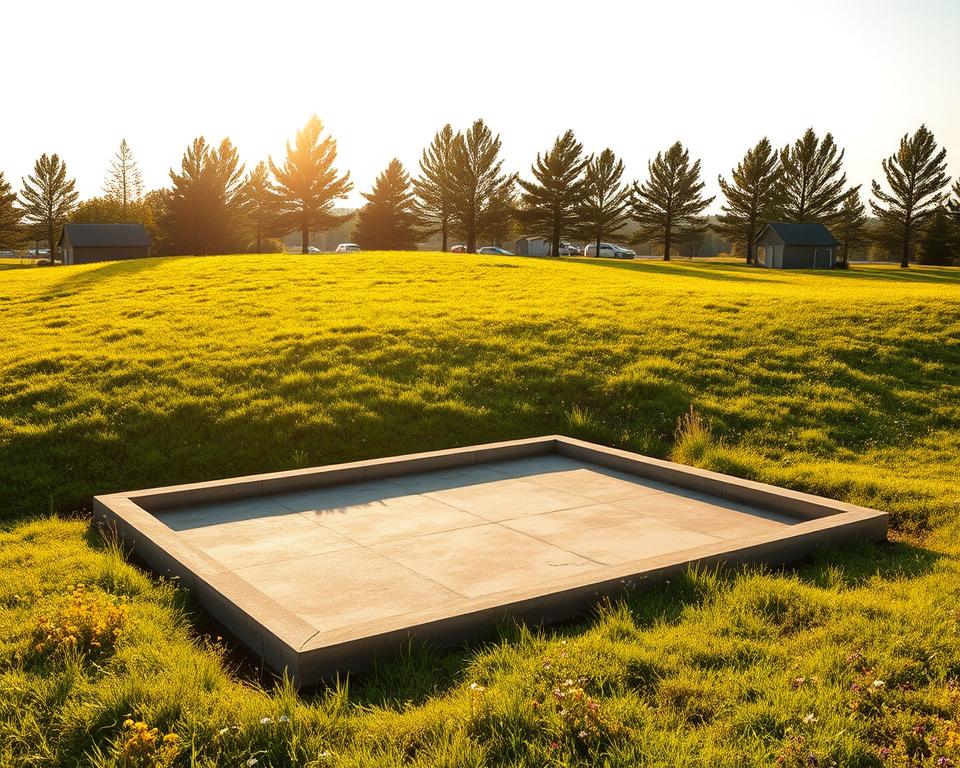
By focusing on ground preparation and ensuring adequate drainage, you can significantly enhance the stability and longevity of your summerhouse. It’s worth investing time and effort into getting the foundation right to enjoy your summerhouse for years to come.
Accessibility and Practical Considerations
To maximize the usability of your summerhouse, thoughtful planning of access routes and utility connections is essential. Ensuring that your summerhouse is easily accessible from the main house via a clear, well-maintained path is crucial. The placement of fences and existing structures should be considered to create an unobstructed route, enhancing both the usability and aesthetic appeal of your garden.
Creating Clear Pathways
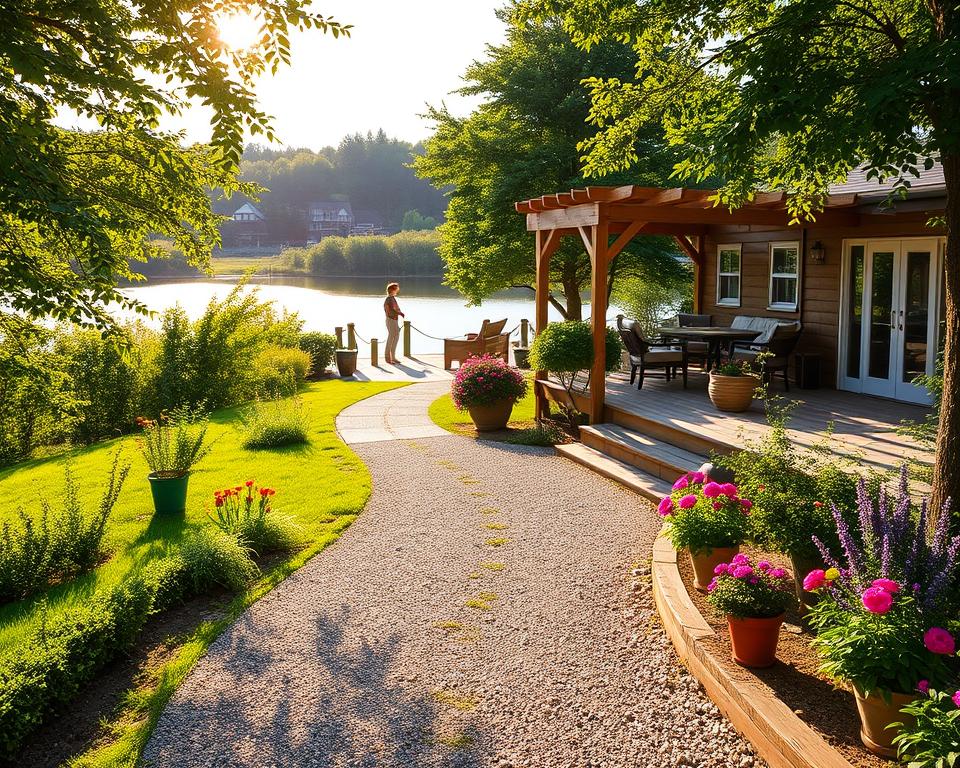
A well-designed pathway not only adds to the garden’s visual appeal but also ensures that the summerhouse is accessible in all weather conditions. The choice of material, width, and lighting for the pathway are critical factors. For instance, using gravel or brick paving can provide a durable and attractive path, while solar-powered lights can enhance visibility at night.
Utility Connections and Services
It’s vital to ensure that your summerhouse is accessible for utility installations such as electricity and water. Proximity to these utilities will make it easier to power your summerhouse and add necessary amenities, thereby enhancing its functionality and comfort. Proper planning for utilities allows for the installation of lighting, heating, and other conveniences, making your summerhouse a more versatile retreat.
Weather Protection and Shelter
Positioning your summerhouse to minimize exposure to prevailing winds, heavy rainfall, or excessive sun exposure is crucial for its longevity and usability. Consideration should be given to the orientation of the summerhouse and the incorporation of features such as overhangs or verandas to provide shelter and protection from the elements. This not only enhances the comfort of the space but also reduces the need for additional protective measures.
By carefully considering these accessibility and practical considerations, you can create a summerhouse that is not only a beautiful addition to your garden but also a functional and enjoyable space for years to come.
Privacy, Views and Aesthetics
To create an idyllic summerhouse experience, it’s essential to consider how its position will impact your privacy, the views, and the garden’s aesthetics. Positioning your summerhouse requires a thoughtful approach to balance these elements effectively.
Balancing Seclusion with Convenience
Positioning your summerhouse for maximum privacy involves selecting a location that is away from prying eyes and situated in a quiet area of your garden. This not only enhances relaxation but also reduces the risk of vulnerability to intruders. Consider using fencing, shrubs, or trees to create natural barriers that enhance privacy and seclusion.
Maximising Garden Views
To maximise garden views, consider the seasonal changes and focal points in your garden. Thoughtful window placement can help create framed vistas, enhancing the overall viewing experience from within your summerhouse. This strategic positioning can turn your summerhouse into a perfect spot to enjoy your garden throughout the year.
Complementing Your Garden’s Style
Choosing a summerhouse style that complements your garden is crucial. Traditional designs with classic lines and details can add charm and blend seamlessly with more formal gardens. In contrast, contemporary styles offer sleek, modern looks that fit well in minimalist or modern garden settings. Ensure the design and look of your summerhouse align with your garden’s overall aesthetics and features.

Legal and Regulatory Considerations
The positioning of a summerhouse is not just about aesthetics; it must also comply with legal and regulatory standards. Homeowners must be aware of the various legal requirements that govern the installation of such structures in their gardens.
Planning Permission Requirements
In the UK, most summerhouses are considered permitted development, meaning they typically do not require planning permission. However, this can vary depending on the size, height, and location of the summerhouse. It is essential to check with the local planning authority to determine if permission is needed.
Key Factors Affecting Planning Permission:
- Size and height of the summerhouse
- Proximity to boundary edges
- Location within conservation areas or near listed buildings
For most homeowners, permitted development rights will apply, allowing for the installation of a summerhouse without formal planning permission. Nonetheless, verifying the specific regulations in your area is a prudent step.
Distance from Boundaries and Structures
One of the critical legal considerations is the distance between the summerhouse and the property boundary. Generally, structures over 2.5 meters high should be at least 2 meters away from the boundary edge to comply with permitted development regulations.
| Structure Height | Recommended Distance from Boundary |
|---|---|
| Up to 2.5 meters | At least 1 meter |
| Over 2.5 meters | At least 2 meters |
Additionally, consideration should be given to the proximity of the summerhouse to other structures on the property, such as the main house, garage, or neighboring buildings, to avoid any potential issues with overlooking or overshadowing.
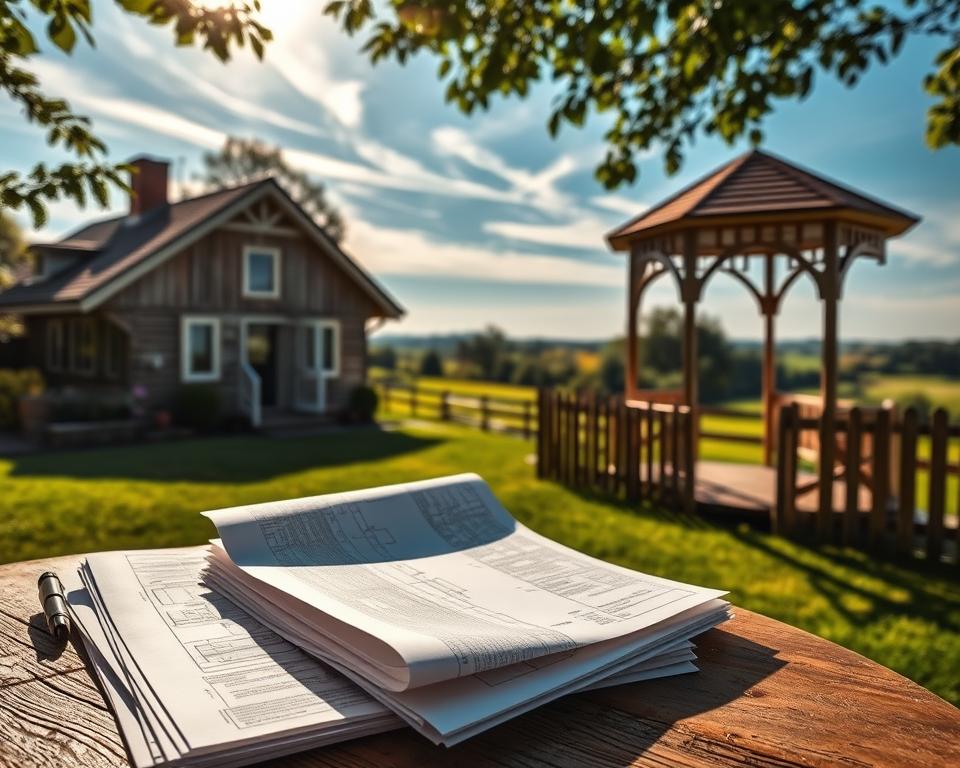
By understanding and adhering to these legal and regulatory considerations, homeowners can ensure their summerhouse is both enjoyable and compliant with UK regulations.
Conclusion
The ideal location for your summer house is more than just a spot in the garden; it’s about creating a haven. Careful positioning and thorough considerations are crucial.
By using this guide, you can ensure that your summer house is positioned to maximise its potential, creating a beautiful space that considers various factors for a perfect site.
FAQ
What is the ideal location for a summerhouse in my garden?
The ideal location depends on the purpose of the summerhouse, but generally, a spot that receives plenty of sunlight and is level is preferred. Consider the orientation of the summerhouse to maximise natural light and views.
How do I ensure my summerhouse is stable and secure?
To ensure stability, prepare the ground properly by levelling it and laying a suitable base, such as a concrete slab or timber frame. Regularly inspect the structure to ensure it remains secure and weather-tight.
Do I need planning permission to build a summerhouse?
In most cases, a summerhouse is considered a permitted development, but it’s essential to check with your local authority to determine if planning permission is required. Factors such as the size, height, and location of the summerhouse can affect the need for permission.
How can I maintain privacy in my summerhouse?
To maintain privacy, consider the location and orientation of the summerhouse, and use features such as screening plants, fencing, or pergolas to create a secluded atmosphere. You can also use window treatments or blinds to control visibility.
What type of materials are best for building a summerhouse?
The choice of materials depends on your budget, style, and preferences. Timber is a popular choice for summerhouses, as it is durable and can be sustainably sourced. Consider using durable, weather-resistant materials for the roof and trim.
How can I ensure my summerhouse is accessible and convenient?
Create clear pathways to the summerhouse, and consider installing lighting to ensure safe access at night. You may also want to install utility connections, such as electricity or water, to enhance the functionality of the summerhouse.
How can I protect my summerhouse from the elements?
To protect your summerhouse from the elements, use durable, weather-resistant materials, and consider adding features such as a waterproof roof, weatherboarding, or shutters. Regular maintenance is also essential to ensure the structure remains weather-tight.