Greenhouse Guide: From Small LeanTos To Large Aluminum Structures
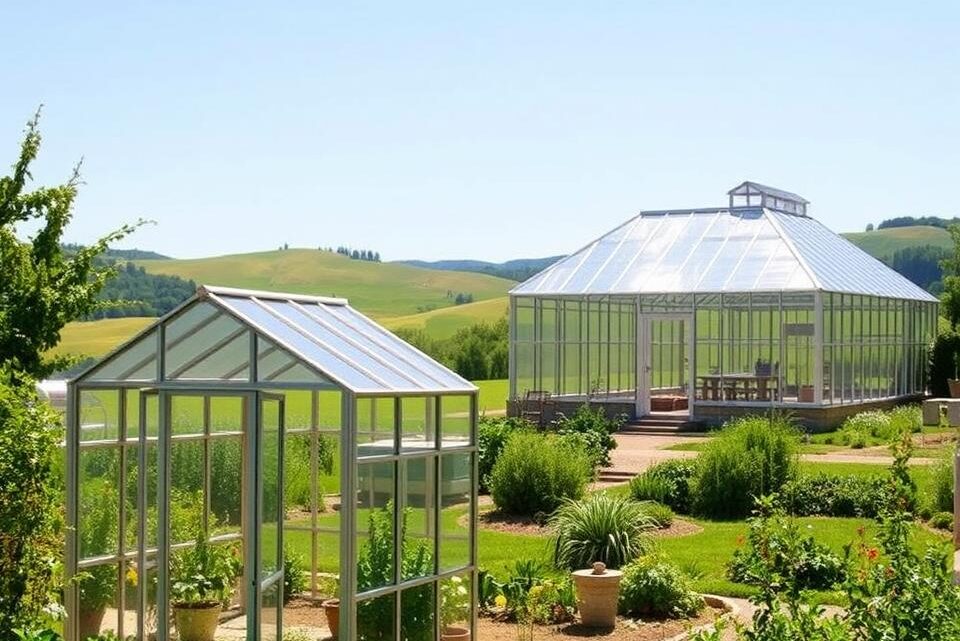
Welcome to our comprehensive greenhouse guide, where we explore the world of gardening under cover. Whether you’re a seasoned horticulturist or a beginner, a lean-to or a spacious aluminum structure can revolutionise your gardening experience.
You can enjoy a head start on the growing season, protect your plants from harsh weather, and expand your gardening possibilities. In this guide, we’ll walk you through the essentials of choosing and maintaining your ideal greenhouse.
As you embark on your greenhouse journey, you’ll discover the benefits of gardening in a controlled environment. Our guide is designed to provide you with the knowledge you need to make informed decisions and get the most out of your gardening endeavours.
Inhaltsverzeichnis
Key Takeaways
- Understand the benefits of using a greenhouse for gardening.
- Learn about the different types of greenhouses, including lean-tos and aluminum structures.
- Discover key considerations for choosing the right greenhouse for your needs.
- Explore tips for maintaining your greenhouse and maximising its potential.
- Enhance your gardening experience with the right greenhouse setup.
The Magic of Greenhouse Gardening
Embracing greenhouse gardening can be a life-changing experience, allowing you to grow a diverse array of plants year-round. By providing a controlled environment, greenhouses protect plants from harsh weather conditions and pests, while also extending the growing season.
How Greenhouses Transform Plant Growth
Greenhouses transform plant growth by creating an optimal environment for development. The controlled temperature and humidity allow plants to thrive, while the protection from external factors reduces stress and promotes healthy growth.
As noted by gardening expert, “Greenhouses offer gardeners the opportunity to create a microclimate that caters to the specific needs of their plants, resulting in improved yields and healthier plants.”
| Factor | Outdoor Gardening | Greenhouse Gardening |
|---|---|---|
| Temperature Control | Limited | Highly Controlled |
| Humidity Levels | Variable | Consistent |
| Pest Protection | Vulnerable | Protected |
The Evolution of Greenhouse Technology
The evolution of greenhouse technology has led to significant advancements in materials and design. Modern greenhouses often feature energy-efficient glazing, automated climate control systems, and durable construction materials.
These advancements have made greenhouse gardening more accessible and sustainable, allowing gardeners to enjoy the benefits of controlled environment gardening while minimizing their environmental footprint.
Benefits of Greenhouse Cultivation in British Climate
In the UK, greenhouse cultivation is becoming increasingly popular due to its numerous advantages. By adopting greenhouse gardening, you can significantly enhance your gardening experience.
Extending Your Growing Season Year-Round
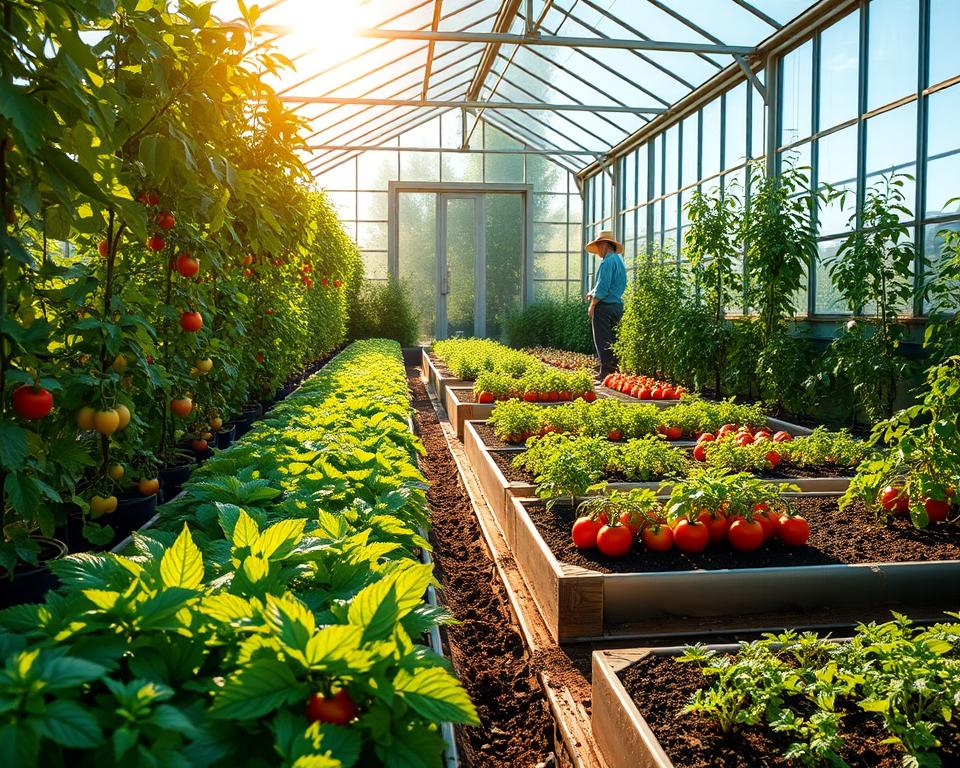
One of the primary benefits of greenhouse cultivation is the ability to extend your growing season throughout the year. By maintaining a stable internal environment, greenhouses allow you to grow plants even during the coldest months. This means you can enjoy fresh produce year-round, regardless of the external weather conditions.
Protection from Unpredictable UK Weather
The British climate is known for its unpredictability, with sudden rain showers and frosts being common occurrences. A greenhouse provides a protective barrier for your plants, shielding them from harsh weather conditions. This protection is crucial for delicate or exotic plants that are sensitive to extreme weather.
Cultivating Exotic Plants in a Temperate Environment
Greenhouses enable you to create a temperate environment that is ideal for cultivating exotic plants. By controlling factors such as temperature and humidity, you can grow a wide variety of plants that would otherwise struggle to survive in the UK’s outdoor climate. This opens up new possibilities for gardeners looking to experiment with unusual species.
By leveraging these benefits, you can take your gardening to the next level. Whether you’re a seasoned gardener or just starting out, greenhouse cultivation offers a world of opportunities to enhance your gardening experience.
Types of Greenhouses: A Comprehensive Overview
Greenhouse enthusiasts can choose from a variety of structures, each with its unique benefits and drawbacks. The choice of greenhouse depends on several factors, including available space, budget, and specific gardening needs.
Lean-to Structures for Limited Spaces
Lean-to greenhouses are ideal for gardeners with limited space. They are attached to an existing wall or structure, providing a compact and often more affordable option. The wall to which the lean-to is attached provides additional insulation, helping to regulate the internal temperature. However, the size and orientation of the lean-to can be limited by the existing structure.
Freestanding Traditional Greenhouses
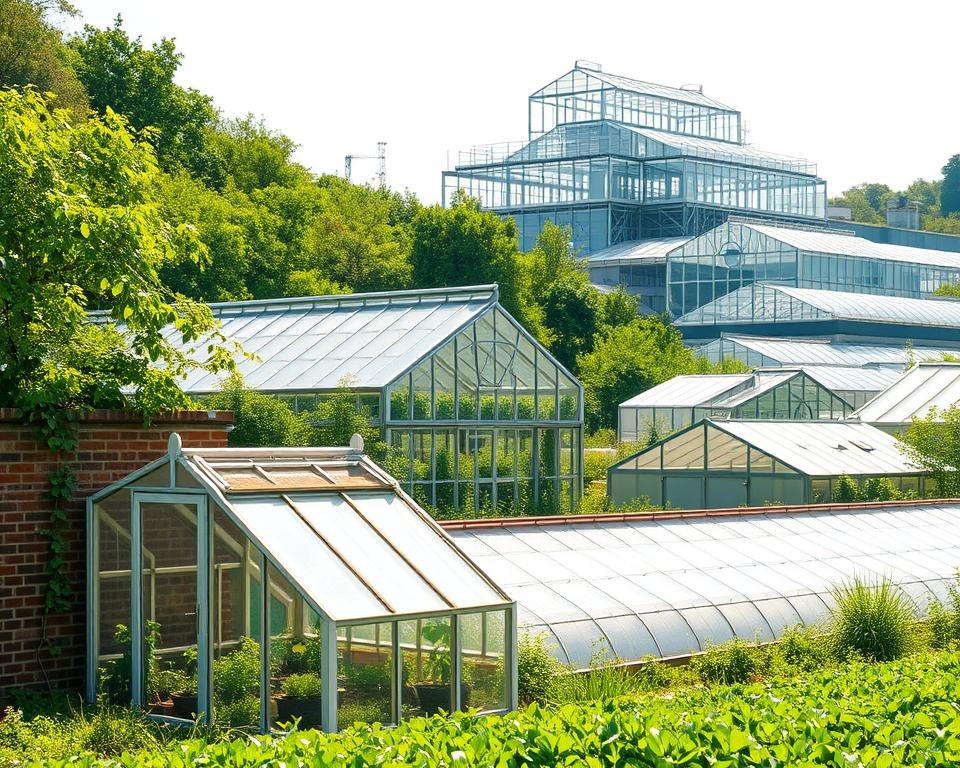
Freestanding greenhouses offer more flexibility in terms of design and size. They can be positioned to maximize sunlight exposure and are often considered more aesthetically pleasing than lean-to structures. Traditional freestanding greenhouses can be made from a variety of materials, including glass, polycarbonate, and aluminium. They provide excellent growing conditions but may require more maintenance than other types.
Polytunnels and Hoop Houses
Polytunnels, also known as hoop houses, are a cost-effective alternative to traditional greenhouses. They consist of a metal frame covered with polythene or similar material. Polytunnels are easy to construct and can be used for a wide range of crops. While they may not be as durable as other options, they offer a flexible and affordable solution for many gardeners.
Large Commercial Greenhouse Systems
For commercial growers, large greenhouse systems provide the opportunity to cultivate crops on a significant scale. These systems often incorporate advanced climate control technology, irrigation systems, and shading. Large commercial greenhouses can be highly productive but require substantial investment in both the structure and the technology needed to manage it effectively.
In conclusion, the type of greenhouse you choose will depend on your specific needs, whether you’re a hobbyist gardener or a commercial grower. By understanding the different types of greenhouses available, you can make an informed decision that suits your gardening ambitions.
Lean-to Greenhouses: Maximising Small Spaces
Maximising small spaces is achievable with lean-to greenhouses, a versatile gardening option. These structures are particularly beneficial for gardeners with limited space, as they utilise the existing wall of a house or another building, thereby not occupying additional garden space.
Design Features and Structural Considerations
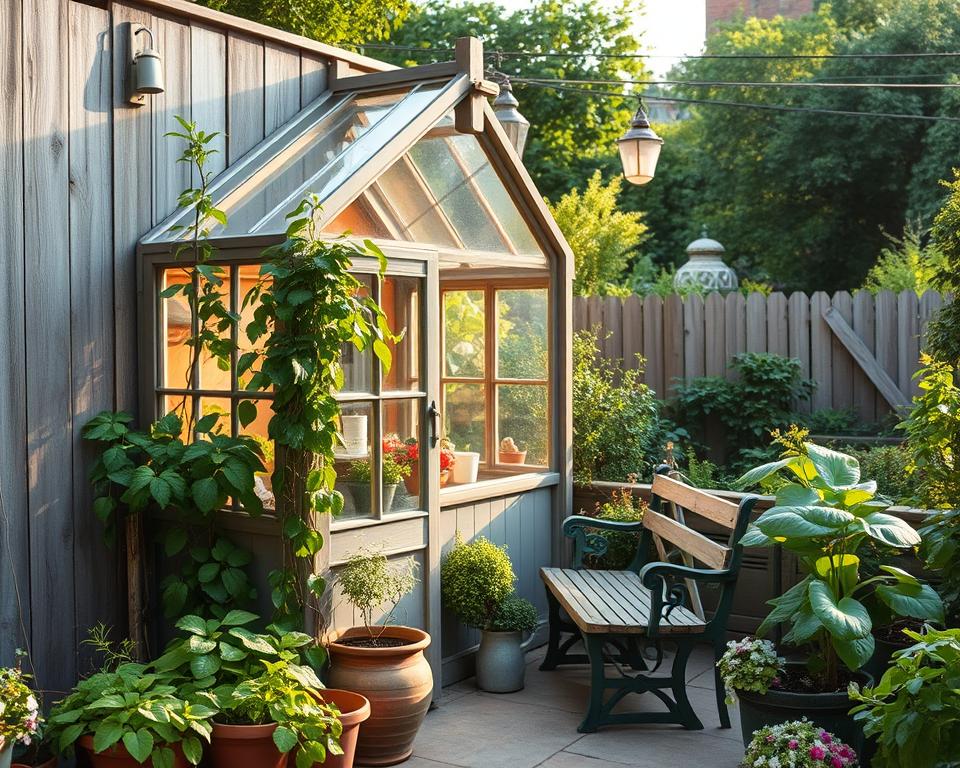
Lean-to greenhouses are designed to be compact and efficient. When considering a lean-to greenhouse, it’s essential to think about the design features and structural considerations. The size and style should complement the existing architecture of your home and garden. Key design elements include the glazing material, frame construction, and ventilation options. For instance, choosing a durable and weather-resistant frame, such as aluminium or treated timber, ensures longevity.
Installation Techniques Against Existing Walls
Installing a lean-to greenhouse against an existing wall requires careful planning. Ensure the wall is structurally sound and can support the weight of the greenhouse. The installation process involves securing the greenhouse frame to the wall using appropriate fixings. It’s also crucial to consider the drainage and ensure that water does not accumulate between the greenhouse and the wall.
Ideal Plants for Compact Growing Environments
Despite their compact size, lean-to greenhouses can support a variety of plants. Herbs, leafy greens, and compact varieties of tomatoes and peppers thrive in these environments. The controlled climate within a lean-to greenhouse allows for the cultivation of exotic plants that might not otherwise survive the British climate. By choosing the right plants and providing appropriate care, you can enjoy a productive garden even in a small space.
In conclusion, lean-to greenhouses offer a practical and efficient way to garden in small spaces. By understanding the design features, installation techniques, and ideal plants for these structures, you can maximise your gardening potential.
Wooden Greenhouses: Classic Charm and Natural Insulation
If you’re looking to add a touch of classic elegance to your garden, a wooden greenhouse could be the perfect choice, offering both functionality and visual appeal. Wooden greenhouses have a timeless charm that can enhance the beauty of your garden while providing a natural and rustic ambiance.

Advantages of Cedar and Treated Timber Frames
Cedar and treated timber frames are particularly popular for wooden greenhouses due to their durability and resistance to rot and insect damage. Cedar, for instance, is naturally resistant to decay and has a distinctive, attractive appearance. Treated timber, on the other hand, offers a cost-effective alternative while still providing long-lasting performance.
The use of these materials not only enhances the aesthetic appeal of your greenhouse but also contributes to its longevity. By choosing cedar or treated timber, you’re investing in a structure that will withstand the British climate for years to come.
Essential Maintenance for Longevity
To ensure your wooden greenhouse remains in good condition, regular maintenance is crucial. This includes inspecting the structure for signs of damage or wear, treating the wood periodically to protect against rot and insects, and ensuring that the glazing is secure and free from damage.
Regular checks will help you identify any issues early on, allowing you to address them before they become major problems. By maintaining your wooden greenhouse properly, you can extend its lifespan and continue to enjoy the benefits it provides.
Popular British Wooden Greenhouse Styles
There are several styles of wooden greenhouses that are particularly popular in Britain, ranging from traditional Victorian designs to more modern interpretations. These styles often feature intricate detailing and a classic aesthetic that complements traditional British gardens.
When selecting a wooden greenhouse, consider the style of your garden and the overall look you wish to achieve. Whether you prefer a classic, ornate design or a simpler, more modern style, there’s a wooden greenhouse to suit your needs.
Aluminium Structures: Modern Durability and Design
Aluminium structures have revolutionised modern greenhouse design with their durability and sleek aesthetic. You can benefit from the longevity and low maintenance that these structures offer, making them an ideal choice for gardeners seeking a long-term solution.

Benefits of Powder-Coated Aluminium Frames
The use of powder-coated aluminium frames in greenhouse construction provides a robust and corrosion-resistant structure. This coating not only enhances the durability of the aluminium but also offers a visually appealing finish that can complement any garden design. With a powder-coated finish, your greenhouse frame will withstand the British weather conditions, ensuring a longer lifespan for your structure.
Size Ranges from Mini to Large Commercial Options
Aluminium greenhouses are available in a wide range of sizes to suit different gardening needs. Whether you’re looking for a compact mini-greenhouse or a large commercial structure, there’s an aluminium option to fit your requirements. This versatility makes aluminium greenhouses suitable for both hobby gardeners and commercial growers.
| Size | Ideal For | Features |
|---|---|---|
| Mini | Small gardens, balcony, or patio | Compact, easy to assemble |
| Medium | Residential gardens | Variety of glazing options, sturdy frame |
| Large Commercial | Commercial growers, nurseries | High ceilings, advanced climate control |
Customisation Features for Serious Gardeners
For serious gardeners, aluminium greenhouses offer various customisation features to enhance their gardening experience. You can tailor your greenhouse to meet your specific needs, from the type of glazing to the internal layout.
Integrated Guttering Systems
An integrated guttering system is a valuable feature that helps manage water runoff, reducing the risk of waterlogged soil and root damage to your plants. This system can be connected to a water butt or drainage system, ensuring efficient water management.
Automatic Vent Options
Automatic vent options provide a convenient way to regulate the temperature inside your greenhouse. These vents can be set to open and close based on temperature changes, ensuring optimal growing conditions for your plants without manual intervention.
“The right greenhouse can make all the difference in your gardening success. With aluminium structures, you get durability and flexibility.”
By choosing an aluminium greenhouse, you’re investing in a modern, durable, and highly customisable gardening solution that can enhance your gardening experience and productivity.
Greenhouse Guide: From Small LeanTos To Large Aluminum Structures
Your gardening journey begins with selecting the perfect greenhouse, tailored to your specific needs and aspirations. A well-chosen greenhouse can significantly enhance your gardening experience, providing the ideal environment for your plants to thrive.
Matching Greenhouse Types to Your Gardening Ambitions
The type of greenhouse you choose should align with your gardening goals. Are you looking to start seeds early, grow exotic plants, or simply extend your growing season? Different greenhouse types cater to different needs. For instance, a lean-to greenhouse is ideal for small spaces and can be attached to an existing wall, while a large aluminum structure offers more space for a variety of plants and can be a significant investment.
- Lean-to Greenhouses: Perfect for small gardens, these structures are cost-effective and can be installed against an existing wall.
- Freestanding Greenhouses: Offering more space, these are ideal for gardeners who want to grow a wide range of plants.
- Aluminum Greenhouses: Durable and modern, these structures are perfect for serious gardeners looking for longevity and low maintenance.
Space Requirements and Garden Integration
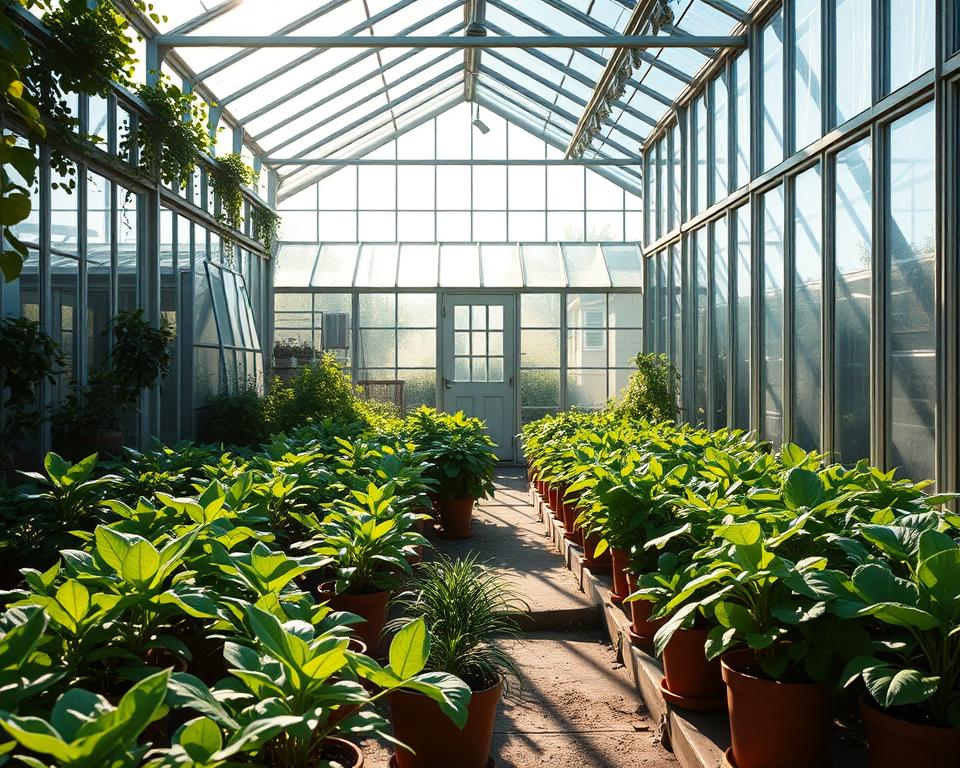
Before installing a greenhouse, consider the available space in your garden. Ensure that the structure does not overshadow other plants or areas of your garden. Additionally, think about the accessibility and how it will integrate with your existing garden layout.
Investment Considerations Across Different Models
Greenhouses vary significantly in price, depending on the size, material, and features. It’s essential to set a budget and consider the long-term benefits and potential returns on investment. Factors such as durability, maintenance costs, and potential energy savings should be taken into account.
| Greenhouse Type | Initial Cost | Maintenance Cost | Durability |
|---|---|---|---|
| Lean-to | Low | Medium | Medium |
| Freestanding | Medium to High | Medium | High |
| Aluminum | High | Low | High |
By carefully considering your gardening ambitions, available space, and investment, you can choose the perfect greenhouse to enhance your gardening experience.
Glazing Materials: Making the Right Choice
When it comes to greenhouses, the glazing material is a critical component that affects temperature, light, and durability. The right glazing can enhance plant growth, reduce energy costs, and extend the lifespan of your greenhouse.

Horticultural Glass Options and Benefits
Horticultural glass is a traditional and popular choice for greenhouse glazing. It provides excellent light transmission and can be used to create a variety of different styles and designs. High-quality horticultural glass can last for many years, offering a durable and long-lasting solution. Additionally, glass greenhouses have an aesthetically pleasing appearance that can complement any garden.
However, horticultural glass can be heavy and expensive, particularly for larger greenhouses. It also requires a sturdy frame to support its weight.
Twin-Wall Polycarbonate: Insulation and Durability
Twin-wall polycarbonate is another popular glazing material that offers excellent insulation properties. It is significantly lighter than glass and can be more cost-effective. The twin-wall design provides improved thermal insulation, reducing heat loss during colder months.
Polycarbonate is also more impact-resistant than glass, making it a good choice for areas prone to hail or other extreme weather conditions.
Plastic Coverings for Temporary and Budget Solutions
Plastic coverings, such as polythene film, offer a budget-friendly and temporary glazing solution. They are lightweight, easy to install, and can be used for seasonal greenhouses or cold frames.
While plastic coverings are not as durable as glass or polycarbonate, they can still provide effective protection for your plants. It’s essential to replace them periodically to maintain their effectiveness.
As stated by gardening expert, “The choice of glazing material can make or break your greenhouse’s performance.”
“A well-glazed greenhouse is like a warm hug for your plants, providing them with the perfect conditions to thrive.”
In conclusion, the choice of glazing material depends on your specific needs, budget, and preferences. By considering factors such as durability, insulation, and light transmission, you can make an informed decision that suits your greenhouse gardening goals.
DIY Greenhouse Projects for Budget Gardeners
You don’t have to break the bank to enjoy the benefits of greenhouse gardening. With a little creativity and some basic materials, you can build your own DIY greenhouse.
Upcycled Window Greenhouses
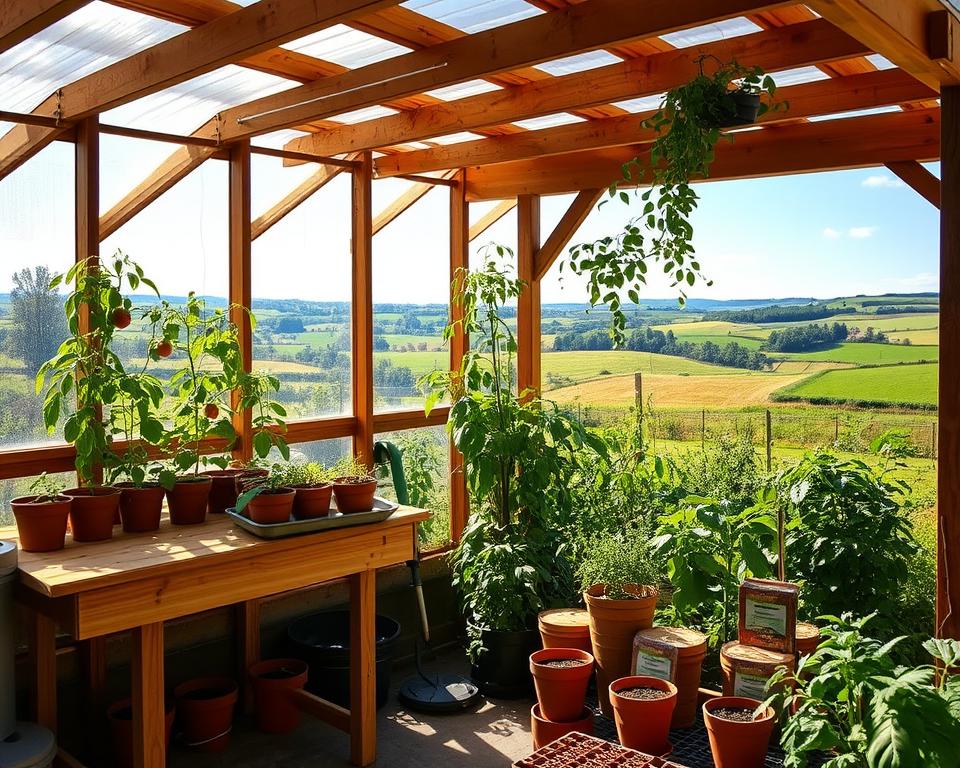
One innovative way to create a greenhouse is by using old windows. By framing these windows together, you can form a charming and functional greenhouse. This approach not only recycles materials but also adds a unique aesthetic to your garden.
PVC Pipe Structures with Plastic Covering
PVC pipes are versatile and easy to work with, making them ideal for creating the frame of your greenhouse. By covering the structure with plastic sheeting, you can achieve a cost-effective and durable greenhouse solution.
Pallet Wood Mini-Greenhouses
Pallet wood is another material that can be repurposed for a mini-greenhouse. It’s readily available and can be used to create a compact, eco-friendly greenhouse perfect for starting seeds or growing small plants.
| Material | Cost | Durability |
|---|---|---|
| Upcycled Windows | Low | High |
| PVC Pipe | Moderate | High |
| Pallet Wood | Low | Moderate |
These DIY greenhouse projects offer budget-friendly alternatives to commercial greenhouses, allowing you to enjoy the benefits of greenhouse gardening without a significant investment.
Positioning and Installing Your Greenhouse
The success of your greenhouse gardening endeavours begins with correct positioning and installation. A well-positioned greenhouse ensures optimal growing conditions for your plants, while a poorly positioned one can lead to disappointing results.
Optimising Sunlight Exposure in UK Conditions
In the UK, sunlight can be limited, especially during winter months. To maximise sunlight exposure, position your greenhouse in a spot that receives direct sunlight for most of the day. Avoid areas shaded by trees or buildings. Consider the orientation of your greenhouse; in the northern hemisphere, a south-facing orientation is ideal for capturing sunlight.
Foundation Options from Concrete to Paving
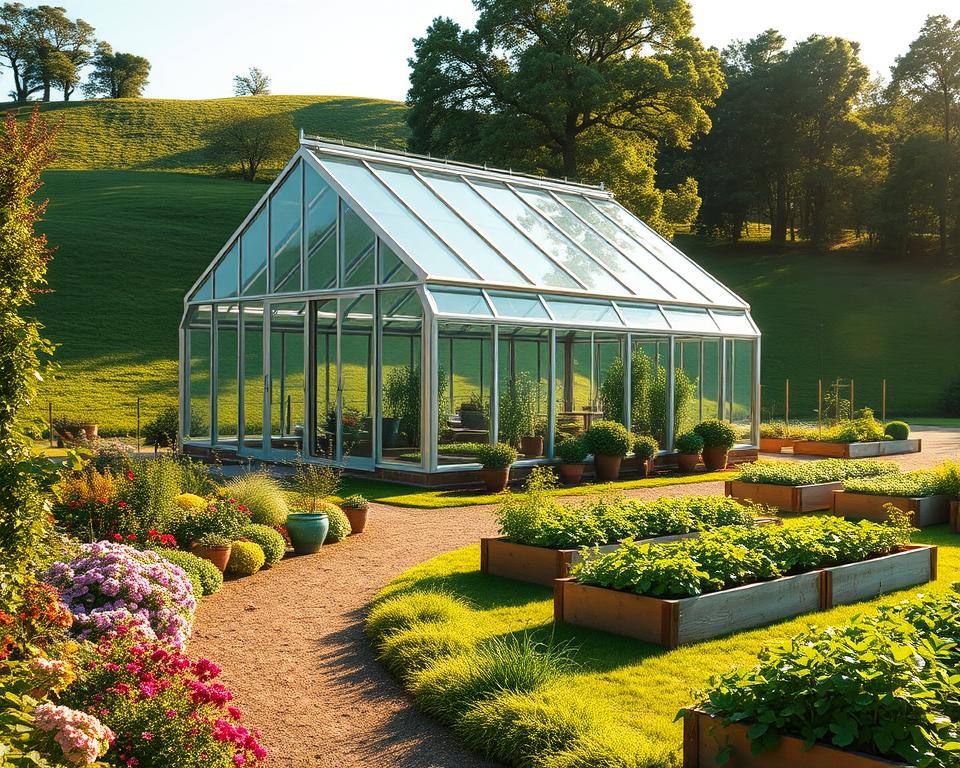
A stable foundation is essential for your greenhouse. The choice of foundation depends on the size and type of greenhouse, as well as your budget. Concrete foundations offer durability and can support larger greenhouses, while paving slabs provide a simpler and more cost-effective solution for smaller structures. Ensure your foundation is level to prevent water from pooling on one side.
Access Planning and Utility Connections
When installing your greenhouse, consider access paths to make maintenance easier. You may also need to connect utilities such as water or electricity. Plan these connections in advance to avoid complications during installation. For larger greenhouses, consider installing a proper path or even a small driveway to facilitate access.
By carefully planning the positioning and installation of your greenhouse, you can create an optimal growing environment that will support your gardening ambitions for years to come.
Climate Management Systems for Year-Round Growing
A well-managed climate is the backbone of successful greenhouse gardening, enabling you to grow a wide variety of plants. Effective climate management involves a combination of heating, ventilation, and humidity control systems to create optimal growing conditions throughout the year.
Heating Solutions for British Winters
During the cold winter months, maintaining a warm environment is crucial. Heating solutions such as gas heaters, electric heaters, or biomass boilers can be used. It’s essential to choose a heating system that is both efficient and suitable for the size of your greenhouse.
For instance, a propane heater can be an effective option for larger greenhouses, while an electric heater might be more suitable for smaller structures. Consider insulation and double glazing to minimise heat loss.
Ventilation Strategies for Summer Months
As temperatures rise in the summer, ventilation strategies become vital to prevent overheating. Automatic vents, roof vents, and side vents can be installed to ensure good airflow. You can also use shading materials or louvers to reduce direct sunlight and keep the temperature stable.
Proper ventilation not only regulates temperature but also helps control humidity levels, reducing the risk of fungal diseases.
Humidity Control for Healthy Plant Growth
Humidity control is another critical aspect of climate management. Plants thrive in specific humidity ranges, and maintaining the right level is essential for healthy growth. You can use misting systems or humidifiers to increase humidity, while ventilation and heating can help reduce it.
Monitoring humidity levels with a hygrometer will help you make informed decisions about when to adjust your humidity control measures.
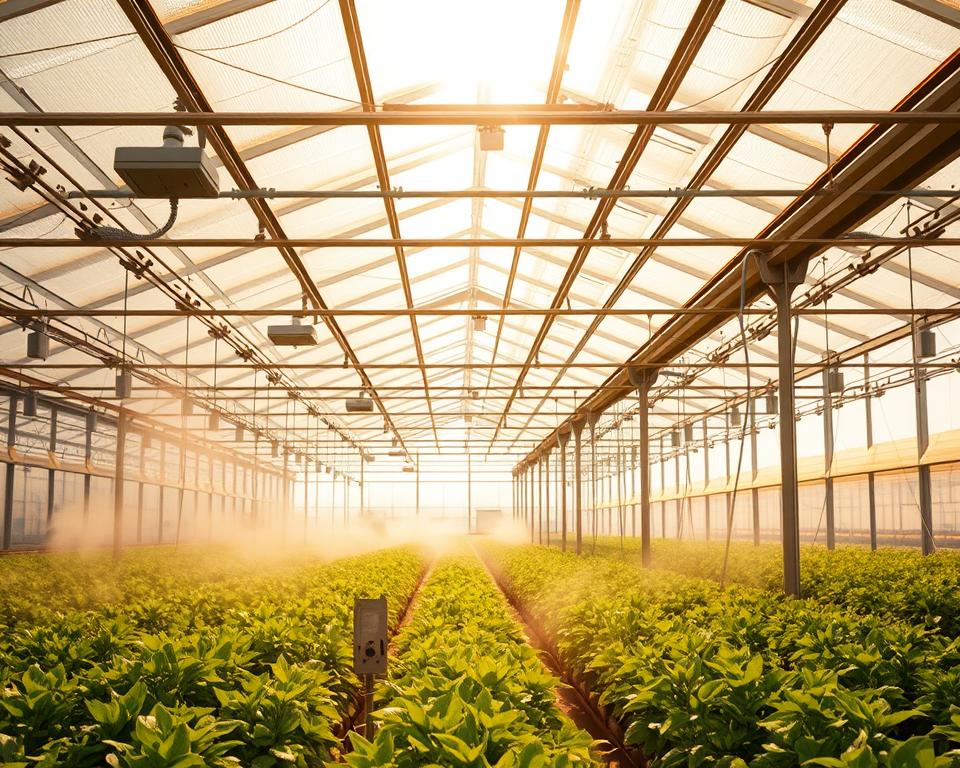
By implementing these climate management strategies, you can create a stable and productive growing environment in your greenhouse, regardless of the season.
Essential Accessories for Greenhouse Success
To maximize your greenhouse’s potential, you’ll need to equip it with the right accessories. These additions can significantly enhance your gardening experience, making it more efficient and productive.

Staging and Shelving Configurations
Effective use of space is crucial in a greenhouse. Staging and shelving configurations allow you to make the most of your available area. You can choose from a variety of materials, such as aluminium or wooden frames, and adjust the layout to suit your needs. This not only helps in organizing your plants but also improves air circulation, reducing the risk of disease.
Irrigation Systems from Basic to Automated
A reliable irrigation system is vital for maintaining healthy plants. You can opt for basic manual systems or invest in more sophisticated automated solutions. Automated irrigation systems can be programmed to water your plants at specific times, ensuring consistency and reducing the risk of over or under watering.
Propagation Equipment for Seed Starting
Propagation equipment is essential for seed starting and nurturing young plants. This includes seed trays, propagators, and heating mats. These tools help create an ideal environment for germination and early growth, giving your plants a strong start in life.
By incorporating these essential accessories into your greenhouse, you can create a thriving environment that supports your gardening goals. Whether you’re a seasoned gardener or just starting out, the right equipment can make a significant difference in your greenhouse’s success.
Managing Pests and Diseases in Greenhouse Environments
Maintaining a healthy greenhouse environment requires careful consideration of pests and diseases. Greenhouses, while providing a controlled environment for plant growth, can also become a haven for pests and diseases due to their warm and humid conditions.
Common UK Greenhouse Pests and Prevention
In the UK, greenhouse gardeners commonly face pests such as aphids, whiteflies, and spider mites. These pests can cause significant damage to plants by feeding on sap, spreading diseases, and promoting the growth of sooty mould.
- Aphids: Use neem oil or insecticidal soap to control aphid populations.
- Whiteflies: Introduce natural predators or use sticky traps to capture adult whiteflies.
- Spider Mites: Increase humidity and use miticides if necessary.

Disease Management in Humid Conditions
Diseases such as botrytis, powdery mildew, and root rot are common in greenhouses due to high humidity. Good ventilation and careful watering practices are crucial in preventing these diseases.
| Disease | Symptoms | Control Measures |
|---|---|---|
| Botrytis | Grey mould on leaves and stems | Remove infected parts, improve ventilation |
| Powdery Mildew | White powdery coating on leaves | Use fungicides, increase air circulation |
| Root Rot | Soft, rotting roots | Avoid overwatering, improve drainage |
Organic and Chemical Control Methods
Both organic and chemical control methods can be effective in managing greenhouse pests and diseases. Organic methods include using biological controls and cultural practices, while chemical controls involve the use of pesticides and fungicides.
When using chemical controls, it’s essential to follow the manufacturer’s instructions and take necessary safety precautions to avoid harm to humans, pets, and the environment.
Conclusion
You now have a comprehensive understanding of the benefits and opportunities that greenhouse gardening offers. By choosing the right structure, glazing material, and accessories, you can create an ideal environment for your plants to thrive.
Whether you’re a seasoned gardener or just starting out, greenhouse gardening allows you to extend your growing season, protect your plants from unpredictable UK weather, and cultivate exotic plants in a temperate environment.
As you embark on your greenhouse journey, consider the key factors outlined in this guide. With careful planning and attention to detail, you can enjoy a bountiful harvest and a fulfilling gardening experience. Your greenhouse is not just a structure; it’s a haven for your plants to grow and flourish.
By embracing greenhouse gardening, you’re taking the first step towards a more rewarding and productive gardening experience. So, get started and enjoy the many benefits that greenhouse gardening has to offer.
FAQ
What are the benefits of using a lean-to greenhouse?
Lean-to greenhouses are ideal for small spaces, providing a compact and energy-efficient way to grow plants. They also make use of existing walls, reducing the need for additional structural support.
How do I choose the right glazing material for my greenhouse?
The choice of glazing material depends on your budget, climate, and the type of plants you want to grow. Horticultural glass, twin-wall polycarbonate, and plastic coverings are popular options, each with their own benefits and drawbacks.
What are the advantages of using aluminium frames for my greenhouse?
Aluminium frames are durable, low-maintenance, and resistant to corrosion. They also provide a modern and sleek design, making them a popular choice for gardeners.
How do I manage pests and diseases in my greenhouse?
To manage pests and diseases, you can use a combination of organic and chemical control methods. Regularly inspecting your plants, maintaining good hygiene, and controlling humidity and temperature can also help prevent issues.
What are the essential accessories I need for my greenhouse?
Essential accessories include staging and shelving, irrigation systems, and propagation equipment. These will help you create an optimal growing environment and make the most of your greenhouse space.
How do I optimise sunlight exposure for my greenhouse in the UK?
To optimise sunlight exposure, position your greenhouse in a south-facing direction, avoiding shading from trees or other structures. You can also consider using reflective materials or adjusting the angle of your glazing to maximise sunlight.
What are the benefits of using a climate management system in my greenhouse?
A climate management system helps regulate temperature, humidity, and ventilation, creating a stable and optimal growing environment. This can lead to healthier plants, improved yields, and extended growing seasons.
Can I use a greenhouse in the winter?
Yes, you can use a greenhouse in the winter. With proper insulation, heating, and climate management, you can grow a variety of plants year-round, even in the coldest months.
How do I maintain my wooden greenhouse?
To maintain your wooden greenhouse, regularly inspect and repair any damaged or rotting wood, and apply a protective finish to prevent weathering. You should also ensure that the structure remains dry and well-ventilated.