
Designing a Ruin Wall in the Garden: Tips and Inspiration for You
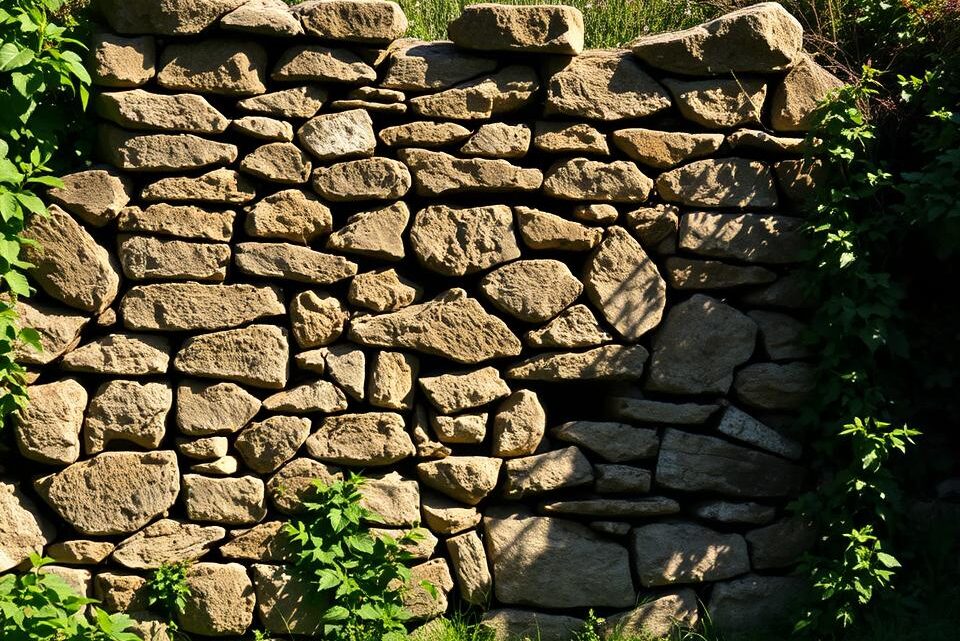
Creating a ruin wall design in your garden can add a touch of elegance and character to your outdoor space. A well-designed ruin wall can become a focal point, drawing the eye and sparking conversation. It’s a unique garden feature that can be tailored to suit your personal style.
By incorporating a ruin wall into your garden, you can enhance the overall aesthetic and create a sense of history. This outdoor decor element can be used to separate different areas of your garden or to add visual interest to a blank wall.
Inhaltsverzeichnis
Key Takeaways
- Enhance your garden’s aesthetic with a ruin wall
- Create a unique focal point in your outdoor space
- Tailor your ruin wall design to suit your personal style
- Use a ruin wall to separate different garden areas
- Add visual interest to a blank wall with a ruin wall
What Are Garden Ruin Walls?
Ruin walls have been a staple of garden design for centuries, offering a blend of aesthetics and intrigue. These structures, often weathered and aged, can add a sense of history and mystery to your outdoor space.
The History and Appeal of Ruin Walls
The concept of ruin walls originated in 18th-century European gardens, where they were used to evoke a sense of nostalgia and romanticism. The appeal of these structures lies in their ability to create an atmosphere of aged elegance, as if they have been standing for centuries. As Gertrude Jekyll, a renowned garden designer, once noted, “The love of gardens is a seed that once sown never dies.” Ruin walls tap into this love by providing a unique, timeless feature.
“The garden is a love song, a duet between a human being and Mother Nature.” –
Different Types of Garden Ruin Walls
Garden ruin walls can be categorized into several types, each serving a distinct purpose in your garden design.
Freestanding Ruins
Freestanding ruins are structures that stand alone, not forming part of a boundary or enclosure. They can be used as focal points or conversation starters in your garden.
Boundary Ruin Walls
Boundary ruin walls serve as a decorative perimeter for your garden, adding a sense of history and texture to the edges of your outdoor space.
Decorative Fragments
Decorative fragments refer to smaller, ruined elements such as archways, columns, or alcoves that can be incorporated into your garden design to add visual interest.
| Type of Ruin Wall | Description | Purpose |
|---|---|---|
| Freestanding Ruins | Standalone structures | Focal points or conversation starters |
| Boundary Ruin Walls | Decorative perimeters | Adding history and texture to garden edges |
| Decorative Fragments | Smaller ruined elements | Adding visual interest |
Benefits of Adding a Ruin Wall to Your Garden
A ruin wall can be a unique addition to your garden, offering a blend of aesthetic and functional benefits. By incorporating such a feature, you not only enhance the visual appeal of your outdoor space but also create new opportunities for gardening and wildlife habitats.
Aesthetic Advantages
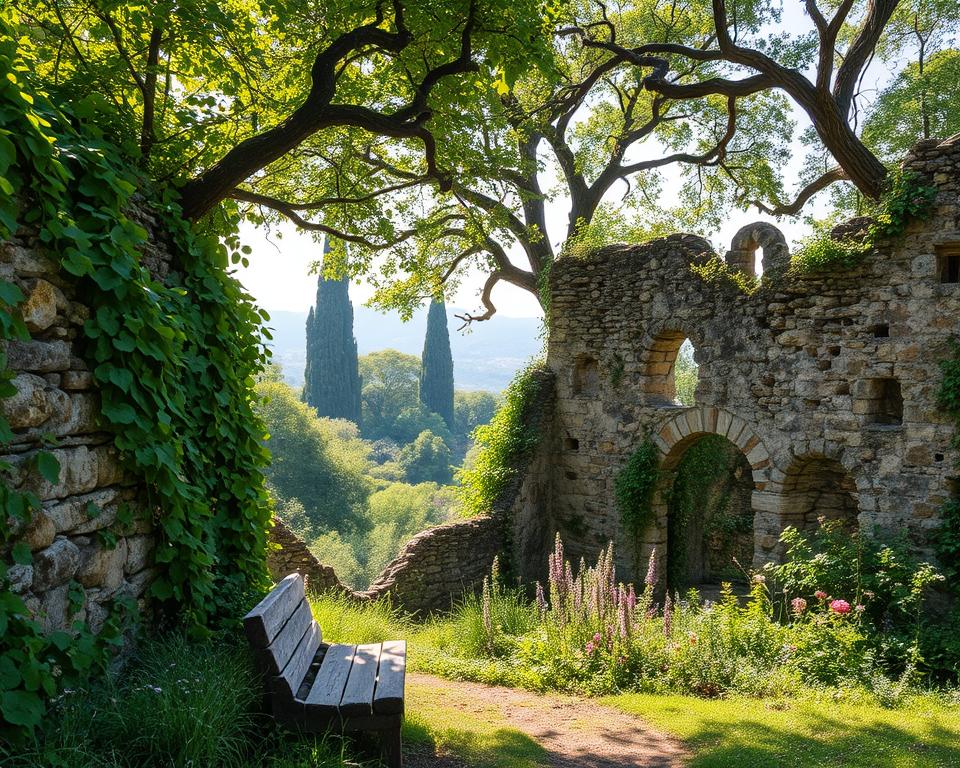
Ruin walls bring a sense of history and character to gardens, creating a visually striking focal point. The aged appearance of these walls, often covered in moss, ivy, or other climbing plants, adds depth and texture to the garden landscape. The rustic charm of a well-designed ruin wall can significantly enhance the overall aesthetic appeal of your garden.
| Aesthetic Feature | Benefit |
|---|---|
| Rustic Appearance | Adds character and charm |
| Climbing Plants | Enhances visual appeal and texture |
| Focal Point | Creates a visually striking element |
Practical Functions of Ruin Walls
Beyond their aesthetic appeal, ruin walls serve several practical functions. They can act as a natural boundary or divider within the garden, helping to define different areas or zones. Additionally, these walls can provide support for climbing plants, adding another layer of beauty and functionality.
Creating Microclimates and Habitats
Ruin walls can also contribute to the creation of unique microclimates within your garden. The nooks and crevices in the wall provide sheltered spots for plants and small creatures, fostering biodiversity. By carefully selecting plants that thrive in these conditions, you can create a thriving ecosystem.
Planning Your Garden Ruin Wall Project
To create a harmonious garden ruin wall, you must start by understanding your garden’s unique characteristics. This involves a thorough assessment of your garden space, considering factors such as existing flora, soil conditions, and the overall aesthetic you wish to achieve.
Assessing Your Garden Space
Begin by walking through your garden, noting the areas that receive the most sunlight, the types of plants that thrive there, and any existing features that could complement or conflict with your ruin wall. Consider the soil type and drainage, as these will affect the construction and longevity of your ruin wall.
Determining the Right Size and Location
The size and location of your ruin wall are crucial to its success. A larger wall can be a dramatic focal point, but it may overwhelm a smaller garden. Conversely, a smaller wall might get lost in a larger space. Consider the scale of your garden and the effect you want to achieve. The location should be chosen based on visibility, accessibility, and how it integrates with other garden features.
| Consideration | Factors to Evaluate |
|---|---|
| Garden Size | Scale of the ruin wall, visibility |
| Soil Conditions | Drainage, stability |
| Existing Features | Complementary or conflicting elements |
Considering Local Regulations and Permissions
Before commencing your project, it’s crucial to check if you need any permissions or if there are local regulations that apply to your garden ruin wall. This might include listed building status, conservation areas, or neighbour consultations. Ensuring compliance will save you potential legal issues down the line.
Essential Materials for Building a Garden Ruin Wall
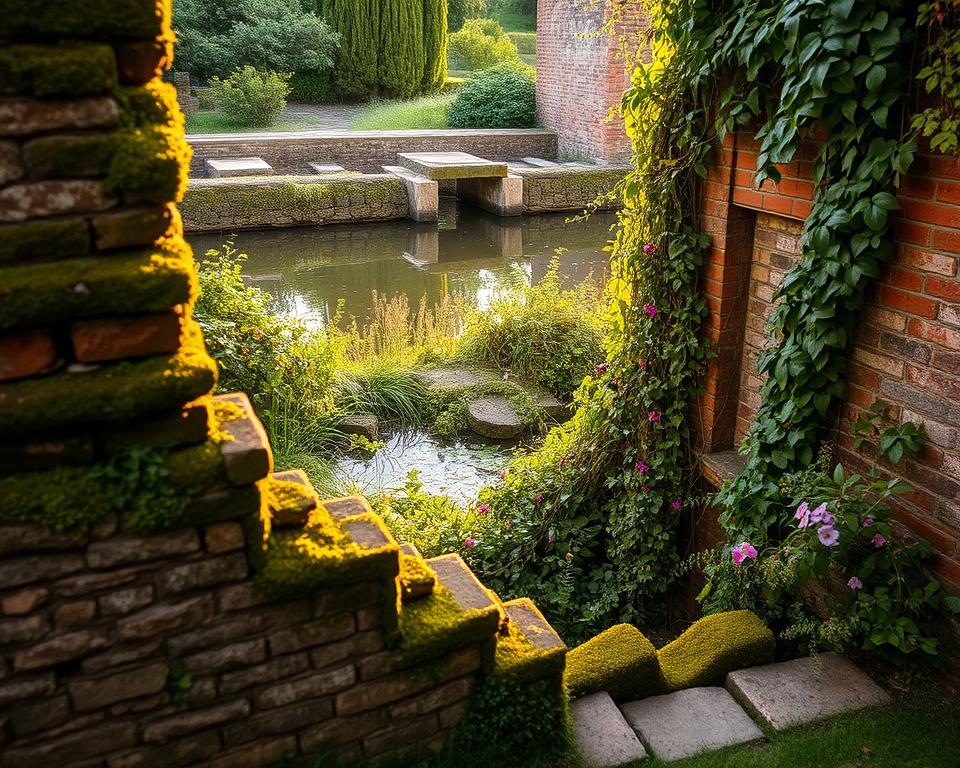
When building a garden ruin wall, the choice of materials is crucial for achieving an authentic, aged appearance. The right materials not only enhance the wall’s aesthetic appeal but also ensure its durability and structural integrity.
Stone Selection Guide
Selecting the appropriate stone is fundamental to creating a garden ruin wall that looks natural and aged. The type of stone you choose can significantly impact the overall appearance of your wall.
Local Stone Options
Using local stone can be beneficial as it tends to blend in with the surrounding landscape, creating a more natural look. Local stone is also often more readily available and can be more cost-effective.
Reclaimed vs New Materials
Reclaimed stone can add character to your ruin wall, giving it an aged appearance from the outset. New stone, on the other hand, can be treated to look older, but it may not have the same authenticity as reclaimed materials.
Complementary Stone Types
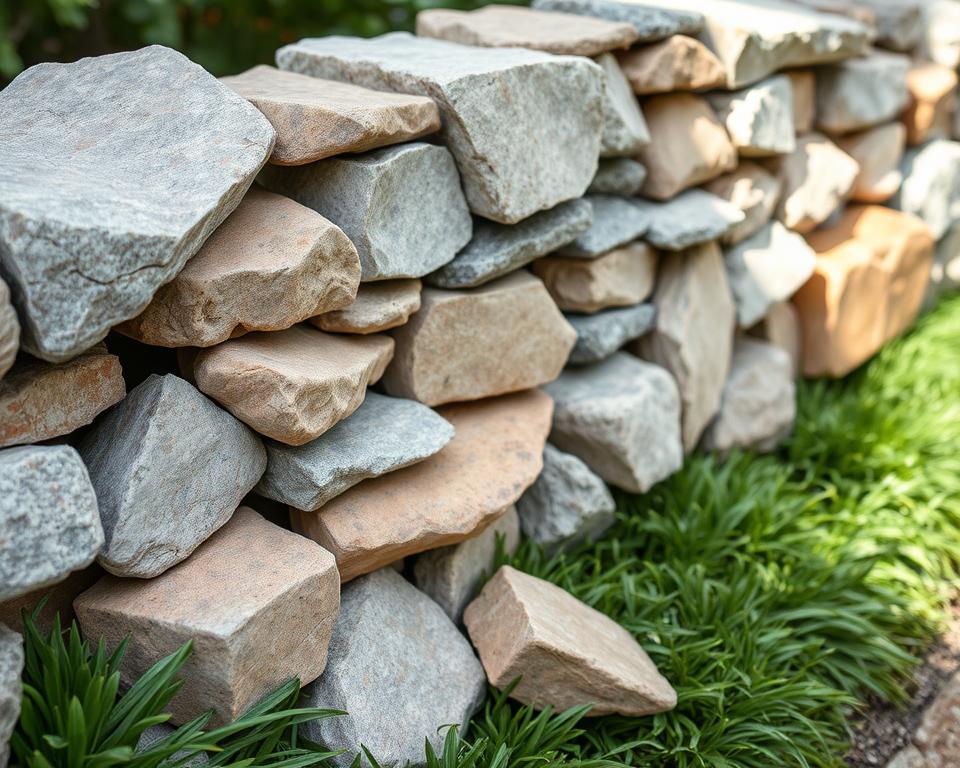
Combining different types of stone can add visual interest to your ruin wall. For example, using a combination of limestone and sandstone can create a varied and appealing texture.
Mortar and Binding Options
The choice of mortar is critical in holding your ruin wall together. A lime-based mortar is often preferred for garden ruin walls as it is more flexible and allows for natural movement, reducing the risk of cracking.
Tools and Equipment Needed
To construct your garden ruin wall, you’ll need a range of tools and equipment, including a trowel, level, and masonry saw. Having the right tools on hand will make the construction process smoother and more efficient.
By carefully selecting the right materials and tools, you can create a garden ruin wall that is not only visually appealing but also durable and long-lasting.
Designing a Ruin Wall in the Garden: Tips and Inspiration for You
A ruin wall can be a stunning addition to your garden, offering a unique blend of aesthetics and character. When designing your ruin wall, you have the opportunity to blend historical inspiration with personal style, creating a truly one-of-a-kind feature.
Classical Ruin Wall Designs
Classical ruin wall designs draw inspiration from ancient structures, often featuring weathered stone and a distressed appearance. To achieve this look, consider using:
- Reclaimed or aged stone to give your wall a weathered appearance.
- Irregular stone shapes and sizes to create a more organic, natural look.
- A mixture of mortar and binding techniques to achieve a varied, textured finish.
Classical designs often incorporate elements like arches, columns, or niches, adding to the historical charm. You can also enhance the ruin effect by allowing plants to grow through or around the structure, further blending it with the surrounding garden.
Contemporary Interpretations
Contemporary ruin wall designs offer a fresh take on the traditional concept, often incorporating modern materials and minimalist aesthetics. Some key features include:
- Clean lines and simple shapes, contrasting with the organic texture of the stone.
- Innovative use of materials, such as combining stone with metal or glass.
- A focus on functionality, such as incorporating seating or planting areas.

Personalising Your Ruin Wall Design
To make your ruin wall truly unique, consider personalising it with elements that reflect your style or complement your garden. This could include:
- Adding decorative features like statues, sundials, or mosaics.
- Incorporating lighting to highlight the wall’s texture and features at night.
- Selecting plants that complement the wall’s design and the surrounding garden.
By combining these elements, you can create a ruin wall that not only adds character to your garden but also reflects your personal taste and creativity.
Step-by-Step Guide to Building Your Ruin Wall
A ruin wall can be a stunning addition to any garden, providing a focal point that sparks imagination and curiosity. Building such a feature requires careful planning and execution, but with the right guidance, you can create a beautiful and authentic ruin wall.
Preparing the Foundation
The first step in building your ruin wall is preparing the foundation. This involves clearing the area of any debris and vegetation, then marking out the wall’s path with stakes and string. It’s crucial to ensure the ground is level to prevent the wall from becoming unstable.
Dig a trench for the foundation, about 30cm deep, and fill it with compacted hardcore to provide a stable base. This step is essential for the longevity and stability of your ruin wall.
Laying the First Course
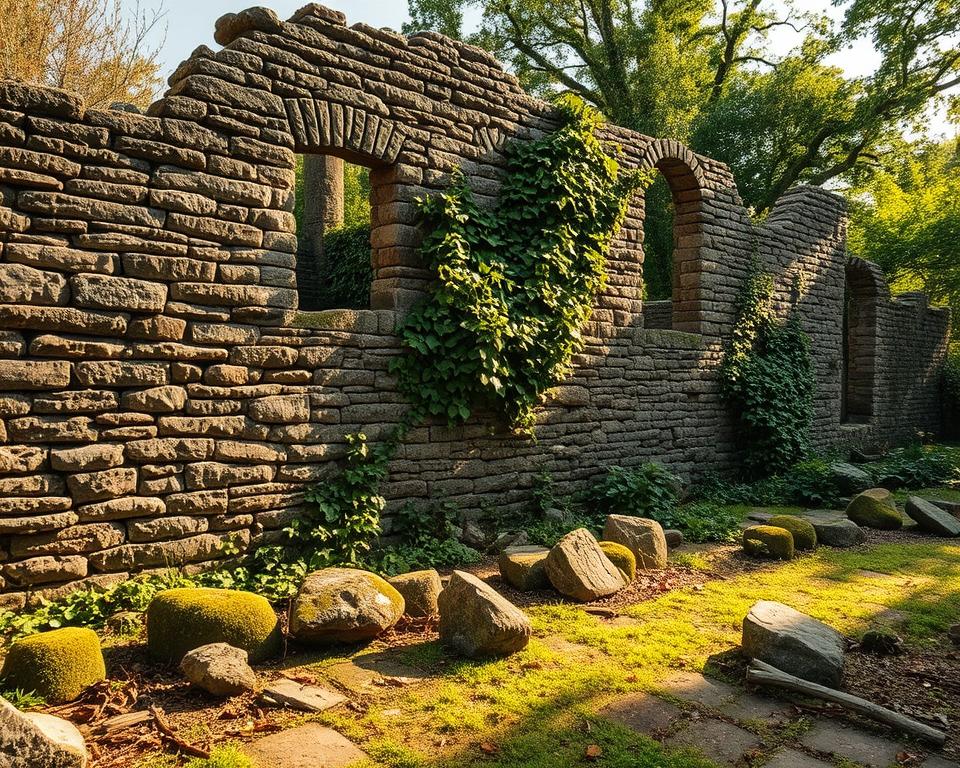
Begin by laying the largest stones at the base of your wall, using a level to ensure they’re even. The first course (layer) of stones is crucial as it sets the foundation for the rest of the wall. Use a combination of large stones and smaller rocks to create a stable and visually appealing base.
Creating the Aged, Ruined Effect
To give your ruin wall an aged appearance, you’ll need to employ several techniques. This includes weathering the stones, adding moss and lichen, and creating authentic damage.
Weathering Techniques
Weathering techniques involve using chemicals or natural processes to age the stones. You can use a mixture of water and a specific weathering agent to give the stones a worn look.
Adding Moss and Lichen
Adding moss and lichen to your ruin wall can enhance its aged appearance. You can either collect these from other old walls or purchase them. Apply a mixture of moss, lichen, and sometimes yogurt or buttermilk to the stones, and keep the area moist until they establish.
Creating Authentic Damage
To create an authentic ruined effect, you need to make the wall look like it’s been damaged over time. This can be achieved by deliberately damaging certain areas, such as chipping stones or creating small cracks.
| Technique | Description | Effect |
|---|---|---|
| Weathering | Using chemicals or natural processes to age stones | Aged appearance |
| Moss and Lichen | Adding organic growth to stones | Natural, aged look |
| Authentic Damage | Deliberately damaging stones or structure | Ruined, distressed appearance |
Incorporating Architectural Elements into Your Ruin Wall
Architectural elements can add depth and character to your ruin wall, making it a standout in your garden. By thoughtfully integrating features such as arches, niches, and reclaimed materials, you can create a unique and captivating focal point.

Adding Arches and Niches
Arches and niches are excellent ways to add visual interest to your ruin wall. An arch can serve as a beautiful entrance or a framing element for a particular section of your garden. Niches, on the other hand, can be used to display decorative items or plants, adding an extra layer of depth to your wall. Consider the style of your garden and the overall aesthetic you wish to achieve when deciding on the design of your arches and niches.
“The incorporation of arches and niches not only enhances the visual appeal but also creates a sense of history and mystery,” says a renowned landscape designer. This can be particularly effective in creating a sense of intrigue in your garden.
Integrating Reclaimed Features
Using reclaimed features in your ruin wall can add a layer of authenticity and character. Old stones, bricks, or even wooden elements can be repurposed to create a unique and aged appearance. This approach not only reduces waste but also tells a story, adding to the charm of your garden. When integrating reclaimed features, ensure they are structurally sound and complement the overall design of your wall.
Creating Focal Points
Focal points are essential in garden design, drawing the eye and creating visual interest. Your ruin wall can be a significant focal point, especially when enhanced with architectural elements. Consider adding a statement piece, such as a large stone statue or a beautifully crafted arch, to create a striking visual effect. By balancing these elements, you can create a harmonious and engaging garden environment.
By incorporating these architectural elements, you can elevate your ruin wall from a simple garden feature to a masterpiece that enhances your garden’s beauty and character.
Planting Ideas for Your Garden Ruin Wall
Planting around a garden ruin wall can transform it from a mere feature to a focal point of your garden. The right plants can soften the structure, blend it with the surroundings, and add vibrant colours and textures.
Best Plants for Ruin Wall Crevices
The crevices in your ruin wall offer a unique opportunity to add some character with the right plants. Consider plants that thrive in confined spaces and can add visual interest.
Drought-Tolerant Options
For areas that receive full sun, sedum and delosperma are excellent choices. They are hardy, require minimal watering, and come in a variety of shapes and sizes.
Flowering Choices
Aubrieta and phlox are flowering plants that cascade beautifully over the edges of crevices, adding a splash of colour in spring.
Ferns and Mosses
In shadier areas, ferns and mosses can create a lush, verdant look. They thrive in moist environments and can add a soft, romantic texture to your ruin wall.
Creating a Climbing Plant Display
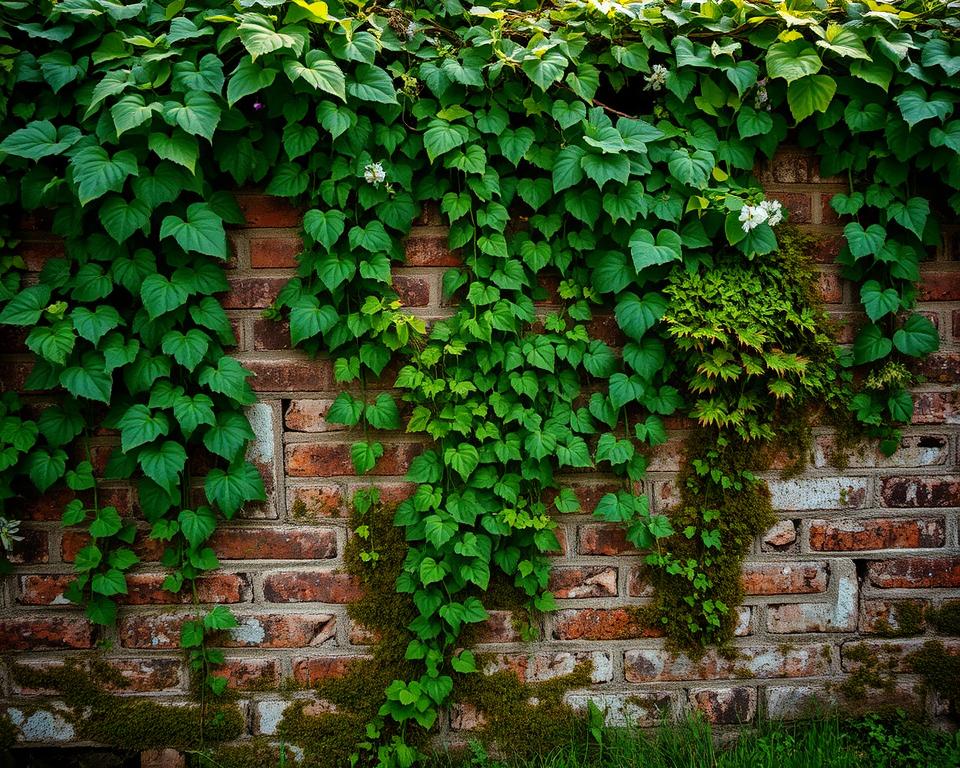
Climbing plants can turn your ruin wall into a living, breathing part of your garden. Consider using clematis, roses, or ivy to cover the wall, creating a stunning display that changes with the seasons.
- Clematis provides vibrant flowers in various colours.
- Roses add a classic, romantic touch.
- Ivy offers evergreen coverage and can be trained to climb or cascade.
Seasonal Planting Considerations
When planning your planting, consider the changing seasons. Choose a mix of plants that will provide interest throughout the year. For example, spring bulbs can add early colour, while summer perennials can keep the display vibrant later in the year.
Decorating and Accessorising Your Ruin Wall
With your ruin wall structure in place, the next step is to consider how to decorate and accessorise it for maximum visual impact. This is where you can let your creativity shine, turning your ruin wall into a true garden feature.
Lighting Options for Dramatic Effect
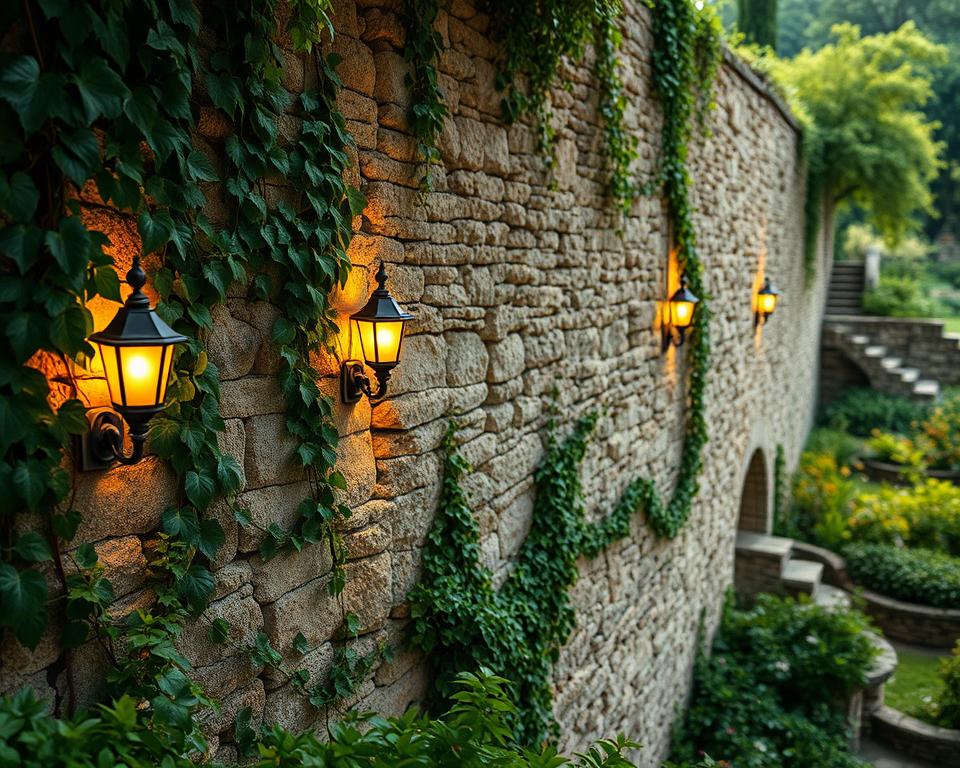
Lighting can dramatically enhance the ambiance of your garden at night. For a ruin wall, consider using spotlights to highlight its textured surface or solar-powered lights to create a soft glow. “The right lighting can transform your garden into a magical space,” as noted by gardening experts. You can place lights at the base of the wall or integrate them into the structure itself.
Ornamental Additions
Ornamental additions can add personality to your ruin wall. Consider incorporating statues, sundials, or other garden ornaments that complement the ruin’s style. When choosing ornaments, think about how they will weather over time and whether they will blend in or stand out against the stone.
Water Features and Ruin Walls
Incorporating a water feature near or into your ruin wall can add another layer of visual and auditory interest. A small fountain or a trickling stream can create a soothing atmosphere. When designing a water feature, ensure it is proportionate to the size of your ruin wall and garden.
By thoughtfully decorating and accessorising your ruin wall, you can create a unique and captivating garden feature that reflects your personal style.
Maintaining Your Garden Ruin Wall Through the Seasons
Seasonal maintenance is key to preserving the character of your ruin wall. As the seasons change, different tasks become necessary to keep your wall in good condition. Regular maintenance not only ensures the structural integrity of the wall but also enhances its aesthetic appeal.
Seasonal Maintenance Tasks
Each season brings its own set of maintenance tasks. In the spring, inspect your ruin wall for any damage caused by winter weather. Summer is the ideal time for pruning plants that have grown into the wall’s crevices. Autumn leaves can accumulate in the wall’s nooks, so clearing them is essential. In winter, protect your wall from extreme weather conditions by ensuring that any damaged or loose stones are secured.
Here is a summary of seasonal tasks in a tabular format:
| Season | Maintenance Tasks |
|---|---|
| Spring | Inspect for winter damage, repair mortar |
| Summer | Prune plants, check for signs of pests |
| Autumn | Clear leaves, inspect for signs of decay |
| Winter | Secure loose stones, protect from extreme weather |
Dealing with Plant Overgrowth
Plant overgrowth can be both a blessing and a curse for a ruin wall. While plants add to the wall’s aged appearance, excessive growth can cause structural damage. Regularly prune plants to maintain a balance between aesthetics and structural integrity. Consider using plants that are less likely to cause damage, such as those with less aggressive root systems.
Repairing Weather Damage
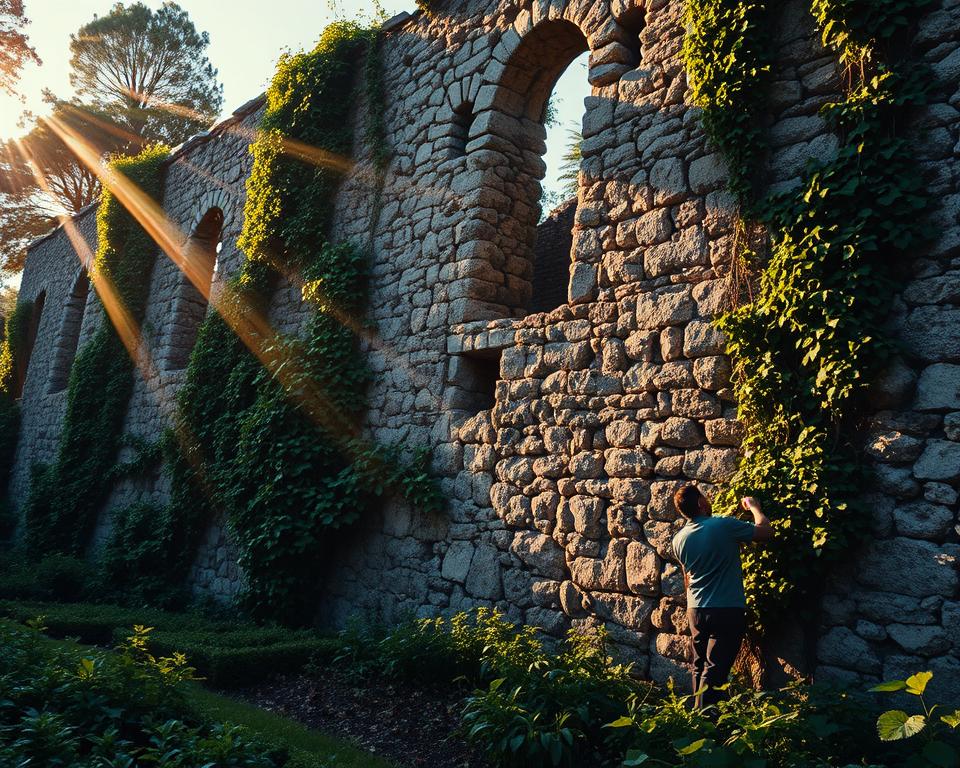
Weather damage is inevitable, but prompt repairs can prevent further deterioration. Inspect your wall regularly for signs of weathering, such as crumbling mortar or cracked stones. Repairing these issues promptly will help maintain the wall’s integrity. Use materials that match the original construction as closely as possible to preserve the wall’s character.
By following these maintenance tips, you can enjoy your garden ruin wall for years to come.
Environmental Considerations for Ruin Wall Construction
When building a ruin wall in your garden, it’s essential to consider the environmental impact. A well-designed ruin wall can not only be a beautiful feature but also contribute positively to the local ecosystem.
Creating Wildlife Habitats
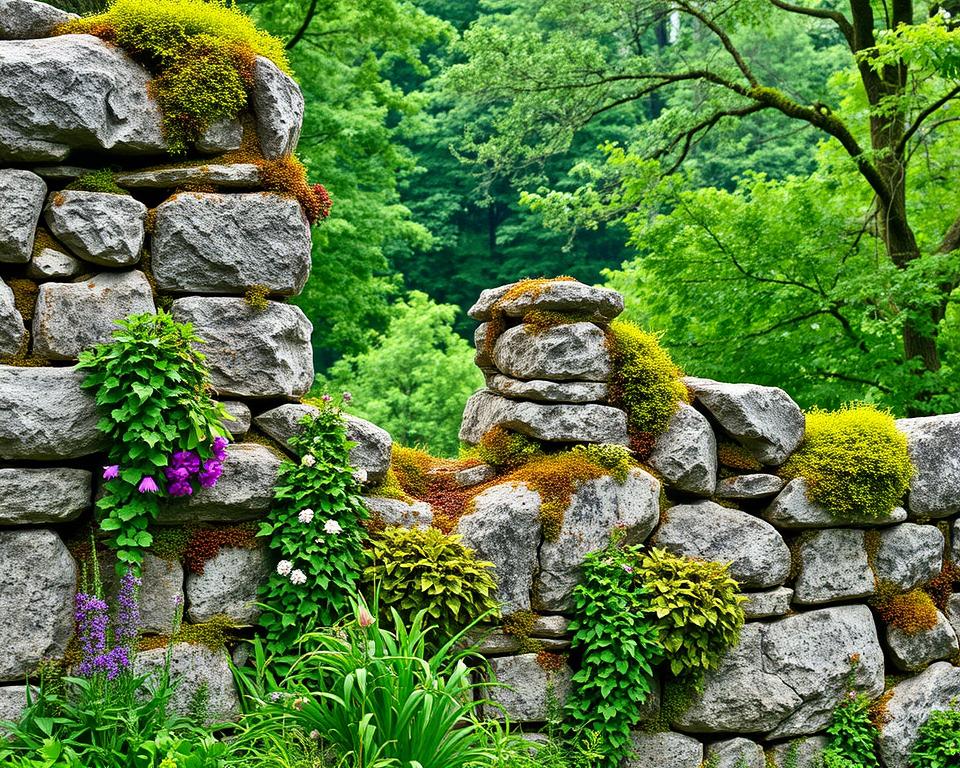
You can enhance the ecological value of your ruin wall by creating habitats for local wildlife. Incorporating crevices and nooks into the structure allows plants to grow and provides shelter for insects and small animals. Consider using a mix of native plants that thrive in wall crevices, such as Antirrhinum majus (snapdragon) and Campanula species, to attract pollinators and other beneficial wildlife.
Sustainable Material Sourcing
Sourcing materials sustainably is crucial for reducing the environmental footprint of your ruin wall project. Opt for locally sourced stone to minimize transportation emissions. Reclaimed or recycled stone can also be used to add character to your ruin wall while reducing waste. Ensure that the mortar used is environmentally friendly and suitable for the type of stone you’ve chosen.
By considering these environmental factors, you can create a ruin wall that is not only visually appealing but also beneficial to the local environment.
Budget-Friendly Approaches to Creating Ruin Walls
You don’t have to break the bank to add a ruin wall to your garden; here are some budget-friendly tips to help you achieve this beautiful feature without overspending.
Using Reclaimed Materials
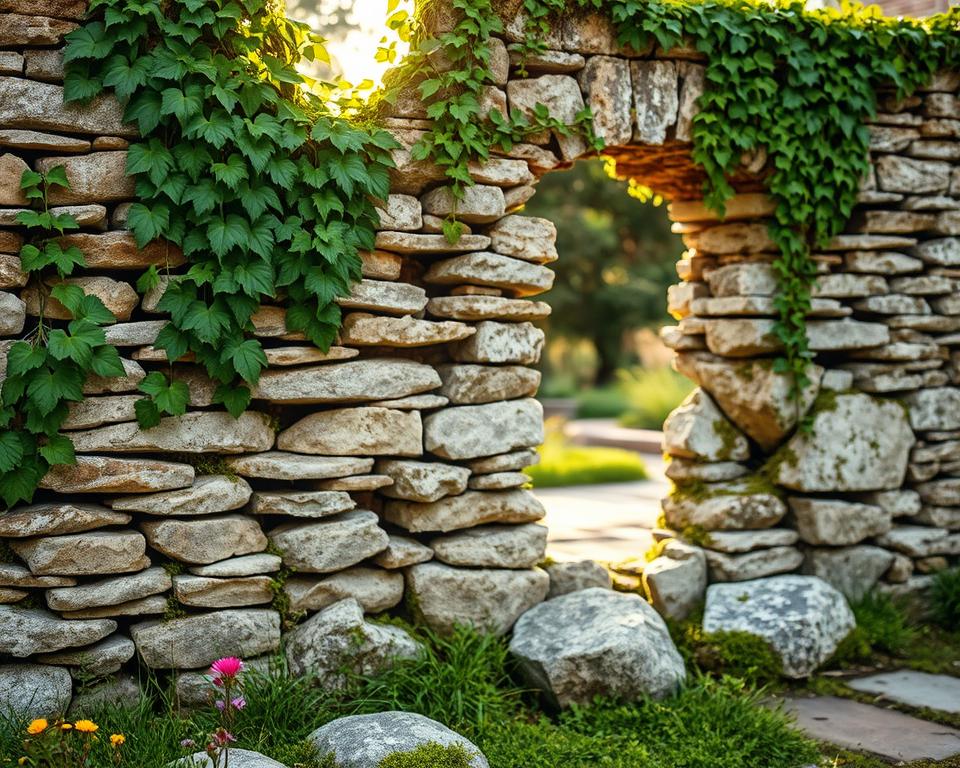
One of the most effective ways to save money on your ruin wall project is by using reclaimed materials. This not only reduces waste but also adds character to your wall. You can source reclaimed stone, bricks, or other materials from salvage yards, demolition sites, or even your own garden if you’re renovating.
When using reclaimed materials, ensure they are in good condition and suitable for outdoor use. Cleaning and preparing these materials might require some extra effort, but the unique history and patina they bring to your ruin wall are well worth it.
DIY vs Professional Installation Cost Comparison
Deciding whether to undertake the installation yourself or hire professionals is a crucial decision that affects your budget. A DIY installation can save you a significant amount on labour costs, but it requires time, skill, and the right tools. On the other hand, professional installers bring expertise and efficiency, potentially reducing overall costs through their experience and access to a wider range of materials.
To make an informed decision, compare the costs of materials, tools, and your time against the quotes from professional installers. Consider the complexity of your project and your own capabilities. For simpler projects, DIY might be the way to go, while more complex designs might benefit from professional expertise.
Common Mistakes to Avoid When Building a Ruin Wall
Creating a ruin wall in your garden requires careful planning to steer clear of frequent errors. A well-constructed ruin wall can be a stunning focal point, but common mistakes can lead to structural issues and aesthetic problems.

Structural Errors and Safety Concerns
One of the primary concerns when building a ruin wall is ensuring its structural integrity. Structural errors can lead to safety hazards and reduce the lifespan of the wall. Some key mistakes to avoid include:
- Failing to lay a proper foundation, leading to instability
- Using inadequate materials that cannot support the weight of the wall
- Not considering drainage, which can cause erosion and damage
To mitigate these risks, it’s crucial to assess your garden’s conditions and choose appropriate materials. Ensuring the wall is built to last will prevent future safety concerns.
Design Missteps That Undermine Authenticity
The design of your ruin wall is crucial to its overall aesthetic appeal. Design missteps can make the wall look artificial or uninviting. Common design mistakes include:
- Overly uniform stone placement, which can detract from the ‘ruined’ appearance
- Failing to incorporate natural elements, such as plants and moss, into the design
- Not considering the scale of the wall in relation to the surrounding garden
By avoiding these design missteps, you can create a ruin wall that blends seamlessly into your garden, enhancing its natural beauty.
Conclusion
As you’ve explored the world of ruin wall design, it’s clear that these structures can elevate your garden features and enhance your outdoor decor. By incorporating a ruin wall into your garden, you can create a unique and captivating focal point that adds character and charm to your outdoor space.
When designing your ruin wall, consider the style and theme of your garden, as well as the materials and plants that will complement the structure. With careful planning and attention to detail, you can create a beautiful and timeless garden feature that will be enjoyed for years to come.
Whether you’re looking to create a dramatic centrepiece or a subtle accent, a well-designed ruin wall can transform your garden into a stunning outdoor oasis. By following the tips and guidance outlined in this article, you’ll be well on your way to creating a breathtaking ruin wall that enhances your outdoor decor and provides a unique haven for relaxation and enjoyment.
FAQ
What is a ruin wall in a garden?
A ruin wall is a decorative or structural element in a garden, designed to resemble an aged, weathered, or partially ruined wall, often incorporating natural stone, plants, and other features.
What are the benefits of having a ruin wall in my garden?
A ruin wall can add aesthetic appeal, create microclimates and habitats for plants and wildlife, and provide a unique focal point in your garden, while also potentially increasing the value of your property.
What type of stone is best for building a ruin wall?
The best stone for a ruin wall depends on your location, budget, and desired appearance; local stone options, such as limestone or sandstone, can be a good choice, while reclaimed or weathered stone can add to the ruin’s authenticity.
How do I maintain my ruin wall?
Regular maintenance tasks include inspecting the structure for damage, managing plant overgrowth, and repairing weather damage; you should also consider seasonal tasks, such as cleaning out debris and checking for signs of erosion.
Can I build a ruin wall on my own, or do I need professional help?
While it’s possible to build a ruin wall yourself, it’s essential to consider your DIY skills, the complexity of the project, and local building regulations; if you’re unsure, consulting a professional can help ensure a safe and successful outcome.
How can I make my ruin wall more environmentally friendly?
You can create a more sustainable ruin wall by sourcing materials locally, using reclaimed or recycled materials, and designing the structure to provide habitats for wildlife, such as birds, insects, or plants.
What are some common mistakes to avoid when building a ruin wall?
Common mistakes include structural errors, such as inadequate foundations or poor drainage, design missteps that undermine the ruin’s authenticity, and failing to consider local regulations or environmental factors.
Can I incorporate other features, like water elements or lighting, into my ruin wall?
Yes, you can enhance your ruin wall with additional features, such as water elements, like small ponds or fountains, or lighting, which can create dramatic effects and highlight the wall’s textures and features.

