Designing a Low-Maintenance Large Garden
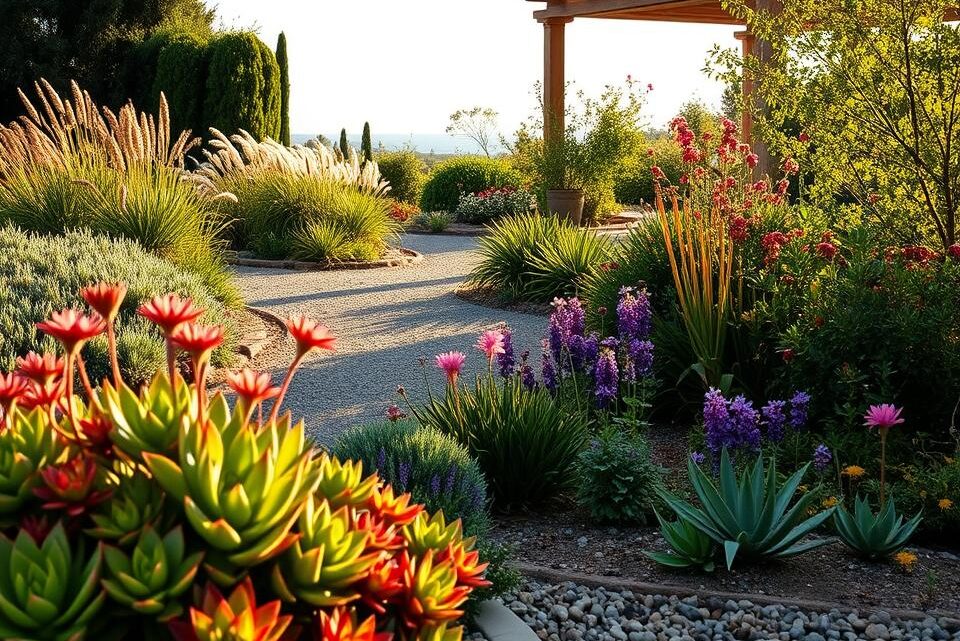
Creating an outdoor space that is both beautiful and easy to care for is a top priority for many UK homeowners. You want to enjoy your large garden without the burden of excessive maintenance.
With the right design and techniques, you can achieve a stunning garden that requires minimal upkeep. In this article, we will explore the benefits and challenges of low-maintenance gardening and provide practical advice on how to create an easy-care outdoor space.
Inhaltsverzeichnis
Key Takeaways
- Understand the principles of low-maintenance gardening
- Learn how to design a beautiful and functional large garden
- Discover practical tips for reducing UK garden maintenance
- Explore the benefits of incorporating easy-care features into your garden
- Find out how to create a sustainable and eco-friendly outdoor space
Understanding the Challenges of Large Gardens
UK gardeners with large gardens often face a multitude of maintenance challenges. The task of keeping a sprawling garden looking its best can be overwhelming, from lawn care and pruning to irrigation and pest control.
Common Maintenance Issues in Expansive Spaces
Large gardens present several maintenance challenges. Lawns need regular mowing, weeding, and fertilization. Trees and shrubs require pruning to maintain shape and promote healthy growth. Irrigation systems must be managed to ensure plants receive adequate water, especially during dry spells.
Garden maintenance can be time-consuming, particularly in expansive spaces. Tasks such as leaf clearing, hedge trimming, and flower bed upkeep add to the workload.
Benefits of Low-Maintenance Design Approach
Adopting a low-maintenance design approach can significantly reduce the time and effort required to keep your garden looking its best. By selecting the right plants, implementing efficient irrigation systems, and incorporating hardscaping elements, you can create an easy-care garden that thrives with minimal intervention.
Setting Realistic Expectations for UK Gardens
When designing a large garden in the UK, it’s essential to set realistic expectations about the level of maintenance required. Factors such as the local climate, soil type, and the amount of sunlight your garden receives will all impact the upkeep needed. By understanding these factors, you can design a garden that is both beautiful and manageable.
By understanding the challenges associated with large gardens and adopting a thoughtful design approach, you can enjoy a beautiful UK garden without the excessive maintenance burden.
Assessing Your Garden Space and Conditions
A thorough garden assessment is the first step in designing a large garden that thrives with minimal upkeep. This process involves evaluating various factors that impact your garden’s health and appearance.
Evaluating Soil Type and Quality
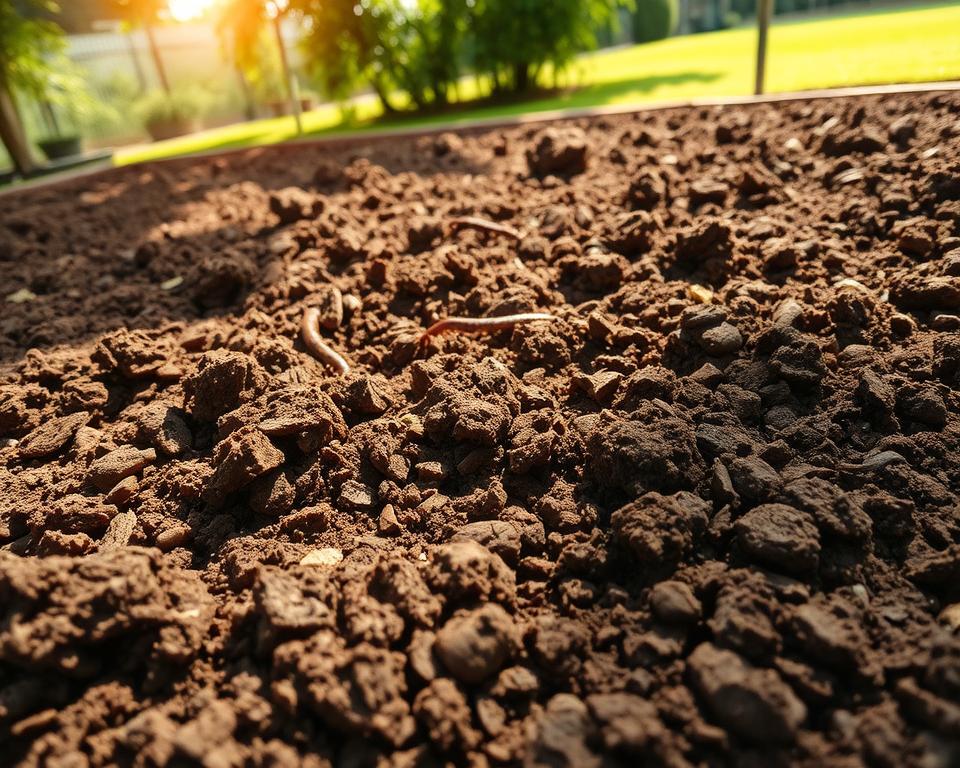
Understanding your soil is crucial for selecting the right plants and designing effective drainage. You can determine your soil type by performing a simple soil texture test or by consulting with a local gardening expert. Soil quality can be improved through the addition of organic matter like compost or manure.
Understanding Sun Exposure and UK Microclimates
Sun exposure varies across your garden, creating different microclimates. Observing how sunlight affects different areas throughout the day will help you choose plants that thrive in each condition. UK gardens often experience variable weather, making it essential to understand these microclimates.
Identifying Problem Areas and Opportunities
Every garden has problem areas, such as waterlogged spots or shaded regions. Identifying these areas allows you to design solutions, like improving drainage or selecting shade-tolerant plants.
Drainage Challenges in British Gardens
Drainage is a common issue in British gardens, particularly in areas with heavy clay soils. Solutions include installing french drains or raising beds to improve soil structure.
Working with Existing Features
Your garden likely has existing features, such as mature trees or slopes, that can be incorporated into your design. Working with these features rather than against them can save time and resources.
Creating a Practical Garden Layout
To maximize the potential of your large garden, it’s essential to develop a layout that balances aesthetics with practical considerations. A well-designed garden not only looks beautiful but also simplifies maintenance tasks, making it more enjoyable for you to spend time outdoors.
Zoning Principles for Large Gardens
Dividing your garden into distinct zones can significantly enhance its functionality. By creating separate areas for different activities or plantings, you can better manage the space and reduce maintenance efforts. For instance, a dedicated area for outdoor dining or entertainment can be designed with hardscaping and minimal planting, while a separate zone for a vegetable garden or flower beds can be tailored to the specific needs of those plants.
Balancing Functional and Aesthetic Elements
A practical garden layout must balance functional needs with aesthetic considerations. This involves selecting plants and features that not only serve a purpose, such as screening or shade provision, but also contribute to the overall visual appeal of the garden. Incorporating a mix of textures, colors, and heights can create a visually interesting and dynamic outdoor space.
Designing Accessible Pathways and Maintenance Routes
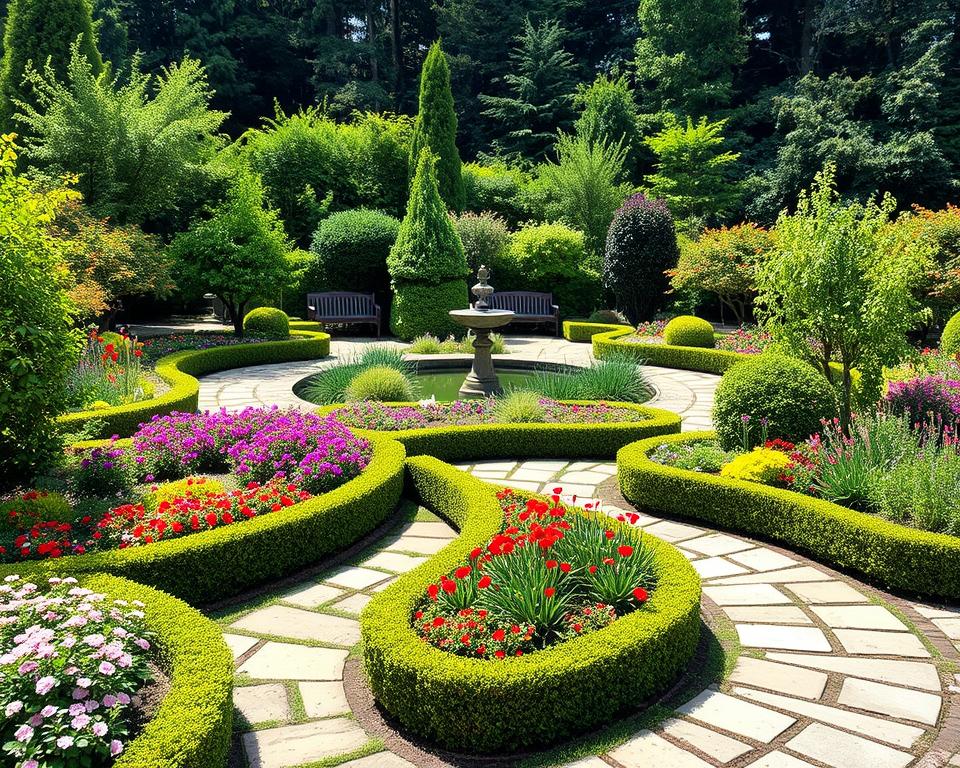
Accessible pathways are crucial for a low-maintenance garden, as they allow you to easily navigate the space for upkeep and enjoyment. When designing pathways, consider using materials like gravel, brick, or stone that are durable and require minimal upkeep. It’s also important to ensure that pathways are wide enough for garden machinery access, if needed.
Accommodating Garden Machinery Access
For larger gardens, having adequate access for garden machinery is vital for efficient maintenance. This may involve creating wider pathways or designing specific routes for machinery to follow. Ensuring that these routes are clear of obstacles and have stable surfaces will make maintenance tasks easier and less time-consuming.
| Pathway Material | Maintenance Level | Durability |
|---|---|---|
| Gravel | Low | High |
| Brick | Medium | High |
| Stone | Low | Very High |
Selecting the Right Plants for Low Maintenance
The key to a beautiful, low-maintenance garden lies in selecting plants that are adapted to the UK’s weather conditions. By choosing the right plants, you can significantly reduce the time and effort required to keep your garden looking its best.
Drought-Tolerant Plants Suitable for UK Climate
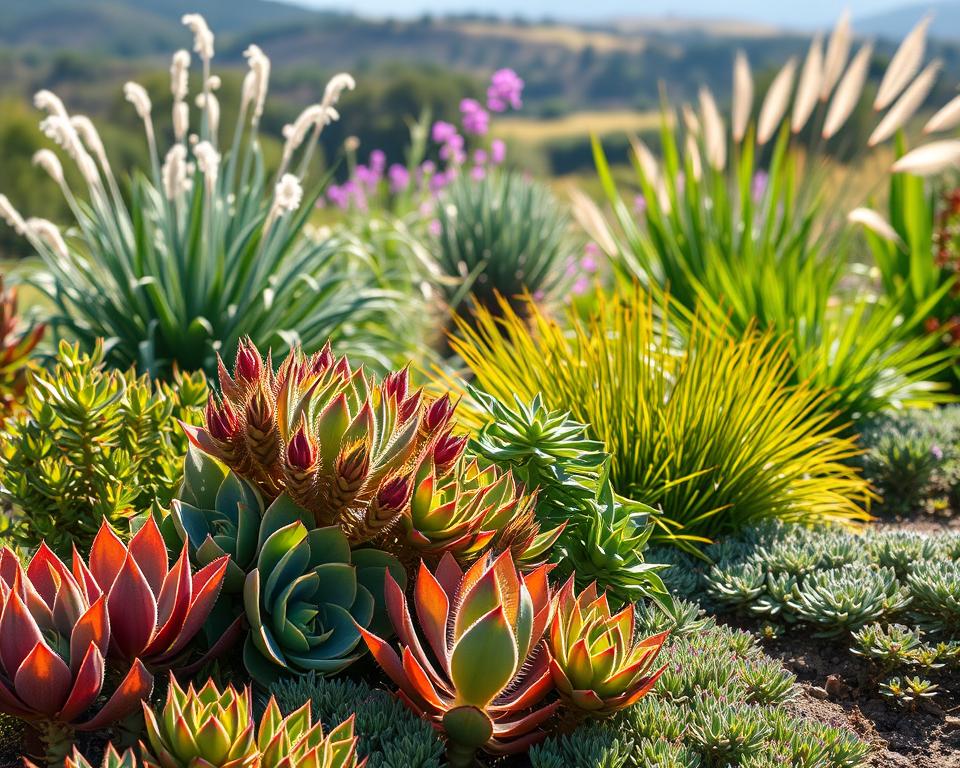
Drought-tolerant plants are an excellent choice for low-maintenance gardens, as they can survive with minimal watering. Some popular options include:
- Succulents like sedum and sempervivum, which store water in their leaves.
- Euphorbia, a versatile plant that comes in a variety of shapes and sizes.
- Yarrow (Achillea millefolium), a hardy perennial that tolerates dry conditions.
Native Perennials That Thrive with Minimal Care
Native perennials are well-suited to the UK climate and often require less maintenance. Consider:
- Foxglove (Digitalis purpurea), a tall, stately plant with tubular bells.
- Primrose (Primula vulgaris), one of the first flowers to bloom in spring.
- Bluebell (Hyacinthoides non-scripta), a classic British woodland flower.
Trees and Shrubs for Structure with Little Upkeep
Trees and shrubs provide structure to your garden and can be chosen for their low-maintenance characteristics. Look for:
- Evergreen trees like holly or yew, which keep their leaves year-round.
- Viburnum, a shrub that offers flowers, berries, and sometimes evergreen foliage.
Evergreen Options for Year-Round Interest
Evergreen plants are crucial for maintaining year-round interest in your garden. Some options include:
- Holly (Ilex spp.), with its glossy leaves and red berries.
- Box (Buxus sempervirens), ideal for topiaries and hedges.
Slow-Growing Varieties to Reduce Pruning
Slow-growing plants reduce the need for frequent pruning, making them perfect for low-maintenance gardens. Examples include:
- Dwarf conifers, which maintain their shape with minimal trimming.
- Cotoneaster, a shrub that can be left to grow naturally or shaped occasionally.
Designing a Low-Maintenance Large Garden: Key Principles
When it comes to designing a low-maintenance large garden, several key principles can guide you towards a beautiful and sustainable outdoor space. A well-planned garden not only reduces the need for constant upkeep but also creates a haven for wildlife and a relaxing area for you to enjoy.
Simplifying Planting Schemes and Reducing Variety
One of the most effective ways to reduce maintenance in a large garden is by simplifying your planting schemes. By limiting the variety of plants, you decrease the complexity of care required. This can be achieved by selecting a few key species that thrive in your garden’s conditions and repeating them throughout the design.
For instance, using a limited palette of drought-tolerant plants such as sedum, lavender, and yarrow can create a cohesive look while minimizing watering needs. A simplified planting scheme also makes it easier to manage pests and diseases, as there are fewer plant types to monitor.
Creating Visual Impact with Mass Plantings
Mass plantings are a powerful tool in garden design, creating visual impact while reducing maintenance. By grouping plants together in large numbers, you can achieve a stunning display that requires less upkeep than scattered, individual plantings.
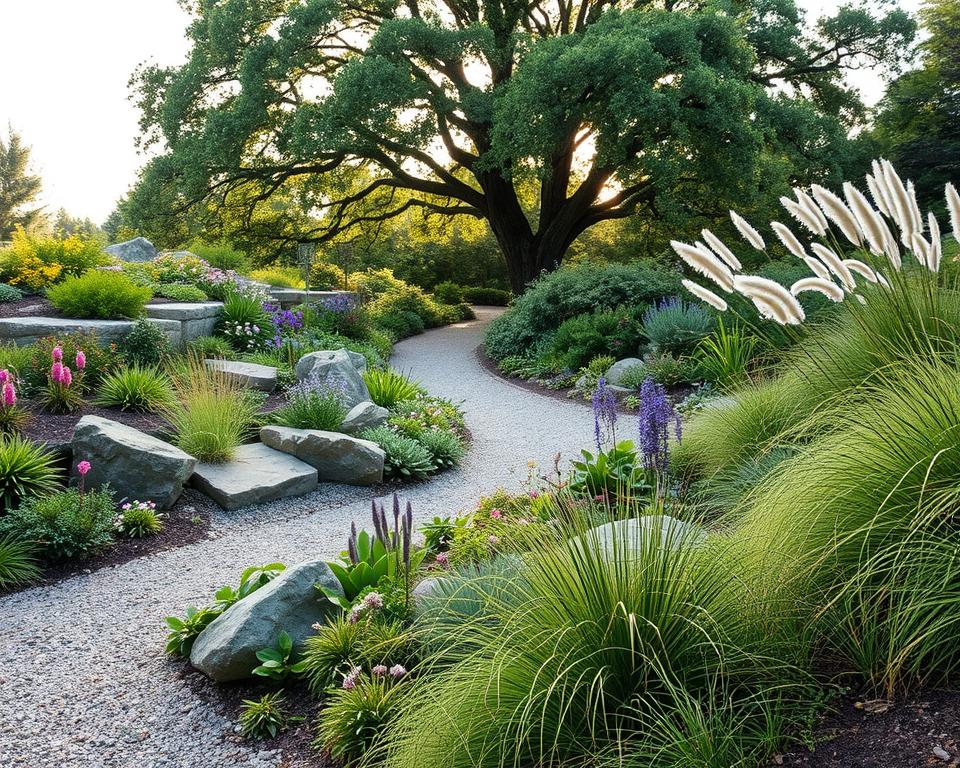
For example, a large drift of daffodils or bluebells can be breathtaking in spring and requires minimal maintenance after blooming. Mass plantings also help to suppress weeds by shading the ground and reducing the need for mulch or other weed control methods.
Sustainable Design Approaches for British Gardens
Sustainability is at the heart of low-maintenance gardening. By adopting sustainable design approaches, you can create a garden that works with nature rather than against it.
Right Plant, Right Place Philosophy
The “right plant, right place” philosophy is fundamental to sustainable gardening. By choosing plants that are well-suited to your garden’s specific conditions, you can reduce the need for interventions such as watering, fertilizing, and pruning.
| Plant | Suitable Conditions | Maintenance Needs |
|---|---|---|
| Lavender | Dry, sunny areas | Low watering, occasional pruning |
| Hostas | Shaded, moist areas | Regular watering, slug control |
| Yarrow | Well-drained, sunny areas | Low watering, occasional deadheading |
“A garden is a love song, a duet between a human being and Mother Nature.” – Jeff Cox
By embracing these key principles, you can create a low-maintenance large garden that is not only beautiful but also sustainable and enjoyable for years to come.
Hardscaping Solutions to Reduce Garden Work
A well-designed hardscaping plan can transform your garden into a low-maintenance outdoor space. By incorporating elements such as patios, decking, and gravel, you can significantly reduce the time spent on garden upkeep. Hardscaping not only adds visual appeal but also provides functional areas for relaxation and entertainment.
Patios, Decking and Paved Areas
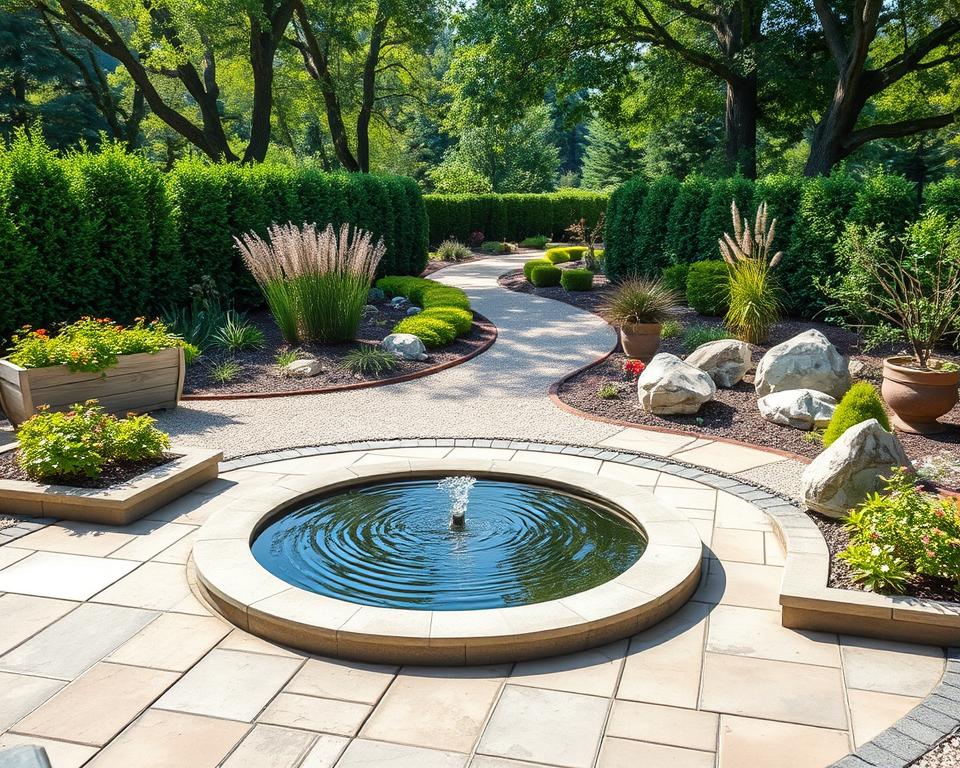
Patios, decking, and paved areas are excellent hardscaping solutions for reducing garden work. These features provide stable, weed-free surfaces that require minimal maintenance. You can choose from a variety of materials, including stone, brick, and composite decking, to create a look that complements your garden.
Decorative Gravel and Mulch Options
Decorative gravel and mulch are versatile hardscaping materials that can be used to create visually appealing and low-maintenance areas. Gravel allows for good drainage and can be used to create pathways or decorative beds. Mulch, on the other hand, helps retain moisture in the soil and suppress weeds, reducing the need for frequent watering and weeding.
Low-Maintenance Boundaries and Fencing
Boundaries and fencing are essential elements of garden design that can also contribute to a low-maintenance garden. By choosing durable materials and designs, you can minimize the need for repairs and replacements. Consider using weather-resistant materials that can withstand the British climate.
Weather-Resistant Materials for British Climate
When selecting materials for your hardscaping features, it’s crucial to choose options that are resistant to the British weather. Materials like hardwood, metal, and certain types of plastic are durable and can withstand various weather conditions. Treated wood and composite materials are also good choices for fencing and decking.
By incorporating these hardscaping solutions into your garden design, you can enjoy a beautiful outdoor space with less maintenance. Whether you’re creating a new garden or renovating an existing one, a well-planned hardscaping strategy can make a significant difference in your gardening workload.
Water-Efficient Irrigation Systems
To keep your large garden thriving with minimal water waste, consider installing a water-efficient irrigation system. Such systems are designed to deliver water directly to the roots of plants, reducing evaporation and runoff.
Automated Watering Solutions
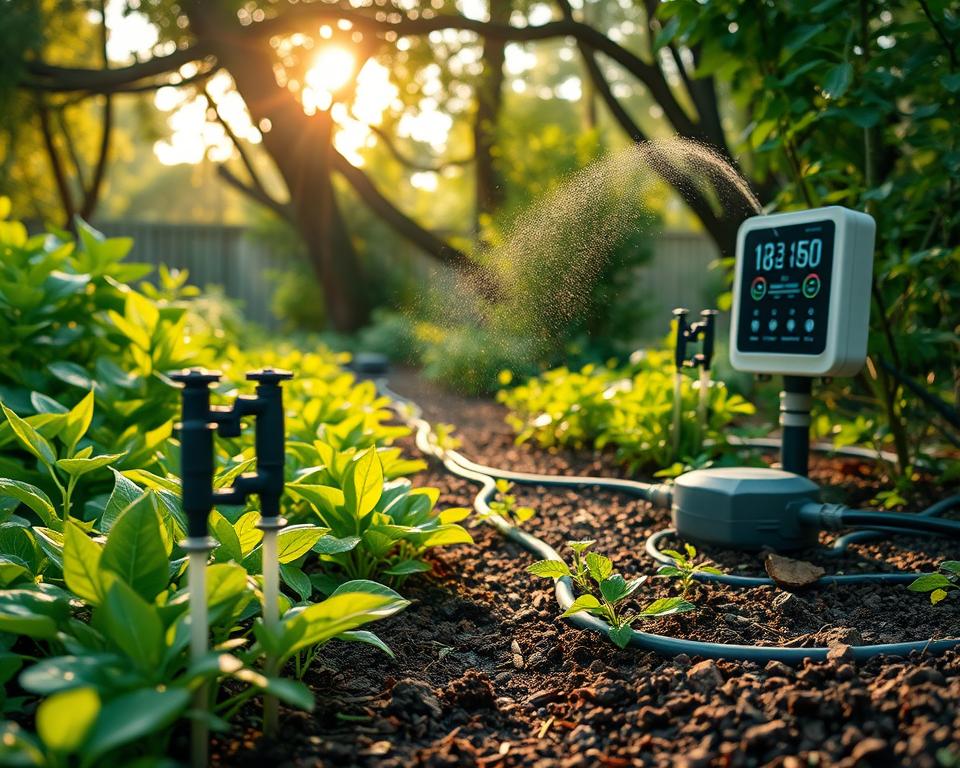
Automated watering solutions can significantly simplify garden care. These systems can be programmed to water your garden at optimal times, ensuring that plants receive the right amount of moisture without wasting water. Modern automated systems often come with sensors that detect soil moisture levels, adjusting watering schedules accordingly.
Rainwater Harvesting for Large Gardens
Implementing rainwater harvesting can further enhance water efficiency. By collecting and storing rainwater, you can reduce your reliance on mains water for irrigation. This approach not only conserves water but can also lower your water bills.
Drought-Proofing Techniques for UK Weather Patterns
To drought-proof your garden, consider incorporating drought-tolerant plants and using mulch to retain soil moisture. Additionally, improving soil structure with organic matter can help it retain water more effectively, making your garden more resilient to dry spells.
By combining these strategies, you can create a beautiful, thriving garden that is also water-efficient and sustainable.
Lawn Alternatives and Easy-Care Grass Options
Easy-care grass options and lawn alternatives offer a practical solution for busy garden owners. Traditional lawns can be high maintenance, requiring regular mowing, watering, and fertilizing. However, there are several alternatives that can reduce the upkeep while still providing a beautiful outdoor space.
Meadow-Style Plantings and Wildflower Areas
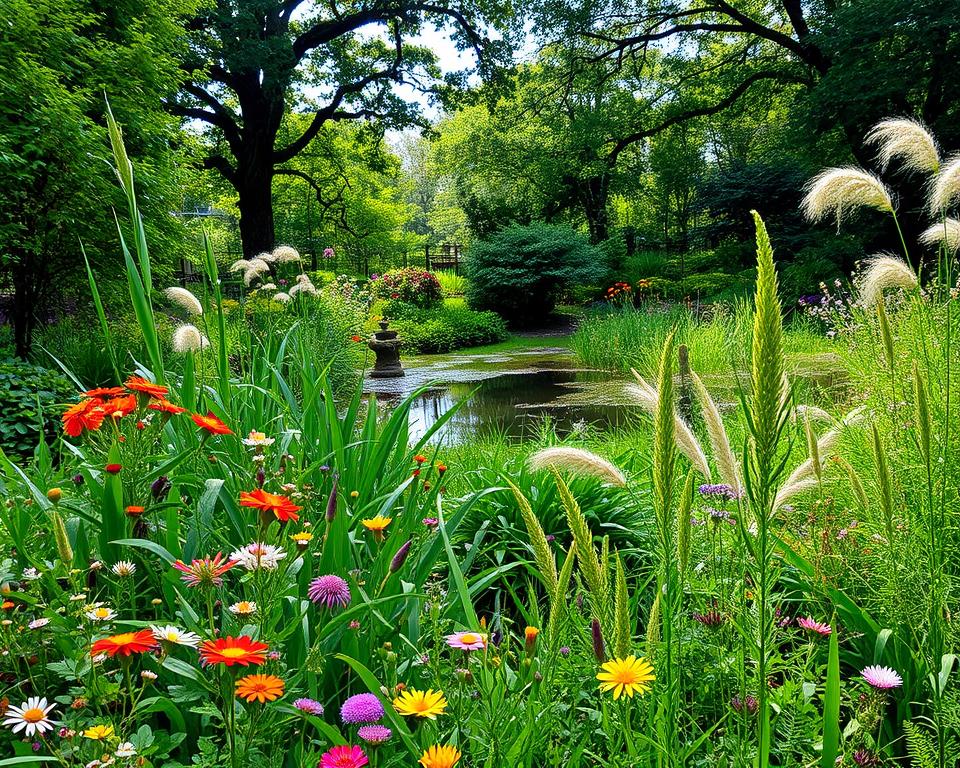
Meadow-style plantings are an attractive and low-maintenance alternative to traditional lawns. By incorporating native wildflowers and grasses, you can create a vibrant and dynamic landscape that requires less care. These areas are perfect for large gardens where a traditional lawn might be too demanding.
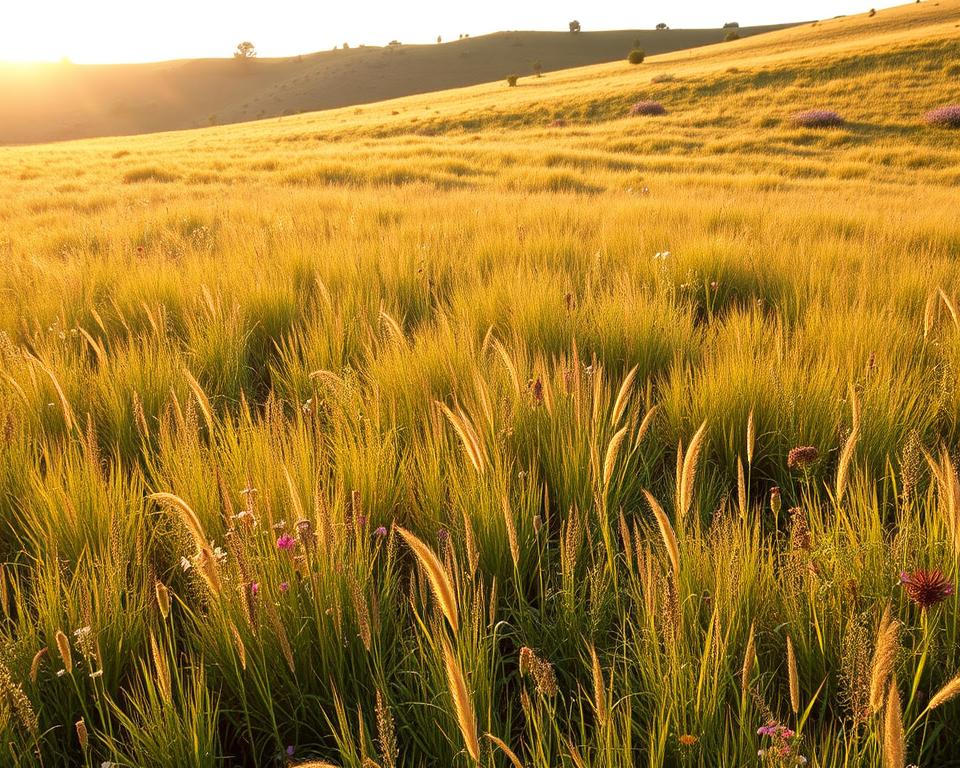
Wildflower areas not only reduce maintenance but also provide a haven for local wildlife, such as bees and butterflies. To establish a meadow-style planting, choose a mix of plants suitable for your soil type and climate. Once established, these areas require minimal intervention, such as an annual cut back.
Low-Maintenance Turf Varieties for British Conditions
For those who still prefer a traditional lawn look, there are low-maintenance turf varieties available that are more suited to British weather conditions. These turfs are bred to be more drought-tolerant and require less mowing and care.
| Turf Variety | Maintenance Level | Drought Tolerance |
|---|---|---|
| Fescue | Low | High |
| Rye Grass | Medium | Medium |
| Kentucky Bluegrass | High | Low |
Ground Cover Plants as Lawn Substitutes
Ground cover plants are another excellent alternative to traditional lawns. They come in a variety of forms, from flowering plants like Phlox subulata to foliage plants like Vinca minor. These plants spread to form a dense cover that suppresses weeds and requires minimal maintenance.
Moss Gardens and Shade-Tolerant Alternatives
In shaded areas, moss gardens can be a beautiful and low-maintenance option. Mosses are shade-tolerant and can thrive in conditions where other plants struggle. They require minimal care, needing only occasional watering and no mowing.
By considering these lawn alternatives and easy-care grass options, you can create a beautiful and low-maintenance garden that suits your lifestyle.
Creating Wildlife-Friendly Features That Look After Themselves
By incorporating wildlife-friendly features, you can create a sustainable and low-maintenance garden that supports local biodiversity. This approach not only enhances your outdoor space but also contributes to the well-being of the environment.
Natural Habitats That Require Minimal Intervention
Creating natural habitats in your garden can be achieved by leaving some areas undisturbed and incorporating native plants. This allows local wildlife to thrive with minimal intervention. For instance, you can create a meadow-like area by planting native wildflowers that require less maintenance than traditional lawns.
Beneficial Insects and Natural Pest Control
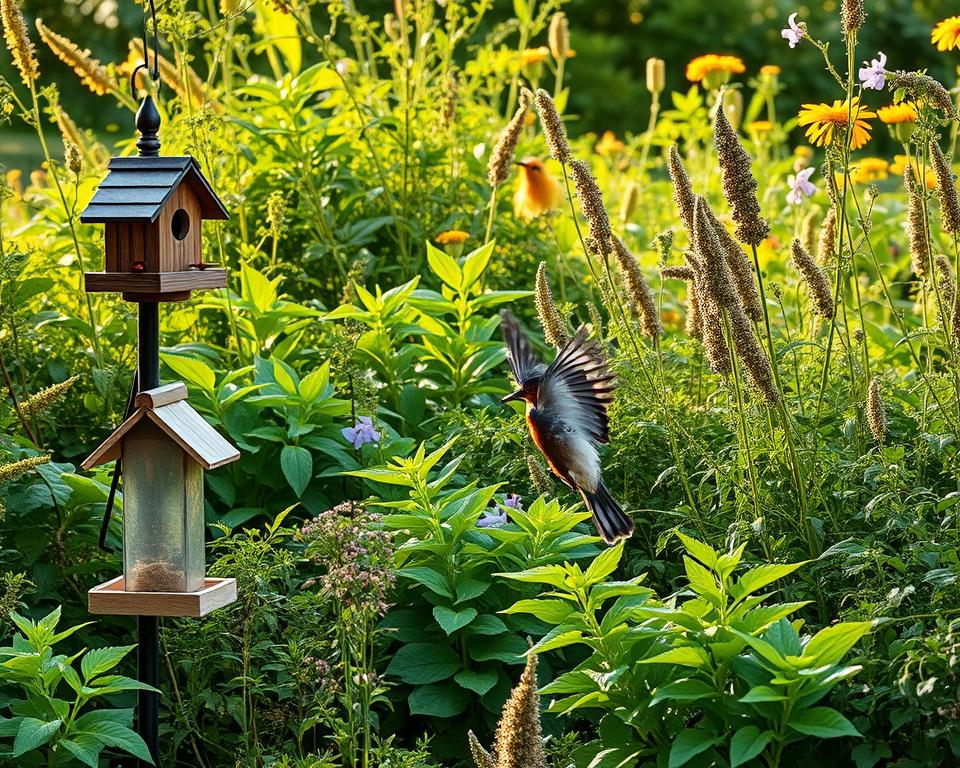
Encouraging beneficial insects, such as bees and butterflies, is crucial for a balanced ecosystem. You can attract these insects by planting a variety of flowers that provide nectar and pollen. Additionally, incorporating features like insect hotels can support their habitats.
Self-Sustaining Pond and Water Features
A self-sustaining pond can be a beautiful addition to your garden, providing a habitat for aquatic life. To achieve this, consider using native plants and avoiding excessive maintenance. A well-designed pond can become a thriving ecosystem that requires minimal upkeep.
Supporting UK Native Species
When creating wildlife-friendly features, it’s essential to focus on supporting UK native species. This can be achieved by selecting plants and designing habitats that are suitable for local wildlife. By doing so, you can create a garden that is not only beautiful but also beneficial for the environment.
In conclusion, creating a wildlife-friendly garden that looks after itself involves designing natural habitats, encouraging beneficial insects, and incorporating self-sustaining water features. By following these principles, you can enjoy a thriving ecosystem that supports local biodiversity.
Managing Pests and Diseases with Minimal Effort
You can minimize the impact of pests and diseases in your garden with the right strategies. Effective management begins with understanding the common issues that can arise in large gardens and how to address them with minimal intervention.
Preventative Design Strategies
A well-designed garden can significantly reduce the risk of pest and disease outbreaks. This includes creating a diverse planting scheme, ensuring good air circulation, and maintaining healthy soil. By incorporating a variety of plants, you can avoid the monoculture effect that can lead to widespread disease issues.
Plant Selection for Disease Resistance
Choosing plants that are resistant to common diseases in your area is a proactive approach to garden health. Many modern plant varieties are bred with disease resistance in mind. For example, certain rose varieties are resistant to black spot, a common issue in UK gardens.
Organic and Low-Intervention Control Methods
When pests or diseases do appear, using organic and low-intervention control methods can help minimize the impact on your garden’s ecosystem. Techniques include using neem oil for pest control, encouraging beneficial insects, and practicing good garden hygiene.
| Method | Description | Benefits |
|---|---|---|
| Neem Oil | A natural pesticide derived from the seeds of the neem tree. | Effective against a wide range of pests, safe for beneficial insects. |
| Beneficial Insects | Insects that prey on garden pests. | Natural pest control, reduces chemical use. |
| Garden Hygiene | Removing diseased or infested plants and debris. | Prevents the spread of disease, reduces pest habitats. |
Time-Saving Garden Maintenance Tools and Equipment
Investing in time-saving garden maintenance tools and equipment is crucial for UK gardeners looking to reduce their workload. A well-maintained garden not only enhances the beauty of your outdoor space but also increases its functionality.
Robotic Mowers and Automated Systems
Robotic mowers have revolutionized lawn care by providing an automated solution that ensures your lawn is consistently well-manicured. These devices navigate your garden independently, cutting grass to a uniform height. Automated irrigation systems are another valuable addition, delivering water directly to the roots of plants, thus reducing waste and ensuring your garden remains hydrated during dry spells.
Key benefits of robotic mowers include:
- Consistent lawn care without manual effort
- Reduced noise pollution compared to traditional mowers
- Ability to navigate complex lawn layouts
Quality Tools That Make Maintenance Easier
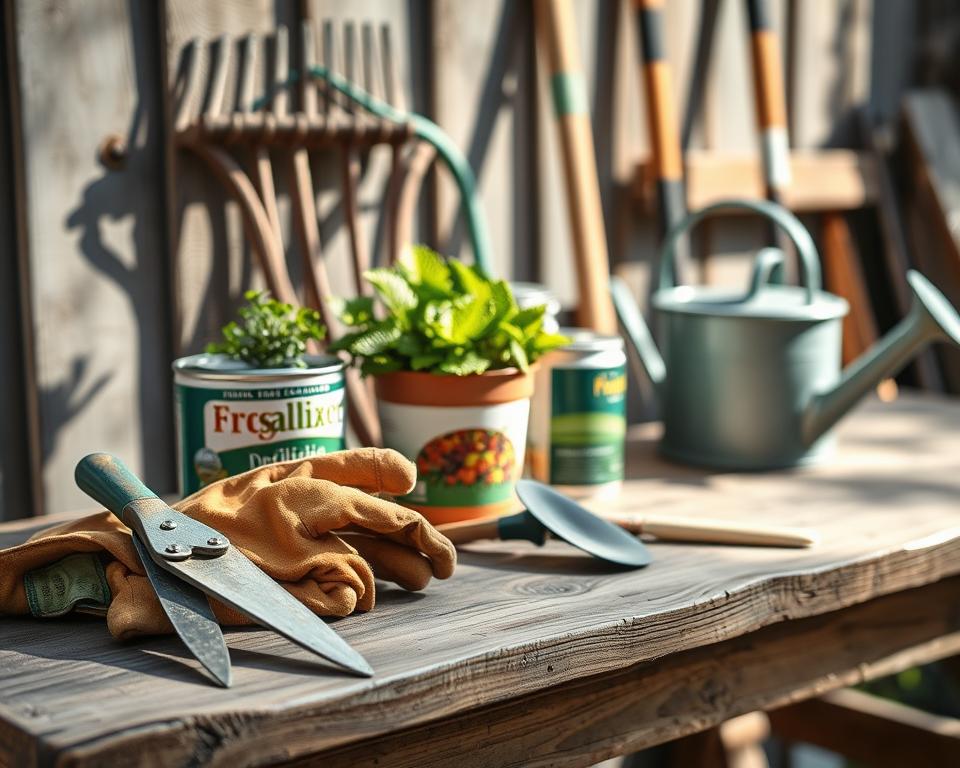
While automated systems handle larger tasks, quality manual tools are indispensable for detailed garden maintenance. Investing in durable, ergonomic tools can significantly reduce the physical strain of gardening. For instance, long-handled pruners and loppers enable you to trim and prune trees and shrubs without using ladders, enhancing safety.
Some essential quality tools include:
- High-carbon steel garden forks for durability
- Ergonomic handle designs for reduced strain
- Precision pruning shears for detailed work
Storage Solutions for Efficient Garden Care
Efficient garden care also depends on how well you organize your tools and equipment. Proper storage solutions keep your garden shed or storage area tidy, making it easier to find and use the tools you need. Consider installing shelving units, pegboards, and labeled compartments to maximize space.
UK Suppliers and Resources
For UK gardeners, there are numerous suppliers offering a wide range of garden maintenance tools and equipment. Some notable retailers include:
- Dobbies Garden World for a variety of gardening tools
- Wickes for DIY and professional gardening equipment
- Amazon UK for a broad selection of robotic mowers and automated systems
By incorporating these time-saving tools and equipment into your gardening routine, you can enjoy a beautiful, well-maintained garden with less effort.
Transforming an Existing Garden into a Low-Maintenance Space
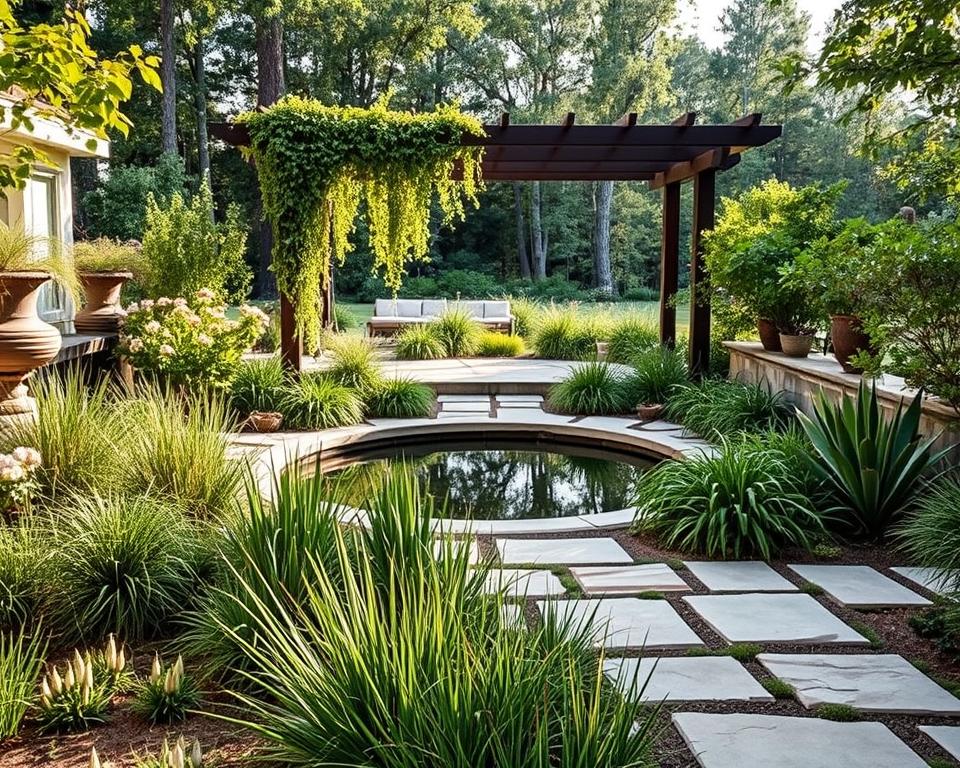
Transforming your existing garden into a low-maintenance haven requires careful consideration and a phased approach. This process involves assessing your current garden, identifying areas for improvement, and implementing changes that will reduce maintenance over time.
Phased Approach to Redesign
Adopting a phased approach to garden redesign allows you to spread out the work and costs over time, making the process more manageable. Start by identifying the most critical areas that need attention, such as overgrown shrubs or inefficient irrigation systems.
Prioritising High-Impact Changes
Focus on making high-impact changes that will significantly reduce maintenance. This might include replacing high-maintenance plants with low-maintenance alternatives, simplifying your garden layout, or installing automated irrigation systems.
Working with Professional Garden Designers
Consider collaborating with professional garden designers who can provide expert advice tailored to your garden’s specific needs and your personal preferences. They can help you create a beautiful, functional, and low-maintenance outdoor space.
Cost Considerations and Budget Planning
When transforming your garden, it’s essential to consider cost considerations and create a realistic budget plan. This involves not only the initial redesign costs but also ongoing maintenance expenses. Prioritizing your needs and phasing your improvements can help manage these costs effectively.
By taking a thoughtful and structured approach to garden redesign, you can enjoy a beautiful outdoor space that requires less time and effort to maintain, allowing you to relax and enjoy your garden to the fullest.
Conclusion: Enjoying Your Low-Maintenance Large Garden
With a well-designed low-maintenance large garden, you can enjoy the beauty of your outdoor space without the hassle of constant upkeep. By incorporating the principles outlined in this article, you’ve taken the first step towards creating a haven that brings you joy and relaxation.
As you settle into your new garden, you’ll find that the time saved on maintenance allows you to appreciate the fruits of your labour. You can now enjoy your garden, whether that’s by hosting gatherings, reading a book, or simply taking a stroll through your beautifully landscaped grounds.
Low-maintenance gardening is not just about reducing the workload; it’s about creating a space that enhances your lifestyle. By choosing the right plants, hardscaping solutions, and water-efficient irrigation systems, you’ve made a significant investment in your outdoor space.
As the seasons change, your garden will continue to evolve, and with minimal effort, you’ll be able to enjoy its beauty throughout the year. So, take a moment to appreciate the tranquility and charm of your low-maintenance large garden – you’ve earned it.
FAQ
What are the benefits of a low-maintenance large garden?
A low-maintenance large garden offers numerous benefits, including reduced time spent on gardening tasks, lower water consumption, and increased enjoyment of your outdoor space. By incorporating drought-tolerant plants, efficient irrigation systems, and hardscaping solutions, you can create a beautiful and sustainable garden that requires less upkeep.
How do I assess my garden’s conditions to inform the design process?
To assess your garden’s conditions, evaluate the soil type and quality, understand the sun exposure and microclimates, and identify areas that require special attention, such as drainage challenges. This will help you make informed decisions when designing your low-maintenance large garden.
What are some low-maintenance plant options suitable for the UK climate?
Some excellent low-maintenance plant options for the UK climate include drought-tolerant plants like sedum and yarrow, native perennials like coneflower and black-eyed Susan, and trees and shrubs like Lavandula and Viburnum. These plants are adapted to the UK’s temperate climate and require minimal care.
How can I reduce lawn maintenance in my large garden?
To reduce lawn maintenance, consider alternatives like meadow-style plantings, low-maintenance turf varieties, or ground cover plants. You can also opt for moss gardens or shade-tolerant alternatives, which require less mowing, watering, and fertilising.
What are some effective water-efficient irrigation systems for large gardens?
Effective water-efficient irrigation systems for large gardens include automated watering solutions, rainwater harvesting, and drip irrigation. These systems deliver water directly to the roots of plants, reducing evaporation and runoff, and helping to conserve this valuable resource.
How can I create a wildlife-friendly garden that requires minimal intervention?
To create a wildlife-friendly garden, incorporate natural habitats, beneficial insects, and self-sustaining pond and water features that support UK native species. By adopting a right plant, right place philosophy and using native plants, you can create a haven for local wildlife while minimising maintenance.
What are some time-saving garden maintenance tools and equipment?
Some time-saving garden maintenance tools and equipment include robotic mowers, quality tools like Fiskars and Felco, and storage solutions that keep your garden care essentials organised and within reach. These tools can help you maintain your garden more efficiently, freeing up time for more enjoyable activities.
How can I transform an existing garden into a low-maintenance space?
To transform an existing garden into a low-maintenance space, adopt a phased approach to redesign, prioritising high-impact changes and working with professional garden designers if needed. Consider factors like cost and budget planning to ensure a successful transformation.