What to Look for in a Good Shed Foundation for Your Garden
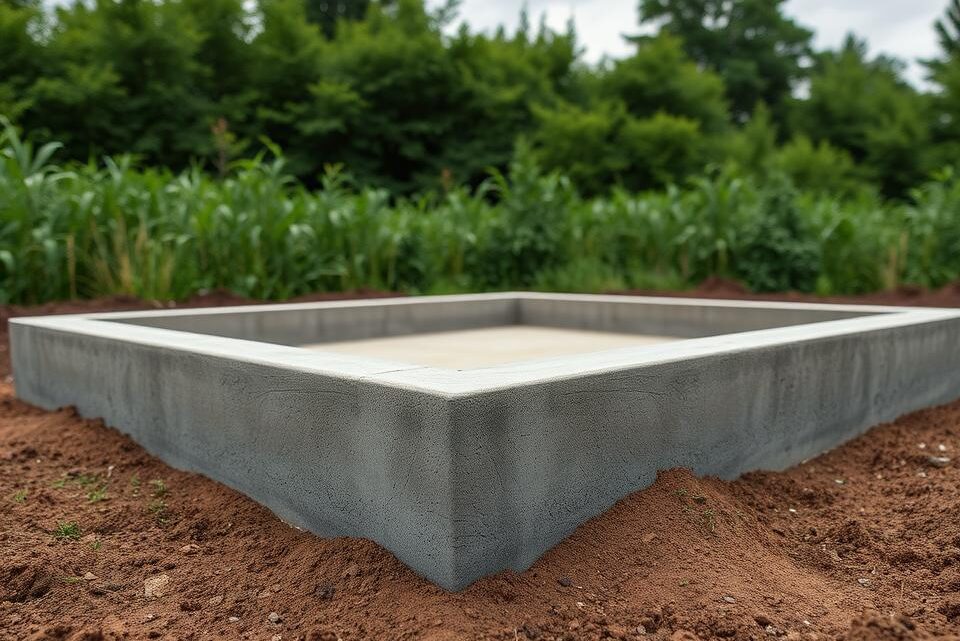
When installing a garden shed, a sturdy shed foundation is crucial for its longevity and stability. Your garden shed base serves as the backbone, supporting the entire structure and ensuring it remains level and secure.
A well-constructed shed foundation is vital, especially in the UK, where weather conditions can be unpredictable. UK garden sheds require a base that can withstand various environmental factors, making a proper shed installation essential.
By understanding the key elements of a good shed foundation, you can ensure your garden shed remains safe and functional. This article will guide you through the critical aspects to consider when building or installing your garden shed base.
Inhaltsverzeichnis
Key Takeaways
- A sturdy shed foundation is crucial for the longevity and stability of your garden shed.
- The shed base must be level and secure to support the entire structure.
- UK weather conditions necessitate a well-constructed shed foundation.
- Proper shed installation is essential for the shed’s overall durability.
- A good shed foundation ensures the shed remains safe and functional.
The Importance of a Proper Shed Foundation
The foundation of your shed is more than just a base; it’s the key to its durability and stability. A well-constructed foundation ensures that your shed remains safe and functional over time.
Structural Stability and Longevity
A proper shed foundation is essential for maintaining the shed stability and enhancing its longevity. It distributes the weight of the shed evenly, preventing it from sinking or shifting, which can lead to structural damage. By investing in a good foundation, you can significantly extend the life of your garden shed.
Protection Against British Weather Conditions
The British weather can be quite challenging for garden sheds, with frequent rain and potential frost. A sturdy foundation helps protect your shed from these harsh conditions by elevating it above the ground and improving drainage. This protection is crucial for preventing water damage and ensuring your shed remains in good condition throughout the year.
Understanding Your Garden’s Terrain
To build a shed that lasts, you need to have a good grasp of your garden’s soil and topography. Understanding the terrain is crucial for a stable and long-lasting shed foundation.
Assessing UK Soil Types and Composition
The UK’s diverse soil types significantly impact shed foundations. You need to assess your soil composition to determine the best foundation type.
Clay-Heavy Soils Common in Southern England
Clay-heavy soils, common in Southern England, retain moisture and expand, potentially causing foundation instability. You should consider this when planning your shed foundation.
Sandy Soils in Coastal Areas
Sandy soils, often found in coastal areas, drain quickly but may lack stability. Understanding these characteristics will help you choose the right foundation for your shed.
Identifying Drainage Patterns in Wet Climates
UK gardens often experience wet climates, making drainage crucial. You should identify your garden’s drainage patterns to prevent water accumulation around your shed.
Dealing with Slopes and Uneven Ground
Many UK gardens have slopes or uneven ground, which can complicate shed foundation construction. You need to level the ground or adjust your foundation design accordingly.
| Terrain Type | Characteristics | Foundation Considerations |
|---|---|---|
| Clay-Heavy Soil | Retains moisture, expands | Deep foundations, drainage solutions |
| Sandy Soil | Drains quickly, may lack stability | Wide, shallow foundations, stabilization |
| Sloping Ground | Uneven terrain | Leveling, stepped foundations |
Types of Shed Foundations for UK Gardens
Choosing the appropriate shed foundation is a critical decision for any UK homeowner looking to install a garden shed. The right foundation ensures the shed remains stable and secure, withstands the British weather, and lasts for years to come.
Concrete Bases
Concrete bases are a popular choice for shed foundations in UK gardens. They provide a solid, level surface that can support heavy loads and resist weathering. A well-laid concrete base can significantly extend the life of your shed.
Popularity in British Garden Settings
In British garden settings, concrete bases are favoured for their durability and low maintenance. They are particularly suitable for larger sheds or those with heavy contents.
Paving Slabs and Flagstones
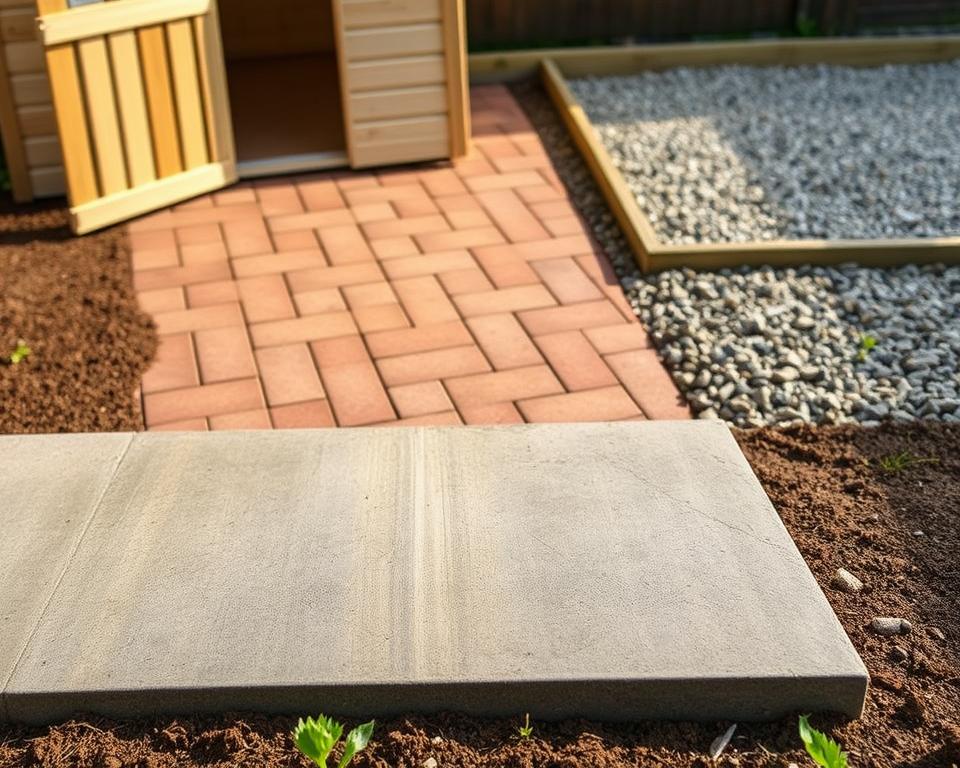
Paving slabs and flagstones offer a more aesthetically pleasing alternative to concrete bases. They are ideal for sheds that are visible from the house or are part of a larger garden design. Properly laid paving slabs can provide a level and stable base.
Timber Frames
Timber frames are another viable option, especially for smaller sheds. They are relatively easy to construct and can be adapted to uneven ground. Pressure-treated timber is recommended to resist rot and insect damage.
Plastic Grids and Eco-Friendly Options
For those looking for eco-friendly solutions, plastic grid systems are a modern and sustainable choice. They allow for drainage and can be filled with gravel or other materials, making them suitable for gardens with sensitive ecosystems.
Each type of shed foundation has its advantages and is suited to different garden conditions and shed sizes. By understanding your options, you can make an informed decision that best suits your needs.
What to Look for in a Good Shed Foundation
A well-constructed shed foundation is the backbone of your outdoor storage or workspace. It ensures the longevity and stability of the shed, protecting it from various environmental stresses. When evaluating a shed foundation, there are several key factors to consider.
Level Surface Requirements
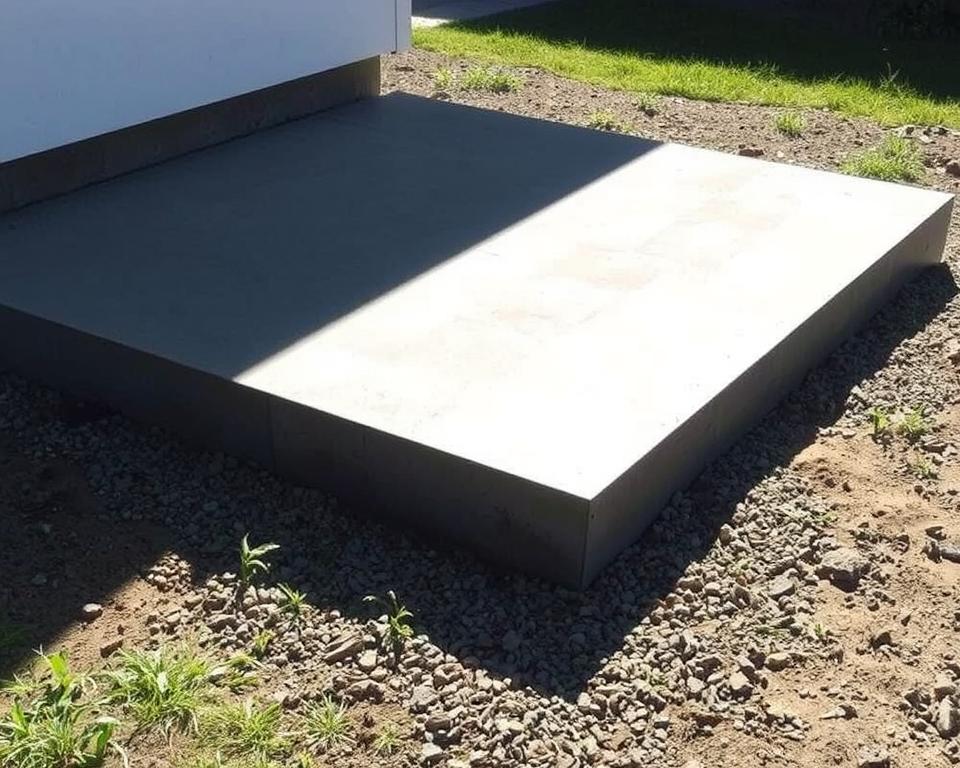
A level surface is crucial for a shed foundation. It prevents water from accumulating around the shed, reducing the risk of dampness and structural damage. To achieve a level surface, you may need to adjust the ground or use adjustable foundation components.
Load-Bearing Capacity for British Weather
The load-bearing capacity of your shed foundation is vital, especially in British weather conditions, which can include heavy rainfall and strong winds. A foundation with adequate load-bearing capacity will prevent the shed from shifting or collapsing. Ensure your foundation is designed to handle the weight of the shed and its contents.
Frost and Damp Resistance Features
Frost and damp resistance are essential features for a shed foundation in the UK climate. Materials used for the foundation should be resistant to frost damage and dampness. Consider using treated timber or durable materials like concrete that can withstand harsh weather conditions.
By focusing on these key aspects, you can ensure your shed foundation is robust, durable, and suitable for British weather conditions.
Concrete Foundation Options
For a long-lasting and stable garden shed foundation, considering concrete options is a prudent decision. Concrete foundations are renowned for their durability and ability to support substantial weight, making them an ideal choice for garden buildings in the UK.
Solid Concrete Slab Foundations
A solid concrete slab foundation is a popular choice for garden sheds due to its simplicity and effectiveness. It involves laying a continuous layer of concrete across the entire footprint of the shed, providing a solid base that resists settlement and movement. This type of foundation is particularly suitable for smaller sheds and those with heavy loads.
Concrete Pier Foundations
Concrete pier foundations are another viable option, especially for larger garden buildings or those situated on unstable ground. This method involves constructing piers at strategic points under the shed, which then support the weight of the structure. It’s an efficient way to transfer the load to a deeper, more stable soil stratum.
Concrete Strip Foundations
Concrete strip foundations are used for garden sheds with load-bearing walls, where a continuous strip of concrete is laid under these walls. This foundation type is beneficial for distributing the weight evenly and is often used in conjunction with other foundation methods for added stability.
Ideal for Larger Garden Buildings
Larger garden buildings or those with complex designs often benefit from a combination of these concrete foundation options. For instance, using a concrete strip foundation for the perimeter walls and concrete piers for additional internal support can provide the necessary stability and longevity for the structure.
| Foundation Type | Description | Suitability |
|---|---|---|
| Solid Concrete Slab | Continuous layer of concrete across the shed footprint | Smaller sheds, heavy loads |
| Concrete Pier | Piers constructed at strategic points under the shed | Larger buildings, unstable ground |
| Concrete Strip | Continuous strip of concrete under load-bearing walls | Buildings with load-bearing walls |

As highlighted by experts, “A well-designed concrete foundation is crucial for the longevity and stability of garden sheds and buildings.” The choice of concrete foundation should be guided by the size of the shed, the soil conditions, and the expected load on the foundation.
Timber Foundation Solutions
In the UK’s damp climate, timber foundations require special consideration to ensure durability. Timber, being a natural and renewable resource, is a popular choice for shed foundations due to its aesthetic appeal and potential for longevity when properly treated.
Pressure-Treated Timber Frames for UK Humidity
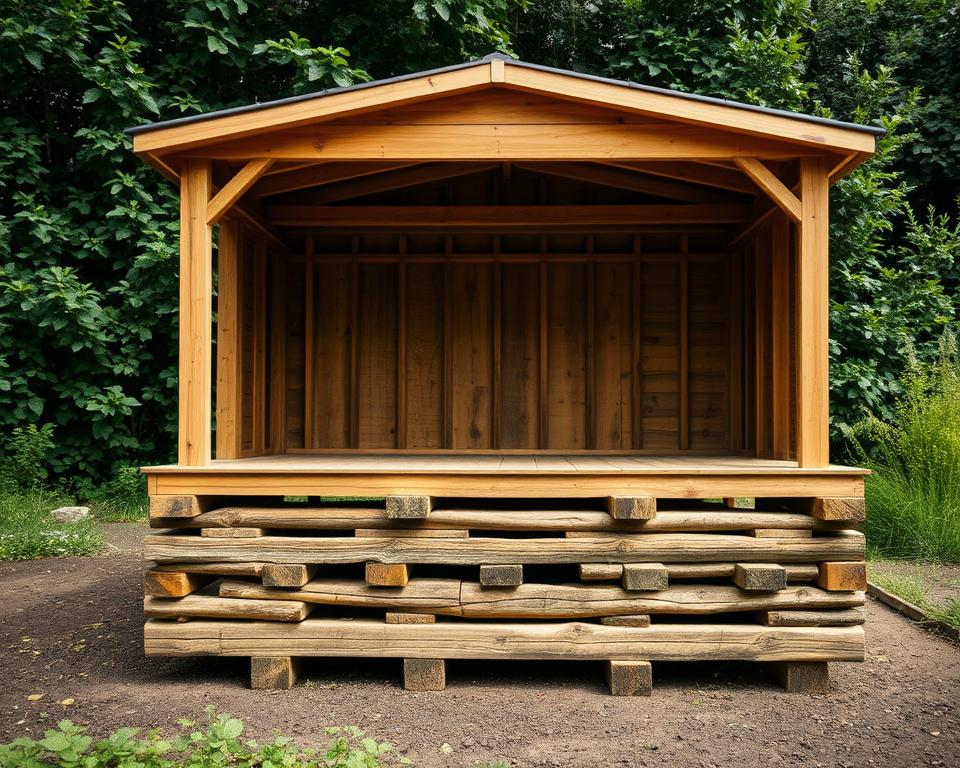
Pressure-treated timber frames are a robust option for shed foundations, especially in the humid UK climate. The treatment process involves forcing preservatives into the timber to protect against rot, fungal decay, and insect damage. This ensures that your shed remains stable and secure for years to come.
Timber Bearers on Concrete Blocks
Using timber bearers on concrete blocks is another effective method for creating a shed foundation. This approach combines the durability of concrete with the flexibility of timber. The concrete blocks provide a solid base, while the timber bearers allow for adjustments to achieve a level surface.
Raised Timber Platforms for Damp Gardens
For gardens prone to dampness, raised timber platforms offer a practical solution. By elevating the shed, you improve airflow around the structure, reducing the risk of moisture accumulation. This can be particularly beneficial in areas with heavy rainfall or where water tends to collect.
| Foundation Type | Key Benefits | Considerations |
|---|---|---|
| Pressure-Treated Timber Frames | Durable, resistant to decay and insects | Requires proper treatment, can be more expensive |
| Timber Bearers on Concrete Blocks | Combines durability with adjustability | Needs precise leveling, concrete blocks must be correctly positioned |
| Raised Timber Platforms | Ideal for damp gardens, improves airflow | May require additional support, can be more complex to construct |
When choosing a timber foundation solution, it’s essential to consider the specific conditions of your garden, including the soil type, drainage, and existing vegetation. By selecting the right timber foundation, you can ensure your shed remains a valuable and functional part of your garden for years to come.
Paving and Block Foundations
For a shed foundation that combines functionality with visual appeal, paving and block foundations are excellent options. These foundations not only provide a stable base for your shed but also enhance the overall appearance of your garden.
Paving Slab Configurations
Paving slab configurations offer a versatile and attractive solution for shed foundations. You can choose from a variety of materials, including concrete, stone, and reclaimed stone.
Using Reclaimed Yorkshire Stone
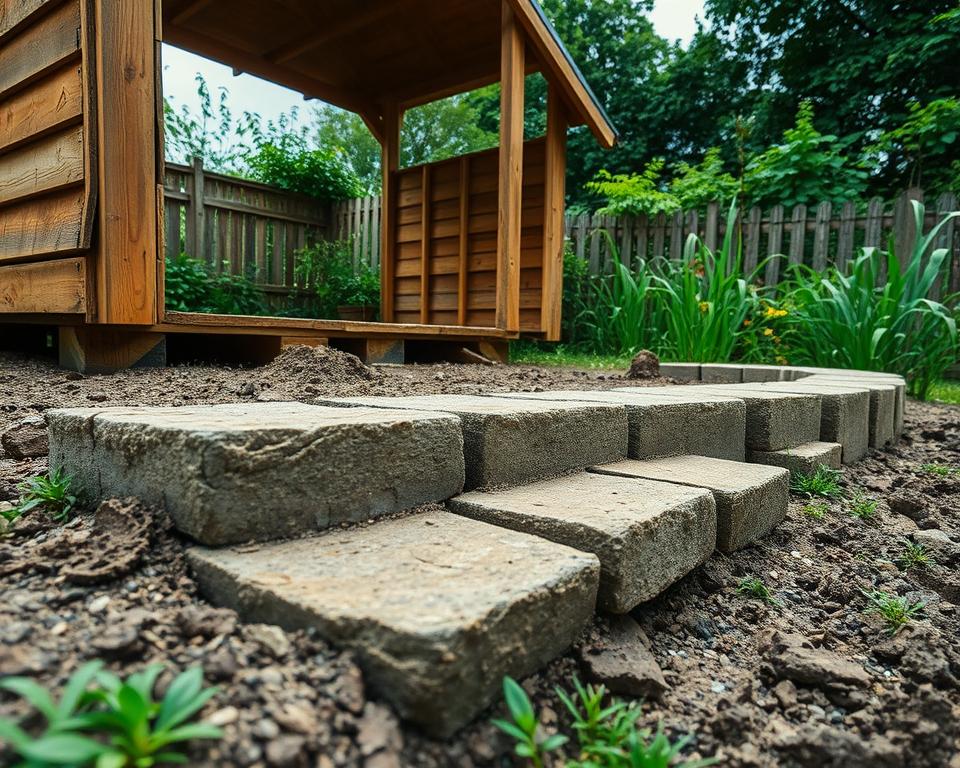
Using reclaimed Yorkshire stone can add a unique touch to your garden. This material is not only eco-friendly but also brings a character that new materials often lack. Reclaimed stone can be arranged in various patterns, allowing you to customize the look of your shed foundation.
Block and Brick Foundation Systems
Block and brick foundation systems are another durable option for shed bases. These systems provide excellent load-bearing capacity and can withstand harsh weather conditions. You can use these systems to create a foundation that is both functional and visually appealing.
- Improved drainage due to the gaps between blocks or bricks
- Enhanced aesthetic appeal with various patterns and designs
- Durability and resistance to weathering
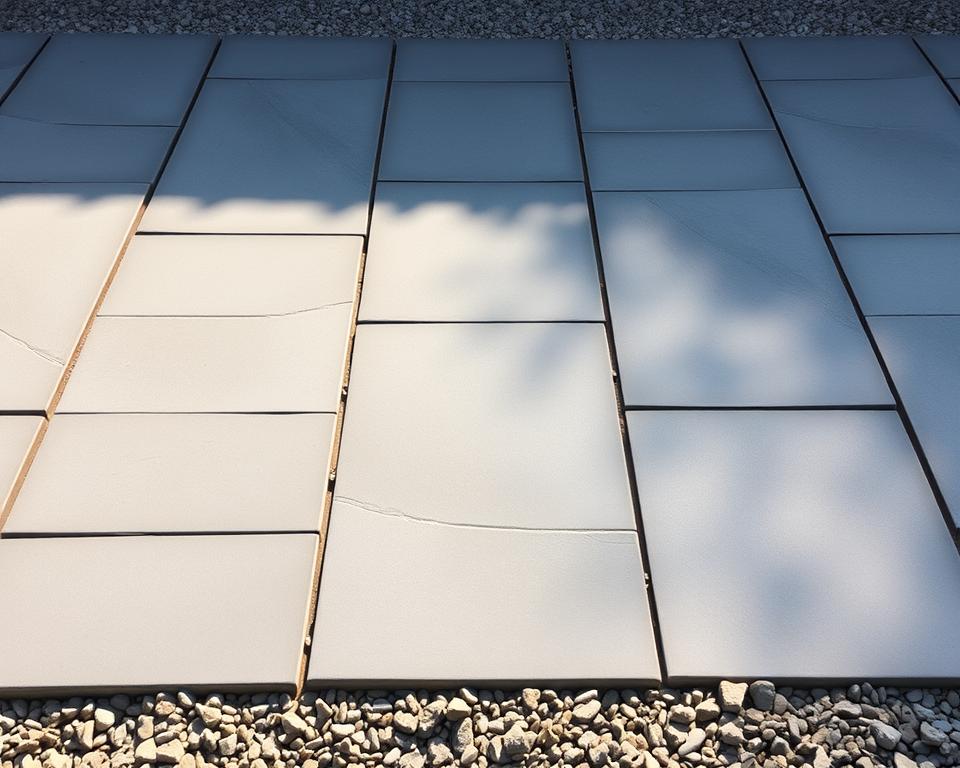
By choosing the right paving or block foundation, you can ensure your shed remains stable and secure for years to come.
Foundation Requirements for Different Shed Sizes
The foundation requirements for sheds vary significantly based on the size of the shed you’re planning to build. The size of your shed will dictate the type of foundation needed to ensure stability, longevity, and safety.
Small Garden Sheds Under 6×4 ft
For small garden sheds under 6×4 ft, a simple foundation can be sufficient. You can use a base made of paving slabs or a pre-made plastic grid system. These foundations are easy to install and provide adequate support for small sheds. Ensure the ground is level and compacted to prevent settling issues.
Medium Sheds 8×6 ft to 10×8 ft
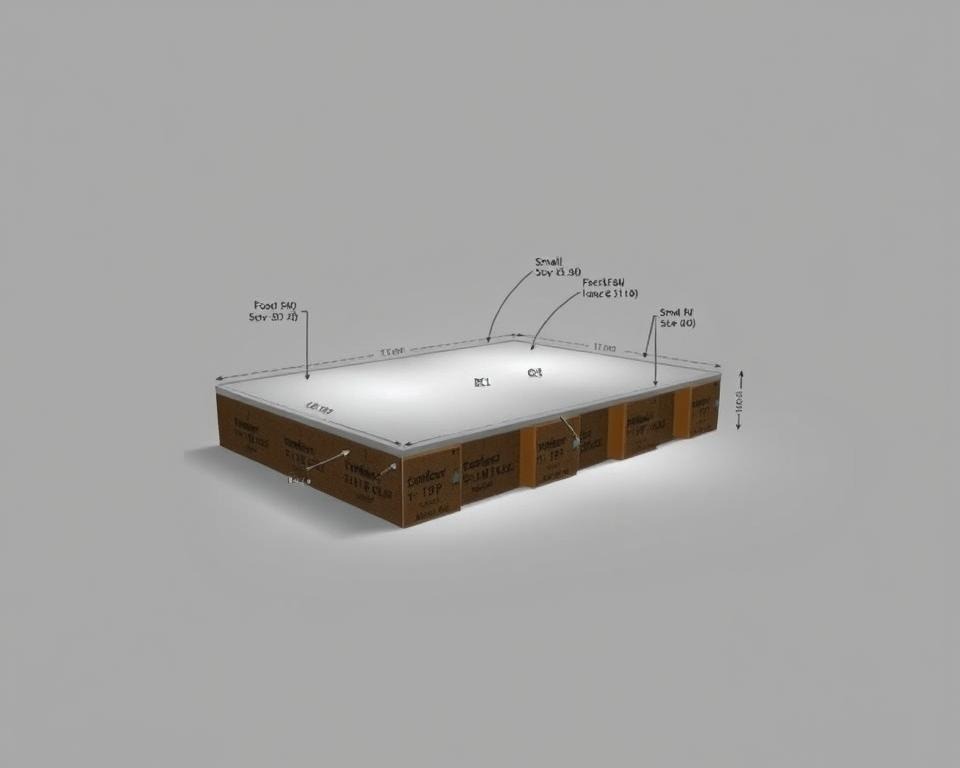
Medium-sized sheds require a more robust foundation. A concrete slab or a timber frame on concrete blocks can be used. The foundation should be designed to support the weight of the shed and its contents. It’s essential to check the load-bearing capacity of the soil and ensure proper drainage to prevent water accumulation.
“A well-designed foundation is crucial for the longevity of your shed. It not only supports the structure but also protects it from damp and water damage.”
Large Workshops and Garden Rooms
For large workshops and garden rooms, a substantial foundation is necessary. A solid concrete slab or strip foundation is recommended. These foundations provide the necessary support and stability for larger structures. It’s advisable to consult a professional to ensure the foundation meets the required building regulations and can support the weight of the structure.
| Shed Size | Recommended Foundation | Key Considerations |
|---|---|---|
| Under 6×4 ft | Paving slabs or plastic grid | Level ground, compacted soil |
| 8×6 ft to 10×8 ft | Concrete slab or timber frame | Load-bearing capacity, drainage |
| Large workshops | Solid concrete slab or strip foundation | Professional consultation, building regulations |
Proper Drainage Considerations for UK Rainfall
Proper drainage is a critical factor in the longevity and stability of shed foundations in the UK’s wet climate. Ensuring that water does not accumulate around your shed is vital for preventing damage and maintaining the structural integrity of the foundation.
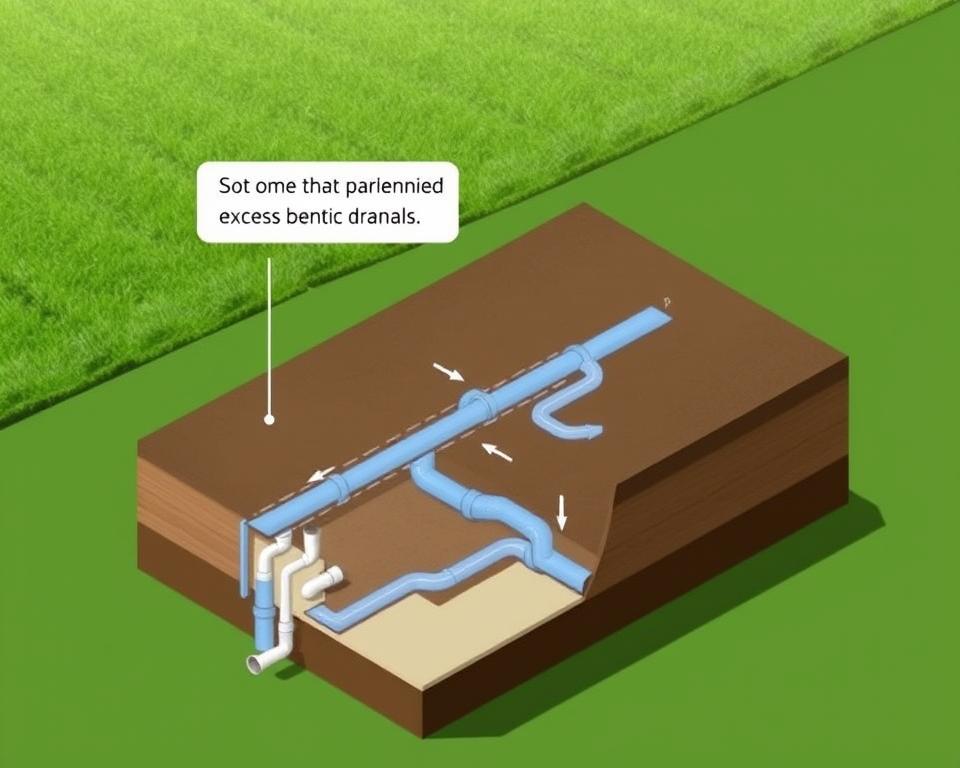
Creating Adequate Water Runoff
To create adequate water runoff, it’s essential to design the shed foundation with a slight slope away from the structure. This encourages water to flow away from the shed, reducing the risk of waterlogging and potential damage to the foundation. Using materials like gravel or sand around the foundation can also enhance drainage by allowing water to percolate through.
Preventing Ground Water Accumulation
Preventing ground water accumulation requires careful planning and possibly the installation of a drainage system. French drains, for instance, are an effective solution for directing water away from the shed area. Regular inspection of the drainage system is also crucial to ensure it remains unclogged and functional.
Soakaway Systems for British Gardens
Soakaway systems are another effective method for managing water runoff in British gardens. These systems involve creating a pit filled with rubble or other porous materials where water can collect and gradually soak into the surrounding soil. Soakaways are particularly useful in areas with heavy rainfall, as they help to prevent surface water accumulation and reduce the risk of flooding.
Site Preparation Essentials
Site preparation is the foundation of a successful shed installation, requiring careful planning and execution. Proper site preparation ensures that your shed foundation is laid on a stable and level surface, which is crucial for the longevity and structural integrity of the shed.
Clearing and Levelling the Area
Clearing the area involves removing any debris, vegetation, or obstructions that could interfere with the shed foundation. Levelling the ground is equally important to prevent water accumulation and ensure the shed’s stability. You should check the ground for any signs of unevenness and use appropriate tools to level it.
Measuring and Marking Out
Accurate measuring and marking out of the site are critical steps that determine the shed’s position and foundation layout. Use a tape measure and stakes to mark out the area where the shed will be placed, ensuring it is aligned with your garden’s layout and complies with any local regulations.
Dealing with Existing Vegetation and Root Systems
Existing vegetation and root systems can pose significant challenges to shed foundation installation. You may need to remove trees or shrubs, and in some cases, grind out roots to create a clear area. It’s essential to assess the site carefully and decide on the best approach to manage vegetation and roots effectively.
When preparing the site, consider the following key steps:
- Clear the area of debris and vegetation.
- Level the ground to ensure it’s even.
- Measure and mark out the shed’s position accurately.
- Deal with existing vegetation and root systems appropriately.
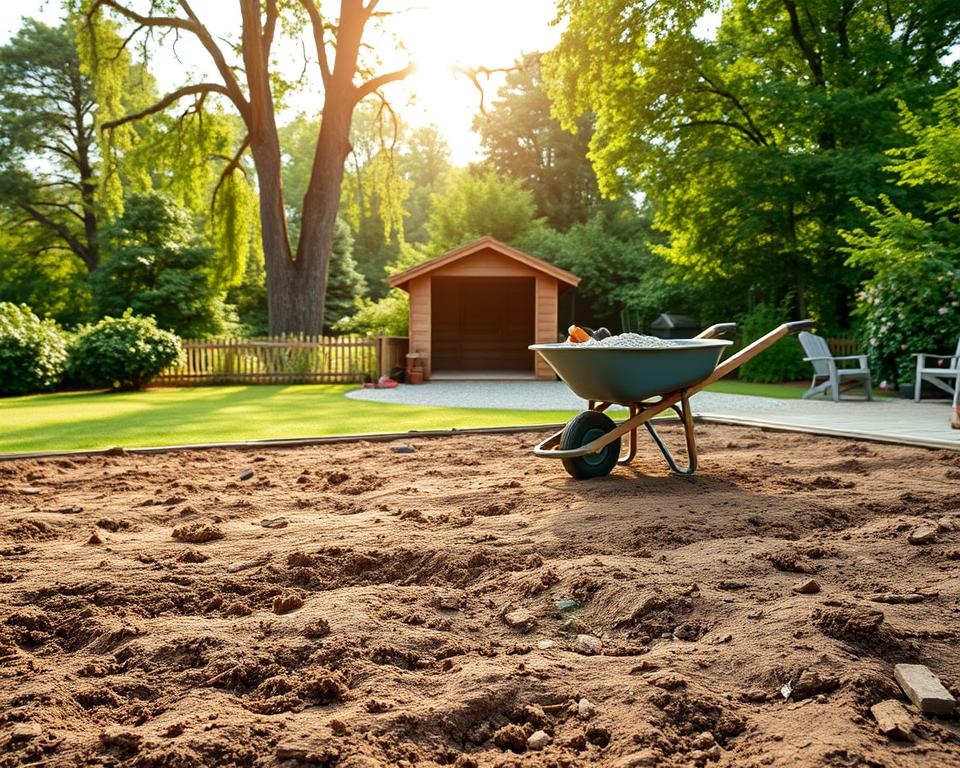
By following these steps, you can ensure a solid foundation for your shed, enhancing its durability and functionality.
Tools and Materials Needed for Foundation Building
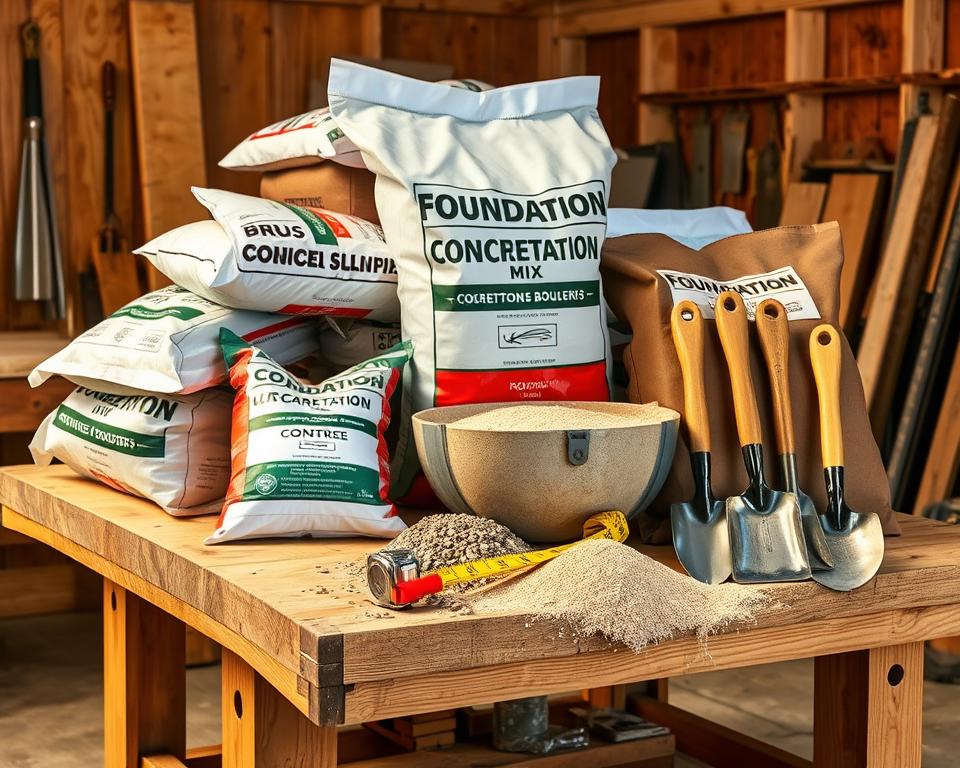
Before you begin building your shed foundation, it’s essential to have the correct tools and materials on hand. A well-prepared foundation is crucial for the longevity and stability of your shed.
Essential Tools Checklist
To ensure a smooth construction process, you’ll need the following essential tools:
- Shovel and trowel for digging and laying the foundation
- Level to ensure the surface is even
- Tamping tool for compacting the ground
- Measuring tape for accurate measurements
- Spirit level and laser level for precision leveling
UK-Available Equipment
You can find these tools at most hardware stores across the UK, such as Wickes or B&Q. Ensure that your tools are in good condition to avoid delays in your project.
Quality Materials Selection Guide
Selecting the right materials is just as important as having the right tools. For a durable shed foundation, consider the following materials:
- Concrete for a solid base
- Pressure-treated timber for resistance against rot and insects
- Paving slabs or flagstones for a stable surface
British Standard Building Materials
When choosing materials, ensure they comply with British Standards. For example, concrete should meet BS 8500, and timber should be treated according to BS 8417. This ensures your foundation is built to last.
Seasonal Considerations for Foundation Installation
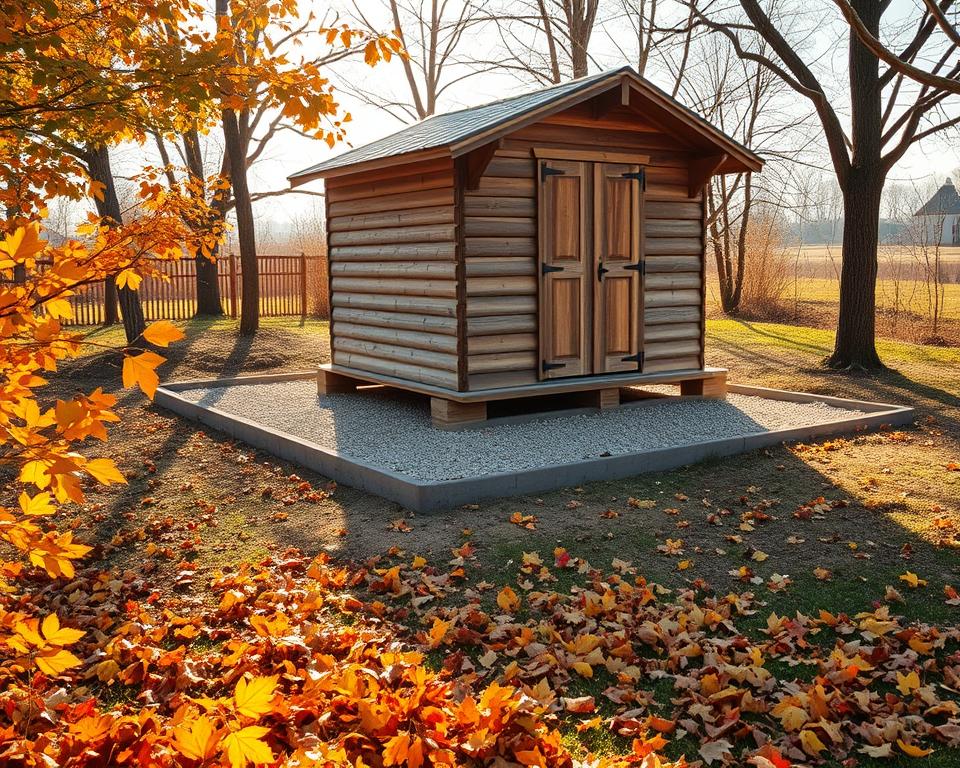
Seasonal variations in weather and ground conditions play a significant role in determining the best time and approach for shed foundation installation. Understanding these seasonal considerations is crucial for a successful foundation that withstands the test of time and British weather.
Winter Challenges in British Climate
Winter poses significant challenges for shed foundation installation in the UK. Frost and freezing temperatures can cause the ground to become hard and unworkable, making it difficult to dig and lay foundations. Moreover, wet weather can lead to waterlogged soil, which may compromise the stability of the foundation. It’s advisable to avoid installing foundations during extreme cold snaps or when the ground is frozen.
Summer Installation Benefits
Summer, on the other hand, offers several benefits for shed foundation installation. Warmer and drier conditions make it easier to work on the ground, and the risk of waterlogged soil is significantly reduced. This allows for a more straightforward installation process and better curing conditions for concrete foundations. However, it’s essential to ensure that the ground is not too dry, as this can affect the stability of certain foundation types.
Working Around Seasonal Ground Conditions
Regardless of the season, it’s vital to assess and adapt to the ground conditions on your site. This may involve drainage solutions to manage waterlogged soil or specialized foundation designs that can accommodate seasonal changes in ground stability. By understanding and working with the seasonal ground conditions, you can ensure a solid and durable shed foundation.
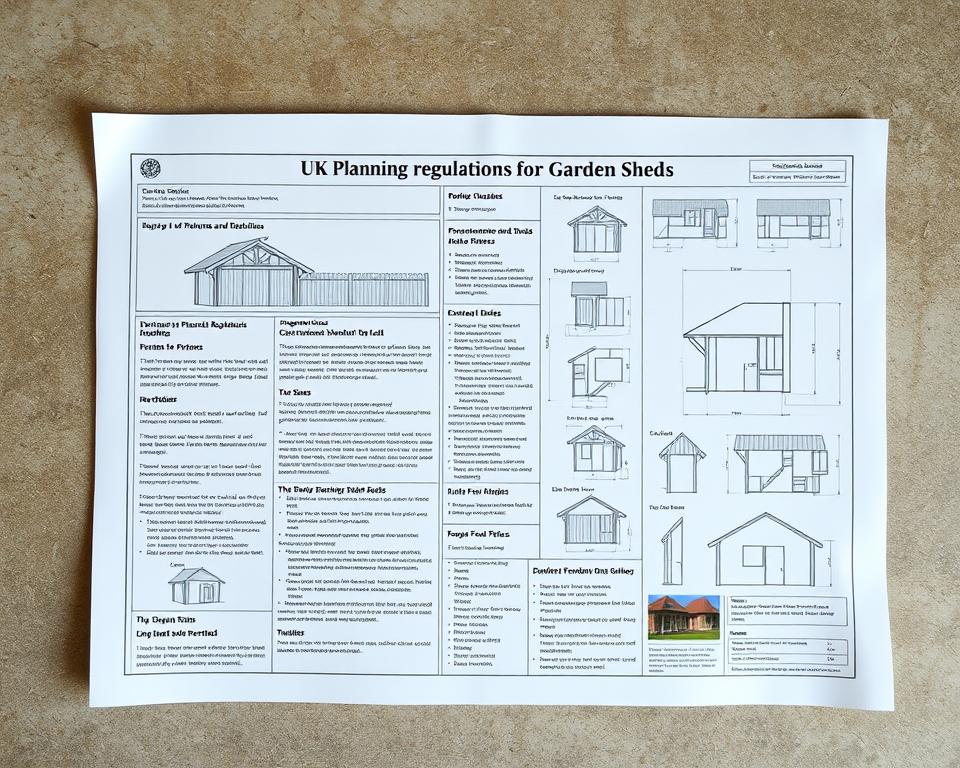
UK Planning Regulations and Requirements
The UK’s planning regulations can significantly impact your shed foundation, making it vital to understand the requirements. When building a shed, it’s not just about laying a foundation; you must also comply with the legal framework governing such structures.
Permitted Development Rules
Permitted development rules allow homeowners to undertake certain building works without needing full planning permission. For garden sheds, these rules typically apply as long as the shed doesn’t exceed certain size limits and is not used for commercial purposes. For instance, for a single-storey extension or a garden building, the height should not exceed 2.5 meters if it’s within 2 meters of a boundary.
It’s essential to check the specific permitted development rights for your area, as these can vary. You can verify this information on the UK Government’s website or consult with your local planning authority.
Building Regulations for Garden Structures
While permitted development rules cover planning permission, building regulations ensure that structures are built to certain standards. For garden sheds, this might include requirements for structural integrity, fire safety (if it’s near a boundary), and ensuring it’s not a hazard.
For larger or more complex garden structures, such as those with electrical installations or significant foundations, compliance with building regulations is crucial. You may need to notify your local building control body before commencing work.
Regional Variations Across the UK
It’s also important to note that planning regulations can vary across different regions in the UK. For example, in England, the rules might differ from those in Scotland, Wales, or Northern Ireland. Additionally, certain areas like conservation zones or national parks may have stricter regulations.
| Region | Planning Regulation Authority | Key Considerations |
|---|---|---|
| England | Local Planning Authority | Permitted development rights, size limits |
| Scotland | Planning Authority | General planning permission, building warrants |
| Wales | Local Planning Authority | TAN 5: Permitted development, prior notification |
| Northern Ireland | Local Council | Planning permission, size and height restrictions |
Before starting your project, ensure you’re aware of the specific regulations in your area to avoid potential issues or fines.
Foundation Maintenance and Longevity
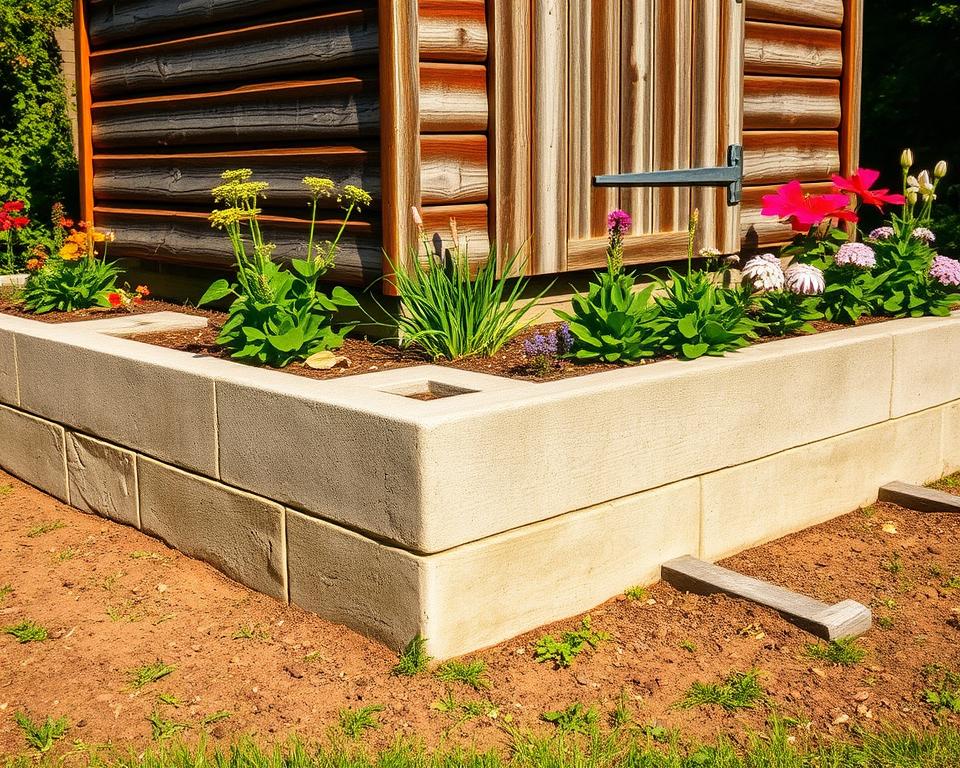
Regular maintenance is key to extending the lifespan of your shed’s foundation and overall structure. By adopting a proactive approach, you can identify potential issues before they become major problems.
Regular Inspection Practices
Regular inspections are vital for maintaining your shed’s foundation. You should check for signs of wear and tear, such as cracks in the concrete or rotting timber. It’s also essential to inspect the drainage around your shed to ensure that water is not accumulating near the foundation.
During your inspections, look out for any changes in the ground level or signs of subsidence. Keeping a record of your inspections can help you track any changes over time and address issues promptly.
Addressing Common UK Foundation Issues
UK weather conditions can be harsh on shed foundations, leading to issues such as subsidence and damp problems. Understanding how to address these common issues is crucial for maintaining your shed’s integrity.
Dealing with Subsidence
Subsidence occurs when the ground beneath your shed’s foundation shifts or settles unevenly. To deal with subsidence, you may need to underpin your foundation or adjust the ground level. It’s often beneficial to consult a professional for severe cases.
Managing Damp Problems
Damp problems can arise due to poor drainage or water accumulation around the shed. To manage damp, ensure that your shed’s foundation is properly sealed, and consider installing a damp-proof course. Improving drainage around your shed can also help mitigate damp issues.
| Maintenance Task | Frequency | Benefits |
|---|---|---|
| Inspect foundation for cracks or damage | Every 6 months | Early detection of potential issues |
| Check drainage around the shed | After heavy rainfall | Prevents water accumulation |
| Seal any cracks or gaps in the foundation | As needed | Prevents damp and further damage |
Common Mistakes to Avoid When Building a Shed Foundation
To ensure your shed remains secure and level, it’s essential to sidestep common mistakes made during foundation construction. A shed foundation is the base upon which the entire structure is built, and any errors can lead to significant issues.
Here are some critical mistakes to avoid:
- Insufficient planning and preparation
- Using inadequate materials
- Ignoring local ground conditions
Inadequate Size and Support
One of the most common mistakes is building a foundation that is too small or inadequately supported. This can lead to the shed sinking or becoming unstable over time. Ensure that your foundation is appropriately sized for your shed and provides adequate support.
Poor Material Choices for British Weather
The UK’s climate can be harsh on outdoor structures. Using materials that are not resistant to damp, frost, or extreme temperatures can lead to premature deterioration. Opt for materials that are specifically designed to withstand British weather conditions.
Neglecting Local Ground Conditions
Local ground conditions, including soil type and drainage patterns, play a crucial role in the stability of your shed foundation. Failing to assess and adapt to these conditions can result in foundation failure. It’s vital to understand your garden’s terrain before building.
By avoiding these common mistakes, you can ensure that your shed foundation is strong, durable, and capable of supporting your shed for years to come.
Conclusion
A well-constructed shed foundation is crucial for the longevity and stability of your garden shed in the UK. As discussed, the type of foundation you choose depends on several factors, including your garden’s terrain, shed size, and local weather conditions.
When building a shed foundation, it’s essential to consider the UK’s wet climate and how it affects your garden’s drainage. Proper site preparation, including clearing and levelling the area, is vital to ensure a stable base.
By understanding your garden’s specific needs and choosing the right foundation type, you can ensure your shed remains secure and functional for years to come. Whether you opt for a concrete base, timber frame, or paving slabs, a well-built shed foundation is the key to a successful garden project.
For a lasting shed foundation, remember to inspect and maintain it regularly, addressing any issues promptly to prevent damage. With the right foundation, you can enjoy your garden shed for many years, protected from the elements and adding value to your UK garden.
FAQ
What type of shed foundation is best for my garden?
The best type of shed foundation for your garden depends on the size and weight of your shed, as well as the condition of your soil. You may consider a concrete base, paving slabs, or timber frames, each with its own advantages and suitability for different UK weather conditions.
How do I assess the soil type in my garden?
To assess the soil type in your garden, you can perform a simple soil test by digging a small hole and examining the soil’s composition. You can also consult with a local gardening expert or check online resources to determine the common soil types in your area, such as clay-heavy soils in Southern England or sandy soils in coastal areas.
What are the benefits of a level surface for my shed foundation?
A level surface is crucial for your shed foundation as it ensures the structural stability and longevity of your shed. It prevents water from accumulating around the shed and reduces the risk of damage from uneven ground.
How do I ensure proper drainage for my shed foundation?
To ensure proper drainage for your shed foundation, you should create adequate water runoff by sloping the ground away from the shed. You can also install a soakaway system or use permeable materials like gravel or paving slabs to prevent ground water accumulation.
What are the UK planning regulations for shed foundations?
The UK planning regulations for shed foundations vary depending on the size and location of your shed. You should check the permitted development rules and building regulations for garden structures in your area, as well as any regional variations that may apply.
How often should I inspect my shed foundation?
You should inspect your shed foundation regularly, ideally every 6-12 months, to check for signs of damage or wear. Look for cracks, unevenness, and water damage, and address any issues promptly to ensure the longevity of your shed.
What are the common mistakes to avoid when building a shed foundation?
Common mistakes to avoid when building a shed foundation include inadequate size and support, poor material choices, and neglecting local ground conditions. You should also ensure that your shed foundation is level, secure, and well-drained to prevent damage and ensure the structural stability of your shed.
Can I use reclaimed materials for my shed foundation?
Yes, you can use reclaimed materials for your shed foundation, such as reclaimed Yorkshire stone, but you should ensure that they are suitable for the task and meet British Standard building regulations.
How do I deal with subsidence or damp problems with my shed foundation?
To deal with subsidence or damp problems with your shed foundation, you should identify the underlying cause and take corrective action. This may involve consulting a professional to assess the issue and recommend repairs or improvements to your shed foundation.