Plant Picks for Your Vertical Garden
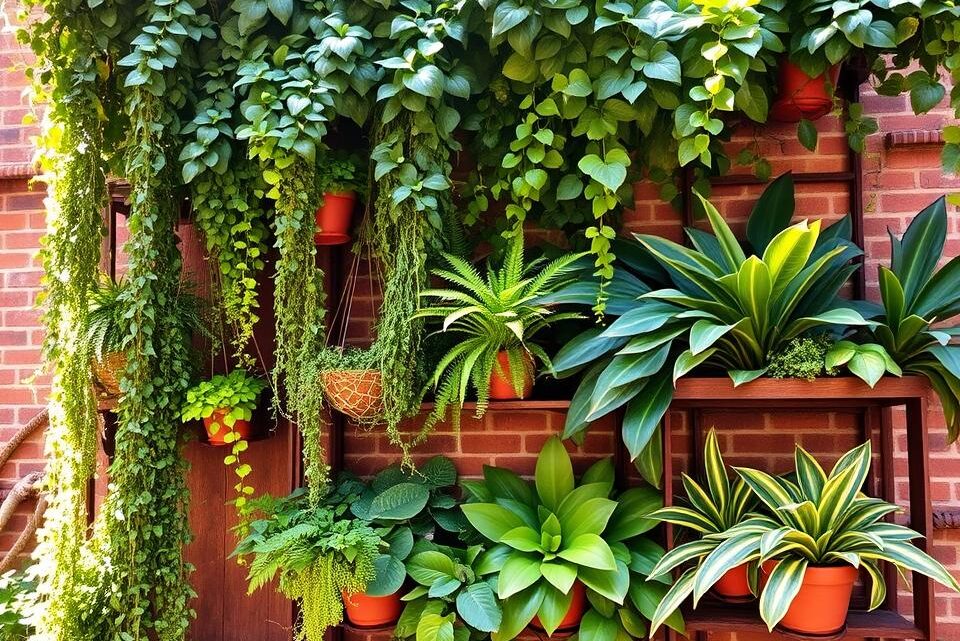
Vertical gardening has been a revered practice for centuries, with the Hanging Gardens of Babylon being a testament to its timeless appeal. This ancient technique transforms ordinary walls and limited spaces into lush, vibrant living tapestries that enhance both indoor and outdoor environments.
Our comprehensive guide explores the most suitable plants for creating successful vertical gardens in the UK climate. We examine both ornamental and edible options that thrive in vertical growing conditions, helping you make informed choices for your specific situation.
Inhaltsverzeichnis
Key Takeaways
- Discover the best plants for your living wall
- Learn how to create a thriving vertical garden in the UK climate
- Explore ornamental and edible options for your vertical gardening project
- Understand the unique requirements of gardening in a vertical environment
- Get expert recommendations for plants that will flourish vertically
The Benefits of Vertical Gardening
By utilizing walls and other vertical surfaces, individuals can create lush, thriving gardens that not only beautify their surroundings but also provide several practical advantages. Vertical gardening is an innovative solution for urban environments where space is limited.
Space Optimisation in Urban Environments
One of the primary benefits of vertical gardening is its ability to optimize space in urban areas. By making use of walls and other vertical surfaces, individuals can create gardens in even the most space-constrained environments, such as balconies or small backyards.
Improved Air Quality and Biodiversity
Vertical gardens also contribute to improved air quality by increasing the amount of vegetation in a given area. This not only enhances the aesthetic appeal of a space but also supports local biodiversity by providing habitats for various plants and animals.
Enhanced Aesthetics and Design Possibilities
The design possibilities for vertical gardens are vast, allowing individuals to experiment with different patterns, textures, and plant species. This creativity can result in unique and visually striking living walls that add to the overall ambiance of a space.
https://www.youtube.com/watch?v=3Ei1_gCcYTw
- Transforming ordinary walls into living art installations that evolve with the seasons.
- Dramatically enhancing architectural features while disguising unsightly structures.
- Offering endless creative design possibilities, from formal patterns to naturalistic compositions.
| Benefits | Description |
|---|---|
| Space Optimisation | Makes use of vertical surfaces to create gardens in small or constrained areas. |
| Air Quality Improvement | Increases vegetation, enhancing air quality and supporting biodiversity. |
| Aesthetic Enhancement | Offers vast design possibilities, creating unique and visually appealing living walls. |
Key Factors to Consider When Selecting Plants for Your Vertical Garden
Selecting the appropriate plants is fundamental to creating a thriving vertical garden. The right plants not only enhance the aesthetic appeal of your garden but also ensure its sustainability and low maintenance.
Light and Exposure Requirements
The amount of light your vertical garden receives is a critical factor in plant selection. Different plants have varying light requirements, ranging from full sun to partial shade or full shade. For instance, plants like bromeliads can thrive in indoor conditions with limited natural light, while others may require direct sunlight for several hours a day.
Assessing the light exposure of your vertical garden will help narrow down the plant options that will flourish in your specific conditions.
Watering and Drainage Considerations
Effective watering and drainage systems are vital for the health of your vertical garden. Plants in vertical gardens can be more susceptible to waterlogging due to the vertical arrangement, which can impede drainage. Ensuring that your garden has a proper irrigation system and adequate drainage holes is crucial.
- Choose plants with similar watering needs to simplify maintenance.
- Implement a watering system that delivers water directly to the roots to minimize evaporation and runoff.

Support Structures and Weight Capacity
The weight of the plants, soil, and any additional features like irrigation systems or trellises must be considered. The support structure of your vertical garden needs to be sturdy enough to bear this weight. Some plants, like climbing legumes, may require additional support as they grow.
Assessing the weight capacity of your vertical garden’s support structure is essential to prevent damage or collapse.
Climate and Temperature Factors for UK Gardens
The UK’s temperate maritime climate means that plants selected for vertical gardens must be tolerant of cool, wet winters and mild summers. Microclimates created by buildings can sometimes extend the range of plants that can be grown.
- Consider plants that are hardy in your specific USDA zone.
- Take advantage of microclimates by planting less hardy species near south-facing walls.
By carefully considering these factors, you can create a thriving and beautiful vertical garden that enhances your living space.
Best Ornamental Plant Picks for Your Vertical Garden
To create a living masterpiece, it’s essential to pick the best ornamental plants for your vertical garden. The right selection can transform a plain wall into a breathtaking display of nature’s beauty.
Trailing Foliage Plants
Trailing foliage plants are perfect for adding a lush, green dimension to your vertical garden. They cascade down, creating a beautiful, natural curtain.
Pothos
Pothos is a popular choice for vertical gardens due to its ease of care and trailing habit. It thrives in various lighting conditions and requires minimal maintenance.
English Ivy
English Ivy is another versatile option, known for its ability to grow in a range of light conditions. It’s also great for air purification, making it a healthy addition to your indoor space.
Spider Plants
Spider plants are easy to care for and produce cute white flowers. They’re perfect for hanging baskets or wall-mounted planters, adding a playful touch to your vertical garden.
Flowering Climbers
Flowering climbers can add vibrant colours and a romantic touch to your vertical garden. They come in a variety of species, each offering unique blooms.
Clematis
Clematis is a flowering climber that produces large, showy flowers in various colours. It’s a great choice for adding a pop of colour to your vertical garden.
Morning Glory
Morning Glory is known for its trumpet-shaped flowers that bloom in the morning. It’s a fast-growing climber that can quickly cover a large area.
Climbing Roses
Climbing Roses are a classic choice for adding elegance to your garden. They produce beautiful, fragrant blooms that can transform your vertical garden into a romantic oasis.
Speciality Plants for Vertical Gardens
Speciality plants like air plants and succulents offer unique textures and low-maintenance care, making them perfect for innovative vertical garden designs.
Ferns
Ferns add a delicate, prehistoric touch to your vertical garden. They prefer shaded areas and consistent moisture, making them ideal for indoor spaces.
Succulents
Succulents are perfect for those who want low-maintenance plants. They store water in their leaves, reducing the need for frequent watering.
Air Plants
Air Plants (Tillandsia species) are epiphytes that don’t require soil to grow. They absorb moisture and nutrients through their leaves, making them a fascinating addition to any living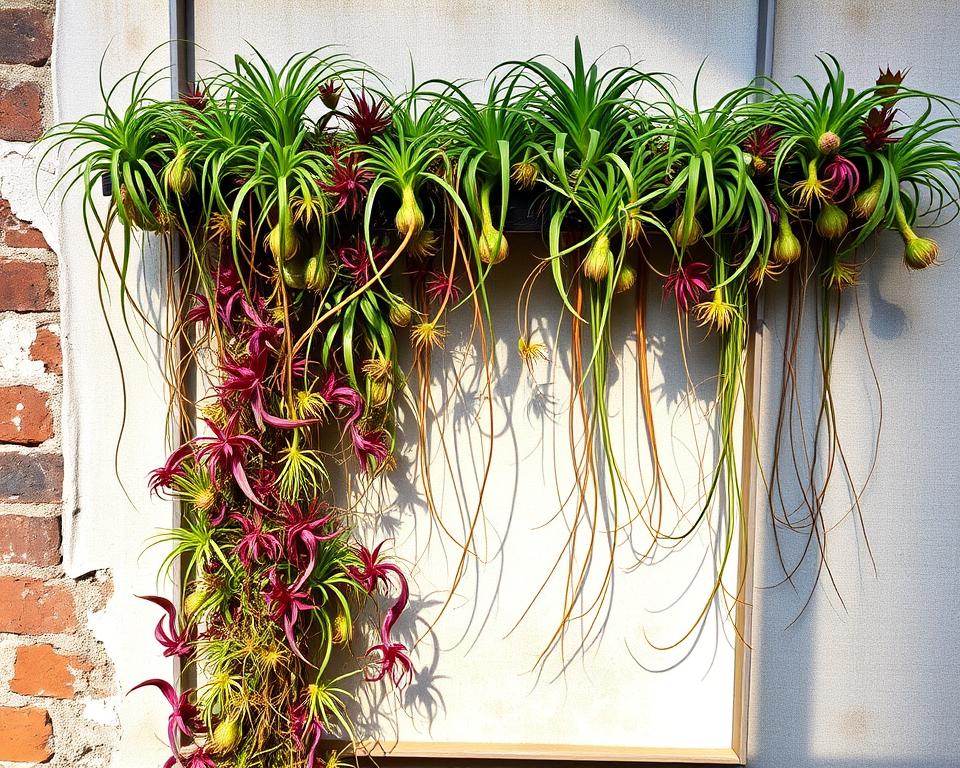
These plants can thrive in various conditions, provided they receive adequate light and are misted or soaked periodically. Different species offer varied forms, from the silvery T. xerographica to the delicate green filaments of T. usneoides (Spanish moss).
Top Edible Plants for Vertical Gardens
Edible vertical gardens provide an opportunity to cultivate a wide range of delicious herbs and vegetables, enhancing the way people live in urban environments.
Vegetables That Thrive Vertically
Growing vegetables vertically is an efficient way to maximise space in small gardens. Various vegetables are well-suited for vertical gardening.
Tomatoes
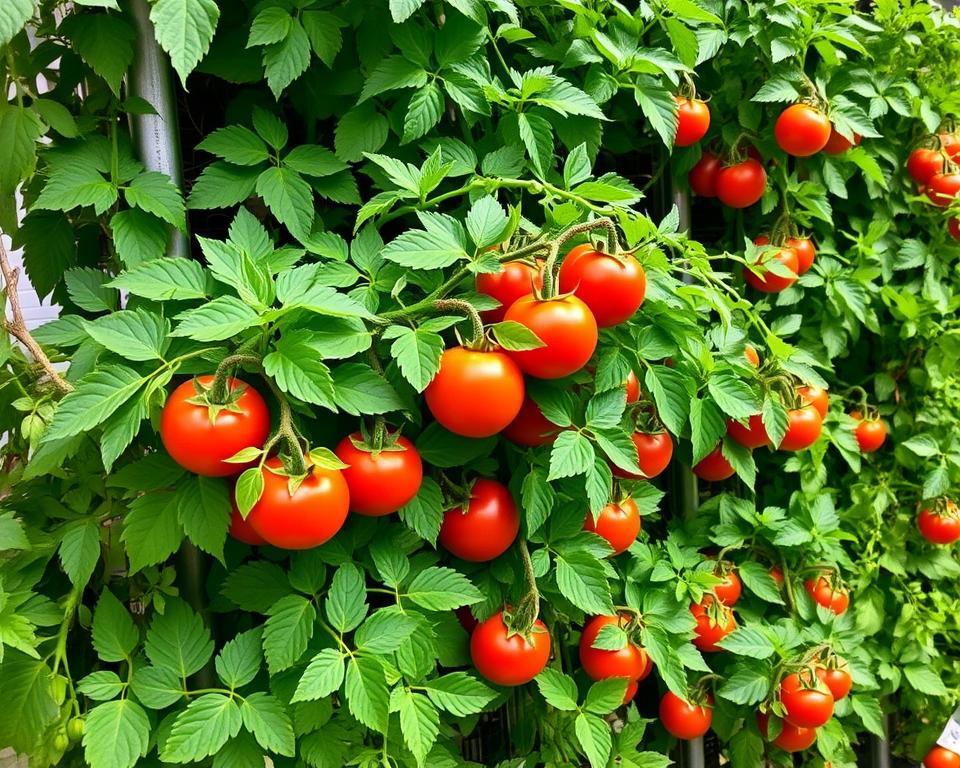
Tomatoes are a popular choice for vertical gardens, with varieties like ‘Tumbling Tom’ and ‘Red Cherry’ being well-suited for hanging baskets or trellises.
Cucumbers
Cucumbers are another excellent choice, thriving when trained up a trellis or other support structure.

Squash and Pumpkins
Squash and pumpkins can also be grown vertically, using a sturdy support to bear their weight.

Cucamelons
Cucamelons are a unique and productive choice for vertical gardens, producing fruit that resembles miniature watermelons.

Climbing Legumes
Climbing legumes are ideal for vertical gardens, providing a bountiful harvest with minimal space.
Beans
Beans, both bush and climbing varieties, are well-suited for vertical gardening, offering a high yield.
Peas
Peas are another excellent legume for vertical gardens, thriving when supported by a trellis or netting.
Herbs for Vertical Gardens
Herbs are a fantastic addition to any vertical garden, providing fresh flavour to a variety of dishes.
Basil and Mint
Basil and mint are popular herbs for vertical gardens, adding fresh flavour to many culinary delights.
Parsley and Other Culinary Herbs
Parsley, along with other culinary herbs like rosemary and thyme, thrives in vertical gardens, offering a convenient way to harvest fresh plants.
Incorporating these edible plants into a vertical garden not only enhances the aesthetic appeal but also contributes to a sustainable living environment.
Conclusion: Creating Your Perfect Vertical Garden
With the right plants and a bit of creativity, anyone can make a stunning vertical garden. Vertical gardening is a fun way to be more creative with your green space, especially if it’s on the small side.
This approach allows you to deepen your botanical knowledge, enjoy experimenting with design and aesthetics, and have more plant varieties without taking up ground space. You can also apply this method indoors, creating an amazing display out of a well-designed living wall.
To succeed, match plants to your specific conditions, consider practical maintenance aspects, and start with a small project. Combine ornamental and edible plants to create multifunctional spaces that deliver both beauty and productivity. Regular maintenance ensures your vertical garden remains vibrant throughout the year.
FAQ
What are the most suitable plants for a vertical garden in a shaded area?
For shaded areas, consider using trailing foliage plants like English ivy or flowering climbers such as clematis. These plants can thrive in low-light conditions and add visual interest to your vertical garden.
How often should I water my vertical garden?
The frequency of watering depends on the type of plants, climate, and exposure. As a general rule, check the soil moisture regularly, and water when the top inch of soil feels dry. Ensure proper drainage to prevent waterlogged soil.
What type of support structures are suitable for climbing plants in a vertical garden?
Climbing plants require sturdy support structures like trellises, arches, or wire grids. Choose a structure that is durable and can bear the weight of the plants. Consider using materials like wood, metal, or recycled plastic.
Can I grow vegetables in a vertical garden?
Yes, many vegetables can be grown in a vertical garden, including leafy greens, cherry tomatoes, and climbing legumes like beans and peas. Choose varieties that are compact or trailing, and ensure they receive sufficient light and water.
How do I maintain good air circulation in my vertical garden?
To maintain good air circulation, ensure that your vertical garden has sufficient space between plants and structures. Regularly prune or trim plants to prevent overcrowding, and consider using fans or other devices to improve air movement.
What are the benefits of using a living wall or green wall system?
Living wall systems provide a structured way to create a vertical garden, with benefits including improved air quality, enhanced aesthetics, and increased biodiversity. They can also help to reduce urban heat island effects and improve insulation.
How do I choose the right soil for my vertical garden?
Choose a well-draining potting mix specifically designed for vertical gardens or containers. Avoid using garden soil from the ground, as it can be too dense and may not drain properly.