How to Design a Zen Garden
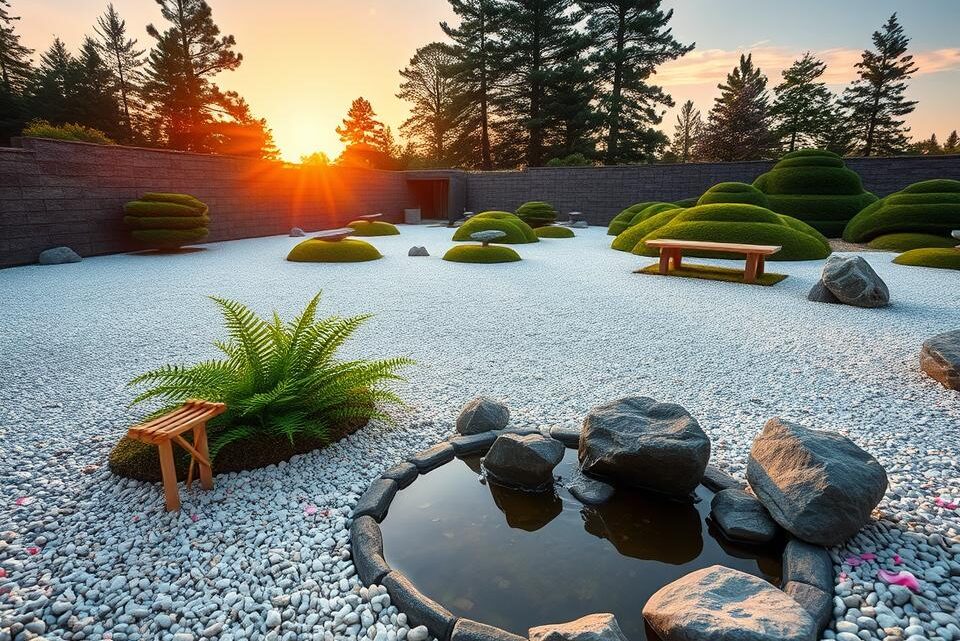
Creating a serene outdoor space is a wonderful way to enhance your home’s ambiance. You can achieve this by incorporating elements of Japanese garden design into your outdoor area.
A Zen garden is a tranquil oasis that promotes relaxation and calmness. By carefully selecting natural elements and thoughtfully arranging them, you can create a peaceful atmosphere in your outdoor space.
As you embark on designing your outdoor space, you will discover the numerous benefits that a well-crafted Zen garden can bring. From promoting mindfulness to enhancing the aesthetic appeal of your home, a Zen garden is a valuable addition to any outdoor area.
Inhaltsverzeichnis
Key Takeaways
- Create a serene atmosphere with natural elements
- Incorporate Japanese garden design principles
- Promote relaxation and calmness in your outdoor space
- Enhance the aesthetic appeal of your home
- Foster mindfulness through thoughtful design
The Philosophy and History of Zen Gardens
Originating in Japanese Buddhist monasteries, Zen gardens embody a unique blend of spirituality, nature, and artistry. These serene landscapes are designed to inspire meditation and contemplation, reflecting the principles of Zen Buddhism.
Origins in Japanese Buddhist Monasteries
Zen gardens were first created in Japanese Buddhist monasteries during the Heian period (794-1185 CE). These gardens were designed to provide a peaceful environment for monks to meditate and practice mindfulness. The design and layout of these early gardens were heavily influenced by Chinese garden designs, but they evolved to incorporate unique Japanese elements.
Symbolism and Meaning in Zen Garden Elements
Every element in a Zen garden holds symbolic meaning. Rocks and stones represent mountains and islands, while sand and gravel symbolize the sea. The careful arrangement of these elements is meant to evoke a sense of harmony and balance, encouraging a meditative state. Plants and moss are chosen for their simplicity and ability to thrive in the garden’s conditions, adding to the serene ambiance.
Evolution of Zen Gardens Through the Centuries
Over time, Zen gardens evolved, influenced by various cultural and historical factors. During the Edo period (1603-1868 CE), Zen gardens became more sophisticated, incorporating new design elements and techniques. Today, Zen gardens continue to be a source of inspiration for garden design, offering a unique blend of natural beauty and spiritual significance.
As you explore the philosophy and history of Zen gardens, you can gain a deeper appreciation for the thought and care that goes into creating these serene landscapes. Whether you’re designing a Zen garden or simply enjoying one, the principles behind these gardens can provide valuable insights into the art of creating peaceful and contemplative spaces.
Understanding the Core Elements of a Zen Garden
When designing a Zen garden, it’s essential to understand the core elements that make up this serene space. A Zen garden, also known as a Japanese rock garden, is a tranquil oasis that embodies the principles of Japanese garden design and mindful gardening.
The core elements of a Zen garden work together to create a harmonious and contemplative atmosphere. These elements are carefully selected and arranged to promote a sense of calm and connection with nature.
Rocks and Stones (Ishi)
Rocks and stones are fundamental components of a Zen garden, often representing mountains or islands. They are typically arranged in odd-numbered groupings to create a sense of balance and harmony.
Sand and Gravel (Suna)
Sand and gravel are used to create a serene and meditative surface, often raked into intricate patterns to represent the flow of water.
Plants and Moss (Shokubutsu)
Plants and moss are incorporated into Zen gardens to add colour and texture, while also symbolizing the passage of time and the changing seasons.
Water Features (Mizu)
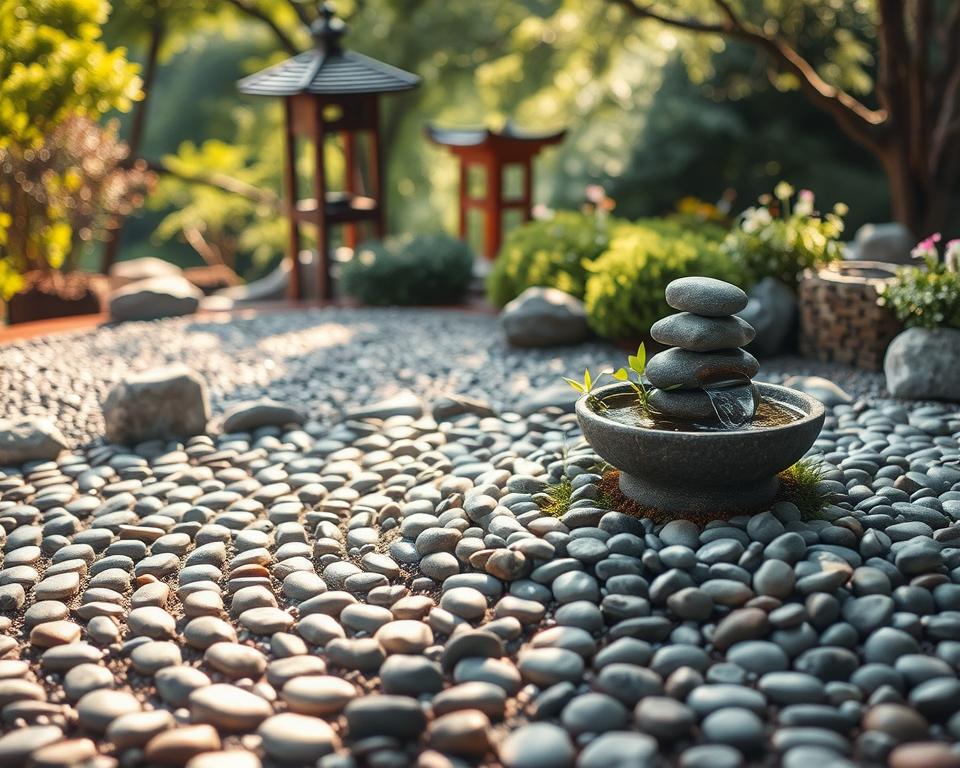
Water features, such as small ponds or streams, are sometimes included in Zen gardens to create a soothing and calming atmosphere.
| Element | Purpose | Symbolism |
|---|---|---|
| Rocks and Stones | Represent mountains or islands | Stability and permanence |
| Sand and Gravel | Create a meditative surface | Flow of water, impermanence |
| Plants and Moss | Add colour and texture | Passage of time, changing seasons |
| Water Features | Create a soothing atmosphere | Calmness, reflection |
By understanding and incorporating these core elements, you can create a Zen garden that embodies the principles of Japanese garden design and promotes a sense of calm and mindfulness.
Assessing Your Space and Setting Goals
Creating a serene Zen garden begins with evaluating your outdoor space and setting clear goals. This initial assessment will guide your design decisions and ensure your garden is both beautiful and functional.
Evaluating Available Area
Start by measuring your outdoor space and noting any existing features that you wish to retain, such as mature trees or large rocks. Consider the shape and size of your area, as these factors will influence your garden’s layout. Make a sketch or use a digital tool to create a basic plan of your space, including any boundaries and notable features.

Determining Your Garden’s Purpose
Decide how you intend to use your Zen garden. Will it be a quiet retreat for meditation, a peaceful area for relaxation, or a beautiful space to entertain guests? Your garden’s purpose will influence its design, including the elements you choose to include. For example, if you plan to meditate in your garden, you may want to incorporate a quiet, secluded area.
Setting a Realistic Budget
Establishing a budget is crucial for any garden design project. Consider the costs of materials, such as rocks, gravel, plants, and any water features you wish to include. Additionally, think about any professional help you might need, such as landscaping services. Set a realistic budget that balances your desires with financial practicality.
Considering Time Commitment
Zen gardens are known for their simplicity and low maintenance requirements. However, they still need regular upkeep to remain beautiful and serene. Consider how much time you are willing and able to dedicate to garden maintenance. This will help you decide on the size and complexity of your garden.
Creating a Detailed Plan to Design a Zen Garden
With your space and goals in mind, the next step is to create a detailed plan for your Zen garden. This involves several key steps to ensure your garden is both beautiful and functional.
Sketching Your Layout
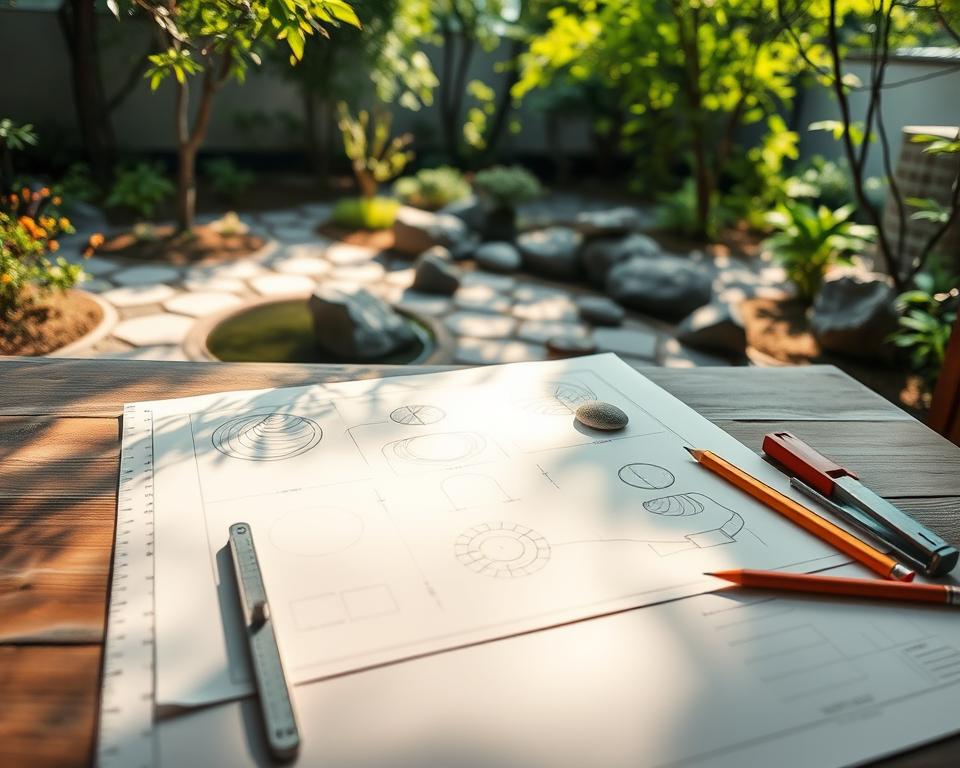
Begin by sketching a rough layout of your Zen garden. This doesn’t have to be a work of art; a simple sketch will help you visualize the space and plan the placement of elements. Consider the flow of the garden and how you will move through it.
Scaling and Proportions
Ensure that the elements in your garden are proportional to the space and to each other. Large rocks or plants can overwhelm a small garden, while tiny features can get lost in a large space. Balance is key to creating a harmonious Zen garden.
Balancing Elements
A Zen garden should have a sense of balance and harmony. This can be achieved by balancing hard elements like rocks with softer elements like moss or sand. Consider the texture, color, and shape of each element to create a visually appealing garden.
Using Digital Tools for Planning
For a more precise plan, consider using digital tools. Garden design software can help you create a detailed and scalable plan. You can experiment with different layouts and elements before making any physical changes to your garden.
| Tool | Description | Usefulness |
|---|---|---|
| Garden Design Software | Allows for detailed planning and visualization | High |
| Graph Paper | Simple, low-cost method for sketching layouts | Medium |
| Online Garden Planners | Web-based tools for planning and designing gardens | High |
By following these steps and using the right tools, you can create a detailed plan for your Zen garden that reflects your vision and meets your needs.
Selecting the Ideal Location
To create a harmonious Zen garden, it’s essential to carefully consider its location. The right location fosters a serene atmosphere, making your Zen garden a perfect retreat.
Considering Sun Exposure and Shade
The amount of sunlight your Zen garden receives can significantly impact its overall aesthetic and plant selection. Most Zen gardens require a balance between sun exposure and shade.
Evaluating Drainage Requirements
Proper drainage is crucial to prevent waterlogging, which can damage plants and disrupt the garden’s tranquility. Consider the slope and soil type when evaluating drainage needs.
Privacy Considerations
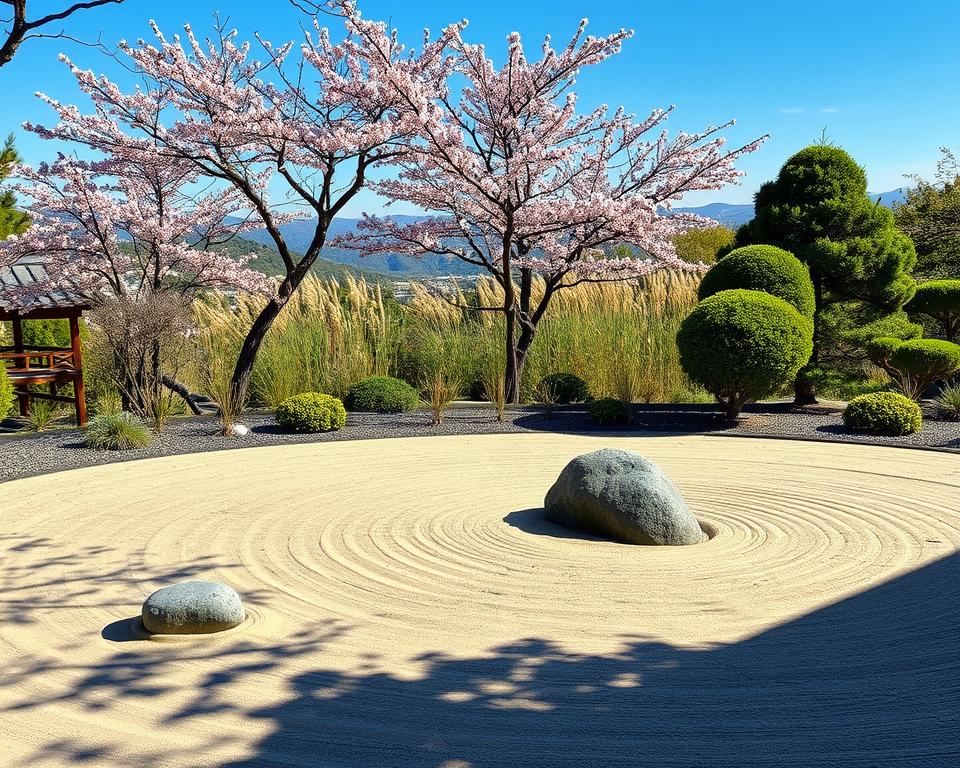
A Zen garden should be a secluded, peaceful space. Assess your yard’s privacy and consider using natural barriers or fencing to create a serene environment.
Integrating with Existing Landscape
Your Zen garden should complement the existing landscape. Consider the style and elements of your current garden when designing your Zen garden.
| Location Factor | Considerations |
|---|---|
| Sun Exposure | Balance between sunlight and shade |
| Drainage | Slope, soil type, waterlogging prevention |
| Privacy | Natural barriers, fencing |
| Landscape Integration | Style, existing garden elements |
Essential Tools and Materials
The journey to creating a peaceful Zen garden begins with selecting the right tools and materials. To help you get started, we’ll outline the essentials you’ll need for your project.
Garden Design Tools
Effective garden design tools are crucial for planning your Zen garden. You’ll need a measuring tape to accurately measure your space, graph paper to sketch your design, and a pencil to make notes and adjustments. Consider using digital tools like garden design software to create a more detailed and flexible plan.
Construction Materials
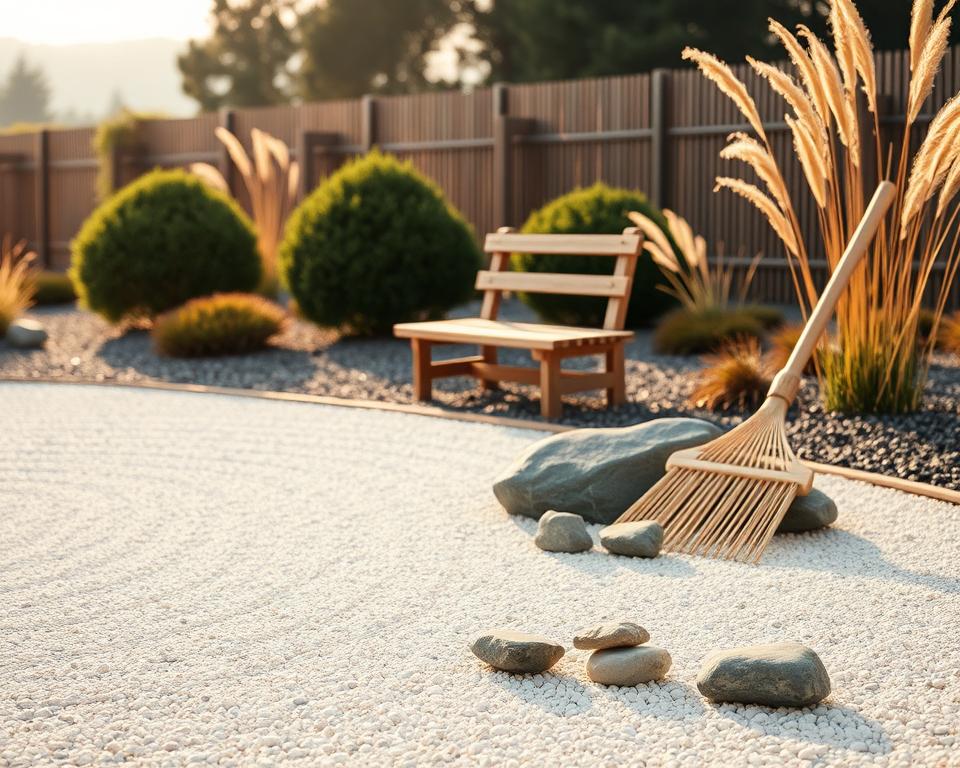
When it comes to construction materials, you’ll need items like gravel or sand for the ground covering, rocks or stones for decorative elements, and possibly wood or bamboo for fencing or pathways. The choice of materials will depend on your design and the natural surroundings of your garden.
Sourcing Authentic Elements
To create an authentic Zen garden, consider sourcing traditional elements such as Japanese lanterns, stone basins, or specific types of moss and plants. Visiting local nurseries or online stores that specialize in Japanese garden elements can be helpful.
Budget-Friendly Alternatives
If authentic elements are beyond your budget, there are budget-friendly alternatives. For example, you can use local stones instead of importing Japanese stones, or opt for plants that mimic the look of traditional Zen garden plants but are more readily available and affordable.
By carefully selecting your tools and materials, you can create a Zen garden that is both serene and beautiful, without breaking the bank.
Preparing the Ground
Before you start constructing your Zen garden, it’s essential to prepare the ground properly. This foundational step ensures that your garden is not only beautiful but also sustainable and easy to maintain. A well-prepared ground sets the tone for a serene and inviting Zen garden.
Clearing and Levelling the Area
The first step in preparing the ground is to clear the area of any debris, weeds, or obstructions. This creates a clean slate for your Zen garden. Use a rake or a hoe to remove unwanted vegetation and level the ground to create a smooth surface.
Levelling is crucial as it ensures that water does not accumulate in certain areas, which could lead to erosion or waterlogging. Use a spirit level and a rake to achieve a perfectly level surface.
Installing Proper Drainage
Proper drainage is vital to prevent water from accumulating in your Zen garden. Install a drainage system that suits your garden’s needs. This could be as simple as creating a slight gradient or as complex as installing a French drain.
Creating Borders and Boundaries
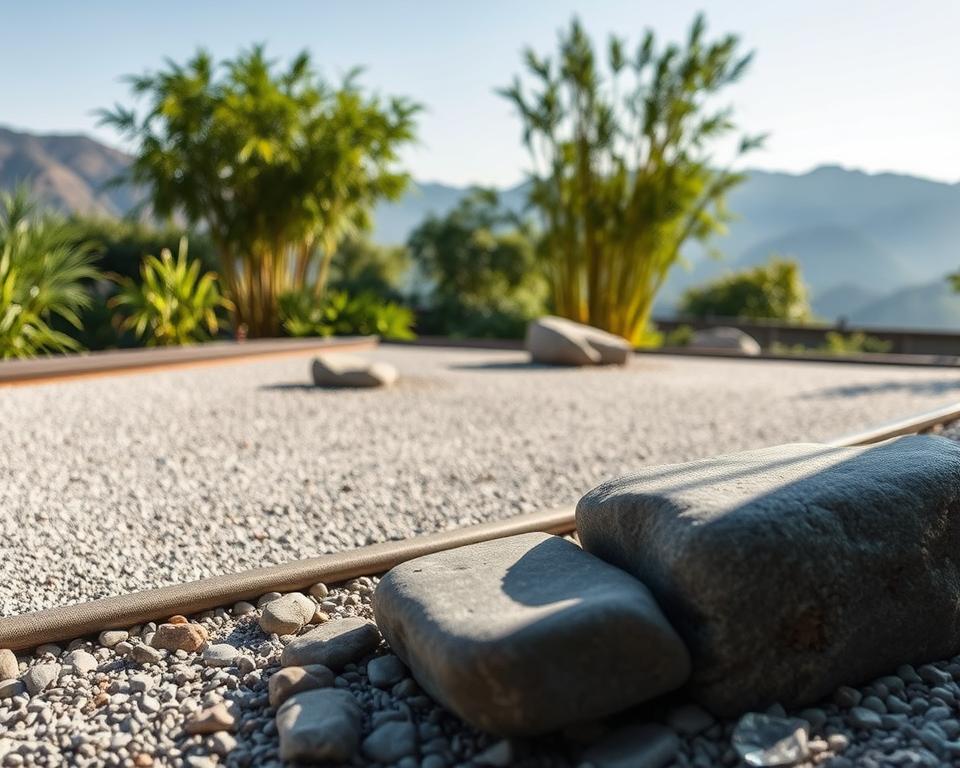
Defining the borders and boundaries of your Zen garden helps to create a sense of containment and harmony. Use natural materials like wood, stone, or bamboo to create a border that complements your garden’s design.
The border should be sturdy enough to withstand the elements and any maintenance activities. Consider using plants or moss to soften the edges and integrate the border with the rest of the garden.
Soil Preparation Techniques
Preparing the soil is a critical step in creating a thriving Zen garden. Test your soil to determine its composition and pH level. Based on the results, add necessary amendments to achieve a balanced soil structure.
Mixing in organic matter like compost can improve soil fertility and drainage. For Zen gardens featuring gravel or sand, ensure that the underlying soil is stable and compacted to prevent settling or shifting.
Selecting and Arranging Rocks
In Zen garden design, rocks are not just decorative; they hold deep symbolic meaning. The careful selection and arrangement of rocks are crucial to creating a serene and balanced Zen garden. You will need to consider the types of rocks, principles of rock placement, and how to create meaningful rock groupings.
Types of Rocks for Zen Gardens
The choice of rocks for your Zen garden is significant. Traditionally, rocks are selected based on their texture, colour, and shape. You can choose from a variety of rocks, including granite, basalt, and tuff. Each type of rock has its unique characteristics that can add to the overall aesthetic of your garden.
- Granite rocks are durable and come in various colours.
- Basalt rocks have a distinctive dark colour, adding contrast to your garden.
- Tuff rocks are often used for their unique, porous texture.
Principles of Rock Placement
The placement of rocks in a Zen garden follows specific principles to achieve harmony and balance. You should consider the size, shape, and orientation of the rocks. Larger rocks typically represent mountains or significant landmarks, while smaller rocks may symbolize islands or other features.
Creating Rock Groupings
Rock groupings are an essential aspect of Zen garden design. You can create visually appealing arrangements by grouping rocks in specific formations.
The Triad Formation
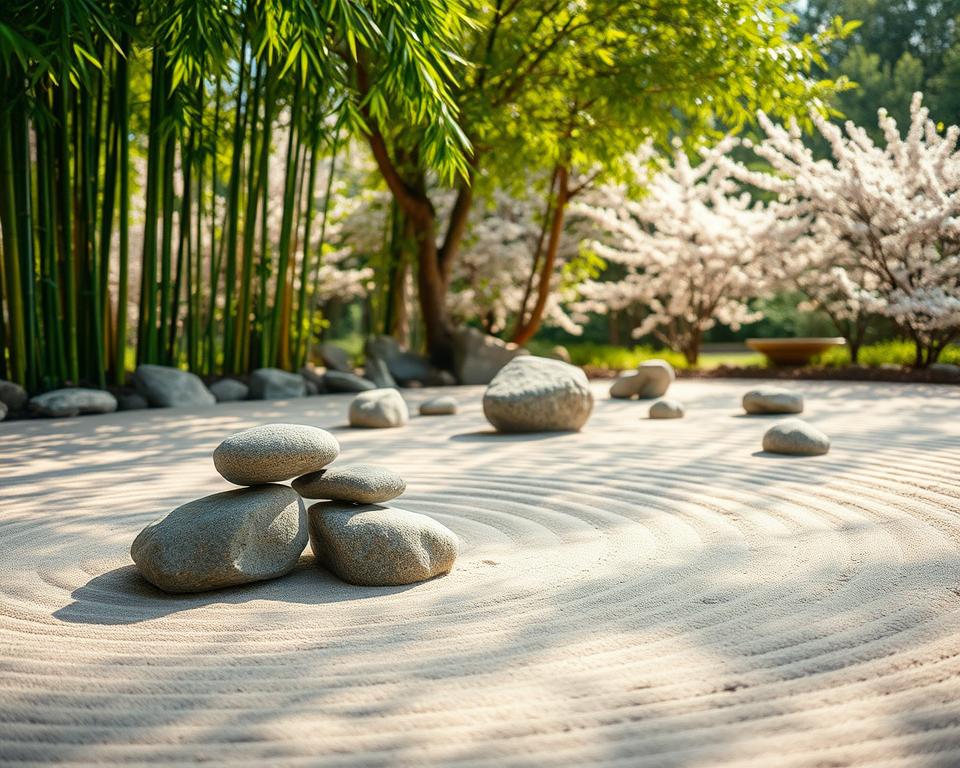
The triad formation involves arranging three rocks together, typically with one larger rock flanked by two smaller ones. This arrangement symbolizes harmony and balance.
Mountain-like Arrangements
Mountain-like arrangements involve stacking rocks to create a sense of height and grandeur. This can be a focal point in your Zen garden, representing strength and stability.
Symbolism in Rock Selection
The selection of rocks for your Zen garden is not just about aesthetics; it’s also about symbolism. Different rocks can represent various elements of nature, such as mountains, water, or islands. You should choose rocks that resonate with the intended symbolism of your garden.
By carefully selecting and arranging rocks, you can create a Zen garden that is not only beautiful but also rich in meaning and symbolism.
Working with Sand and Gravel
Sand and gravel are fundamental elements in designing a Zen garden, contributing to its tranquility and aesthetic appeal. The careful selection and arrangement of these materials are crucial in creating a harmonious and peaceful environment.
Choosing the Right Type and Grain Size
When selecting sand and gravel for your Zen garden, the type and grain size are important considerations. Fine-grained sand is often used for creating intricate patterns, while coarser gravel can be used to create contrasting textures and designs. The choice between sand and gravel depends on the desired visual effect and the overall design of your garden.
Creating Traditional Patterns
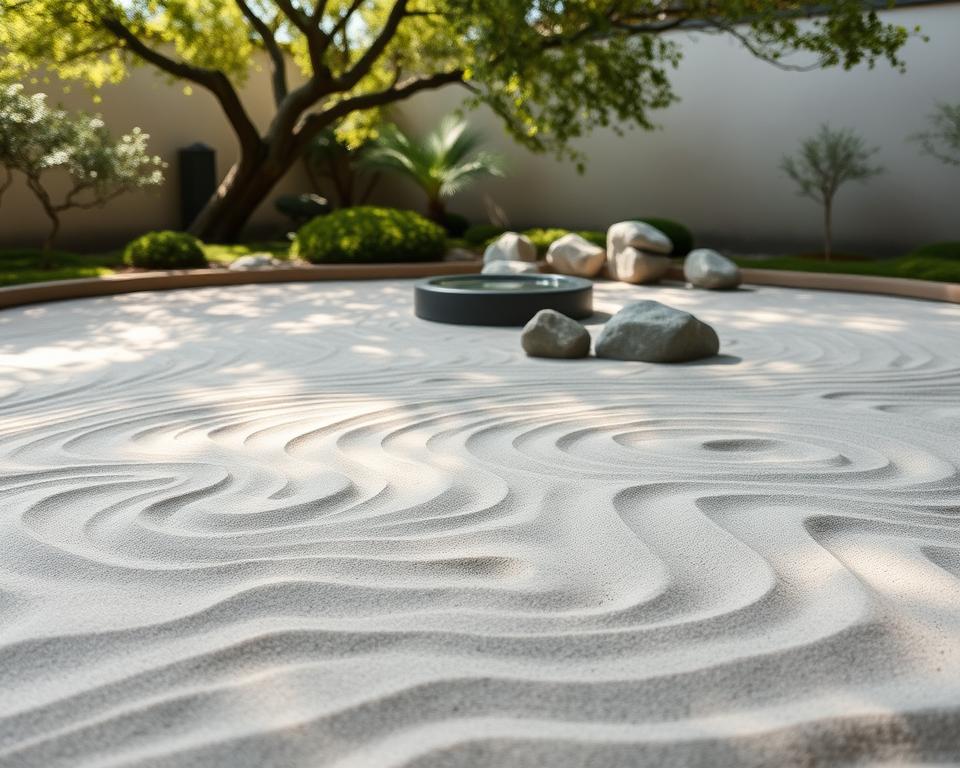
Traditional Zen gardens feature various patterns created by raking sand and arranging gravel. These patterns are not just aesthetically pleasing but also symbolize various aspects of nature, such as waves or ripples in water. The art of creating these patterns requires patience and a deep understanding of Zen principles.
Tools for Sand Raking
The tools used for sand raking are typically simple yet specially designed for this purpose. A wooden or bamboo rake is commonly used to create patterns in the sand. The choice of rake depends on personal preference and the specific design you wish to achieve.
Maintaining Sand Patterns
Maintaining the sand patterns in your Zen garden is an ongoing process. Regular raking is necessary to preserve the designs and keep the sand looking fresh. This maintenance is not just about aesthetics; it’s also a meditative practice that connects you with the garden.
By understanding the role of sand and gravel in Zen garden design and how to work with these materials, you can create a serene and beautiful garden that embodies the principles of Zen.
Incorporating Plants and Moss
A well-designed Zen garden incorporates plants and moss in a way that enhances the space’s tranquility and visual appeal. The strategic use of greenery can create a sense of harmony and balance, essential for a Zen garden.
Selecting Appropriate Plant Species
When choosing plants for your Zen garden, it’s crucial to select species that are compatible with the local climate and require minimal maintenance. Native plants or those adapted to the local environment are ideal as they are more resilient and need less care.
Some popular choices for Zen gardens include Azalea, Moss, and Bamboo. These plants are not only aesthetically pleasing but also symbolize various aspects of Zen philosophy.
| Plant Species | Characteristics | Symbolism |
|---|---|---|
| Azalea | Flowering shrub, vibrant colors | Represents the fleeting nature of life |
| Moss | Low-growing, dense, and lush | Symbolizes serenity and tranquility |
| Bamboo | Evergreen, resilient, and flexible | Represents strength and adaptability |
Moss Cultivation Techniques
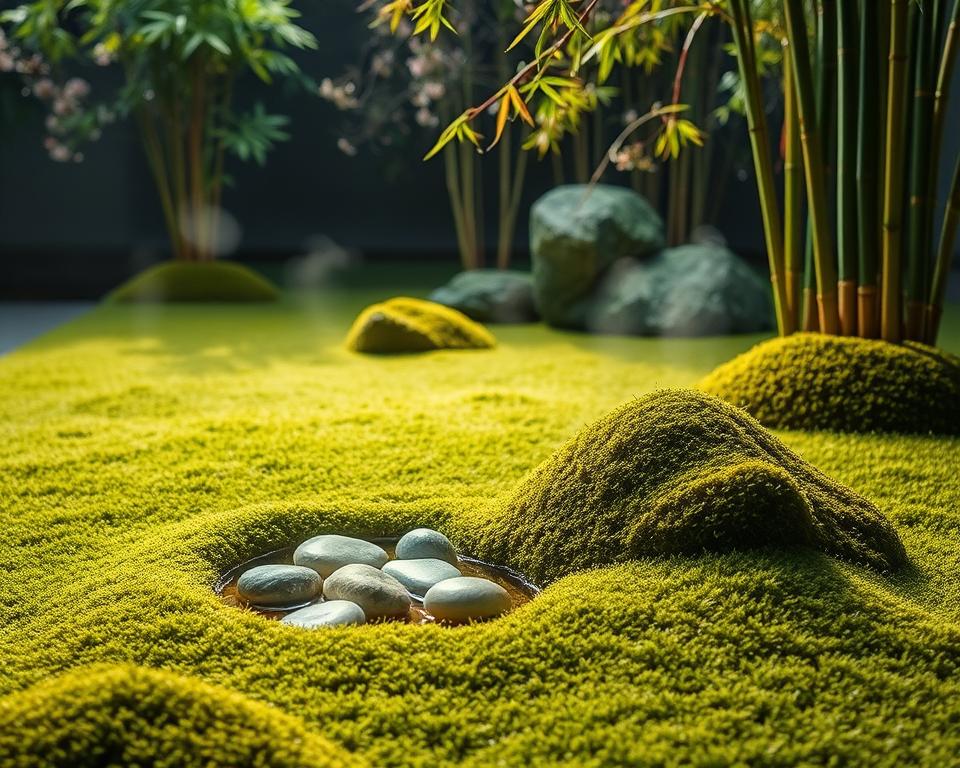
Cultivating moss requires a shaded area with consistent moisture. To encourage moss growth, ensure the soil is acidic and free of weeds. You can also create a moss-friendly environment by sprinkling moss spores on damp soil and maintaining humidity.
Achieving Visual Balance with Greenery
Visual balance in a Zen garden is achieved by carefully arranging plants and moss to create harmony. Consider the color, texture, and size of the plants when placing them. A balanced composition can be attained by distributing elements in a way that guides the viewer’s eye through the garden.
Seasonal Plant Considerations
It’s essential to consider the seasonal changes in your Zen garden. Select plants that offer year-round interest or change with the seasons to keep the garden dynamic. For example, plants with autumn foliage or spring blooms can add variety throughout the year.
By incorporating plants and moss thoughtfully, you can create a Zen garden that is not only beautiful but also a reflection of the principles of Zen philosophy.
Adding Water Features
The addition of water features to your Zen garden can elevate the space, promoting a sense of calm and connection to nature. Water features are not only aesthetically pleasing but also contribute to the serene ambiance that Zen gardens are known for.
Traditional Tsukubai (Water Basins)
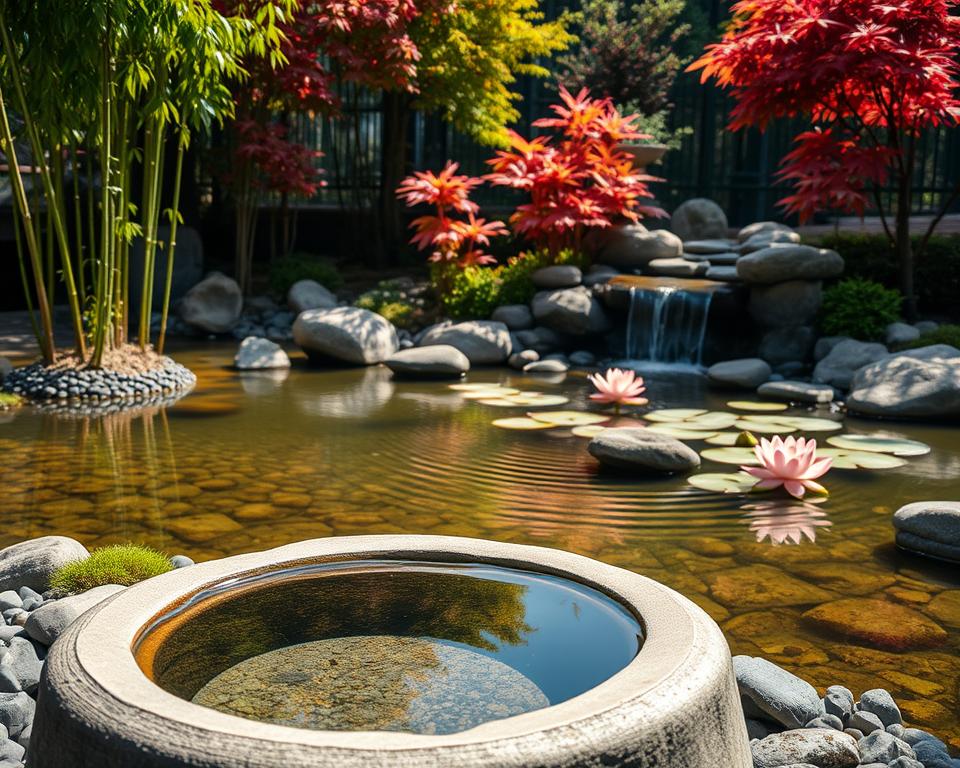
Tsukubai, or water basins, are a traditional element in Zen gardens, used for purification rituals. They are typically made of stone and designed to hold water, allowing visitors to cleanse their hands before entering the tea house or meditation area.
Small Ponds and Streams
Small ponds and streams can add a dynamic element to your Zen garden, creating soothing sounds that enhance the peaceful atmosphere. The movement of water can also attract wildlife, further enriching the garden’s natural beauty.
Dry Water Features (Kare-sansui)
For those who prefer a low-maintenance option or have limited space, dry water features, known as Kare-sansui, can be an ideal alternative. These designs mimic the appearance of water using gravel or sand, raked into patterns that evoke the movement of waves.
Water Feature Maintenance
To ensure that your water features remain a serene and inviting part of your Zen garden, regular maintenance is crucial. This includes cleaning the water, checking for debris, and ensuring that the water level is appropriate.
| Water Feature Type | Maintenance Requirement | Benefits |
|---|---|---|
| Tsukubai | Regular cleaning, water level check | Enhances spiritual ambiance |
| Small Ponds and Streams | Water quality monitoring, debris removal | Creates soothing sounds, attracts wildlife |
| Dry Water Features (Kare-sansui) | Raking patterns, weed control | Low maintenance, visually appealing |
As Daisaku Ikeda once said, “The garden is a love song, a duet between a human being and Mother Nature.” Incorporating water features into your Zen garden is a meaningful way to deepen this connection, creating a space that is both beautiful and spiritually nourishing.
“The sound of water is a key element in the Zen garden, symbolizing the flow of life and promoting a sense of calm.”
Incorporating Pathways and Decorative Elements
As you continue to design your Zen garden, incorporating pathways and decorative elements can significantly enhance the overall aesthetic and spiritual experience. These features not only guide visitors through the garden but also contribute to the contemplative atmosphere.

Materials for Zen Garden Paths
The choice of material for your Zen garden pathways is crucial. You can opt for natural stone, gravel, or wood. Natural stone, such as granite or slate, offers durability and a timeless look. Gravel pathways are easy to maintain and can be raked to create soothing patterns. Wooden paths, on the other hand, can add warmth to your garden.
Stepping Stone Placement
Stepping stones are not just functional; they also play a significant role in the aesthetic of your Zen garden. Place them thoughtfully to guide visitors through the space, creating a meandering path that encourages mindfulness. Ensure the stones are level and securely positioned to prevent slipping.
Small Bridge Designs
A small bridge can add visual interest and create a sense of journey within your Zen garden. When designing or selecting a bridge, consider the material and style. Traditional Japanese bridges are often made from wood and feature a simple, elegant design. The bridge should complement the surrounding landscape and not dominate it.
Lanterns, Statues, and Other Accessories
Lanterns, statues, and other decorative elements can enhance the spiritual ambiance of your Zen garden. Choose items that reflect the simplicity and serenity of Zen philosophy. Lanterns can be placed along pathways or near water features, while statues should be used sparingly to maintain the garden’s tranquility.
By thoughtfully incorporating pathways and decorative elements, you can create a Zen garden that is not only beautiful but also a haven for contemplation and peace.
Avoiding Common Mistakes in Zen Garden Design
Designing a serene Zen garden requires careful consideration to avoid common mistakes. A well-designed Zen garden is a haven of peace and tranquility, but certain pitfalls can detract from its serenity.
Overcrowding Elements
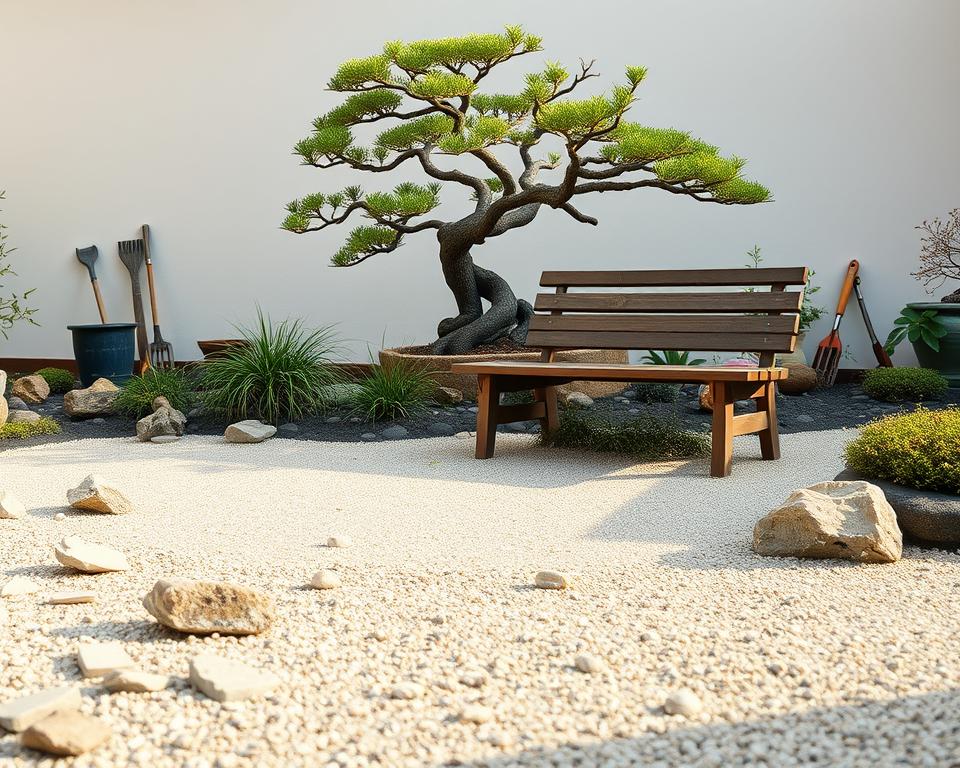
One of the most common mistakes is overcrowding the garden with too many elements. A Zen garden should be simple and uncluttered. To avoid this, limit the number of features and focus on a few statement pieces.
- Select a few key elements, such as a large stone or a small water feature.
- Leave ample space between elements to create a sense of calm.
- Avoid cluttering the garden with too many plants or ornaments.
Inappropriate Plant Selection
Choosing the wrong plants can disrupt the harmony of your Zen garden. Opt for plants native to Japan or those with a similar aesthetic, such as mosses, ferns, and Japanese maples.
Neglecting Maintenance Requirements
A Zen garden requires regular maintenance to remain serene. Regularly rake the gravel or sand, and ensure that plants are pruned and healthy.
“The garden is a love song, a duet between a human being and Mother Nature.” – Allen Lacy
Cultural Misappropriation Concerns
It’s essential to be mindful of cultural sensitivities when designing a Zen garden. Research the cultural significance of elements you include, and avoid using them in a way that is disrespectful or insensitive.
By being aware of these potential pitfalls, you can create a Zen garden that is both beautiful and respectful of its cultural heritage.
Conclusion
As you now understand, designing a Zen garden involves careful consideration of various elements, from the selection of rocks and sand to the incorporation of plants and water features. A well-crafted Zen garden is not just a visually appealing space, but also a haven for mindful gardening and meditation.
By following the guidelines outlined in this article, you can create a Zen garden that embodies the principles of harmony and balance. Remember to assess your space, set realistic goals, and choose elements that resonate with your personal style. Your Zen garden design summary should reflect a deep understanding of the cultural and historical context of these serene spaces.
As you embark on your garden creation journey, keep in mind the importance of attention to detail and cultural sensitivity. With patience and dedication, your Zen garden will become a tranquil oasis, inviting you to practice mindful gardening and cultivate a deeper connection with nature.
FAQ
What is the significance of rocks in a Zen garden?
Rocks are a crucial element in Zen gardens, representing mountains, islands, or other natural features. They are often used to create a sense of balance and harmony, and their placement is guided by principles that consider the overall aesthetic and spiritual experience of the garden.
How do I choose the right type of sand or gravel for my Zen garden?
The type of sand or gravel used in a Zen garden depends on the desired texture and colour. You should consider the grain size, colour, and texture when selecting sand or gravel, as these factors can affect the overall appearance of the garden.
What plants are suitable for a Zen garden?
Plants used in Zen gardens are typically simple, low-maintenance, and evergreen. Moss, Japanese maple, and azalea are popular choices, as they add colour and texture to the garden without overpowering the other elements.
How do I maintain the sand patterns in my Zen garden?
To maintain the sand patterns, you will need to rake the sand regularly using a specialised rake. This helps to create a sense of calm and serenity, and can be a meditative practice in itself.
Can I incorporate a water feature into my Zen garden?
Yes, water features can be a beautiful addition to a Zen garden, creating a soothing and peaceful atmosphere. You can choose from traditional Tsukubai (water basins), small ponds, or dry water features, depending on your space and preferences.
How do I avoid cultural misappropriation when designing a Zen garden?
To avoid cultural misappropriation, it’s essential to understand the cultural and historical context of Zen gardens. You should be mindful of the symbolism and meaning associated with various elements, and avoid using them in a way that is insensitive or disrespectful.
What are some common mistakes to avoid when designing a Zen garden?
Common mistakes to avoid include overcrowding elements, selecting inappropriate plants, neglecting maintenance requirements, and ignoring cultural sensitivities. By being aware of these potential pitfalls, you can create a Zen garden that is serene, beautiful, and respectful of its cultural heritage.
How do I select the ideal location for my Zen garden?
When selecting a location for your Zen garden, consider factors such as sun exposure, drainage, privacy, and integration with the existing landscape. You should also think about the purpose of your Zen garden and how you intend to use it.