Create a Natural Garden: Your Guide to Sustainable Landscaping
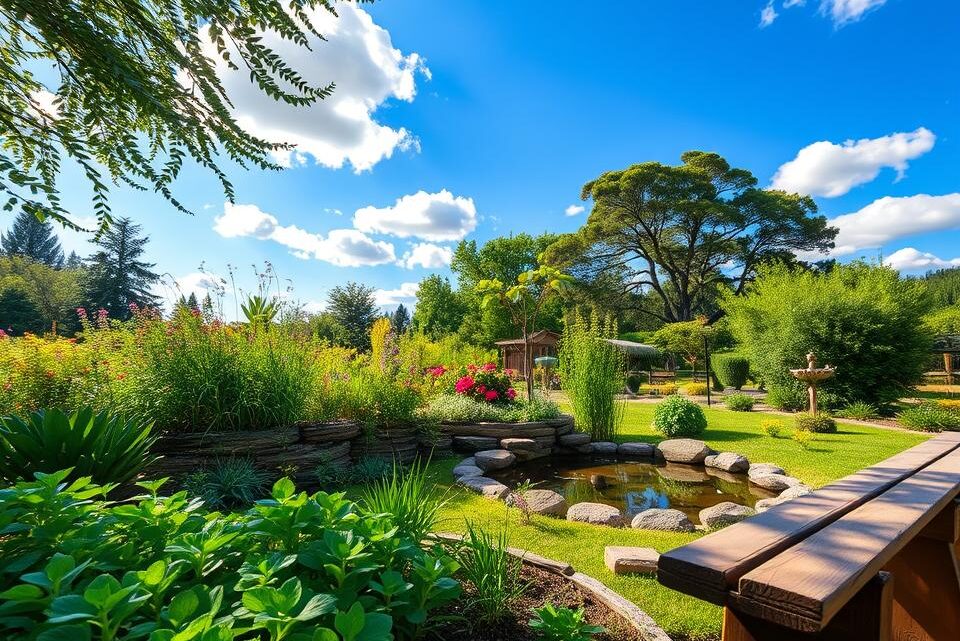
Transforming your outdoor space into an eco-friendly haven not only enhances its beauty but also contributes to a healthier environment. By adopting sustainable landscaping practices, you can create a haven that supports local wildlife and conserves resources.
You are taking the first step towards eco-friendly gardening by seeking guidance on how to cultivate a natural garden. This guide will walk you through the principles of sustainable landscaping, helping you to design a garden that is both aesthetically pleasing and environmentally friendly.
Inhaltsverzeichnis
Key Takeaways
- Understand the principles of sustainable landscaping
- Learn how to design an eco-friendly garden
- Discover methods to support local biodiversity
- Find out how to conserve resources in your garden
- Explore the benefits of eco-friendly gardening practices
Understanding Natural Gardens
As you embark on creating a natural garden, it’s essential to understand the principles that define this sustainable approach to landscaping. A natural garden is designed to work in harmony with the environment, minimizing its ecological footprint while maximizing its benefits to local wildlife.
What Makes a Garden “Natural”?
A natural garden is characterized by its use of native plants, minimal intervention, and a focus on creating a balanced ecosystem. By choosing plants that are indigenous to your area, you support local biodiversity and reduce the need for external inputs like fertilizers and pesticides.
Benefits of Sustainable Landscaping
Sustainable landscaping offers numerous benefits, including improved biodiversity, enhanced ecosystem services, and a reduced environmental impact. By adopting eco-friendly gardening practices, you not only create a beautiful outdoor space but also contribute to the health of the planet.
Some of the key advantages of sustainable landscaping include reduced water consumption, lower maintenance costs, and increased property value. By embracing natural gardening principles, you can create a thriving ecosystem that benefits both you and the environment.
The Principles of Natural Garden Design
To create a thriving natural garden, it’s essential to understand the core principles that drive its design. A natural garden is not just about aesthetics; it’s about creating a balanced ecosystem that supports local wildlife and minimizes environmental impact.
Working with Nature, Not Against It
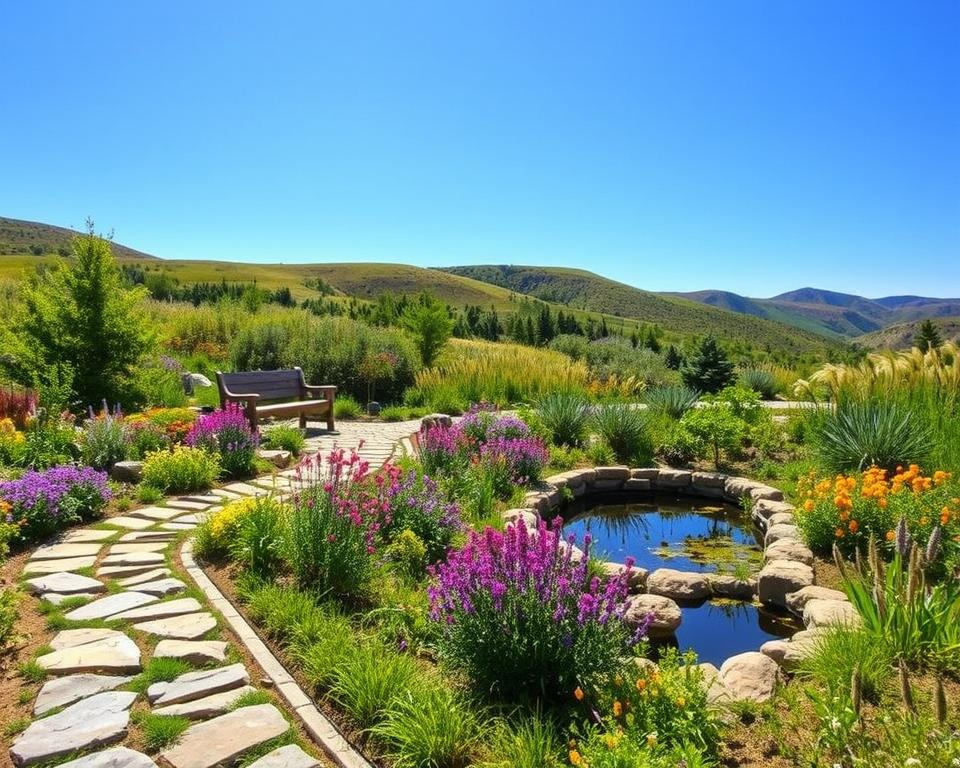
One of the fundamental principles of natural garden design is to work with nature, rather than against it. This means understanding and respecting the existing conditions of your garden, including soil type, sunlight patterns, and existing wildlife. By doing so, you can create a garden that thrives with minimal intervention.
Mimicking Natural Ecosystems
Another key principle is to mimic natural ecosystems. This involves creating a diverse and layered garden that includes a variety of plants, from groundcovers to trees. By replicating the structure of natural ecosystems, you can foster a balanced environment that supports a wide range of wildlife.
Creating Biodiversity Hotspots
Creating biodiversity hotspots is also crucial in natural garden design. These are areas that are specifically designed to attract and support a wide variety of wildlife, such as pollinators, birds, and insects. By incorporating features like native plants, water sources, and sheltered habitats, you can create hotspots that enhance the overall biodiversity of your garden.
By applying these principles, you can create a natural garden that is not only beautiful but also sustainable and beneficial to the environment. Your garden will become a haven for local wildlife and a peaceful retreat for you and your family.
Assessing Your Garden Space
Assessing your garden space is a crucial step in creating a natural garden that thrives in harmony with its surroundings. This initial assessment will help you understand the unique characteristics of your garden, allowing you to make informed decisions about its design and management.
Evaluating Soil Conditions
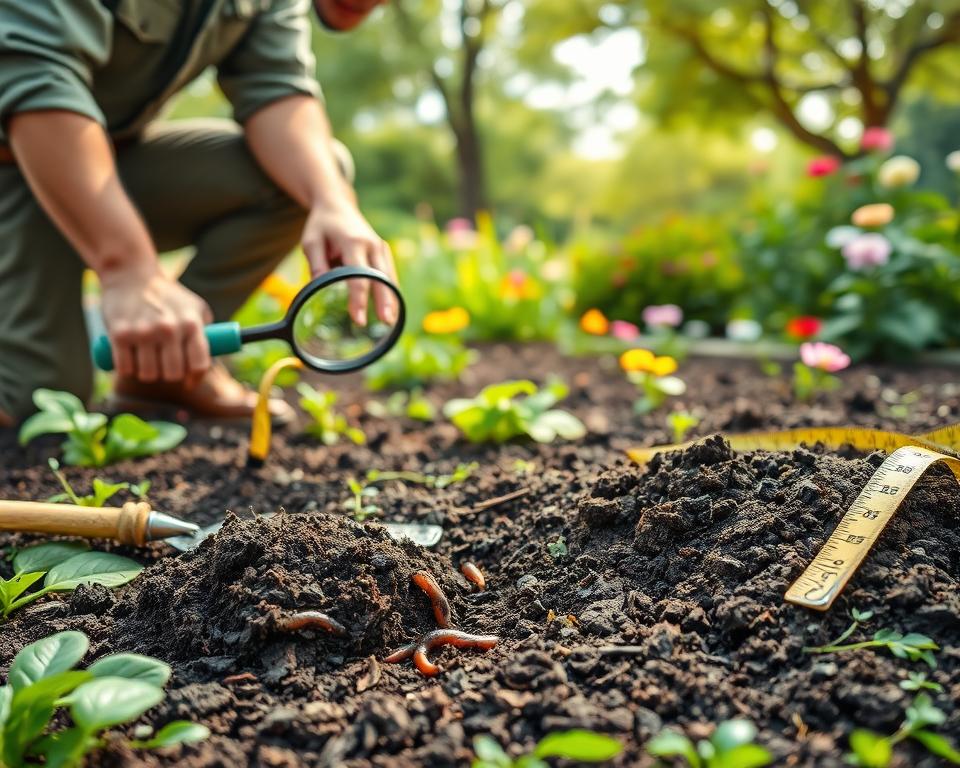
Your soil is the foundation of your garden, and understanding its condition is vital. Test your soil to determine its type, pH level, and nutrient content. This information will help you choose the right plants and amendments, ensuring a healthy and balanced ecosystem. You can use a DIY soil testing kit or send a sample to a laboratory for a more detailed analysis.
Understanding Sun Patterns and Microclimates
Observing the sun patterns in your garden is essential, as they affect the temperature, moisture levels, and overall microclimate. Identify areas that receive full sun, partial shade, or full shade, and note any variations throughout the day. Understanding these patterns will help you select plants that are suited to the specific conditions in your garden.
Identifying Existing Wildlife and Plants
Take stock of the plants and wildlife already present in your garden. Note the types of birds, insects, and other creatures you see, as well as any existing plants, trees, or shrubs. This information will help you create a garden that supports local biodiversity and works with the existing ecosystem.
Planning Your Natural Garden Layout
To create a thriving natural garden, you need to carefully plan the layout, taking into account various ecological and functional elements. A well-designed layout not only enhances the aesthetic appeal of your garden but also supports local biodiversity.
Creating Functional Zones
Dividing your garden into functional zones can help you achieve a balance between different activities and ecological needs. For example, you might designate areas for recreation, wildlife habitats, and vegetable gardens. Effective zoning ensures that each part of your garden serves its intended purpose without compromising the overall ecosystem.
Designing Wildlife Corridors
Wildlife corridors are essential for connecting different habitats within your garden, allowing animals to move freely and find food, shelter, and mates. To create effective corridors, consider planting native vegetation that attracts local wildlife and provides cover. Native plants are particularly beneficial as they have evolved alongside local wildlife.
Balancing Aesthetics and Ecology
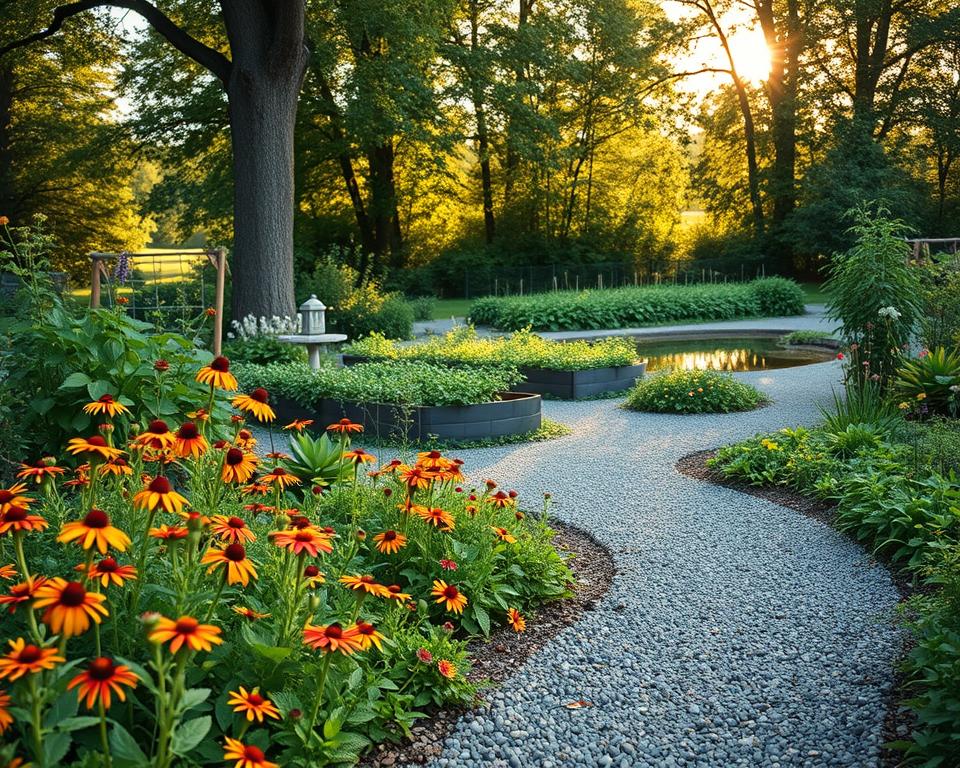
A natural garden should be both beautiful and ecologically sustainable. To achieve this balance, incorporate a mix of plants that are not only beneficial for wildlife but also visually appealing. Consider the colour palette, texture, and form of plants to create a visually interesting landscape. A table outlining some native plants and their aesthetic and ecological benefits is provided below.
| Plant | Aesthetic Benefit | Ecological Benefit |
|---|---|---|
| Wild Roses | Fragrant flowers, attractive hips | Provides food for birds, shelter for small mammals |
| Lavender | Purple flowers, silvery foliage | Attracts pollinators, drought-resistant |
| Meadow Grasses | Soft texture, movement in breeze | Supports biodiversity, reduces soil erosion |
Choosing Native Plants for UK Gardens
Native plants are the backbone of a sustainable UK garden, providing numerous benefits. They have evolved over thousands of years to thrive in local conditions, requiring less maintenance and support. By choosing native plants, you can create a garden that is not only beautiful but also supports local biodiversity.
Benefits of Native Species
Native species are well adapted to the UK climate and soil conditions, making them ideal for eco-friendly gardening. They require less water, fertilizers, and pesticides, reducing the environmental impact of your garden. Moreover, native plants provide a haven for local wildlife, including bees, butterflies, and birds.
Top Native Trees and Shrubs
When selecting native trees and shrubs, consider both deciduous and evergreen options to create a diverse and resilient garden ecosystem.
Deciduous Options
Deciduous trees like Quercus robur (English Oak) and Betula pendula (Silver Birch) offer seasonal interest and support a wide range of wildlife.
Evergreen Choices
Evergreen shrubs such as Taxus baccata (Yew) and Ilex aquifolium (Holly) provide year-round structure and shelter.
| Native Tree/Shrub | Characteristics | Wildlife Support |
|---|---|---|
| Quercus robur (English Oak) | Deciduous, large, long-lived | Supports many insect species |
| Taxus baccata (Yew) | Evergreen, dense, toxic seeds | Provides shelter and food |
Native Wildflowers and Grasses
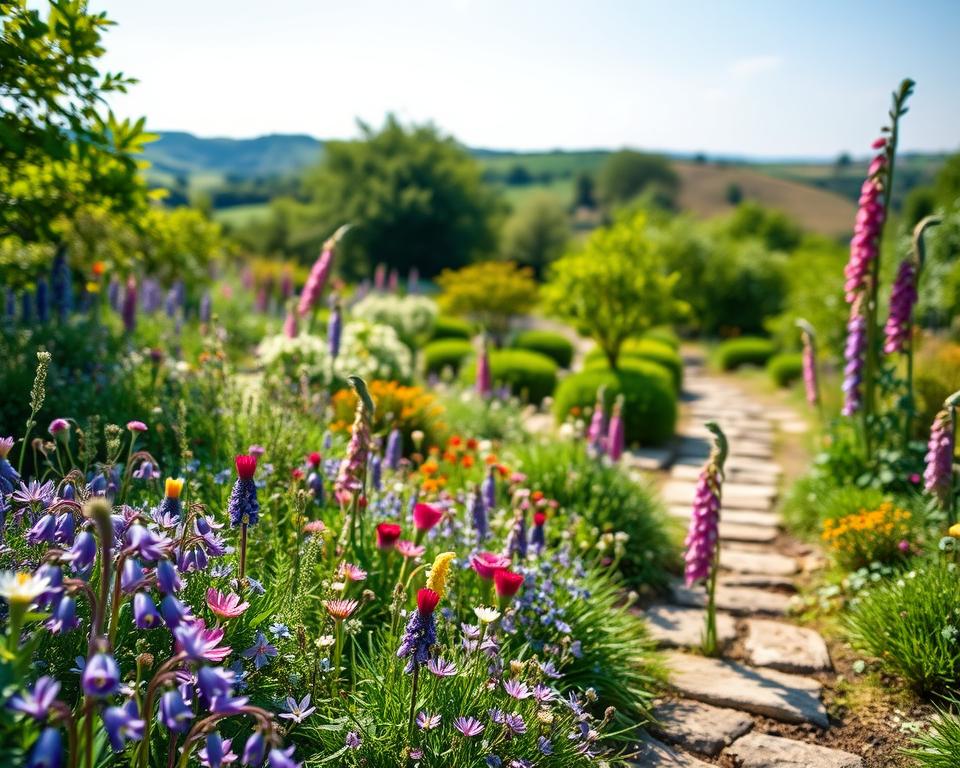
Native wildflowers and grasses add color and texture to your garden. Species like Primula vulgaris (Primrose) and Festuca rubra (Red Fescue) are excellent choices for creating a vibrant and dynamic garden landscape.
Plants for Specific Garden Conditions
Different areas of your garden may have unique conditions, such as shade, wet soil, or dry sandy soil. Choosing native plants that are adapted to these conditions can enhance the overall health and biodiversity of your garden. For example, Caltha palustris (Marsh Marigold) thrives in wet areas, while Potentilla erecta (Tormentil) tolerates dry soils.
How to Create a Natural Garden from Scratch
To create a natural garden, you must first understand the unique characteristics of your garden space and how to work with nature. This involves assessing your land’s conditions and potential for supporting local biodiversity.
Site Preparation and Soil Improvement
Effective site preparation is crucial for establishing a thriving natural garden. Begin by evaluating your soil’s condition, including its pH level and nutrient content. Improving soil health is fundamental; this can be achieved by adding organic matter such as compost or manure.
As Helen Read, a renowned gardening expert, once said, “The key to a successful garden lies in the soil.”
“The garden is a love song, a duet between a human being and Mother Nature.” – Jeff Cox
Initial Planting Strategies
When planting, it’s essential to start with a solid foundation. This involves establishing structural elements first, such as native trees and shrubs, which provide the framework for your garden’s ecosystem.
Establishing Structural Elements First
Native trees and shrubs are vital as they provide habitat and food for local wildlife. They also help in stabilizing the soil and creating a balanced ecosystem.
Succession Planting Techniques
Succession planting involves planting different species at different times to ensure a continuous bloom throughout the growing season. This technique not only enhances biodiversity but also maintains the garden’s visual appeal.
Establishing Growth Patterns
As your garden evolves, it’s crucial to observe and guide the growth patterns of your plants. This may involve pruning, training, or simply allowing nature to take its course. 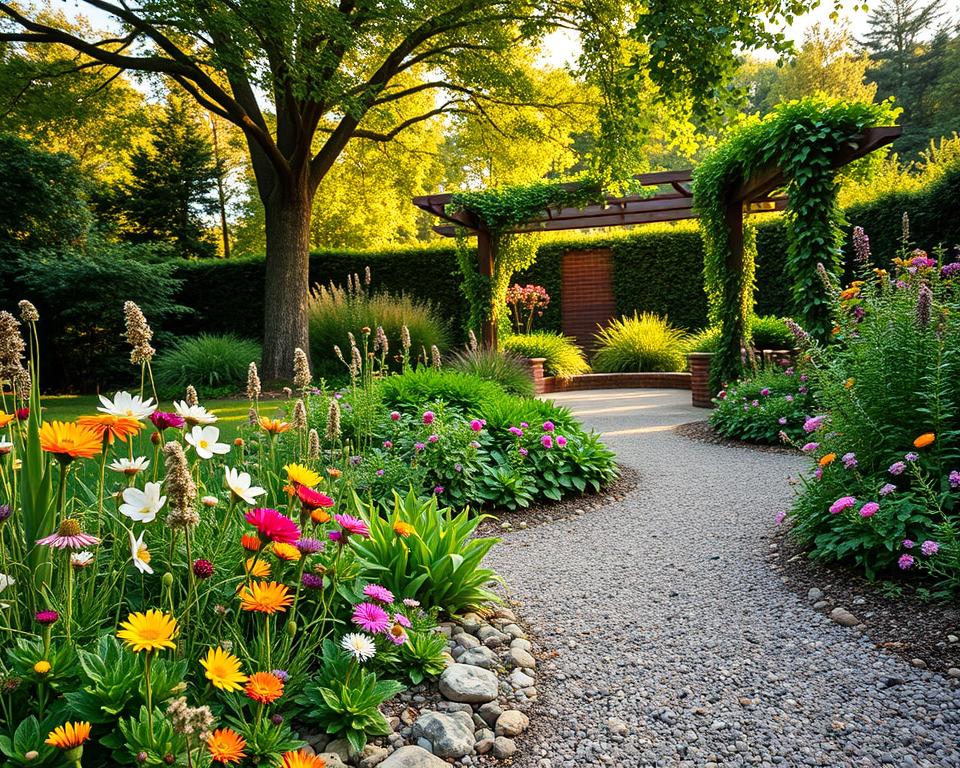
Monitoring your garden’s progress and adapting your strategies as needed will help you achieve a balanced and thriving ecosystem. By following these steps and being patient, you can create a natural garden that not only supports local biodiversity but also provides a serene and beautiful outdoor space.
Converting a Traditional Garden to a Natural One
Transforming your traditional garden into a natural oasis is a rewarding process that not only benefits the environment but also enhances your outdoor space. This conversion can be achieved through a series of thoughtful changes that work with nature rather than against it.
Gradual Transition Approaches
When converting your garden, it’s essential to adopt a gradual transition approach. Start by assessing your garden’s current condition and identifying areas that can be improved. You can begin by making small changes, such as reducing lawn areas or introducing native plants.
Replacing Lawn Areas with Meadows
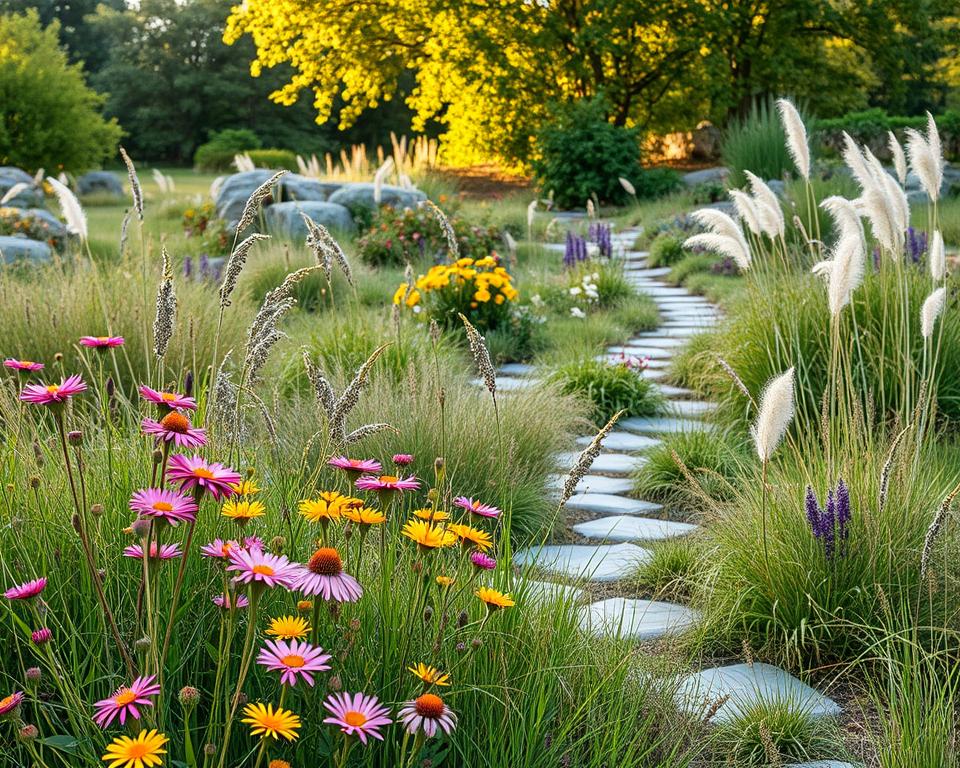
One effective way to naturalize your garden is by replacing lawn areas with meadows. This not only reduces maintenance but also creates a haven for wildlife. Choose a mix of native wildflowers and grasses that are suitable for your climate and soil type.
Transforming Formal Beds into Natural Plantings
Formal beds can be transformed into natural plantings by introducing a diverse range of plants that are native to your area. This approach not only enhances biodiversity but also reduces the need for fertilizers and pesticides. Consider using a mix of shrubs, perennials, and groundcovers to create a layered, natural effect.
By implementing these strategies, you can successfully convert your traditional garden into a thriving natural oasis that benefits both you and the environment.
Sustainable Water Management
Effective sustainable water management is crucial for maintaining a thriving natural garden. As you strive to create a harmonious balance between your garden and the environment, managing water efficiently becomes a top priority.
Rainwater Harvesting Systems
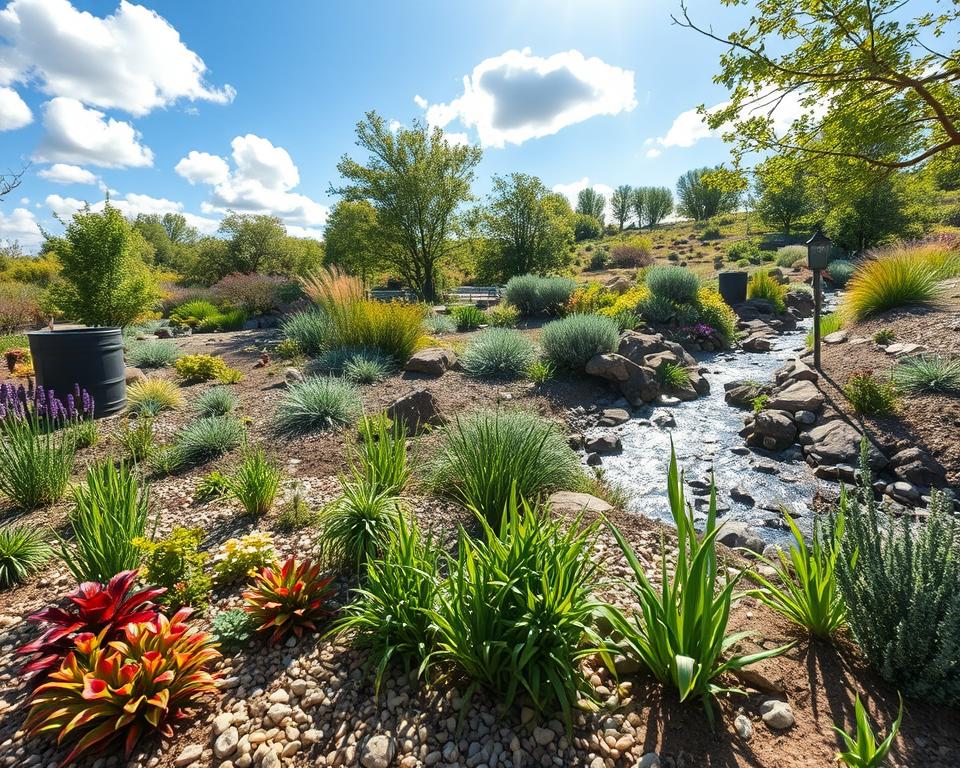
Implementing a rainwater harvesting system is an excellent way to conserve water. By collecting and storing rainwater, you can reduce your reliance on mains water for irrigation. This not only saves water but also decreases the demand on municipal water supplies. You can install a simple rainwater butt or a more complex system, depending on your garden’s needs.
Creating Rain Gardens and Swales
Rain gardens and swales are innovative ways to manage rainwater runoff. These shallow depressions or ditches collect and filter rainwater, allowing it to percolate into the soil. This technique helps to recharge groundwater, reduce erosion, and create habitats for wildlife. By incorporating rain gardens and swales into your natural garden design, you can enhance biodiversity and improve water quality.
Drought-Resistant Gardening Techniques
To complement your water management strategy, consider incorporating drought-resistant gardening techniques. This involves selecting plants that are adapted to your local climate and soil conditions, reducing the need for supplemental watering. Mulching, using organic matter, and improving soil structure also help to retain moisture and support plant health during dry periods.
Building Healthy Soil Naturally
To cultivate a vibrant and resilient garden, focus on nurturing your soil. Healthy soil is teeming with life and is the backbone of a sustainable garden ecosystem. By adopting natural methods to improve soil health, you can enhance biodiversity, improve water retention, and increase plant productivity.
Composting Essentials
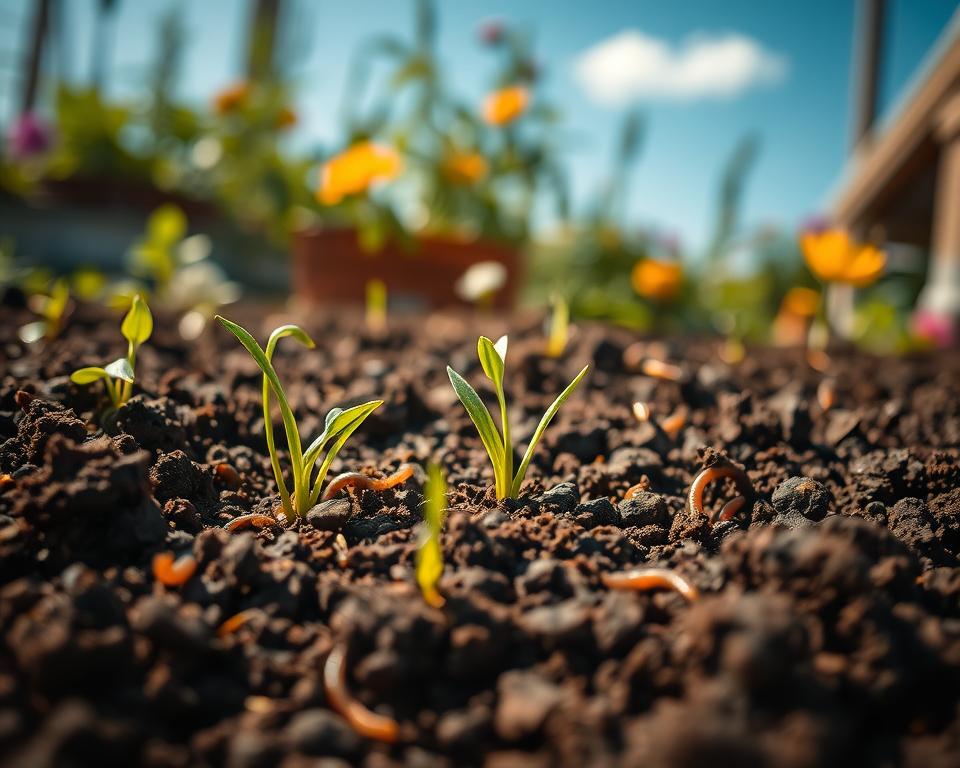
Composting is a fundamental practice for building healthy soil. It involves breaking down organic materials into a nutrient-rich humus that improves soil structure and fertility. To compost effectively, ensure a mix of ‘green’ materials (like kitchen scraps and grass clippings) and ‘brown’ materials (such as dried leaves and straw). Regular turning and maintaining the right moisture levels are crucial for speeding up the composting process.
No-Dig Gardening Methods
No-dig gardening is another technique that preserves soil structure and promotes healthy microbial activity. By avoiding tilling, you minimize soil disturbance, which can damage its ecosystem. Instead, layer organic materials on top of the soil, allowing them to break down naturally. This method not only reduces weed growth but also improves soil’s water-holding capacity and aeration.
Using Green Manures and Mulches
Green manures and mulches are valuable tools for enhancing soil health. Green manures are crops grown specifically to be incorporated into the soil, adding nutrients and organic matter. Mulches, on the other hand, are materials applied to the soil surface to retain moisture, suppress weeds, and regulate soil temperature. Both practices contribute to a more fertile and resilient soil environment.
Creating Wildlife Habitats
By designing your garden with wildlife in mind, you can support local biodiversity. Creating a haven for various species can be both rewarding and beneficial for the environment. A well-planned wildlife habitat can attract a variety of creatures, from birds and insects to amphibians and other small animals.
Bird-Friendly Features
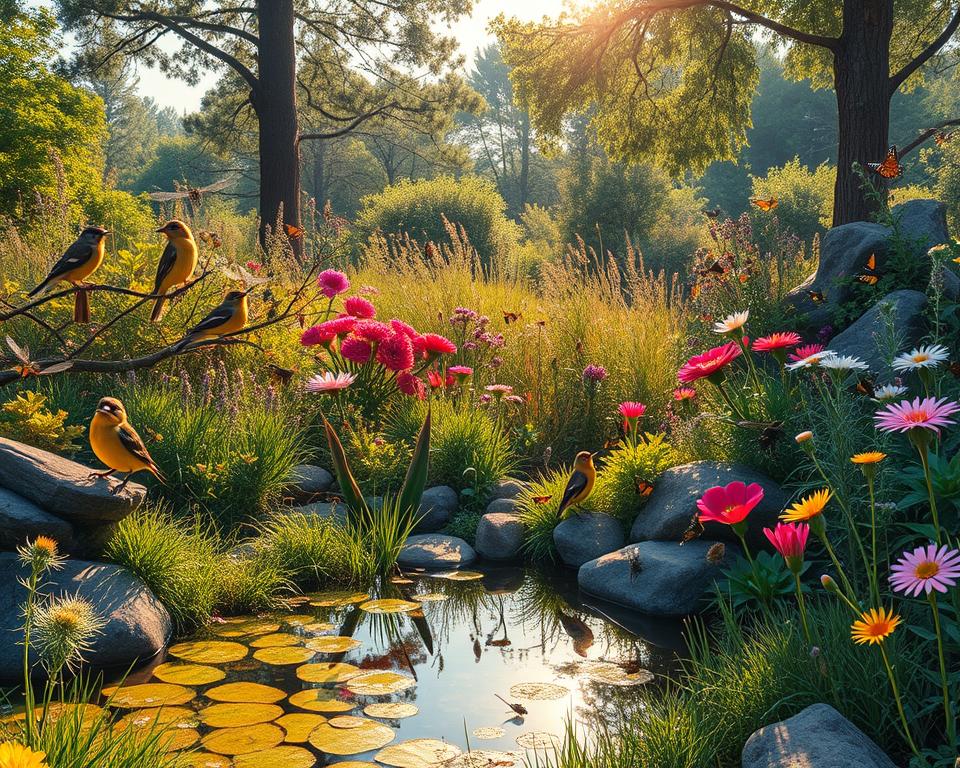
To attract birds to your garden, consider incorporating bird-friendly features. Native trees and shrubs provide berries and seeds, which are essential food sources. Installing nesting boxes and bird feeders can also encourage birds to visit and stay. Ensure that your garden has a mix of plants that provide shelter and food throughout the year.
Insect Hotels and Pollinator Support
Insect hotels and pollinator support are crucial for maintaining a healthy ecosystem. Insect hotels provide shelter for solitary bees and other beneficial insects. When designing an insect hotel, use a variety of materials such as bamboo, wood, and straws to create a diverse habitat.
Bee Houses and Bug Hotels
Bee houses and bug hotels are specific types of insect hotels. They offer a safe haven for bees and other insects to nest and lay eggs. You can create your own bee house using untreated wood and bamboo tubes of different diameters.
Butterfly Gardens
Butterfly gardens are another way to support pollinators. Planting nectar-rich flowers like buddleia and lavender can attract butterflies. Ensure that your garden has a sunny spot, as butterflies are cold-blooded and need warmth to fly.
Pond and Water Feature Design
Ponds and water features can significantly enhance biodiversity in your garden. When designing a pond, consider including a variety of aquatic plants, such as water lilies and cattails. These plants provide shelter and food for aquatic life. Ensure that your pond has a shallow area for birds and other animals to access the water.
By incorporating these features into your garden, you can create a thriving wildlife habitat that supports local biodiversity.
Natural Pest Management
You can protect your garden from pests without harming the environment by adopting natural pest management methods. This approach not only safeguards your plants but also contributes to a healthier ecosystem.
Encouraging Beneficial Predators
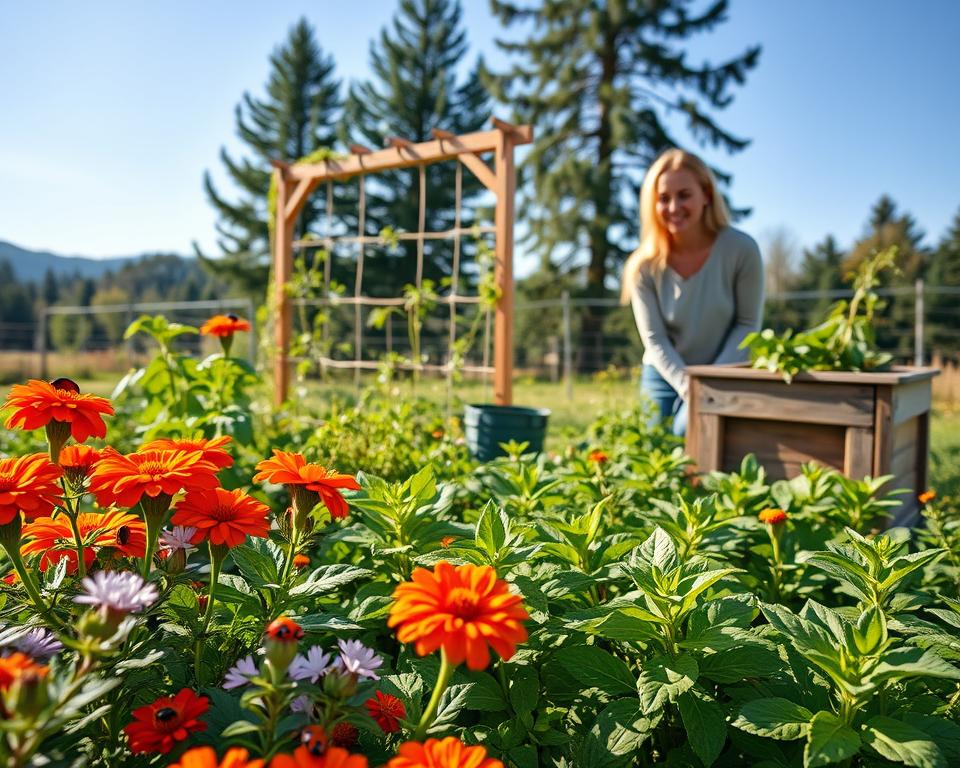
One effective way to manage pests naturally is by encouraging beneficial predators. These are organisms that prey on or parasitize pests, thereby controlling their populations. For example, ladybugs are known to feed on aphids, while lacewings prey on whiteflies and other soft-bodied insects. To attract these beneficial insects, you can plant a diverse range of flowers that provide nectar and pollen, such as marigolds and cosmos.
Companion Planting Strategies
Companion planting is another valuable technique for natural pest management. This involves growing different plants together to deter pests or improve growth. For instance, planting garlic or chives alongside roses can help repel aphids. Similarly, basil repels flies and mosquitoes, making it a great companion for many garden plants. A well-planned companion planting strategy can significantly reduce pest issues.
| Companion Plant | Pest Repelled |
|---|---|
| Garlic | Aphids, Spider Mites |
| Basil | Flies, Mosquitoes |
| Marigold | Nematodes, Whiteflies |
Organic Deterrents and Solutions
In addition to encouraging beneficial predators and using companion planting, there are several organic deterrents you can use. Neem oil, for example, is a natural pesticide that can be used to control a wide range of pests. Soap solutions can also be effective against soft-bodied insects. For more severe infestations, consider using physical barriers or traps to control pest populations.
By implementing these natural pest management strategies, you can maintain a healthy and balanced garden ecosystem.
Sustainable Materials for Garden Structures
Sustainable materials are essential for creating garden structures that not only complement the natural beauty of your garden but also support its ecological integrity. By choosing the right materials, you can ensure that your garden remains a haven for wildlife while minimizing its environmental footprint.
Reclaimed and Recycled Options
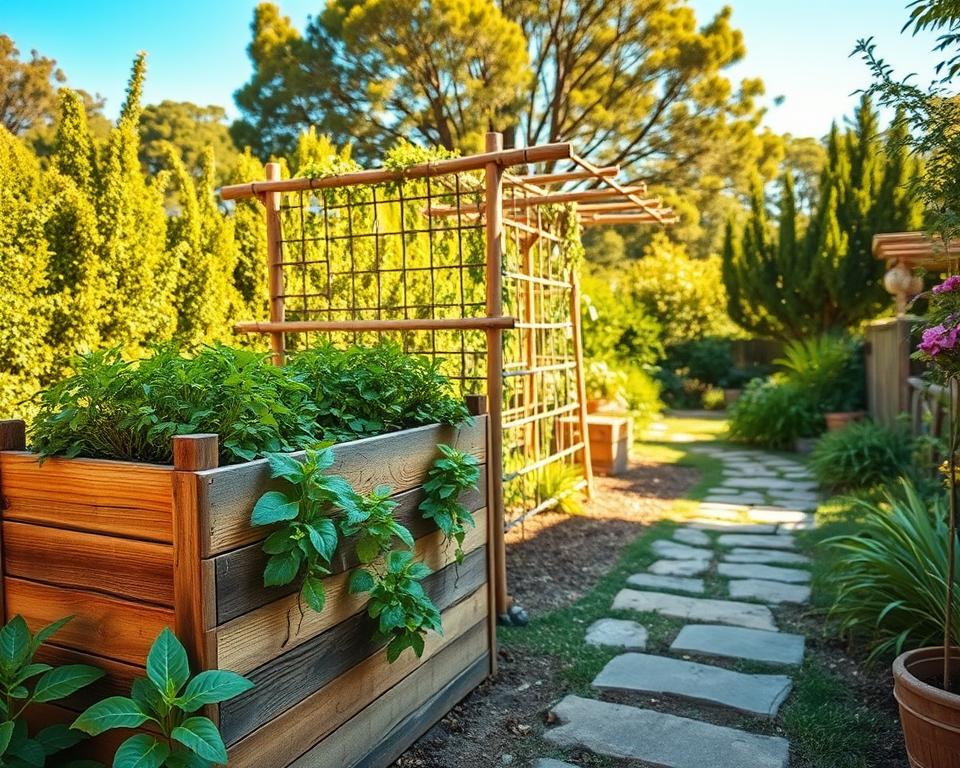
Using reclaimed or recycled materials for garden structures is an excellent way to reduce waste and add character to your garden. Old railway sleepers, for instance, can be repurposed as garden edging or even as planters. Similarly, recycled plastic can be used to create durable and low-maintenance garden furniture. As Tom Parker, a sustainable gardening expert, notes, “Reclaimed materials bring a unique history and charm to garden structures, making each piece truly one-of-a-kind.”
| Material | Benefits | Potential Uses |
|---|---|---|
| Reclaimed Wood | Unique character, reduces waste | Garden edging, planters |
| Recycled Plastic | Durable, low maintenance | Garden furniture, decorative features |
| Recycled Metal | Strong, versatile | Garden sculptures, structural elements |
Locally-Sourced Natural Materials
Opting for locally-sourced natural materials is another effective strategy for creating sustainable garden structures. Materials like stone, wood, and thatch are not only aesthetically pleasing but also reduce the carbon footprint associated with transportation. “Local materials blend seamlessly into the garden’s landscape, creating a harmonious and natural look,” says a spokesperson from the Royal Horticultural Society.
Eco-Friendly Alternatives to Conventional Products
For those looking to replace traditional garden materials with more eco-friendly options, there are several alternatives available. Composite decking made from recycled materials, for example, offers a durable and sustainable alternative to traditional wood decking. Similarly, green roofs constructed with living plants provide insulation and habitats for wildlife, making them an attractive option for eco-conscious gardeners.
“The use of sustainable materials in garden design not only enhances the beauty of the garden but also contributes to a healthier environment. It’s a win-win for gardeners and the planet alike.”
Seasonal Maintenance for Natural Gardens
To keep your natural garden flourishing, it’s essential to understand the seasonal tasks involved. As the seasons change, different maintenance activities are required to ensure your garden remains healthy and vibrant throughout the year.
Spring Tasks and Considerations
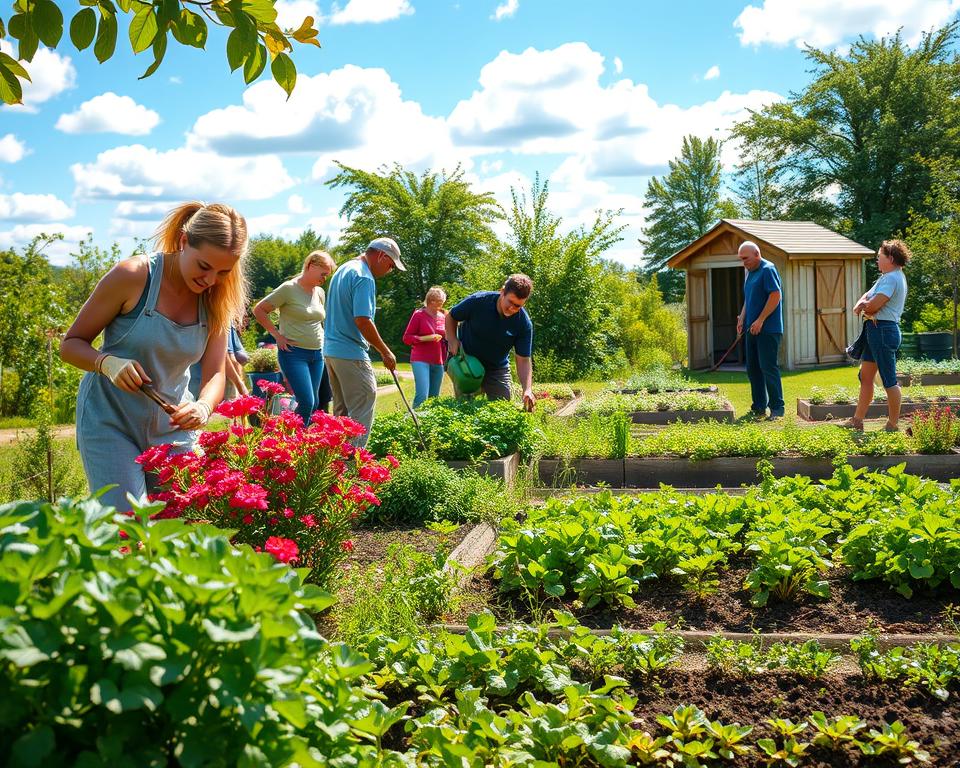
Spring is a time of renewal in the garden. It’s crucial to assess any winter damage and clear away debris that may have accumulated. Start by tidying up the garden, removing any dead plant material, and pruning trees and shrubs as needed. Spring is also an ideal time for planting new native species and beginning to implement any new garden designs or expansions.
Summer Management Practices
During the summer, your natural garden will be in full bloom. Monitoring for pests and diseases is essential, as is maintaining a balance that encourages beneficial wildlife. Ensure that your garden remains a haven for pollinators by providing a variety of flowers that bloom at different times. Summer is also a good time to enjoy the fruits of your labor and make any necessary adjustments to your garden’s layout or maintenance routine.
“A garden is a love song, a duet between a human being and Mother Nature.” – Jeff Cox
Autumn and Winter Care
As autumn arrives, begin preparing your garden for the colder months. This includes clearing leaves and other debris, cutting back perennials, and protecting sensitive plants from frost. Winter is a time for planning and reflection; use this period to review your garden’s performance over the past year, make notes on what worked well and what didn’t, and start planning for the upcoming growing season.
By following these seasonal maintenance guidelines, you can ensure your natural garden remains a thriving ecosystem that supports local biodiversity and provides a beautiful outdoor space for you to enjoy.
Measuring Success in Your Natural Garden
To truly appreciate the value of your natural garden, you need to measure its success. This involves assessing various aspects of your garden’s health and biodiversity.
One of the key indicators of a successful natural garden is the level of biodiversity it supports. You can track this by monitoring the variety of plants and animals that inhabit your garden.
Tracking Biodiversity Increases
To track biodiversity increases, you can:
- Record the different species of plants, birds, and insects that visit or live in your garden.
- Use a journal or app to note changes over time.
- Create a habitat for specific species, such as birdhouses or insect hotels.
Monitoring Soil Health Improvements
Soil health is another critical factor in measuring the success of your natural garden. You can monitor soil health by:
- Conducting regular soil tests to check for nutrient levels and pH balance.
- Observing the presence of earthworms and other beneficial organisms.
- Using compost and mulch to improve soil structure and fertility.
Evaluating Water Conservation Efforts
Water conservation is essential in a natural garden. You can evaluate your water conservation efforts by:
- Installing rainwater harvesting systems to collect and store rainwater.
- Using drought-resistant plants that require less watering.
- Implementing efficient irrigation systems that minimize water waste.
By tracking these indicators, you can gain a comprehensive understanding of your natural garden’s success and make informed decisions to improve it.
Balancing Wildness with Neighbourhood Expectations
When designing a natural garden, it’s essential to consider how to strike a balance between the wildness of the garden and the expectations of your neighbourhood. A natural garden can be a haven for local wildlife, but it’s also important to be mindful of how it may be perceived by those around you.
Creating Tidy Edges and Borders
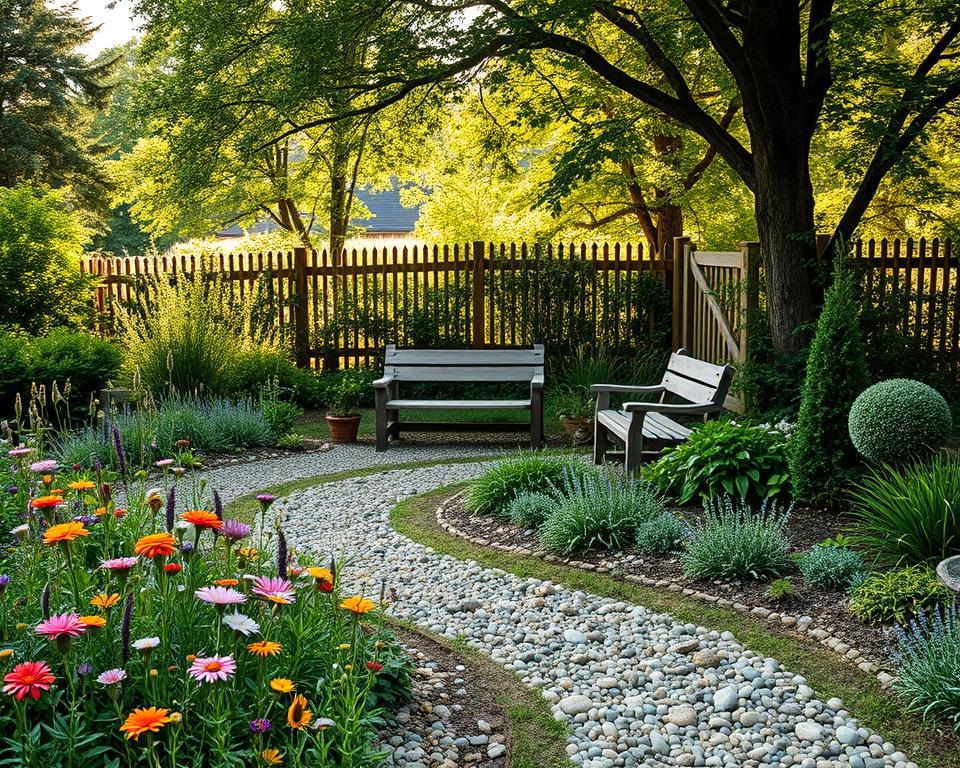
One way to balance wildness with neighbourhood expectations is to create tidy edges and borders. This can be achieved by maintaining a neat boundary around your garden, while allowing the interior to remain more natural. For example, you can keep a narrow strip of lawn or a well-maintained path along the edges of your garden, creating a clear distinction between your garden and the surrounding area.
| Edge Type | Description | Maintenance Level |
|---|---|---|
| Lawn Edge | A neatly manicured lawn edge | High |
| Wildflower Border | A border filled with native wildflowers | Low |
| Gravel Path | A gravel path that winds through the garden | Medium |
Communicating Your Garden’s Purpose
Another important aspect is communicating the purpose and value of your natural garden to your neighbours. You can do this by sharing information about the benefits of natural gardening, such as the increased biodiversity and the positive impact on the local ecosystem. By educating those around you, you can help to build understanding and appreciation for your natural garden.
For instance, you could host a garden open day or distribute a leaflet explaining the principles behind your natural garden. This can help to foster a sense of community and shared understanding, making it easier to maintain a positive relationship with your neighbours.
Conclusion: Embracing the Journey of Natural Gardening
As you conclude this guide, you’re poised to embark on a rewarding natural gardening journey, cultivating a haven that not only flourishes but also supports the local ecosystem. By embracing sustainable gardening practices, you’ll be contributing to a healthier environment.
Your natural garden will evolve over time, becoming a sanctuary for wildlife and a reflection of your connection with nature. The journey involves continuous learning and adaptation, but the rewards are plentiful.
By adopting the principles outlined in this guide, you’ll be well on your way to creating a thriving natural garden that benefits both you and the environment. As you tend to your garden, you’ll discover the joy of nurturing life and watching your efforts flourish.
Your sustainable gardening practices will not only enhance your outdoor space but also contribute to a more balanced ecosystem. So, take the first step, and let your natural gardening journey begin.
FAQ
What is a natural garden?
A natural garden is a garden that is designed to work in harmony with nature, using sustainable landscaping practices and eco-friendly gardening methods to create a biodiverse and environmentally healthy space.
How do I assess my garden’s soil conditions?
To assess your garden’s soil conditions, you should test the pH level, nutrient content, and structure of the soil. You can use a soil testing kit or send a sample to a laboratory for analysis.
What are the benefits of using native plants in my garden?
Native plants are beneficial because they are adapted to the local climate and soil conditions, require less maintenance, and provide a source of food and shelter for local wildlife.
How can I manage pests in my natural garden?
You can manage pests in your natural garden by encouraging beneficial predators, using companion planting strategies, and applying organic deterrents. This approach helps to maintain a balanced ecosystem and reduces the need for chemical pesticides.
What is rainwater harvesting, and how can I implement it in my garden?
Rainwater harvesting involves collecting and storing rainwater for use in the garden. You can implement it by installing a rainwater tank or butt, and using the collected water for irrigation and other non-potable purposes.
How do I create a wildlife-friendly habitat in my garden?
To create a wildlife-friendly habitat, you can incorporate features such as bird-friendly plants, insect hotels, and ponds. Providing a source of food, shelter, and water will attract a variety of wildlife to your garden.
What are the advantages of using sustainable materials for garden structures?
Using sustainable materials for garden structures, such as reclaimed wood and locally-sourced stone, can reduce the environmental impact of your garden. These materials are often durable and require less maintenance, making them a cost-effective option in the long term.
How can I balance the wildness of my natural garden with neighbourhood expectations?
To balance the wildness of your natural garden with neighbourhood expectations, you can create tidy edges and borders, and communicate the ecological value of your garden to your neighbours. This can help to build understanding and appreciation for your natural gardening approach.
What are the key tasks for maintaining a natural garden throughout the seasons?
Key tasks for maintaining a natural garden include spring pruning and planting, summer watering and weeding, autumn leaf clearance and composting, and winter mulching and protection of plants from frost. Regular maintenance will help to keep your garden healthy and thriving.
How can I measure the success of my natural garden?
You can measure the success of your natural garden by tracking increases in biodiversity, monitoring soil health improvements, and evaluating water conservation efforts. These indicators will help you to assess the effectiveness of your natural gardening practices.
What is no-dig gardening, and how can it benefit my natural garden?
No-dig gardening is a method of gardening that avoids tilling or digging the soil. This approach can benefit your natural garden by reducing soil disturbance, preserving soil structure, and promoting healthy soil biota.
How can I create a drought-resistant garden?
To create a drought-resistant garden, you can use drought-tolerant plants, improve soil structure with organic matter, and implement efficient irrigation systems. Mulching and using rainwater harvesting can also help to reduce water consumption.