Creating a seating area in the garden – ideas and tips
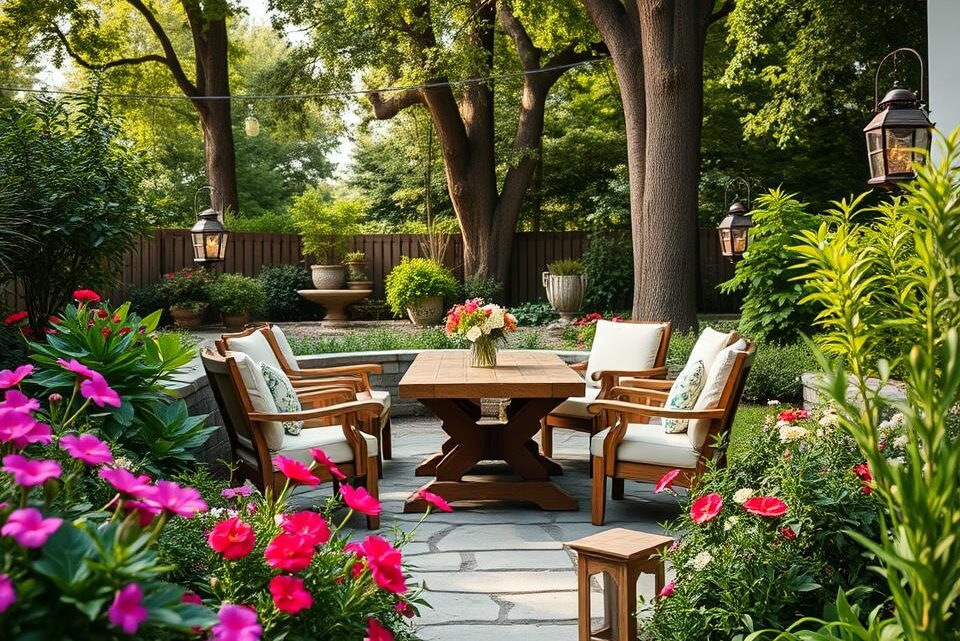
You can transform your outdoor space into a haven with the right garden seating ideas. Outdoor living spaces are becoming increasingly popular as people look to extend their living areas beyond the confines of their homes.
Having a well-designed seating area in your garden can enhance your outdoor living experience, providing a perfect spot to relax and enjoy the fresh air. Whether you’re looking to create a tranquil retreat or an entertainment area, this article will provide you with valuable insights and practical tips on how to make the most of your outdoor space.
Inhaltsverzeichnis
Key Takeaways
- Maximise your outdoor space with clever garden seating ideas
- Create an inviting atmosphere in your outdoor living spaces
- Discover practical tips for designing your perfect garden seating area
- Learn how to enhance your outdoor living experience
- Transform your garden into a relaxing retreat
The Importance of Outdoor Living Spaces
As we increasingly spend time at home, the importance of well-designed outdoor living areas cannot be overstated. Outdoor living spaces offer a multitude of benefits that can enhance your overall quality of life.
Benefits of Garden Seating Areas
Garden seating areas provide a perfect spot to relax and unwind. They can be designed to suit various tastes and styles, from modern minimalist to traditional cottage garden aesthetics. Some key benefits include:
- Creating an additional living space that extends your home outdoors
- Enhancing the aesthetic appeal of your garden
- Providing a tranquil retreat for relaxation and socialization
How Outdoor Spaces Enhance Wellbeing
Outdoor spaces can have a profound impact on your wellbeing. Being in nature has been shown to reduce stress levels, improve mood, and boost overall health. A well-designed garden seating area can:
- Encourage spending more time outdoors, soaking up natural light and fresh air
- Provide a peaceful environment for meditation and mindfulness
- Offer a space for socializing with family and friends, strengthening relationships
Extending Your Living Space Outdoors
By incorporating a seating area into your garden, you effectively extend your living space outdoors. This can be particularly beneficial during warmer months, allowing you to enjoy the outdoors while still having the comforts of home. Consider:
- Using outdoor furniture that complements your indoor decor
- Incorporating lighting and heating to extend the usability of your outdoor space
- Adding decorative elements that reflect your personal style
Assessing Your Garden Space
Before you start designing your garden seating area, it’s crucial to assess your garden space thoroughly. This initial step ensures that your outdoor furniture and patio design are perfectly tailored to your garden’s unique characteristics.
Measuring and Mapping Your Garden
Begin by measuring your garden’s dimensions and mapping out its layout. This will help you understand the space you have available and how to make the most of it. Consider creating a simple sketch or using a garden design app to visualize your plans.
Identifying Suitable Locations
Look for areas in your garden that are naturally inviting or have the potential to become a cozy seating nook. Consider the proximity to your house, existing pathways, and other outdoor features. The goal is to find a spot that complements your garden design and enhances your outdoor living experience.
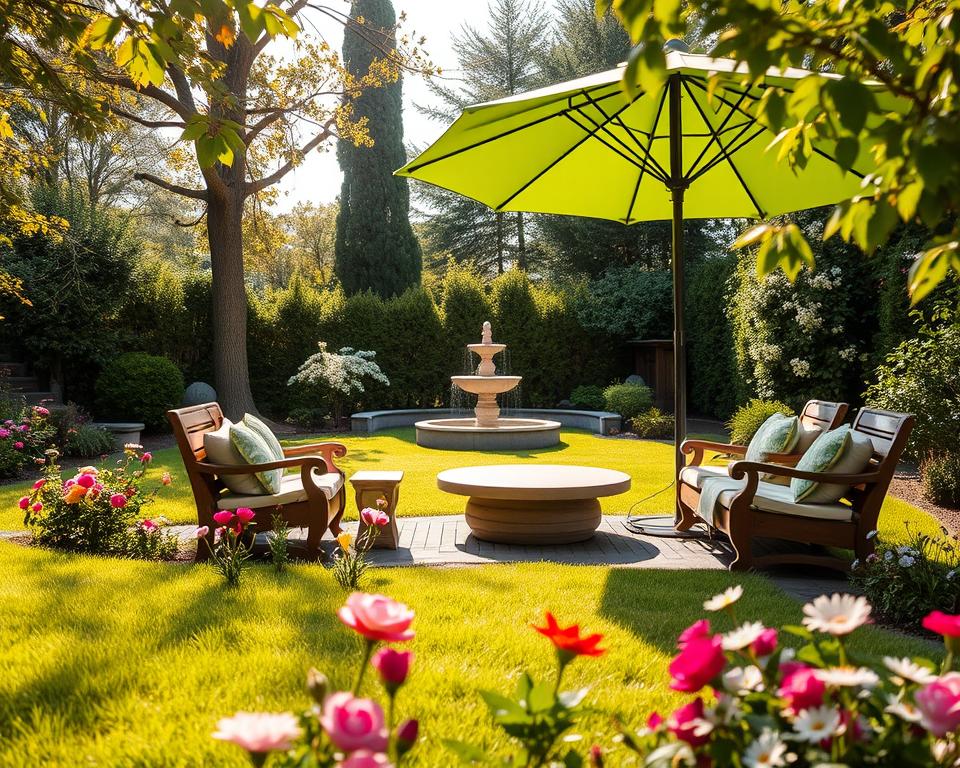
Considering Sun Patterns and Shade
Observe how sunlight filters through your garden at different times of the day. Identifying areas that receive full sun, partial shade, or full shade will help you choose the right outdoor furniture and design elements that can withstand the conditions.
Evaluating Existing Features
Take stock of your garden’s existing features, such as trees, flower beds, slopes, and any other elements that could impact your seating area. Incorporating these features into your design can enhance the overall aesthetic and functionality of your outdoor space.
By carefully assessing your garden space, you can create a seating area that is not only beautiful but also functional and inviting. This thoughtful approach to garden design will ensure that your outdoor space becomes a true extension of your home.
Defining the Purpose of Your Seating Area
The first step in creating an inviting seating area is to determine how you intend to use it. This decision will influence the type of garden furniture and outdoor decor you choose.
Dining Spaces vs. Relaxation Areas
Will your seating area be primarily for dining or relaxation? A dining space requires a sturdy table and comfortable chairs, while a relaxation area might feature a sofa or hammock. Consider how you plan to use the space to make the right choice.
Multi-functional Considerations
Many garden seating areas serve multiple purposes. You might want to incorporate a dining table that can also be used for social gatherings or add storage benches that double as seating.
Family-friendly vs. Adult Retreats
Think about who will be using the seating area. If you have children, you may want to include durable, easy-to-clean furniture. For an adult retreat, you might focus on comfort and tranquility.
Seasonal Usage Planning
Consider how the seasons will affect your seating area. You may need to choose weather-resistant materials or plan for storage during the winter months.
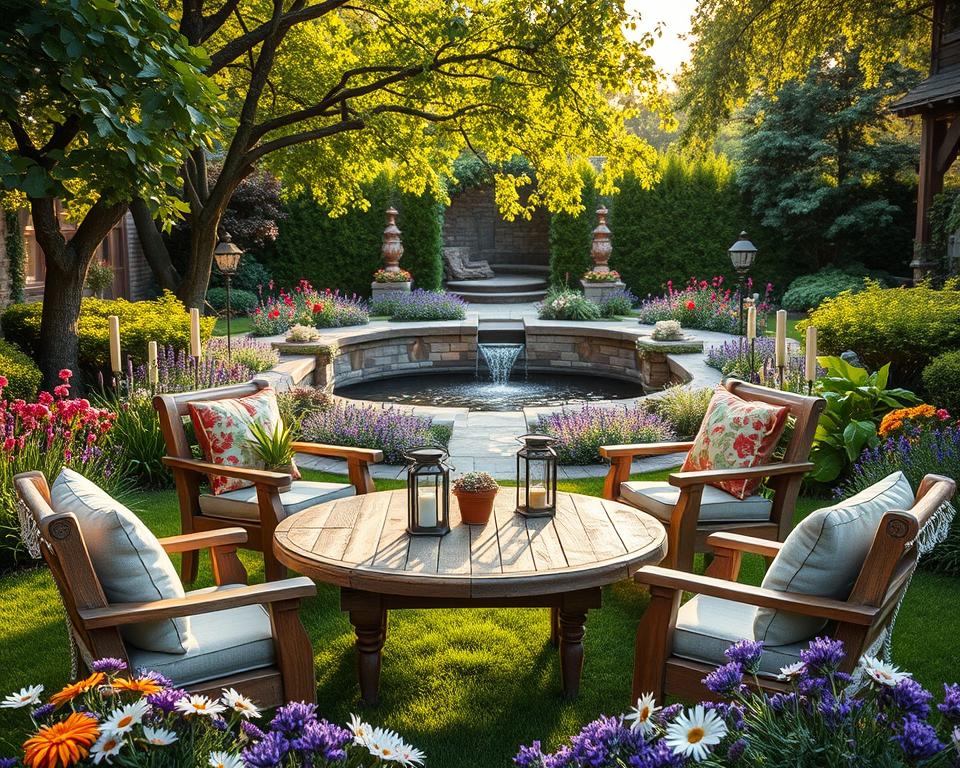
By defining the purpose of your seating area, you can create a space that is both functional and enjoyable. Whether it’s for dining, relaxation, or socializing, a well-designed seating area can enhance your outdoor living experience.
Creating a Seating Area in the Garden – Ideas and Tips for Different Styles
Transforming your garden into a serene oasis requires careful consideration of the seating area’s style. Your outdoor space is an extension of your home, and the right seating area can enhance its beauty and functionality.
Let’s explore various garden seating ideas that cater to different tastes and preferences.
Cottage Garden Seating
A cottage garden seating area is characterized by its charming, informal ambiance. You can achieve this look by incorporating natural materials like wood and stone, and surrounding the area with lush, vibrant flowers.
Modern Minimalist Designs
For a more contemporary look, consider a modern minimalist design. This style emphasizes clean lines, simple shapes, and a limited color palette. Metal or recycled plastic furniture can add a sleek, sophisticated touch to your garden.
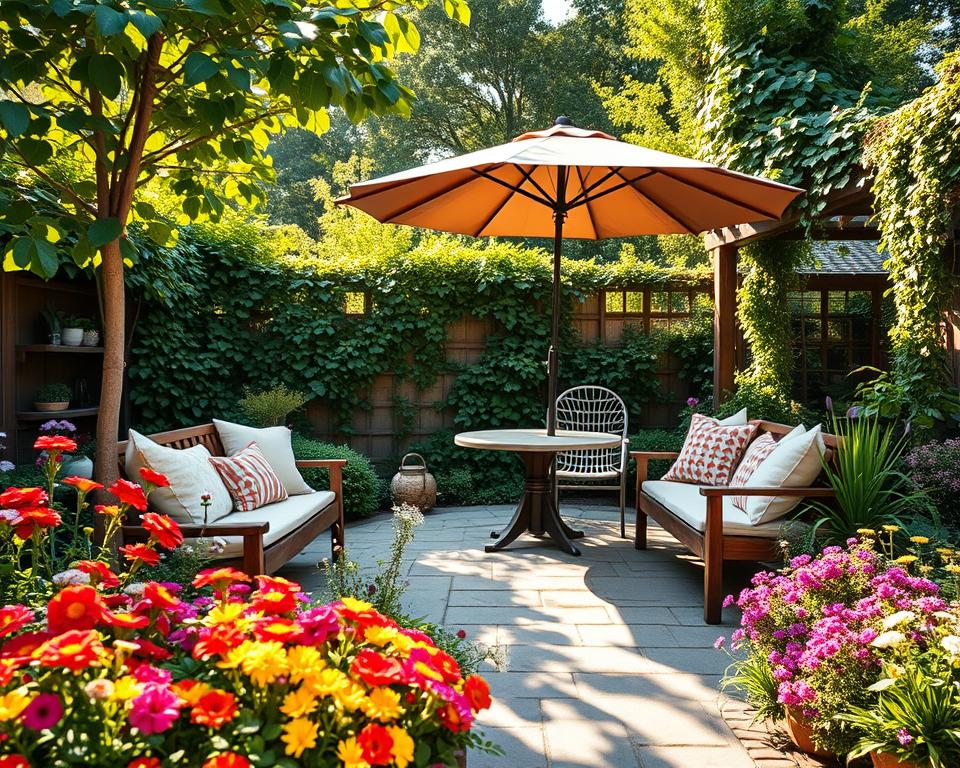
Mediterranean-inspired Spaces
Mediterranean-inspired garden seating areas evoke the warmth and hospitality of southern Europe. You can create this ambiance by using terracotta pots, colorful tiles, and fragrant herbs like rosemary and lavender.
Japanese Garden Retreats
Japanese garden retreats are known for their serene, meditative atmosphere. To achieve this look, incorporate natural elements like bamboo, stone, and gravel, and consider adding a water feature or a simple, elegant lantern.
Traditional British Garden Designs
Traditional British garden designs often feature classic, timeless elements like ornate benches and intricately designed fences. You can enhance this style by incorporating lush greenery and vibrant flowers, creating a picturesque setting.
By considering these different styles, you can create a garden seating area that not only reflects your personal taste but also enhances your outdoor living experience.
Choosing the Right Garden Furniture
The right garden furniture can transform your outdoor space into a relaxing retreat. With numerous options available, selecting the perfect pieces can be a challenge. Your choice of garden furniture will depend on the purpose of your seating area, the style you’re aiming for, and your budget.
Garden Benches and Chairs
Garden benches and chairs are versatile and can be used in various settings. They can be made from different materials, such as wood, metal, or recycled plastic. Consider adding cushions and pillows for extra comfort.
Outdoor Sofas and Loungers
Outdoor sofas and loungers are perfect for creating a cozy seating area. They come in various styles and materials, including wicker and rattan. Look for weather-resistant fabrics and durable frames.

Hammocks and Swing Seats
Hammocks and swing seats add a playful touch to your garden. They’re ideal for relaxation and can be hung from sturdy trees or freestanding frames.
Built-in Seating Options
Built-in seating options, such as benches around trees or along borders, can be a great space-saving solution. They can also be customized to fit your garden’s style.
Dining Sets and Bistro Tables
If you plan to use your garden for dining, consider a dining set or bistro table. These come in various sizes and styles, from compact bistro sets to large dining tables.
When choosing garden furniture, consider factors such as durability, maintenance, and comfort. By selecting the right pieces, you can create a beautiful and functional outdoor space that you’ll enjoy for years to come.
Materials for Outdoor Furniture
The choice of material for your garden furniture can significantly impact its durability and aesthetic appeal. Different materials offer varying levels of maintenance, weather resistance, and style, making it essential to choose the right one for your needs.
Wooden Garden Furniture
Wood is a popular choice for garden furniture due to its natural beauty and durability. When selecting wooden furniture, it’s crucial to consider the type of wood.
Hardwoods vs. Softwoods
Hardwoods like teak and oak are denser and more resistant to rot and insect damage, making them ideal for outdoor use. Softwoods, such as pine, are less expensive but may require more maintenance.
Treatment and Maintenance
Wooden furniture often requires treatment to protect it from the elements. Regular maintenance, including sealing and staining, can extend its lifespan.
Metal Options
Metal furniture is known for its strength and durability. Common metals used include wrought iron and cast aluminium.
Wrought Iron and Cast Aluminium
Wrought iron is robust and can be intricately designed, while cast aluminium is lightweight and resistant to rust. Both are suitable for outdoor use.
Rust Prevention Techniques
To prevent rust, metal furniture is often coated or powder-coated. Regular cleaning and applying a rust inhibitor can also help.
| Material | Durability | Maintenance |
|---|---|---|
| Teak Wood | High | Low |
| Wrought Iron | High | Medium |
| Rattan | Medium | Medium |
| Plastic | Low-Medium | Low |
Rattan and Wicker Choices
Rattan and wicker furniture offer a natural, woven look that can add warmth to your garden. While they can be durable, they may require more maintenance than other materials.
Plastic and Composite Materials
Plastic and composite materials are lightweight and easy to clean. They are available in various styles and colors, making them a versatile option for garden furniture.
Creating a Solid Foundation
The foundation of your garden seating area is crucial for its overall aesthetic and functionality. A well-planned base not only enhances the beauty of your outdoor space but also ensures durability and safety.
Decking Options
Decking is a popular choice for garden seating areas, offering a warm and inviting surface. Wooden decking is particularly appealing, providing a natural look that complements garden surroundings. However, it requires regular maintenance to prevent rot and insect damage.
Patio and Paving Stones
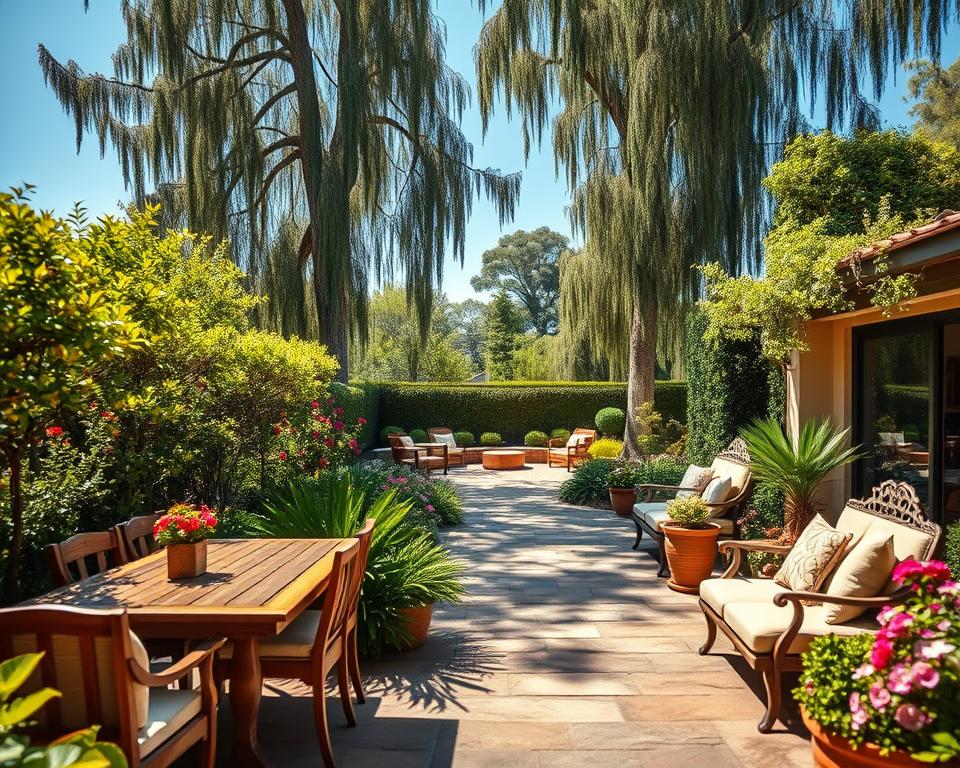
Patio and paving stones are another excellent option, providing a hard-wearing surface that can withstand various weather conditions. They come in a variety of materials, including concrete, stone, and brick, allowing for flexibility in design.
Gravel and Aggregate Surfaces
Gravel and aggregate surfaces offer a cost-effective and easy-to-install solution. They provide good drainage, which is essential for managing British weather. However, they may require periodic replenishment to maintain their appearance.
Grass and Alternative Ground Covers
For a more natural look, grass or alternative ground covers can be considered. These options are particularly suitable for larger areas and can create a serene atmosphere. However, they may not be as durable as other materials.
Drainage Considerations for British Weather
Effective drainage is critical in British gardens, where rainfall is frequent. Ensuring that your garden seating area has a proper drainage system will prevent waterlogging and damage to the structure. Consider incorporating permeable paving or a French drain to manage water runoff.
Providing Shelter and Shade
When designing your outdoor space, providing shelter and shade is crucial for enjoying your garden seating area throughout the year. A well-shaded area not only protects you from the harsh sun but also creates a cozy ambiance that invites relaxation.
Pergolas and Arbours
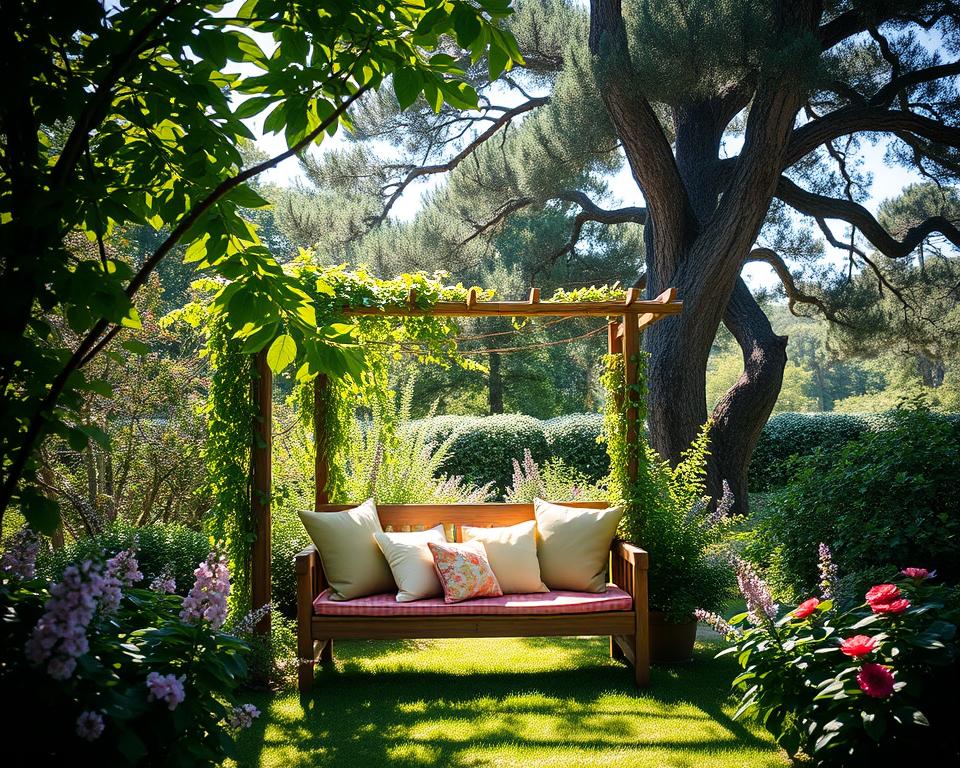
Pergolas and arbours are excellent structures for adding shelter and shade to your garden. These features can be adorned with climbing plants, providing natural shade and a beautiful focal point.
Parasols and Umbrellas
Parasols and umbrellas offer a versatile and easily adjustable shading solution. They come in various sizes and styles, allowing you to choose the perfect fit for your garden seating area.
Awnings and Canopies
Awnings and canopies provide more permanent shading solutions. They can be installed above seating areas or integrated into existing structures like pergolas.
Natural Shade from Trees and Plants
Utilizing natural shade from trees and plants is an effective way to cool your garden. Strategically planting trees or shrubs around your seating area can provide dappled shade and enhance the natural beauty of your garden.
Rain Protection Solutions
In addition to shade, consider solutions for rain protection. This could include gazebos, marquises, or even a well-designed canopy to keep your seating area dry during wet weather.
By incorporating these elements, you can create a comfortable and inviting garden seating area that is enjoyable in various weather conditions.
Adding Comfort to Your Garden Seating
Making your garden seating area comfortable is crucial for spending quality time outdoors. To achieve this, you can incorporate various elements that enhance both physical comfort and aesthetic appeal.
Weather-resistant Cushions and Textiles
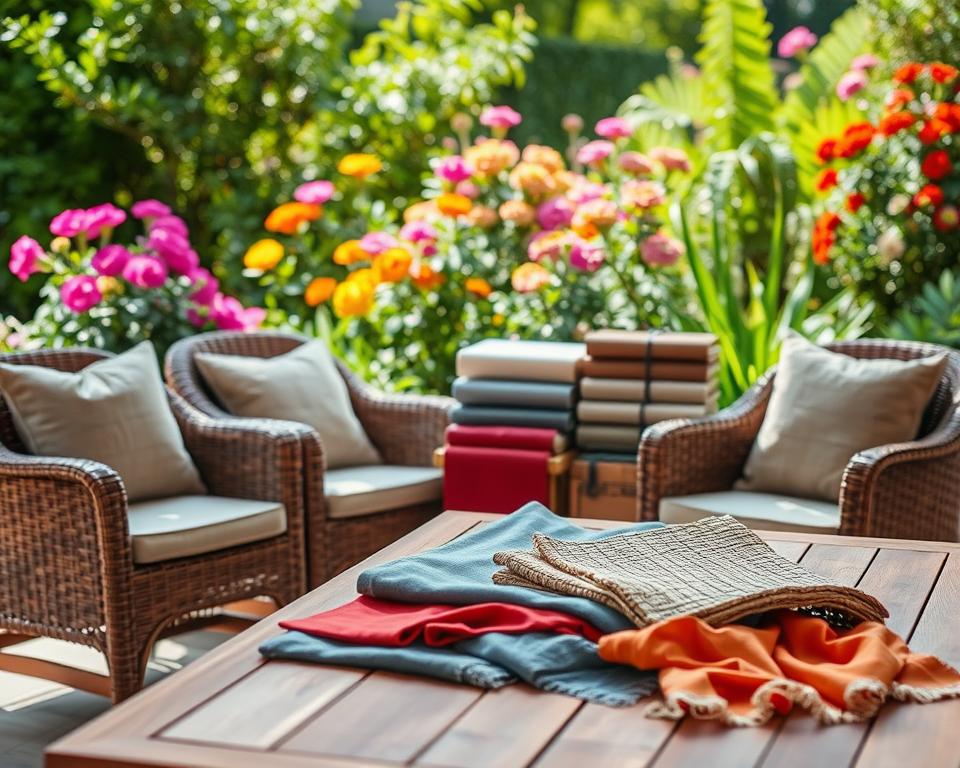
Investing in weather-resistant cushions and textiles is a great starting point. These are designed to withstand the elements while providing comfort and style to your outdoor seating. Look for materials that are waterproof, UV-resistant, and easy to clean.
Outdoor Rugs and Floor Coverings
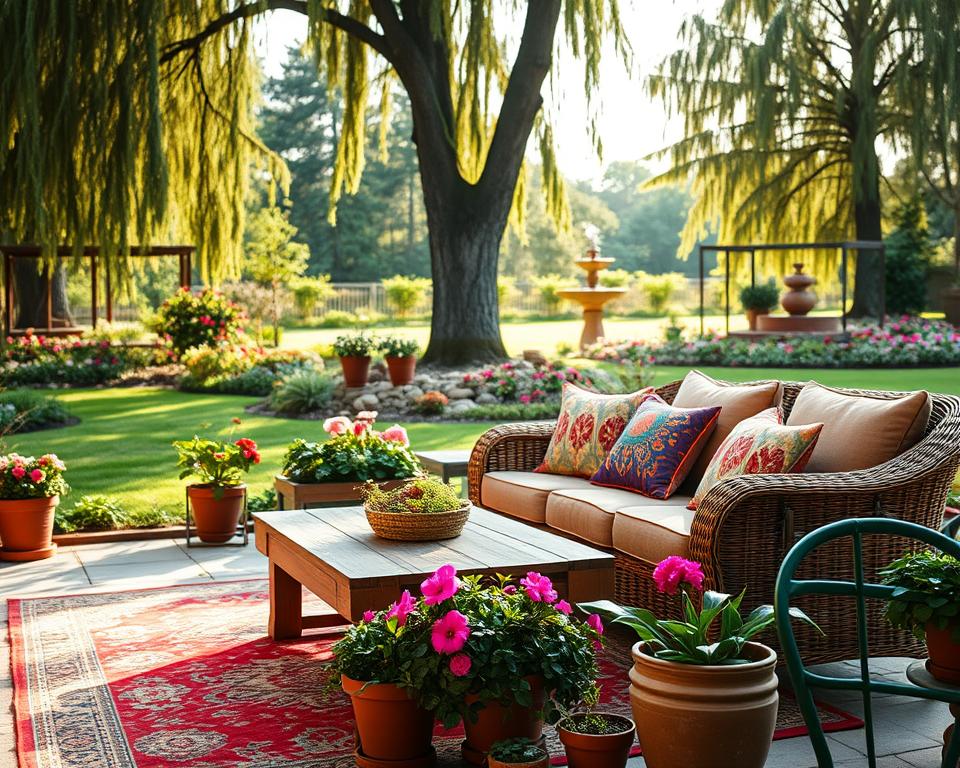
Outdoor rugs and floor coverings can significantly enhance the comfort of your garden seating area. They add warmth underfoot and can define different spaces within your garden. Choose materials that are durable and resistant to weather conditions.
Throws and Blankets for Cooler Evenings
Throws and blankets are perfect for cooler evenings, allowing you to enjoy your garden seating area even when the temperature drops. Opt for materials that are both cozy and weather-resistant.
Heating Options for Year-round Use
To extend the use of your garden seating area throughout the year, consider incorporating heating options. This can include:
Fire Pits and Chimineas
Fire pits and chimineas not only provide warmth but also create a cozy ambiance. They come in various designs, from traditional to modern, allowing you to choose one that fits your garden’s style.
Patio Heaters
Patio heaters are another effective way to keep your garden seating area warm. They are available in different types, including electric and gas models, offering flexibility in terms of installation and use.
| Comfort Element | Description | Benefits |
|---|---|---|
| Weather-resistant Cushions | Designed to withstand weather conditions | Comfort, Style, Easy Maintenance |
| Outdoor Rugs | Add warmth and define spaces | Warmth, Aesthetic Appeal |
| Throws and Blankets | For cooler evenings | Cozy, Versatile |
| Heating Options | Fire pits, chimineas, patio heaters | Warmth, Ambiance, Year-round Use |
By incorporating these comfort-enhancing elements, you can transform your garden seating area into a cozy retreat that invites relaxation and enjoyment throughout the year.
Lighting Your Outdoor Seating Area
A well-designed outdoor lighting scheme can elevate your garden seating area, making it a welcoming space for relaxation and entertainment. Effective lighting not only enhances the ambiance but also ensures safety and functionality.
Solar-powered Options
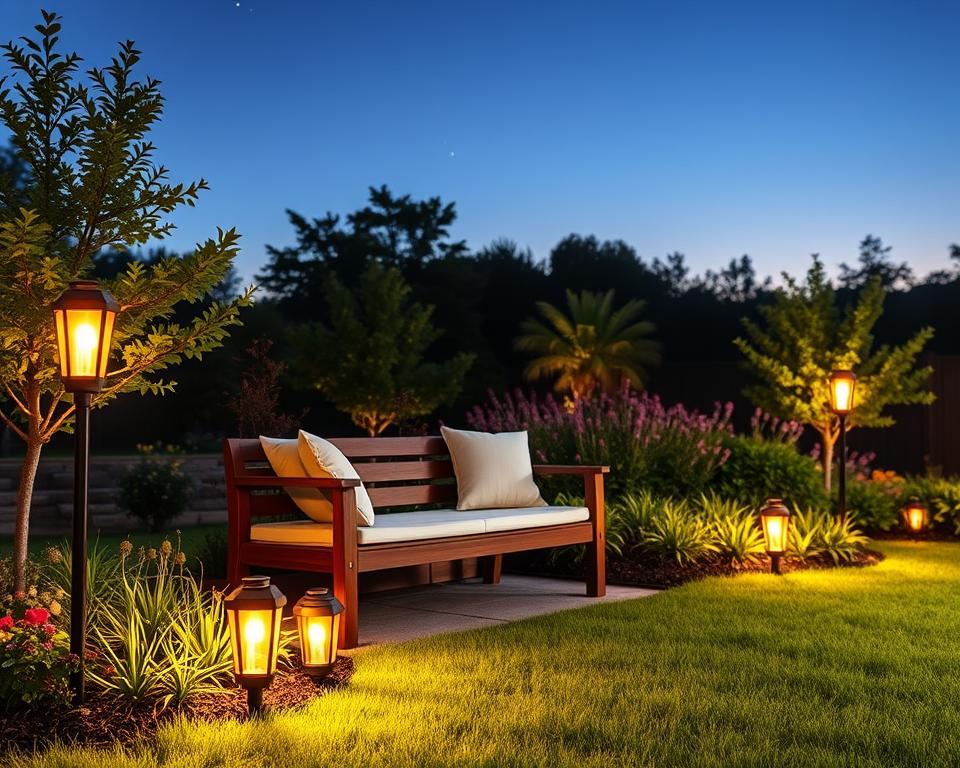
Solar-powered lights are an eco-friendly and cost-effective solution for your garden. They harness energy during the day and illuminate your seating area at night, without adding to your electricity bill. You can choose from a variety of solar-powered lighting options, including pathway lights, lanterns, and string lights.
String Lights and Lanterns
String lights and lanterns add a warm, inviting glow to your outdoor seating area. They come in various styles, from traditional to modern designs, allowing you to match them with your garden’s aesthetic. These lights can be hung from trees, pergolas, or even the roof of your garden shed.
Built-in Lighting Solutions
For a more integrated look, consider built-in lighting solutions. These can include LED strips under decking or steps, and recessed lights in walls or paving. Built-in lighting provides a sleek, unobtrusive way to illuminate your garden seating area.
Candles and Fire Features
Candles and fire features, such as fire pits or chimineas, not only provide light but also create a cozy, warm atmosphere. They are perfect for cooler evenings, allowing you to enjoy your outdoor space year-round.
Smart Lighting Systems
Smart lighting systems offer flexibility and convenience, allowing you to control your outdoor lights remotely. You can adjust brightness, set timers, and even change colors to suit different occasions or moods.
Creating Privacy in Your Garden Retreat
A private garden retreat is a haven, and there are several ways to achieve this sense of seclusion. Whether you live in a densely populated urban area or a more suburban environment, creating privacy in your garden can significantly enhance your outdoor living experience.
Screening Plants and Hedges
One of the most effective and aesthetically pleasing ways to create privacy is by using screening plants and hedges. These natural barriers can block the view from neighboring properties and create a sense of enclosure.
Fast-growing Options
For a quick solution, consider fast-growing plants like bamboo or Leyland cypress. These plants can rapidly form a dense screen, providing privacy in a short period.
Evergreen Choices
Evergreen plants such as holly or laurel are excellent choices for year-round privacy. They maintain their foliage throughout the year, ensuring your garden remains secluded even in winter.
Decorative Screens and Trellises
In addition to living screens, decorative screens and trellises can also enhance privacy. These can be used to section off parts of your garden or to conceal unsightly views.
Some benefits of using decorative screens and trellises include:
- They can be made from a variety of materials, including wood, metal, and vinyl.
- They can be used to support climbing plants, further enhancing privacy.
- They add a decorative element to your garden, improving its overall aesthetic.
Fencing and Boundary Solutions
Fencing is another effective way to create privacy in your garden. The type of fencing you choose can significantly impact the level of seclusion you achieve.
Some popular fencing options include:
- Close-boarded fencing for a solid barrier.
- Panel fencing for a quick and easy installation.
- Decorative metal fencing for a more stylish approach.
Sound-dampening Techniques
Creating privacy isn’t just about visual barriers; sound-dampening techniques can also play a crucial role. Using features like water features or sound-absorbing materials can help mask unwanted noise from neighbors or nearby roads.
Small Garden Seating Solutions
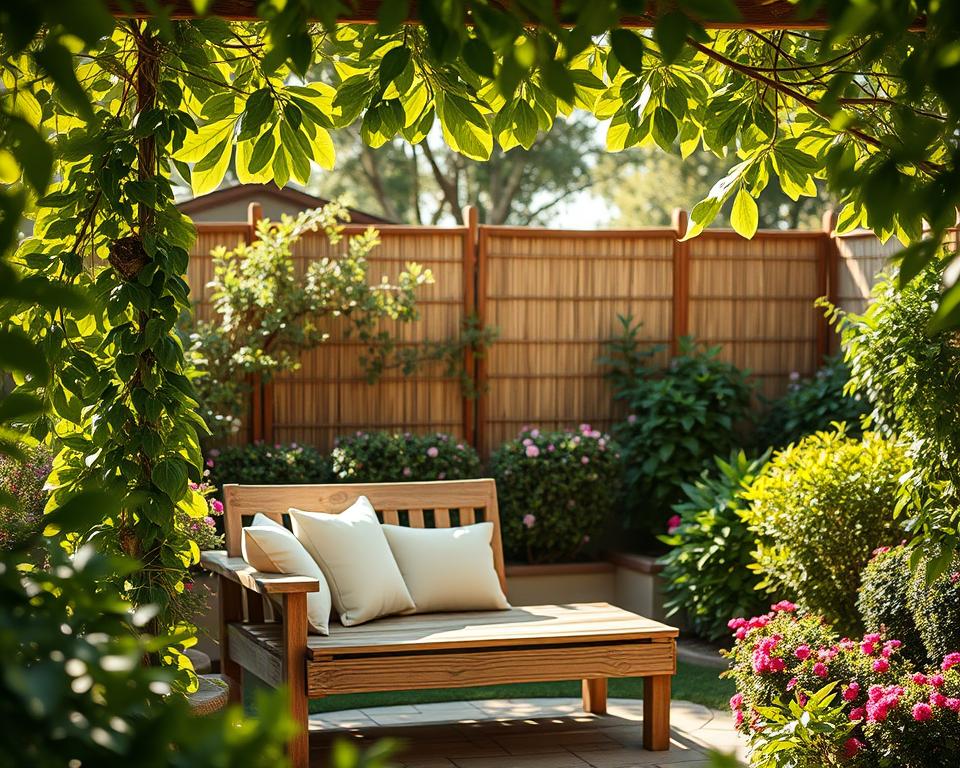
Even with limited square footage, you can design a charming garden seating area that feels spacious and welcoming. The key is to utilize space-saving strategies and clever furniture choices.
Foldable and Stackable Furniture
One of the most effective ways to save space in a small garden is by using foldable and stackable furniture. These pieces can be easily stored away when not in use, freeing up valuable space for other activities. Consider foldable chairs and tables that can be tucked away in a shed or garage.
Corner Seating Arrangements
Corner seating is an excellent way to make the most of the often-wasted space in garden corners. Built-in corner benches or modular seating units can create cozy nooks that feel intimate and inviting. This approach not only saves space but also adds visual interest to your garden.

Vertical Space Utilisation
Making use of vertical space is crucial in small gardens. Consider installing wall-mounted planters, trellises, or even a living wall to add greenery without taking up floor space. Vertical elements can also help to create a sense of height, making your garden feel larger.
Dual-purpose Furniture
Choosing furniture that serves more than one purpose is another effective strategy for small gardens. For example, a storage bench can provide a place to sit while also storing cushions, toys, or gardening tools.
| Furniture Type | Space-saving Feature |
|---|---|
| Foldable Chairs | Easily stored away |
| Corner Benches | Utilizes corner space |
| Storage Benches | Provides additional storage |
Balcony and Patio Adaptations
For balconies and patios, consider compact furniture designed specifically for these spaces. Bistro sets, wall-mounted tables, and narrow benches are ideal for creating a functional seating area without overwhelming the space.
By incorporating these small garden seating solutions, you can create a beautiful and functional outdoor space that meets your needs, regardless of its size.
Budget-friendly Garden Seating Ideas
Budget-friendly garden seating ideas are plentiful and easy to implement, allowing you to create a beautiful outdoor space without breaking the bank. With a little creativity, you can transform your garden into a cozy retreat that’s perfect for relaxation or entertaining.
DIY Seating Projects
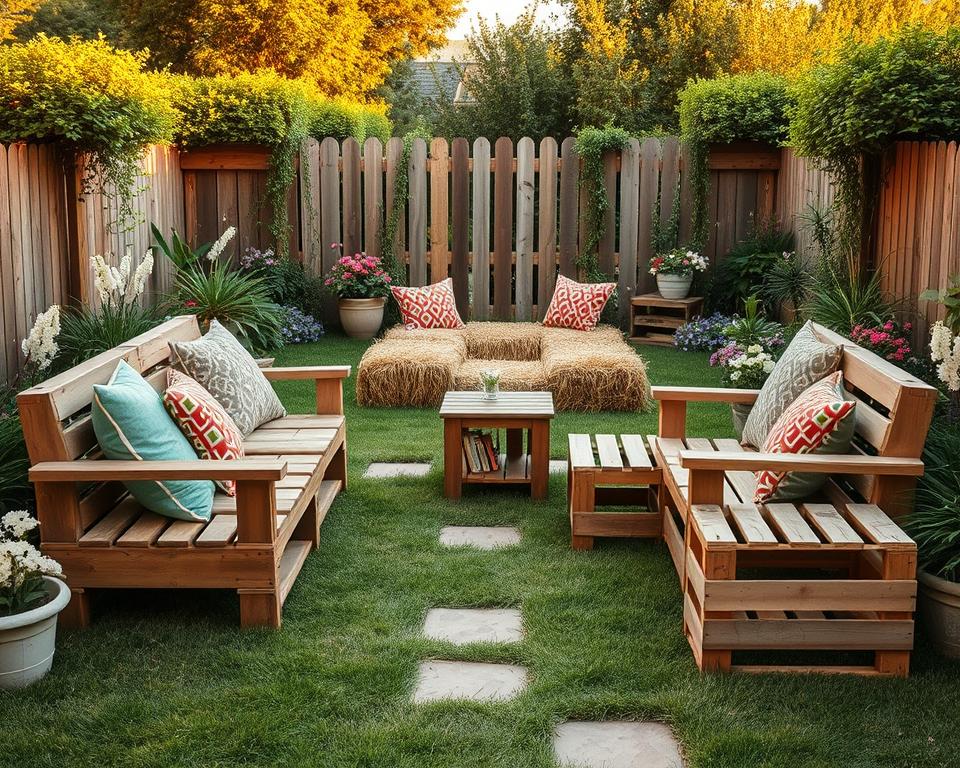
One of the most cost-effective ways to create garden seating is through DIY projects. You can repurpose old materials or use affordable new ones to create unique pieces.
- Use reclaimed wood to build a bench or chair.
- Create a seating area with pallets.
Pallet Furniture Tutorials
Pallet furniture is a popular choice for DIY garden seating. You can find numerous tutorials online that guide you through creating a pallet sofa or bench.
Concrete Block Benches
Concrete blocks are another affordable material for building garden seating. They’re durable and can be used to create a modern, minimalist look.
Upcycling and Repurposing
Upcycling old furniture or materials is not only budget-friendly but also environmentally friendly. You can give new life to old items like:
- Old doors turned into benches.
- Cables spools used as tables or seats.
Seasonal Sales and Second-hand Finds
Keep an eye out for seasonal sales or visit local charity shops and online marketplaces to find second-hand garden furniture at a fraction of the cost.
Phased Implementation Approaches
Creating your garden seating area in phases can help spread the cost over time. Start with the essentials and gradually add more features or furniture as your budget allows.
Accessorising Your Garden Seating Area
To truly make your garden seating area your own, you’ll want to add some personal touches through accessories. Accessorising is not just about adding a few decorative items; it’s about creating a cohesive look that reflects your style and complements the surrounding garden.
Outdoor Cushions and Textiles
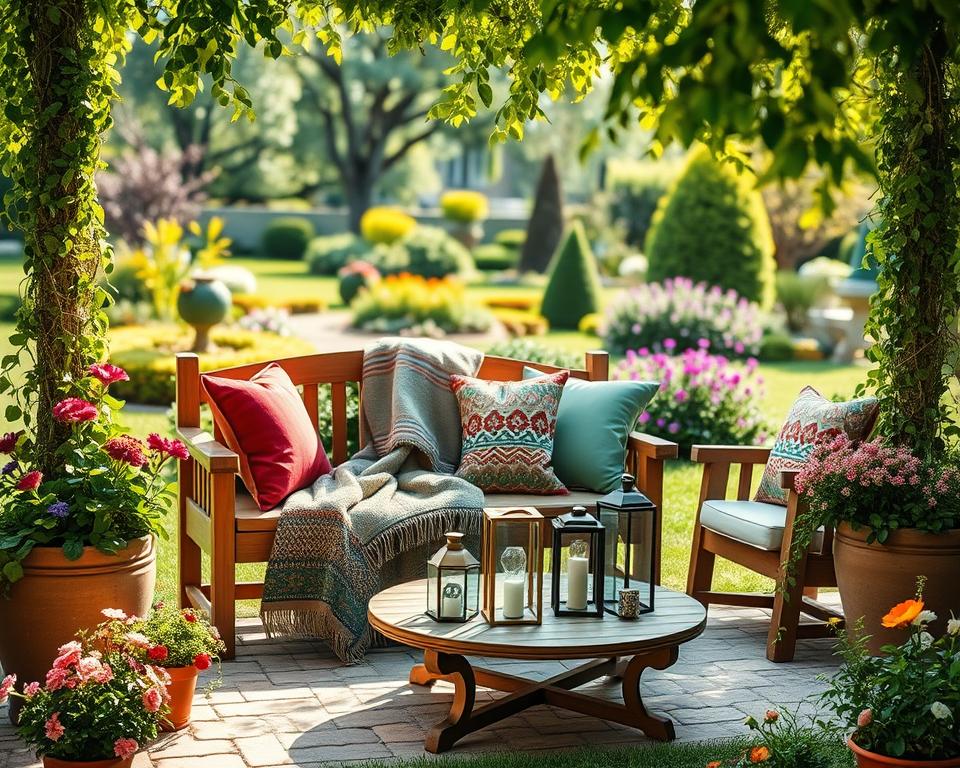
Outdoor cushions and textiles can add colour and comfort to your garden seating area. Choose materials that are weather-resistant and easy to clean. Consider vibrant patterns and colours that complement your garden’s surroundings.
Planters and Container Gardens
Planters and container gardens are a great way to add some greenery to your seating area. They can be used to create a sense of privacy or to frame your seating area. Choose plants that thrive in your local climate and require minimal maintenance.
Decorative Elements and Ornaments
Decorative elements such as ornaments, sculptures, and wind chimes can add visual interest to your garden seating area. Choose items that reflect your personal style and complement the overall aesthetic of your garden.
| Accessory | Purpose | Examples |
|---|---|---|
| Outdoor Cushions | Comfort and Colour | Vibrant patterns, weather-resistant materials |
| Planters | Greenery and Privacy | Flowering plants, herbs, succulents |
| Decorative Elements | Visual Interest | Ornaments, sculptures, wind chimes |
Outdoor Kitchens and BBQ Areas
For those who enjoy al fresco dining, consider adding an outdoor kitchen or BBQ area. This can be a great way to entertain guests and enjoy the outdoors.
Water Features and Focal Points
Water features such as small fountains or birdbaths can create a soothing atmosphere in your garden seating area. They can also serve as a focal point, drawing the eye and creating visual interest.
By incorporating these accessories, you can create a garden seating area that is not only functional but also beautiful and inviting.
Seasonal Considerations for British Gardens
To keep your garden seating area inviting year-round, it’s essential to consider the seasonal changes that British weather brings. Understanding these seasonal considerations will help you maintain a beautiful and functional outdoor space.
Spring Preparation and Planting
Spring is a time of renewal for your garden. Start by cleaning up any debris that may have accumulated over winter. Prune plants, and consider planting new flowers or shrubs that will bloom in the coming months. This is also an ideal time to inspect your garden furniture and make any necessary repairs.
Summer Enjoyment and Maintenance
Summer is the peak season for enjoying your garden seating area. Regular maintenance is crucial to keep it looking its best. This includes cleaning furniture, checking for wear and tear, and ensuring that any plants or flowers are well-watered.
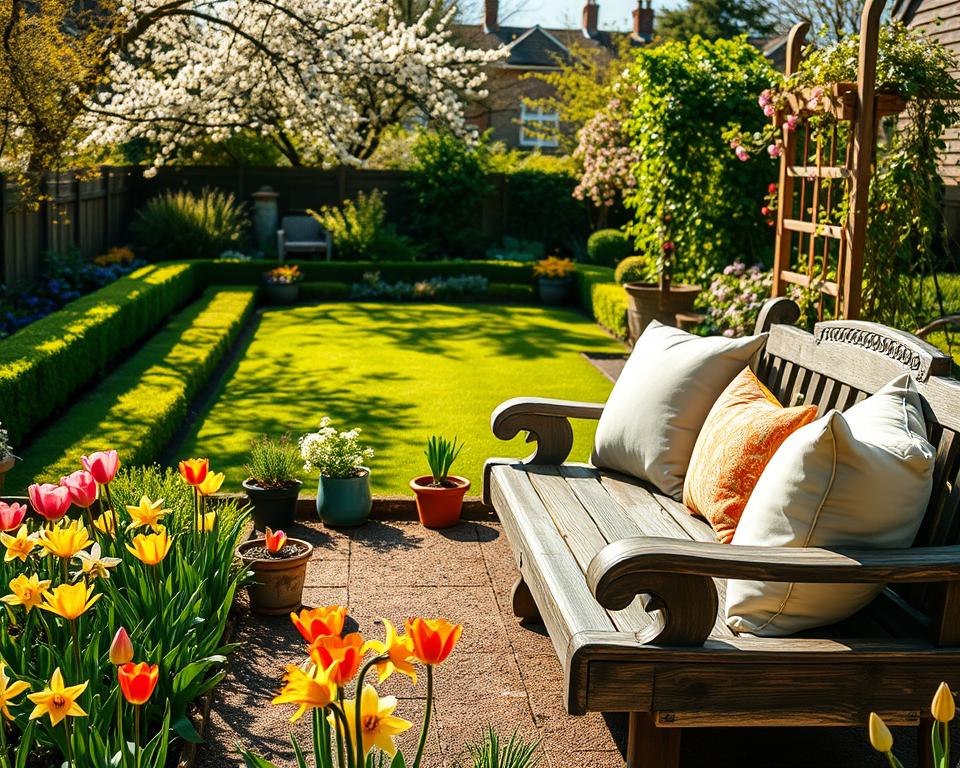
Autumn Adaptations
As autumn approaches, prepare your garden seating area for the changing weather. Consider storing or covering furniture to protect it from the elements. Clear up fallen leaves and debris, and think about planting bulbs that will bloom in the spring.
Winter Protection and Planning
Winter can be harsh on your garden. Protect your seating area by using weather-resistant covers or storing furniture in a dry place. Plan ahead for the next growing season by ordering new plants or materials.
Year-round Seating Strategies
To enjoy your garden seating area throughout the year, consider strategies such as using outdoor heaters or installing a fire pit for colder months. For warmer months, incorporate shade structures or umbrellas to provide relief from the sun.
| Season | Key Activities | Tips |
|---|---|---|
| Spring | Clean up, prune, plant new flowers | Inspect and repair furniture |
| Summer | Regular maintenance, enjoy your garden | Keep furniture clean, check for wear |
| Autumn | Prepare for changing weather, clear debris | Store or cover furniture, plant bulbs |
| Winter | Protect furniture, plan for next season | Use weather-resistant covers, store in dry place |
“A garden is a love song, a duet between a human being and Mother Nature.” – Jeff Cox
By following these seasonal considerations, you can ensure that your garden seating area remains a beautiful and enjoyable space throughout the year.
Maintaining Your Garden Seating Area
To keep your garden seating area looking its best, regular maintenance is essential. This involves a combination of seasonal care, cleaning, and protective measures to ensure your outdoor furniture remains in good condition throughout the year.
Seasonal Care Requirements
Different seasons bring different challenges for your garden seating area. In spring, inspect your furniture for winter damage and clean it thoroughly. Summer requires regular cleaning to remove dirt and debris, while autumn involves preparing your furniture for the coming winter. In winter, consider storing your furniture or covering it to protect it from harsh weather.
Cleaning Different Materials
The cleaning method for your garden furniture depends on the material. For example, wooden furniture can be cleaned with a mild soap solution, while metal furniture may require a specific metal cleaner. Rattan and wicker furniture can be cleaned with a soft brush and mild detergent. Always check the manufacturer’s instructions for specific cleaning recommendations.
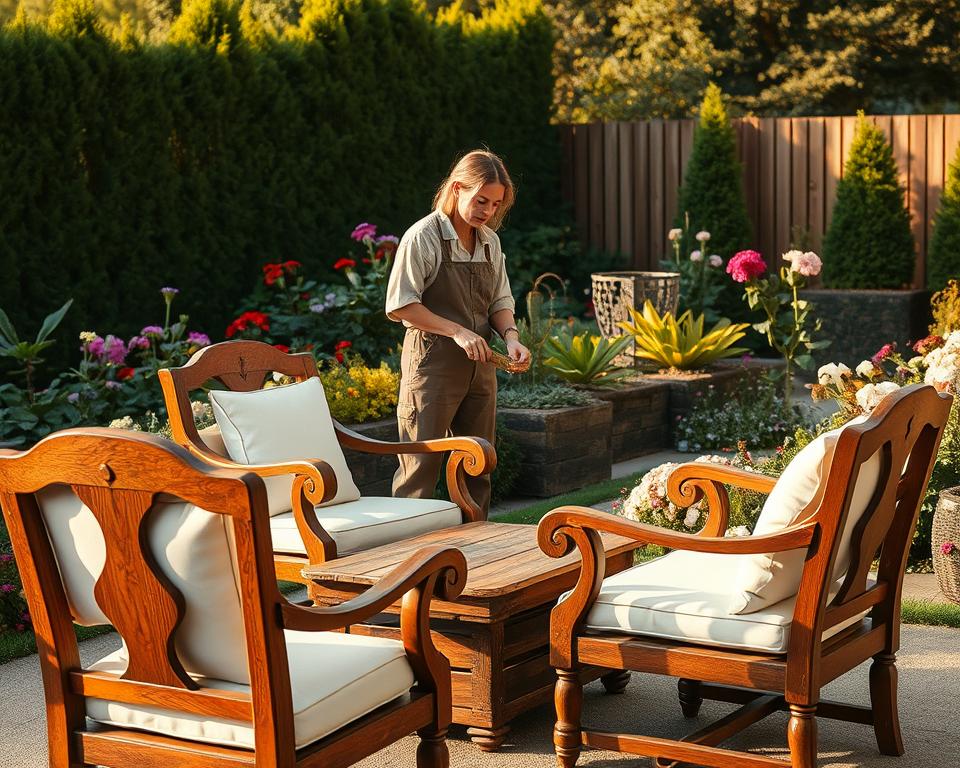
Storage Solutions for Winter
Proper storage is crucial to protect your garden furniture during the winter months. Consider storing your furniture in a dry, sheltered location such as a garage or shed. If storage space is limited, use waterproof covers to protect your furniture from rain and snow.
Repair and Restoration Tips
Regularly inspect your garden furniture for signs of wear and tear. Make repairs promptly to prevent minor issues from becoming major problems. For wooden furniture, sanding and reapplying a protective finish can help maintain its appearance and durability.
Weatherproofing Techniques
Applying a weatherproof coating or sealant can help protect your garden furniture from the elements. For metal furniture, consider applying a rust-inhibiting coating. For wooden furniture, a waterproof sealant can help prevent rot and decay.
| Material | Cleaning Method | Weatherproofing Technique |
|---|---|---|
| Wood | Mild soap solution | Waterproof sealant |
| Metal | Specific metal cleaner | Rust-inhibiting coating |
| Rattan/Wicker | Soft brush and mild detergent | Waterproof spray |
Conclusion
You now have the tools and inspiration to create a beautiful and functional garden seating area. By assessing your garden space, defining the purpose of your seating area, and choosing the right furniture and materials, you can create an outdoor living space that enhances your wellbeing and extends your living area.
Effective garden seating ideas can transform your outdoor space into a haven for relaxation and entertainment. Whether you’re looking to create a modern minimalist design or a traditional British garden, the key is to create a space that reflects your style and meets your needs.
By incorporating elements such as shelter, shade, comfort, and lighting, you can create an outdoor living space that is both functional and beautiful. With these tips and ideas, you’re ready to start creating your dream garden seating area and enjoying the many benefits of outdoor living spaces.
FAQ
What are the benefits of having a garden seating area?
Having a garden seating area can enhance your wellbeing, extend your living space outdoors, and provide a tranquil retreat for relaxation and entertainment.
How do I choose the right location for my garden seating area?
To choose the right location, consider factors like sunlight, shade, and existing features in your garden. Measure and map your garden to identify suitable locations, and think about the purpose of your seating area.
What types of garden furniture are available?
You can choose from a variety of garden furniture, including garden benches, outdoor sofas, hammocks, dining sets, and built-in seating options, depending on your desired style and functionality.
What materials are suitable for outdoor furniture?
Outdoor furniture can be made from various materials, including wood, metal, rattan, and plastic. Consider the pros and cons, maintenance requirements, and durability of each material when making your selection.
How can I create a solid foundation for my garden seating area?
You can create a solid foundation by using decking, patio stones, gravel, or grass, and consider drainage issues relevant to British weather to ensure a stable and level surface.
What are some ways to provide shelter and shade in my garden seating area?
You can provide shelter and shade using structures like pergolas, parasols, awnings, and canopies, or by utilising natural shade from trees and plants.
How can I add comfort to my garden seating area?
You can add comfort by using weather-resistant cushions, outdoor rugs, throws, and heating options like fire pits and patio heaters to create a cosy and inviting atmosphere.
What lighting options are available for outdoor seating areas?
You can choose from various lighting options, including solar-powered lights, string lights, built-in lighting solutions, candles, and smart lighting systems, to create ambiance and functionality.
How can I create privacy in my garden seating area?
You can create privacy by using screening plants, decorative screens, fencing, and sound-dampening techniques to seclude your seating area from surrounding areas.
What are some budget-friendly ideas for garden seating?
You can consider DIY projects, upcycling, and phased implementation approaches to create a garden seating area on a budget. Look for seasonal sales and second-hand finds to save money.
How do I maintain my garden seating area?
Regularly clean and inspect your garden furniture, store items during winter, and perform seasonal care tasks to maintain your garden seating area. Use weatherproofing techniques to protect your furniture from the elements.