Heating for a Wooden Summerhouse – What Options Are Available?
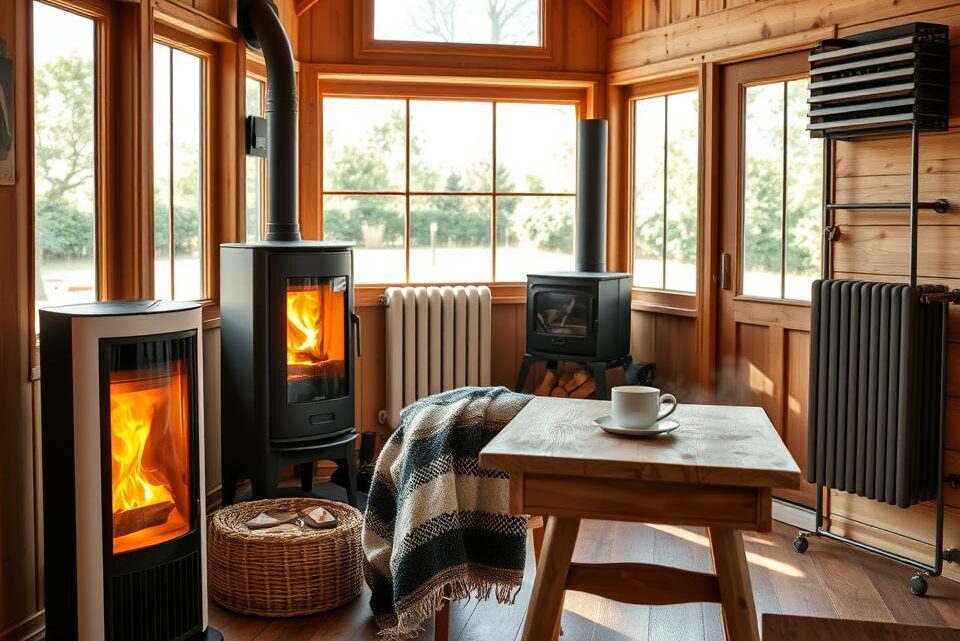
Imagine transforming your wooden summerhouse into a cosy retreat that welcomes you throughout the year. The unpredictable British weather need not limit your garden building enjoyment. Selecting the right heating for a wooden summerhouse can unlock a world of possibilities, turning your outdoor space into a versatile sanctuary.
Garden building heating has evolved dramatically, offering solutions that cater to every need and preference. Whether you’re seeking a workspace, relaxation zone, or hobby retreat, summerhouse heating options now provide unprecedented comfort and flexibility.
Your wooden summerhouse represents more than just a seasonal structure. With strategic heating choices, you can create a year-round haven that adapts to your lifestyle, making every square metre of your garden truly functional.
Inhaltsverzeichnis
Key Takeaways
- Heating extends your summerhouse’s usability beyond summer months
- Multiple heating options exist for different preferences
- Proper heating transforms garden buildings into versatile spaces
- Consider your specific usage and structural requirements
- Investment in quality heating enhances overall garden experience
Why Heating Your Wooden Summerhouse Transforms Your Outdoor Space
Imagine transforming your wooden summerhouse into a year-round summerhouse that becomes an extension of your living space. Garden room heating opens up a world of possibilities, turning a seasonal retreat into a versatile sanctuary that defies British weather constraints.
Your outdoor space transformation begins with strategic heating solutions that breathe new life into your garden building. No longer limited by cold temperatures, you can create a multifunctional space that serves numerous purposes:
- Home office with inspiring garden views
- Creative studio for artistic pursuits
- Peaceful reading nook
- Relaxation space away from household distractions
The benefits extend far beyond mere warmth. A heated summerhouse increases your property’s functional living area, potentially boosting its market value. Wellness becomes a priority when you design a dedicated space that offers tranquillity and connection with nature, regardless of seasonal changes.
Your summerhouse can be more than just a summer retreat – it can be your year-round personal sanctuary.
By investing in garden room heating, you’re not just warming a space – you’re unlocking potential, creating memories, and expanding your home’s usable square footage with an intelligent, adaptable solution.
Understanding Your Summerhouse Heating Requirements
Preparing your wooden summerhouse for comfortable year-round use requires careful consideration of heating requirements. Every garden building is unique, and understanding your specific needs will help you create the perfect warm retreat.
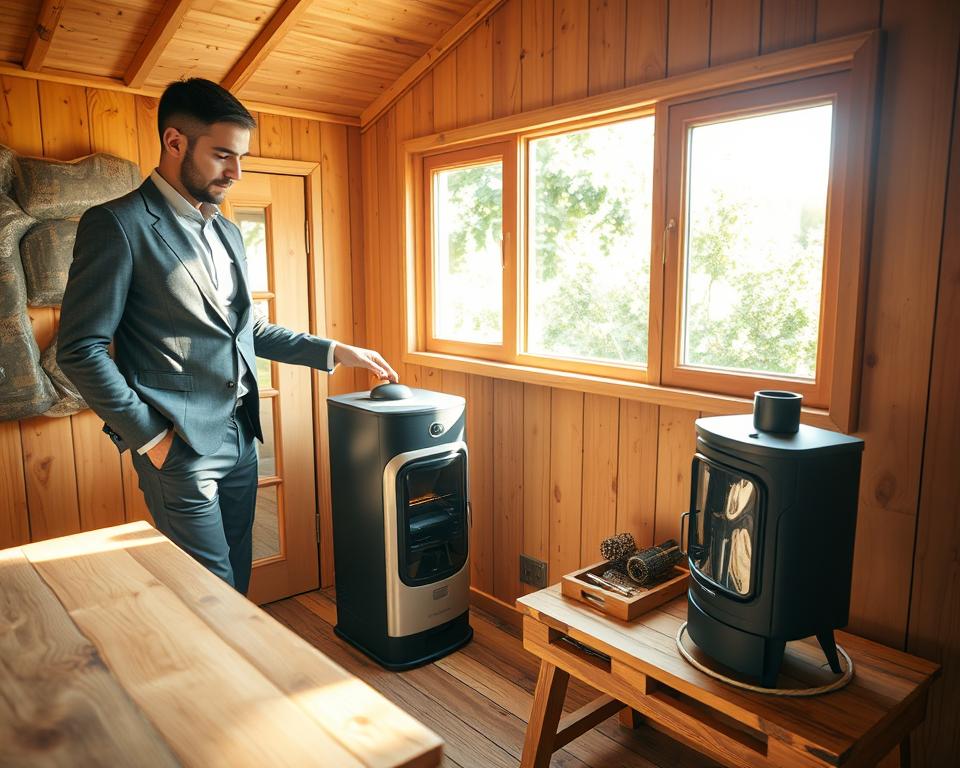
Selecting the right heating solution starts with a comprehensive evaluation of your summerhouse’s characteristics. Your garden building size plays a crucial role in determining the most effective heating strategy.
Assessing the Size and Insulation of Your Structure
Summerhouse insulation is the foundation of efficient heating. Key factors to examine include:
- Wall thickness and construction materials
- Quality of window and door seals
- Roof and floor insulation levels
- Potential air leakage points
Measure your summerhouse dimensions carefully. A smaller structure will require less energy to heat, while larger garden buildings might need more robust heating solutions.
Determining Your Usage Patterns and Heating Needs
Your intended use of the summerhouse significantly impacts heating requirements. Consider these essential questions:
- Will you use the space occasionally or regularly?
- What temperature range do you find comfortable?
- Do you need instant warmth or background heating?
Pro tip: Conduct a thorough heat loss assessment before investing in any heating system to ensure maximum efficiency and comfort.
Electric Heaters: Convenient and Efficient Warmth
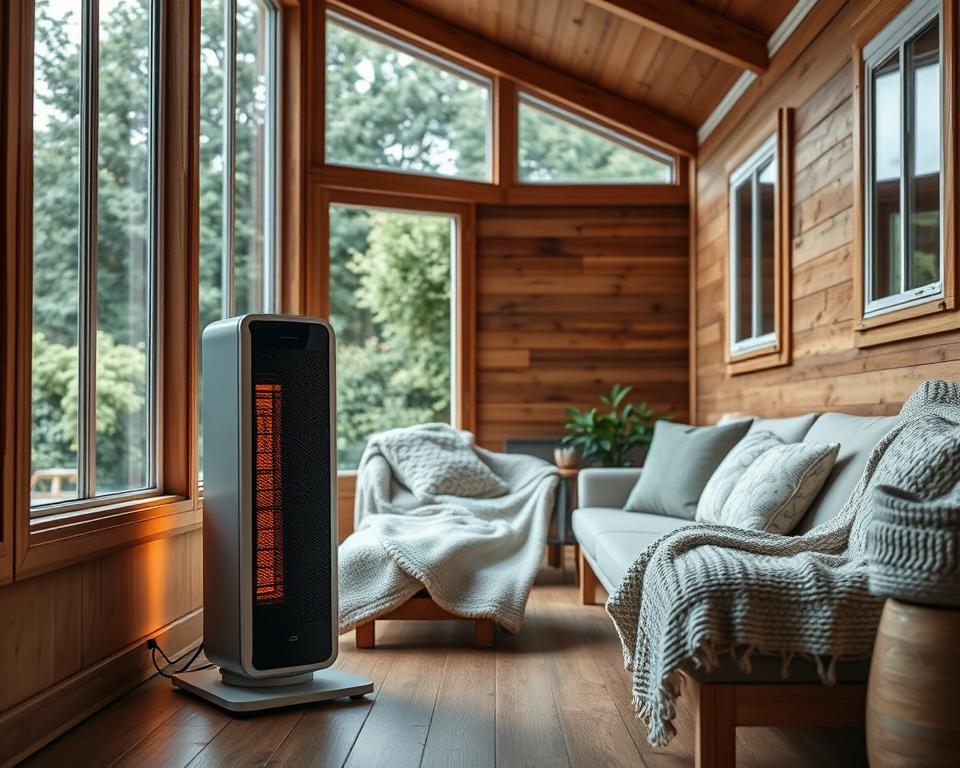
Electric heaters have become the go-to solution for heating wooden summerhouses, offering unparalleled convenience and flexibility. These portable heaters provide efficient warmth without the complications of traditional heating methods, making them an ideal choice for your garden retreat.
When selecting electric heaters for summerhouses, you’ll discover a range of convenient heating solutions that cater to different needs:
- Convection heaters for even room heating
- Fan heaters for quick warmth
- Panel heaters for slim, space-saving design
- Infrared heaters for targeted heat
The benefits of electric heating are impressive. You’ll enjoy precise temperature control, zero fuel storage requirements, and seamless integration with smart home technologies. Installation is remarkably straightforward—simply plug in and start warming your space.
| Heater Type | Pros | Best For |
|---|---|---|
| Convection Heaters | Even heat distribution | Larger summerhouse spaces |
| Fan Heaters | Rapid heating | Quick warm-up needs |
| Panel Heaters | Compact design | Small or narrow spaces |
Consider your summerhouse’s electrical capacity and positioning when selecting portable heaters. Strategic placement ensures optimal heat distribution and energy efficiency. With modern electric heaters, you’ll transform your wooden summerhouse into a cosy retreat that’s comfortable year-round.
Wood-Burning Stoves: Traditional Charm Meets Modern Comfort
Wood-burning stoves have transformed summerhouse experiences, blending timeless charm with contemporary warmth. These remarkable heating solutions bring an enchanting atmosphere to your wooden retreat, creating a cosy sanctuary that beckons you to relax and unwind.
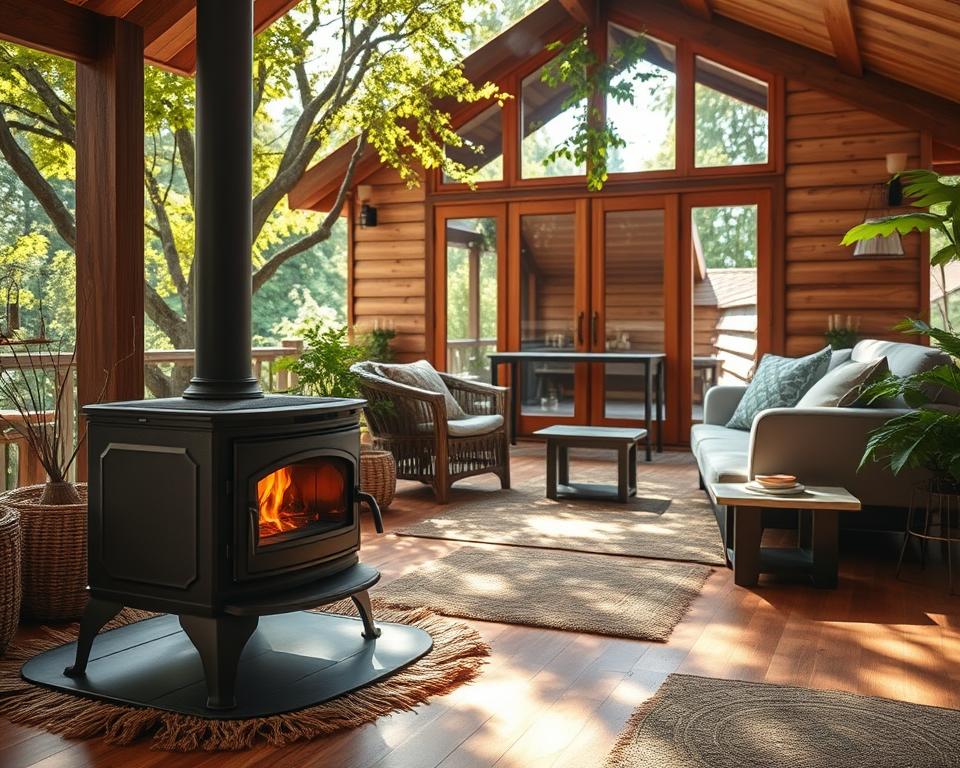
The allure of a summerhouse wood burner extends far beyond mere heating. It offers a sensory experience that electric alternatives simply cannot match—the gentle crackling of logs, mesmerising flames, and radiant heat that penetrates your space.
Installation Considerations for Wood Burners
Before installing a wood-burning stove in your summerhouse, several crucial factors require careful evaluation:
- Verify Building Regulations compliance
- Assess chimney and flue requirements
- Determine appropriate hearth specifications
- Calculate safe clearance distances from wooden walls
Professional installation remains paramount to ensure safety and optimal performance of your traditional heating solution.
Maintenance and Safety Requirements
Owning a wood-burning stove demands consistent care and attention. Regular maintenance ensures longevity and safe operation:
- Schedule annual chimney sweeping
- Implement proper ash removal techniques
- Establish secure log storage practices
- Install carbon monoxide detectors
- Create fire-resistant surroundings
| Maintenance Task | Frequency |
|---|---|
| Chimney Sweeping | Annually |
| Ash Removal | Weekly |
| Stove Inspection | Bi-annually |
Embracing a wood-burning stove in your summerhouse means committing to a living heating experience that rewards careful attention with unparalleled warmth and ambiance.
Gas Heaters: Powerful Heat for Larger Summerhouses
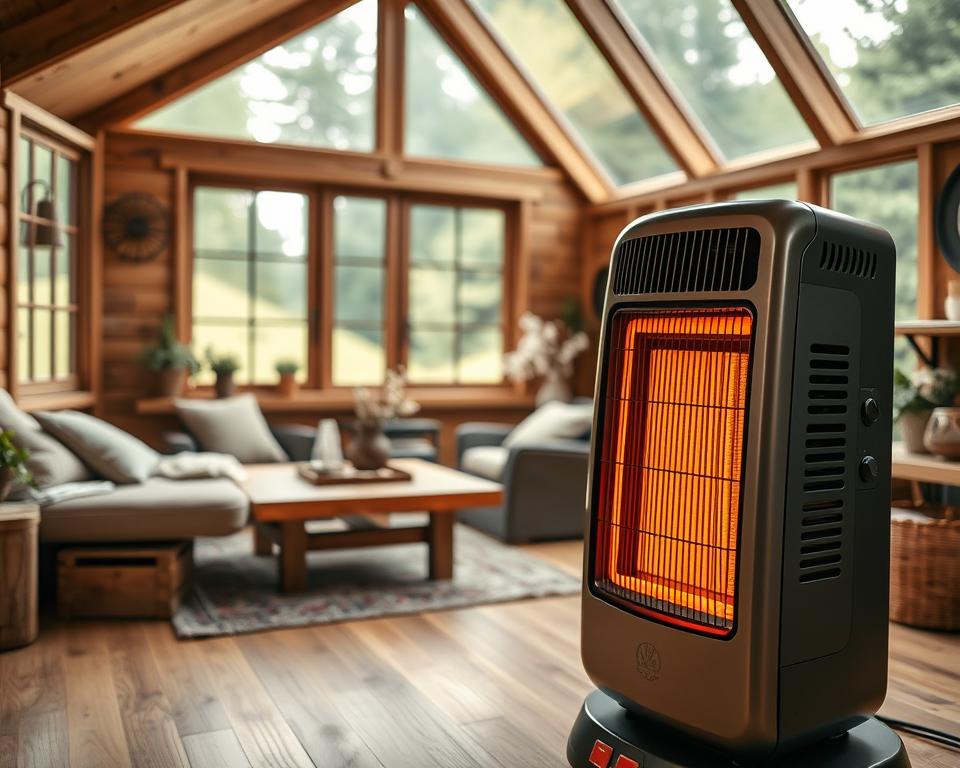
When it comes to large summerhouse heating, gas heaters emerge as champions of warmth and efficiency. These powerful heating solutions transform your outdoor space from chilly to cosy in minutes, making them an exceptional choice for spacious garden buildings.
Gas heaters offer remarkable advantages for your summerhouse:
- Rapid heat generation
- Cost-effective running expenses
- Consistent temperature control
- High heat output for larger spaces
Your options include natural gas connections and portable bottled gas alternatives. Propane and butane cylinders provide flexibility for remote summerhouse locations without mains gas supply.
“Gas heaters deliver unmatched warmth, turning your summerhouse into a year-round retreat.”
Different gas heater types cater to various needs:
- Catalytic heaters
- Cabinet heaters
- Flueless gas fires
When selecting gas heaters, consider ventilation requirements and safety regulations. Installing carbon monoxide detectors is crucial for protecting your space and ensuring peace of mind during those chilly evenings.
Infrared Heating Panels: Contemporary Energy-Efficient Solutions
Discover the cutting-edge world of infrared heating panels, a revolutionary approach to warming your wooden summerhouse. These modern heating solutions represent a significant leap forward in energy-efficient heating technology, offering a sleek and intelligent way to create comfort in your outdoor living space.

How Infrared Technology Transforms Garden Building Warmth
Infrared heating panels work differently from traditional heating methods. Instead of warming the air, these innovative devices emit electromagnetic waves that directly heat objects and people. This unique approach provides several key advantages for your summerhouse:
- Direct, gentle warmth similar to natural sunlight
- Reduced heat loss through drafts
- Even heat distribution across the space
- Minimal moisture condensation
Cost-Effective Installation and Long-Term Benefits
When considering energy-efficient heating for your summerhouse, infrared heating panels stand out as a smart investment. Their slim design allows for easy wall or ceiling mounting, preserving valuable floor space while delivering powerful warmth.
Key benefits include:
- Lower running costs compared to traditional heating
- No complex installation requiring pipework
- Minimal maintenance requirements
- Environmentally friendly heating solution
By choosing infrared heating panels, you’re embracing a contemporary heating approach that combines efficiency, aesthetics, and intelligent technology for your wooden summerhouse.
Oil-Filled Radiators: Portable and Reliable Heat Sources
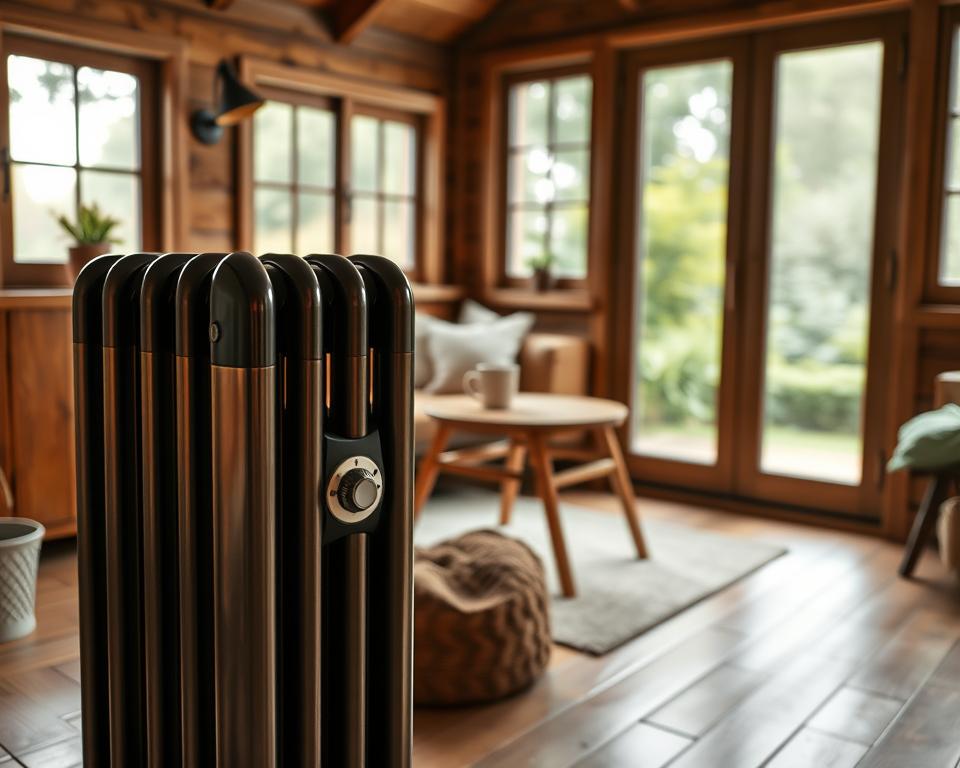
Discovering the perfect heating solution for your wooden summerhouse can transform your outdoor space into a cosy retreat. Oil-filled radiators emerge as a standout choice for portable heating, offering reliable heat sources that blend convenience with efficiency.
These intelligent heating devices work by circulating thermal oil through internal elements, creating a steady and gentle warmth. Unlike traditional heaters, oil-filled radiators continue radiating heat even after switching off, making them an economical option for your summerhouse.
- Provides consistent temperature control
- Silent operation with no fan noise
- Safe for wooden structures
- Easy to move and store
When selecting oil-filled radiators, consider these key factors:
| Consideration | Key Points |
|---|---|
| Wattage | Match to summerhouse size (typically 500-1500W) |
| Safety Features | Tip-over protection, overheat cut-off switches |
| Portability | Wheels and lightweight design |
Your summerhouse deserves a heating solution that adapts to your needs. Oil-filled radiators provide that flexibility, ensuring you can enjoy your space comfortably throughout cooler months.
Embrace the warmth of intelligent, portable heating that moves with you!
Heating for a Wooden Summerhouse – What Options Are Available?
Selecting the perfect heating solution for your wooden summerhouse can feel like navigating a complex maze. Each heating option brings unique advantages, making your decision crucial for creating a comfortable outdoor sanctuary. This heating comparison will help you explore the best summerhouse heating options to transform your space.
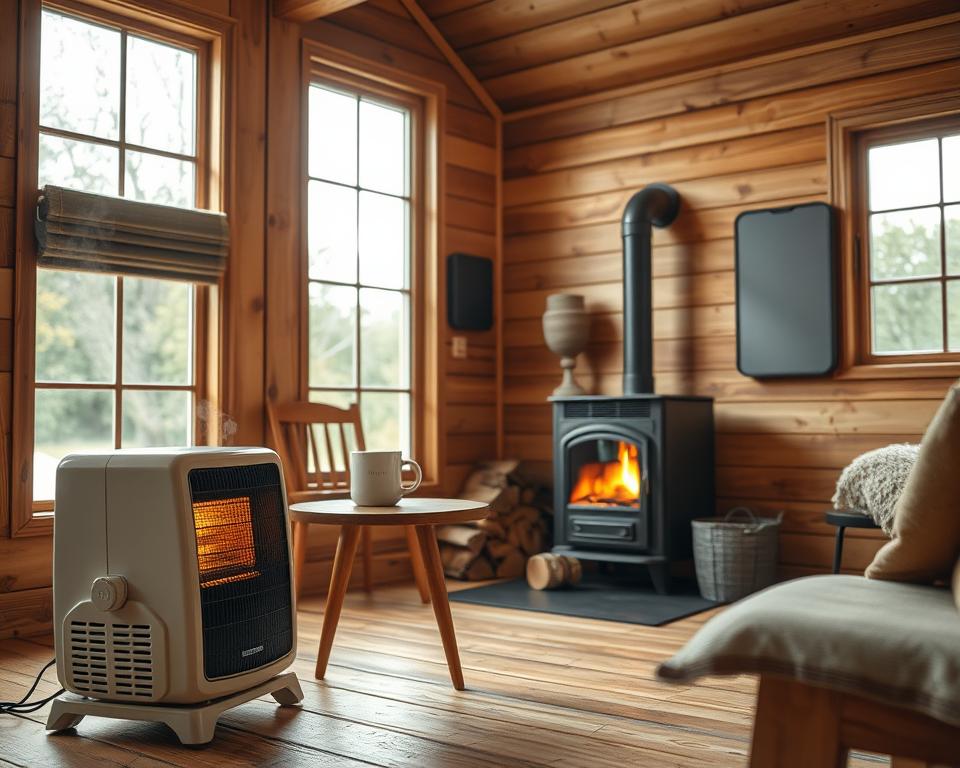
Understanding your specific requirements is key to finding the best heating solution. Different heating methods excel in various scenarios, depending on your summerhouse’s size, insulation, and intended use.
Comprehensive Heating Method Evaluation
| Heating Method | Pros | Cons | Best Suited For |
|---|---|---|---|
| Electric Heaters | Easy installation, portable | Higher running costs | Small to medium summerhouses |
| Wood-Burning Stoves | Atmospheric, powerful heat | Complex installation, maintenance | Rustic, well-ventilated spaces |
| Gas Heaters | High heat output | Requires professional installation | Large summerhouses |
| Infrared Panels | Energy-efficient, modern | Initial cost | Eco-conscious users |
| Oil-Filled Radiators | Portable, consistent heat | Slower warm-up time | Flexible heating needs |
Your ideal heating solution depends on multiple factors. Consider these key aspects when making your selection:
- Summerhouse size and layout
- Frequency of use
- Budget constraints
- Installation complexity
- Energy efficiency preferences
Each heating method offers unique benefits. Your perfect solution balances practicality, comfort, and personal style. Take time to evaluate your specific needs to create a warm, inviting summerhouse retreat.
Insulation Essentials: Maximising Your Heating Efficiency
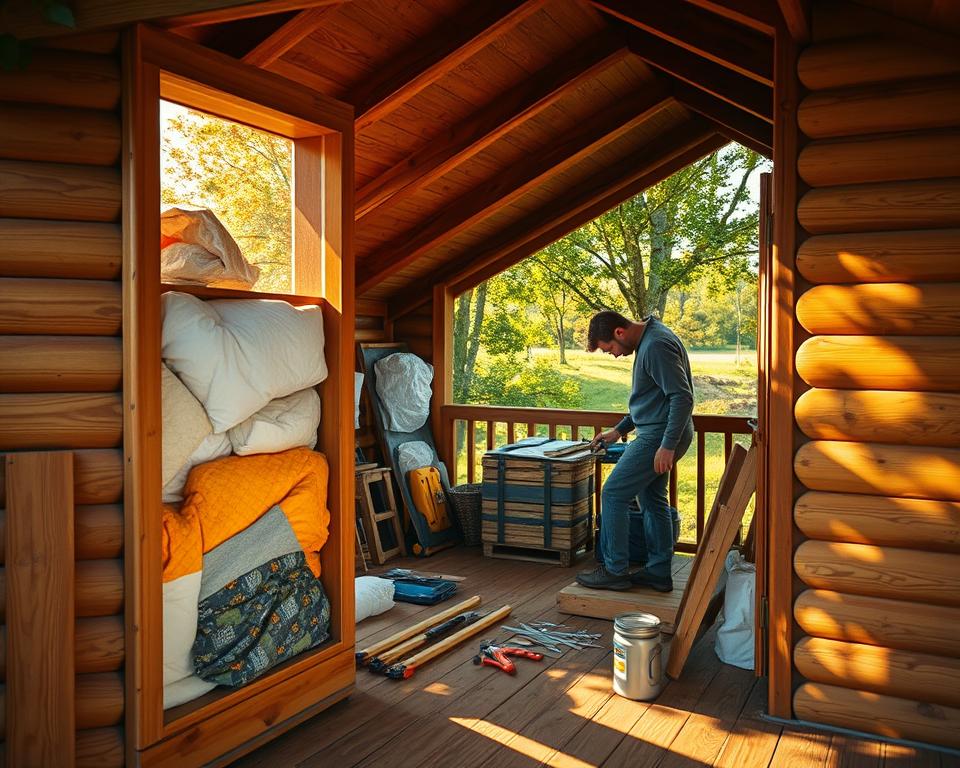
Summerhouse insulation represents the cornerstone of energy conservation and heating efficiency. Without proper insulation, your cosy retreat becomes an energy-draining space that struggles to maintain warmth. Understanding the critical role of insulation can transform your summerhouse into an energy-efficient sanctuary.
Your insulation strategy should focus on several key areas:
- Wall insulation using high-performance materials
- Roof and ceiling thermal barriers
- Floor protection against cold temperatures
- Advanced window and door sealing techniques
Different insulation materials offer unique benefits. Foam boards provide excellent thermal resistance, while natural wool options deliver eco-friendly performance. Reflective foil barriers can significantly reduce heat transfer, helping you maintain a consistent temperature with minimal energy expenditure.
Consider these practical insulation improvements:
- Seal all potential air leakage points
- Install double-glazed windows
- Add weatherstripping around doors
- Use draft excluders for additional protection
Investing in quality insulation is like creating a protective thermal envelope around your summerhouse.
Professional installation might seem costly, but the long-term savings in heating efficiency make it a wise investment. By prioritising summerhouse insulation, you’ll reduce energy consumption, lower utility bills, and create a more comfortable living space.
Running Costs: Budgeting for Your Summerhouse Heating
Understanding the heating costs of your wooden summerhouse is crucial for making informed financial decisions. Your heating budget can vary significantly depending on the type of heating system you choose and how you use your space.
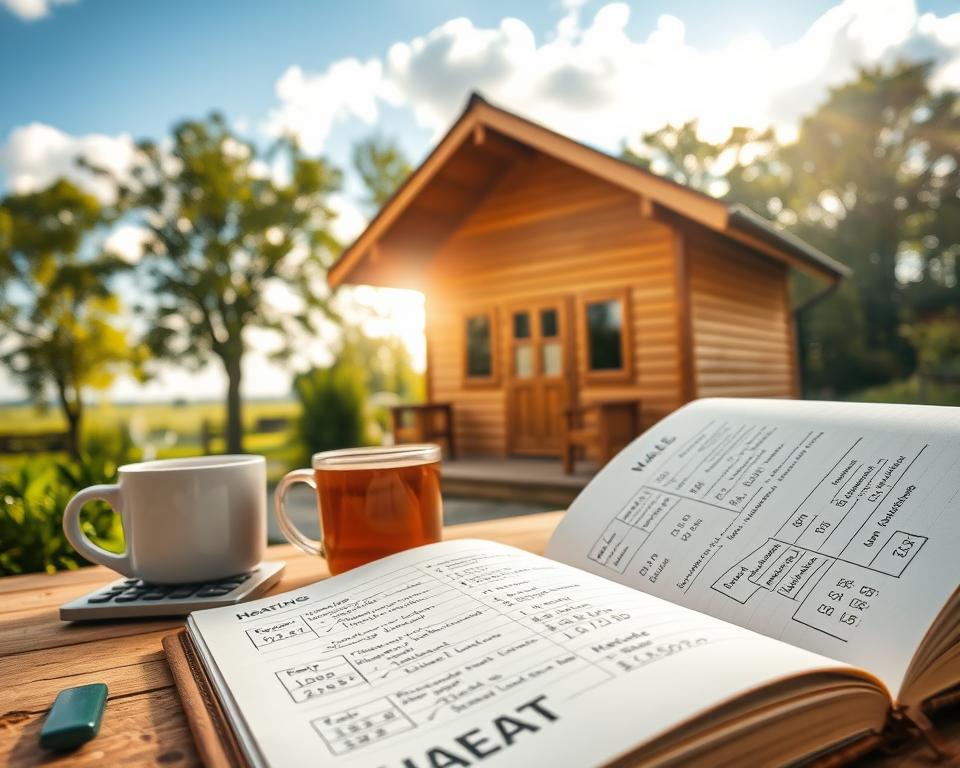
The energy consumption of different heating methods plays a pivotal role in determining your overall expenses. Each heating solution comes with unique cost implications that can impact your long-term investment.
Comparing Energy Consumption Across Heating Types
Let’s break down the typical heating costs for various summerhouse heating options:
| Heating Type | Average Annual Cost | Energy Efficiency |
|---|---|---|
| Electric Heaters | £150 – £300 | Moderate |
| Wood-Burning Stove | £100 – £250 | High |
| Gas Heaters | £200 – £400 | High |
| Infrared Panels | £100 – £250 | Very High |
Long-Term Investment Considerations
When evaluating heating solutions, consider more than just the initial purchase price. Your total investment includes:
- Installation expenses
- Ongoing maintenance costs
- Fuel or electricity pricing
- Equipment lifespan
Pro tip: Improve your summerhouse’s insulation to reduce overall energy consumption and minimise heating costs.
Strategic choices can help you create a comfortable space while managing your heating budget effectively. Select a heating solution that balances initial investment with long-term efficiency and your specific usage patterns.
Safety Considerations When Heating Wooden Structures

Heating your wooden summerhouse requires careful attention to safety. Wooden structure safety is paramount when introducing heat sources to your garden building. Understanding fire prevention strategies will help you enjoy your space without unnecessary risks.
Your heating approach must prioritise protection against potential fire hazards. Different heating methods demand unique safety considerations:
- Maintain minimum clearance between heaters and wooden surfaces
- Install smoke and carbon monoxide detectors
- Use fire-resistant materials near heating equipment
- Ensure proper ventilation for all heating types
Electric heaters require professional electrical installation to prevent short circuits. Gas and wood-burning systems need additional precautions:
| Heating Type | Safety Recommendations |
|---|---|
| Wood-Burning Stoves | Install heat shields, maintain regular chimney cleaning |
| Gas Heaters | Professional installation, annual safety checks |
| Infrared Panels | Secure mounting, keep away from flammable materials |
Creating a comprehensive safety checklist will give you peace of mind. Regular maintenance and vigilant monitoring are key to preventing potential heating risks in your wooden summerhouse.
Safety isn’t expensive, it’s priceless – especially when protecting your wooden garden retreat.
Remember that responsible heating practices protect both your investment and your loved ones. By implementing these heating safety guidelines, you can enjoy a warm, secure summerhouse environment.
Conclusion
Your summerhouse heating decision represents a transformative journey towards year-round comfort and garden room transformation. By exploring diverse heating options, you’ve unlocked the potential to create a versatile space that defies British weather limitations.
From electric heaters offering convenient warmth to wood burners providing rustic charm, each heating solution presents unique advantages tailored to your specific needs. Your careful assessment of size, insulation, and usage patterns will guide you towards the most effective heating strategy for your wooden retreat.
Safety, efficiency, and budget considerations remain paramount in your heating selection process. Investing time in understanding insulation techniques, comparing running costs, and implementing appropriate safety measures will ensure your summerhouse becomes a reliable, comfortable extension of your living space.
Your dream of a functional, cosy garden room is within reach. Take the next step by consulting heating professionals, evaluating your specific requirements, and embracing the exciting potential of a well-heated summerhouse that serves you beautifully throughout every season.
FAQ
What are the most energy-efficient heating options for a wooden summerhouse?
Infrared heating panels and electric panel heaters offer excellent energy efficiency for wooden summerhouses. These solutions provide targeted warmth with minimal heat loss, allowing you to create a cosy space while keeping your energy consumption low. Infrared panels, in particular, heat objects directly, reducing wasted energy and providing a more efficient heating method compared to traditional convection heaters.
How much does it cost to heat a wooden summerhouse?
The cost varies depending on your chosen heating method, insulation quality, and usage patterns. Electric heaters typically range from £0.15 to £0.30 per hour, while gas heating can be more economical for larger spaces. Oil-filled radiators offer a cost-effective solution with lower running costs, often consuming around £0.10 to £0.20 per hour. To minimise expenses, invest in proper insulation and use smart heating controls to optimise your energy consumption.
Can I use a wood-burning stove in my summerhouse?
Yes, you can install a wood-burning stove in your summerhouse, but you’ll need to carefully consider Building Regulations and safety requirements. Ensure proper ventilation, install a suitable flue system, and maintain adequate clearance from wooden walls. You’ll need a professional installation to meet safety standards, including a non-combustible hearth and appropriate fire protection measures. A wood burner can create a wonderfully atmospheric and warm space when installed correctly.
What heating option is best for a small summerhouse?
For smaller summerhouses, electric panel heaters or oil-filled radiators are typically the most suitable options. These compact heating solutions offer flexibility, easy installation, and precise temperature control. Infrared panels are also an excellent choice, providing efficient warmth without taking up much space. Consider your specific usage patterns and insulation levels to select the most appropriate heating solution for your compact garden retreat.
How important is insulation when heating a wooden summerhouse?
Insulation is crucial for maintaining heat efficiency and reducing energy costs. Proper insulation can cut your heating expenses by up to 50% and create a more comfortable environment. Focus on wall, roof, and floor insulation, and seal any draughts around windows and doors. Materials like foam boards, natural wool insulation, or reflective foil barriers can significantly improve your summerhouse’s thermal performance, making any heating system more effective and economical.
Are gas heaters suitable for summerhouse heating?
Gas heaters can be an excellent option for larger summerhouses, offering powerful and quick heating capabilities. However, you’ll need to consider ventilation requirements, gas supply logistics, and safety regulations. Both natural gas and bottled gas (propane or butane) options exist, with varying installation complexities. Ensure proper carbon monoxide detection and professional installation to use gas heating safely in your wooden summerhouse.
What safety considerations should I keep in mind when heating a wooden structure?
Safety is paramount when heating a wooden summerhouse. Key considerations include maintaining proper clearances between heat sources and wooden surfaces, ensuring adequate ventilation, and installing smoke and carbon monoxide detectors. Use fire-resistant materials near heating elements, follow manufacturer’s installation guidelines, and have gas or wood-burning systems professionally installed. Regular maintenance and careful positioning of heating units will help prevent potential fire risks.