How to Design a Log Cabin – Unique Ideas to Inspire
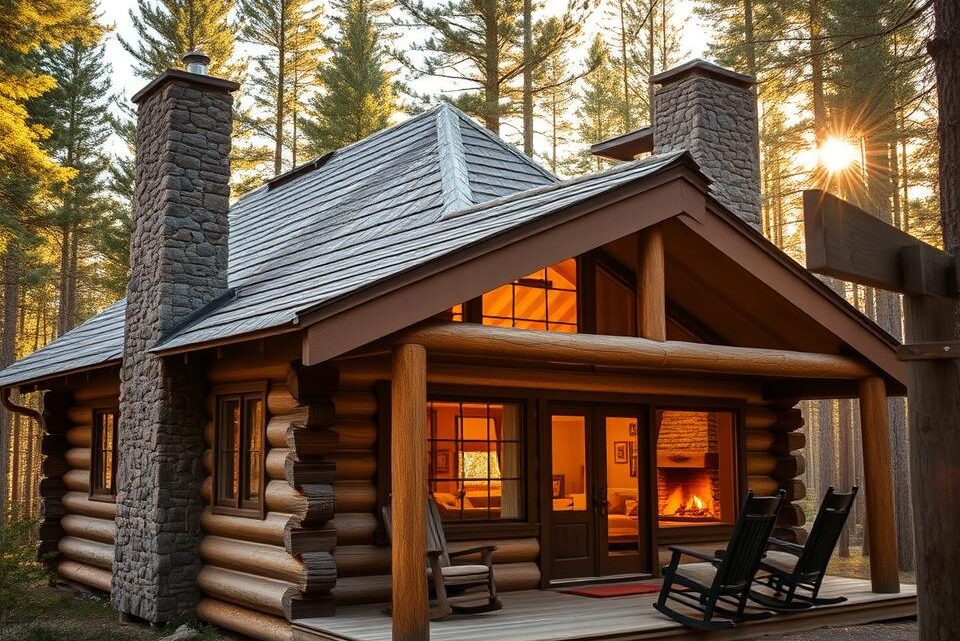
The allure of a log cabin lies in its ability to blend seamlessly into its surroundings while offering a unique blend of rustic charm and modern functionality. As a versatile structure, a cabin can serve as a primary residence, holiday home, or serene garden retreat, captivating homeowners with its natural beauty and warmth.
When embarking on a log cabin design project, several key considerations come into play, including the location, purpose, materials, and aesthetic preferences. Thoughtful design can transform a simple log structure into a unique and personalized space that reflects the owner’s lifestyle and taste.
This article will guide readers through the essential elements of log cabin design, from structural considerations to interior styling, providing a wealth of ideas and inspiration to bring their vision to life.
Inhaltsverzeichnis
Key Takeaways
- Understanding the versatility of log cabins as primary residences, holiday homes, or garden retreats.
- Key considerations for a log cabin design project, including location and aesthetic preferences.
- The importance of thoughtful design in creating a unique and personalized log cabin.
- Exploring the range of ideas and inspiration for log cabin design, from traditional to contemporary approaches.
- Transforming a simple log structure into a reflection of the owner’s lifestyle and taste.
Understanding Log Cabin Fundamentals
The enduring popularity of log cabins can be attributed to their unique ability to balance tradition with modernity. Log cabins have become a staple in modern architecture, offering a blend of rustic charm and contemporary living that appeals to a wide range of homeowners.
The Enduring Appeal of Log Cabins
Log cabins have a rich history that dates back centuries, originating as practical dwellings in rural areas. Today, they are desirable homes that combine traditional elements with modern comforts. Their enduring appeal lies in their ability to provide a sense of connection to nature and a simpler way of life.
Key Structural Elements to Consider
The structural integrity of a log cabin is defined by several key elements, including the type of logs used, corner notching systems, and traditional construction methods. The choice of log species, size, and treatment significantly affects both the aesthetic and structural integrity of the cabin.
Planning Your Log Cabin Project
When planning a log cabin project, several factors must be considered, including budget constraints, site preparation, and regulatory requirements. Proper planning ensures that the cabin meets both immediate needs and potential future requirements, making it a worthwhile investment.
By understanding these fundamentals, homeowners can create a log cabin that not only meets their needs but also stands the test of time.
Choosing the Perfect Location and Foundation
A well-designed log cabin starts with a thoughtful selection of its location and foundation. The natural surroundings play a significant role in determining the aesthetic and functional aspects of the cabin.
Harmonising with the Natural Landscape
To create a log cabin that blends seamlessly into its environment, it’s essential to consider the natural landscape. A simple, sturdy design allows the surrounding scenery to take center stage. For instance, a gabled roof and small porch can complement dramatic mountain and forest views.
Foundation Options for Different Terrains
The choice of foundation is critical and depends on the terrain. Traditional stone foundations, modern pier systems, concrete slabs, and basement foundations are viable options. For example, building on a slope can incorporate a walk-out stone foundation, maximising living space.
Maximising Views and Natural Light
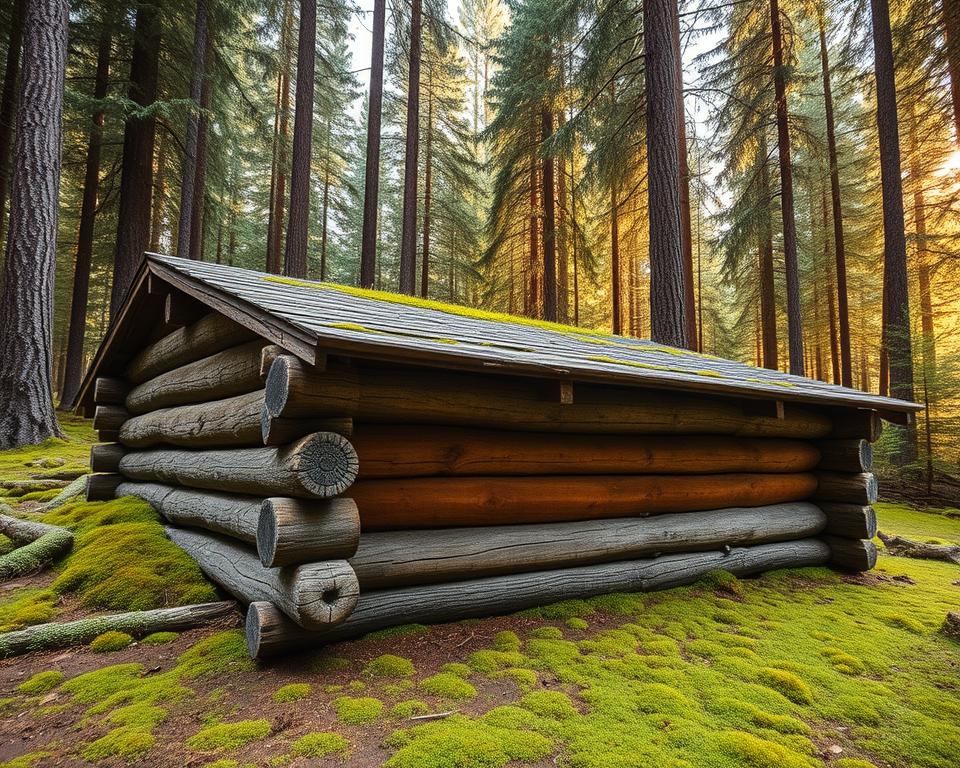
Positioning the log cabin to maximise natural views and optimise exposure to natural light is vital. Careful orientation ensures that the cabin makes the most of its surroundings throughout different seasons, enhancing both its aesthetic appeal and functional efficiency.
Key considerations include site selection factors such as terrain, orientation, accessibility, and integration with the landscape. Thoughtful positioning can significantly enhance the overall log cabin experience.
Exterior Design Elements That Make a Statement
Exterior design elements can make or break the charm of a log cabin, making it essential to choose wisely. The right combination of roofing styles, windows, doors, and outdoor extensions can elevate the cabin’s aesthetic appeal while ensuring durability and functionality.
Roofing Styles and Materials
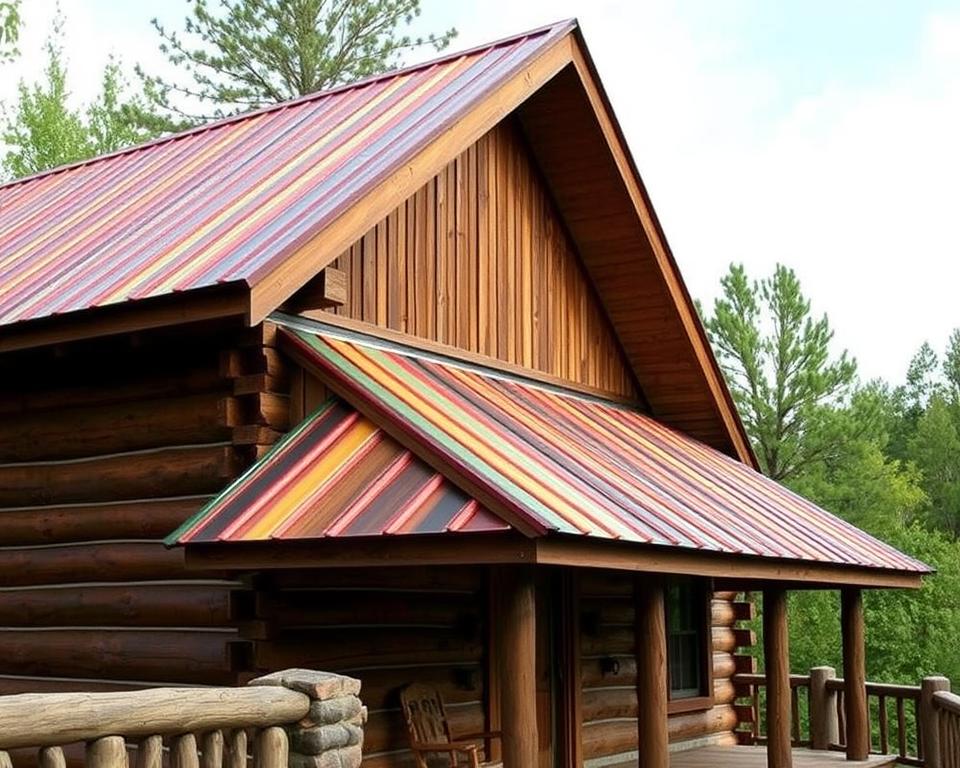
The choice of roofing style and material can significantly impact the overall look of a log cabin. Options range from traditional shake or slate to modern metal roofs, each offering a unique visual impact and durability. For instance, a standing-seam black metal roof provides a striking contrast to the natural tones of the log cabin, creating a modern and sophisticated appearance.
Windows and Doors for Character and Light
The strategic placement and design of windows and doors can dramatically enhance both the character and functionality of a log cabin. Arched windows, for example, can add a touch of elegance, while sturdy doors ensure secure access. Balancing aesthetic considerations with practical needs for light, ventilation, and access is crucial.
Porches, Decks and Outdoor Extensions
Porches, decks, and outdoor extensions play a vital role in expanding the living space of a log cabin and creating a seamless transition between indoor and outdoor environments. A spacious wraparound porch, for instance, can create a cozy outdoor living area, perfect for relaxation and entertainment.
By carefully selecting exterior design elements, homeowners can make a distinctive architectural statement while remaining true to the authentic character of their log cabin. Considerations for weatherproofing and maintaining exterior elements in various climatic conditions are also essential to ensure the longevity of the structure.
How to Design a Log Cabin – Unique Ideas to Inspire
The art of designing a log cabin lies in combining timeless appeal with contemporary flair. This blend of traditional and modern elements creates a unique and personalized space that reflects the owner’s style.
Blending Traditional and Contemporary Elements
To achieve a harmonious balance, consider combining rounded logs with modern materials like metal or glass. This mix of old and new adds visual interest and creates a captivating exterior. For instance, a cabin featuring rounded logs on the lower level and vertical wood siding on the upper story showcases a charming blend of textures and styles.
Incorporating Stone and Metal Accents
Incorporating complementary materials such as stone and metal can significantly enhance the visual appeal of a log cabin. Stone accents around the foundation or fireplace add a sense of solidity, while metal elements like roofing or decorative accents introduce a touch of modernity. These materials not only add aesthetic value but also improve functionality.
Creative Architectural Features
Unique architectural features can set a log cabin apart from more traditional designs. Consider incorporating elements like dormers, bay windows, or custom log work to add character and personality. These features not only enhance the cabin’s visual appeal but also create a sense of individuality. 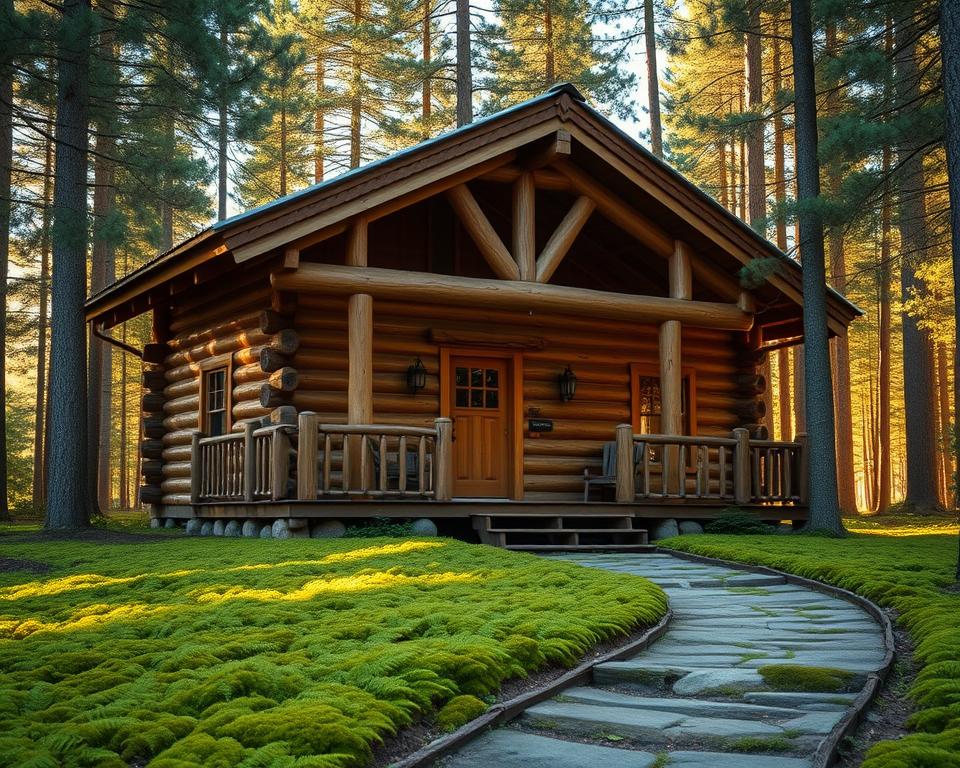
Some key ideas to consider include:
- Mixing log profiles and textures to create visual interest
- Incorporating modern materials and design elements
- Using creative architectural features to add personality
By embracing these unique ideas, you can create a log cabin that is both timeless and contemporary.
Interior Layout Planning for Functionality
Effective interior layout planning is crucial for maximising the functionality of a log cabin. A well-designed layout can make the most of the available space, creating a comfortable and efficient living or working area.
Open Plan vs. Traditional Room Divisions
When deciding on the interior layout of a log cabin, one must consider whether to opt for an open-plan design or traditional room divisions. Open-plan layouts can enhance the sense of space and improve heat circulation, while traditional room divisions offer more privacy and defined areas for different activities.
Space-Saving Solutions for Smaller Cabins
For smaller log cabins, innovative space-saving solutions are essential. Built-in furniture, multi-functional elements, and strategic storage options can help maximise the available space, making the cabin feel more spacious and functional.
Creating Multi-Purpose Areas
Creating multi-purpose areas within a log cabin can greatly enhance its functionality. By designing areas that can adapt to different needs throughout the day or across seasons, homeowners can make the most of their log cabin’s layout.
For instance, a log cabin can serve as a smart room to work from, especially for those short on indoor space. It can be used for packing products, doing admin tasks, or even holding sessions with clients. Starting small and adjusting as the business grows is a practical approach.
| Layout Consideration | Open-Plan | Traditional |
|---|---|---|
| Heat Circulation | Improved | Restricted |
| Visual Flow | Continuous | Segmented |
| Privacy | Limited | Enhanced |
By considering these factors and incorporating flexible areas within the log cabin, homeowners can create a functional and comfortable living or working environment.
Interior Design Themes for Log Cabins
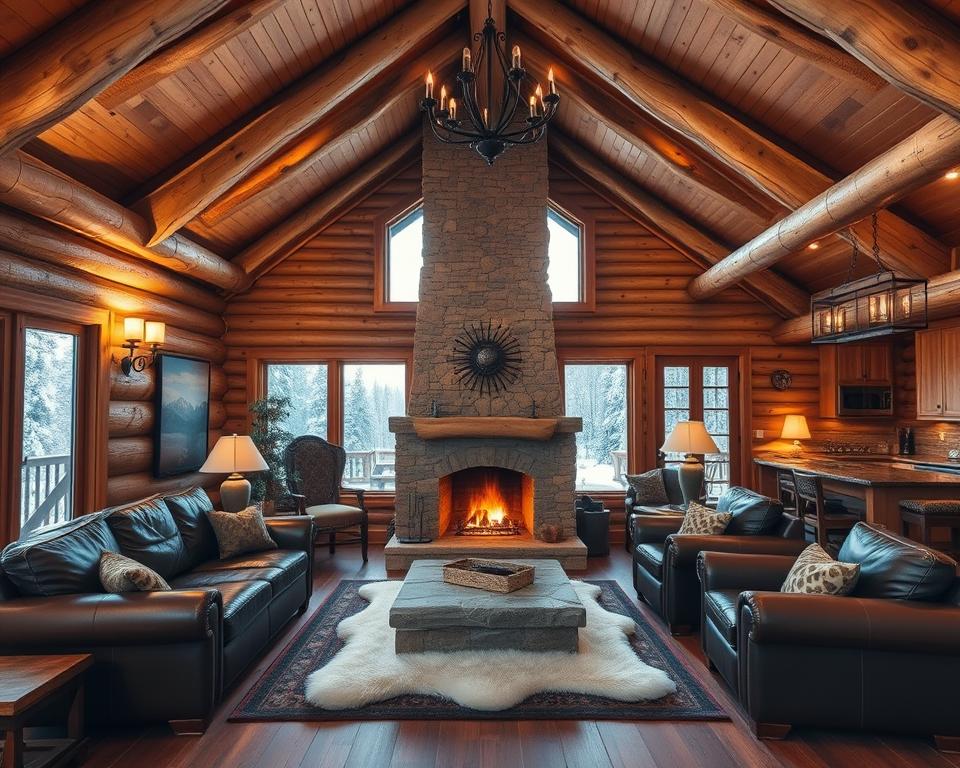
Log cabins offer a unique canvas for interior design, with various themes that can complement their rustic charm. The right theme can enhance the natural beauty of the log cabin while reflecting the occupant’s personal style.
Modern Rustic: Balancing Old and New
The modern rustic theme achieves a balance between traditional elements and contemporary aesthetics. This is accomplished by mixing clean lines with natural textures, such as neutral walls, wooden floors, and accents like a black metal frame. The result is a fresh yet lived-in feel that complements the log cabin’s natural charm.
Scandinavian Minimalist Approach
The Scandinavian minimalist design focuses on light, space, and simplicity. Characterised by white or pale-toned walls, minimal furniture, and subtle decorative elements like framed prints or plants, this theme creates a serene atmosphere that highlights the natural wood structure of the log cabin.
Industrial Chic Elements
For those who prefer a departure from traditional homey feels, industrial chic elements can be incorporated into log cabin interiors. Exposed beams, darker paint shades, and raw-style flooring contribute to an edgy, modern contrast with the rustic logs, creating a unique and harmonious blend.
Cosy Cottage Comfort
The cosy cottage theme remains a timeless choice for log cabins, emphasising layered textiles, comfortable furnishings, and nostalgic decorative elements. This approach creates a warm and inviting atmosphere, perfect for a retreat that values comfort and traditional charm.
Selecting an interior design theme that complements both the structural characteristics of the log cabin and the occupants’ personal preferences is crucial. Different themes can dramatically alter the atmosphere and functionality of the space, working in harmony with its inherent character rather than against it.
Essential Décor Elements for Log Cabin Interiors
Log cabins offer a unique canvas for interior design, blending natural beauty with personal style. The key to creating a harmonious and inviting space lies in selecting décor elements that complement the inherent charm of the log cabin.
Lighting Solutions for Ambience and Functionality
Effective lighting is crucial in a log cabin, where the goal is to enhance the natural warmth of the wood while providing sufficient illumination. Consider using warm LED bulbs to achieve an inviting ambience. For spaces that serve multiple purposes, such as an office by day and lounge by night, layering different light sources is essential. A ceiling light provides overall illumination, while adding lamps or wall lights can adjust the mood and functionality.
Flooring Options That Complement Wood Walls
Choosing the right flooring is vital to maintaining the cohesive look of a log cabin interior. Vinyl flooring is a practical choice due to its durability and ease of maintenance. For areas with furniture, a flat rug can prevent tripping hazards and add warmth underfoot. Other options include engineered wood and stone, which can complement the log walls while offering different textures and durability.
| Flooring Type | Durability | Maintenance |
|---|---|---|
| Vinyl | High | Easy |
| Engineered Wood | Medium | Moderate |
| Stone | High | Moderate |
Furniture and Textiles That Enhance the Space
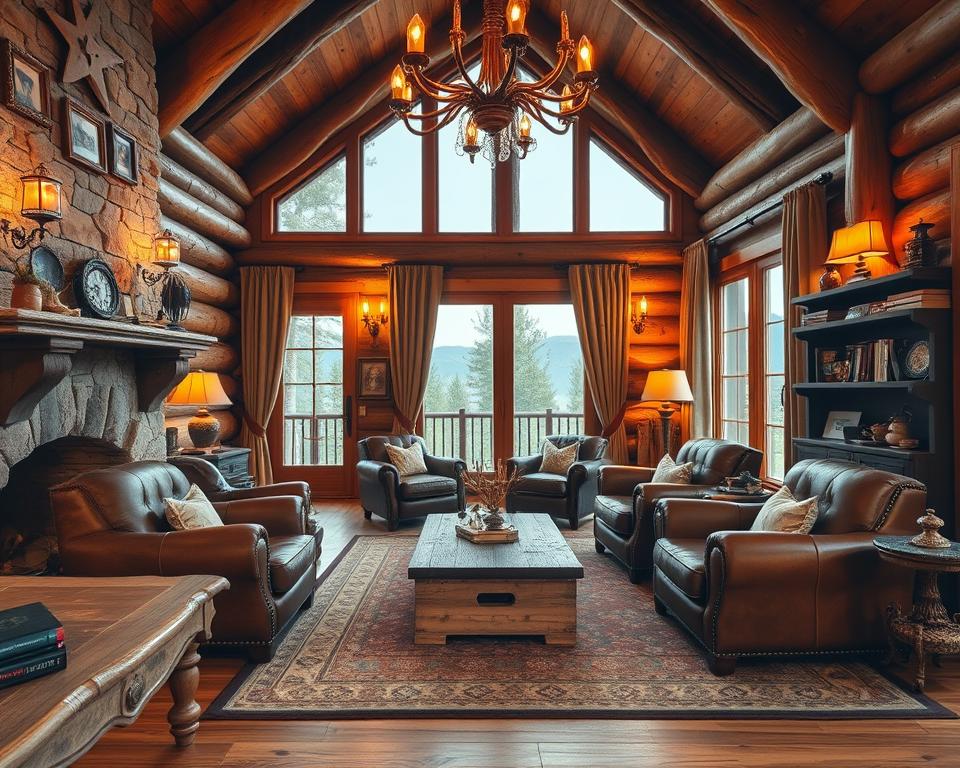
When selecting furniture and textiles for a log cabin, it’s essential to consider scale, proportion, and material compatibility. Furniture should be sturdy and comfortable, with textiles that add warmth and texture to the space. Balancing decorative elements with the natural visual texture of log walls is key to avoiding over-decoration while creating a personalized and inviting atmosphere.
Practical Uses for Your Log Cabin
The practical uses of a log cabin are numerous, ranging from home offices to recreational spaces. A well-designed log cabin can be a valuable addition to any garden or property.
Home Office and Business Space
Converting a log cabin into a home office or business space is an excellent way to create a productive work environment. To get started, install electricity and consider double glazing for year-round use. A simple desk setup, adequate lighting, and necessary plug points for tech equipment are essential.
Recreational Retreats: Lounges, Pubs and Gyms
A log cabin can be transformed into a recreational retreat, perfect for relaxation or entertainment. Consider adding a counter or bar-height table, shelves for bottles and glasses, and stools. Keeping the layout open ensures ease of movement.
Seasonal Considerations for Year-Round Use
To ensure your log cabin remains usable throughout the year, consider insulation strategies, heating, and cooling options. Adaptable design elements can also enhance the cabin’s functionality across different seasons.
| Practical Use | Key Considerations |
|---|---|
| Home Office | Electricity installation, double glazing, simple desk setup |
| Recreational Retreat | Counter or bar-height table, open layout, entertainment facilities |
| Year-Round Use | Insulation, heating and cooling options, adaptable design |

By thoughtfully designing your log cabin, you can create a space that meets your needs, whether that’s a quiet office, a lively entertainment area, or a serene retreat.
Conclusion: Creating Your Perfect Log Cabin Retreat
A well-designed log cabin is more than just a structure; it’s a haven that reflects personal style. Successful log cabin design balances aesthetic preferences with practical functionality, creating spaces that are both beautiful and usable. By considering factors from initial planning to interior styling, homeowners can create a retreat that adapts to their changing needs.
Thoughtful design choices result in a log cabin that provides enjoyment and value for years to come. With careful planning, a log cabin can be a sanctuary from everyday life, offering a unique blend of traditional charm and modern comforts, making it a perfect log cabin retreat.
FAQ
What are the key considerations when choosing a location for a log cabin?
When selecting a site, consider the natural landscape, accessibility, and environmental factors. Harmonising with the surroundings and maximising views and natural light are crucial.
What foundation options are available for log cabins on different terrains?
Foundation choices vary depending on the terrain. Options include slab, crawl space, or full basement foundations, each with its own advantages and disadvantages.
How can I incorporate natural light into my log cabin design?
Strategically placing windows and skylights can maximise natural light. Consider the orientation of the cabin and the placement of windows to capture sunlight throughout the day.
What are the benefits of using stone accents in log cabin design?
Stone accents can add texture, visual interest, and a touch of elegance to the cabin’s exterior and interior. They can also complement the natural surroundings.
Can I use my log cabin as a home office or business space?
Yes, log cabins can be designed to serve as functional workspaces. Consider factors like lighting, insulation, and technology infrastructure to create a productive environment.
What flooring options are suitable for log cabin interiors?
Flooring choices like hardwood, laminate, or stone can complement the wood walls and enhance the overall aesthetic. Consider durability, maintenance, and comfort when selecting a flooring option.
How can I create a cosy and inviting atmosphere in my log cabin?
Use a combination of warm lighting, comfortable textiles, and plush furniture to create a welcoming ambiance. Consider incorporating natural elements, like stone or wood, to add warmth and character.
What are the advantages of an open-plan layout in a log cabin?
An open-plan layout can create a sense of spaciousness, improve natural light distribution, and facilitate social interaction. It can also be beneficial for smaller cabins.