Creating a rock garden – tips
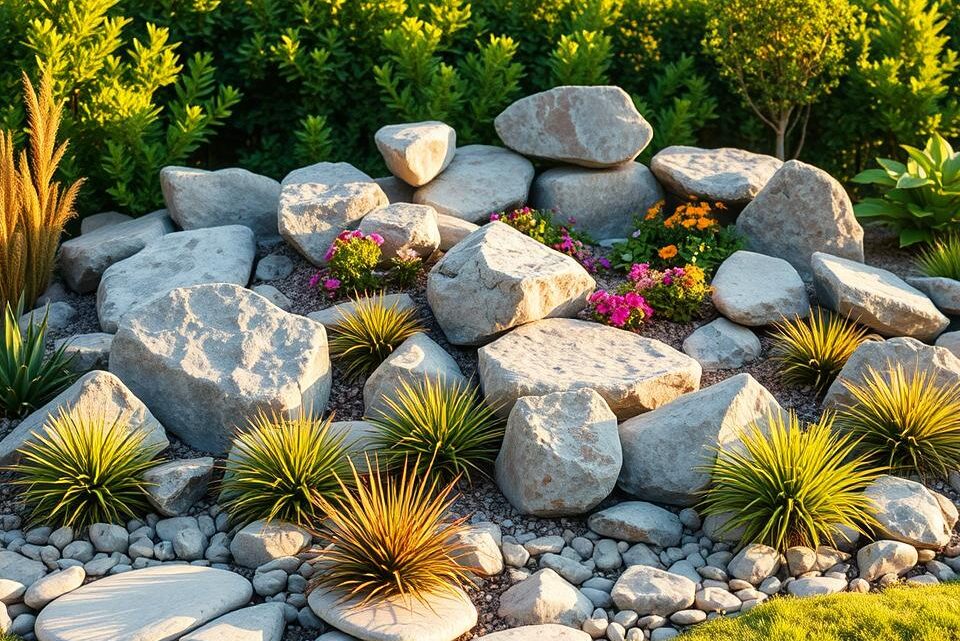
Transform your outdoor space into a stunning landscape feature that adds natural beauty and character. Rock gardens have become increasingly popular among British gardeners seeking low-maintenance yet visually striking features.
Proper planning and execution help your creation thrive in the UK climate. It enhances your property’s appeal while providing year-round visual interest. You’ll discover how to solve challenging landscaping problems with texture and depth.
This journey from initial concept to finished feature brings you closer to nature. It creates a peaceful retreat right in your own backyard. Prepare to embark on a rewarding project that complements your existing landscape perfectly.
Inhaltsverzeichnis
Key Takeaways
- Rock gardens offer low-maintenance beauty for British landscapes
- Proper planning ensures success in the UK climate
- These features add year-round visual interest to your space
- They can solve challenging landscaping problems effectively
- Rock gardens create peaceful, natural retreats at home
- The design process enhances your property’s overall appeal
- You’ll gain practical knowledge for a successful project
Understanding the Appeal of Rock Gardens
Unlock the potential of difficult spaces with nature-inspired stone features. These structured landscapes offer surprising benefits beyond their visual charm. They transform problem areas into beautiful, functional parts of your outdoor space.
Why Choose This Landscape Feature
Stone arrangements solve common landscaping challenges in clever ways. They add height and depth to flat areas while defining slopes beautifully. The rugged appearance creates earthy appeal that connects manmade spaces to the natural world.
You can use stones as lawn substitutes or solutions where little grows. This approach turns limitations into opportunities for creativity. It brings mountain magic right to your home environment.
Benefits in British Settings
These features excel in UK conditions with poor drainage or sloping sites. They recreate alpine environments that suit our climate perfectly. Proper sunlight exposure and excellent drainage ensure plant health.
Once established, they demand minimal attention compared to traditional flower beds. You’ll enjoy more relaxation time while your landscape maintains its beauty. This makes them ideal for modern lifestyles with limited maintenance time.
Year-Round Interest and Easy Care
Experience continuous visual appeal through all seasons. Spring brings colourful blooms while winter showcases structural beauty. The permanent framework ensures your space never looks bare or neglected.
Low maintenance advantages include reduced watering and weeding requirements. Small crevices provide habitats for beneficial insects and butterflies. This enhances biodiversity while adding life to your garden.
Well-designed stone features can increase property value significantly. They demonstrate thoughtful landscaping that appeals to future buyers. Your investment creates lasting appeal that evolves beautifully over time.
Selecting the Perfect Site for Your Rock Garden
Your journey begins with finding the ideal spot that will nurture your alpine paradise. The right location transforms ordinary stones into living art that thrives through seasons.
Consider how your chosen space interacts with nature’s elements. Every garden possesses unique microclimates that influence plant health and growth patterns.
Assessing Sunlight Exposure and Microclimates
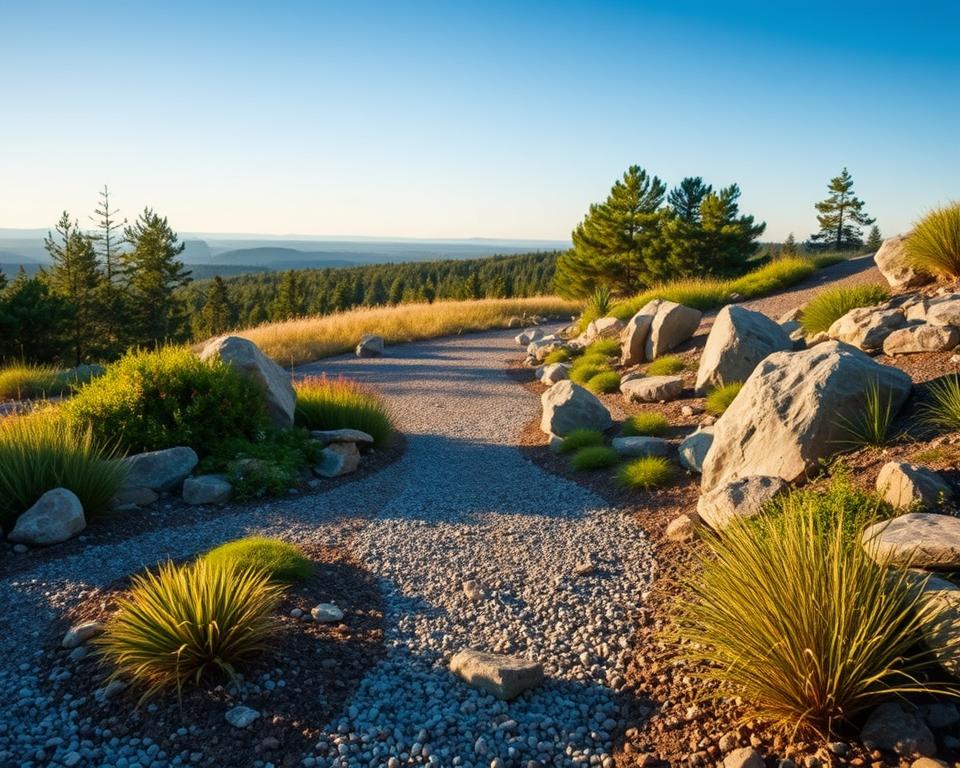
Observe how sunlight moves across your potential area throughout the day. Most alpine plants cherish generous sunshine but appreciate afternoon shade during heatwaves.
Track shadows from buildings and existing vegetation. Morning sun proves particularly valuable for drying dew from delicate leaves.
South-facing slopes capture maximum light while north-facing areas offer cooler conditions. Match your plant selections to these subtle environmental variations.
Evaluating Drainage Conditions
Excellent drainage forms the foundation of successful rock gardening. Alpine plants despise waterlogged roots and demand free-draining conditions.
Conduct a simple percolation test by digging a hole and filling it with water. Well-draining soil should empty within an hour.
If your site retains moisture, consider building raised beds or incorporating gravel layers. These solutions create perfect growing environments for drought-tolerant specimens.
Avoiding Frost Pockets and Overhanging Trees
Identify low-lying areas where cold air settles during still nights. These frost pockets can damage tender plants during unexpected spring chills.
Steer clear of beneath tree canopies where roots compete for moisture and nutrients. Falling leaves may smother small plants and create excessive shade.
Choose elevated positions where cold air drains away naturally. Your plants will reward you with vigorous growth and winter resilience.
| Site Factor | Ideal Conditions | Potential Solutions |
|---|---|---|
| Sunlight Exposure | 6+ hours direct sun | Morning sun priority |
| Drainage Quality | Fast-draining soil | Raised beds, gravel amendments |
| Frost Risk | Elevated positions | Sloping sites, air drainage |
| Tree Proximity | Clear of canopy drip lines | Minimum 3m from trunks |
| Soil pH | Slightly alkaline to neutral | Lime addition if acidic |
Your careful site assessment ensures years of enjoyment with minimal maintenance. Thoughtful placement creates a sustainable feature that evolves beautifully with time.
Remember that observing your space through different seasons reveals valuable insights. Patience during this planning stage rewards you with a thriving rock garden.
Planning and Designing Your Rock Garden Layout
Your vision transforms into reality through thoughtful planning and creative expression. This stage bridges imagination with practical execution, ensuring your landscape feature harmonises with its surroundings.
Careful consideration at this phase saves time and resources later. It creates a cohesive design that feels both intentional and naturally evolved.
Sketching Your Initial Design Concepts
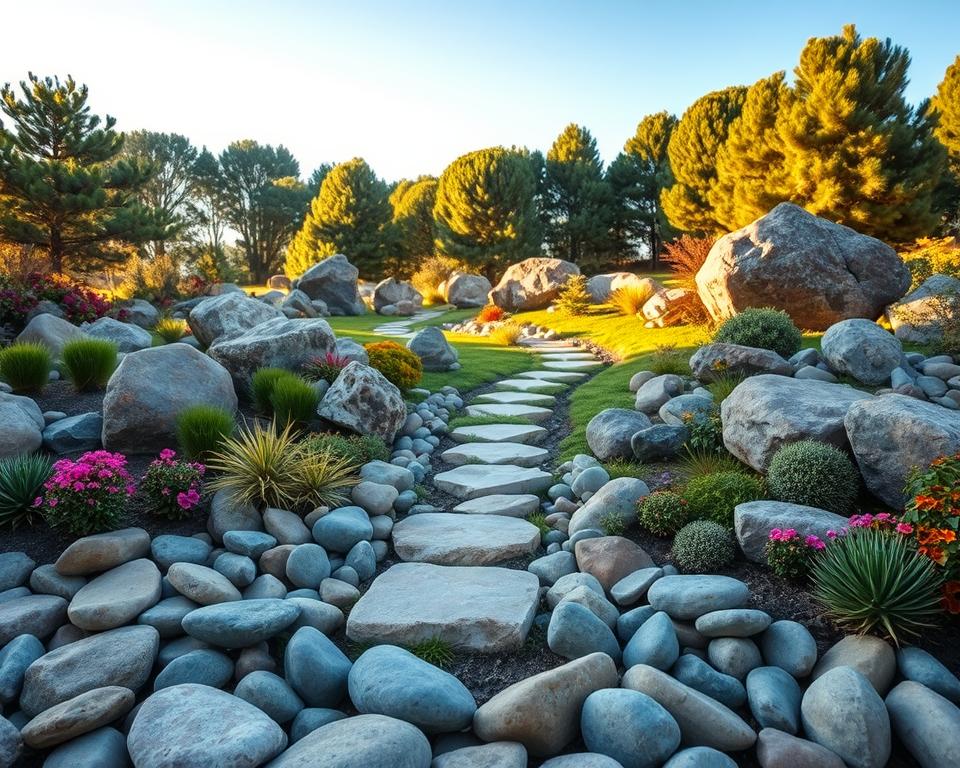
Begin with rough sketches that capture your fundamental ideas. Consider existing features like slopes, trees, or architectural elements.
Note underground utilities and drainage patterns before finalising your plan. These practical considerations prevent costly adjustments during construction.
Digital tools offer excellent precision for complex layouts. Traditional pencil and paper provide flexibility for quick revisions and creative exploration.
Considering Scale and Proportion
Select materials that complement your property’s size and style. Oversized boulders dominate small spaces while tiny stones vanish in expansive areas.
Balance is key when combining different elements within your design. The right proportions create visual harmony that pleases the eye naturally.
Allow sufficient space for plants to mature without overcrowding. Thoughtful planning ensures your creation evolves beautifully over time.
Incorporating Viewing Perspectives
Design your layout to delight from every angle and vantage point. Consider how you’ll experience the space from windows, pathways, and seating areas.
Create depth through strategic placement of various rock sizes. Elevation changes add dimension and interest to your composition.
Different styles suit various properties and personal preferences. From naturalistic alpine scenes to formal Japanese arrangements, choose a type that reflects your vision.
The best designs emerge from understanding both the landscape and the viewer’s experience
Professional guidance proves valuable for larger projects or complex sites. Landscape designers bring expertise in creating balanced, sustainable features.
Your final plan should account for material sourcing and installation logistics. Practical considerations ensure smooth transformation from concept to completed feature.
Choosing the Right Materials and Rocks
Your stone feature’s character emerges from thoughtful material selection. The perfect stones transform your vision into an authentic landscape masterpiece. They provide the foundation for both beauty and functionality in your design.
Understanding material properties ensures long-term success and visual harmony. Your choices influence drainage, plant health, and overall aesthetic appeal. This knowledge empowers you to create something truly special.
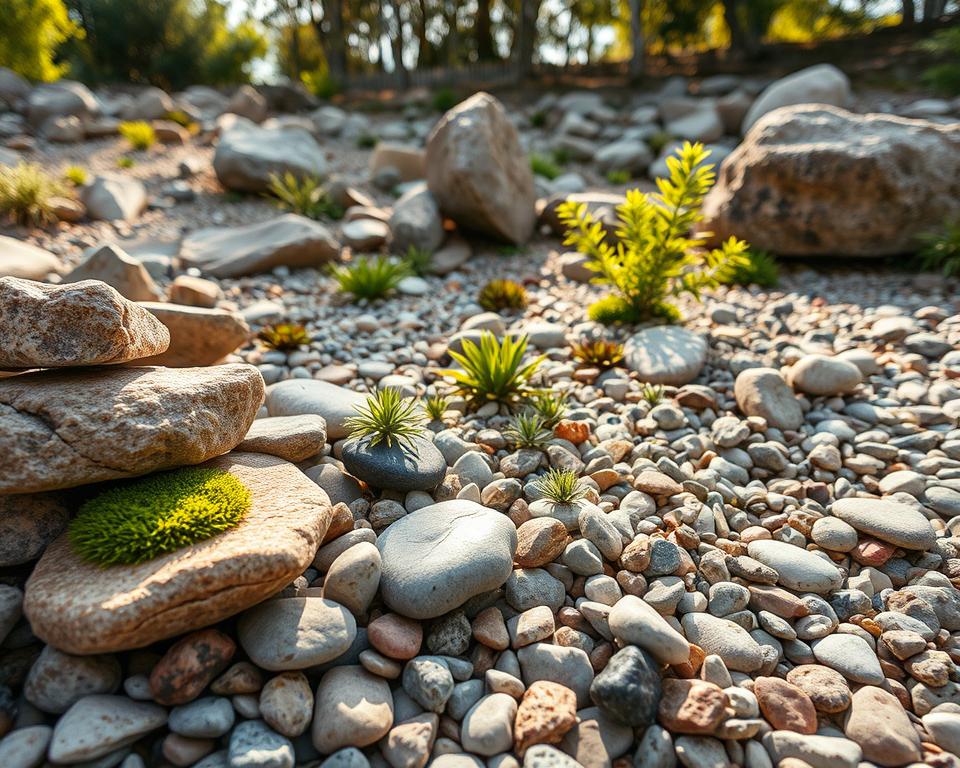
Selecting Local Stone for Authentic Appeal
Local materials blend seamlessly with your existing landscape. They reflect regional geology and create natural-looking outcrops. This approach reduces transportation impacts and supports nearby businesses.
Visit quarries or landscape merchants to handpick your favourite pieces. You’ll discover unique shapes and textures that mass-produced options lack. Salvaged or second-hand natural stone offers character while being environmentally conscious.
Regional varieties often weather beautifully, developing attractive patinas over time. Their colours harmonise with surrounding soil and vegetation. Your feature will feel like it belongs exactly where you place it.
Understanding Different Rock Types and Their Properties
Sandstone offers excellent versatility with its moderate weight and texture. It provides good drainage without being excessively alkaline like some limestones. This makes it ideal for various plant species.
Granite presents a harder, denser option that withstands harsh weather. Its crystalline structure creates sparkle in sunlight but requires careful handling. Consider it for structural elements or accent pieces.
Limestone from natural pavements is now protected due to conservation efforts. Always verify your supplier’s environmental credentials and sourcing practices. Responsible choices preserve Britain’s natural heritage for future generations.
Sourcing Materials Sustainably Within the UK
Explore reclaimed options from demolition sites or landscaping projects. These materials often carry fascinating histories and unique characteristics. They reduce waste while adding instant maturity to your design.
Quarry remnants and off-cuts provide cost-effective solutions without compromising quality. Many UK suppliers now prioritise environmentally responsible extraction methods. Supporting these businesses encourages sustainable practices industry-wide.
Online platforms like Freecycle occasionally list free materials from renovation projects. Always inspect items personally to ensure they meet your quality standards. Calculating quantities accurately prevents both shortages and wasteful over-purchasing.
The most successful designs use materials that whisper their origins while shouting their beauty
Incorporate gravel and sand to enhance drainage around planting pockets. These smaller materials create visual contrast and textural interest. They help replicate the natural scree found in alpine environments.
Choose a range of sizes from boulders to pebbles for authentic outcrops. This variety mimics natural erosion patterns and geological formations. Your creation will appear as if it always belonged in its space.
Evaluate stone quality by examining weathering patterns and structural integrity. Look for consistent colouration and avoid pieces with excessive cracking. These professional techniques ensure your investment withstands time’s test.
Essential Tips for Creating a Rock Garden
Your vision comes alive through meticulous preparation and artistic placement. This phase transforms raw materials into a living tapestry that will thrive for years. Proper techniques ensure both beauty and functionality in your outdoor space.
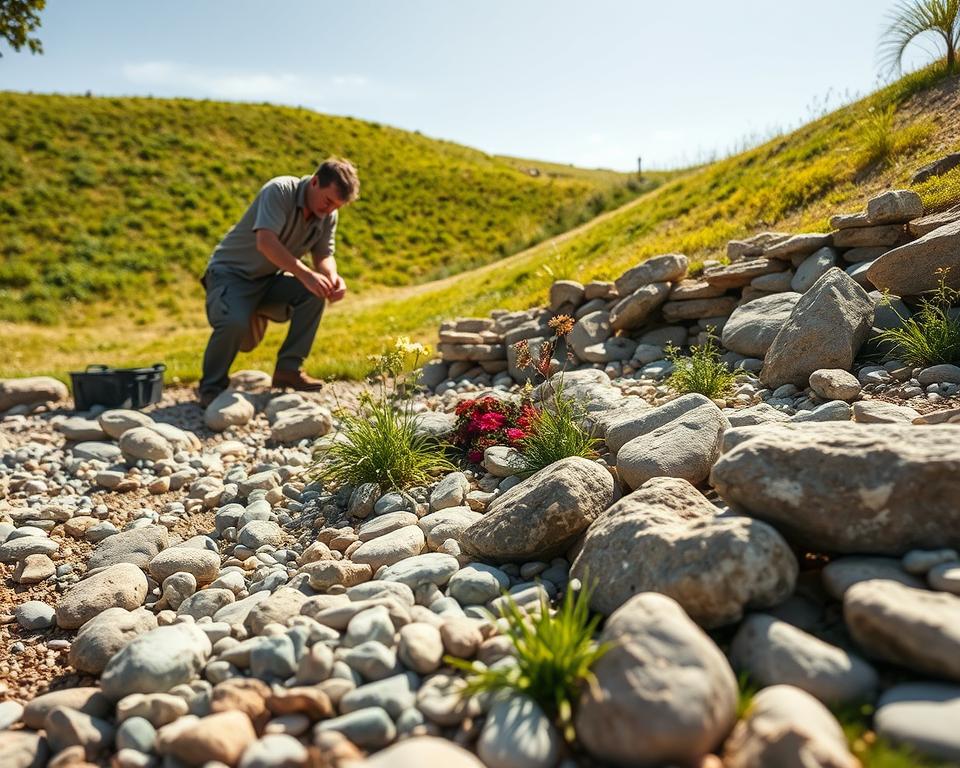
Preparing the Foundation and Ensuring Proper Drainage
Begin by marking your area with spray paint or pale sand. This visual guide helps maintain your planned dimensions during excavation. Remove all existing vegetation and weeds completely.
Build a 15cm base layer using coarse rubble or broken bricks. This foundation prevents soil erosion and promotes excellent drainage. Add a layer of landscape fabric to suppress future weed growth.
Your drainage system should include gravel and sand for optimal water management. These materials create air pockets that prevent waterlogging around plant roots. They replicate the natural conditions alpine plants adore.
Techniques for Placing Rocks Naturally
Select your largest stones as keystones for structural integrity. Position these first using a crowbar for safe handling. Dig hollows to set each stone securely into position.
Angle rocks to tilt slightly backward for natural appearance. Match the strata direction across all stones for geological authenticity. Bury each piece about one-third of its depth for stability.
Use smaller stones or bricks to support larger pieces underneath. This technique prevents shifting and creates a settled, aged look. Your arrangement should mimic natural outcrops found in wild landscapes.
Creating Planting Pockets and Soil Preparation
Leave generous spaces between rocks for planting opportunities. Fill these areas with specially prepared compost mixtures. Your soil should balance moisture retention with free drainage.
Create custom soil using:
- Weed-free topsoil as your base medium
- Sharp sand for improved drainage
- Grit or fine gravel for aeration
- Organic matter for nutrient retention
Gently firm the soil around plants without compacting it excessively. This allows roots to establish while maintaining crucial air spaces. Your planting pockets become miniature ecosystems for alpine specimens.
The most successful stone features appear as though they’ve always been part of the landscape
Test your drainage by watering the prepared area thoroughly. Observe how quickly water disappears from the surface. Adjust your soil mix if puddling occurs for more than few minutes.
Your careful preparation now rewards you with a low-maintenance feature. Proper techniques prevent future problems with shifting stones or poor plant health. This solid foundation ensures your creation matures beautifully over time.
Selecting and Planting Suitable Flora
Your stone landscape transforms into living art through thoughtful plant selection. The right specimens bring colour, texture, and movement to your composition. They create harmony between natural stone and cultivated beauty.
Understanding plant requirements ensures your choices thrive in their new home. Each selection contributes to the overall ecosystem you’re building. Your vision blossoms through these living elements.
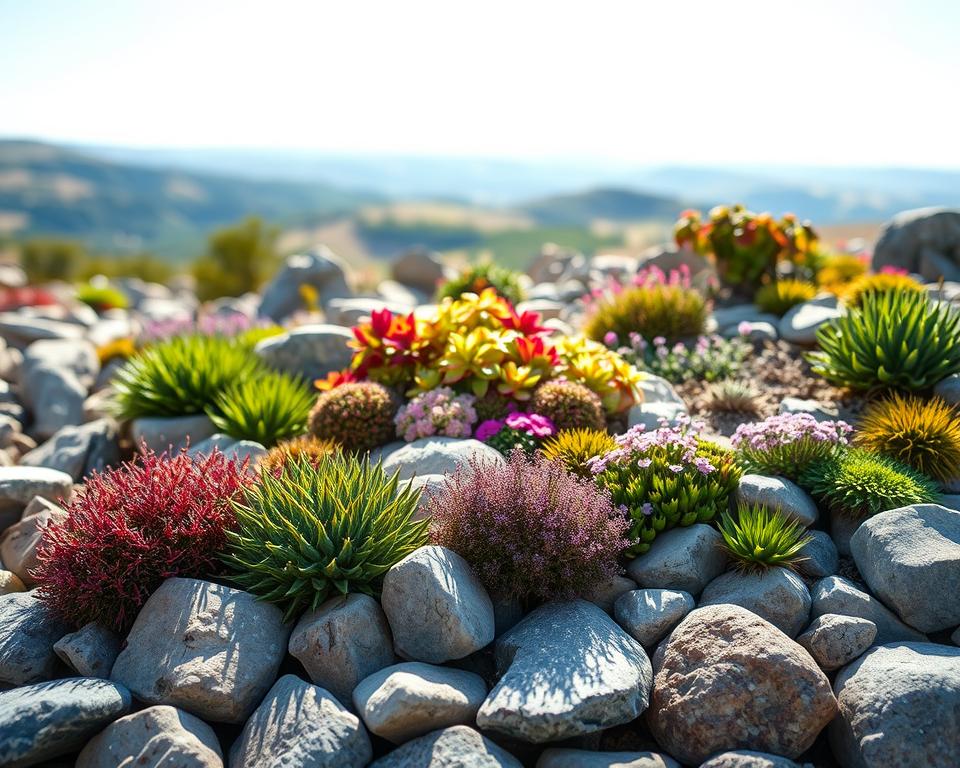
Choosing Alpine Plants for British Conditions
Alpine specimens excel in our climate when given proper growing conditions. These mountain natives appreciate excellent drainage and generous sunlight. They offer spectacular blooms despite their compact size.
Select varieties that provide year-round interest through foliage and form. Many display silver or grey leaves that complement stone colours beautifully. Their resilience makes them perfect for challenging spots.
Create custom compost using equal parts loam, horticultural grit, and leaf mould. This mixture replicates their natural mountainous environment perfectly. Your plants will establish quickly and flourish.
Incorporating Dwarf Conifers and Ground Covers
Dwarf conifers provide permanent structure and evergreen interest. Their varied forms add height variation without overwhelming the space. These slow-growing specimens maintain scale for years.
Ground covers soften hard edges and prevent soil erosion. Creeping varieties create lush carpets between stones and boulders. They unify your design while suppressing weed growth.
Combine different textures and growth habits for visual appeal. The contrast between conifers and trailing plants adds depth. Your composition gains maturity instantly.
Planting Techniques for Rock Garden Success
Water specimens thoroughly while still in their containers. This reduces transplant shock and ensures good hydration. Position plants in their pots to visualise final arrangements.
Gently remove each plant and tease out congested roots. Remove any weeds or damaged material before planting. This encourages healthy establishment in new conditions.
Firm plants into prepared pockets and top-dress with gravel. This finishing touch improves drainage and completes the natural look. Your careful attention rewards you with vigorous growth.
| Plant Type | Key Benefits | Ideal Conditions | Maintenance Level |
|---|---|---|---|
| Alpine Plants | Spectacular blooms, compact size | Full sun, excellent drainage | Low |
| Dwarf Conifers | Year-round structure, evergreen | Sun to partial shade | Very low |
| Ground Covers | Soil protection, weed suppression | Variable by species | Low to moderate |
| Ornamental Grasses | Movement, textural contrast | Sunny positions | Low |
| Bulbs | Seasonal colour, naturalising | Well-drained sites | Minimal |
Consider microclimates within your space when placing specimens. Sunny slopes suit drought-tolerant varieties while shaded areas host moisture-loving types. This strategic approach ensures every plant thrives.
Add sturdy bulbs like narcissus and alliums for spring colour. These naturalise beautifully among stones and gravel. They provide surprise moments of joy each season.
For shaded areas, incorporate mosses, ferns, and hostas. These moisture-loving plants create cool, tranquil pockets. They add another dimension to your plant range.
The most successful plantings appear as though they’ve always belonged among the stones
Your plant combinations should consider colour, texture, and seasonal interest. Create vignettes that delight throughout the year. This thoughtful approach yields ever-changing beauty.
Newly planted specimens require regular watering until established. After this period, they’ll thrive with minimal intervention. Your low-maintenance paradise awaits.
Incorporating Design Elements and Features
Elevate your landscape with artistic touches that transform stone arrangements into living masterpieces. These finishing elements add movement, sound, and visual drama to your composition. They create immersive experiences that engage all your senses throughout the seasons.
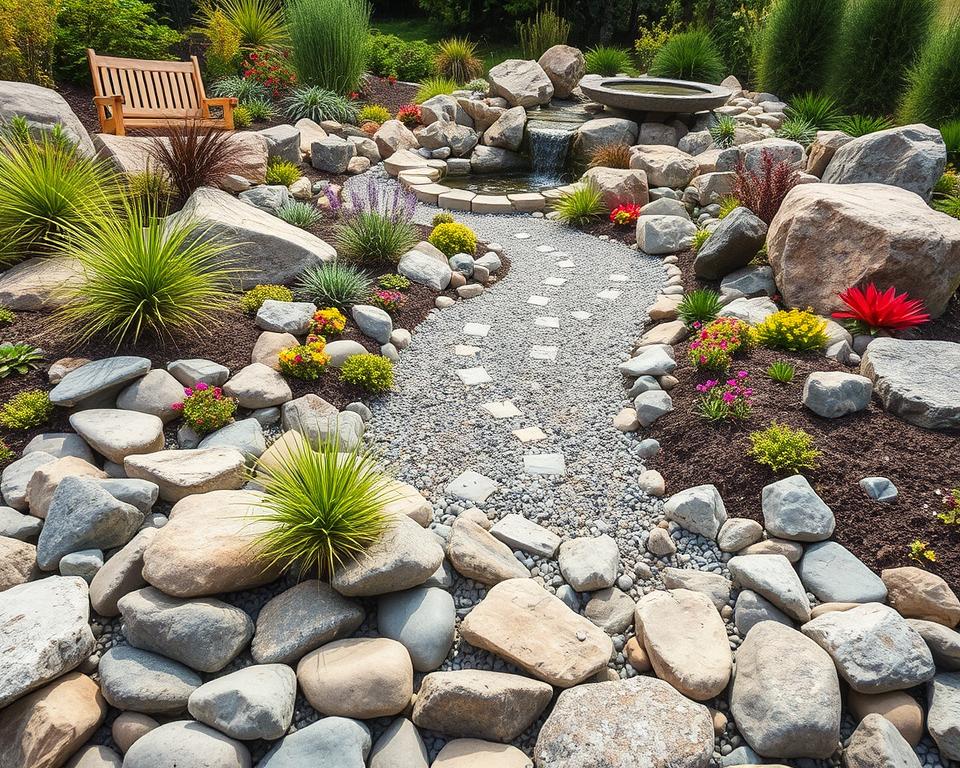
Adding Water Features for Natural Appeal
Introduce the soothing sound of moving water to your outdoor space. A carefully positioned water feature creates refreshing microclimates for surrounding plants. It attracts wildlife while adding dynamic movement to your design.
Consider a recirculating pump system for waterfalls or streams. This approach conserves water while maintaining constant flow. Your feature becomes both environmentally friendly and mesmerising to watch.
Natural stone basins blend seamlessly with existing arrangements. They create drinking spots for birds and beneficial insects. This addition brings your landscape to life with activity and purpose.
Creating Crevice Gardens for Specialised Planting
Vertical gardening techniques open new possibilities for plant diversity. Sandstone slabs set upright create deep planting pockets with ideal conditions. These micro-environments protect roots from temperature extremes.
Fill crevices with free-draining media like grit and sandy compost. This mixture ensures excellent drainage while retaining essential moisture. Your plants develop strong root systems that access nutrients efficiently.
This innovative approach allows cultivation of rare alpine specimens. They enjoy cooler conditions in summer and warmer protection in winter. Your collection becomes both visually striking and horticulturally significant.
Using Gravel and Stones for Visual Contrast
Vary textures and colours to create depth throughout your space. Different stone sizes and types add visual interest to flat areas. They define pathways and separate planting zones naturally.
Smaller complementary materials unify larger rock placements. Gravel mulches suppress weeds while improving drainage around specimens. They create cohesive transitions between different garden sections.
Stepping stones provide access for maintenance without disturbing plants. Their natural placement patterns guide visitors through your landscape. This functional element enhances both practicality and beauty.
The most successful designs balance bold statements with subtle harmonies that reveal themselves over time
| Design Element | Primary Benefits | Implementation Tips | Maintenance Level |
|---|---|---|---|
| Water Features | Sound movement, wildlife attraction | Use recirculating pumps, natural stone basins | Moderate |
| Crevice Gardens | Specialised planting, temperature regulation | Vertical sandstone slabs, free-draining media | Low |
| Gravel & Stones | Visual contrast, weed suppression | Vary sizes and colours, use as mulch | Very low |
| Pathways | Access, visual guidance | Natural stepping stones, irregular spacing | Low |
| Lighting | Evening atmosphere, feature highlighting | Solar-powered options, subtle placement | Minimal |
Consider lighting elements that highlight textures after dark. Solar-powered options provide subtle illumination without wiring. They create magical evening atmospheres that extend your enjoyment.
Seating areas allow you to fully appreciate your creation. A simple stone bench or viewing platform offers comfortable contemplation spots. These functional additions complete your personal retreat.
Your design choices should reflect personal style while respecting natural aesthetics. Balance bold statements with subtle harmonies that reveal themselves over time. This approach creates lasting appeal that evolves with each season.
Maintaining Your Rock Garden Through the Seasons
Your beautiful stone landscape deserves thoughtful care that evolves with nature’s rhythm. Proper maintenance preserves its natural charm while ensuring plants thrive year after year. You’ll discover how simple routines keep your creation looking magnificent through changing seasons.
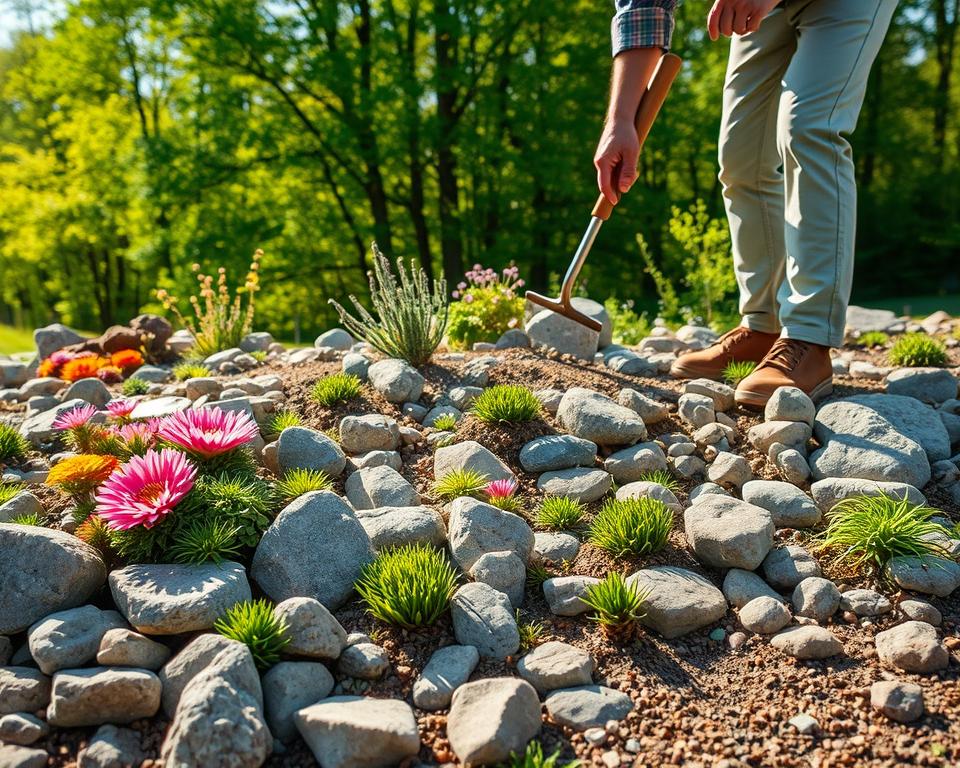
Watering Strategies for Different Weather Conditions
Stone features absorb heat dramatically during sunny periods. This means your plants may dry out faster than expected. You must make sure specimens receive adequate hydration without becoming waterlogged.
During hot spells, water deeply but infrequently to encourage strong roots. Early morning watering reduces evaporation loss significantly. Always check soil moisture before adding more water to prevent over-saturation.
Winter demands completely different approaches to moisture management. Reduce watering dramatically during colder months when plants become dormant. Excellent drainage prevents root rot during wet weather conditions.
Weed Control and Management Techniques
Weeds compete with your desirable plants for nutrients and space. A generous gravel layer acts as natural weed suppressant between stones. This simple barrier dramatically reduces unwanted growth over time.
Regular inspection helps catch weeds while they’re still small and manageable. Hand-pulling remains the safest method around delicate alpine specimens. Persistent weeds may require careful spot treatment with organic solutions.
As your plants mature, they’ll naturally suppress most weed growth themselves. Healthy ground covers form living carpets that leave no room for invaders. Your maintenance time decreases as the garden establishes itself fully.
Seasonal Care and Plant Maintenance
Each season brings specific tasks that keep your feature looking its best. Spring clean-up involves removing winter debris and checking for frost damage. This is the perfect time to divide overcrowded plants and refresh gravel mulch.
Summer demands regular deadheading to encourage continuous blooming. Remove spent flowers promptly to maintain neat appearance and prevent self-seeding. Some plants benefit from light feeding during their active growth period.
Autumn preparation involves cutting back dead growth and protecting tender specimens. Winter protection may include cloches or fleece for particularly delicate plants. Your careful attention ensures everything survives colder months beautifully.
| Season | Key Maintenance Tasks | Special Considerations |
|---|---|---|
| Spring | Debris removal, plant division, soil refresh | Watch for late frosts on new growth |
| Summer | Deadheading, watering, weed control | Provide shade during heatwaves |
| Autumn | Cutting back, winter protection setup | Reduce watering as growth slows |
| Winter | Structure checks, minimal intervention | Protect from heavy snow damage |
Different plants have unique nutritional requirements that demand attention. Alpine specimens and succulents need little supplemental feeding in most situations. Other plants appreciate occasional nutrient boosts during their growing season.
Research each plant’s specific needs before applying any fertiliser. Over-feeding can cause excessive growth that spoils your carefully designed proportions. The right balance maintains health without compromising the intended aesthetic.
Small cracks and crevices provide valuable habitats for beneficial insects. Choosing pollen-rich plants supports local biodiversity beautifully. Your space becomes a sanctuary for wildlife while maintaining its structured appearance.
The most successful maintenance routines work with nature’s rhythms rather than against them
Monitor soil conditions regularly in different planting pockets. Variations in sunlight and drainage create micro-environments within your space. Adjust your care approach based on these subtle differences for optimal results.
Pest and disease management requires gentle intervention methods. Strong chemical treatments can harm the delicate balance of your miniature ecosystem. Natural solutions preserve the health of both plants and visiting wildlife.
Your ongoing care ensures the feature maintains its designed appearance without becoming overgrown. Thoughtful maintenance preserves the magic of your creation for years to come. The time invested yields ever-increasing rewards as your landscape matures.
Conclusion
Your journey culminates in a personal sanctuary that rewards your vision and effort. This living masterpiece evolves beautifully, offering year-round visual interest with minimal upkeep.
Your investment brings lasting value through sustainable beauty and enhanced biodiversity. The careful planning ensures your space thrives in British conditions.
Share your success with fellow enthusiasts and watch your creation mature. Take pride in crafting an outdoor retreat that reflects your unique style while supporting local ecosystems.
Your stone landscape becomes a cherished part of home life. It offers peaceful moments and natural wonder right outside your door.
FAQ
Why should I consider a rock garden for my outdoor space?
A rock garden offers unique beauty with year-round interest and requires minimal upkeep. It’s an excellent way to transform a challenging area into a stunning, natural-looking feature that thrives in British weather conditions.
How do I choose the best location for my rock garden?
Look for a spot with good sunlight and excellent drainage. Avoid frost pockets and areas under overhanging trees to ensure your plants receive the light and protection they need to flourish.
What type of stones work best in a British rock garden?
Locally sourced stone, such as limestone or sandstone, blends beautifully with the landscape and supports sustainable practices. These materials are durable and provide a natural, authentic look for your design.
How can I ensure good drainage in my rock garden?
Start with a well-prepared foundation using coarse gravel or rubble. This base layer prevents waterlogging and creates healthy growing conditions for your chosen plants.
Which plants are best suited to a UK rock garden?
Alpine plants, dwarf conifers, and low-growing perennials are ideal. They are adapted to thrive in well-drained soil and can handle the variable British climate with grace and resilience.
Can I add a water feature to my rock garden?
Absolutely! A small water feature, like a bubbling fountain or shallow stream, enhances the natural appeal and attracts wildlife. It adds movement and tranquillity to your design.
How do I keep my rock garden looking its best through the seasons?
Regular weeding, careful watering during dry spells, and seasonal pruning will maintain its beauty. Choose plants that offer interest across different seasons for a dynamic and ever-changing display.