What is the best watering system for a garden?
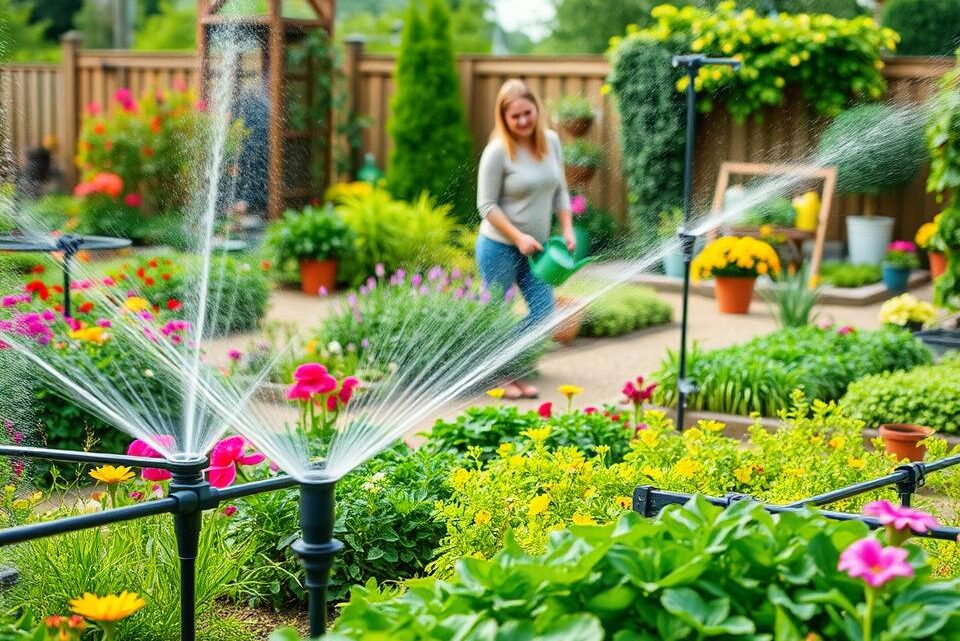
Selecting the right garden watering systems UK can transform your gardening experience. Every gardener understands the critical role water plays in nurturing plants, but finding the best watering system for vegetable garden landscapes requires careful consideration.
Your garden’s unique characteristics dictate the most effective irrigation strategy. Weather patterns, plant diversity, and water conservation goals all influence system selection. Whether you’re managing a compact urban garden or an expansive vegetable patch, understanding your specific watering needs is paramount.
Different watering systems offer distinct advantages. From precision drip irrigation to comprehensive sprinkler networks, each approach provides tailored solutions for maintaining plant health and optimising water usage in British gardening environments.
Inhaltsverzeichnis
Key Takeaways
- Assess your garden’s specific watering requirements
- Consider water efficiency and conservation
- Evaluate system installation costs
- Match watering system to plant types
- Factor in UK climate challenges
- Prioritise sustainable irrigation practices
What is the Best Watering System for a Garden?
Selecting the right garden irrigation system requires careful consideration of your specific gardening needs. Water conservation gardening is not just an environmental responsibility but a smart approach to maintaining a thriving garden in the UK’s variable climate.
Understanding your garden’s unique characteristics is crucial for an effective watering strategy. Different gardens have diverse water requirements that depend on multiple factors.
Understanding Your Garden’s Watering Needs
Your garden’s water needs are influenced by several key elements:
- Plant types and their specific water requirements
- Soil composition and drainage capabilities
- Local climate and seasonal variations
- Sunlight exposure and microclimate conditions
Factors That Influence System Selection
When comparing garden irrigation methods, consider these critical aspects:
| Factor | Consideration |
|---|---|
| Budget | Initial investment versus long-term efficiency |
| Garden Size | Scale and layout of your gardening space |
| Water Conservation | Efficiency of water delivery and potential savings |
| Maintenance | Complexity of system upkeep and seasonal adjustments |
By carefully evaluating these factors, you can select a watering system that maximises water efficiency while keeping your garden healthy and vibrant.
Understanding Different Types of Garden Watering Systems
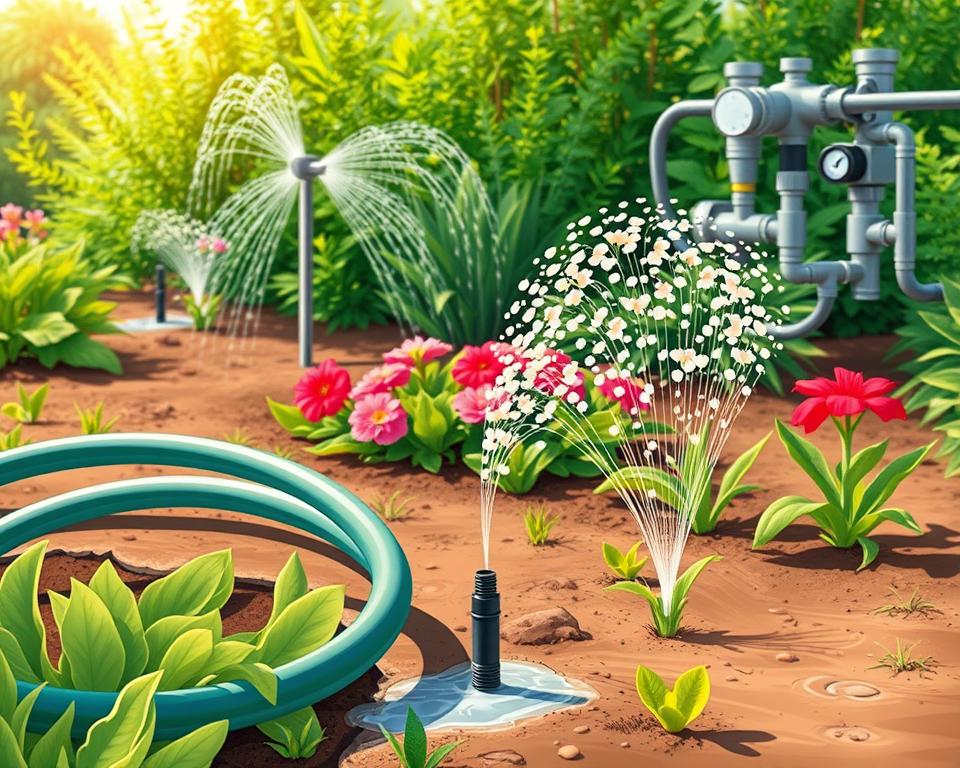
Designing an efficient garden watering strategy requires understanding the various irrigation system options available. Each system offers unique advantages for different garden layouts and plant requirements.
The primary garden watering systems can be categorised into four main types:
- Drip Irrigation Systems
- Sprinkler Systems
- Soaker Hoses
- Automated Timer Systems
When considering irrigation system installation, you’ll want to evaluate each method’s specific characteristics. Drip irrigation systems provide targeted water delivery directly to plant roots, minimising waste and maximising efficiency. Sprinkler systems work best for larger garden spaces, distributing water across broader areas.
“The right watering system can transform your garden’s health and your gardening experience.”
Soaker hoses offer a budget-friendly solution for gardeners seeking efficient garden watering techniques. These systems slowly release water along their length, perfect for raised beds and dense planting areas. Automated timer systems add convenience, allowing you to schedule watering without manual intervention.
Your garden’s unique characteristics will ultimately determine the most suitable irrigation approach. Factors like plant types, garden size, and local climate will guide your selection process.
Drip Irrigation Systems for Efficient Water Delivery
Garden bed watering requires precision and efficiency, and drip irrigation stands out as a revolutionary approach for modern gardeners. This intelligent watering system transforms how you nurture your plants, delivering water directly to their roots with remarkable accuracy.
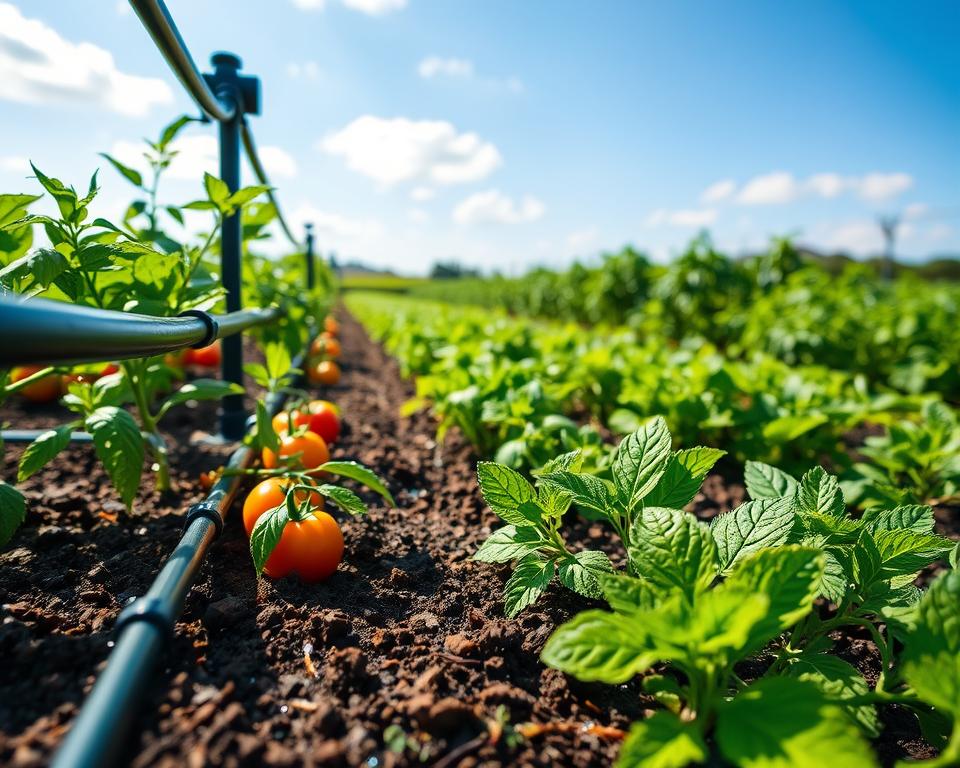
Drip irrigation represents a sophisticated method of garden bed watering that minimises water waste while maximising plant health. By releasing water slowly and precisely, this system ensures every droplet counts.
How Drip Irrigation Works
The mechanism behind drip irrigation is elegantly simple. A network of tubes and emitters creates a targeted water delivery system that:
- Supplies water directly to plant root zones
- Controls water flow rates between 2-4 litres per hour
- Allows customisation for different plant requirements
Benefits of Drip Systems for Garden Beds
Drip irrigation benefits gardeners in multiple ways, making it an exceptional choice for sustainable gardening:
- Water Efficiency: Up to 90% water conservation compared to traditional methods
- Reduced weed growth by targeting specific areas
- Decreased plant disease risk by keeping foliage dry
- Flexible watering for individual plant needs
By implementing a drip irrigation system, you’ll transform your garden into a water-wise, thriving ecosystem that supports plant health while conserving precious resources.
Sprinkler Systems for Comprehensive Garden Coverage
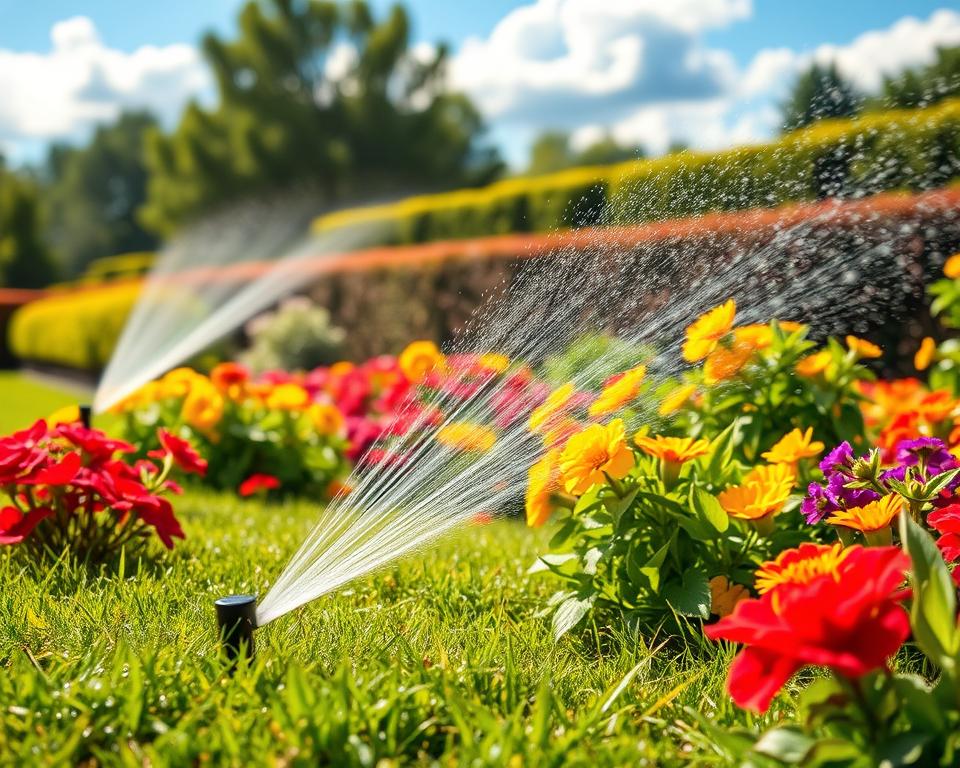
Sprinkler system coverage offers gardeners an efficient way to water large outdoor spaces with minimal effort. These versatile watering solutions simulate natural rainfall, distributing water across your garden in a uniform pattern.
Different types of sprinklers provide unique advantages for various garden layouts:
- Oscillating sprinklers: Sweep back and forth, ideal for rectangular garden areas
- Rotary sprinklers: Rotate in circular motions, providing wide-ranging coverage
- Static sprinklers: Deliver fixed spray patterns for precise watering
- Impact sprinklers: Perfect for expansive garden spaces
An automated watering timer can transform your sprinkler system into a hands-free solution. These devices allow you to programme specific watering schedules, ensuring your garden receives consistent moisture without constant manual intervention.
| Sprinkler Type | Best For | Coverage Area |
|---|---|---|
| Oscillating | Rectangular lawns | Up to 20 square metres |
| Rotary | Circular garden spaces | 20-40 square metres |
| Impact | Large gardens | 40+ square metres |
While sprinkler systems offer convenience, be mindful of water efficiency. They typically achieve 60-70% water conservation, with potential losses through evaporation and overspray. Consider local water restrictions and climate conditions when implementing your garden watering strategy.
Soaker Hoses as a Budget-Friendly Watering Solution
Gardeners seeking an affordable and efficient watering system can find an excellent solution in soaker hoses. These ingenious irrigation tools provide a simple yet effective approach to garden watering, offering significant benefits for budget-conscious plant enthusiasts.
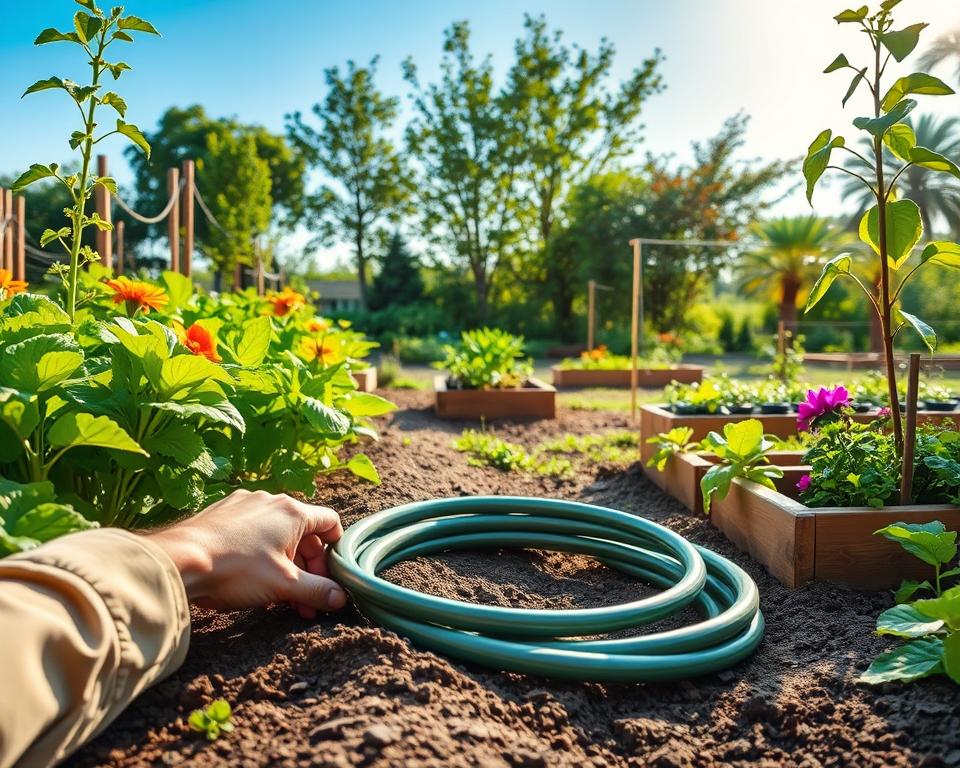
Soaker hoses represent a smart alternative to traditional watering methods, delivering water directly to plant roots with minimal waste. Their porous design allows water to seep slowly and evenly along the entire length, creating an optimal moisture environment for your garden.
Mastering Soaker Hose Installation
Successful soaker hose installation requires careful planning and precision. Follow these key steps for effective watering system maintenance:
- Measure your garden beds accurately
- Connect the hose to a low-pressure water source
- Position hoses between 45-60 cm apart
- Secure with landscape staples
- Cover with a thin layer of mulch for protection
Selecting Ideal Plants for Soaker Hoses
Not all plants suit soaker hose irrigation. Choose wisely to maximise water efficiency:
| Best Suited Plants | Plants to Avoid |
|---|---|
| Tomatoes | Succulents |
| Beans | Cacti |
| Soft fruits | Drought-resistant plants |
| Vegetable rows | Container plants |
Investing in a quality soaker hose can cost between £15-30 for a 15-metre length, making it an affordable watering system maintenance option for gardeners. With proper care and strategic placement, these hoses can transform your garden’s irrigation approach.
Automated Timer Systems for Convenient Garden Watering
Transforming your garden’s irrigation system becomes effortless with automated watering timers. These intelligent devices revolutionise how you manage water delivery, eliminating the daily chore of manual watering.
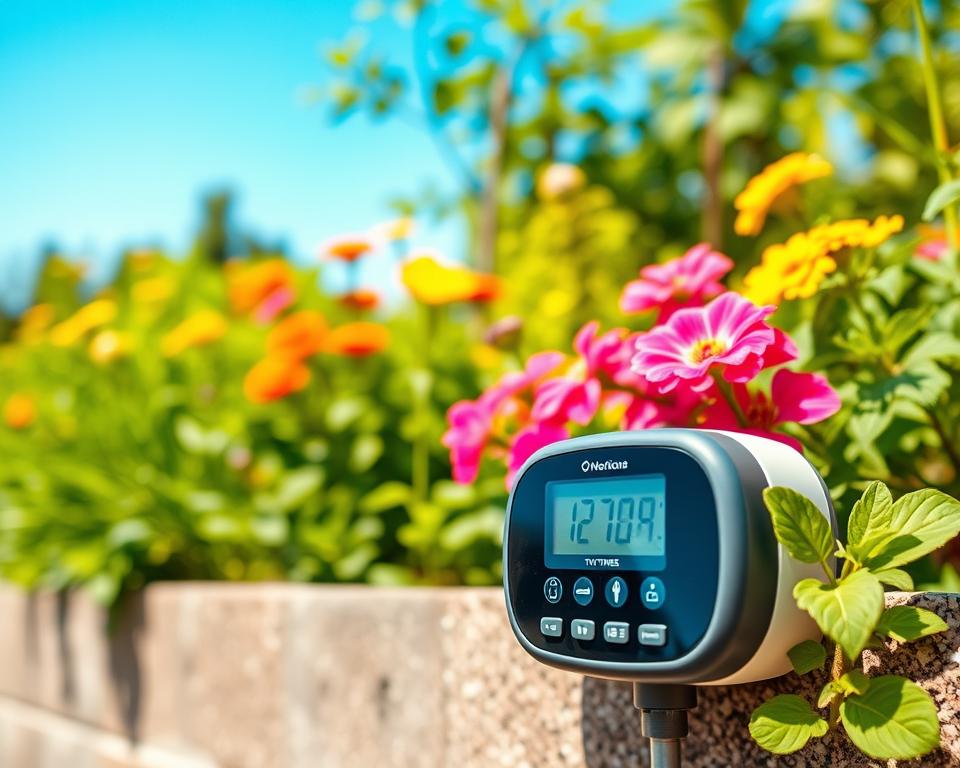
An automated watering timer connects directly to your outdoor tap, allowing precise control over your irrigation system installation. You can programme exactly when and how long your garden receives water, regardless of your location.
- Mechanical timers with simple dial settings
- Digital programmable controllers
- Smart WiFi-enabled systems
Different timer types offer varying levels of sophistication. Basic mechanical models provide straightforward scheduling, while advanced digital versions enable multiple daily watering sessions with customisable durations.
| Timer Type | Price Range | Features |
|---|---|---|
| Mechanical | £15-£25 | Basic scheduling |
| Digital | £30-£60 | Multiple programmes |
| Smart WiFi | £80-£150 | Smartphone control |
Smart irrigation system controllers offer remarkable advantages. They can adjust watering based on weather forecasts, ensure consistent moisture levels, and prevent both under and over-watering.
“Automated timers are the gardener’s secret weapon for maintaining perfect plant health with minimal effort.” – Royal Horticultural Society
When selecting an automated watering timer, consider features like rain delay functions, multiple programme options, and battery backup to guarantee uninterrupted garden care.
Comparing Water Efficiency Across Different Systems
Understanding water-efficient irrigation is crucial for gardeners looking to conserve water and reduce their environmental impact. Different watering systems offer varying levels of water conservation, making it essential to choose the right approach for your garden.
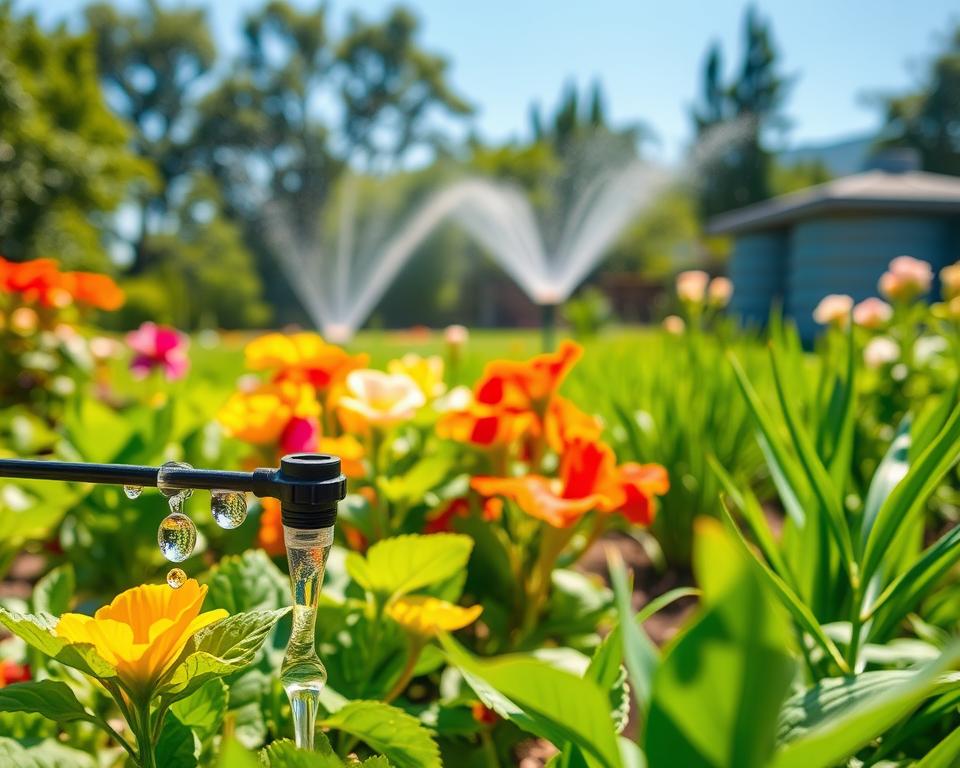
When evaluating water conservation gardening techniques, it’s important to compare the efficiency of various irrigation methods. Each system has unique characteristics that impact water usage and plant health.
Water Consumption Rates Explained
Garden irrigation systems demonstrate significant variations in water efficiency. Here’s a comprehensive breakdown of water consumption rates:
| Irrigation System | Water Efficiency | Water Usage (per 10m²) |
|---|---|---|
| Drip Irrigation | 90% | 15-20 litres/hour |
| Soaker Hoses | 80-85% | 25-30 litres/hour |
| Sprinkler Systems | 60-70% | 200-300 litres/hour |
| Hand Watering | 50-90% | Variable |
Water Conservation Strategies
- Water deeply but less frequently
- Water during early morning hours
- Adjust watering based on rainfall
- Use mulch to reduce surface evaporation
By selecting an appropriate water-efficient irrigation system, you can significantly reduce water waste and protect your garden during dry spells. The right approach not only conserves water but also helps maintain healthy plant growth while minimising environmental impact.
Installation Costs and Long-Term Investment Considerations
Understanding the garden watering cost and irrigation system installation expenses is crucial for making a smart landscaping investment. Your garden’s water management strategy involves more than just initial pricing—it’s about long-term value and efficiency.
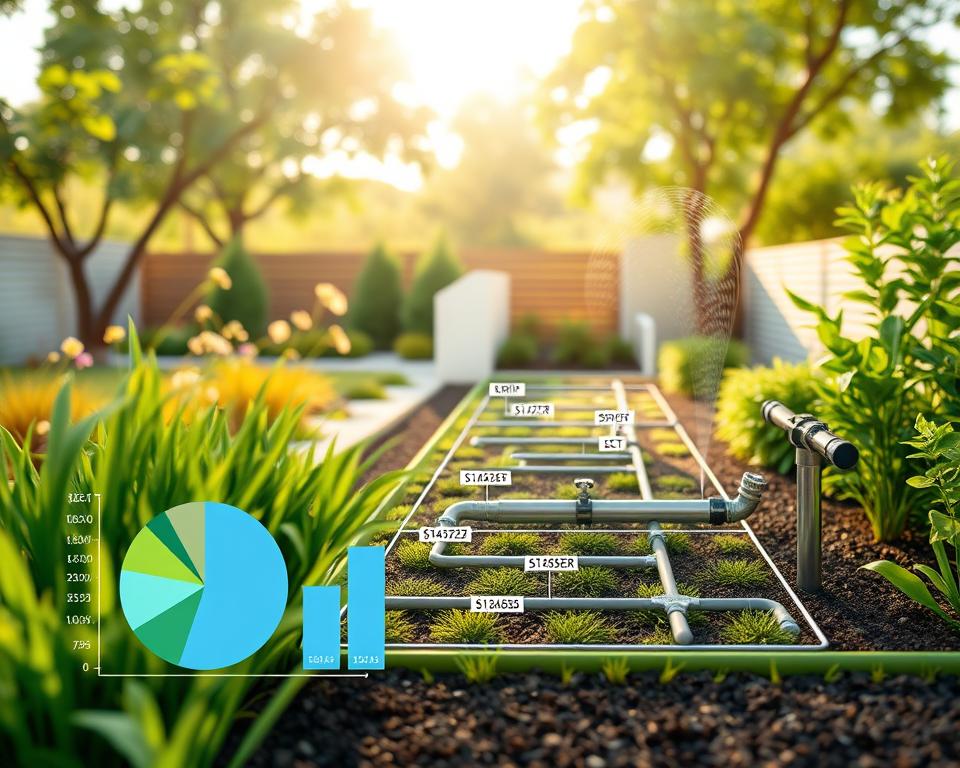
Different watering systems come with varying price points and installation complexities. Let’s break down the key financial considerations:
- Soaker hoses: Budget-friendly option starting at £30-50
- Drip irrigation kits: Mid-range systems between £80-200
- Sprinkler systems: Prices range from £40-150
- Automated timer controllers: £15-150 depending on features
Professional irrigation system installation can significantly impact your total investment. DIY approaches save money, but complex gardens might require expert setup costing £300-800.
| System Type | Initial Cost | Estimated Lifespan | Annual Water Savings |
|---|---|---|---|
| Soaker Hoses | £30-50 | 3-5 years | £25-75 |
| Drip Irrigation | £80-200 | 5-10 years | £50-150 |
| Sprinkler Systems | £40-150 | 10+ years | £20-100 |
Your return on investment can be surprisingly quick. An efficient drip irrigation system might offset its higher upfront costs within 2-3 years through water conservation and improved plant health.
When planning your garden watering cost strategy, consider hidden expenses like maintenance, replacement parts, and potential water bill fluctuations. Start with targeted installations in priority areas and gradually expand your system as your budget allows.
Choosing the Right System for Your Garden Size and Layout
Selecting the ideal watering system depends entirely on your garden’s unique characteristics. Whether you’re managing a compact balcony garden or an expansive vegetable patch, understanding your specific needs is crucial for successful container garden watering.
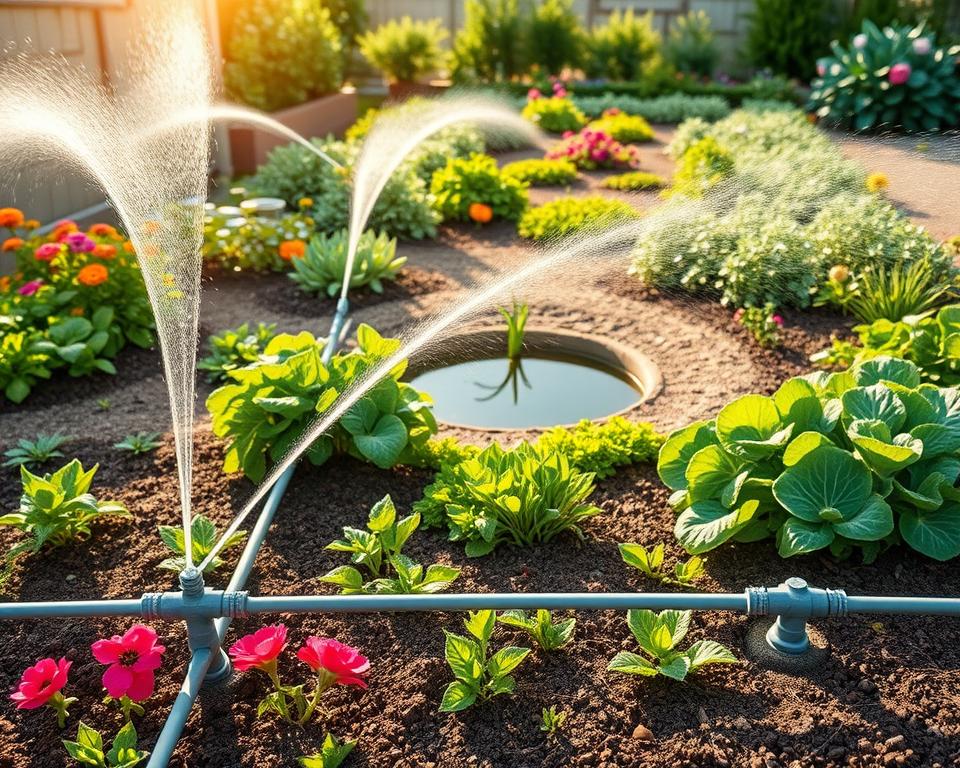
Different garden sizes require tailored approaches to irrigation. The best watering system for vegetable garden and container spaces varies significantly based on several key factors.
Small Gardens and Container Plants
For compact urban gardens and container spaces, precision is paramount. Your watering strategy should focus on:
- Micro-irrigation systems with 4mm distribution tubing
- Adjustable drip emitters for individual containers
- Targeted water delivery to prevent waste
Container garden watering demands a nuanced approach. Drip irrigation with individual emitters provides the most effective solution, allowing you to customise water flow for each plant’s specific requirements.
Large Gardens and Vegetable Patches
Larger garden spaces benefit from more comprehensive watering systems. For vegetable gardens, consider these critical elements:
- Zoned irrigation approaches
- Drip systems for consistent moisture
- Separate watering schedules for different plant types
The right irrigation system can dramatically improve your garden’s productivity and plant health.
Your vegetable garden will thrive with a drip irrigation system that delivers consistent moisture directly to plant roots, reducing water waste and minimising disease risk.
Conclusion
Your journey through efficient garden watering solutions reveals that no single system fits every garden’s unique requirements. The UK’s diverse gardening landscapes demand strategic approaches to water management. Drip irrigation, soaker hoses, and sprinkler systems each offer distinct advantages for different garden configurations.
When exploring garden watering systems UK, consider your specific landscape’s characteristics. Small vegetable patches might thrive with precise drip irrigation, while expansive lawns could benefit from traditional sprinkler setups. Efficient garden watering isn’t about selecting one perfect method, but understanding how different techniques complement your gardening goals.
Budget, plant diversity, and water conservation priorities should guide your selection process. Start with targeted installations in critical garden areas, learning and adapting your approach over time. Many successful UK gardeners employ hybrid systems, combining methods to maximise water efficiency and plant health.
Ultimately, your newfound knowledge empowers you to design a tailored watering strategy. By assessing your garden’s specific needs, experimenting with different techniques, and remaining flexible, you’ll develop an irrigation approach that sustains your green spaces while minimising water consumption and maintenance efforts.
FAQ
What are the most water-efficient garden irrigation systems?
Drip irrigation systems are considered the most water-efficient, achieving up to 90% water conservation. Soaker hoses follow closely, with around 80-85% efficiency, while traditional sprinkler systems typically deliver only 60-70% water efficiency due to evaporation and overspray.
How much does a garden watering system cost?
Costs vary widely depending on system complexity. Soaker hoses start at £30-50, drip irrigation kits range from £80-200, sprinkler systems cost £40-150, and automated timers can be £15-150. Professional installation for comprehensive systems might add £300-800 to your investment.
Can I use different watering systems in the same garden?
Absolutely! Many UK gardeners use mixed irrigation approaches. For example, you might use drip irrigation for vegetable beds, soaker hoses for perennial borders, and sprinklers for lawn areas. The key is matching each system to specific garden zones and plant requirements.
How often should I water my garden?
Watering frequency depends on multiple factors including plant type, soil composition, and weather conditions. Generally, it’s best to water deeply but less frequently to encourage deep root growth. Early morning (4-6am) is the optimal time, as evaporation is minimal and water pressure is highest.
Are automated watering systems worth the investment?
Automated systems offer significant benefits, including consistent watering, water conservation, and convenience. They can save you time, prevent under or over-watering, and can be particularly useful during holidays. The long-term water savings often offset the initial investment within 2-3 years.
What system works best for container gardens?
For container plants, drip irrigation with individual emitters is typically most effective. Micro-irrigation systems with 4mm distribution tubing and adjustable drippers allow precise water delivery to each container, with setups typically costing £40-70 for a comprehensive patio arrangement.
How do I maintain my garden watering system?
Maintenance varies by system. Drip irrigation requires periodic checking for clogged emitters, soaker hoses need occasional flushing and winter storage, and sprinkler systems should be checked for even distribution. Always winterise systems to prevent frost damage and ensure longevity.
Can I install a garden watering system myself?
Many systems are DIY-friendly, especially soaker hoses and basic drip irrigation kits. Most come with detailed installation instructions. However, complex systems or large gardens might benefit from professional installation to ensure optimal performance and coverage.