Secure Your Outdoor Space: Burglar-Proof Garden Shed
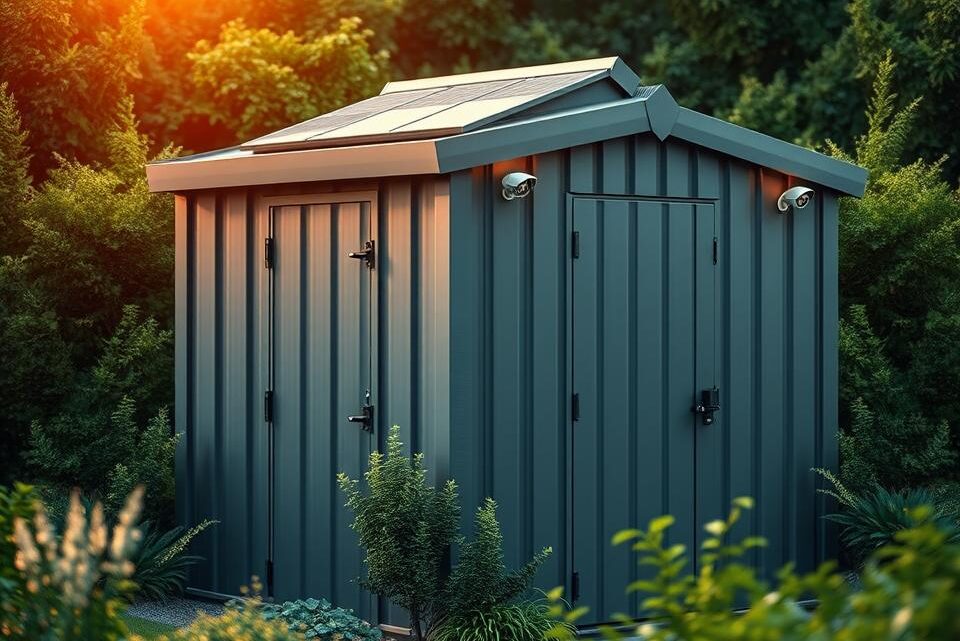
Every year in the UK, sheds and outbuildings are targeted for power tools, bicycles and gardening equipment. This article aims to help homeowners, renters with garden access and allotment holders build a practical plan to create a burglar-proof garden shed. We focus on sensible, cost-effective measures that improve outdoor storage security and help protect garden tools and machinery.
The guide covers the full scope of shed security UK owners need: threat context, vulnerability checks, materials and construction, locks and hardware, lighting and landscaping, electronics like alarms and cameras, anchoring, maintenance and insurance considerations. Recommendations draw on Home Office guidance, National Police Chiefs’ Council advice, British Standards (BSI) and products from recognised manufacturers to ensure measures are robust and compliant.
Begin with a simple assessment of what you store and the value of those items. Even inexpensive tools are attractive to thieves if a shed is easy to access. A secure garden shed starts with sensible placement, strong doors and quality hardware, then layers on lighting, surveillance and anchoring for long-term protection.
Inhaltsverzeichnis
Key Takeaways
- Prioritise securing entry points first: doors, windows and hinges.
- Use recognised hardware and standards to improve shed security UK compliance.
- Layer physical measures with lighting and simple electronic deterrents.
- Anchor and fasten tools to reduce the ease of theft and boost outdoor storage security.
- Regular checks and clear records help with insurance claims and long-term resilience.
Why Shed Security Matters for UK Homeowners
Gardens and outbuildings are common targets for opportunist thieves. Home Office and Office for National Statistics figures show steady numbers of thefts from sheds and outbuildings across urban and suburban areas, with peaks in warmer months and under cover of night. A clear grasp of shed theft statistics UK helps homeowners prioritise simple, effective measures before loss occurs.
Crime statistics and common theft targets in gardens
Police data highlights lawnmowers, bikes and power tools as frequent items taken in garden crime. Portable, high-value brands such as DeWalt and Makita are especially attractive because they resell easily. Petrol cans, hedge trimmers and garden chemicals also feature, raising concerns beyond monetary loss.
Financial and emotional impact of shed break-ins
Replacing stolen tools and machinery can cost thousands of pounds, particularly for tradespeople who store kit in sheds. Business interruption adds a further layer of expense when work halts. The emotional impact theft causes can be substantial: the loss of sentimental items, the stress of replacing specialised equipment and a diminished sense of safety at home.
Insurance implications and making a successful claim
Most household policies offer some outbuilding cover but limits and conditions vary. Insurers frequently require approved locks, visible security measures and proof of precautions. Keeping receipts, serial numbers and dated photographs improves the chance of a successful claim under shed break-ins insurance.
Failing to meet policy terms can lead to declined claims, so record-keeping and following insurer guidelines matter. Simple steps now reduce risk and make any future claim clearer and more likely to succeed.
Assessing Your Garden Shed’s Vulnerabilities
Before you upgrade locks or fit cameras, take a clear, practical look at your building and its setting. A short inspection will reveal common shed weaknesses and help you prioritise improvements. Use the notes below to assess shed security in a systematic way.
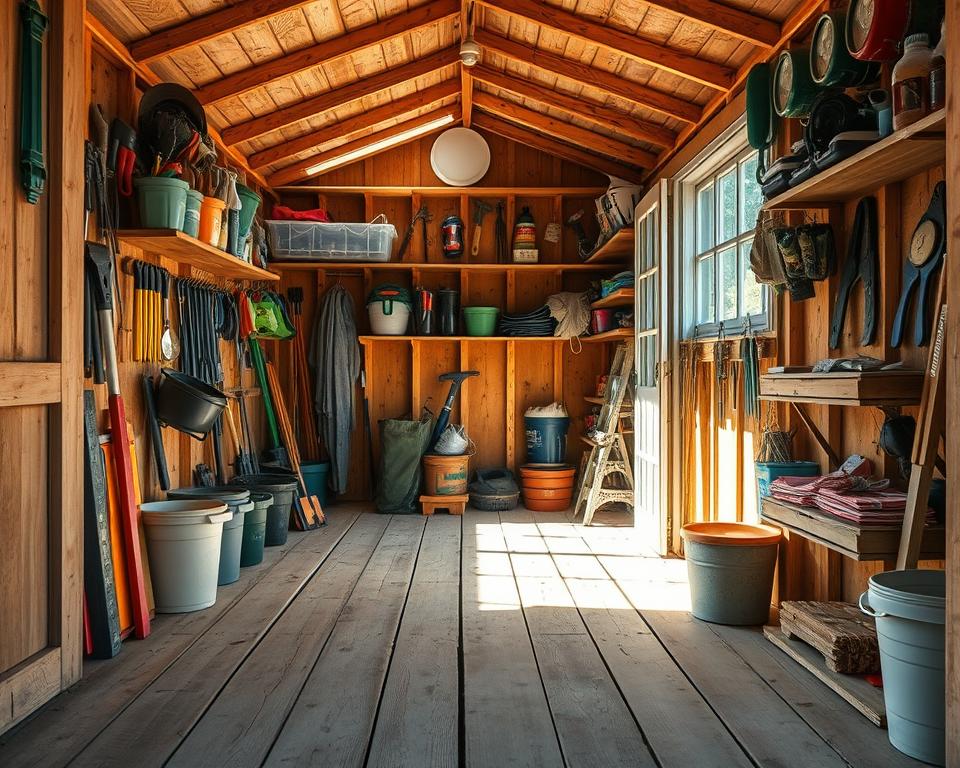
Start with the fabric of the shed. Thin timber doors, exposed hinges and hasps that can be cut or unbolted are frequent entry points. Single-pane windows, loose frames and a lack of shutters or bars invite forced entry. Wall panels and corrugated roofs can be prized open where fixings are weak. Small gaps around the floor let tools act as levers. These shed doors windows security issues form the bulk of theft routes.
Look at how the shed sits in the garden. Sheds tucked behind fences or dense planting have reduced visibility. Side alleys, narrow access paths and shared routes from neighbouring gardens give concealment. A lack of external lighting makes the outbuilding attractive to opportunist thieves. Proximity to house windows or to neighbours who can see the shed reduces risk. Use sightlines to decide where to place deterrents and where CCTV will be most effective when you assess shed security.
The quick garden shed audit below helps you record findings and set priorities. Carry a notepad or use a phone to photograph weak spots and note serial numbers for stored items.
- Inspect door and frame for rot, gaps and loose fixings.
- Check window glazing, locks and whether frames are secure.
- Test hinges and hasps for exposed screws or poor bolts.
- Examine floor fixings, base anchorage and any lever access points.
- Note sight lines from the house and from neighbours.
- Record items stored, serial numbers and approximate values for insurance.
- Rate each risk as low, medium or high and list remedial actions by priority.
To complete a simple garden shed audit, give each area a score out of ten and total the results. Use that score to decide whether you need minor repairs, stronger hardware or a more detailed professional survey. Regular checks reduce the chance that small shed weaknesses become large problems.
Burglar-proof garden shed
Creating a truly burglar-proof garden shed means combining robust construction, thoughtful placement and visible deterrents. Start with a clear plan that lists weak points, priorities and a phased budget. This approach helps you add secure shed construction measures without disrupting daily use.
Defining what makes a shed burglar-proof
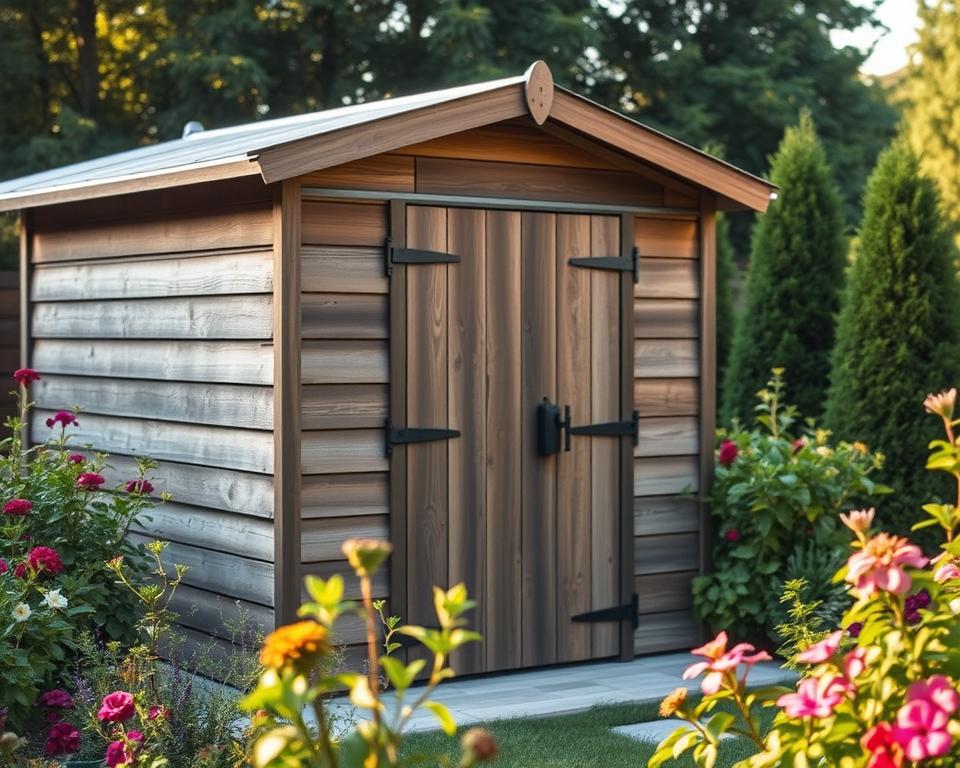
A burglar-proof garden shed is one that resists quick forced entry, delays determined intruders and raises the chance of detection. Key elements include strong doors and frames, fixed and concealed hinges, secure locks and visible anti-theft shed features such as alarm stickers or marked property.
Materials and construction features that deter intruders
Choose reinforced shed materials for walls and roofs. Options include thick planed timber, pressure-treated boards and metal or aluminium composite panels. Many UK suppliers offer reinforced panels that cut through time thieves need to break in.
For doors, pick reinforced frames, double-skin models or metal-clad timber doors. Full steel doors with internal bracing provide the highest resistance. Fit internal or concealed hinges and hinge bolts to stop removal.
Secure fixings matter. Use coach bolts, security screws and through-bolts where possible. Anchor the shed to a concrete slab or a treated timber base with ground-fixings to prevent lifting or tipping.
Windows deserve attention. Polycarbonate glazing and mesh grilles give impact resistance. Frosted or obscure glazing removes temptation by hiding contents. Add visible marking systems like SelectaDNA or SmartWater and place approved padlocks where they can be seen.
Cost versus benefit: investing in long-term security
Basic improvements such as better locks, anchoring and lighting can start from £50–£300. Upgrading to a customised reinforced unit or steel shed moves the cost into the several hundreds or thousands. Tradespeople who store tools may find the higher spend pays back quickly through avoided replacement costs and less business disruption.
Prioritise low-cost, high-impact measures first: anchoring, upgraded locks, PIR lighting and property marking. Phase structural upgrades in as budget allows, aiming for full secure shed construction over time.
| Measure | Typical cost (UK) | Security impact | Suggested use |
|---|---|---|---|
| Heavy-duty padlock & hasp | £25–£80 | High for access points | Immediate upgrade for all sheds |
| Anchor points & concrete slab | £100–£500 | High; prevents removal | Essential for tool storage |
| Reinforced shed materials (panels) | £300–£1,500 | Very high structural resistance | Best for rebuild or major refit |
| Polycarbonate glazing & grilles | £40–£200 | Medium; stops smash-and-grab | Use on all windows |
| Visible marking (SmartWater/SelectaDNA) | £20–£60 | Medium; aids recovery, deters thieves | Low-cost deterrent |
| Alarm or camera system | £100–£600 | High; detection and evidence | Combine with lighting for best effect |
Best Locks and Hardware for Maximum Protection
Choosing the right lock and fittings transforms a shed from an easy target into a secure store. Focus on robust hardware that matches your shed material and insurance requirements. Small upgrades to locks, hasps and fixings deliver big gains in theft prevention.
Choosing the right padlocks, deadbolts and hasps
For external doors, select padlocks for sheds made from hardened steel with a shrouded shackle. Brands such as Abus and Yale offer models with anti-drill and anti-pick features that suit garden outbuildings.
For timber or metal doors, fit a mortice deadbolt rated for external use and protected by an internal box. A shed hasp deadbolt paired with a closed-shackle hasp gives a secure closure that resists lever and bolt-cropping attacks.
Consider multi-point locks on high-end doors where budget allows. These spread force across the frame and reduce the chance of brute-force entry.
Fixings and reinforcement: screws, bolts and anti-tamper fittings
Use coach bolts or through-bolts when fixing hasps and strike plates to the frame. Woodscrews alone are easy to force out and will weaken the assembly over time.
Fit anti-tamper fixings such as one-way screws on external plates and hinge areas. Reinforce pin hinges with hinge bolts where possible and place fixings on the inside of the shed to stop removal from outside.
Install a metal strike plate and a steel-reinforced door jamb or plate under the lock area to prevent splitting or spreading of the frame during forced entry.
Approved standards and locks recommended in the UK
Look for British Standard locks and Sold Secure ratings when choosing hardware. Insurers often recommend or require Sold Secure Bronze or Silver-rated products for outbuildings, so check your policy before buying.
British Standard locks meeting BS EN 12320 offer tested resistance to common attacks. Purchasing from reputable UK suppliers and using qualified installers helps ensure compatibility with insurance conditions and long-term reliability.
| Component | Recommended Feature | Example Brand | Insurance Note |
|---|---|---|---|
| Padlock | Hardened shackle, shrouded, anti-drill | Abus 83/45, Yale | Prefer Sold Secure Bronze or higher |
| Deadbolt | Mortice deadbolt for external use, boxed protection | ERA, Union | Must be suitable for external timber or metal doors |
| Hasp | Closed-shackle or weld-on, concealed fixings | Norman, Squire | Through-bolted to frame for strength |
| Fixings | Coach bolts, through-bolts, one-way screws | Fischer, Rawlplug | Use anti-tamper fixings on external fittings |
| Frame reinforcement | Steel strike plate, reinforced jamb | Custom fabricators or specialist fitters | Reduces frame failure during attack |
Lighting, Visibility and Natural Surveillance
Good external lighting and thoughtful planting make a garden less attractive to thieves. Small, well-placed fixtures increase natural surveillance from the house and neighbouring properties. Combine motion sensors with continuous low-level lights to avoid deep shadows and to keep paths visible.
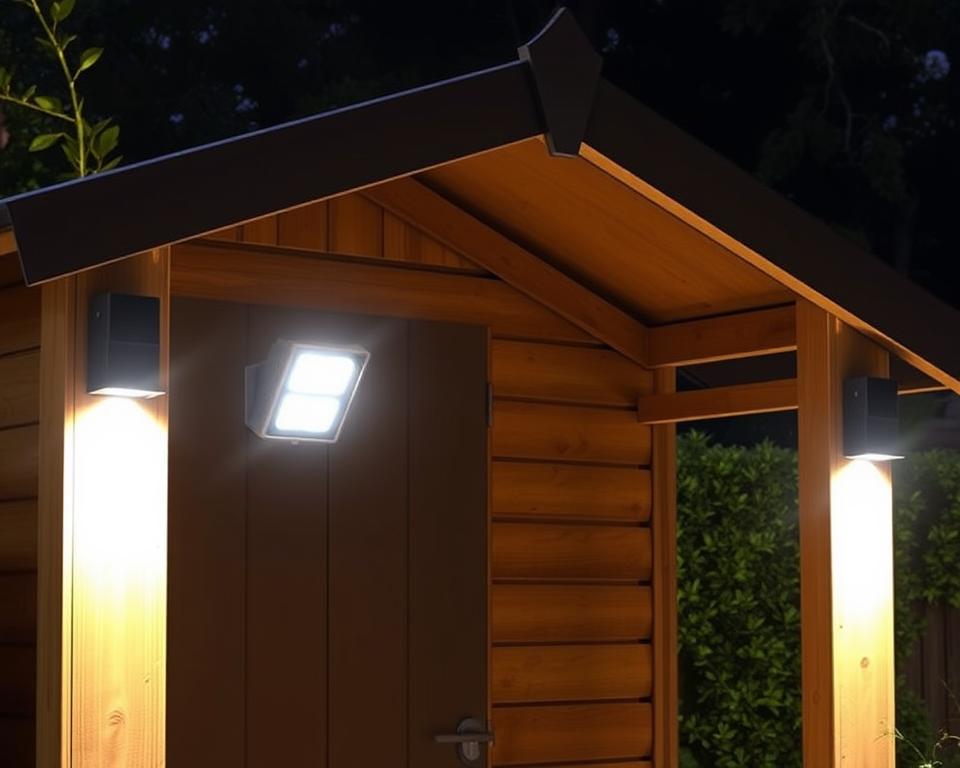
Effective external lighting: PIR sensors and LED options
PIR sensor lights offer motion-activated illumination that deters intruders. Fit them to cover approach paths, gateways and shed doors while avoiding beams into neighbours’ windows. Choose warm or neutral white LEDs for clear colour rendering and lower glare.
Solar-powered PIR units suit locations where wiring proves difficult. Place panels where they receive full sun and secure them to prevent theft. Combine sensor floodlights with low-level path lighting to reduce areas of hard shadow.
Landscaping to improve sight lines and reduce hiding spots
Trim hedges and prune shrubs to maintain clear sight lines from living rooms and the street. Keep planting low near entrances so the shed remains visible from multiple angles.
Use thorny species like pyracantha near access points to discourage close approach. Avoid dense evergreen screens next to doors. Position the shed where it can be supervised from main living areas when practical.
Neighbourhood watch and passive surveillance strategies
Encourage neighbour awareness by sharing contact details and asking neighbours to report unusual activity. Display neighbourhood watch UK stickers or alarm notices to increase perceived risk for offenders.
Where community camera networks exist, consider joining while ensuring compliance with data protection. Combine communal efforts with garden surveillance that links line-of-sight, lighting and local vigilance.
| Measure | Benefit | Practical tip |
|---|---|---|
| PIR sensor lights | Immediate, attention-grabbing illumination | Mount 2.5–3m high to cover approaches without blinding passers-by |
| LED floodlights | Energy-efficient, long life and clear light | Choose warm/neutral white for garden use to preserve night vision |
| Solar lighting | No wiring; low running cost | Secure panels and test through seasons for reliable charging |
| Pruned sight lines | Improves natural surveillance from home and street | Trim to shoulder height near paths; keep sightlines to windows |
| Thorny planting | Physical deterrent close to entry points | Use pyracantha or similar under windows and beside gates |
| Neighbourhood watch UK participation | Increases local reporting and deterrence | Display stickers and exchange contact details with nearby households |
| Layered lighting strategy | Reduces deep shadows and blind spots | Combine house, path and shed lighting for even coverage |
Electronic Security: Alarms, Cameras and Smart Devices
Electronic security brings a powerful layer to shed protection. Choose systems that match your budget and the shed’s use. Small, battery-powered units suit wooden outbuildings. Wired setups fit larger workshops where mains power is available.
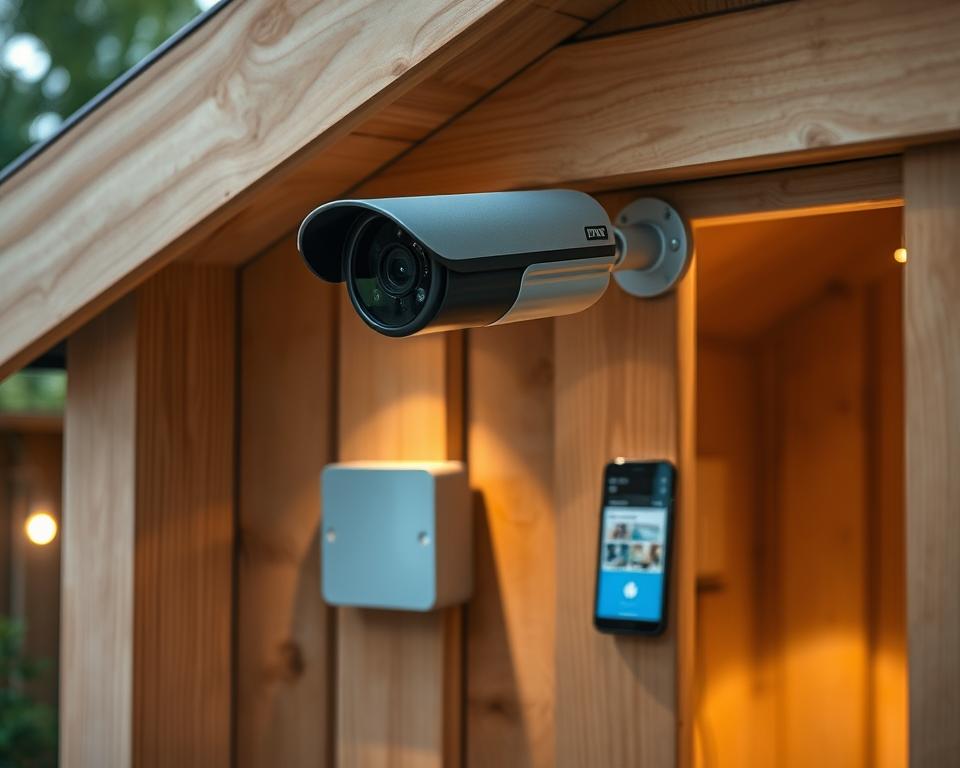
Choosing an alarm system for outbuildings
Select standalone alarm units made for garages and sheds. Look for tamper detection, shock sensors and pet-friendly settings. Monitored packages from Yale or Ajax Systems offer phone alerts or monitoring-centre backup, but check ongoing fees before committing.
For remote protection, consider a remote monitoring shed option that links alarms to your phone. Battery life and weather resistance matter. Ask installers about outbuilding-specific kits and fitting positions that reduce false alarms.
CCTV and camera placement best practice
Place cameras to cover doors, windows and approach paths while avoiding neighbours’ private spaces. Use weatherproof models with IR night vision and 1080p resolution or higher for usable evidence.
Secure network access with strong passwords and two-factor authentication. Keep recordings on local SD cards or cloud storage with clear retention rules. Inform your insurer if you plan to rely on CCTV for claims.
Smart sensors and remote monitoring considerations
Integrate door and vibration sensors with a smart hub such as Samsung SmartThings or Ring Alarm. Smart security sensors that report to a central hub make false alarms easier to manage and speed up response.
Check battery life, waterproof ratings and signal strength before fitting. Add a signal repeater if Wi‑Fi is weak. Balance convenience and privacy when enabling remote alerts to a remote monitoring shed account, and keep credentials secure.
Physical Enhancements and Anti-Theft Accessories
Securing a garden shed requires a mix of robust fixes and sensible organisation. Start with a strong base and add fitted internal fixtures to protect high-value items. Simple steps can deter opportunist thieves and speed recovery if tools are stolen.
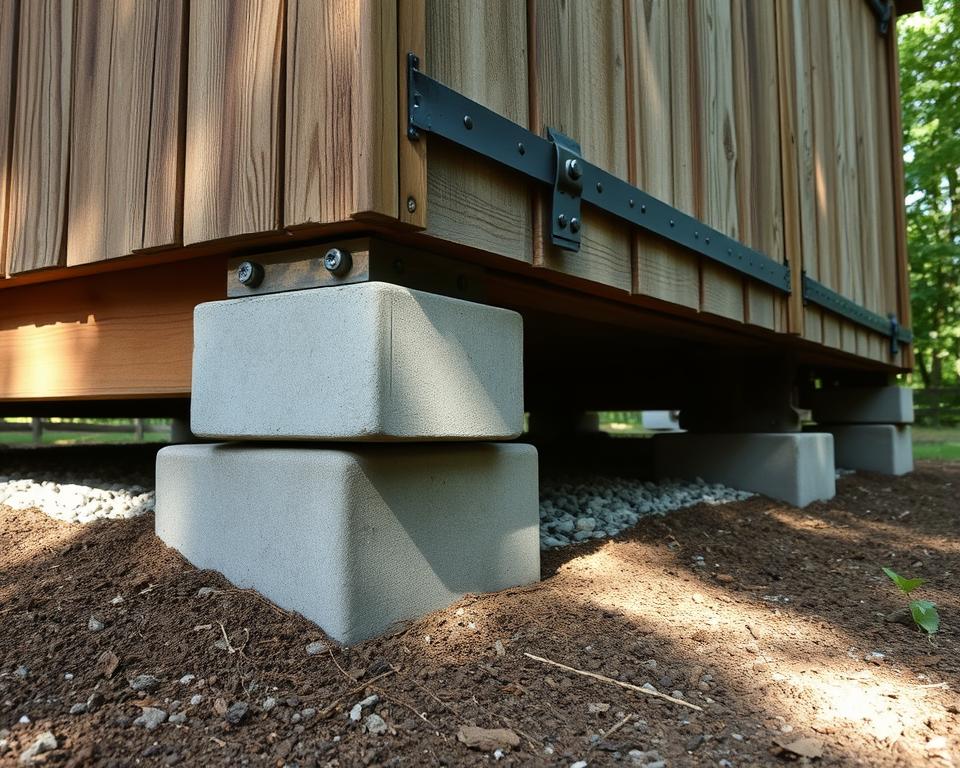
Anchoring and ground-fixing your shed securely
Concrete pads with galvanised anchor bolts give the best resistance to lift-and-drag attacks. Use a certified shed anchor kit sized for your outhouse and follow manufacturer torque guidance for anchor bolts. For timber foundations, screw-in ground anchors rated for outdoor use work well.
When fixing large items such as ride-on mowers, pair padlocks with floor- or ground-fixed anchor points. Choose stainless or galvanised fittings to resist corrosion and maintain strength over time.
Security bars, internal cages and tool anchoring systems
Fit security bars to vulnerable windows and consider welded steel cages for storing petrol-powered tools. Ensure cages allow ventilation and meet fire-safety recommendations.
Heavy-duty chains, wall-mounted anchor points and bolt-down toolboxes offer flexible options for securing bikes, generators and lawn equipment. For permanent protection, use welded steel frames bolted to concrete.
Marking and cataloguing tools for recovery
Use property marking systems such as SmartWater or SelectaDNA to deter theft and improve police recovery rates. Record serial numbers, make, model and purchase receipts when you catalogue tools.
Register marked items with Immobilise and keep digital copies of inventories and receipts in secure cloud storage. Clear records streamline police reports and insurance claims.
| Measure | Best for | Key benefit | Typical cost range |
|---|---|---|---|
| Concrete slab + galvanised anchor bolts | All sheds | Highest resistance to removal | £200–£800 |
| Screw-in ground anchors | Timber bases, soft ground | Quick install, weather resistant | £30–£150 |
| Shed anchor kit (galvanised) | Small to medium sheds | Designed for shed fixings | £25–£120 |
| Welded internal cage or welded frame | High-value tools | Secure storage, tamper proof | £150–£600 |
| Heavy-duty chains & wall anchors | Bicycles, lawn equipment | Flexible anchoring options | £20–£100 |
| Marking tools SmartWater / SelectaDNA | All portable items | Deterrent and forensic ID | £15–£80 |
| Locked toolboxes bolted to floor | Hand tools, small power tools | Organisation and security | £40–£200 |
| Tool security systems (anchored) | Commercial-grade protection | Integrated locking and alarms | £100–£800 |
| Inventory & cloud backup | All homeowners | Faster police and insurance processing | Low cost (subscription optional) |
Maintenance, Routine Checks and Seasonal Considerations
Regular care keeps a shed secure and functional. Use a simple shed inspection checklist each month to spot loose hinges, rusted fixings, roof damage and damp patches before they become breaches. Test locks, alarm batteries and camera feeds while you check flooring and wall fixings. Replace corroded screws and lubricate locking mechanisms with graphite or a specialist lubricant.
Adjust security as the year changes to maintain seasonal garden security. In summer, lock away tools when not in use and arrange neighbour checks during holidays. In winter, inspect for rot and clear gutters to stop water ingress that weakens structure. After storms, use the shed inspection checklist again to find new gaps or damage.
Keep concise records of inspections, repairs and inventory to simplify claims and prove due diligence. Note serial numbers and take dated photographs of high-value items. If you fit upgrades such as Yale or ABUS locks, keep receipts and certificates for professional installs in case you need to update insurance shed details.
Report thefts immediately to the police and keep the crime reference number for insurers. Regular logs of checks, maintenance work and security upgrades support a smooth claim process and can help reduce premiums when you update insurance shed information.
Conclusion
This burglar-proof garden shed conclusion pulls together practical steps to protect outdoor tools UK owners value. Start with a simple security audit to spot weak points: doors, windows and fixings. Then reinforce those areas with concealed hinges, stronger boards or panels, and secure fixings to make forced entry harder.
Next, fit the right hardware and anchors. A Sold Secure padlock or equivalent, ground anchoring and quality hasps provide a strong deterrent. Improve visibility with PIR lighting and tidy sightlines through thoughtful planting; these low-cost measures often deliver the biggest gains first in any secure shed summary.
Consider electronic deterrents and marking schemes as layered protection. Alarms, cameras and property marking increase the time and risk for a thief and help recovery if items are taken. Keep records and confirm measures meet insurer requirements, and involve neighbours or local schemes for added passive surveillance.
Overall, combine physical security, visibility and monitoring to make theft unlikely. Prioritise low-cost, high-impact fixes, then invest in structural upgrades as budgets allow. This balanced approach ensures a practical, resilient outcome for a burglar-proof garden shed conclusion and helps protect outdoor tools UK owners depend on.
FAQ
What makes a garden shed burglar-proof?
A burglar-proof shed combines robust construction, secure locks and fittings, good site placement and clear deterrents. Use thicker, pressure-treated or metal-clad walls, reinforced doors with concealed hinges, a solid base with anchor points and graded locks (Sold Secure or BS‑rated). Add visible deterrents such as PIR lighting, alarm stickers, property marking (SmartWater or SelectaDNA) and CCTV to increase detection risk for intruders.
Which locks and hasps are best for an outdoor shed?
Choose hardened steel padlocks with shrouded shackles or Sold Secure-rated padlocks from manufacturers like Abus or Yale. Fit closed-shackle or weld-on hasps with concealed fixings and use through-bolts or coach bolts rather than wood screws. For timber or composite doors consider a mortice deadbolt or multipoint locking system and reinforce the door jamb with a steel plate.
How should I anchor my shed to prevent it being lifted or moved?
The most secure option is a concrete slab with galvanised anchor bolts fixed through the base. For timber bases use heavy-duty ground anchors or screw-in ground anchors rated for outdoor use. Use anchor points inside the shed for chaining larger items like lawnmowers. Always bolt fixtures with coach bolts or through-bolts rather than standard screws.
Can lighting and landscaping really reduce the risk of shed theft?
Yes. Motion-activated PIR lights and well-placed LED illumination increase the chance an intruder is seen. Maintain clear sight lines from the house and neighbours by trimming hedges and avoiding dense planting near access routes. Thorny or dense low planting (for example pyracantha) can act as a natural deterrent around vulnerable approaches.
Are electronic systems worth the cost for a garden shed?
Electronic security—alarms, cameras and smart sensors—adds a significant deterrent and evidence-gathering ability. Simple battery alarms and standalone cameras are inexpensive and effective. Monitored systems and cloud-backed CCTV provide faster alerts and off-site footage but carry ongoing costs. Balance budget, signal strength and maintenance when choosing devices.
What should I record to help with insurance claims if theft occurs?
Keep a detailed inventory with make, model, serial numbers, purchase receipts and photographs. Register valuables with Immobilise and use property marking systems such as SelectaDNA or SmartWater. Store records off-site or in cloud storage and keep receipts for security upgrades to support claims and potential premium reductions.
Which weak points should I inspect during a basic security audit?
Check doors for rot, thin panels or exposed hinges; ensure hasps are bolted with through-bolts; examine windows for single-pane glass or unsecured frames; inspect the roof and wall panels for gaps and test floor fixings and base anchorage. Note sightlines from the house and rate risks as low, medium or high to prioritise actions.
What maintenance is required to keep shed security effective?
Perform monthly checks of locks, hinges, roof fixings, alarm batteries and camera operation. Replace corroded fixings, lubricate locks with graphite and change batteries before they fail. After storms inspect for damage. Update your insurance provider when you add high-value items or complete significant security upgrades.
Will property marking and registration really deter thieves?
Yes. Marking systems like SmartWater and SelectaDNA clearly link items to an owner and are visible deterrents when combined with warning stickers. Registration with Immobilise increases recovery chances and helps police identify stolen property, making marked goods less attractive to thieves.
How do insurers typically view shed security and what do they require?
Many insurers require outbuildings to be locked with approved hardware and may specify Sold Secure or BS‑rated products. Policies often have limits for outbuilding contents, so check terms, keep evidence of security measures and provide serial numbers. Failure to meet policy conditions can result in declined claims.
What are cost-effective first steps I can take right away?
Start with low-cost, high-impact measures: fit a Sold Secure padlock and closed hasp, conceal or secure hinges, anchor the shed to the base, add PIR lighting, mark valuables and record serial numbers. These actions are inexpensive but greatly increase the time and effort required for unauthorised entry.
Are window bars or mesh necessary for my shed?
For sheds with visible valuable items or ground‑floor access, metal grilles or polycarbonate glazing reduce break-in risk. Mesh or bars fitted inside the frame prevent removal and retain ventilation. Ensure any bars allow for safe emergency exit and comply with local guidance on fire safety.
How should I position CCTV cameras to be effective and lawful?
Place cameras to cover primary entry points and approach paths while avoiding capture of neighbours’ private areas. Use weatherproof cameras with night vision and sufficient resolution (1080p+). Secure network connections with strong passwords and two‑factor authentication and keep recorded footage for a reasonable retention period to support any police enquiries.
What role can neighbours and community schemes play in protecting my shed?
Neighbours provide passive surveillance; establish simple agreements to watch each other’s properties, exchange contact details and report suspicious activity. Displaying neighbourhood watch stickers and joining local schemes increases community awareness and acts as a visible deterrent to opportunistic thieves.