DIY Guide: Build a Porch Swing Yourself

Welcome to a quintessentially homey venture that celebrates the DIY ethos: crafting a porch swing with your own hands. There’s something profoundly rewarding about creating outdoor seating that not only augments your living space but also echoes your personal style. Through this guide, we shall navigate the seas of sawdust and varnish to deliver a DIY porch swing that deserves its leisurely sway in your abode. This is not just a project; it’s an invitation to embark on a journey of skill-building and creativity that culminates in a functional piece of art. Get ready for an engaging home project that will elevate your exterior décor and provide endless hours of relaxation.
Inhaltsverzeichnis
Key Takeaways
- Discover the sheer satisfaction of completing a DIY porch swing project.
- Learn the essentials of choosing materials and tools for durable outdoor seating.
- Gain practical skills and hands-on experience with carpentry and design.
- Understand the importance of meticulous planning in home projects.
- Prepare to personalise your porch swing, making it a unique feature of your home.
Introduction: Embracing the DIY Spirit
In a world increasingly geared towards personalisation and self-expression, the rise of DIY enthusiasm marks a renaissance for crafters and builders alike. For those in the UK with a weekend to spare, taking on woodworking projects such as building a homemade porch swing not only enhances your living space but also sharpens your crafting skills.
The satisfaction derived from creating something with your own hands is unparalleled. Envisioning your porch with a swing you assembled yourself fosters a strong sense of accomplishment and pride in your home. This guide aims to not only inspire you to embrace these projects but also equip you with the knowledge to execute them with confidence.
Embarking on DIY projects like porch swings encourages a creative mindset and invites an opportunity to innovate. As you measure, saw, and sand, each step becomes a learning experience, perfect for enhancing practical skills and even for bonding with family or friends who might join in the DIY endeavour.
So whether you’re looking to improve your home aesthetically or seeking a rewarding weekend activity, DIY woodworking projects offer a meaningful way to achieve both. Let’s roll up our sleeves and delve into the world of DIY porch swings, where functionality meets creativity in every wood joint.
Materials Required for Your Porch Swing Project
Building a porch swing from scratch can be a rewarding DIY project with the right porch swing materials. Before diving into assembly steps, let’s delve into the essentials — specifically, the wood selection and the array of DIY tools and swing hardware required to craft a resilient and comfortable swing.
Choosing the Right Wood
The foundation of any durable porch swing is its wood selection. Hardwoods such as teak, cedar, and oak are excellent choices due to their weather-resistant properties and natural beauty. Teak stands out for its strength and minimal maintenance, while cedar is favoured for its aromatic scent and moisture resistance, making it less prone to rot.
Necessary Tools and Hardware
Essential DIY tools for this project include a saw, a drill, sandpaper, and possibly a router for rounding edges. Swing hardware, such as chains, screws, and hinges, should be of high quality to ensure safety and longevity. Stainless steel or galvanised hardware is recommended to resist rust and wear from exposure to the elements.
| Material Type | Specifics | Recommended Use |
|---|---|---|
| Wood | Teak, Cedar, Oak | Frame and Seat |
| Hardware | Stainless Steel Screws, Galvanised Chains | Assembly and Support |
| Tools | Power Drill, Circular Saw | Cutting and Assembly |

Understanding the Design of a Porch Swing
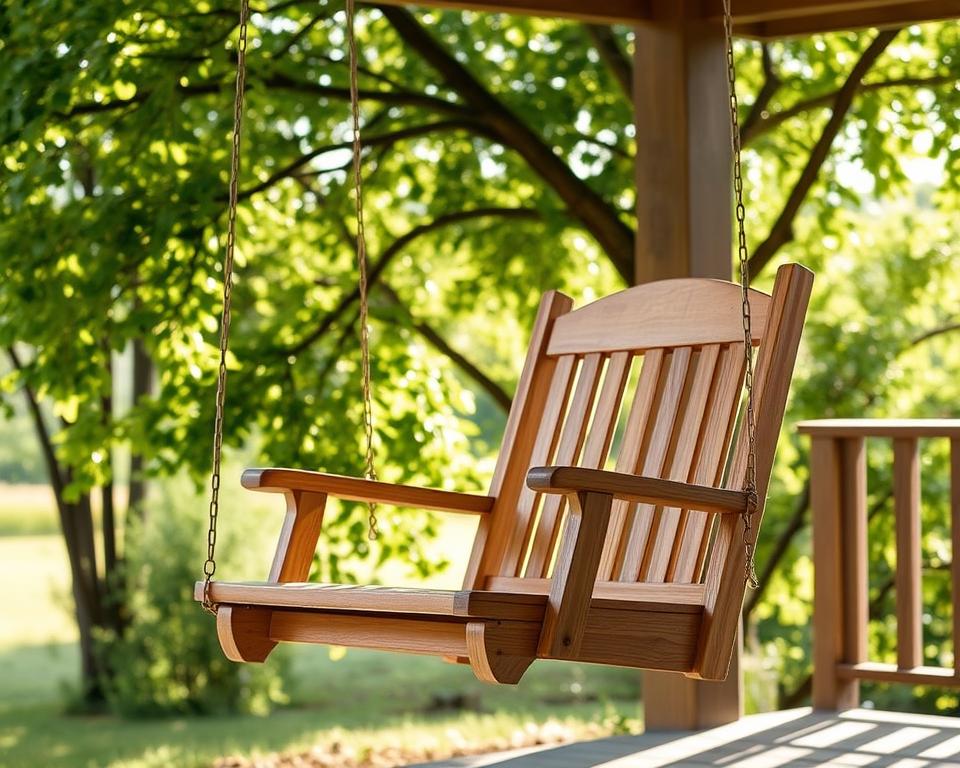
Embarking on a DIY porch swing project requires a keen understanding of porch swing design, which encompasses several critical elements. First and foremost, achieving optimal comfort and safety hinges on ergonomic construction. This involves tailoring the dimensions of the swing to accommodate the natural curvature of the body, ensuring that long hours spent on your handcrafted creation are blissfully comfortable.
Moreover, DIY craftsmanship is not only about aesthetics but also about functionality and durability. The design must consider factors like weight capacity and distribution to prevent undue stress on any part of the structure, which could lead to premature wear or failure. The meticulous selection of materials and precision in assembly play pivotal roles here.
- Seat Depth and Back Angle: Essential for comfort, these dimensions should be designed to support both the thighs and the back adequately.
- Armrest Width: Sufficient width and ergonomic placement of armrests contribute significantly to the overall relaxation experience.
- Suspension System: The strength and flexibility of the chains or ropes are crucial for safe and smooth swinging.
Through conscientious design considerations, your porch swing can offer not only a charming retreat but also a testament to DIY craftsmanship. Below is an illustration showing a well-designed porch swing, emphasizing ergonomic construction.
In summary, understanding the intricacies of porch swing design is fundamental in crafting a functional, durable, and comfortable swing. It’s not just about creating a pleasant outdoor feature but about forging a space that integrates seamlessly with human ergonomics and aesthetic values. Engage deeply with every aspect of the design and construction process to ensure that your porch swing becomes a cherished addition to your home.
Step-by-Step Guide to Build a Porch Swing Yourself
If you’ve ever dreamt of relaxing on a charming porch swing during a serene afternoon, this detailed guide will enable you to build a porch swing yourself. From wood cutting to swing installation, we’ll cover all crucial steps to ensure your project is both rewarding and successful.
Step 1: Cutting the Wood to Size
To start, accurate wood cutting is paramount. You will need to measure and cut the wood according to the specified dimensions that fit your porch size and aesthetic preference. Here are the standard cuts you might make:
- Backrest slats
- Seat slats
- Support beams
- Armrests
Ensure your measurements are precise to facilitate seamless assembly later on.
Step 2: Assembling the Swing’s Frame
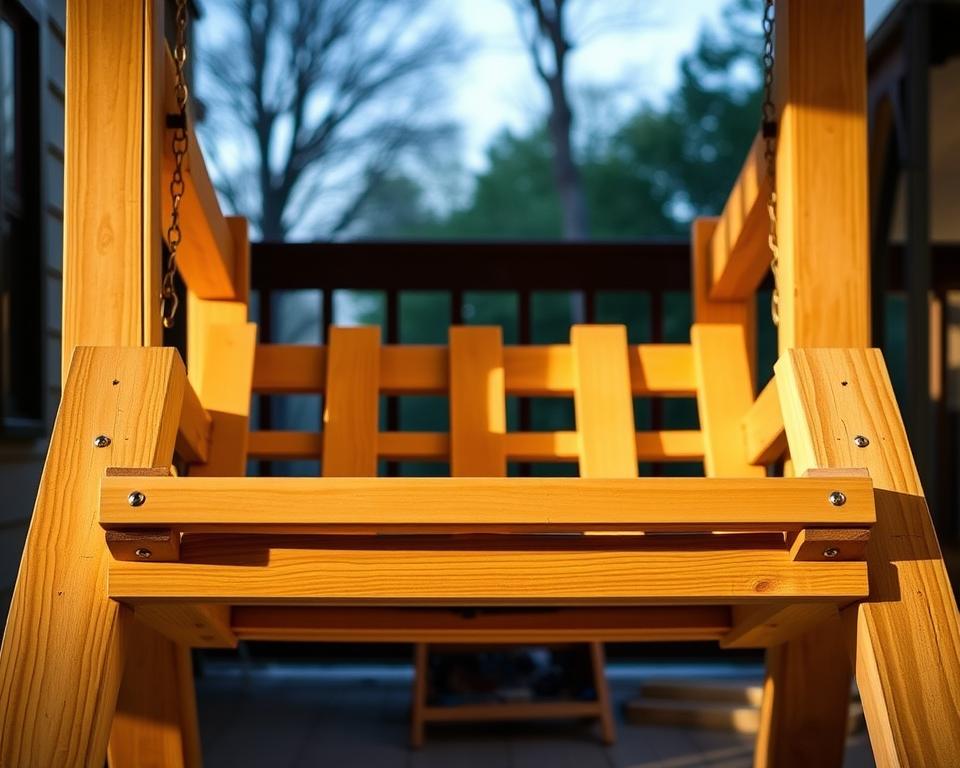
The frame assembly is crucial as it forms the backbone of your porch swing. Begin by constructing the base frame with the support beams, attaching each corner securely. Next, fix the seat slats in place, followed by the backrest slats, ensuring everything is tight and aligned correctly.
Step 3: Attaching the Seat and Backrest
Once the frame is assembled, attach the seat and backrest carefully. Use sturdy screws and ensure all parts support weight evenly to avoid any future mishaps. Comfort can be significantly enhanced by how well these elements are installed.
Step 4: Ensuring a Safe Swing Hang
The final step, swing installation, involves installing eye bolts or hooks that will hold your swing securely. Make sure to choose a beam that can support the swing’s full weight, including occupants. Testing the installation cautiously by applying gradual weight can prevent accidents and ensure a safe, enjoyable swing.
Building your own porch swing not only brings great satisfaction but also adds a bespoke element to your outdoor space. Follow these guidelines closely for a successful build.
Personalising Your Porch Swing
Once you have built your porch swing, the next step is to make it truly your own. Customising your porch swing is a creative process that blends aesthetics and comfort. From selecting perfect colour schemes to adding unique swing decorations, the possibilities to enhance your outdoor space are endless.

The right colour scheme can transform a simple porch swing into a striking feature of your garden. While selecting colours, consider the existing hues of your home’s exterior and garden. Opt for colours that complement or stylishly contrast these tones. Earthy shades like greens and browns blend naturally with outdoor environments, while bold primaries offer a vibrant focal point.
Adding Cushions and Decorative Elements
Enhancing your porch swing with cushions and various decorative elements not only boosts comfort but also injects personality into your space. Think about using outdoor cushions with weather-resistant fabrics for durability. For swing decorations, add elements like throw pillows, side tassels, or even fairy lights to create a cosy ambiance. Integrating these elements allows you not just to customise your porch swing, but also to make it a reflection of your personality and a welcoming seat for your guests.
- Coordinate with your home’s colour palette for a cohesive look.
- Choose durable materials that can withstand outdoor conditions.
- Consider the comfort and visual appeal when adding cushions and decorations.
Common Mistakes to Avoid While Building Your Swing
Building your own porch swing can be a rewarding project, but certain porch swing mistakes can turn it into a frustrating endeavour. This section covers typical DIY pitfalls and provides practical building tips to help you bypass common errors, ensuring the process is as smooth as possible.
- Ignoring the Importance of Proper Measurements
Miscalculating the dimensions can lead to a swing that doesn’t fit in the intended space or is uncomfortable to use. - Choosing Low-Quality Materials
Opt for durable wood and quality hardware that can withstand outdoor conditions to avoid repairs and replacements soon after completion. - Inadequate Preparations
Failing to sand and seal the wood properly can expose your swing to rapid weathering and potential rot. - Overlooking Weight Support Limitations
Ensure that your design and the materials used can support the anticipated load without compromising safety. - Skipping Essential Reinforcements
Not installing sufficient reinforcements can result in a structure that’s prone to swinging unevenly or even breaking.
Attending to these details can significantly enhance the durability and functionality of your porch swing, providing a safe and relaxing end product.
| Common Pitfall | Consequence | Preventative Tip |
|---|---|---|
| Inaccurate Measurements | Unsuitable swing size or discomfort | Double-check all measurements before cutting |
| Using Unsuitable Materials | Decreased longevity and safety risks | Select weather-resistant materials and reliable hardware |
| Omitting Wood Treatment | Increased susceptibility to weather damage | Apply a protective sealant and sand surfaces thoroughly |
| Weak Load Support | Potential breakage under weight | Calculate the load and reinforce structure accordingly |
| Insufficient Reinforcements | Poor swing balance and risk of structural failure | Install additional supports and test swing before regular use |

Installation Tips for Hanging Your Porch Swing
Installing a porch swing can transform your outdoor space into a cosy retreat. However, the key to a successful porch swing installation lies in selecting the ideal swing location and ensuring safe mounting. This section outlines practical tips to guide you through this process, making sure your swing is not only a beautiful addition but also a secure one.
Choosing the right location for your porch swing is crucial. You should consider factors such as the view, the amount of sunlight, and the level of privacy. An ideal swing location is typically under a sturdy overhead beam or along the frame of a porch where there is ample support for safe mounting. Ensure the area chosen provides enough space for the swing to move freely without obstructions.
Securing the Swing Safely
Safe mounting of your porch swing is essential to ensure stability and prevent accidents. Begin by selecting hardware that is durable and designed for outdoor use. Attach heavy-duty screws and hooks securely into overhead beams that have been verified to support the weight. Regular checks and maintenance are recommended to keep the swing securely fastened and to avoid wear over time.
Follow these meticulous installation ideals to enjoy endless hours of relaxation on your new porch swing safely and beautifully situated in your chosen spot.
Maintenance Tips to Keep Your Porch Swing Looking New
Maintaining your porch swing in pristine condition involves a dedicated approach to porch swing maintenance that encompasses a consistent cleaning regimen and rigorous wood preservation methods. These steps will not only enhance your swing’s aesthetic appeal but will also extend its lifespan, allowing you to enjoy countless serene moments outdoors.
Regular Cleaning Practices
Establishing a routine cleaning schedule for your porch swing is paramount. Start by removing any debris or leaves with a soft brush or cloth to prevent scratches. It is advisable to use mild soapy water to clean the surface thoroughly; ensure to rinse it with clean water and dry it completely to avoid any moisture-related damage. For optimal results, include cleaning in your weekly or bi-weekly home maintenance routine.
Protecting the Wood
To protect your wooden porch swing from the deteriorating effects of weather conditions, applying a protective sealant at least once a year is crucial. This sealant will form a barrier against moisture, UV rays, and frequent wear, which are common in outdoor environments. Additionally, during severe weather conditions, consider covering your swing or storing it in a dry area to safeguard against prolonged exposure to moisture and intense sun.
- Check the stability of the swing regularly to prevent accidents and ensure safety.
- Inspect for signs of wear such as splits or cracks in the wood and address them promptly.
- Store cushions indoors when not in use to prevent moisture accumulation and fabric degradation.
By adhering to these simple practices, your porch swing can remain a beautiful and functional addition to your home, providing a cosy retreat on your porch for many years to come.
Benefits of Building Your Porch Swing
Embarking on DIY projects can yield numerous benefits, and constructing your own porch swing is no exception. The tactile satisfaction of creating something tangible extends beyond mere cost savings, embracing the deeper rewards of DIY projects. This hands-on approach allows the flexibility to customise every aspect, tailoring dimensions, design, and finish to suit personal tastes and the specific needs of your outdoor space.
One of the most appealing porch swing advantages is the undeniable enhancement it brings to your home’s exterior. A self-made porch swing adds a touch of charm and a welcoming vibe, making it a focal point for outdoor enjoyment. Moreover, the swing becomes a personal haven where you can unwind, immerse in the serenity of nature, or simply enjoy leisurely afternoons with a book.
To further illustrate the tangible benefits of taking on such a project, consider the following table comparing DIY and store-bought porch swings:
| Feature | DIY Porch Swing | Store-Bought Porch Swing |
|---|---|---|
| Cost | Lower (material costs only) | Higher (includes retail markup) |
| Customisation | High (fully customisable) | Low (limited options) |
| Quality Control | Complete (you control the craftsmanship) | Varies (dependent on manufacturer) |
| Satisfaction | High (personal involvement) | Variable (dependent on product satisfaction) |
Finally, the rewards of DIY projects like building your own porch swing extend into the realm of mental and physical health. The process itself promotes a sense of achievement and can be a therapeutic outlet, reducing stress and encouraging outdoor enjoyment. Owning a porch swing you’ve crafted yourself multiplies the pleasure, as each swing in your bespoke creation is a gentle reminder of your skill and creativity.
Inspirational Ideas for Your Next Project
Having just completed a DIY porch swing, it’s the perfect time to brainstorm DIY project ideas for your next home project. Whether you’re looking to enhance your garden further or dive into another aspect of creative woodworking, these suggestions will inspire you to keep creating and improving your living space.
Consider creating a wooden garden planter that complements your new porch swing. Not only does this offer more opportunities for enhancing your outdoor area, but it will also resonate well with your developing woodworking skills. Birdhouses, meanwhile, can add charm and wildlife to your garden. These small projects not only refine your craftsmanship but also encourage biodiversity.
- Garden pathway edging with creative wooden designs.
- Custom coffee table featuring intricate woodworking skills.
- Handcrafted wooden coasters and table mats for your outdoor seating area.
For those looking to challenge themselves further, why not design and build a complete outdoor dining set? This project will not only solidify your woodworking skills but also transform your garden into a functional, stylish dining area for family and friends. Additionally, you might realise a bespoke storage bench that serves as both seating and a storage solution, perfect for tucking away gardening tools or children’s outdoor toys.
Each of these DIY project ideas not only enhances your home but also deepens your engagement with creative woodworking. Start small or dream big—your next home project is an opportunity to express your creativity and craftsmanship.
Conclusion
The journey from the initial selection of materials to the fulfilling moment of project completion is truly a testament to the joys of DIY efforts. Completing your porch swing offers not only a tangible result of your hard work but also instills a deep sense of DIY satisfaction. Crafting something with your own hands imbues your space with personal significance and enhances the overall charm of your home.
As we’ve walked through each step necessary to build a beautiful and sturdy porch swing, it’s apparent that the process is as rewarding as it is enjoyable. The attention to detail, the careful selection of tools and materials, and the creative touches applied throughout—every element contributes to the final porch swing enjoyment that you, your family, and your guests will experience.
This guide aimed to assist and inspire you to embark on a fulfilling DIY project, and now as you sit back and gently sway on your handcrafted porch swing, relish the tranquility and satisfaction that your dedicated efforts have brought to life. May your new porch swing be a haven of relaxation and a proud emblem of your DIY prowess.
FAQ
What type of wood is best suited for building a porch swing?
The best woods for outdoor use are those that naturally resist rot and pests, such as teak, cedar, or pressure-treated pine. Each type has its own benefits in terms of durability and aesthetics.
Which tools and hardware will I need to build my own porch swing?
You’ll need a variety of tools including a saw, drill, sander, measuring tape, and carpenter’s square. Hardware will include screws, bolts, chain or rope for hanging, and any additional fixtures for support.
How do I ensure my porch swing has a sturdy design?
Focus on accurate measurements and secure joinery. Ensure all parts of the swing, particularly the joints and supports, are sturdily constructed to handle the expected weight and strain.
Are there any crucial design features to consider for ergonomic comfort?
Absolutely, the curvature of the backrest and the angle of the seat are crucial for comfort. A slightly reclined back and a seat that dips towards the back help in achieving ergonomic seating.
Can you provide any tips for personalising my porch swing?
Personalising your swing can be as simple as choosing a colour that blends with your home’s exterior or as intricate as adding specially designed cushions and decorative elements. If painting, consider a weather-resistant exterior paint for longevity.
What are some common mistakes to avoid when building a porch swing?
Not measuring twice before cutting, skimping on quality materials, and rushing the assembly process are common pitfalls. Also, improper hanging or not accounting for weight distribution can lead to safety issues.
How do I properly maintain my wooden porch swing?
Regularly clean your swing with appropriate wood cleaning solutions. Apply a fresh coat of protective sealant or paint whenever the previous layer shows signs of wear to keep it from weathering.
What are the benefits of building a porch swing myself rather than buying one?
DIY porch swings offer customisation to your preferences, potential cost savings compared to retail options, and the personal satisfaction that comes from creating something with your own hands. Plus, you’ll have a unique piece that perfectly suits your space.
Do you have any recommendations for my next DIY project after completing the porch swing?
Consider complementary projects such as building a matching side table, creating a garden planter, or crafting outdoor lighting solutions that enhance the ambiance of your porch area.