Summerhouse Planning Permission: What You Need to Know
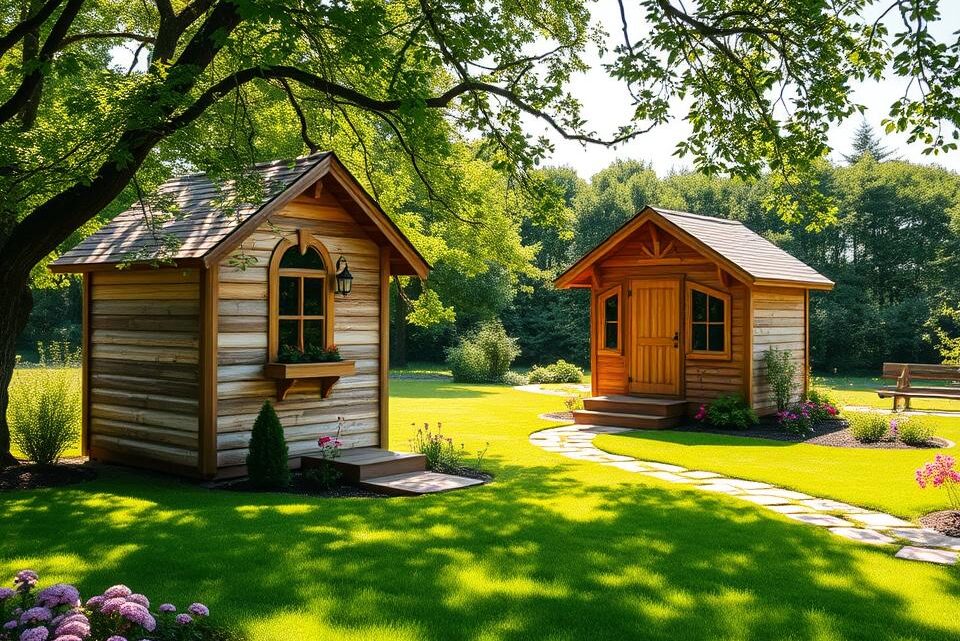
When considering a summer house for your garden, understanding the regulations surrounding planning permission is crucial. Generally, most timber summer houses positioned within a back garden do not require planning permission, but there are key considerations to be aware of.
The UK’s planning permission rules can be complex, and it’s essential to comprehend the legal framework before investing in a summer house. This guide will explore the essential information about planning permission requirements for summerhouses in the UK, including size restrictions and boundary considerations.
Inhaltsverzeichnis
Key Takeaways
- Understanding the legal framework surrounding garden buildings is crucial before investing in a summerhouse project.
- Most timber summer houses do not need planning permission if carefully positioned within a back garden.
- Size restrictions, height limitations, and boundary considerations are key factors in determining planning permission.
- Special cases may require additional permissions.
- Permitted development rights may apply to your summerhouse project.
Understanding Summerhouse Planning Permission
To ensure your summerhouse complies with UK planning law, it’s essential to grasp the concept of planning permission. A summerhouse is treated as a garden outbuilding under UK planning law, which means it’s considered a small, single-storey structure used for leisure, hobby, or storage in the garden, not as a separate home.
What Constitutes a Summerhouse in Planning Terms
In planning terms, a summerhouse is classified as an “outbuilding” – a structure separate from the main dwelling used for purposes incidental to the enjoyment of the house. Summerhouses are grouped with other garden structures like sheds, garden rooms, and garages under planning regulations. However, their specific use and design may affect how they’re treated. For instance, if a summerhouse is used for hobbies or as a home office, it may be considered incidental to the main dwelling.
https://www.youtube.com/watch?v=YHsrjzV3L4s
The Difference Between Planning Permission and Building Regulations
Planning permission governs what you can build and where, focusing on the appearance, size, and location of structures and their impact on surroundings. On the other hand, building regulations concern how structures are built, addressing safety, energy efficiency, structural integrity, and other technical requirements. Understanding this distinction is crucial as a summerhouse project might comply with one set of rules but not the other.
For example, your summerhouse might meet planning permission requirements but fail to comply with building regulations if it’s not constructed with adequate insulation or structural support. Therefore, it’s vital to consider both aspects when planning your summerhouse.
Permitted Development Rights for Summer Houses
Homeowners often wonder if they need planning permission to build a summerhouse, and this is where permitted development rights come into play. Permitted development rights are a set of guidelines that allow homeowners to make certain changes to their properties without needing to apply for formal planning permission.
What Are Permitted Development Rights?
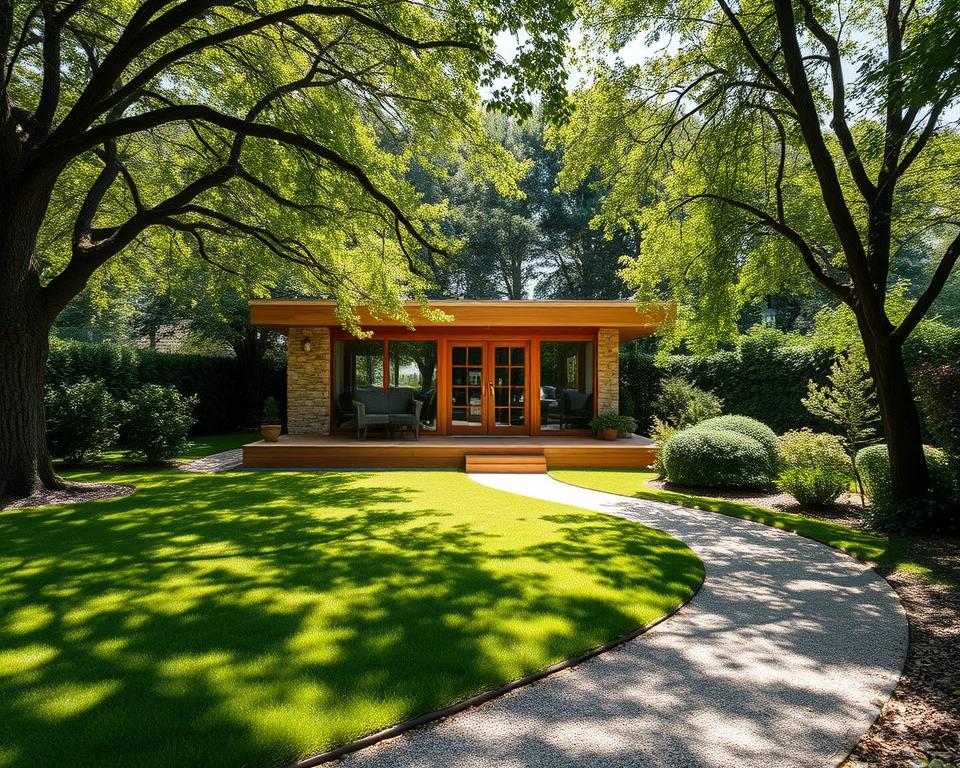
Permitted development rights are granted by the Government’s Department for Levelling Up, Housing and Communities. These rights enable homeowners to undertake minor development projects, such as building a summerhouse, without the need for formal planning permission. However, it’s crucial to note that these rights only apply to houses, not flats, maisonettes, or commercial properties.
- Permitted development rights allow for certain improvements without formal planning permission.
- These rights are designed to streamline minor development projects.
How Permitted Development Applies to Garden Buildings
For garden buildings like summerhouses, permitted development rights typically allow construction without planning permission provided the structure meets specific criteria regarding size, height, location, and intended use. It’s also important to consider that even within permitted development, there are restrictions that vary depending on your property’s location, particularly in conservation areas or national parks.
To ensure compliance, homeowners should familiarize themselves with the specific requirements and restrictions applicable to their property and location.
When Planning Permission Is Not Required
Understanding when planning permission is not required can significantly simplify the process of building a summerhouse. In many cases, homeowners can construct a summerhouse without needing to obtain planning permission, provided their project complies with specific criteria under permitted development rights.
Key Criteria for Permitted Development
To qualify as permitted development, a summerhouse must meet several key conditions. These include size, height, location, and usage limits. The building should be used for purposes “incidental” to the enjoyment of the main dwelling, such as a hobby room, home office, or garden room, rather than as separate living accommodation.
Additionally, the summerhouse project must not result in more than 50% of the land around the original house being covered by outbuildings or extensions. Ensuring compliance with these regulations can save homeowners time and money on unnecessary planning applications.
Location Requirements Behind the Main House
The location of the summerhouse is a critical factor in determining whether planning permission is required. The summerhouse must be positioned behind the principal elevation of the main house. Structures in front gardens are not covered by permitted development rights, so it’s essential to plan the location carefully.
| Criteria | Description |
|---|---|
| Location | Behind the principal elevation of the main house |
| Usage | Incidental to the enjoyment of the main dwelling |
| Land Coverage | Not more than 50% of the original house’s land |
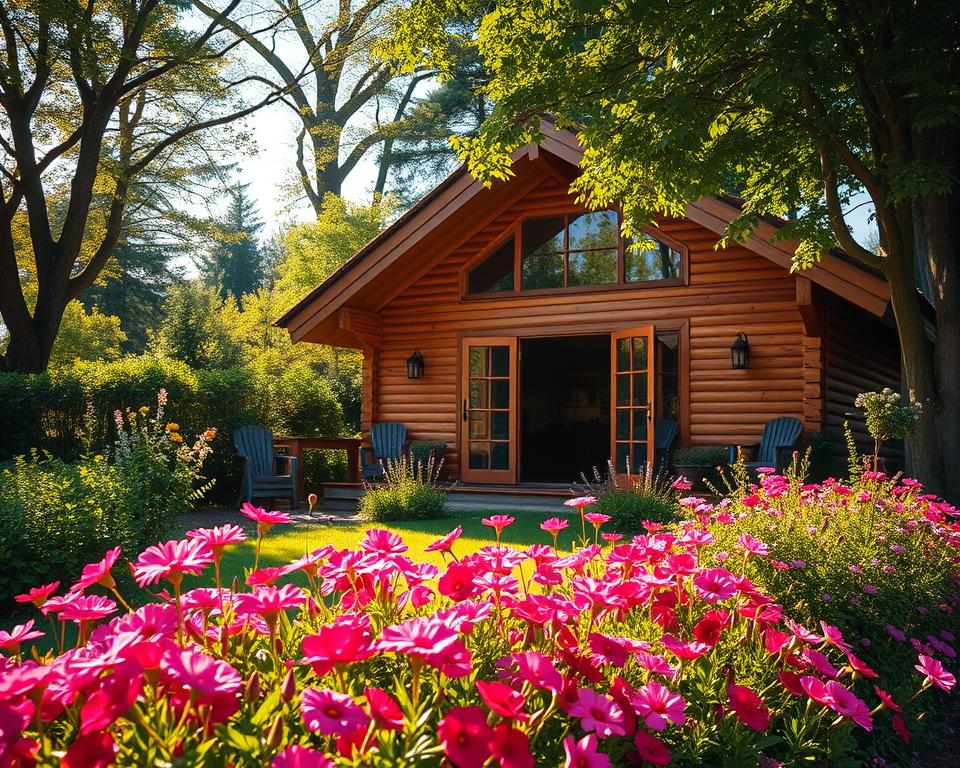
By understanding and adhering to these guidelines, homeowners can successfully build a summerhouse without the need for planning permission, ensuring their project remains compliant with regulations.
Size and Height Restrictions Under Permitted Development
When building a summer house, it’s crucial to understand the size and height restrictions that apply under permitted development rights. These restrictions are designed to ensure that garden buildings do not negatively impact neighboring properties or the overall character of the area.
Maximum Height Allowances
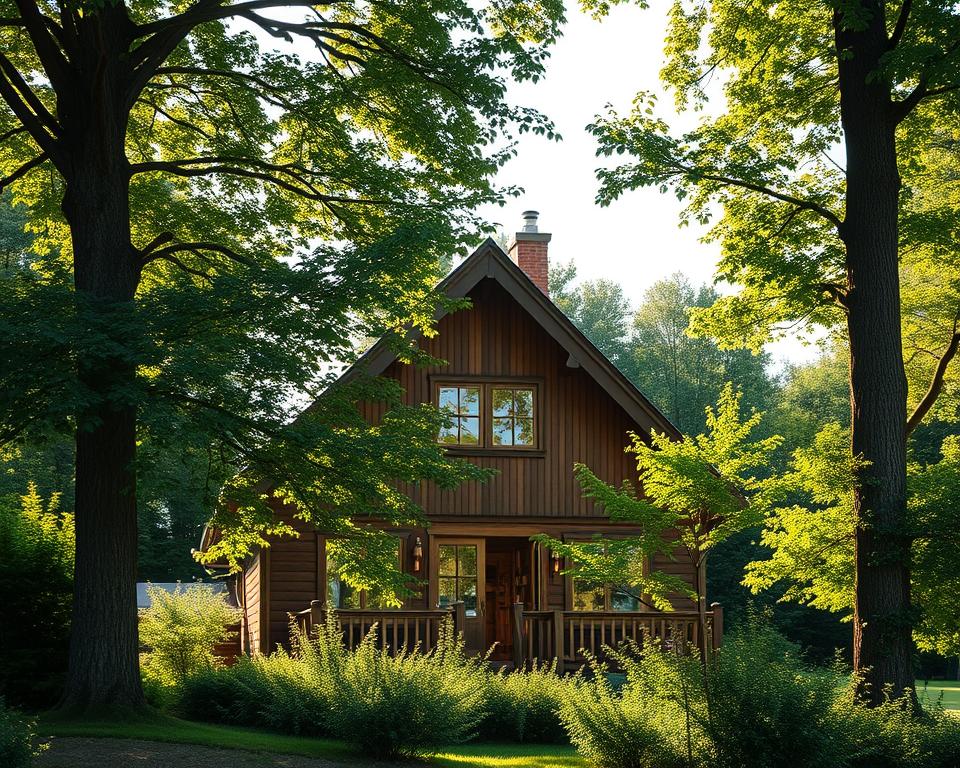
The height of a summer house is a critical factor in determining whether it complies with permitted development regulations. For a dual-pitched or hipped roof, the maximum height allowed is 4 metres. For other roof types, the maximum height is 3 metres. However, if any part of the summer house is within 2 metres of a property boundary, that part must not exceed 2.5 metres in height. This rule is particularly relevant for properties in urban areas like London, where outbuildings are often situated near boundary fences or walls.
Garden Coverage Limitations
In addition to height restrictions, garden coverage is another important consideration. The total area covered by all outbuildings, including the summer house, must not exceed 50% of the total garden area surrounding the original house. This limitation helps to prevent over-development of the garden and maintain a balance between the house and its surroundings.
| Roof Type | Maximum Height | Height within 2m of Boundary |
|---|---|---|
| Dual-Pitched/Hipped | 4 metres | 2.5 metres |
| Other Roof Types | 3 metres | 2.5 metres |
By adhering to these size and height restrictions, homeowners can ensure that their summer house complies with permitted development regulations, avoiding the need for planning permission.
Boundary Considerations for Summer Houses
Boundary considerations play a significant role in determining whether a summerhouse requires planning permission. Homeowners must be aware of the regulations regarding the distance of their summerhouse from the property boundary.
Distance from Property Boundaries
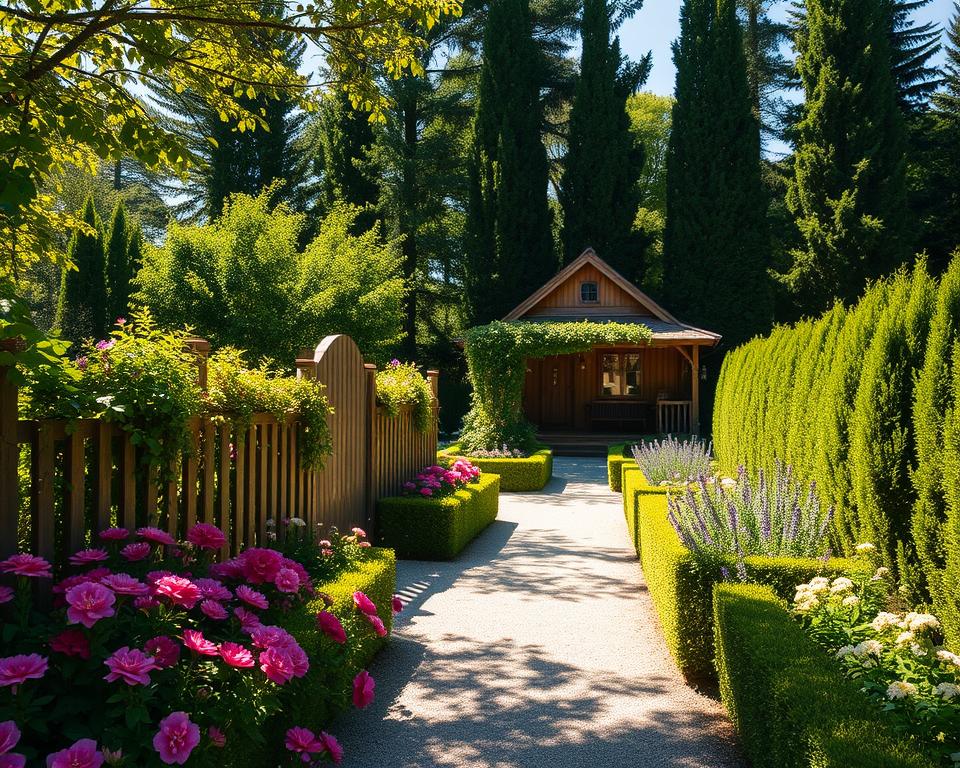
The distance of a summerhouse from the property boundary is crucial. If you plan to put an outbuilding within 2 metres of your boundary, it should be no taller than 2.5 metres at its highest point. This rule applies to all boundaries, including those with neighbouring properties and public highways.
| Distance from Boundary | Maximum Height |
|---|---|
| Within 2 metres | 2.5 metres |
| Beyond 2 metres | No restriction specified |
Height Restrictions Near Boundaries
Height restrictions near boundaries are critical to consider. In Scotland, for instance, planning permission is required if any part of a building within 1 metre of a neighbouring property exceeds 2.5 metres in height. It’s essential to check with your local planning authority for specific boundary requirements, as these can vary across different counties and regions.
Summerhouse Planning Permission: What You Need to Know for Special Areas
When building a summerhouse in sensitive areas, it’s crucial to understand the additional planning restrictions that apply. Properties located within designated areas such as Conservation Areas, National Parks, or Areas of Outstanding Natural Beauty (AONBs) are subject to stricter regulations.
Conservation Areas and National Parks
In Conservation Areas and National Parks, the normal permitted development rights are tightened. For instance, you cannot build a new outbuilding at the side of your house under permitted development rights. Moreover, any outbuilding more than 20 metres from the main house is limited to 10 square metres in size without needing planning permission.
| Designated Area | Restrictions |
|---|---|
| Conservation Areas | Tighter permitted development rights, limited outbuilding size |
| National Parks | Stricter regulations, larger outbuildings require permission |
Listed Buildings and Protected Sites
For listed buildings, adding a summerhouse always requires planning permission, regardless of its size or location. You will likely need listed building consent as well. This ensures that any additions do not alter the historical significance or character of the property.
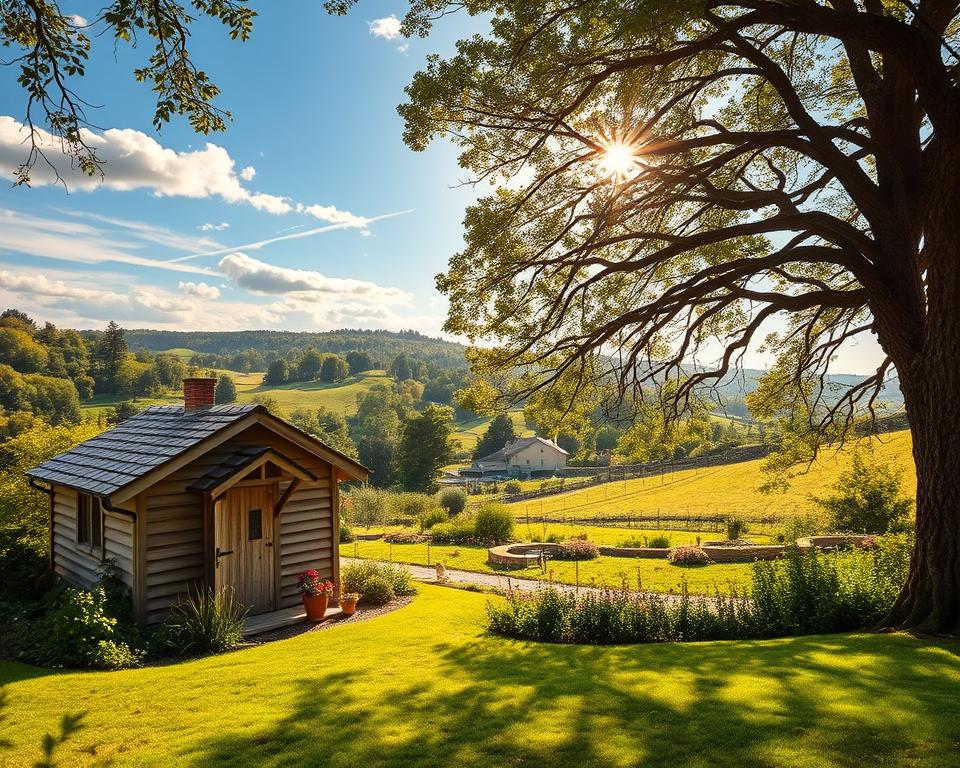
These additional restrictions are designed to preserve the character and appearance of historically or environmentally significant areas. It’s essential to consult with your local planning authority before proceeding with your summerhouse plans.
When Planning Permission Is Required
Understanding when you need planning permission for a summerhouse is crucial to avoid potential legal issues. Planning permission becomes necessary when your summerhouse project exceeds certain limits or doesn’t comply with specific regulations.

Exceeding Permitted Development Limits
If your summerhouse is taller than 4m (pitched roof) or 3m (flat roof), or it covers more than 50% of your garden, it exceeds Permitted Development (PD) limits, requiring planning permission. Additionally, any part of the structure taller than 2.5m within 2m of a boundary is not allowed under PD.
Change of Use Considerations
Using your summerhouse for purposes beyond those “incidental” to the main dwelling’s enjoyment, such as creating separate living accommodation, necessitates planning permission. Installing facilities like bathrooms or kitchens may trigger the need for planning permission due to a change of use.
The Role of Local Planning Authorities
Understanding the role of local planning authorities is essential for navigating the complexities of summerhouse planning permission. Local planning authorities play a crucial role in enforcing planning rules and regulations within their jurisdictions.
They are responsible for reviewing planning applications, assessing compliance with local and national planning policies, and making decisions on whether to grant planning permission.
How Local Councils Enforce Planning Rules
Local planning authorities (LPAs) are tasked with implementing and enforcing planning regulations. They have the power to investigate potential breaches of planning rules and can take enforcement action against unauthorised developments.
This enforcement capability ensures that developments comply with the relevant planning policies, maintaining the integrity of the local environment.
Consulting with Your Local Planning Department
Consulting with your local planning department before starting your summerhouse project is highly recommended, even if you believe it falls under permitted development. Many local councils offer pre-application advice services where planning officers can provide guidance specific to your property and proposed development.
Local planning authorities may have additional local policies or restrictions beyond national guidelines that could affect your summerhouse project, making early consultation particularly valuable.
Applying for Planning Permission
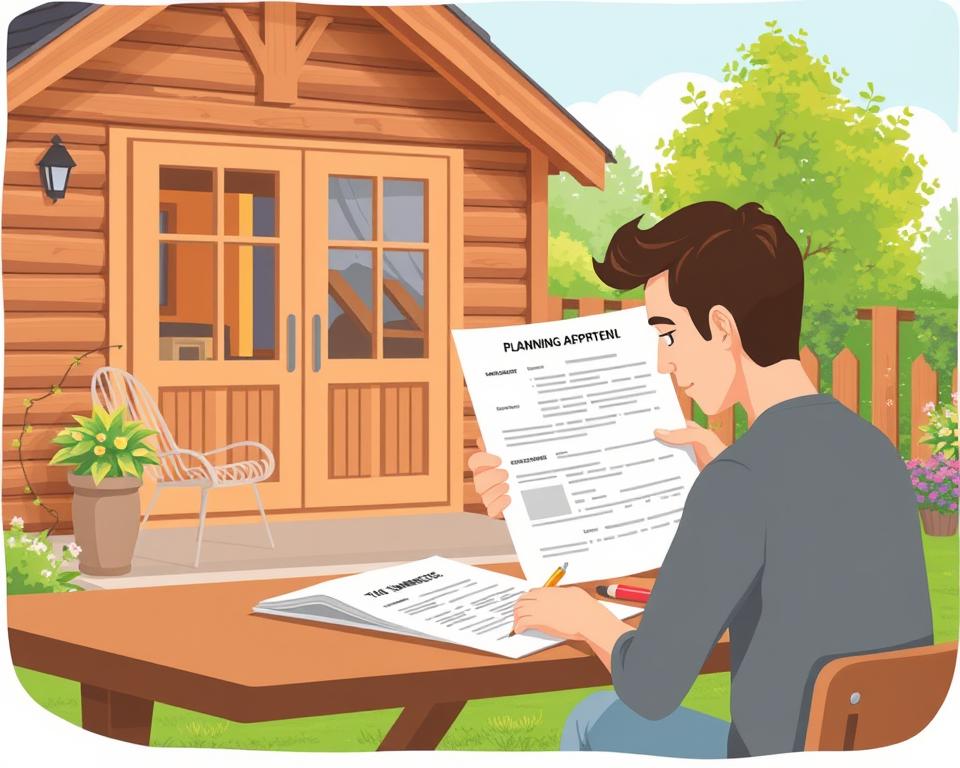
To build your dream summerhouse, you may need to apply for planning permission, a process that requires careful preparation. When planning permission is required for your summerhouse, preparing a comprehensive planning application is essential for success.
Essential Documents for Your Application
Your planning application should include several essential documents to help the local council assess your proposed development. These documents typically comprise a location plan, site plan, elevations, floor plans, and a Design and Access Statement.
Essential documents include location plans showing the site in relation to surrounding areas, detailed site plans indicating the position of the proposed summerhouse, and elevation drawings showing all sides of the structure.
The Application Process and Timeframes
The standard planning application process takes approximately 8 weeks from submission to decision, though more complex cases may take longer. Applications are submitted through the Planning Portal website, which is the official online system for planning applications in England and Wales, with fees varying depending on the type of application.
Lawful Development Certificates Explained
The lawful development certificate is an essential document for homeowners who want to ensure their summerhouse is legally compliant and doesn’t require planning permission. Obtaining this certificate provides a legal determination that your summerhouse project is considered permitted development.
A lawful development certificate offers several benefits, including peace of mind and evidence of compliance with planning regulations. This certificate is particularly valuable when selling or refinancing your property, as it confirms that your summerhouse falls within the permitted development guidelines.
Benefits of Obtaining a Certificate
Having a lawful development certificate provides indefinite protection against enforcement action, giving homeowners confidence that their summerhouse complies with planning regulations. The key benefits include:
- A Lawful Development Certificate (LDC) provides legal confirmation that your summerhouse project doesn’t require planning permission or that an existing structure is lawful.
- While not mandatory, an LDC offers valuable protection against future planning disputes and can be particularly important when selling your property or if neighbours raise concerns.
How to Apply for a Lawful Development Certificate
Applying for a lawful development certificate requires similar documentation to a planning application, including detailed plans and evidence that your project meets permitted development criteria. The application process typically takes 8 weeks, and the fee is usually less than a full planning application, making it a worthwhile investment for legal certainty.
To apply, homeowners should prepare detailed plans and evidence to support their application, ensuring they meet the necessary criteria for permitted development.
Building Regulations for Summer Houses
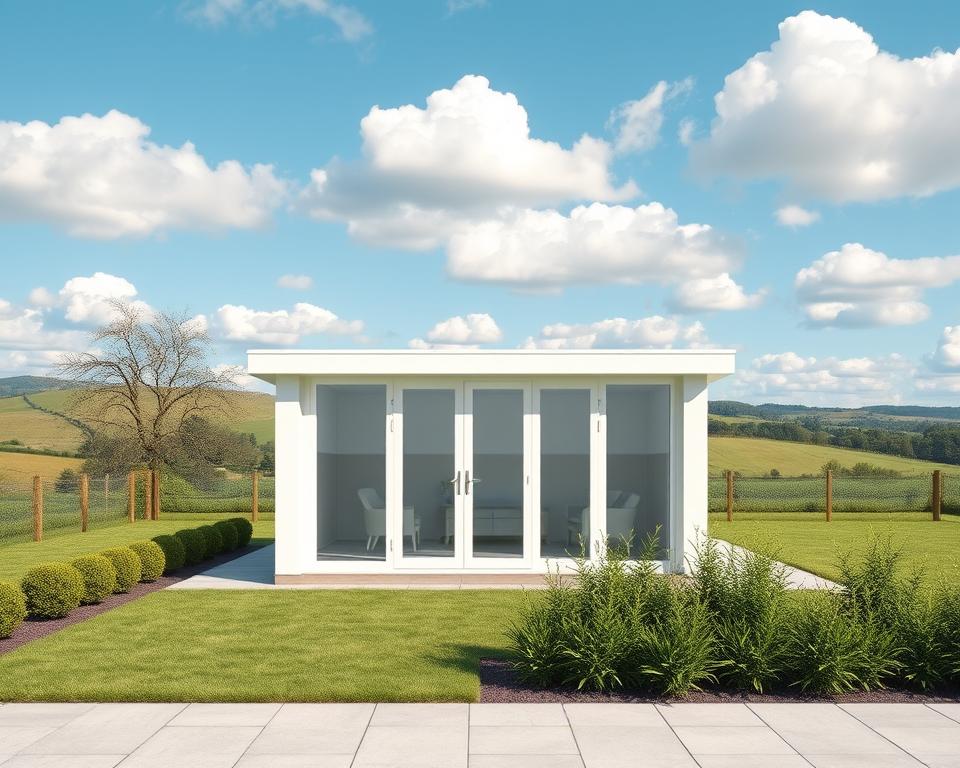
To comply with UK laws, it’s vital to understand the building regulations applicable to summer houses. Building regulations are separate from planning permission and focus on the construction standards, safety, and energy efficiency of structures.
When Building Regulations Apply
Generally, summerhouses under 15 square metres with no sleeping accommodation are exempt from building regulations. However, structures between 15-30 square metres are also usually exempt if they contain no sleeping accommodation and meet specific fire-safety conditions.
Compliance Requirements
Any summerhouse intended for sleeping accommodation or over 30 square metres will require building regulations approval. Compliance involves meeting standards for structural integrity, fire safety, ventilation, insulation, and electrical installations.
Conclusion
To wrap up, the regulations surrounding planning permission for summer houses are designed to balance homeowner needs with environmental and neighbour considerations.
In summary, planning permission is usually not required for a summer house if it meets the standard permitted development conditions, such as being single-storey, under the height limits, and occupying no more than half the garden.
Homeowners should be aware that special considerations apply for properties in conservation areas, national parks, or for listed buildings, where you may need to obtain planning permission regardless of the summer house specifications.
Ensuring compliance with all relevant regulations will protect your investment and prevent potential legal issues in the future.
FAQ
Do I need to obtain planning permission for a summerhouse in my garden?
It depends on the size, height, and location of the summerhouse. If it meets certain criteria, such as being behind the main house and not exceeding specific height and size limits, planning permission may not be required.
What are the height restrictions for a summerhouse under permitted development rights?
The maximum eaves height should not exceed 2.5 metres, and the overall height should not be more than 4 metres if it has a dual pitched roof, or 3 metres for any other type of roof.
Can I build a summerhouse near my property boundary?
The summerhouse should be at least 2 metres away from the property boundary if it is more than 2.5 metres in height. If it is within 2 metres of the boundary, it should not exceed 2.5 metres in height.
Are there any special considerations for summerhouses in conservation areas or national parks?
Yes, there are stricter regulations in conservation areas and national parks. It is essential to consult with the local planning authority before constructing a summerhouse in these areas.
What is the difference between planning permission and building regulations?
Planning permission relates to the use of land and the size and location of buildings, while building regulations cover the construction and structural integrity of the building.
How do I apply for planning permission for a summerhouse?
You should submit an application to your local planning authority, including essential documents such as site plans, elevations, and a detailed description of the proposed development.
What is a lawful development certificate, and how can I obtain one?
A lawful development certificate is a document that confirms that your summerhouse is lawful. You can apply for it by submitting an application to your local planning authority, providing evidence that the development is permitted development or has been in existence for a certain period.
Do building regulations apply to summerhouses?
Building regulations may apply to summerhouses, particularly if they are used as habitable accommodation or contain electrical or other installations. It is crucial to check with the local building control department to determine the specific requirements.