Is It Cheaper to Buy or Build a Garden Room? Cost Guide
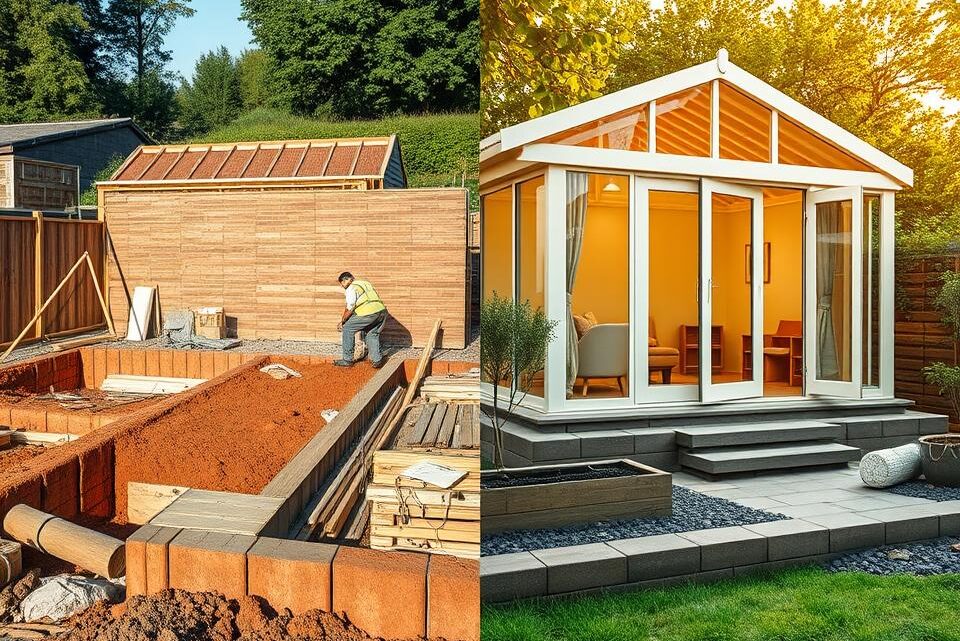
Choosing between buying a ready-made garden room and building one yourself can feel overwhelming. Many UK homeowners wonder which option will save them money whilst still delivering quality results. This garden room cost comparison guide breaks down the real expenses involved in both approaches.
The prefab vs DIY garden room debate often comes down to more than just the initial price tag. Your decision will depend on your budget, available time, and construction skills. Garden office pricing UK varies widely, with some options costing as little as £3,000 and others exceeding £30,000.
Understanding all outdoor building expenses helps you make the smartest choice for your situation. From materials and labour to planning permissions and utilities, every cost matters when creating your perfect garden space.
Inhaltsverzeichnis
Key Takeaways
- Prefab garden rooms typically range from £5,000 to £25,000 depending on size and specifications
- Self-build projects can save 30-50% on costs but require significant time investment
- Hidden expenses include base preparation, electrical installation, and planning applications
- Professional installation ensures warranties and compliance with building regulations
- DIY builds suit those with construction experience and flexible schedules
- Long-term value depends on build quality and proper insulation standards
Understanding Garden Room Options: Buy vs Build
Choosing between purchasing ready-made garden buildings or constructing your own garden space involves weighing various factors. Each approach offers distinct advantages and challenges that suit different budgets, timelines, and personal preferences. Understanding these options helps you make an informed decision that aligns with your specific needs and circumstances.
What Constitutes a Prefab Garden Room?
Prefabricated garden rooms UK suppliers offer structures manufactured off-site in controlled factory environments. These buildings arrive at your property either fully assembled or as modular garden offices that require minimal on-site construction. Companies like Green Retreats and Booths Garden Studios specialise in creating these efficient solutions.
Key features of prefab options include:
- Factory-built precision and quality control
- Weather-resistant construction from day one
- Professional installation typically completed within days
- Comprehensive warranties covering structure and workmanship
- Immediate usability upon completion
DIY Garden Room Building Explained
A self-build garden room kit represents the hands-on approach to creating your garden space. This method involves purchasing materials from suppliers like Wickes or Travis Perkins and undertaking the construction yourself. DIY building appeals to those with construction skills and time to invest in the project.
The self-build process typically includes:
- Creating detailed plans and obtaining necessary permissions
- Preparing the site and laying foundations
- Constructing the frame and walls
- Installing insulation, electrics, and plumbing
- Adding windows, doors, and finishing touches
Key Differences Between Buying and Building
| Aspect | Buying Prefab | DIY Building |
|---|---|---|
| Time to Complete | 1-3 days installation | 4-12 weeks construction |
| Initial Cost | £8,000-£25,000 | £5,000-£15,000 |
| Customisation | Limited to supplier options | Fully customisable |
| Warranty | 5-10 years typical | Material warranties only |
| Skills Required | None | Moderate to advanced |
The choice between modular garden offices and self-build projects ultimately depends on your priorities. Ready-made solutions offer speed and convenience, whilst DIY construction provides maximum control over design and potentially lower costs for those with suitable skills.
Initial Cost Breakdown for Garden Rooms
When exploring garden room pricing UK options, understanding the full scope of expenses helps create realistic expectations. Initial investment varies dramatically based on your chosen approach, with costs ranging from modest DIY projects to premium turnkey installations.
A typical 3m x 3m prefabricated garden room starts at approximately £8,000, whilst self-build enthusiasts can source materials for £3,000 to £5,000. These base figures represent just the beginning of your outdoor room budget planning journey.
Garden office installation costs extend beyond the structure itself. Essential groundworks typically add £1,500 to £3,000, depending on site conditions. Electrical connections require professional installation at £800 to £1,500, whilst plumbing for a garden studio with facilities can reach £2,000.
| Garden Room Type | Basic Cost Range | Premium Options |
|---|---|---|
| 3m x 3m Basic Shell | £5,000 – £8,000 | £12,000 – £15,000 |
| 4m x 4m Insulated Office | £10,000 – £15,000 | £20,000 – £25,000 |
| 5m x 5m Multi-Room Suite | £18,000 – £22,000 | £30,000 – £40,000 |
Garden building expenses 2024 reflect increased material costs and labour rates. Interior finishing touches like flooring, heating, and décor typically require an additional 20-30% of your base budget. Smart outdoor room budget planning accounts for these extras from the start, preventing unwelcome surprises during your project.
Is It Cheaper to Buy or Build a Garden Room?
When considering a new garden room, the financial aspect often becomes the deciding factor. A thorough garden room price comparison reveals significant differences between purchasing a ready-made structure and embarking on a DIY project. The choice between DIY vs professional installation impacts not only your wallet but also the time and effort you’ll invest.
Average Costs for Prefabricated Garden Rooms
Prefabricated garden rooms from established companies typically range from £15,000 to £25,000 fully installed. These prices include delivery, professional assembly, and basic electrical connections. Premium suppliers like Green Retreats and Booths Garden Studios often charge more for bespoke designs and high-quality finishes.

Budget garden room options start around £8,000 for basic models from retailers like Dunster House or Tiger Sheds. These cost-effective garden offices provide excellent value but may require additional finishing work.
Self-Build Garden Room Expenses
DIY construction costs significantly less in materials, typically 40-60% below prefab prices. A basic 3m x 4m garden room might cost:
- Foundation materials: £800-£1,200
- Timber frame and cladding: £2,500-£3,500
- Insulation and plasterboard: £600-£800
- Windows and doors: £1,000-£2,000
- Roofing materials: £500-£800
Hidden Costs to Consider
Planning applications cost £206 in England, whilst building control fees range from £300-£500. Tool hire adds another £200-£400 for specialised equipment. Professional electricians charge £400-£800 for safe electrical installations.
Factors Affecting Garden Room Prices
Several key elements influence the final cost of your garden room project. Understanding these factors helps you budget accurately and make informed decisions about where to invest your money for the best results.
Size and Design Complexity
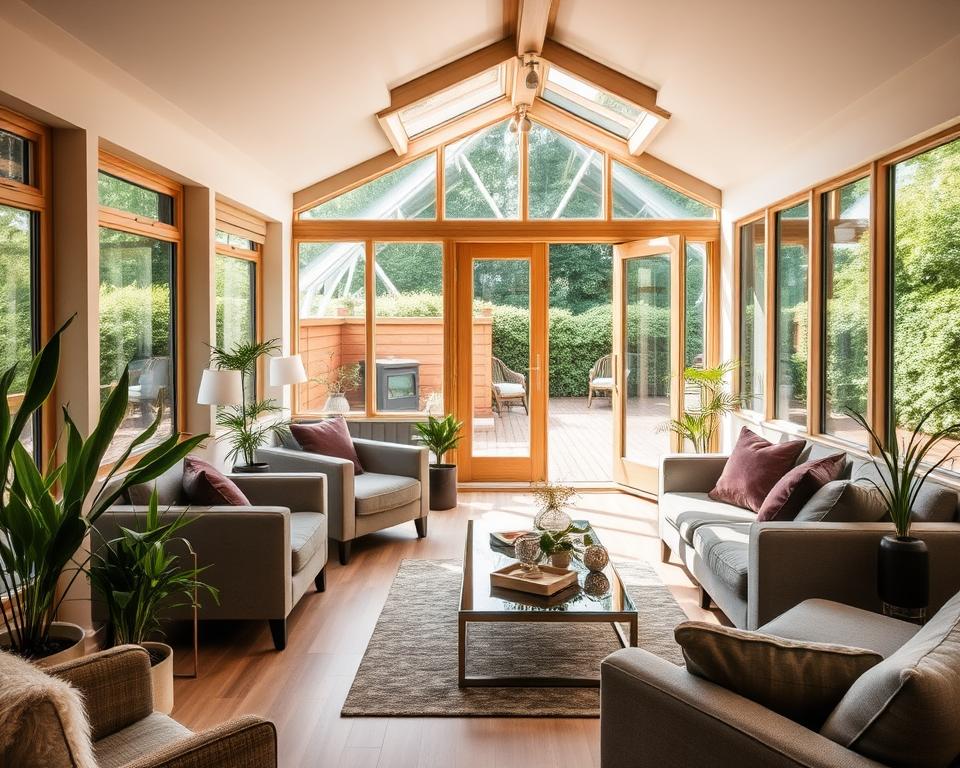
Garden room size pricing typically ranges from £500 to £800 per square metre. A simple 3m x 4m garden room costs significantly less than a 6m x 5m structure. The price difference isn’t just about floor space – larger rooms need stronger foundations and more substantial frames.
Bespoke garden room design features dramatically impact costs. Adding multiple windows increases prices by 20%, whilst bi-fold doors can push costs up by 40%. Corner windows, vaulted ceilings, and curved walls require specialised craftsmanship that adds to the final bill.
Quality of Materials
Premium garden office materials make a substantial difference to both price and longevity. Western Red Cedar cladding costs 30% more than standard timber but offers superior weather resistance and requires less maintenance. Budget-friendly options include:
- Pressure-treated softwood cladding
- UPVC windows instead of aluminium
- Standard felt roofing rather than EPDM rubber
Location and Site Accessibility
Site access costs often catch buyers off guard. Properties with narrow side passages or no direct garden access require crane hire, adding £500 to £1,500 to your budget. Sloping sites need additional groundwork, whilst gardens far from parking areas increase labour costs for material transport.
Time Investment and Labour Considerations
When deciding between buying or building a garden room, the time required for completion and associated labour expenses play a crucial role in your decision. The garden room build time varies significantly between professional and DIY approaches, each with distinct advantages and challenges.
Professional companies like Cabin Master typically complete installations within 2-5 days. This professional installation timeline includes site preparation, assembly, and finishing touches. The swift completion means minimal disruption to your daily routine and immediate use of your new space.
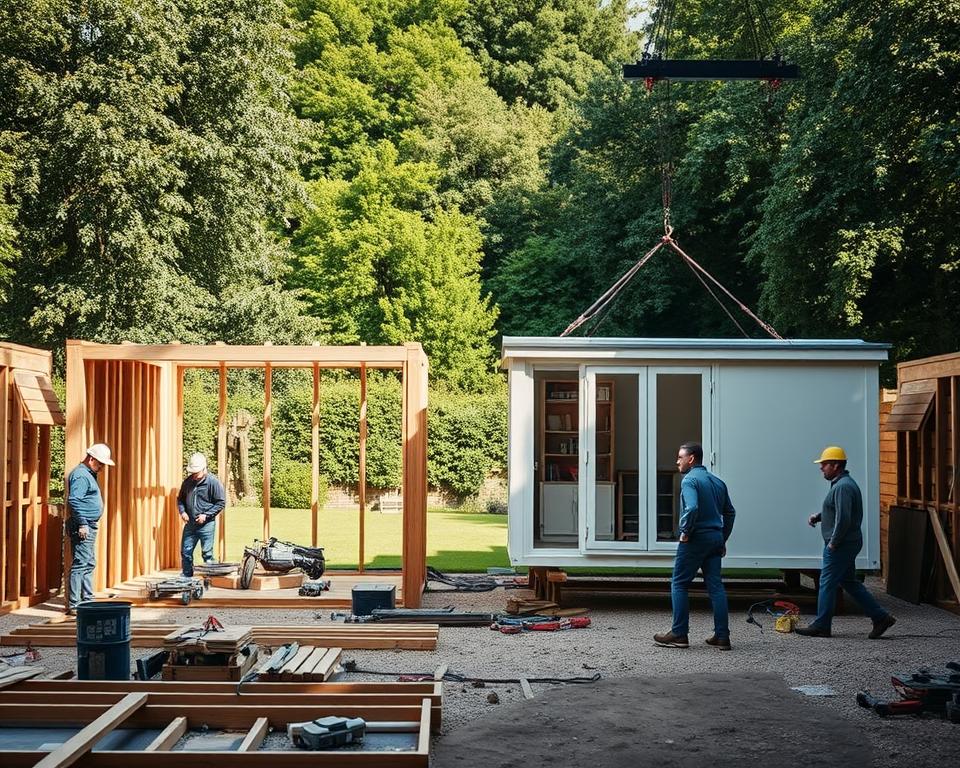
In contrast, DIY construction hours demand a substantial time commitment. Competent builders typically need 15-30 days of full-time work to complete a garden room. For those working part-time on weekends and evenings, the project might stretch across several months. This extended timeline requires careful planning around weather conditions and personal schedules.
Labour costs UK rates for professional tradespeople average £150-£250 per day. A typical garden room installation requiring two workers for five days could add £1,500-£2,500 to your budget. These costs cover skilled carpentry, electrical work, and finishing expertise.
Self-build becomes particularly attractive for those with construction skills and flexible schedules. The time investment pays off through significant savings on labour expenses. Yet, you must honestly assess your capabilities and available time before committing to a DIY project that could dominate your weekends for months.
Planning Permission and Building Regulations
Before constructing any garden room, understanding the legal requirements is essential. The regulations surrounding garden room planning permission UK can significantly impact your project’s timeline and budget. Getting this right from the start saves both money and potential headaches down the road.
Permitted Development Rights
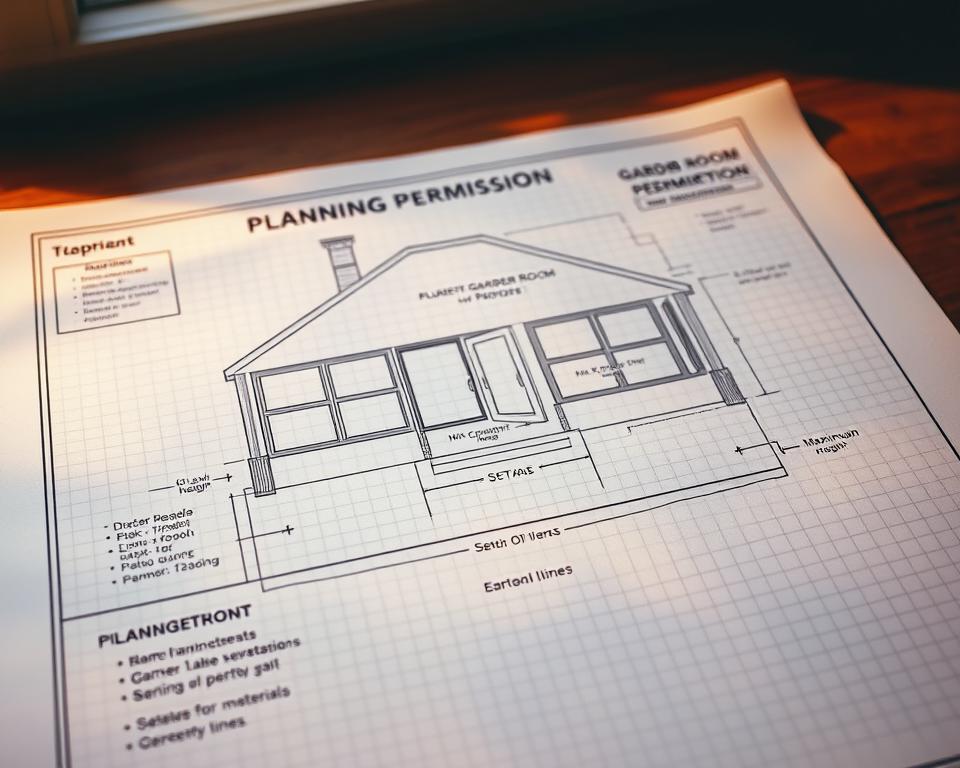
Most garden rooms qualify under permitted development rights, meaning you won’t need formal planning permission. Your structure typically falls within these rights if it meets specific criteria. The building must be single-storey with a maximum height of 2.5 metres for flat roofs or 4 metres for pitched roofs. It cannot cover more than half your garden area or sit forward of your home’s principal elevation.
When Building Control Approval Is Required
Whilst planning permission might not be necessary, building regulations compliance is a separate matter. Any garden room with an internal floor area exceeding 15 square metres requires building control approval. This ensures your structure meets safety standards for insulation, electrical installations, and structural stability. Smaller buildings under 15 square metres are generally exempt, making them popular choices for those seeking simpler garden office legal requirements.
Cost Implications of Regulatory Compliance
Understanding the financial impact of regulations helps accurate budgeting:
| Regulatory Requirement | Typical Cost Range |
|---|---|
| Planning Application | £206 |
| Building Control Fees | £300-£500 |
| Structural Calculations | £400-£800 |
| Party Wall Agreement | £700-£1,500 |
Non-compliance carries serious risks including enforcement notices and potential removal orders. Professional guidance ensures your garden room meets all requirements whilst keeping costs manageable.
Long-Term Value and Return on Investment
When weighing the costs of buying versus building a garden room, considering the long-term financial benefits proves essential. A well-constructed garden room represents more than just additional space – it’s an investment that can significantly boost your garden room property value and deliver impressive home improvement ROI.
Research from Nationwide Building Society reveals that quality garden rooms typically add between 5% and 10% to overall property values. This resale value increase makes garden rooms one of the most rewarding home improvements you can undertake. The key lies in choosing quality construction and materials that stand the test of time.
Professional installations from established companies like Rubicon Garden Rooms tend to maintain their value exceptionally well. These structures come with warranties and use materials designed to withstand British weather conditions. Self-built options can achieve similar garden office investment returns, but only when constructed to professional standards with proper foundations and weatherproofing.
| Garden Room Type | Average Property Value Increase | Typical Annual Maintenance |
|---|---|---|
| Professional Installation | 7-10% | £200-£300 |
| High-Quality DIY Build | 5-8% | £250-£400 |
| Basic DIY Structure | 3-5% | £300-£450 |
Regular maintenance plays a crucial role in preserving your investment. Annual upkeep costs typically range from £200 to £400, depending on the structure’s complexity and materials used. This includes treating timber, checking seals, and maintaining electrical systems – all vital for ensuring your garden room continues delivering strong returns year after year.
Making the Right Choice for Your Budget
Choosing between buying and building a garden room ultimately depends on your financial situation, practical skills, and time availability. Finding budget-friendly options requires careful planning and thorough research to ensure you get the best value for your investment.
Assessing Your Skills and Resources
Before deciding whether to build or buy, take an honest inventory of your DIY capabilities. Basic carpentry skills might suffice for a simple structure, but electrical work and insulation require specific expertise. Consider whether you have the necessary tools, which can cost £500-£1,000 if purchased new. Factor in your available time – a self-build project typically requires 100-200 hours of labour.
Comparing Quotes and Specifications
When comparing garden office quotes, request detailed proposals from at least three reputable suppliers like Dunster House, Garden Affairs, and Green Retreats. Each quote should include:
- Base price and VAT
- Delivery and installation costs
- Foundation requirements
- Electrical package details
- Warranty terms
Financing Options for Garden Rooms
Garden room payment plans make these structures more accessible. Popular garden room financing UK options include retailer finance through Ideal4Finance or Klarna, offering terms from 12-60 months. For smaller projects under £5,000, 0% interest credit cards provide cost-effective funding. Larger installations might benefit from home improvement loans with competitive rates starting from 3.9% APR.
Conclusion
Your garden room decision guide comes down to balancing three key factors: budget, time, and expertise. Self-building can slash costs by 40-60%, making it an attractive option for those with construction skills and spare weekends. You might spend £3,000-£8,000 on a competent self-build project, compared to £8,000-£15,000 for a quality prefabricated option from companies like Green Retreats or Swift Garden Rooms.
This buy vs build summary reveals that prefabricated garden rooms offer peace of mind through warranties, professional installation, and faster completion times. Most UK suppliers can install a garden office within 2-4 weeks, while self-builds often stretch across several months. The professional finish and compliance with building regulations come as standard, removing the stress of navigating complex paperwork.
Cost-effective garden office solutions depend on your personal circumstances. If you’re skilled with tools and have time to spare, self-building offers significant savings. For busy professionals or those wanting guaranteed results, prefabricated options provide better value despite higher upfront costs. Final considerations should include the structure’s purpose, your local planning requirements, and the long-term value added to your property. Both routes can create stunning garden spaces that enhance your lifestyle and increase your home’s appeal.
FAQ
How much cheaper is it to build a garden room yourself?
Self-building a garden room typically costs 40-60% less than buying a prefabricated one. For example, whilst a 3m x 3m prefab garden room from companies like Green Retreats might cost £8,000-£12,000 installed, the materials for a similar DIY build from suppliers like Wickes or Travis Perkins would cost approximately £3,000-£5,000. However, you’ll need to factor in 100+ hours of labour and potentially tool hire costs.
Do I need planning permission for a garden room?
Most garden rooms fall under permitted development rights if they’re under 2.5 metres in height and meet other criteria. However, you’ll need planning permission (costing £206) if your property is in a conservation area, listed building, or if the structure exceeds permitted development limits. Buildings over 15m² internal floor area also require building control approval, which costs £300-£500.
What are the hidden costs when building a garden room?
Hidden costs include groundworks (£500-£2,000), electrical connections (£800-£1,500), building control fees (£300-£500), specialist tool hire (£200-£500), and potentially crane hire for difficult access sites (£500-£1,500). Don’t forget annual maintenance costs of £200-£400 and potential planning application fees of £206.
How long does it take to build a garden room yourself?
A competent DIY builder typically needs 15-30 full days to complete a garden room, which could span several months if working part-time. In contrast, professional companies like Cabin Master complete installations within 2-5 days. Consider whether your time investment, valued at professional labour rates of £150-£250 daily, makes self-building cost-effective.
Will a garden room add value to my property?
According to Nationwide Building Society research, a quality garden room typically adds 5-10% to property value. Well-built structures from reputable suppliers like Rubicon Garden Rooms or Swift Garden Rooms tend to maintain value better than DIY builds, though excellent craftsmanship in self-builds can achieve similar returns.
What financing options are available for garden rooms?
Many garden room suppliers offer finance through providers like Ideal4Finance or Klarna, with monthly payment plans available. For smaller DIY builds under £5,000, consider 0% interest credit cards. Larger projects might benefit from home improvement loans. Some companies like Dunster House and Garden Affairs provide their own financing packages with competitive rates.
What size garden room can I build for £10,000?
With a £10,000 budget, you could purchase a basic 3m x 3m prefabricated garden room from suppliers like Booths Garden Studios, including installation. If self-building, this budget could stretch to a 4m x 4m structure or a 3m x 5m room, using quality materials from Travis Perkins, though this depends on your specification and site requirements.
Do I need building regulations approval for a garden room?
Building regulations approval is required if your garden room has an internal floor area over 15m² or if you plan to sleep in it regularly. The approval process costs £300-£500 and ensures your structure meets safety standards for insulation, electrical work, and structural integrity. Non-compliance risks enforcement action and potential removal orders.